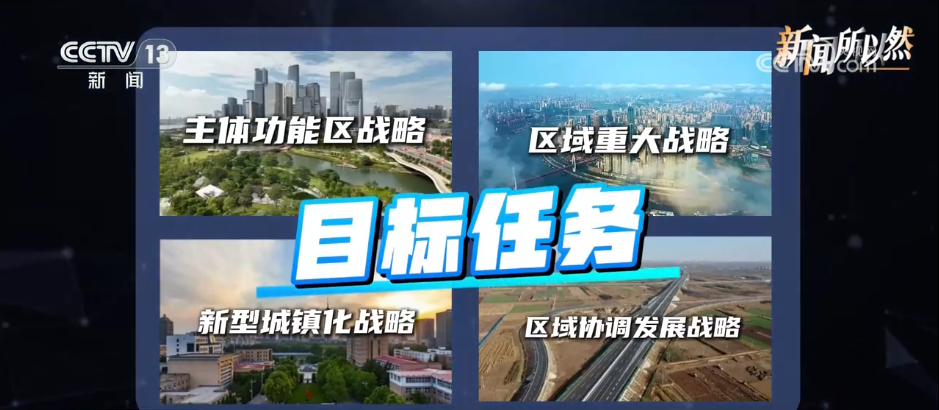
沪渝蓉沿江高铁

Search documents
时速350公里!这两条高铁有新进展,都和重庆有关→
Xin Lang Cai Jing· 2026-01-11 05:53
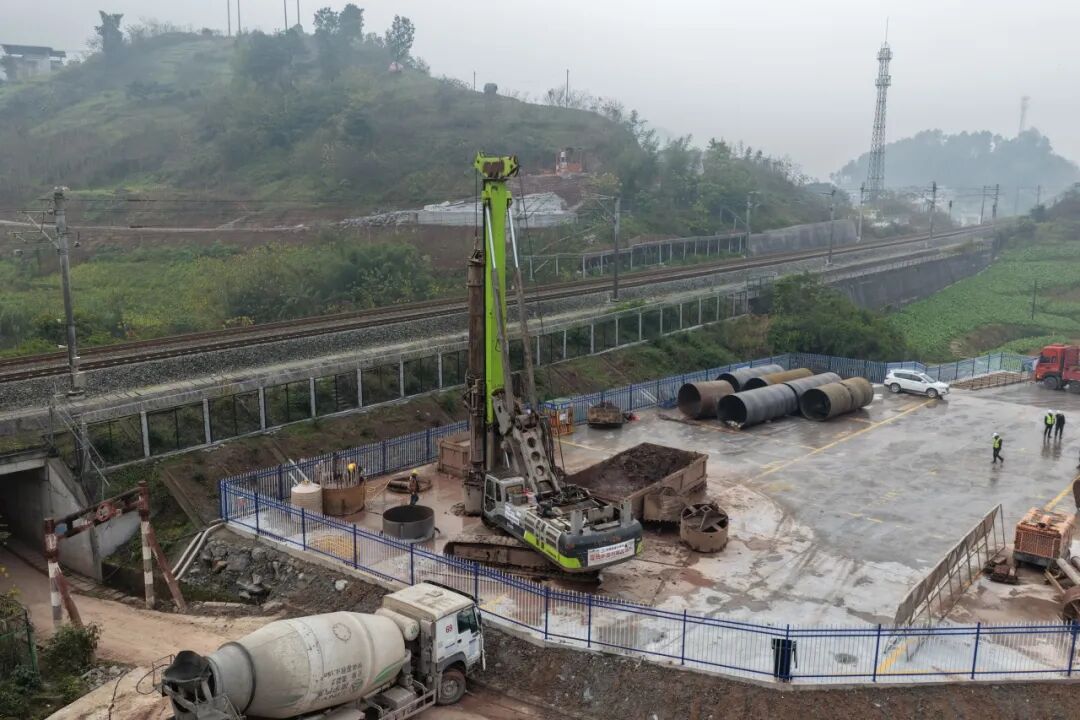
Group 1: Project Progress - The construction of the Yichang to Fuling section of the Shanghai-Chongqing-Chengdu Yangtze River High-Speed Railway has entered a new phase with the completion of the first pile foundation for the main pier of the Beiyan Village Super Bridge, marking the start of the main construction phase for this bridge [1][3] - The Chengdu-Chongqing Central Line High-Speed Railway has made significant progress with the completion of the contact network installation over the Chengdu-Chongqing Railway, indicating important advancements in the project [5][8] Group 2: Technical Details - The Beiyan Village Super Bridge spans 778.994 meters and consists of 174 pile foundations and 22 piers, with complex geological conditions requiring innovative construction techniques [3][6] - The construction of the pile foundations involves a diameter of 2 meters and a length of 35 meters, requiring 109.90 cubic meters of concrete, with high safety and environmental control measures in place due to proximity to operational railway lines [6][8] Group 3: Economic and Social Impact - Upon completion, the Shanghai-Chongqing-Chengdu Yangtze River High-Speed Railway will create a new high-speed rail corridor between the Sichuan-Chongqing region and the Central China region, significantly enhancing travel convenience for local residents and contributing to the high-quality development of the Yangtze River Economic Belt [5] - The Chengdu-Chongqing Central Line High-Speed Railway will connect with multiple lines, improving the transportation network in the Chengdu-Chongqing area and facilitating the construction of the Chengdu-Chongqing Twin City Economic Circle [9]

沪渝蓉沿江高铁武宜段开通运营 湖北高铁总里程跃升全国第五
Chang Jiang Shang Bao· 2025-12-28 23:15
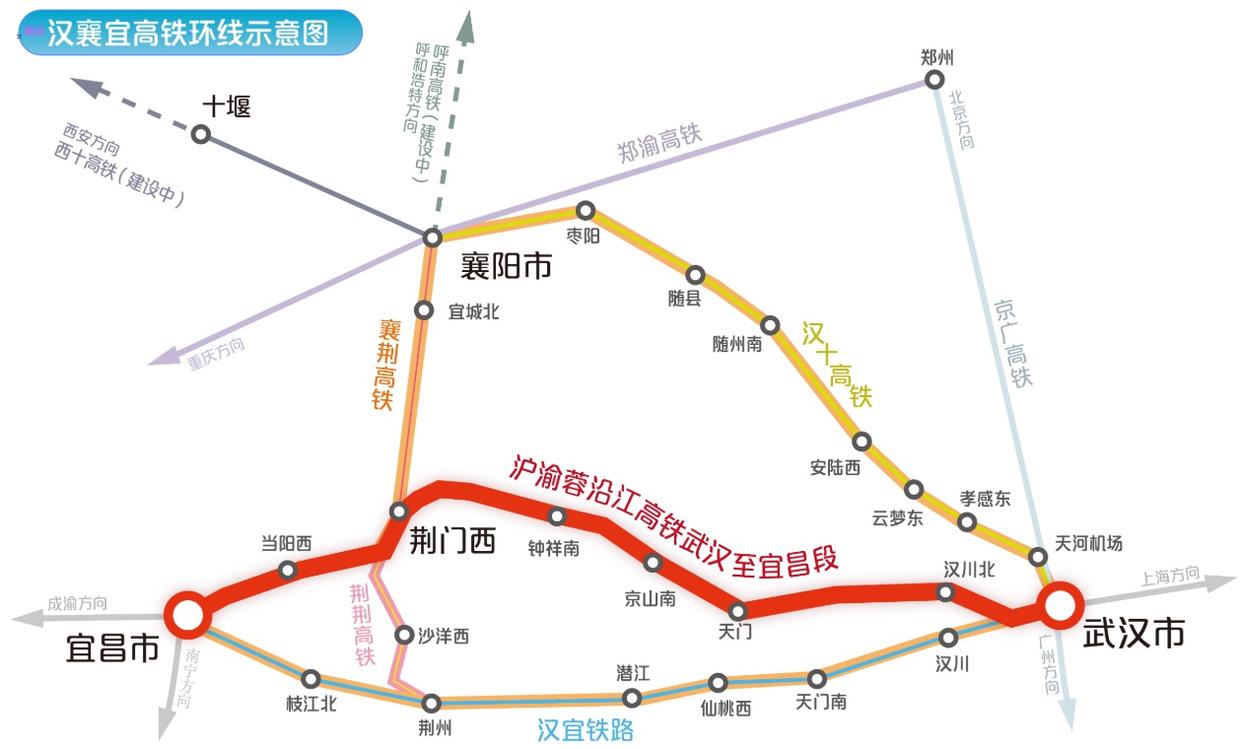
Core Viewpoint - The opening of the Wuhan to Yichang section of the Yangtze River High-Speed Railway significantly enhances connectivity in Hubei province, reducing travel time between Wuhan and Yichang to as little as 69 minutes, marking a major advancement in the region's transportation infrastructure [1][2]. Group 1: Infrastructure Development - The Yangtze River High-Speed Railway (Wuhan to Yichang section) spans 314 kilometers with a design speed of 350 km/h, featuring eight stations, including both existing and newly constructed ones [1]. - With the new railway, Hubei's total high-speed rail mileage reaches 2,585 kilometers, elevating its national ranking from 13th to 5th, just 9 kilometers behind Jiangsu province [1][2]. Group 2: Economic Impact - The new high-speed rail line creates a "Golden Triangle" high-speed rail network among Wuhan, Xiangyang, and Yichang, allowing for direct travel between Xiangyang and Yichang, reducing travel time from 3-4 hours to approximately 1 hour [2]. - By 2025, the addition of the Xiangjing High-Speed Railway and the completion of the Yangtze River High-Speed Railway will increase Hubei's high-speed rail mileage by 429 kilometers, positioning it as the leader in new high-speed rail mileage in the country [2].
沿江高铁首段在湖北开通运营,长江经济带再添新引擎
Di Yi Cai Jing· 2025-12-26 10:37
Core Viewpoint - The opening of the Wuhan-Yichang section of the Shanghai-Chongqing-Rongjiang high-speed railway not only enhances transportation efficiency but also serves as a cultural link and innovation corridor, significantly reducing travel time between cities in Hubei province [1][6]. Group 1: Economic Impact - The new high-speed railway will accelerate the flow of economic elements along the Yangtze River Economic Belt, helping to narrow the development gap between eastern, central, and western regions of China [3]. - The railway's completion will create a "T"-shaped high-speed rail framework in Hubei, allowing for 3-4 hour access to major cities nationwide, thus enhancing personnel mobility and economic cooperation potential [4]. - The opening of the Tianmen Station is expected to significantly boost local economic development, with predictions of a 1-2 percentage point increase in retail sales growth due to increased tourism and business traffic [5]. Group 2: Infrastructure Development - The Wuhan-Yichang section is the first to open in the Shanghai-Chongqing-Rongjiang high-speed railway project, which spans a total of 314 kilometers with a design speed of 350 km/h [4]. - The railway includes 88 new bridges and 25 tunnels, with a bridge-tunnel ratio of 85%, enhancing the overall infrastructure quality [4]. - The high-speed railway will connect various cities in Hubei, including Tianmen, Jingmen, and Yichang, filling the gap in east-west high-speed rail connectivity in the province [4]. Group 3: Cultural and Innovation Aspects - The high-speed railway will connect diverse cultural regions along the Yangtze River, potentially creating a globally influential inland cultural tourism brand [7]. - It will facilitate the flow of innovative elements and promote industrial upgrades by shortening the travel time between major innovation centers, fostering high-frequency exchanges among researchers, entrepreneurs, and investors [7]. - The railway is expected to support the development of a "high-speed rail + innovation + industry" model, enhancing the core position of the Yangtze River Economic Belt in the national industrial chain [7].
中国“两重”建设取得阶段性成果 1.5万亿超长期特别国债两年支持近3000个项目
Chang Jiang Shang Bao· 2025-12-01 00:45
Core Viewpoint - The Chinese government is allocating significant funding through ultra-long-term special bonds to support "hard investment" projects, reflecting a strategic approach to enhance national infrastructure and security capabilities [2][4]. Group 1: Funding and Projects - In 2024 and 2025, China will issue 7,000 billion and 8,000 billion yuan respectively in ultra-long-term special bonds to support 1,465 and 1,459 "hard investment" projects [2][3]. - The "Two Heavy" construction initiative aims to integrate major tasks from the 14th and 15th Five-Year Plans, showcasing the institutional advantages of concentrating efforts on significant projects [2][4]. Group 2: Sector-Specific Developments - In new urbanization, the government is enhancing urban underground pipeline systems, improving safety resilience [3]. - Major transportation infrastructure projects along the Yangtze River, such as the Three Gorges waterway and high-speed rail, are being actively promoted [3]. - For food security, large-scale modernization of irrigation systems is planned to establish concentrated grain production bases [3]. - In social welfare, the construction and renovation of high schools and hospital wards are being supported to improve public services [3]. Group 3: Industry Growth Opportunities - The "Two Heavy" construction will create new growth opportunities for related upstream and downstream industries, particularly in urban underground pipeline systems [4]. - An estimated 600,000 kilometers of urban gas, water supply, and heating pipelines will require renovation over the next five years, with an investment demand of approximately 4 trillion yuan [4]. - The combination of "hard investment" and "soft construction" is essential for sustainable project outcomes, ensuring long-term effectiveness [4][5]. Group 4: Interaction Between Hard and Soft Investments - "Hard investment" refers to traditional infrastructure, while "soft construction" includes new facilities like data centers and industrial internet, addressing the needs of the new development stage [5]. - The interaction between "hard investment" and "soft construction" is crucial for overcoming management challenges in related industries [5]. - Innovative financing models are being explored to attract long-term institutional funds for project investments, promoting market-oriented reforms in utility pricing [5].
国家发改委:1.5万亿超长期特别国债支持了这些“两重”项目
2 1 Shi Ji Jing Ji Bao Dao· 2025-11-27 10:51
Core Insights - The State Council's executive meeting emphasizes the importance of the "Two Major" construction initiative within the context of the 14th Five-Year Plan, aiming to enhance national strategic implementation and safety capabilities in key areas [1][2] - In 2024, China plans to allocate 700 billion yuan for the "Two Major" construction, with the scale of special long-term bonds for this initiative increasing to 800 billion yuan this year, highlighting its role in effective investment [1] Summary by Category Strategic Implementation - The "Two Major" construction is positioned as a critical component of the 14th Five-Year Plan, focusing on the implementation of national strategies and enhancing safety capabilities in key sectors [1][2] Financial Allocation - A total of 700 billion yuan is earmarked for 2024, while the special long-term bond funding for this year has been raised to 800 billion yuan, supporting 1,465 and 1,459 "hard investment" projects in the previous two years respectively [1][2] Sector-Specific Initiatives - In new urbanization, the focus is on improving urban underground infrastructure such as gas, water supply, and heating systems to enhance urban resilience [2] - Major transportation infrastructure projects along the Yangtze River, including new waterways and high-speed rail, are being actively promoted to improve the comprehensive transportation network [2] - In terms of food security, large-scale modernization projects for irrigation systems are planned to establish concentrated grain production bases [2] - For social welfare, support is provided for the construction and expansion of high schools and hospital facilities, aiming to improve educational and healthcare conditions [2]
国家发改委:今年安排8000亿元超长期特别国债支持1459个“硬投资”项目
Yang Shi Wang· 2025-11-27 09:13
Core Viewpoint - The National Development and Reform Commission (NDRC) has allocated significant funding for long-term special bonds to support infrastructure projects, reflecting a strategic and forward-looking approach to national development [1][2] Group 1: Infrastructure Investment - In the past two years, the NDRC arranged 7,000 billion yuan and 8,000 billion yuan for special bonds to support 1,465 and 1,459 "hard investment" projects respectively, demonstrating a commitment to strategic infrastructure development [1] - The NDRC emphasizes the integration of "soft" and "hard" construction, achieving phased progress in the "two重" (two重) construction initiatives [1] Group 2: Sector-Specific Developments - In new urbanization, the focus is on constructing and renovating urban underground pipelines for gas, water supply, and heating, significantly enhancing urban safety resilience [1] - Major transportation infrastructure along the Yangtze River is being advanced, including projects like the Three Gorges Waterway New Channel and the Wuhan-Chongqing Expressway, to improve the comprehensive transportation network [1] - In terms of food security, large-scale modernization projects for irrigation in regions like Anhui and Sichuan are being planned to establish concentrated grain production bases [1] Group 3: Social Welfare Initiatives - The NDRC supports the construction and renovation of 664 high schools in key cities, adding over 1 million new high school seats [2] - There is a plan to renovate 15,000 hospital wards to improve medical conditions for the public [2] - More than 30 "Double First-Class" universities are entering large-scale construction phases for new campuses, addressing shortcomings in student dormitories and basic educational facilities [2] Group 4: Future Plans - The NDRC will continue to advance the "two重" construction initiatives within the framework of the "Fifteen Five" plan, providing stronger support for the modernization of China [2]
未来五年,“区域协调发展”的大棋局会如何改变你我生活?
Yang Shi Wang· 2025-11-01 02:21
Core Insights - The "14th Five-Year Plan" emphasizes optimizing regional economic layout to promote coordinated regional development [1] - The plan introduces a new approach where different strategies will have a "superimposed effect," enhancing collaboration among various regional strategies [5] Group 1: Strategic Overview - The plan aims to address development disparities, create growth poles, and facilitate the urbanization of agricultural migrants [5] - Chongqing is highlighted as a key node in multiple major strategies, indicating a shift from isolated strategic goals to integrated regional development [5] Group 2: Urbanization and Spatial Planning - The "14th Five-Year Plan" outlines a spatial layout for urbanization, including five major regional strategies and 19 national city clusters, targeting completion by 2035 [7] - The plan identifies Beijing-Tianjin-Hebei, Yangtze River Delta, and Guangdong-Hong Kong-Macau Greater Bay Area as core engines for high-quality development, with plans to enhance their capabilities [7] Group 3: Infrastructure and Connectivity - The plan promotes the construction of cross-regional and cross-basin transportation corridors, reshaping the economic geography [9] - The completion of the Shanghai-Chongqing high-speed rail during the "14th Five-Year Plan" will significantly enhance connectivity among major city clusters, allowing for more flexible business operations [9]