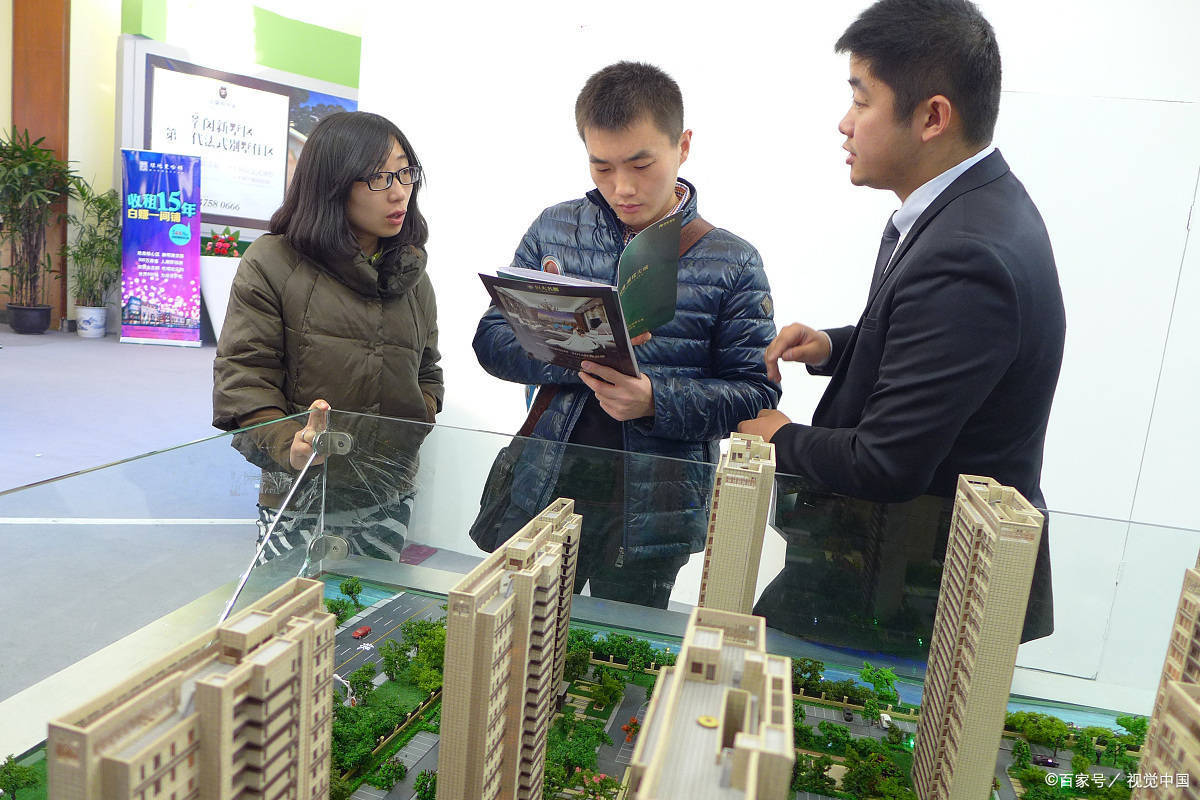
海景房

Search documents
房价暴跌的惠州,成了中产的「迪拜平替」?
36氪· 2026-03-28 01:27
Core Viewpoint - The article discusses the emerging trend of Huizhou as a new haven for digital nomads, especially in light of the recent decline in Dubai's real estate market due to geopolitical tensions. It highlights Huizhou's affordability, quality of life, and accessibility to major cities like Shenzhen and Guangzhou as key factors attracting young people [5][14][15]. Group 1: Huizhou's Appeal - Huizhou is positioned as a new "lying flat" paradise for digital nomads, offering low living costs, safety, beautiful scenery, and a pleasant climate [19][30]. - The city has a large area of 11,000 square kilometers, making it the second-largest city in the Guangdong-Hong Kong-Macau Greater Bay Area, with a population exceeding 6 million and a GDP ranking fifth in Guangdong [23][24]. - Housing prices in Huizhou are significantly lower than in neighboring cities, with sea-view apartments available for as low as tens of thousands, and new homes priced around 7,000 to 8,000 yuan per square meter, about one-third of Dongguan's prices [31][32]. Group 2: Lifestyle and Cost of Living - The cost of living in Huizhou is described as extremely low, with affordable dining options and a vibrant local food scene, such as early morning tea and seafood stalls [35][36]. - The city offers a good quality of life, with clean air and a pleasant environment, making it an attractive option compared to other regions like Heilongjiang [52][38]. - Huizhou's proximity to Shenzhen allows digital nomads to maintain connections with urban life while enjoying a more relaxed lifestyle [46][49]. Group 3: Historical Context and Real Estate Dynamics - The influx of residents to Huizhou began around 2015 when rising property prices in Shenzhen pushed buyers to seek affordable options in satellite cities [68][70]. - The real estate boom led to a construction frenzy, with many developments marketed as affordable alternatives to Shenzhen, but this bubble burst around 2021, resulting in a significant drop in property values [82][84]. - The oversupply of housing and infrastructure, which once seemed like a liability, has now become an asset for young people seeking low-cost living options [92][95]. Group 4: Challenges and Future Outlook - Despite its advantages, Huizhou faces challenges such as low community engagement and limited public transportation, which may affect the social experience of new residents [101][105]. - The article warns that as Huizhou gains popularity, the cost of living may rise, potentially diminishing its appeal as a low-cost destination for digital nomads [108][110]. - The cyclical nature of urban migration suggests that as Huizhou becomes more mainstream, it may lose its current charm, prompting residents to seek new affordable locations [110][111].

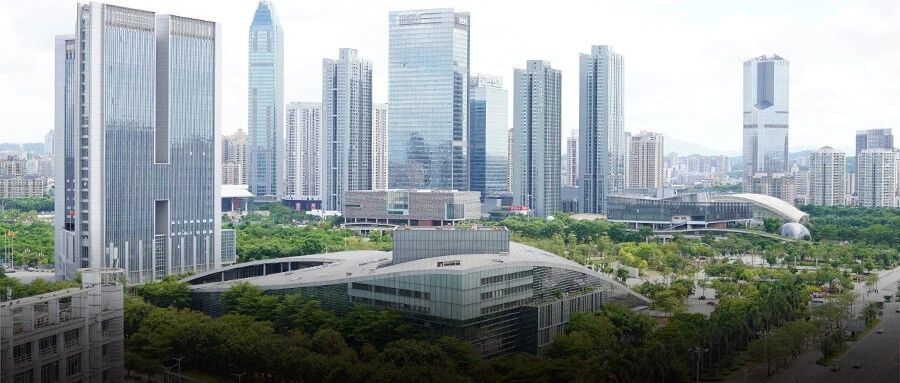
卖不掉的海景房,挤满养老的外地人
Sou Hu Cai Jing· 2026-02-25 02:56
Core Viewpoint - The article discusses the real estate market in Huizhou, Guangdong, highlighting the decline in property values and the changing demographics of residents, with a focus on the appeal of the area for retirees and young people seeking a more affordable lifestyle by the sea [1][5][20]. Group 1: Real Estate Market Dynamics - Many seaside properties in Huizhou have been on the market for five to six years, with prices halved from over 1 million yuan to around 500,000 yuan, yet they remain unsold [5][9]. - The article notes that some properties, built around ten years ago, show signs of deterioration, such as blackened and moldy exteriors, which diminishes their appeal [7][16]. - A significant number of owners, unable to sell their properties, have turned to property management companies to rent them out as short-term accommodations or hotel-style apartments to generate income [16][18]. Group 2: Demographic Shifts - The area has seen an influx of retirees from various regions, including Hong Kong and other provinces, attracted by the lower cost of living and pleasant climate [20][21]. - Young professionals, such as digital nomads, are also moving to Huizhou for its proximity to Shenzhen and more affordable housing options, making it a viable alternative for work and living [24][26]. - The article highlights the contrast between the original buyers, many of whom are now leaving due to falling property values, and the new residents who are drawn to the area for its lifestyle benefits [14][20]. Group 3: Living Conditions and Amenities - While the natural environment is appealing, the article points out that the convenience of living in Huizhou varies, with some areas lacking essential services and amenities [29][35]. - The cost of living, particularly for food, can be high in seaside areas, with prices for basic meals significantly higher than in other regions [33][36]. - Access to healthcare is a concern for older residents, as some small hospitals have closed, and larger facilities are located far from residential areas [35][36].
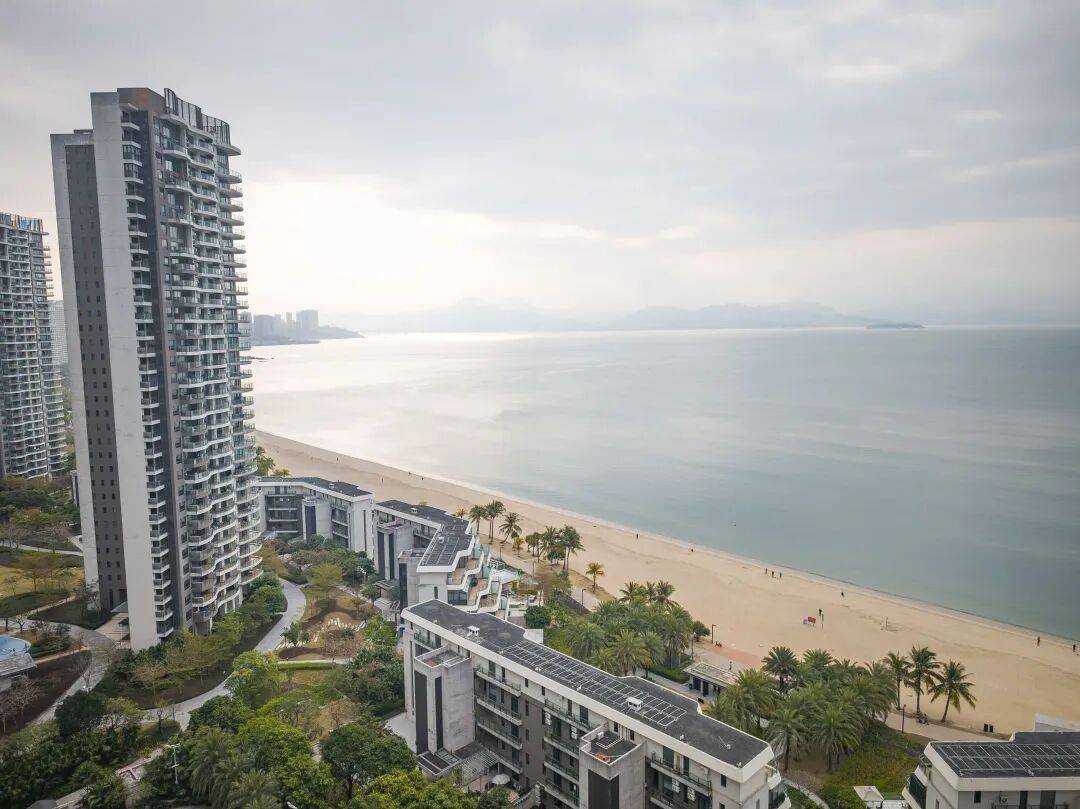
春节旅游如遭遇纠纷该怎么办?记住这几招 丨小铭切瓜
Xin Lang Cai Jing· 2026-02-18 15:12
Group 1 - The article highlights the significant tourist activity in Sichuan during the Spring Festival, with 873 A-level scenic spots receiving over 7.67 million visitors and generating nearly 50 million yuan in ticket revenue [1] - It discusses two main types of tourism disputes: those involving service transaction issues between tourists and businesses, and those related to personal safety and property disputes for tourists [1] - The article emphasizes the importance of evidence collection in case of disputes, including contracts, receipts, photos, and communication records with businesses or guides [2] Group 2 - It outlines steps for dispute resolution, starting with negotiation through tour guides or local tourism authorities, and escalating to formal complaints if necessary [2] - In cases of personal injury or safety threats, immediate reporting to the police is advised [3] - Preventive measures for tourists include choosing reputable travel agencies, being cautious of low-price traps, and purchasing insurance for emergencies [3]
东北人开始挤满惠州
投资界· 2026-01-07 08:34
Core Viewpoint - The article discusses the increasing trend of Northeastern Chinese migrating to Huizhou during winter, highlighting the reasons for this migration and the impact on local culture and economy [4][14]. Group 1: Migration Trends - More Northeasterners are choosing Huizhou as a winter destination, with over 100,000 "migrant" tourists expected from January to February 2025 [4]. - Huizhou is now among the top three winter destinations for Northeasterners, alongside Hainan and Yunnan [4]. Group 2: Living Conditions - Rental prices in Huizhou are significantly lower than in other regions, with sea-view apartments available for as low as 500 yuan per month [6][8]. - Many families are relocating to Huizhou for a more comfortable lifestyle, enjoying the warm climate and lower living costs compared to their hometowns [5][7]. Group 3: Cultural Integration - The influx of Northeasterners has led to a rise in local businesses offering Northeastern cuisine, creating a sense of community and familiarity for the migrants [15][16]. - Northeastern dialects and cultural practices are becoming more prevalent in Huizhou, indicating a growing community [15][17]. Group 4: Challenges Faced - Migrants face challenges such as inadequate medical facilities and transportation issues, which can complicate their living experience in Huizhou [10][11]. - The lack of formalized rental markets and reliable housing information poses difficulties for newcomers seeking accommodation [11]. Group 5: Future Considerations - Many families are contemplating long-term residency in Huizhou, but concerns about children's education and healthcare access remain significant factors in their decision-making [14][12].
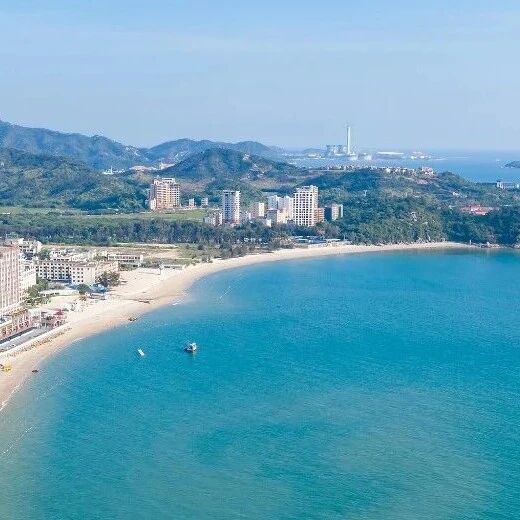
东北人扎堆惠州:500元租海景房,在“平替三亚”过冬
虎嗅APP· 2026-01-05 00:11
Core Viewpoint - The article discusses the increasing trend of people from Northeast China migrating to Huizhou during winter, highlighting the reasons for this migration and the impact on the local economy and community [4][30]. Group 1: Migration Trends - More Northeast Chinese are choosing Huizhou as a winter destination, with over 100,000 "migrant" tourists expected in January and February 2025 [4]. - Huizhou is becoming a popular winter retreat alongside Hainan and Yunnan, attracting those seeking warmer climates [4][30]. - The article notes that many families are relocating temporarily, with some even considering long-term residency due to the favorable climate and lower living costs [30][32]. Group 2: Living Conditions and Costs - Monthly rents for sea-view apartments in Huizhou range from 500 to 1,900 yuan, making it an affordable option compared to other southern cities [6][10]. - Residents enjoy a slower pace of life, with many engaging in leisure activities such as beach outings and local exploration [9][12]. - The cost of living is reported to be lower in Huizhou, with some families estimating monthly expenses around 1,500 yuan [15]. Group 3: Community and Cultural Integration - The influx of Northeast migrants has led to the establishment of a community with familiar cultural elements, such as Northeast cuisine becoming increasingly available [34]. - Local businesses are adapting to cater to the needs of these new residents, with many opening restaurants that serve traditional Northeast dishes [34]. - The presence of a significant number of Northeast residents has transformed Huizhou into a second home for many, fostering a sense of belonging and community [34][32]. Group 4: Challenges Faced - Despite the benefits, migrants face challenges such as inadequate medical facilities and transportation issues, which can complicate their living experience [20][18]. - The article highlights the need for better rental regulations and formalized housing options to ensure security for newcomers [22]. - The healthcare system's accessibility is a concern, especially for older migrants who may have chronic health issues [20].
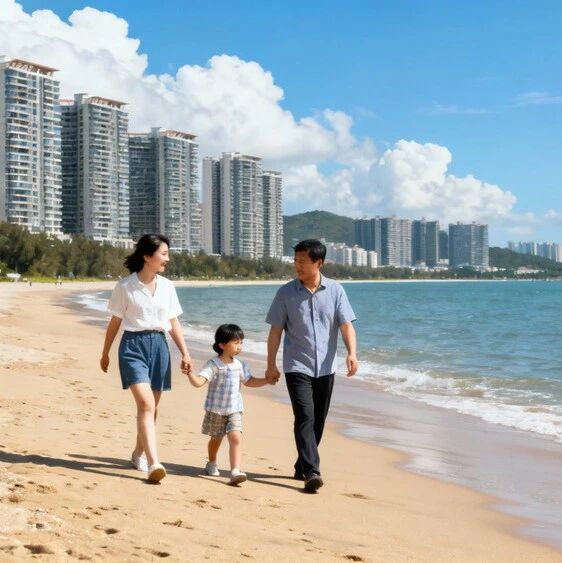
住不了也卖不掉!第一批买海景房的中产:价格腰斩,后悔了
Sou Hu Cai Jing· 2025-11-25 03:03
Core Viewpoint - The investment dream of the first batch of middle-class buyers of seaside properties has completely shattered, as these once "scarce assets" have drastically depreciated in value, leading to significant financial losses for many [3][12]. Group 1: Market Dynamics - Ten years ago, the "seaside property investment craze" attracted many middle-class individuals, who invested their life savings with hopes of vacationing, retirement, and asset appreciation [3][4]. - The market has shifted from a seller's market to a buyer's market due to an oversupply of seaside properties, resulting in high inventory and vacancy rates, which has disrupted price equilibrium [7][8]. - The influx of new seaside property projects has led to a significant supply exceeding actual demand, causing property values to plummet [7][8]. Group 2: Buyer Experiences - Individual stories illustrate the harsh realities faced by buyers, such as a buyer who purchased a seaside property for 300 million yuan, only to find its market value had dropped to 150 million yuan [4][5]. - Another buyer, who invested 190 million yuan in a seaside retirement home, faced severe financial strain due to high mortgage payments and poor living conditions, leading to a significant loss when attempting to sell [5][6]. - A buyer who thought they were making a savvy investment in 2019 found that the market had turned against them, with property values dropping significantly due to oversupply and economic downturns [6][7]. Group 3: Investment Lessons - The collective experiences of these buyers highlight critical lessons about real estate investment, emphasizing the importance of residential consumption attributes as the foundation of property value [11][12]. - Liquidity is essential for all assets; properties that cannot be quickly sold, regardless of their paper value, are essentially worthless [11][12]. - Caution is advised against investments that package dreams as financial products, as these often mask underlying deficiencies in location, amenities, and fundamentals [11][12].

住不了也卖不掉,第一批买海景房的中产:价格腰斩,后悔了
3 6 Ke· 2025-11-24 07:56
Core Insights - The once-booming market for seaside properties has drastically declined, leading to significant financial losses for early investors who viewed these properties as "scarce assets" and "hard currency" [1][15] - The experiences of several investors illustrate a broader trend of disillusionment among middle-class buyers who invested in seaside properties with hopes of retirement and asset appreciation, only to face steep declines in property values [2][4][6][8] Group 1: Investor Experiences - A programmer from Beijing, who bought a seaside property for 3 million, found its value halved to around 1.5 million due to oversupply and lack of demand [2] - A sales manager from Shanghai invested 1.9 million in a seaside retirement home, only to face severe maintenance costs and a market value drop to 800,000, leading to regrets about her impulsive decision [4] - A retired worker from Harbin bought a seaside apartment for 900,000, but its current market value is only 400,000, causing financial strain due to ongoing maintenance costs [6] - An entrepreneur from Guangzhou attempted to "buy the dip" in 2019, but the property value plummeted, severely impacting his company's cash flow [8] Group 2: Market Dynamics - The fundamental shift in supply and demand has led to a surplus of seaside properties, resulting in a buyer's market where prices have collapsed [9] - Many seaside developments promised extensive amenities that never materialized, leading to "hollow cities" with inadequate infrastructure and diminished living appeal [10] - The liquidity crisis in the market means that even properties with nominal value are difficult to sell, leaving many investors stuck with their assets [10] Group 3: Broader Implications - The downturn in the seaside property market reflects a global trend where even affluent buyers are offloading seaside properties due to environmental concerns and market saturation [11][13] - The collective failures in the seaside property market serve as a cautionary tale for investors, emphasizing the importance of understanding the residential value, liquidity, and the risks of emotionally-driven investments [14][15][16]

8万元网购海景房,遇到“托儿”了?
Mei Ri Jing Ji Xin Wen· 2025-11-23 13:22
Core Viewpoint - The recent auction of a seaside property in Rushan, which started at a low price of 1,111 yuan and ended up selling for around 80,000 yuan, has raised concerns about the auction process and potential manipulation by auction platforms [3][4][9]. Group 1: Auction Process and Buyer Experience - A buyer reported that the auction process felt designed to create urgency and competition, leading to impulsive bidding without adequate consideration [3][4]. - The buyer's husband participated in the auction without prior knowledge of the property, using a face-scan payment method that allowed for a large transaction without entering a password [9]. - The auction's competitive nature led to a rapid increase in the final bid, with the buyer realizing the high price only after intense bidding [9][11]. Group 2: Market Context and Property Details - The property auctioned is part of a larger trend where many properties in Rushan are listed at low starting prices, often attracting buyers with the hope of "stealing" a deal [11][13]. - The average price for second-hand properties in the Silver Beach resort area is approximately 2,800 yuan per square meter, indicating a significant markup from the auction price [13][14]. Group 3: Legal and Regulatory Insights - Legal experts have noted that while online auction platforms have increased transparency and efficiency, there are concerns about insufficient information disclosure and the potential for price manipulation [15][16]. - The total number of properties auctioned online in China from January to October this year reached 605,000, with a total transaction value of 204.87 billion yuan, highlighting the growing trend of online property auctions [16].
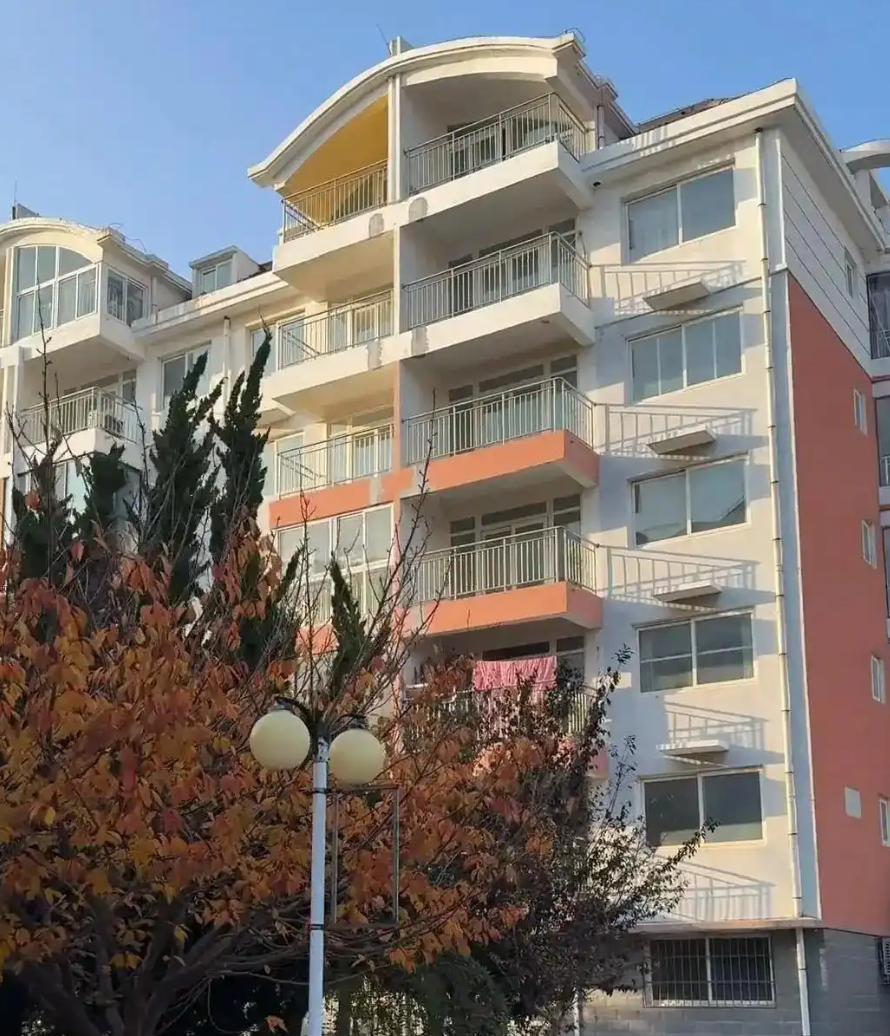
8万买70平海景房!是捡漏神话还是消费陷阱?
Sou Hu Cai Jing· 2025-11-22 03:35
Core Insights - A man in Henan purchased a 70 square meter seaside property in Weihai, Lushun for 80,000 yuan, highlighting the stark contrast in real estate prices across different cities [1] - The emergence of numerous "1 yuan starting bid" properties in Lushun raises concerns about the legitimacy and hidden costs associated with these low-priced listings [3] Group 1: Pricing and Market Dynamics - In June alone, 216 properties were listed with starting bids as low as 1 yuan, indicating a trend of attracting buyers with seemingly unbeatable prices [3] - Some properties have starting bids as low as 0.5 yuan, but the required deposit can be as high as 11,000 yuan, suggesting a strategy to lure buyers into a competitive bidding environment [3] - The average price of seaside properties in Lushun has dropped below 2,000 yuan per square meter, yet issues such as lack of amenities and absence of centralized heating in winter may significantly affect living conditions [3] Group 2: Bidding Strategies and Costs - There are reports of intermediaries manipulating prices by using "shills" to create a false sense of competition during auctions [3] - Successful bidders may face additional hidden costs, including platform service fees and commissions, which can total 5% to 6% of the final transaction price [3]

最近5-10年,有3类房屋将不受欢迎,懂行的人已经开始降价出售
Sou Hu Cai Jing· 2025-11-18 15:49
Core Viewpoint - The real estate market in China is experiencing a positive shift due to the removal of purchase restrictions in most cities and a historic low in mortgage rates at 3.2%, leading to increased demand from first-time homebuyers. However, experts warn that three types of properties—suburban homes, seaside properties, and high-rise apartments—are likely to lose market appeal over the next decade, prompting some investors to lower prices for these assets [1][5]. Suburban Properties - Suburban properties are favored for their lower prices and good green environments, but they exhibit weak price resilience. For instance, a buyer in Shanghai saw a price drop from 15,000 yuan per square meter to 8,000-9,000 yuan, a decline exceeding 30% [1]. - The fundamental reasons for the weak price resilience of suburban properties include insufficient local amenities (hospitals, schools, supermarkets), inconvenient transportation leading to long commutes, and limited job opportunities resulting in a net outflow of population [3]. Seaside Properties - Seaside properties were once popular for their scenic views and fresh air, often seen as ideal retirement homes or vacation spots. However, owners now face rapid depreciation and difficulties in selling these properties [5]. - The challenges for seaside properties include a lack of surrounding amenities, significant seasonal vacancy rates leading to low occupancy during off-peak seasons, and high maintenance costs due to the corrosive nature of sea air affecting property structures [5]. High-Rise Apartments - High-rise apartments offer expansive views but have also seen price declines exceeding 40%, with a lack of buyers [8]. - Key drawbacks of high-rise apartments include increased evacuation difficulties during disasters (e.g., earthquakes, fires) due to elevator outages, higher maintenance and service costs compared to low-rise buildings, and challenges in renovation or demolition as buildings age, leading to a decline in living quality [8].