
产业跃迁

Search documents
新春走基层|京张手拉手 冰雪续奇缘
Xin Lang Cai Jing· 2026-02-23 22:47
Core Viewpoint - The development of Chongli, a small city ignited by the Winter Olympics, is transitioning from a seasonal economy to a year-round vibrant tourism and sports hub, showcasing the potential of winter sports and cultural activities as sustainable economic drivers [2][5]. Group 1: Post-Olympic Development - Chongli aims to transform the legacy of the Winter Olympics into a dynamic source of high-quality development rather than a static monument [2]. - The "Snow Ru Yi" venue has evolved to host not only athletes but also high-end forums, student study tours, and art exhibitions, with 39 venue renovation projects and over 30 new cultural and sports tourism initiatives implemented in the past five years [2][3]. - Chongli has become a leader in hosting professional snow sports events, with the number of international A-level competitions ranking among the top globally [3]. Group 2: Tourism Growth - By 2025, Chongli is expected to receive over 10 million tourists, which is 2.3 times the number at the end of the 13th Five-Year Plan [3]. - The integration of various seasonal activities has redefined Chongli's tourism offerings, including spring flower viewing, summer cycling, autumn racing, and winter snow sports [5]. Group 3: Cultural and Culinary Events - The "Hebei New Year Food Carnival" in Chongli featured over 40 food and cultural stalls, showcasing local delicacies and traditional crafts, enhancing the festive atmosphere [4]. - The event included performances and interactive experiences, promoting local cuisine and culture to visitors [4]. Group 4: Infrastructure and Economic Impact - The Zhangjiakou Olympic Park has welcomed over 3.5 million visitors and hosted nearly 2,800 events in three years, with projected revenue exceeding 160 million yuan by 2025 [5]. - The region's development is supported by significant investments in infrastructure, including the completion of key transportation projects that enhance connectivity with the capital [12]. Group 5: Industry Innovation - The Lidakex company is innovating in the snow sports equipment sector, integrating traditional craftsmanship with modern design, achieving a 60% market share in the national snow rental market [6]. - The Zhangjiakou Xueyi Equipment Industrial Park has launched eight companies, creating a comprehensive supply chain for snow sports equipment [6].
货与钱的终极对决:为什么说中国制造才是这场博弈的硬通货?
Sou Hu Cai Jing· 2026-02-21 03:28
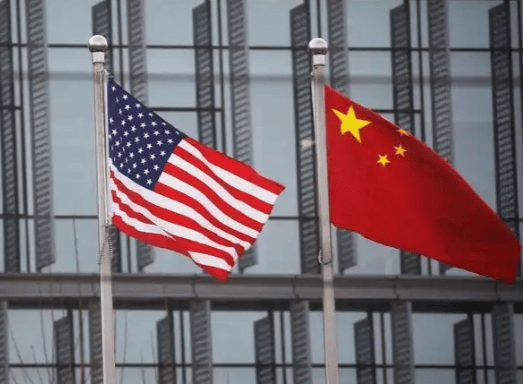
Group 1 - The U.S. national debt of $39 trillion poses a significant burden, with annual interest payments of $1.2 trillion exceeding Sweden's entire GDP [1] - By 2026, military spending and manufacturing repatriation plans will require $1.4 trillion, while the Federal Reserve faces a dilemma between lowering interest rates, which could trigger a mortgage crisis, and maintaining high rates, which exacerbates the debt cycle [1] - Tariffs imposed on China have resulted in 90% of the costs being passed on to American consumers, with Walmart's share of Chinese goods projected to rise to 28% in 2024, indicating that "decoupling from China" is more of a political illusion [1] Group 2 - China remains a dominant player in global manufacturing, producing over 40% of 504 major industrial products, with electric vehicle production at 13 million units annually (65% of global share) and industrial robot installations at 54% [1] - A Boston Consulting report indicates that the comprehensive cost of manufacturing in China is still 17% lower than in Vietnam and 23% lower than in Mexico, leading U.S. dental equipment importers to prefer sourcing from China despite a 25% tariff [1] - Although China's export share to the U.S. has decreased from 19.2% to 14.7%, exports to ASEAN are surging, with an 18.3% increase in 2024, and 60% of these goods are processed for final sale in Europe and the U.S. [1] Group 3 - The dominance of the U.S. dollar is facing challenges, with global foreign exchange reserves falling below 55%, 40 countries initiating local currency settlements, and the Federal Reserve's balance sheet shrinking by $1.5 trillion [2] - The renminbi, supported by China's 31% share of global manufacturing, has become the preferred settlement currency for 23 countries, highlighting a potential shift in global economic power [2] - China's high-tech product exports are projected to reach 29.8% in 2024, with solar components and lithium batteries holding global market shares of 85% and 72%, respectively, indicating a significant industrial transition [2]

从“世界工厂”参与者到“全球智造”共建者(开放谈)
Ren Min Ri Bao· 2026-02-02 23:00
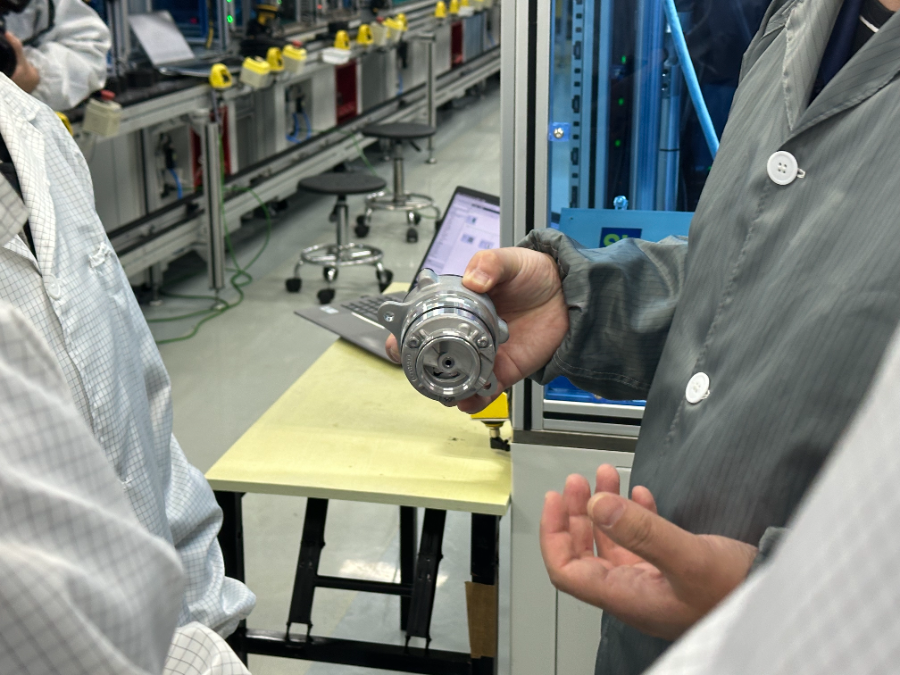
Core Insights - The development level of industrial robots is a key indicator of a country's manufacturing competitiveness, with China achieving historic net exports in this sector by 2025, marking a significant transformation from being a traditional "world factory" to a co-builder of the global intelligent manufacturing ecosystem [1] Group 1: Transition in Manufacturing Dynamics - The transition from scale dividends to innovation dividends is reshaping the competitive foundation of China's manufacturing industry, moving from reliance on labor and land cost advantages to a focus on R&D investment, engineer advantages, digital ecosystems, and continuous technological innovation [2] - The role of China in the manufacturing landscape is evolving from merely being a product supplier to becoming a system enabler, with industrial robot exports symbolizing China's shift towards exporting manufacturing capabilities rather than just products [2] Group 2: Ecosystem Development - China's manufacturing strength is not only attributed to leading enterprises but also to a comprehensive and responsive industrial support system, with efficient manufacturing clusters formed in regions like the Yangtze River Delta and the Pearl River Delta, enabling rapid technology innovation and application [3] - The journey towards becoming a "global intelligent manufacturing co-builder" is challenging, as China needs to continue addressing high-end precision components, cutting-edge original technologies, global brand recognition, and service system development [3]
一万亿顺差和工业利润下降,哪个是真实的中国?
Xin Lang Cai Jing· 2025-12-29 01:58
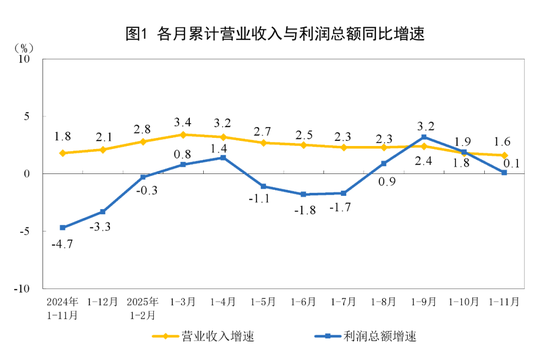
Group 1 - In the first eleven months of 2025, the total profit of industrial enterprises above designated size in China reached 66,268.6 billion yuan, showing a year-on-year growth of 0.1% [1][17] - However, in November alone, the profit of industrial enterprises decreased by 13.1% year-on-year, indicating a potential decline in total profits for December 2025 [3][19] - The sectors experiencing the most significant profit declines include textiles (-8.2%), apparel (-27.1%), footwear (-15.7%), wood processing (-30.9%), and furniture manufacturing (-22.7%), which have historically been major contributors to China's export earnings [3][19] Group 2 - On a positive note, the profit of high-tech manufacturing industries increased by 10.0% year-on-year during the same period [4][20] - Industries related to the "Artificial Intelligence+" initiative saw remarkable profit growth, with electronic industrial equipment manufacturing profits rising by 57.4%, and semiconductor device manufacturing profits increasing by 97.2% [5][21] - The smart consumer device manufacturing sector also experienced significant growth, with profits increasing by 54.0%, including smart vehicle equipment (105.7%) and smart drones (76.6%) [5][21] Group 3 - China's trade surplus reached 1.08 trillion USD in the first eleven months of 2025, marking the first time it exceeded 1 trillion USD in history [6][23] - Exports to the EU amounted to 508.05 billion USD, a year-on-year increase of 8.1%, while exports to ASEAN reached 599.03 billion USD, growing by 13.7% [7][23] - Notably, exports of integrated circuits grew by 25.6% to 1.29 trillion yuan, and automotive exports increased by 17.6% to 896.91 billion yuan [7][23] Group 4 - The apparent contradiction between the trade surplus and declining industrial profits reflects a structural adjustment within the Chinese economy, transitioning from traditional sectors to emerging fields [9][25] - The ongoing "reconstruction" of the economy is characterized by the rise of high-tech manufacturing as a new driving force, while traditional industries face inevitable decline [11][26] - The depth and breadth of this reconstruction will determine the future landscape of the Chinese economy [15][30]
产业跃迁·科创突围
Shang Hai Zheng Quan Bao· 2025-12-28 19:10
Core Insights - The article discusses the significant advancements in the industry, highlighting the transformative changes that are expected to drive growth and innovation in the coming years [1] Group 1 - The industry is experiencing a major shift towards digitalization, which is anticipated to enhance operational efficiency and customer engagement [1] - Companies are increasingly investing in technology to adapt to changing market demands and consumer preferences [1] - The competitive landscape is evolving, with new entrants leveraging technology to disrupt traditional business models [1] Group 2 - Financial performance metrics indicate a positive trend, with revenue growth projected to increase by 15% year-over-year [1] - Key players in the market are expected to report improved profit margins due to cost optimization strategies [1] - The overall market size is forecasted to reach $500 billion by 2025, reflecting robust demand across various sectors [1]
底盘“稳”动能“强” 新质生产力驱动产业跃迁
Zheng Quan Shi Bao· 2025-12-15 18:30
Core Insights - China's industrial economy is undergoing a historic transition from scale expansion to a focus on new quality productivity, driven by technological innovation and strategic upgrades [1][3][7] Group 1: Industrial Resilience and Transformation - The complete industrial system, large-scale market, and the courage of various business entities are fostering a fertile ground for the growth of China's industrial economy [1] - The automotive industry is a prime example of this transformation, with expected annual sales exceeding 34 million vehicles, including 16 million electric vehicles and over 6.8 million exports [2] - China's advanced manufacturing, particularly in the electric vehicle sector, is characterized by a strong market share in power batteries exceeding 60%, with companies like CATL and BYD leading globally [2] Group 2: Technological Innovation and Economic Strategy - China is at a critical juncture where technological innovation is essential for developing new quality productivity and restructuring resilient industrial chains [3] - The export growth of new energy vehicles, lithium batteries, and photovoltaic products demonstrates the resilience of China's economy in the face of external trade challenges [3] - The integration of digital and intelligent technologies is crucial for traditional manufacturing to transition into smart manufacturing, as evidenced by successful projects in cities like Bengbu [4] Group 3: Policy and Capital Support - A comprehensive industrial innovation support system is being constructed, emphasizing the need for strong internal support and effective policy alignment [6][7] - Recent policies aim to enhance the adaptability of supply and demand in consumer goods, promoting a virtuous cycle of consumption and industrial upgrading [6] - Government investment funds are evolving from mere capital amplifiers to core engines driving industrial ecosystem development and upgrades [6] Group 4: Global Engagement and Investment - International investments in China, such as the establishment of major production bases by companies like Danfoss and Medtronic, reflect global confidence in China's industrial capabilities [5] - The ongoing development of AI technologies by Chinese firms is reshaping global perceptions and creating new opportunities in the tech sector [5]
没有一家“明星”车企,宁波何以产出浙江四成新能源车?
2 1 Shi Ji Jing Ji Bao Dao· 2025-12-09 09:45
Core Insights - Ningbo is undergoing a significant industrial transformation in the manufacturing landscape of the Yangtze River Delta, particularly in the automotive sector, with a focus on electric vehicles (EVs) [1] - The city has achieved a remarkable growth in its automotive manufacturing output, with a total vehicle production of 645,000 units in the first ten months of 2025, including 286,000 units of new energy vehicles (NEVs), marking a 24% year-on-year increase in output value [1][2] - The automotive industry in Ningbo is characterized by a unique "dual-core" structure, featuring both the locally rooted Geely group and the globally recognized SAIC Volkswagen, which complement each other rather than compete [1][2][3] Automotive Manufacturing - SAIC Volkswagen's Ningbo factory is a "star factory" with a production capacity of 300,000 units per year, contributing to one-third of the city's NEV production, and is notable for its flexible manufacturing capabilities [2] - Geely has established a comprehensive ecosystem in Ningbo, including research institutes, core components, and vehicle manufacturing, which enhances efficiency in R&D and production cycles [2][3] - The rapid rise of the Zeekr brand under Geely is attributed to its ability to leverage local engineering resources and manufacturing capabilities, with projected sales of over 220,000 units in 2024 [3] Supply Chain Dynamics - Ningbo hosts over 5,000 automotive parts companies, including 22 national-level champion enterprises and 97 specialized "little giants," making it a hub for automotive supply chains [4][6] - The local supply chain exhibits a high degree of specialization and geographical clustering, resulting in an average coordination response time of just 2.3 hours between vehicle manufacturers and core suppliers [6] - Traditional automotive parts companies are adapting to the NEV wave, with firms like Joyson Electronics and Shenglong actively transitioning to new technologies and business models [4][6] Research and Innovation - Ningbo is investing in future technologies, such as solid-state batteries, with research led by a team at Dongfang University, which has made significant advancements in solid electrolyte materials [7][9] - The development of a new superionic conductor capable of operating at extreme temperatures has the potential to revolutionize solid-state battery applications, garnering international attention [9] - The city is also exploring smart and connected technologies, with initiatives in automated operations at the Meishan Port area, showcasing its ambition to integrate advanced manufacturing with innovative applications [10]

新鲜出炉!30位中国行研“第一人”最新观点汇总:金股名单、投资图谱、产业解读……一应俱全!
Xin Lang Zheng Quan· 2025-12-01 09:32
Core Insights - The 2025 Analyst Conference, known as the "Oscars" of the capital market, will unveil the results of the 7th Sina Finance "Golden Unicorn" Best Analyst Awards on November 28, 2025, highlighting the top analysts across 30 industries [1] Group 1: Macro and Strategy Insights - The top macro research analyst, Li Chao from Zheshang Securities, presents a 2026 macro annual outlook emphasizing a positive trajectory [2] - Liu Chenming from GF Securities, the best strategy analyst, notes that the continuous recovery of A-share ROE is a significant support for the ongoing bull market [2] Group 2: Sector-Specific Insights - Liang Fengjie from Zheshang Securities, the best banking analyst, recommends stable high-dividend large banks as Q4 presents a buying opportunity [2] - Liu Xinqi from Guotai Junan Securities, the best non-bank financial analyst, believes the impact of real estate on insurance companies is limited, indicating a potential for the non-bank sector [2] - Guo Zhen from GF Securities, the best real estate analyst, states that the burden rate for home purchases has entered a reasonable range [2] - Kuang Shi from GF Securities, the best media analyst, highlights the rapid growth of animated dramas and AI animations, entering a phase of intense competition [2] - Wu Bohua from Changjiang Securities, the best analyst in new energy equipment, discusses the current status and future of new energy as a new growth driver [2] - Dai Chuan from GF Securities, the best analyst in robotics and high-end manufacturing, reflects on the implications of the 14th Five-Year Plan for the machinery industry [2] - Zhang Weihua from Changjiang Securities, the best public utilities analyst, suggests that the industry investment landscape will improve under the resonance of three bottoming signals in new energy [2] Group 3: Additional Sector Insights - Zhang Yidong from Industrial Securities, the best overseas market research analyst, outlines three investment strategies for high-dividend assets in the Hong Kong stock market [2] - Guo Peng from GF Securities, the best environmental protection analyst, is optimistic about two major areas in the low-carbon era of the 14th Five-Year Plan [2] - Liu Gaochang from Guosen Securities, the best computer industry analyst, anticipates that space computing may open a new era [2] - Guan Quansen from Guolian Minsheng Securities, the best home appliance analyst, notes that "new" home appliances are gradually breaking into new markets [2] - Fan Chao from Changjiang Securities, the best analyst in construction and building materials, highlights the warming expectations for real estate policies and suggests focusing on leading consumer building materials companies [2] - Han Yichao from Changjiang Securities, the best analyst in transportation and logistics, discusses the outlook for shipping after a decline [2] - Meng Xiangjie from GF Securities, the best military industry analyst, identifies three major directions for industry expansion during the 14th Five-Year Plan [2] - Zhao Gang from Changjiang Securities, the best analyst in retail and social services, outlines investment opportunities across six sub-sectors [2] - Xiao Yong from Changjiang Securities, the best coal industry analyst, emphasizes the significance of new highs in silver prices [2] - Chen Jia from Changjiang Securities, the best analyst in agriculture, forestry, animal husbandry, and fishery, recommends four leading companies with strong competitive advantages [2] - Yu Xuhui from Changjiang Securities, the best analyst in light industry and textile apparel, raises the annual revenue guidance due to better-than-expected industry performance [2]