
知乎

Search documents
胡润报告:任泽平位列高净值人群最常关注财经博主前三
泽平宏观· 2026-02-21 16:05
Group 1 - The report by Hurun Research Institute reveals that 61% of high-net-worth individuals frequently use Xiaohongshu for information, which is 13 percentage points higher than Douyin [2] - Among high-net-worth individuals, 32% regularly watch WeChat Video Accounts, while 24% frequently use Bilibili. Other platforms like Eastmoney and Zhihu have engagement levels exceeding 20%, with Tonghuashun and Wind gaining 14% [2] - Over 70% of individuals aged 25 and under (U25) prefer Xiaohongshu and Douyin as their primary information sources, while those aged 36-40 (U40) and above 45 years old favor video accounts [2] Group 2 - The most commonly used AI assistants among high-net-worth individuals are DeepSeek and Doubao. For the U25 age group, ChatGPT is the most popular, while DeepSeek is favored by U30, U35, U40, and U45 age groups. Individuals over 45 years old predominantly use Doubao [3]


胡润报告:任泽平位列高净值人群最常关注财经博主前三
泽平宏观· 2026-02-20 16:05
Group 1 - The report by Hurun Research Institute reveals that 61% of high-net-worth individuals frequently use Xiaohongshu for information, which is 13 percentage points higher than Douyin [2] - Among high-net-worth individuals, 32% regularly watch WeChat Video Accounts, while 24% frequently use Bilibili. Other platforms like Dongfang Caifu and Zhihu have engagement levels exceeding 20%, with Tonghuashun and Wind gaining 14% [2] - For the U25 age group, over 70% use Xiaohongshu and Douyin as their primary information sources, while U40 and individuals over 45 prefer video accounts. Professional investment software like Dongfang Caifu, Wind, and Tonghuashun are more popular among U35 and U40 demographics [2] Group 2 - The most commonly used AI assistants among high-net-worth individuals are DeepSeek and Doubao. The U25 group primarily uses ChatGPT, while DeepSeek is favored by U30, U35, U40, and U45 age groups. Individuals over 45 prefer Doubao [3]

胡润报告:任泽平位列高净值人群最常关注财经博主前三
泽平宏观· 2026-02-11 16:07
Group 1 - The report by Hurun Research Institute reveals that 61% of high-net-worth individuals frequently use Xiaohongshu for information, which is 13 percentage points higher than Douyin [2] - Among high-net-worth individuals, 32% regularly watch WeChat Video Accounts, while 24% frequently use Bilibili. Other platforms like Eastmoney and Zhihu have engagement levels exceeding 20%, with Tonghuashun and Wind gaining 14% [2] - Over 70% of individuals aged 25 and under (U25) prefer Xiaohongshu and Douyin as their primary information sources, while those aged 36 to 40 (U40) and above 45 years old favor video accounts [2] Group 2 - The most commonly used AI assistants among high-net-worth individuals are DeepSeek and Doubao. For the U25 age group, ChatGPT is the most popular, while DeepSeek is favored by U30, U35, U40, and U45 age groups. Individuals over 45 years old predominantly use Doubao [3]

胡润报告:任泽平位列高净值人群最常关注财经博主前三
泽平宏观· 2026-02-10 16:00
Group 1 - The report by Hurun Research Institute reveals that 61% of high-net-worth individuals frequently use Xiaohongshu for information, which is 13 percentage points higher than Douyin [2] - Among high-net-worth individuals, 32% regularly watch WeChat Video Accounts, while 24% frequently use Bilibili. Other platforms like Eastmoney and Zhihu have engagement levels exceeding 20%, with Tonghuashun and Wind gaining 14% [2] - Over 70% of individuals aged 25 and under (U25) prefer Xiaohongshu and Douyin as their primary information sources, while those aged 36-40 (U40) and above 45 years old favor video accounts [2] Group 2 - The most commonly used AI assistants among high-net-worth individuals are DeepSeek and Doubao. For the U25 age group, ChatGPT is the most popular, while DeepSeek is favored by U30, U35, U40, and U45 age groups. Individuals over 45 years old predominantly use Doubao [3]

胡润报告:任泽平位列高净值人群最常关注财经博主前三
泽平宏观· 2026-02-09 16:07
Group 1 - The report by Hurun Research Institute reveals that 61% of high-net-worth individuals frequently use Xiaohongshu for information, which is 13 percentage points higher than Douyin [2] - Among high-net-worth individuals, 32% regularly watch WeChat Video Accounts, while 24% frequently use Bilibili. Other platforms like Eastmoney and Zhihu have engagement levels exceeding 20%, with Tonghuashun and Wind gaining 14% [2] - Over 70% of individuals aged 25 and under (U25) prefer Xiaohongshu and Douyin as their primary information sources, while those aged 36-40 (U40) and above 45 years old favor video accounts. Professional investment software like Eastmoney, Wind, and Tonghuashun are more popular among individuals aged 31-35 (U35) and U40 [2] Group 2 - The most commonly used AI assistants among high-net-worth individuals are DeepSeek and Doubao. For the U25 age group, ChatGPT is the most frequently used, while DeepSeek is preferred by U30, U35, U40, and U45 age groups. Individuals over 45 years old primarily use Doubao [3]

胡润报告:任泽平位列高净值人群最常关注财经博主前三
泽平宏观· 2026-01-31 16:06
Group 1 - The report by Hurun Research Institute reveals that 61% of high-net-worth individuals frequently use Xiaohongshu for information, which is 13 percentage points higher than Douyin [2] - Among high-net-worth individuals, 32% regularly watch WeChat Video Accounts, while 24% frequently use Bilibili. Other platforms like Eastmoney and Zhihu have engagement levels exceeding 20%, with Tonghuashun and Wind gaining 14% [2] - Over 70% of individuals aged 25 and under (U25) prefer Xiaohongshu and Douyin as their primary information sources, while those aged 36-40 (U40) and above 45 years old favor video accounts. Professional investment software like Eastmoney, Wind, and Tonghuashun are more popular among individuals aged 31-35 (U35) and U40 [2] Group 2 - The most commonly used AI assistants among high-net-worth individuals are DeepSeek and Doubao. For the U25 age group, ChatGPT is the most frequently used, while DeepSeek is preferred by U30, U35, U40, and U45 age groups. Individuals over 45 years old primarily use Doubao [3]

知乎举办15周年线下展览 知名答主与展品勾勒社区成长历程
Zheng Quan Ri Bao Zhi Sheng· 2026-01-26 10:49
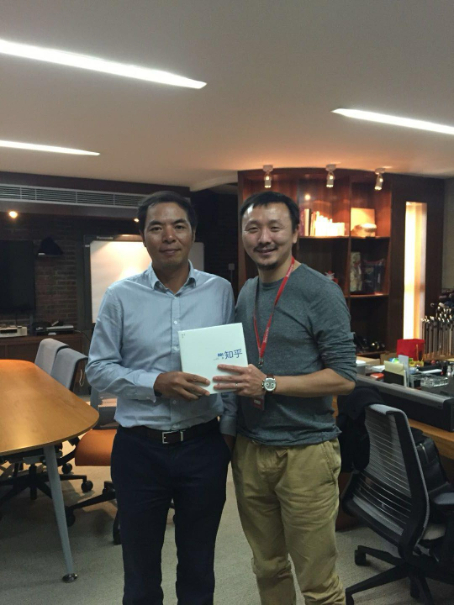
Core Insights - Zhihu celebrated its 15th anniversary with an exhibition themed "When Experience Flows Through Time," showcasing various exhibits that highlight the platform's journey and its community's stories [1][4] Group 1: Anniversary Celebration - The exhibition featured signed editions of "The Longest Day in Chang'an" by author Ma Boyong, a photo with WeChat founder Zhang Xiaolong, and memorabilia from various Zhihu contributors, illustrating the platform's 15-year history [1] - Notable moments included a question posed by Zhang Xiaolong in 2012 about whether mobile phones would replace personal computers, which became one of Zhihu's 15 "Annual Questions" [1][3] Group 2: Community Engagement - During the anniversary event, numerous Zhihu contributors shared personal stories about their experiences on the platform, emphasizing the importance of good questions in understanding the world [3][4] - The event also included performances and discussions that highlighted the diverse contributions of Zhihu users, showcasing the platform's role in fostering creativity and knowledge sharing [4] Group 3: Reflection and Future Direction - Zhihu revisited its first question, "How to Use Zhihu Correctly," with contributions from various experts reflecting on their creative journeys within the community [4] - The platform aims to maintain its spirit of openness, sharing, and truth-seeking, especially in the context of rapid AI development, emphasizing the need for high-quality engagement and trust [4]

知乎15周年:线下展览定格时光印记,15载年度之问映照时代初心
Jing Ji Wang· 2026-01-26 08:07
Core Insights - Zhihu celebrated its 15th anniversary with an offline exhibition themed "When Experience Flows Through Time," showcasing various exhibits that highlight the platform's journey and its community's stories [1] Group 1: Anniversary Celebration - The exhibition featured signed editions of "The Longest Day in Chang'an" by author Ma Boyong, the first physical book published by Zhihu, and a cycling jersey from French cyclist Thibaut Pinot, symbolizing the connection between individual stories and the platform's history [1][3] - Ma Boyong's answer to a user question in 2016, which garnered over 15,000 upvotes, led to the creation of "The Longest Day in Chang'an," illustrating the impact of user contributions on the platform [3] Group 2: Annual Questions - Zhihu published a list of 15 annual questions that reflect the platform's resonance with societal issues over the years, ranging from "Does blogging have a future?" in 2011 to "Is ChatGPT really that impressive?" in 2023, showcasing the evolution of public discourse [5] - The questions encapsulate significant societal concerns and trends, such as the rise of AI and the quest for truth in an information-saturated environment [5] Group 3: Community Engagement - The platform reinitiated its first question, "How to use Zhihu correctly," inviting various contributors to share their experiences, thus fostering a sense of community and reflection among users [7] - Zhihu's 15-year journey is portrayed as a parallel to the development of the internet industry, emphasizing individual exploration and growth within the community [7]

2026年发文就能赚,这4个自媒体平台,普通人零门槛也能做
Sou Hu Cai Jing· 2026-01-24 13:25
Core Insights - The article emphasizes the potential of self-media platforms for monetization, highlighting four effective platforms for generating income through content creation [1] Group 1: WeChat Official Account - The WeChat Official Account remains a valuable platform for long-term engagement, with a low entry barrier of just 100 followers to enable monetization through ad placements [2] - Additional monetization methods on WeChat include affiliate marketing through product recommendations, reader tips, and paid articles for valuable content [3][4][5] - The platform is likened to a personal "small house," where building a follower base over time can lead to sustainable income [6] Group 2: Toutiao - Toutiao is recognized as a traditional traffic platform where various content formats, including long articles and short posts, can generate revenue based on views [8] - Monetization strategies on Toutiao include traffic revenue from ad placements, paid columns for specialized content, and product cards for affiliate sales [8][9] - The platform's large user base makes it suitable for newcomers to gain experience and earn initial income [8] Group 3: Baijiahao - Baijiahao benefits from its integration with Baidu search, allowing articles to gain long-tail traffic and visibility over time, especially for content with popular search keywords [10] - Writing in popular categories like emotions and entertainment can yield quick engagement, while niche topics can provide steady long-term revenue [10][11] Group 4: Zhihu - Zhihu is now accessible for ordinary users to monetize their content, with various income streams available [12] - Monetization options on Zhihu include the "Zhihu Plan" for article views, brand-sponsored questions, product recommendations, creative challenges, and paid consultations for expertise [13][14][15][16][17] - The platform's user base values genuine and informative content, which can lead to trust and increased monetization opportunities [18] Group 5: General Insights - Success in self-media is attributed to consistent action and perseverance rather than just techniques [19][20] - The article encourages individuals to choose a platform they enjoy and start creating content, emphasizing that initial challenges can lead to eventual success [20][21]
知乎启动15周年庆 重启社区首个问题
Xin Lang Cai Jing· 2026-01-12 04:03
Core Insights - Zhihu, a professional Q&A community, is celebrating its 15th anniversary on January 26, 2026, marking its official launch in 2011 [1] Group 1 - Zhihu has initiated a series of celebratory activities for its 15th anniversary, including the revival of its first question, "How to use Zhihu correctly?" [1] - The community is also collecting experiences and stories from users to commemorate the milestone [1]