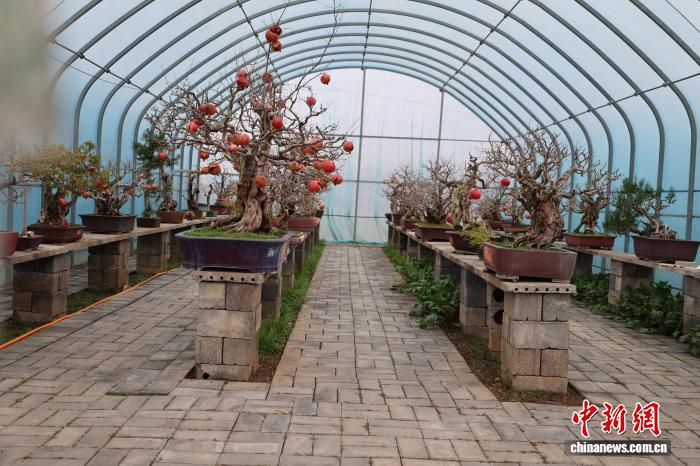
石榴

Search documents
松塔村警民茶话会共话石榴丰收情
Xin Lang Cai Jing· 2026-02-28 00:40
Core Viewpoint - The article highlights the positive relationship between local police and villagers in Songta Village, where police efforts have significantly contributed to the development of the local pomegranate industry and community welfare [1][2][3]. Group 1: Community Engagement - The police organized a tea gathering with villagers to strengthen community ties and express gratitude for their support in resolving local issues [1][2]. - Villagers shared their appreciation for police assistance in various matters, including home repairs for the elderly and educational support for children [2][3]. Group 2: Agricultural Development - The local climate in Songta Village is suitable for pomegranate cultivation, but initial challenges included a lack of technical knowledge and market access [2]. - Police officer Hu Quanchun took the initiative to learn about pomegranate cultivation and successfully helped villagers increase their harvest on 126 acres, resulting in sales of 150,000 yuan [2]. Group 3: Safety and Awareness - Villagers expressed concerns about potential scams related to high-priced pomegranate purchases, prompting police to provide advice on fraud prevention and legal rights [3]. - The police also addressed various community concerns, including winter fire safety and livestock management, demonstrating their commitment to local welfare [3][4]. Group 4: Community Support Statistics - Over the years, the local police station has assisted 4,600 individuals in need and helped recover over 3.4 million yuan in economic losses for the community [3].
乳腺增生MRI诊断后:如何通过饮食和日常管理守护乳腺健康?
Xin Lang Cai Jing· 2026-02-02 16:59
Core Viewpoint - Breast hyperplasia is a common gynecological condition closely related to fluctuations in estrogen levels, and MRI examinations provide crucial diagnostic support for this condition [1] Dietary Regulation of Estrogen Levels - Increasing dietary fiber intake can help eliminate excess estrogen and improve gut health, with recommendations to consume whole grains, legumes, vegetables, and fruits [2] - Foods rich in antioxidants, such as blueberries, strawberries, and green tea, can protect breast health by neutralizing free radicals and reducing oxidative stress [2] - Healthy fats, particularly unsaturated fatty acids found in olive oil and fatty fish, can help maintain hormonal balance and reduce inflammation [3] - Moderate consumption of soy products can help regulate hormone levels due to the presence of isoflavones, but excessive intake may have adverse effects [3] - Reducing high-fat and high-sugar foods is essential to prevent weight gain and its impact on hormone levels, with a focus on avoiding fried foods and sugary drinks [3] - Increasing iodine-rich foods, such as seaweed, can help lower estrogen levels and support thyroid function, which is crucial for hormonal balance [3] Daily Management - Psychological regulation is important; maintaining a relaxed mood can alleviate symptoms of breast hyperplasia [5] - A healthy diet and regular sleep patterns are vital for enhancing immunity and overall health, with recommendations for 7-8 hours of quality sleep [5] - Avoiding smoking and limiting alcohol consumption can prevent negative impacts on breast health and hormone levels [5] - Regular physical activity, with at least 150 minutes of moderate aerobic exercise weekly, can help maintain a healthy weight and regulate hormone levels [6] Self-Examination and Follow-Up - Regular self-examinations for breast abnormalities should be conducted, ideally a few days after menstruation when the breast tissue is softer [7] - Follow-up examinations, typically every 6-12 months, are necessary to monitor changes in breast hyperplasia, with further checks required if abnormalities are detected [7] - Continuous monitoring is essential to ensure stability in cases of persistent hyperplasia [7] Conclusion - Proper dietary adjustments can prevent breast hyperplasia and enhance overall health, alongside regular routines, exercise, and emotional management [7]
国家现代农业产业园实现“零”的突破!枣庄农业发展获佳绩
Qi Lu Wan Bao· 2026-01-16 15:34
Core Viewpoint - The news conference highlighted the progress and future plans of Zaozhuang in modernizing agriculture and rural revitalization during the 14th Five-Year Plan period, emphasizing food security and agricultural productivity as top priorities [1] Group 1: Agricultural Modernization - Zaozhuang has constructed 2.535 million acres of high-standard farmland by 2024, a 24.6% increase from 2020, with a crop variety coverage rate of 99% and an agricultural mechanization rate of 93.4%, up by 4.6 percentage points [1] - The total grain output reached 1.893 million tons, a 4.8% increase from 2020, with consistent high yields in wheat and corn [1] - The total output value of agriculture, forestry, animal husbandry, and fishery is projected to reach 40.9 billion yuan, a 28.1% increase from 2020 [1] Group 2: Industry Development - Zaozhuang has prioritized the pomegranate industry, aiming for a total output value of over 5.5 billion yuan by 2025, a 37.5% increase from 2023 [2] - The number of large-scale agricultural processing enterprises has increased by 113% since 2020, with 7 national-level and 17 provincial-level agricultural industrial strong towns established [2] - The city has developed 81 provincial-level smart agriculture application bases and launched the "Zao Taste Pomegranate" brand, receiving provincial government support [2] Group 3: Rural Revitalization - Zaozhuang has built 514 beautiful villages and 110,000 beautiful courtyards, implementing a "double ten hundred thousand" project to create themed agricultural areas [3] - The city has achieved 100% effective management of domestic sewage and harmless treatment of household waste in administrative villages, with a toilet renovation rate of 93% [3] - The rural road network has been expanded by 1,311 kilometers, and the scale of rural water supply has reached 98.4% [3] Group 4: Reform and Innovation - Zaozhuang has developed 12,000 new agricultural operating entities and over 4,200 agricultural social organizations serving nearly 440,000 households [4] - The city has completed 3,861 online transactions worth 480 million yuan through a regional rural property trading platform [4] Group 5: Poverty Alleviation - The city has included 1,236 households and 3,359 individuals in its poverty prevention monitoring and assistance program [5] - A total of 7.7 billion yuan has been allocated for various projects, resulting in an average increase of 475,100 yuan in collective operating assets for villages with impoverished populations [5] - The per capita disposable income of rural residents is expected to increase by 35.3% by 2024 compared to 2020 [5] Group 6: Future Outlook - Zaozhuang aims to stabilize grain production at over 1.91 million tons by the end of the 15th Five-Year Plan, focusing on high-efficiency agricultural models [6] - The city plans to enhance its agricultural industry clusters from "1+5+15" to "3+4+7" by the end of the 15th Five-Year Plan [7] - The goal is to establish around 100 city-level agricultural areas and 1,000 beautiful villages, covering over two-thirds of administrative villages [7]
洪九果品退市启示:水果分销商死于现金流
Jing Ji Guan Cha Wang· 2026-01-04 08:40
Core Viewpoint - Hongjiu Fruit, known as the "first fruit stock," officially delisted from H-shares on December 30, 2025, less than four years after its IPO, due to multiple crises including financial reporting issues, executive investigations, and pressure from its business model [1][2]. Company Overview - Established in 2002, Hongjiu Fruit focuses on high-end imported and high-quality domestic fruits, with a product range that includes Thai longan, mangosteen, durian, Vietnamese dragon fruit, Chilean cherries, and domestic varieties like yellow peaches and kiwis [2]. - The company completed several rounds of financing from 2016 to 2020, including investments from Alibaba, and went public on September 5, 2022, with an IPO price of HKD 40 per share, achieving a market capitalization of nearly HKD 19 billion on its first trading day [2]. Financial Performance - In 2022, Hongjiu Fruit reported annual revenue of CNY 15.081 billion, a year-on-year increase of 46.7%, and a net profit of CNY 1.452 billion, up 397.95% [2]. - By the first three quarters of 2023, the company generated approximately CNY 13.427 billion in revenue, reflecting a year-on-year growth of 26.4% [5]. Delisting Process - The delisting process began when Hongjiu Fruit failed to publish its 2023 annual results and 2024 interim results, leading to a suspension of trading on March 20, 2024 [3]. - The Hong Kong Stock Exchange's listing committee decided to cancel its listing status on October 3, 2025, after the company could not meet the resumption guidelines [3]. Audit Concerns - KPMG raised concerns regarding the company's prepayment balance of approximately CNY 4.47 billion as of the end of 2023, with CNY 3.42 billion paid to several new suppliers in Q4 2023, some of whom had registered capital below the prepayment amount [4]. Executive Investigations - Several executives, including the chairman and board members, were investigated for loan fraud and issuing false VAT invoices, leading to restrictions on the company's operations [6]. - As of May 20, 2025, some executives remained detained, while others were allowed to continue participating in company operations [6]. Business Model Challenges - The company's business model, characterized by high prepayments and long accounts receivable periods, has created significant cash flow pressures [8]. - The traditional B2B distribution model requires intermediaries to prepay for goods while waiting for downstream payments, which can lead to cash flow issues [8]. Industry Competition - The fruit distribution industry is facing increasing competition, with a shift towards "direct sourcing and direct shipping" models that compress intermediaries, leading to declining prices for high-end fruits [9]. - Competitors like Baiguoyuan have also faced challenges, with a reported revenue decline of 9.8% in 2024 and significant store closures [9]. - The high-end fruit market is undergoing significant changes, with prices for premium fruits like durian and cherries decreasing by an average of 15% annually from 2020 to 2025, and domestic fruit replacement rates rising to 60% [9].
创建“中国凉山·安宁河现代农业硅谷”课题调研及策划初步成果出炉 凉山汇聚专家智慧 让安宁河谷变农业高地
Si Chuan Ri Bao· 2026-01-04 01:47
Core Viewpoint - The Anning River Valley in Liangshan Prefecture is being developed into a significant modern agricultural hub, aiming to enhance its influence both nationally and globally as "China Liangshan·Anning River Modern Agricultural Silicon Valley" [3][4]. Group 1: Agricultural Development - Liangshan Prefecture has abundant natural resources, making it a vital area for agricultural development, with a focus on creating a modern agricultural industry system [6][7]. - The Anning River Valley covers an area of approximately 11,000 square kilometers, with 3.75 million acres of arable land and 1.417 million acres of forest land, indicating substantial agricultural potential [7]. - The region has established a diverse agricultural industry, including high-quality grains, seasonal vegetables, specialty fruits, and livestock, showcasing a well-rounded agricultural ecosystem [7][8]. Group 2: Research and Planning - A preliminary report from a collaborative effort involving over 40 experts from two universities outlines strategies for developing the Anning River Valley into a center for agricultural innovation and rural revitalization [4][5]. - The report emphasizes the need for a comprehensive planning approach, integrating agricultural resources, biodiversity, and technological innovation to support sustainable development [4][10]. - Experts recommend establishing the Anning River Valley as a hub for agricultural biodiversity research and high-tech agricultural integration, aiming for a model that connects farmers' interests with modern agricultural practices [9][10]. Group 3: Strategic Initiatives - Liangshan is focusing on constructing modern agricultural parks to promote the integration of various agricultural sectors, including grains, livestock, and specialty crops [9]. - The local government has formed a leadership group to oversee the development of the "China Liangshan·Anning River Modern Agricultural Silicon Valley," ensuring collaboration among government, enterprises, and academic institutions [10]. - There is a push to leverage existing policies for technological cooperation between regions, particularly between Sichuan and Zhejiang, to enhance agricultural innovation in the Anning River Valley [10].


一果生金!建行“链”上枣庄石榴,赋能火红产业新生态
Qi Lu Wan Bao· 2025-12-31 13:32
Group 1: Industry Development - The pomegranate industry in Yuyuan Town, Shandong Province, has a history of over 2000 years and is supported by local government policies aimed at promoting its development [1][3] - Yuyuan Town is recognized as one of the seven major pomegranate production areas in China, benefiting from unique geographical advantages that support the growth of the pomegranate industry [1] - The local government has elevated the pomegranate industry to a city-level development strategy, facilitating the integration of primary, secondary, and tertiary industries [1][3] Group 2: Financial Support and Growth - The Construction Bank (建行) has actively supported the pomegranate industry by providing various financial products and services, including loans to local farmers and businesses [2][3][11] - A notable case is that of Sun Ning, who received a 1 million yuan "Yunong Loan" from the bank, which significantly boosted his pomegranate bonsai business, leading to a sales revenue of over 2 million yuan in 2023 [2][3] - The bank has issued loans totaling 55 million yuan for network supply chain projects and 14.17 million yuan for various pomegranate-related businesses [4][11] Group 3: Product Innovation and Market Expansion - The local government encourages the development of new pomegranate products, resulting in over 20 varieties, including pomegranate juice, wine, tea, and cosmetics [3] - The "Red Pomegranate" series of products developed by the Zaozhuang Public Transport Group has gained popularity, showcasing the potential for cross-industry innovation [6][8] - The animation series "Silk Road," produced by a local company, has become a significant cultural product, highlighting the integration of cultural and agricultural industries [9][10][11] Group 4: Economic Impact - The pomegranate industry has evolved from a single planting model to a comprehensive ecosystem that includes planting, processing, cultural tourism, and creative industries, contributing to rural revitalization [10][11] - As of November, the Construction Bank has provided over 300 million yuan in loans to nearly 450 entities in the pomegranate industry, supporting their growth and development [11]

(近观中国|足迹)把“土特产”3个字琢磨透——习近平走进柚子园
Zhong Guo Xin Wen Wang· 2025-12-25 12:52
Core Insights - The article emphasizes the importance of developing rural specialty industries as a foundation for comprehensive rural revitalization, highlighting the significance of local products in enhancing farmers' income and promoting economic growth [1][2]. Group 1: Development of Rural Specialty Industries - The concept of "土特产" (local specialty products) is crucial for rural industry development, focusing on utilizing local resources, showcasing regional characteristics, and establishing industrial clusters [2]. - The success of the Nanfeng pomelo planting base exemplifies the effective implementation of the "土特产" concept, leading to the creation of various products such as skincare items and beverages, thus extending the industrial chain [2]. - During the 14th Five-Year Plan period, there is a nationwide exploration of developing rural "土特产," which is expected to boost new industries and business models, including rural e-commerce and leisure [2]. Group 2: Economic Impact and Future Outlook - The 15th Five-Year Plan suggests promoting the deep integration of primary, secondary, and tertiary industries in rural areas, aiming to cultivate and strengthen rural specialty industries [3]. - The anticipated growth in the agricultural processing sector is significant, with over 100,000 large-scale agricultural processing enterprises projected to generate approximately 1.8 trillion RMB in revenue by 2024 [2]. - The ongoing focus on "土特产" is expected to continue contributing to rural revitalization, with more local products like pomelos becoming vital sources of income for farmers [3].
南航集团:精准施策助力皮西那乡产业振兴
Zhong Guo Min Hang Wang· 2025-12-03 05:10
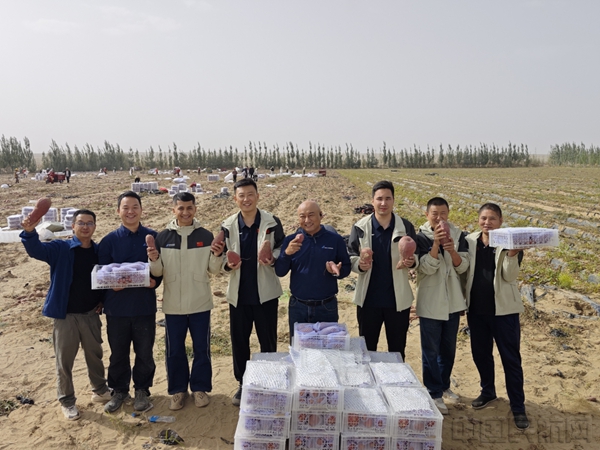
Core Viewpoint - The Southern Airlines Group is committed to implementing the rural revitalization strategy in the Pixinan Township of the Hotan region, focusing on industry support to enhance local income and develop a unique path for industrial revitalization by 2025 [1] Group 1: Consolidating Leading Industries - The Southern Airlines Group has developed a 5-10 year industrial development plan for Pixinan Township, identifying "Pearl Cotton" sweet potatoes and organic glutinous corn as leading industries [2] - The plan includes expanding sweet potato planting area to 330 acres and glutinous corn to 203 acres by 2025, with expected annual yields of 390 tons for sweet potatoes and 150 tons for corn [2] Group 2: Cultivating Characteristic Industries - In addition to consolidating leading industries, the Southern Airlines Group is promoting diverse characteristic industries, including the cultivation of garlic (110 acres), black goji berries (20 acres), dinosaur eggs (12 acres), and colorful peanuts (4 acres) [3] - The colorful peanuts have an average yield of 600 kg per acre, significantly exceeding the national average of 300 kg per acre [3] - The group has established a crab farming base and various ecological projects, creating job opportunities for 235 villagers with an average monthly income increase of approximately 3,000 yuan [3] Group 3: Expanding Commercial Channels - The Southern Airlines Group is integrating "aviation + platform" resources to build a comprehensive marketing system that coordinates online and offline efforts [4] - Offline strategies include establishing local supermarkets and cross-regional sales channels for products like "Wood Cotton Red" sweet potatoes and desert glutinous corn [4] - Online initiatives focus on the "Pearl Agricultural Workshop" platform, fostering local live-streaming talents and promoting products through social media and e-commerce platforms, aiming to generate 2.98 million yuan in collective income for three targeted support villages by 2025 [4][5]

探寻乡村振兴片区化发展的山东密码
Jing Ji Guan Cha Wang· 2025-11-22 16:12
Group 1 - The article highlights the theme of "regional-led rural revitalization" in Shandong, showcasing six cities that have developed unique paths based on their resource endowments [1] - The cities have adopted various strategies such as deep processing of traditional agriculture, integration of agriculture with culture and tourism, and technological empowerment to modernize agriculture [1][3] - A common theme among these cities is the focus on core industries to optimize resource allocation, extend industrial chains, and enhance community benefits through collective interests [1][2] Group 2 - In Zaozhuang, the pomegranate industry has become a significant source of income, with a new operational model that allows farmers to retain all sales revenue, leading to an average income increase of 23,000 yuan per household [2] - Jining's edible mushroom industry is a major economic pillar, with a production area of 26 million square meters and an annual output value exceeding 3.5 billion yuan, employing nearly 30,000 people [3] - The integration of traditional agriculture with new business models, such as the collaboration between agricultural research institutes and local farmers, has led to increased yields and economic diversification [4][5] Group 3 - The revitalization of traditional crafts, such as the Gongbi Peony painting in Heze, has created job opportunities for thousands of villagers, with some earning around 6,000 yuan monthly through art [5] - The "Nine Villages" project in Dong'a County focuses on ecological protection while developing industries like mugwort cultivation, attracting 234 million yuan in social capital [6] - The peach industry in Feicheng has evolved from primary agriculture to a model that integrates cultural tourism, significantly increasing local farmers' incomes and creating job opportunities [7]
(乡村行·看振兴)房前屋后遍栽“致富果” 枣庄石榴产业激活乡村振兴“一池春水”
Zhong Guo Xin Wen Wang· 2025-11-18 06:01
Core Insights - The article highlights the role of the pomegranate industry in driving rural revitalization in Zaozhuang, Shandong Province, showcasing its economic benefits for local communities [1][2]. Group 1: Economic Impact - The pomegranate cultivation model allows villagers to pay a management fee of 3 RMB per tree, with sales revenue going directly to individuals, resulting in an annual increase of 90,000 RMB for the village collective and 23,000 RMB per capita for villagers [1]. - The total annual output value of fresh pomegranates, pomegranate peels, and seedlings in the town is approximately 150 million RMB, with limited growth potential in these areas but significant opportunities in processing and tourism [2]. Group 2: Industry Development - The town has developed seven deep processing enterprises for pomegranates, producing 33 different products, including beverages and cosmetics, and has established a national 3A-level pomegranate scenic area that attracts over 700,000 tourists annually [2]. - A local company specializing in pomegranate beverages and cheese sticks has reported an output value exceeding 50 million RMB as of September, with expectations to reach 70 million RMB by year-end [2]. Group 3: Technological Innovation - The pomegranate industry is benefiting from technological advancements, such as the establishment of a demonstration garden that employs automated irrigation and fertilization systems, producing 300,000 seedlings and 180,000 kg of fresh fruit annually [2]. Group 4: Cultural and Artistic Value - The pomegranate bonsai industry is flourishing, with 36 artists transforming pomegranates into art pieces, leading to prices ranging from hundreds to tens of thousands of RMB, thus providing new income channels for local farmers [4]. - The development of the pomegranate industry reflects a broader strategy of utilizing agricultural functions and rural values to promote comprehensive rural revitalization in Shandong [4].