纸质火车票

Search documents
不用纸质票很开心
Xin Lang Cai Jing· 2026-02-15 06:21
Core Viewpoint - The transition from paper train tickets to digital methods has significantly improved the travel experience, eliminating issues such as ticket loss and fraud, while also evoking nostalgia for past travel experiences [1][2][4] Group 1: Benefits of Digital Tickets - Digital tickets allow for seamless entry into train stations through ID scanning and QR codes, reducing the need for early arrivals to print tickets [1] - The elimination of paper tickets has reduced the risk of losing tickets or purchasing counterfeit ones, enhancing overall travel security [1][2] - The convenience of digital tickets has transformed the travel experience, making it more efficient and less stressful [1][4] Group 2: Nostalgia and Social Aspects - Paper tickets served as a social icebreaker, facilitating conversations between passengers, which is less common with digital methods [3] - The memories associated with paper tickets, including the excitement and anxiety of travel, contribute to a collective nostalgia for past experiences [4] - The emotional connection to paper tickets reflects a broader cultural shift as technology replaces traditional methods, marking the end of an era for many travelers [4]
纸质票退场后 再忆我与火车的故事
Yang Guang Wang· 2025-10-01 02:03
Core Points - The transition from paper tickets to electronic invoices officially began on October 1, marking the end of an era for physical train tickets in China [1] - The shift to digital ticketing is seen as a significant advancement in technology, making travel more convenient for the public [2] Group 1: Historical Significance - Paper train tickets have served as important mementos, capturing personal memories and historical moments in the development of China's railway system [1][5] - Collectors and railway workers reflect on the emotional connections and historical significance of paper tickets, which document family journeys and milestones in railway history [5][8] Group 2: Personal Stories - Individuals share personal anecdotes about their experiences with train travel and the sentimental value of their ticket collections, highlighting the cultural impact of railways on their lives [7][11] - The stories illustrate how train tickets have been part of family traditions and personal growth, symbolizing broader themes of national development and modernization [7][9][11] Group 3: Future Outlook - The move to electronic tickets is viewed as a necessary step in the digital age, with expectations that future generations will view these paper tickets as historical artifacts [8][11] - The railway industry is poised for continued growth and modernization, with a focus on technological advancements that enhance passenger experience [2][11]

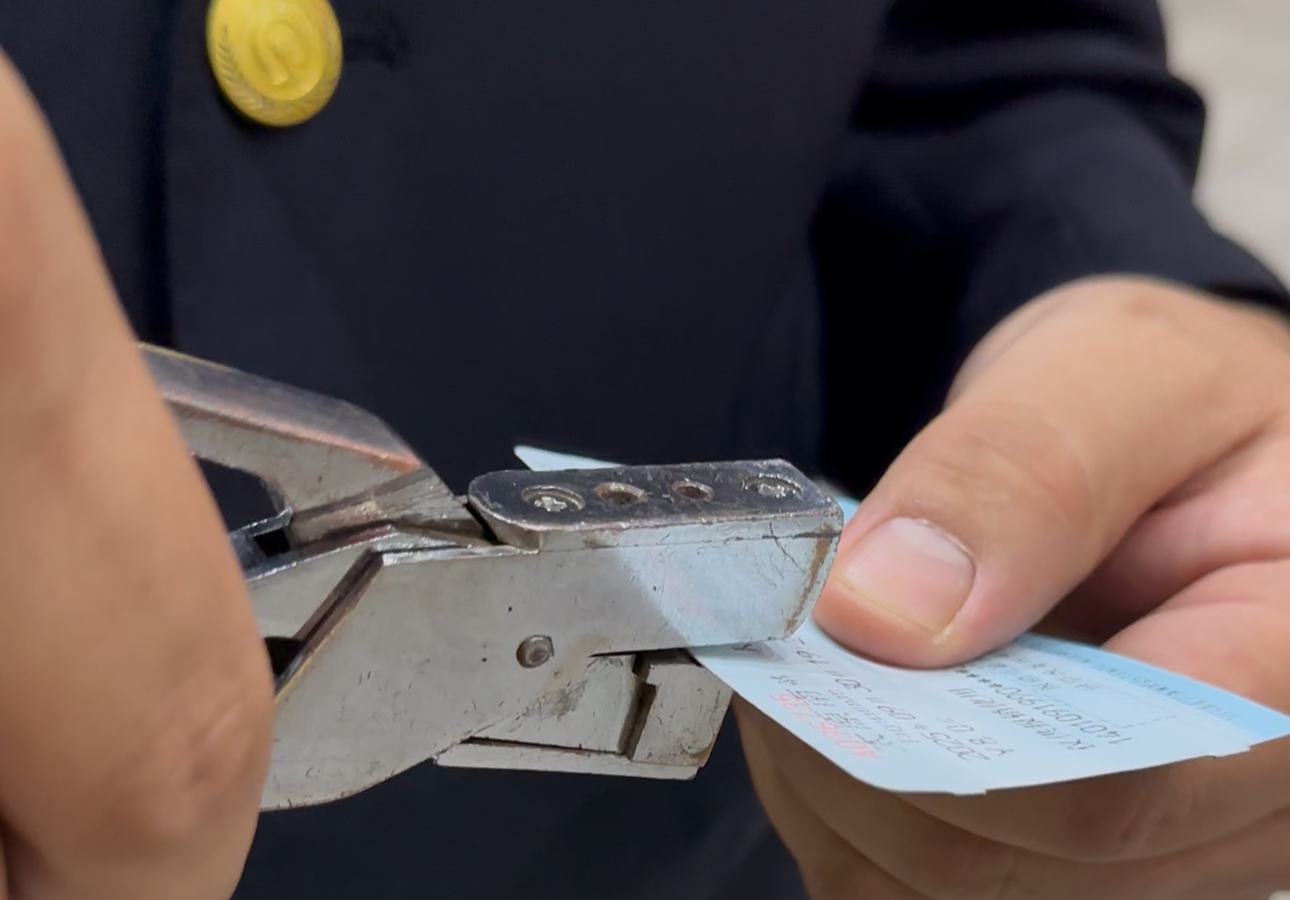
明天起不再提供纸质火车票,网友晒“一代人的集体记忆”
第一财经· 2025-09-30 07:37
Core Viewpoint - The article discusses the transition to electronic invoices in the railway passenger transport sector starting from October 1, highlighting the efficiency, environmental benefits, and the need to accommodate non-digital users [2][3]. Group 1: Implementation of Electronic Invoices - Starting October 1, all railway passenger transport will fully utilize electronic invoices, eliminating paper reimbursement vouchers for travelers [2]. - The electronic invoice retains traveler and journey information while adding buyer details, allowing online applications through the railway 12306 platform, which can be downloaded and printed multiple times [2]. - The shift to electronic invoicing is presented as a more efficient and environmentally friendly option, promoting a paperless approach to reduce paper consumption [2]. Group 2: Considerations for Different Demographics - Concerns have been raised regarding the accessibility of electronic invoices for older adults who may find digital formats less user-friendly [4]. - The railway department plans to continue offering printed "journey information prompt slips" and will provide offline channels for electronic invoice applications to assist elderly and non-digital users [4]. Group 3: Cultural and Emotional Aspects - The discontinuation of paper train tickets has sparked nostalgia among many, with users sharing their collections on social media, indicating that tickets represent more than just travel documents but also collective memories [5][6]. - The emotional value associated with paper tickets reflects a longing for "train culture," with suggestions for commemorative tickets or digital archives to preserve the sentiment of the "paper ticket era" [7].

明天起不再提供纸质火车票,网友晒“一代人的集体记忆”
Di Yi Cai Jing· 2025-09-30 05:47
Core Points - The Chinese railway system will fully implement electronic invoices for passenger travel starting October 1, eliminating paper receipts [1] - Electronic invoices will enhance efficiency and environmental sustainability by reducing paper consumption and allowing for easy online access and printing [1] - Concerns have been raised about the accessibility of electronic invoices for elderly individuals and those not familiar with digital technology [1] - The railway department will continue to provide printed "trip information slips" and additional offline channels for electronic invoice applications to assist those in need [1] Group 1 - The transition to electronic invoices reflects technological advancement and modernization in the railway industry [1] - The emotional value of paper train tickets is highlighted, as many individuals cherish them as part of their collective memory and cultural heritage [2] - Suggestions have been made to create commemorative train tickets or digital archives to preserve the nostalgia associated with the "paper ticket era" [2] Group 2 - The railway industry is adapting to changing consumer preferences, emphasizing convenience and efficiency while also addressing the needs of less tech-savvy populations [1] - The cultural significance of paper tickets is acknowledged, as they represent a connection to personal experiences and memories associated with train travel [2] - The rise of the emotional economy is influencing how people perceive and value items like train tickets, leading to calls for innovative ways to commemorate this aspect of travel [2]
年轻人为何过起了“老派生活”?
Hu Xiu· 2025-09-21 07:05
Group 1 - The article discusses the collective nostalgia surrounding the cancellation of paper train tickets, highlighting how these tickets symbolize significant life moments for many individuals [1][22][23] - The term "old-fashioned" has gained popularity, with discussions around "old-fashioned boyfriends," "old-fashioned dating," and "old-fashioned living," reflecting a shift in perception towards valuing these traits [2][5][6] - In a fast-paced world, people are seeking to anchor themselves through "old-fashioned" practices, which represent reliability and sincerity amidst the chaos of modern life [4][9][15] Group 2 - The article emphasizes that "old-fashioned" is increasingly viewed positively, as individuals express a desire for deeper emotional connections and stability in relationships, contrasting with the transient nature of modern interactions [7][19][21] - The rise of "situationships" illustrates a trend where individuals prefer non-committal relationships, reflecting a broader societal shift towards uncertainty and a lack of commitment [18][20] - The nostalgia for tangible items like paper tickets serves as a reminder of past experiences and emotional connections, prompting individuals to seek out "old-fashioned" hobbies and practices as a means of grounding themselves in a rapidly changing world [24][32][34] Group 3 - The article posits that the return to "old-fashioned" practices is not merely a longing for the past but a way to create a sense of order and security in the present and future [28][30][36] - Young people are actively engaging in "old-fashioned" lifestyles as a form of resistance against the overwhelming pace of modern life, seeking to reclaim a sense of authenticity and emotional depth [26][35] - The concept of "old-fashioned" living is framed as a small sanctuary where individuals can cultivate a sense of safety and belonging amidst the uncertainties of contemporary existence [25][31][36]
告别纸质火车票,数字化出行更加具象化了
Qi Lu Wan Bao· 2025-09-06 12:08
Core Points - The transition from paper train tickets to electronic invoices will be fully implemented by September 30, 2025, marking a significant step in the digital transformation of railway services [2] - The shift to electronic invoicing is not only a response to technological advancements but also a move towards environmental sustainability, reducing paper consumption and its associated carbon footprint [2] Group 1 - The pilot program for electronic train tickets began in 2018 in Hainan, with nationwide implementation for regular railways starting in June 2020 [2] - In 2024, the total number of railway passengers reached 4.312 billion, highlighting the substantial paper consumption that will be eliminated with the transition to electronic tickets [2] - The railway department is addressing concerns about elderly passengers by providing assistance through self-service machines and considering additional support measures [3] Group 2 - There is a nostalgic sentiment among the public regarding paper tickets, with suggestions for commemorative electronic tickets or digital keepsakes to enhance consumer engagement [3] - Social media has seen a surge in users sharing their collections of train tickets, reflecting a cultural attachment to the traditional ticketing system [3]
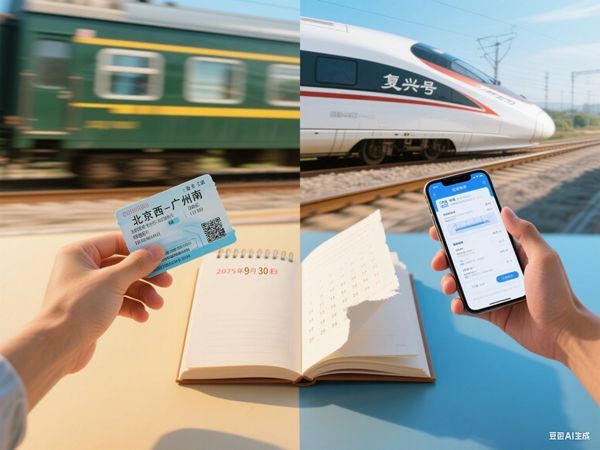
纸质火车票从报销退场,不应是情感载体的消失
Xin Jing Bao· 2025-09-02 11:35
Core Viewpoint - The transition to a fully digital ticketing system in China's railway sector is set to take place on November 1, 2024, marking the end of paper train tickets, which has sparked emotional responses from the public regarding the sentimental value of physical tickets [1][2]. Group 1: Digital Transition - The railway department will promote a comprehensive digital electronic invoice service for passenger tickets starting November 1, 2024, allowing travelers to apply for electronic invoices online without needing to print paper tickets [1]. - The transition period for electronic invoices will last from November 1, 2024, to September 30, 2025, after which paper reimbursement vouchers will be completely phased out [1][2]. - The move towards digital tickets is seen as a product of technological advancement, providing convenience such as avoiding queues and reducing the risk of ticket loss [2]. Group 2: Emotional Value of Paper Tickets - Despite the efficiency of digital tickets, the emotional value associated with paper train tickets remains significant, as they represent personal journeys and memories for many individuals [2]. - Paper tickets have been described as a unique memory carrier that combines public and private significance, distinguishing them from other traditional paper mediums that have disappeared [2]. - The emotional connection to paper tickets is likened to other sentimental items, such as stamps and boat tickets, which evoke nostalgia and personal stories [2]. Group 3: Recommendations for Railway Department - It is suggested that the railway department should consider maintaining a "paper certificate application window" at stations for those who wish to obtain paper tickets for sentimental reasons, balancing digital efficiency with emotional needs [3]. - Learning from international practices, the railway department could offer commemorative ticket printing services, which would respect diverse customer needs while minimizing resource waste [4]. - Innovations such as allowing travelers to generate and customize their travel records and commemorative tickets through a digital platform could help meet emotional demands while retaining the benefits of digital convenience [5].
10月1日起纸质火车票将正式告别
Mei Ri Shang Bao· 2025-09-02 02:28
Core Viewpoint - The transition to a paperless ticketing system in China's railway industry is set to be completed by October 1, 2023, with paper reimbursement vouchers being fully replaced by electronic invoices, marking a significant shift in passenger travel experience and operational efficiency [1][2]. Group 1: Transition to Electronic Invoicing - The railway department has mandated that from October 1, 2023, paper reimbursement vouchers will no longer be issued, and electronic invoices will take their place [1][2]. - The shift towards electronic ticketing began in November 2018, with the first pilot program launched on Hainan's circular high-speed railway [1]. - By June 2020, electronic tickets were implemented nationwide, allowing passengers to travel using only their valid ID [1]. Group 2: Electronic Invoice Process - Passengers can obtain electronic invoices exclusively through the official railway 12306 platform, with options to preview or download invoices in PDF or OFD formats [2]. - Electronic invoices must be requested within 180 days after the journey or after payment for ticket changes or refunds, and they can only be issued for the passenger's own tickets [2]. Group 3: Addressing Concerns for Elderly Passengers - Concerns have been raised regarding elderly passengers' ability to navigate the new electronic system; however, solutions are in place [3]. - After the cessation of paper vouchers, passengers can still print journey information slips at self-service machines in stations, which will include essential travel details [3].
黄金再度大涨;消费贷贴息开闸|消费早参
Mei Ri Jing Ji Xin Wen· 2025-09-02 00:14
Group 1: Gold Market - The international gold price has risen for the fifth consecutive trading day, with COMEX gold futures reaching a record high of $3,553.8 per ounce, and spot gold surpassing $3,480 per ounce, approaching the historical high set in April. Year-to-date, spot gold has increased by over 32% [1] - Domestic gold stocks, such as Western Gold, Hunan Gold, and Zhongjin Gold, saw their share prices rise on the same day. The physical gold price for brands like Chow Tai Fook and Luk Fook Jewelry increased to 1,027 yuan per gram, up by 1.18% [1] - The recent surge in precious metals is largely driven by expectations of interest rate cuts from the Federal Reserve, attracting significant market attention and investment enthusiasm. Several international financial institutions have raised their gold price targets, indicating strong optimism for the future of gold [1] Group 2: Consumer Loan Policy - The implementation of the "Personal Consumption Loan Fiscal Subsidy Policy" began on September 1, which is the first time the central government has provided subsidies for personal consumption loans, covering areas such as automobiles, home appliances, renovations, travel, and healthcare, with subsidies lasting until August 31, 2026 [3] - The policy sets a cap on subsidies to prevent arbitrage, with a maximum subsidy of 1,000 yuan for individual loans under 50,000 yuan and a total cap of 3,000 yuan for all personal consumption loans [3] - Multiple banks have quickly launched service portals for this subsidy, and some existing customers may also benefit from the subsidies, although the implementation pace and subsidy paths may vary by bank [3] Group 3: Digital Transformation in Transportation - The transition to a paperless ticketing system for train travel is set to be completed by September 30, with electronic invoices replacing paper tickets. This shift began in 2018 and aims to enhance efficiency and environmental sustainability [2] - After September 30, the reimbursement function for train tickets will also move to an electronic format, although concerns about accessibility for elderly travelers have been raised. However, travelers can still print journey information slips from self-service machines [2] - The electronic invoice system is designed to be user-friendly, allowing travelers to apply for invoices through their 12306 accounts, filling in relevant information for the system to issue and upload to tax authorities [2]
8点1氪|10月1日起纸质火车票将全面停用;巴黎世家8200元新包撞脸塑料袋;iPhone 8 Plus被苹果列为复古产品
3 6 Ke· 2025-09-02 00:11
Group 1 - Starting from October 1, paper train tickets will be phased out, replaced by electronic invoices for reimbursement, which can be obtained online [2][3] - The new Balenciaga tote bag, resembling a plastic bag, is priced at 8,200 RMB and made from Dyneema fabric, not plastic [2][3] - The 2025 summer movie box office reached 11.966 billion RMB, with 321 million admissions, showing year-on-year growth of 2.76% and 12.75% respectively [5][6] Group 2 - Apple has added three products to its obsolete list, including the MacBook Air (11-inch, 2015) and iPhone 8 Plus, which will no longer be serviced after a certain period [5] - The price of gold jewelry has increased, with the price per gram reaching 1,027 RMB, reflecting a rise of 12 RMB from the previous day [7] - The CEO of Li Auto aims to stabilize monthly sales of its electric models at 18,000-20,000 units by the end of the year [12] Group 3 - Nestlé appointed Philipp Navratil as the new CEO, following the dismissal of Laurent Freixe due to undisclosed personal relationships [19] - Tencent has released an open-source translation model, Hunyuan-MT-7B, which supports 33 languages and is lightweight [25] - The company "Obita" has completed over 10 million USD in angel round financing, led by Yuanjing Capital and Mirana Ventures [26]