老婆饼

Search documents
600多家店的桃酥巨头开始卖茶咖,最贵一杯9.9元
东京烘焙职业人· 2026-03-02 08:35
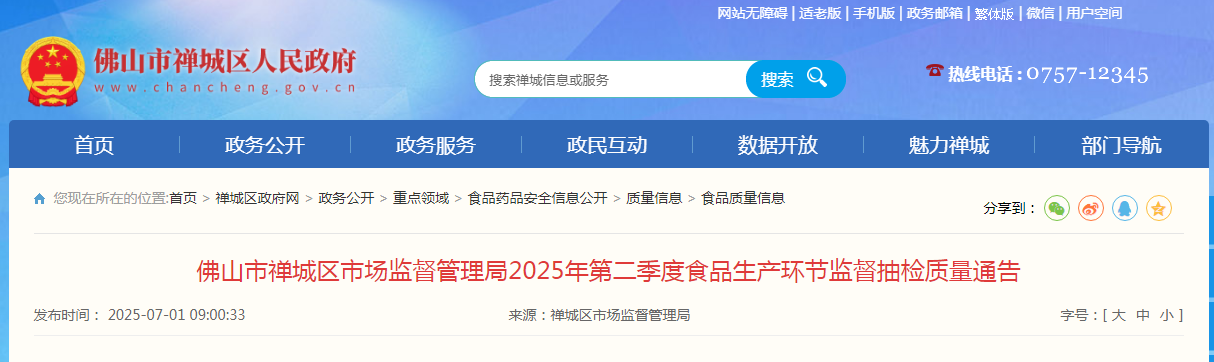
Core Viewpoint - The article discusses the recent opening of the first double-layer collection store by the new-style baking giant, Luxihe River, in Nanjing, which not only sells traditional pastries but also introduces tea and coffee, indicating a strategic expansion into the beverage market [5][40]. Group 1: Store Concept and Design - Luxihe River has launched its first double-layer collection store, featuring a spacious layout with a ground floor for freshly baked goods and a second floor designed for dining, equipped with seating areas for customers [9][13]. - The store's design incorporates fresh green and wooden elements, creating a modern and inviting atmosphere, with unique features like double arch doors and a vintage green cart that serves as an Instagram-worthy spot [11][32]. Group 2: Product Expansion - The new store has expanded its product offerings to include a variety of Western-style pastries such as donuts, croissants, and egg tarts, alongside traditional Chinese pastries like peach crisp and mung bean cake, enhancing its SKU diversity [15][18]. - The beverage section, named "Luxi Water Pavilion," introduces nine new drinks, including lemon tea and various coffee options, with prices remaining affordable, such as Americano at 5.9 yuan per cup [19][21]. Group 3: Market Trends and Strategic Positioning - The article highlights a trend in the tea and baking industry towards larger flagship stores, with Luxihe River's double-layer store being part of this movement, aiming to create a unique customer experience and enhance brand visibility [30][32]. - The integration of tea and coffee into a baking brand's offerings reflects a broader industry trend where traditional baking brands are exploring cross-category opportunities, as seen with other brands like Nayuki and Heytea [25][28]. Group 4: Innovation and Future Outlook - Luxihe River's continuous innovation in store formats, from handmade stores to themed stores, indicates a commitment to exploring market boundaries and adapting to consumer preferences [35][41]. - The article suggests that while the new store format serves as a testing ground for new concepts, its scalability remains uncertain, and the success of this model will depend on market reception over time [38][42].

海口25年老牌烘焙店嘉艺坊,资金链断裂停业清算
Xin Lang Cai Jing· 2026-02-26 04:14
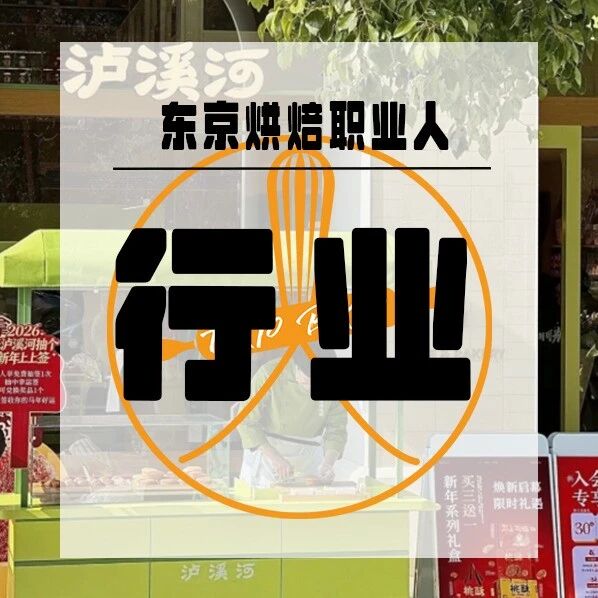
Core Viewpoint - The news highlights the financial distress and subsequent closure of Hainan Jiayi Fang Food Co., Ltd., which has ceased operations due to a broken capital chain, raising concerns among consumers regarding prepaid card balances and the company's future [1][5][10]. Company Overview - Hainan Jiayi Fang Food Co., Ltd. was established on April 24, 2001, with a registered capital of 1.6 million yuan, primarily engaged in cake production and food sales through a combination of self-production and chain operations [5]. - The company has faced previous controversies, including a significant incident in June 2019 when it abruptly suspended prepaid card redemptions across over 30 stores due to complaints against a partner platform, leading to consumer dissatisfaction [5][7]. Financial and Operational Issues - The company announced its official cessation of production and business activities on February 23, 2026, entering a phase of liquidation due to financial difficulties [1]. - A notice dated February 6, 2026, indicated that the company planned to resume operations on February 25, 2026, which was contradicted by the actual closure [2]. Consumer Concerns - Consumers are worried about the handling of unused prepaid card balances following the company's sudden closure, with legal experts indicating that such situations complicate consumer rights and claims [5][9]. - The company has a history of food safety issues, including a 2022 incident where products were found to contain non-compliant ingredients, leading to fines and mandated corrective actions [7]. Market Challenges - Industry insiders suggest that Jiayi Fang's struggles stem from a lack of product innovation and an inability to adapt to changing consumer preferences, particularly as younger consumers shift towards healthier options [9]. - The closure of Jiayi Fang reflects broader challenges faced by traditional food enterprises in maintaining competitiveness in a rapidly evolving market [10].
资金链断裂停业清算
Xin Lang Cai Jing· 2026-02-25 16:56
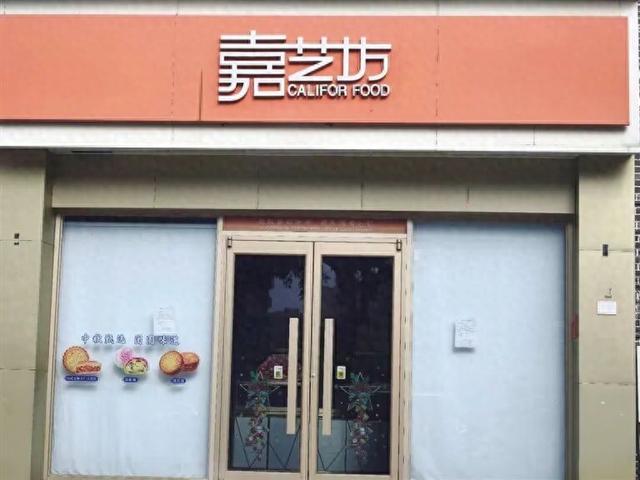
Core Insights - Hainan Jiayi Fang Food Co., Ltd. has announced a complete cessation of operations due to a broken capital chain, entering a phase of liquidation [2] - The company has faced previous controversies related to food safety, including a 2022 incident where products were found to contain non-compliant ingredients, leading to fines and mandatory rectification [3] - Industry experts indicate that Jiayi Fang's struggles stem from a lack of product innovation and an inability to adapt to changing consumer preferences towards healthier options [4] Company Background - Established in April 2001, Jiayi Fang has a registered capital of 1.6 million yuan and operates through a combination of self-production and chain sales, primarily focusing on pastry production and food sales [3] - The company previously faced significant backlash in 2019 when it abruptly halted the redemption of prepaid cards at over 30 stores, causing consumer dissatisfaction [3] Consumer Rights and Legal Implications - With the closure of stores, consumers are concerned about the refund process for prepaid card balances, as the company has not been responsive to inquiries [5] - Legal experts suggest that terms like "no refunds" on prepaid cards may be deemed unfair, but consumers may face challenges in asserting their rights in the event of sudden business closures [5] Industry Challenges - The closure of Jiayi Fang highlights the broader challenges faced by traditional food enterprises in adapting to rapidly changing market conditions, including rising operational costs and shifting consumer tastes [4][6] - The situation raises questions about how legacy brands can maintain relevance and vitality in a competitive landscape, emphasizing the need for innovation and compliance with market trends [6]
广东省中山市市场监督管理局食品监督抽检信息通告(2025年第43期)
Zhong Guo Zhi Liang Xin Wen Wang· 2025-11-20 08:50
Core Points - The Zhongshan Market Supervision Administration conducted a food safety inspection covering seven categories of food, with a total of 589 samples tested, of which 581 were qualified and 8 were unqualified [2][4]. Summary by Category Inspection Overview - A total of 589 food samples were collected from various sectors including catering, condiments, convenience foods, edible agricultural products, edible oils and fats, candy products, and special dietary foods [2]. - The inspection was conducted in accordance with the "Implementation Rules for Food Safety Supervision and Sampling Inspection in Guangdong Province" [2]. Results - Out of the 589 samples, 581 were found to be compliant, resulting in a compliance rate of approximately 98.6% [2]. - 8 samples were identified as non-compliant, indicating potential food safety risks [2]. Consumer Engagement - The administration encourages consumers to actively participate in food safety supervision and report any harmful food products or illegal activities by calling the complaint hotline 12345 [2].
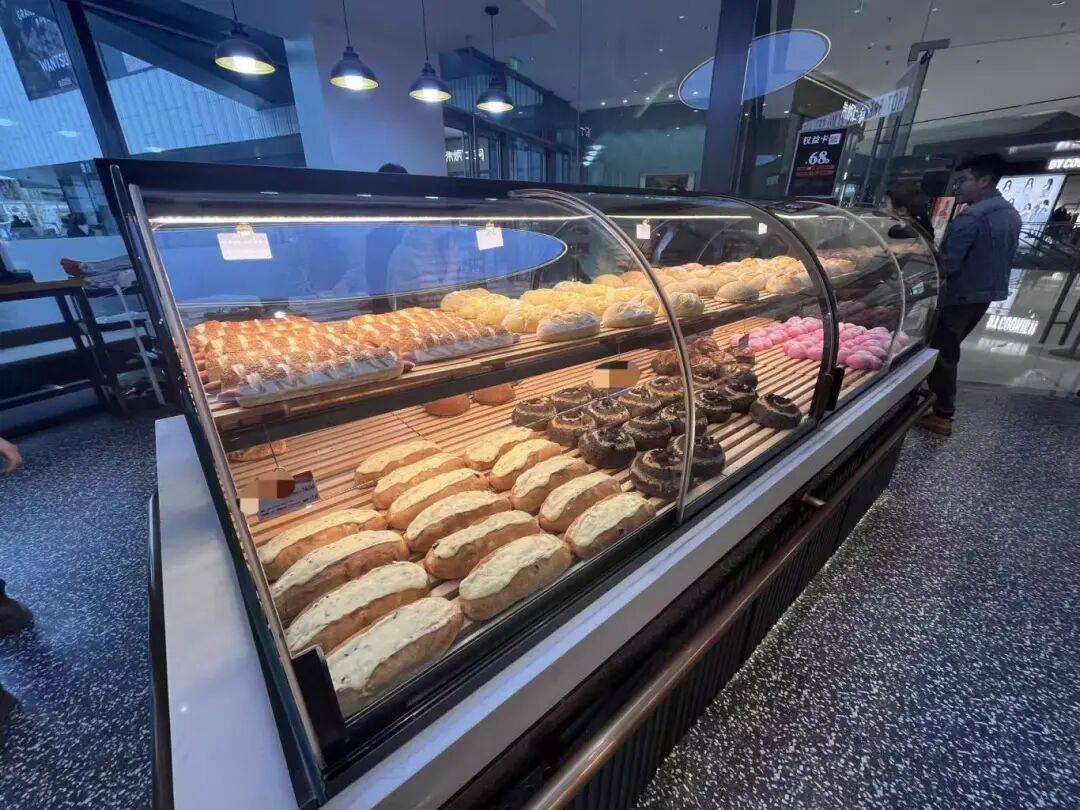
知知观察|凭啥这么贵?小知知实探贵阳市场
Sou Hu Cai Jing· 2025-11-17 11:46
Core Insights - The article discusses the contrasting trends in the bakery market in Guiyang, highlighting the emergence of high-end bakeries versus traditional pastry shops and budget-friendly options [1][4][18] Group 1: High-End Bakeries - New-style bakeries in Guiyang are characterized by their elegant decor, foreign-sounding names, and premium pricing, with individual items priced between 12 to 36 yuan [1][3] - These bakeries target young consumers who prioritize quality and experience, willing to spend on a premium product [4][18] - The operational costs, including rent, raw materials, and labor, contribute to the high pricing strategy aimed at covering expenses and establishing a high-end brand image [4] Group 2: Traditional and Budget Bakeries - Traditional pastry shops offer items like pepper salt cakes and tiger skin cakes at much lower prices, typically ranging from 5 to 15 yuan, appealing to consumers seeking affordability and nostalgia [5][12] - The rise of 2 yuan bakeries, which focus on simplicity and low prices, has attracted many customers looking for value [7][8] - Older consumers generally prefer budget-friendly options, associating them with practicality and traditional flavors, while younger consumers exhibit mixed preferences between premium and affordable choices [16][18] Group 3: Consumer Preferences - There is a clear divide in consumer preferences, with some young individuals valuing the "ceremonial" aspect of high-priced bread as a symbol of quality, while others prioritize taste and affordability [14][18] - The coexistence of high-end and budget bakeries reflects the diverse demands of the market, indicating that both segments can thrive if they adapt to consumer needs [18][19]
山西省晋中市市场监督管理局关于2025年第6期食品安全监督抽检情况的通告
Zhong Guo Zhi Liang Xin Wen Wang· 2025-11-05 06:37
Core Points - The Jinzhong Market Supervision Administration conducted a food safety inspection, sampling 103 batches of various food products, with 100 passing and 3 failing the safety standards [3] - The inspection covered 21 categories of food, including dairy products, beverages, canned goods, and frozen foods [3] - The local market supervision departments were urged to handle the non-compliant products according to relevant laws and regulations [3] Summary by Category Food Safety Inspection - A total of 103 samples were collected from 21 categories of food products [3] - 100 samples were found to be compliant, while 3 samples were deemed non-compliant [3] Non-compliant Products - The local authorities are responsible for addressing the non-compliant products identified during the inspection [3] - Consumers are encouraged to report any non-compliant food products they encounter in the market by calling 12315 [3]
海南省市场监督管理局关于23批次不合格食品情况的通告(2025年第23期)
Zhong Guo Zhi Liang Xin Wen Wang· 2025-10-15 06:37
Core Points - The Hainan Provincial Market Supervision Administration reported that 23 batches of food products were found to be non-compliant with safety standards during a recent inspection of 1,112 batches [2][3][4]. Summary by Categories Food Additives - Non-compliance was noted in products such as mung bean cakes and homemade pastries, where the levels of dehydroacetic acid and its sodium salt exceeded national food safety standards [2][3]. Pesticide Residues - Several vegetable samples, including snow peas and scallions, showed pesticide residues above the permissible limits, specifically with substances like procymidone and acetamiprid [4][5]. Veterinary Drug Residues - Issues were identified in pork and shrimp products, with residues of chloramphenicol and enrofloxacin exceeding safety standards [5][6]. Heavy Metal Contamination - A seafood sample (scallops) was found to have cadmium levels that did not meet safety standards [7]. Microbial Contamination - Reusable dining utensils from a restaurant were found to have unacceptable levels of coliform bacteria, indicating poor sanitation practices [8].
广东省佛山市禅城区市场监督管理局2025年第二季度食品生产环节监督抽检质量通告
Zhong Guo Zhi Liang Xin Wen Wang· 2025-07-02 05:41
Core Points - The report indicates that the food production supervision and sampling conducted by the Market Supervision Administration of Chancheng District, Foshan City, in the second quarter of 2025 resulted in a total of 60 batches being tested, all of which passed, achieving a 100% pass rate [2]. Group 1: Sampling Results - A total of 60 batches were sampled across various food categories including pastries, frozen foods, grain products, edible oils, alcoholic beverages, aquatic products, tea and related products, and meat products [2]. - The breakdown of the sampling results is as follows: - Pastries: 21 batches, all passed - Frozen foods: 13 batches, all passed - Grain products: 12 batches, all passed - Edible oils and fats: 7 batches, all passed - Aquatic products: 3 batches, all passed - Alcoholic beverages: 2 batches, all passed - Tea and related products: 1 batch, passed - Meat products: 1 batch, passed [2].