
蓝氢

Search documents
氢能周度观察(16):资源禀赋+政策协同+全链落地,川渝氢能潜力突出-20260401
Changjiang Securities· 2026-04-01 01:17
Investment Rating - The report indicates a positive investment outlook for the hydrogen energy sector, particularly in the Sichuan and Chongqing regions, which are expected to become key national hydrogen application pilot city clusters due to their resource endowment, policy synergy, and comprehensive chain implementation [4][10]. Core Insights - In March 2026, the Ministry of Industry and Information Technology, the Ministry of Finance, and the National Development and Reform Commission jointly announced the launch of a new round of national hydrogen energy pilot projects, with Sichuan and Chongqing positioned as potential leaders in this initiative [4][10]. - The Sichuan and Chongqing regions have a rich hydrogen resource base, including green, blue, and gray hydrogen supply systems, supported by significant hydropower and natural gas reserves [10]. - The policy framework in these regions emphasizes a collaborative approach, integrating provincial and municipal efforts to promote the hydrogen industry across the entire value chain [10]. - The infrastructure for hydrogen energy is being rapidly developed, with a network of hydrogen corridors and a growing number of hydrogen refueling stations planned to support the increasing adoption of fuel cell vehicles [10]. - The report highlights significant growth in fuel cell vehicle registrations in Sichuan and Chongqing, with projections indicating a cumulative insurance of 1,204 and 449 vehicles respectively from 2021 to 2025, reflecting a strong upward trend in adoption [10]. Summary by Sections Policy Initiatives - The report outlines various policy measures aimed at promoting hydrogen energy, including the establishment of a hydrogen energy industry development plan in Sichuan, which targets the deployment of 6,000 fuel cell vehicles and the construction of 60 hydrogen refueling stations by 2025 [11]. - In Chongqing, policies are in place to support the development of a comprehensive hydrogen refueling network, with plans to build 72 refueling stations by 2035, enhancing the region's hydrogen supply capacity [11]. Resource Endowment - Sichuan boasts over 100 million kilowatts of hydropower capacity, the highest in the country, and has significant potential for wind and solar energy, which can be harnessed for low-cost hydrogen production [10]. - The industrial by-product hydrogen production in Sichuan and Chongqing exceeds 20,000 and 13,000 tons annually, providing a low-cost hydrogen source for initial industry development [10]. Infrastructure Development - The report details the establishment of a hydrogen energy backbone network through various corridors and routes, enhancing transportation and distribution capabilities [10]. - As of September 2025, a total of 34 hydrogen refueling stations are expected to be operational in the Sichuan and Chongqing regions, with further expansions planned [10]. Industry Chain Completeness - The report notes the presence of leading enterprises in the hydrogen energy sector within Sichuan and Chongqing, covering key areas such as hydrogen production, storage, transportation, and fuel cell technology [10]. - Significant advancements in critical materials for hydrogen energy applications have been achieved, with ongoing efforts to accelerate industrialization [10].
东华能源(002221) - 002221东华能源投资者关系管理信息20260306
2026-03-06 01:02
Supply and Demand Dynamics - The supply of propane is expected to increase due to ongoing shale gas extraction in the U.S., with production growth and new LPG export terminals coming online in late 2025, leading to a potential surplus in the market [2] - Demand for propane is anticipated to decline as the PDH industry experiences a slowdown and LPG combustion is increasingly replaced by natural gas, shifting the market from a seller's to a buyer's market [2] Industry Outlook - The PDH industry is projected to see improved market conditions in the coming years as the oversupply of propane becomes more pronounced and domestic propylene production growth slows [2] - The geopolitical tensions in the Middle East are not expected to significantly impact the company's operations due to its robust supply chain and ability to respond effectively to raw material supply and price fluctuations [2] Carbon Emission and Policy Impact - The company's carbon emissions per ton of PP are approximately 1.1 tons, which is lower than the industry averages: PDH at 1.6 tons, oil-based at 3 tons, and coal-based at 9 tons. This positions the company favorably in a potential carbon trading market [3] Hydrogen Energy Development - The hydrogen market is expected to expand rapidly under the dual carbon policy, with low-carbon blue and green hydrogen likely to replace gray hydrogen. The company can produce about 100,000 tons/year of high-purity blue hydrogen from its PDH units [4] Carbon Fiber Project Advantages - The carbon fiber project produces T800/T1000 high-performance grades, with competitive cost advantages over domestic and international manufacturers. The production process is designed to enhance product quality and reduce energy consumption [5] - The first production line is currently being installed, with plans for trial operations by mid-2026 [6] - The project has independent intellectual property rights, allowing for potential export, and the company is preparing to apply for overseas patents [7]

中国石油天然气集团董事长戴厚良:大力推动国内油气勘探开发和增储上产 加快推动页岩油气革命
Ge Long Hui A P P· 2026-01-16 04:24
Core Viewpoint - China National Petroleum Corporation (CNPC) aims to complete the Tarim 1.2 million tons/year ethylene project by 2026, emphasizing domestic equipment localization and green production methods [1] Group 1: Project Development - The Tarim ethylene project will achieve over 98% localization of equipment, with significant advancements in fully electric drives and the first domestic production of major equipment [1] - The project will utilize a "blue hydrogen to blue ammonia + carbon dioxide to urea" model for green production, aiming to create a zero-carbon petrochemical park [1] Group 2: Energy Security and Supply - CNPC is committed to being a "pillar" for energy supply security, focusing on domestic oil and gas exploration and production to ensure national energy security [1] - The company plans to deepen international energy cooperation and enhance overseas energy production and supply bases, improving trade security and cross-border energy channels [1] Group 3: Industry Transformation - CNPC is accelerating the restructuring and upgrading of refining and chemical sectors, optimizing product and industrial structures to enhance the supply of high-quality energy and chemical products [1] - The company aims to play a key role in building a strong energy nation and ensuring the stability of the oil and gas industry supply chain [1]

新天然气20260109
2026-01-12 01:41
Summary of New Natural Gas Company Conference Call Company Overview - The conference call discusses New Natural Gas Company, focusing on its various projects and overall performance in the coal and gas industry. Key Points Industry and Project Developments - **Santanghu Coal Resource Development Project**: - Exploration report approved by Xinjiang Natural Resources Department, with 169 wells drilled covering 110,000 meters and 32 square kilometers, confirming 1.9 billion tons of shallow coal resources [2][5] - The project aims to extend the industrial chain and increase added value through strategic partnerships [2] - **Gansu Qingyang Underground Coal-to-Gas Project**: - Progressing steadily with resource acquisition completed for 6 blocks, covering 462 square kilometers and predicting reserves of 2.8 billion tons [2][9] - Phase one plans to mine 800,000 tons of coal, producing 300 million cubic meters of blue hydrogen and 1.35 million tons of LNG [9] - **Cost Efficiency**: - The complete cost of the Sankashu coal mine is approximately 200 RMB per ton, with coal-to-gas costs expected to be controlled under 1 RMB per cubic meter [2][14] Financial Performance - **2025 Operational Stability**: - Overall operations are stable, but secondary market performance is poor due to various factors [3] - Significant progress in new projects, including Santanghu and Gansu Qingyang [3] Strategic Initiatives - **Increased Stake in Zhongneng Holdings**: - Stake raised to 52.97% with plans for privatization to secure more upstream resource rights and ensure future investment returns [2][16] Downstream Industry Layout - **Planned Projects**: - Two major projects for comprehensive utilization of 15 million tons and 10 million tons of long flame coal [6] - A coal-to-gas project integrating 2 billion cubic meters of coal pyrolysis gasification [6] Sales and Pricing - **Sales Channels**: - Sales channels are robust, with pipelines facilitating transport to major downstream areas [15] - **Pricing Stability**: - Prices for gas remain stable, with Pan Zhuang at approximately 2.11 RMB per cubic meter and Ma Bi at 2.5 RMB [16] Future Outlook - **Approval Processes**: - Project approvals have been delayed but are not affecting normal development; significant approvals expected in early 2026 [15] - **Market Coordination**: - The company is working on better pricing strategies for the Kashgar North region to enhance profitability [18] Additional Considerations - **Environmental and Safety Assessments**: - The company is focusing on environmental and safety assessments to meet national standards for project approvals [11] This summary encapsulates the key developments and strategic initiatives of New Natural Gas Company as discussed in the conference call, highlighting the company's focus on resource development, cost efficiency, and market positioning within the coal and gas industry.

国际石油公司低碳投资“踩刹车”,有何启示?
Xin Lang Cai Jing· 2025-12-19 02:33
Core Viewpoint - Global low-carbon energy investment continues to grow, with the International Energy Agency (IEA) predicting that total clean energy investment will exceed $2.2 trillion by 2025. However, the oil and gas industry's low-carbon investment remains above $30 billion, but its share is declining [1]. Group 1: Investment Trends - International oil companies have been rapidly investing in low-carbon and renewable energy sectors due to government policies, market trends, and shareholder interests. However, they are now facing internal and external pressures that are affecting their low-carbon strategies [2]. - Companies that have diversified quickly over the past five years are experiencing dual pressures of value growth and cash flow stability, leading some to adjust their carbon reduction targets and prioritize short-cycle, high cash flow projects [2][6]. - Despite some companies lowering their carbon reduction goals, overall low-carbon investment by international oil companies has steadily increased since 2020, with European firms leading in investment scale and growth compared to their American counterparts [6][10]. Group 2: Key Investment Areas - The three main focus areas for low-carbon investments by international oil companies are renewable electricity (wind and solar), biofuels, and Carbon Capture, Utilization, and Storage (CCUS), with a total investment of $86.4 billion in these areas over the past decade [7]. - European companies are diversifying their investments across various sectors, while American companies are more focused on CCUS and biofuels. CCUS is viewed as a "certain strategic pillar" for the industry, with many projects underway in Europe and North America [8][9]. - Hydrogen is also a strategic focus, with European companies favoring green hydrogen and American companies leaning towards blue hydrogen, although recent uncertainties have led to a more cautious approach to hydrogen investments [9]. Group 3: Resource Dependency - The transition to green energy is increasing the demand for key mineral resources, with lithium demand expected to grow more than threefold by 2023. This trend highlights the oil and gas industry's growing reliance on mineral resources to support green transitions [10]. - Companies like ExxonMobil are entering the lithium market, with plans to produce lithium materials for over 1 million electric vehicles by 2030, indicating a strategic shift towards securing essential resources for future energy needs [10].


全球化建行业步入深度调整期
Zhong Guo Hua Gong Bao· 2025-12-12 04:12
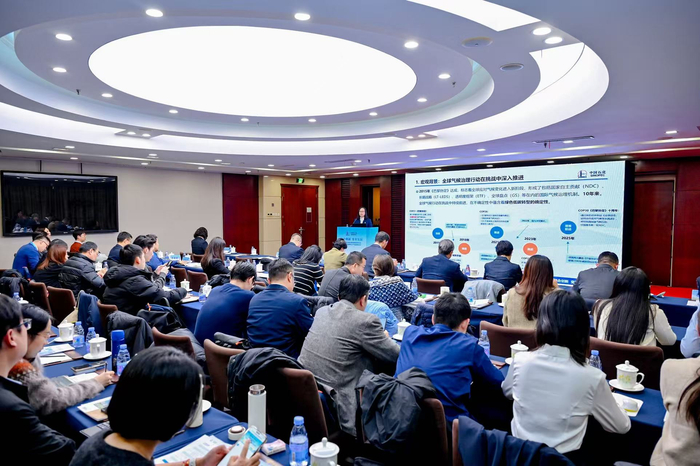
Group 1 - The global chemical industry is experiencing a structural imbalance leading to a mismatch in supply and demand, resulting in a significant reduction in the number and total value of energy chemical project contracts, with the industry entering a deep adjustment cycle by 2025 [1] - The chemical sector is underperforming despite overall resilience in the global engineering construction industry, with new awarded and announced EPC contracts totaling only $7.65 billion in early 2025, down over 40% from $12.8 billion in 2024, which itself was nearly halved from $24.5 billion in 2023 [2] - Key drivers of the low sentiment in the chemical engineering construction industry include geopolitical conflicts, tariff barriers, slower-than-expected energy transition, and intensified market competition, leading to a "more monks than porridge" competitive landscape [2] Group 2 - WSP Global's chemical business accounted for 24% of its annual sales, while its resource business (including fertilizers and energy transition materials) made up 26%, with energy being the core revenue pillar at 50%. The company reported $12 billion in sales, a 4% year-on-year increase, but its chemical business saw a 14% decline to $3.05 billion [3] - The energy transition sector is facing a project halt, exemplified by Shell's termination of its biofuel plant in Rotterdam due to high construction costs and insufficient market competitiveness, and Fertiglobe's postponement of its low-carbon ammonia project in Abu Dhabi [4][5] - The construction cost pressures are significant, with a projected annual growth rate of 4% to 5% starting in 2025, driven by rising material and labor costs, exacerbated by tariffs on imported steel and geopolitical tensions affecting global supply chains [6][7]
英美石油巨头暂缓大型氢能项目
Sou Hu Cai Jing· 2025-12-05 00:13
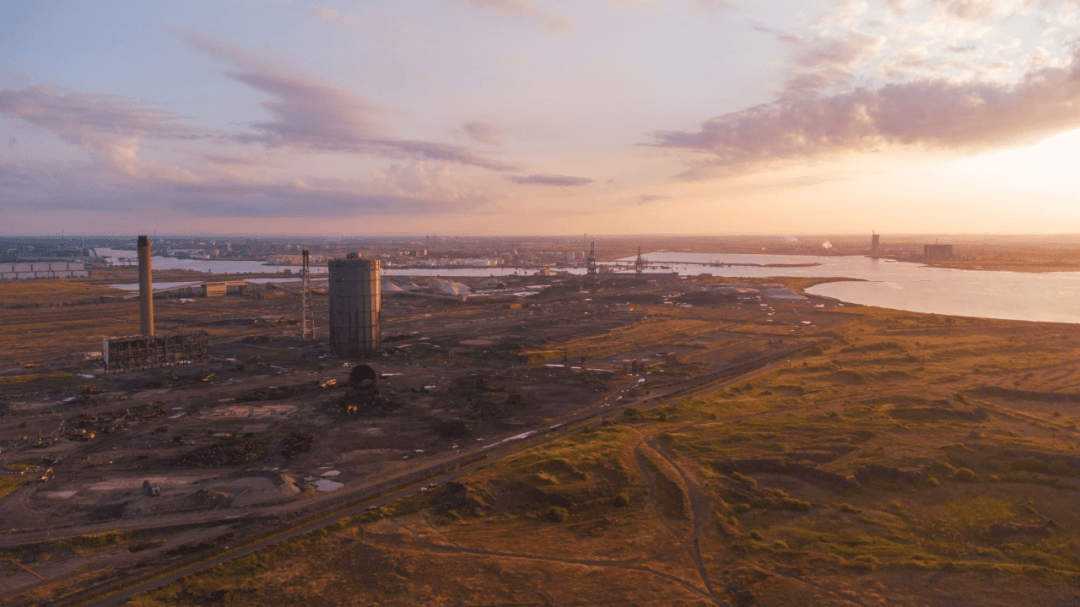
Core Insights - The clean hydrogen industry is highly dependent on policy and downstream demand, leading to significant uncertainty in its commercial viability [2][5][6] Group 1: Project Developments - BP has officially withdrawn its H2Teesside blue hydrogen project application, which aimed to produce 160,000 tons of low-carbon hydrogen annually, due to a significant decline in local hydrogen demand and a shift in site usage for an AI data center [2][3] - Exxon Mobil has also paused its blue hydrogen plant project in Baytown, Texas, which had already seen an investment of $500 million, citing high costs and a lack of long-term purchase agreements from potential customers as key reasons for the decision [4] Group 2: Market Dynamics - The clean hydrogen sector faces challenges such as high production costs and an underdeveloped commercial model, with many projects relying on subsidies for feasibility [5][8] - The cost structure of blue hydrogen is heavily influenced by natural gas prices and the investment required for carbon capture and storage (CCS), making it significantly more expensive than gray hydrogen [8] Group 3: Policy Environment - Recent adjustments in the policy environment in both the U.S. and the U.K. have negatively impacted the momentum of low-carbon hydrogen projects, with reduced support for clean hydrogen initiatives and stricter regulations on methane emissions [6][7] - The U.S. previously had strong support for clean hydrogen through various tax incentives, but this support has weakened, leading to increased uncertainty for blue hydrogen projects [6][7] Group 4: Industry Demand - The demand for clean hydrogen is primarily driven by decarbonization needs in industries such as metallurgy and chemicals, but the overall economic environment has led to reduced enthusiasm for high-cost low-carbon products [8][9] - The global hydrogen demand is projected to reach nearly 100 million tons by 2024, mainly in traditional sectors like refining and chemicals, where the transition to low-carbon hydrogen is hindered by cost considerations [9]
日本首座蓝氢与氨示范工厂启用
Zhong Guo Hua Gong Bao· 2025-11-25 03:17
Core Insights - International Petroleum Development Company of Japan has officially launched its blue hydrogen and ammonia demonstration plant in Kashiwazaki, Niigata Prefecture, marking Japan's first fully integrated project for the production and utilization of blue hydrogen and ammonia [1] Group 1: Project Overview - The plant's natural gas feedstock is sourced from Inpex's Minami-Nagaoka gas field located in another area of Niigata Prefecture [1] - The production process captures carbon dioxide as a byproduct, which will be injected into underground storage at the Higashi-Kashiwazaki gas field [1] Group 2: Production and Utilization - The majority of the blue hydrogen produced will be used for power generation, with the electricity being fed into the Niigata Prefecture power grid [1] - The remaining blue hydrogen will be converted into ammonia for supply to relevant customers within Niigata Prefecture [1] Group 3: Support and Funding - The blue hydrogen and ammonia production project has received subsidy support from the New Energy and Industrial Technology Development Organization (NEDO) [1] - This project is a significant component of NEDO's initiative focused on "Fuel Ammonia Utilization and Production Technology Development/Blue Ammonia Production Technology Development" [1]
21专访丨卡塔尔投资促进局总监司君桀:中企在卡投资瞄准创新与氢能新赛道
2 1 Shi Ji Jing Ji Bao Dao· 2025-11-12 23:12
Core Insights - Chinese enterprises are shifting their investments in Qatar from traditional sectors to innovation-driven industries, aligning with Qatar's "2030 National Vision" for diversified development [1][3][4] Investment Trends - Investment diversification is evident in four key areas: - **Digital Economy and ICT**: Chinese companies are actively participating in cloud computing, smart city projects, and 5G infrastructure, with Huawei being a notable player in Qatar for over 20 years [3][4] - **Advanced Manufacturing and Transportation**: Yutong is collaborating with Qatar's Mowasalat to introduce electric buses, contributing to the green upgrade of Qatar's public transport system [3][4] - **Gaming and Creative Industries**: Tencent's Level Infinite is leveraging Qatar's growing gaming ecosystem to expand in the entertainment and digital content sectors [4] - **Legal and Professional Services**: Yingke Law Firm has established a branch in Qatar, providing cross-border business and legal consulting services for bilateral enterprises [4] Renewable Energy Cooperation - There is significant potential for cooperation in renewable energy, particularly in hydrogen production, battery technology, and carbon management systems, where Chinese companies hold world-leading expertise [5] - Qatar aims to achieve 18% renewable energy share and 25% greenhouse gas reduction by 2030, with major projects like the 800 MW Al Kharsaah solar power plant and plans for a 2 GW solar plant in Dukhan [5][6] - Qatar is set to build the world's largest blue ammonia plant by 2026, which will support hydrogen and ammonia-based clean energy solutions, creating opportunities for joint research with Chinese firms [5] - Qatar ranks first globally in carbon capture, storage, and utilization (CCUS), providing a platform for collaboration with China in CCS and energy storage solutions [5][6]
雪佛龙计划抢建蓝氢蓝氨工厂
Zhong Guo Hua Gong Bao· 2025-07-21 02:30
Group 1 - Chevron plans to invest approximately $5 billion to build a blue hydrogen and blue ammonia plant in Port Arthur, Texas, under the HyVelocity Hub framework [1] - The plant is expected to begin construction in 2027 and start production in 2032, qualifying for a clean hydrogen production tax credit of up to $3 per kilogram for 10 years [1] - The project will utilize multiple Air Separation Units (ASU) to extract oxygen and nitrogen from the air, and an Autothermal Reforming (ATR) unit to convert natural gas and oxygen into hydrogen and carbon dioxide [1] Group 2 - The HyVelocity Hub, located along the Gulf Coast, is supported by various public and private entities, including Chevron, and has received up to $1.2 billion in federal funding [2] - The hub aims to supply low-carbon clean hydrogen for industrial, chemical, transportation, and power generation sectors, potentially reducing carbon dioxide emissions by nearly 7 million tons annually [2] - Earlier this year, the U.S. Department of Energy halted 24 funding projects from the Biden administration, citing economic viability issues, including a hydrogen burner installation project by ExxonMobil [2]