蓝鳍金枪鱼

Search documents
从盒马看深圳消费新图景
Sou Hu Cai Jing· 2026-01-14 12:31
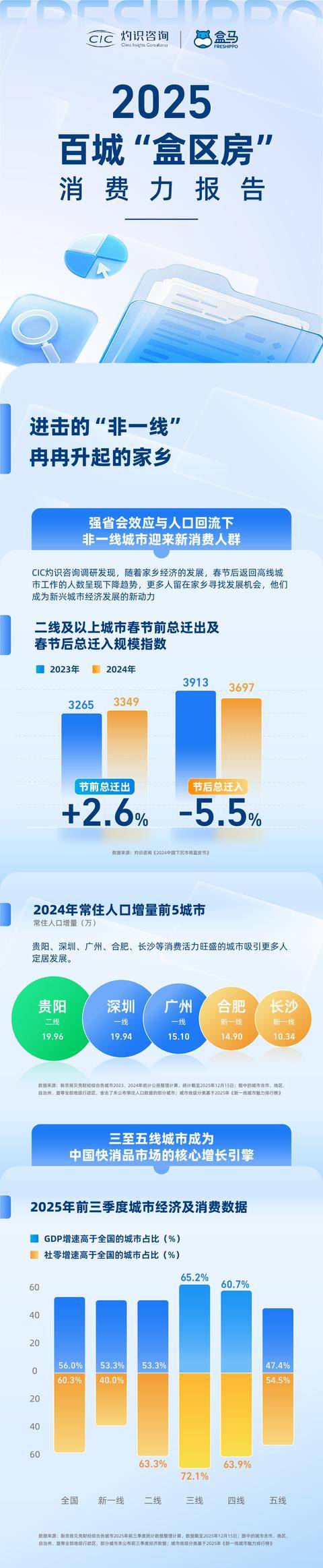
Core Insights - The report titled "2025 Consumption Power Report of Box District Housing in 100 Cities" highlights that the density of Box District Housing and consumer activity are key indicators of urban consumption vitality, closely linked to population structure, industrial capacity, and residents' income levels [1] Group 1: Shenzhen's Consumption Market - Shenzhen, recognized as a "trillion consumption city" for two consecutive years, is experiencing robust growth in its consumption market, with Hema's operations serving as a window into the city's consumption upgrade [5] - The opening of Hema's first store in Guangming District attracted significant foot traffic, indicating a strong local demand for quality products [7][9] - Hema's strategy in Guangming includes offering over 4,000 product categories, catering to the area's growing population and consumption upgrade needs [9] Group 2: First Store Economy - The "first store economy" is seen as a barometer of urban consumption vitality and a lever for regional consumption upgrades, with Hema's Guangming store exemplifying this trend [7][10] - Over the past five years, Shenzhen has added more than 3,500 new stores and innovative business formats, with Hema's expansion filling regional consumption gaps and enhancing market potential [10] Group 3: Supply and Demand Dynamics - The upcoming Spring Festival has prompted an early shift into a "holiday mode" in Shenzhen's consumption market, with Hema's New Year Festival activities serving as a prime example of supply-demand dynamics [11][13] - Hema's New Year Festival launched over a thousand high-quality products, including innovative offerings like pet New Year dinners, aligning with the market's trend towards quality and personalization [13] Group 4: Government and Enterprise Collaboration - The collaboration between government and enterprises is crucial for boosting consumption, with Shenzhen's initiatives to cultivate an international consumption center city being a key focus [14] - Hema's involvement in the cross-year consumption season and its tailored product offerings reflect a strategic alignment with local consumer needs [14] Group 5: Future Outlook - The layout of new retail enterprises centered around "Box District Housing" is driving the expansion of community and nighttime consumption, supporting balanced urban development [15] - Hema's trajectory in Shenzhen illustrates the city's consumption market upgrade path, showcasing resilience and vitality, with expectations for continued growth as quality retail enterprises deepen their presence [15]

农产品贸易欣欣向荣 产供链合作持续深化 中国与西班牙经贸关系蓬勃发展
Ren Min Ri Bao· 2026-01-03 22:03
Core Insights - The rapid delivery of approximately 1.3 tons of Spanish bluefin tuna to Shenzhen, China, highlights the increasing economic cooperation between China and Spain, with the entire process taking less than 24 hours [1] - The bilateral trade between China and Spain has shown significant growth, with trade volume exceeding $50.032 billion, a year-on-year increase of 9.1% [2] - Spain's agricultural exports to China, including olive oil, ham, wine, and citrus fruits, are on the rise, making China a key market for Spanish agricultural products [2][3] Trade and Economic Cooperation - The efficiency of customs procedures in China has improved significantly, facilitating the entry of Spanish seafood and fruits into the Chinese market [2] - The China-Europe Railway Express has been operational since 2014, enhancing the cross-border flow of goods between Spain and China, particularly for Spanish wine and olive oil [2] - Various platforms, such as the China International Import Expo, have helped Spanish products gain visibility and expand in the Chinese market [3] Investment and Industry Collaboration - Chinese companies are increasingly investing in Spain, particularly in sectors like renewable energy, digital economy, and advanced manufacturing [6] - A joint venture between Chery and a Spanish company is set to produce electric vehicles in Barcelona, reflecting the growing presence of Chinese automotive brands in Spain [4] - The establishment of a lithium iron phosphate battery factory by CATL and Stellantis in Spain is expected to enhance the region's position in the European electric vehicle supply chain [5] Renewable Energy and Sustainability - China and Spain are collaborating on renewable energy projects, including a biofuel project in Spain that aims to produce low-carbon fuels [7] - The partnership in clean energy and technology is seen as beneficial for both countries, contributing to global energy transition efforts [8] - The cooperation in renewable energy not only promotes technological and capital flow between the two nations but also supports broader European and global green initiatives [8]



加速布局深圳 盒马光明首店开业
Sou Hu Cai Jing· 2025-12-19 08:47
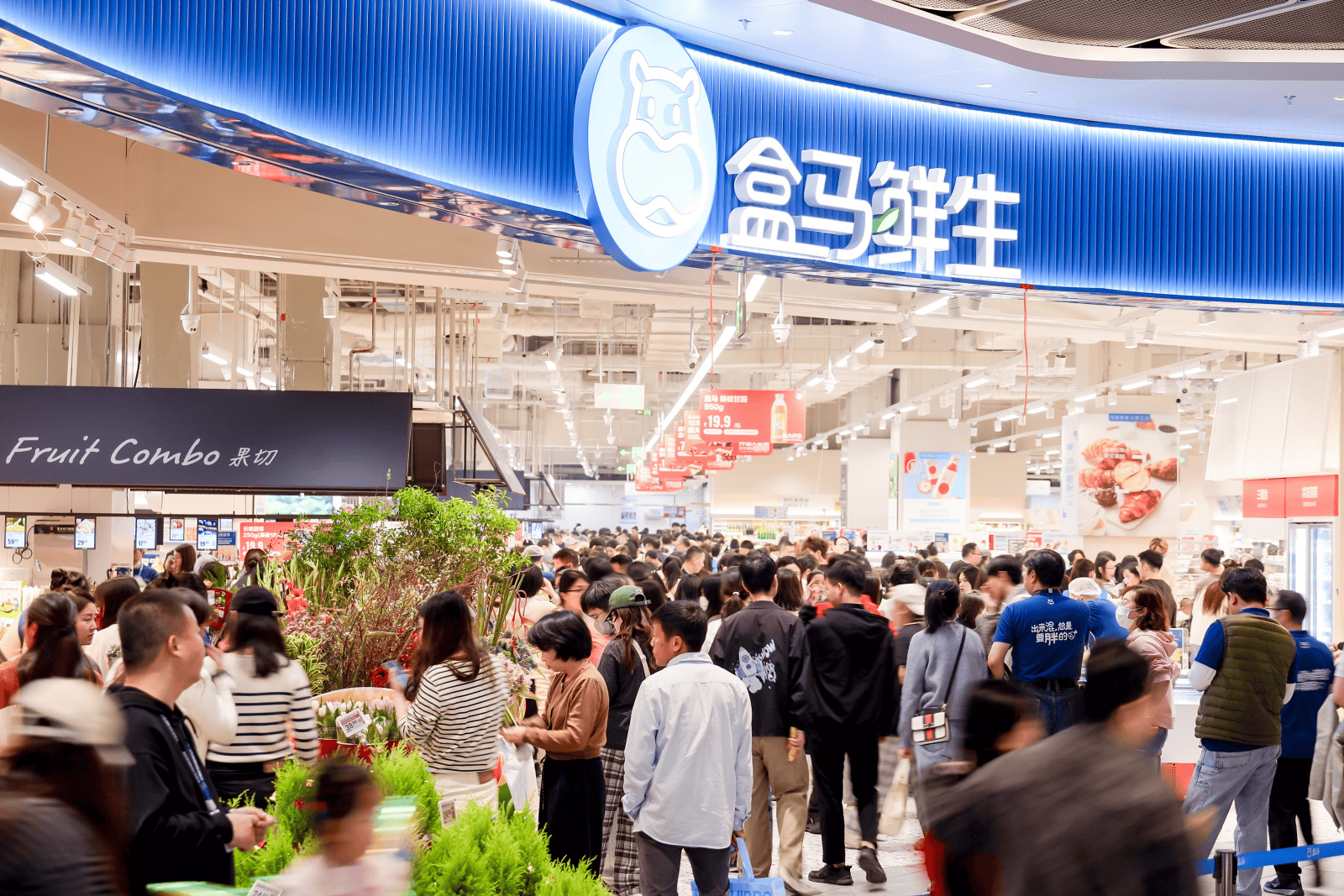
Group 1 - Hema Fresh has opened its first store in Shenzhen's Guangming District, enhancing its instant retail service network in the area [1] - The store offers over 4,000 product categories, including fresh produce, daily necessities, and food items, with a focus on high-quality offerings such as live seafood [1][2] - The store aims to transform traditional retail spaces into "fresh social hubs," featuring a variety of organic and Hong Kong-standard products [1] Group 2 - The store provides differentiated services, including live cooking of seafood like king crabs and Boston lobsters, to create an instant dining experience [2] - Hema's expansion into Guangming is a strategic move to tap into the growing local population and the consumption upgrade driven by the tech industry [4] - The store leverages Hema's global sourcing supply chain and instant retail capabilities to enhance the consumer experience and stimulate the local retail market [4]
海鲜“消费地图”拓展的启示(评论员观察)
Ren Min Ri Bao· 2025-10-20 22:01
Core Insights - The article emphasizes the importance of leveraging China's vast economic landscape to continuously unlock the potential of its large-scale market, with a focus on improving logistics and transportation systems as a key driver for consumption growth [1][2]. Group 1: Consumption Trends - There is a notable shift in consumer behavior, with traditional consumption areas revealing new potential, such as the increased availability and consumption of seafood in inland areas due to improved logistics [1][2]. - Data indicates that during the recent National Day and Mid-Autumn Festival holidays, sales of certain seafood items, like king crabs, surged by 185% year-on-year, particularly in second-tier and lower-tier cities [1][2]. Group 2: Economic Strategies - President Xi Jinping's call to actively expand domestic demand and create more consumption scenarios is highlighted, indicating a strategic focus on meeting the evolving needs of consumers [2][3]. - The article discusses the trend of "seafood going rural," supported by an increasingly efficient logistics network, which has led to significant price reductions for certain seafood items, enhancing consumer access [2][3]. Group 3: Innovation in Consumption - The integration of new technologies and innovative consumption models is crucial for tapping into new growth points, with examples from various cities showcasing how events and new retail formats attract consumers [3]. - Traditional sectors, such as dining, are also evolving with new offerings and experiences that cater to the upgraded consumer demand for quality over quantity [3]. Group 4: Quality and Supply - The article emphasizes the importance of quality in meeting consumer demands, citing examples like the development of high-quality aquaculture in Xinjiang, which is expected to produce over 5,000 tons of salmon by 2024 [3]. - The expansion of the seafood consumption market into central and western regions reflects the broader economic stability and potential within China, aligning with consumer expectations for higher quality living [3][4].
超越山海之隔:西班牙与中国的“盘中之约”
2 1 Shi Ji Jing Ji Bao Dao· 2025-09-23 06:34
Group 1 - The core theme of the articles revolves around the cultural and economic ties between Spain and China, particularly through the medium of food, which serves as a platform for emotional connection and cultural exchange [1][3]. - Spain is enhancing its position as a strong player in the European agricultural and food industry, with a projected agricultural product export value exceeding €75 billion in 2024, marking a historical high and making it the fourth largest exporter in the EU [3]. - The importance of the Chinese market is growing for Spanish agricultural exports, with Spain exporting over €1.86 billion worth of agricultural products to China last year, accounting for approximately 2.5% of its total exports [3]. Group 2 - Spain's food exports to China are expanding, particularly in categories like pork and olive oil, with Spain becoming the largest supplier of pork (excluding offal) to China in 2024, importing 295,000 tons, which represents 27.6% of China's pork imports [5]. - Recent bilateral agreements have led to an increase in the variety of Spanish agricultural products allowed into China, including almonds, cherries, wild-caught seafood, and poultry, with a new consensus reached on expanding pork exports [5]. - The Mediterranean diet, which Spain promotes, is recognized for its health benefits and is seen as a valuable cultural exchange, with products like pork, olive oil, wine, and fresh fruits representing this lifestyle [3][5].
图集 | 广东开渔!争鲜!争鲜!
Nan Fang Nong Cun Bao· 2025-08-18 13:33
Core Viewpoint - The end of the fishing moratorium in the South China Sea marks a significant revival of the marine economy in Guangdong, with thousands of fishing boats returning to the sea, showcasing the region's robust seafood industry and cultural traditions [2][4][40]. Group 1: Fishing Industry Revival - The fishing season officially resumed on August 16, with thousands of fishing boats departing from various ports along the Guangdong coastline, including Yangjiang, Zhanjiang, and Maoming [2][3][6]. - Over 30,000 fishing boats set sail across Guangdong, with Yangjiang contributing 3,400 boats, the highest number recorded for the opening season [7][40]. - The auction at Maoming's Bohe fishing port featured a 95-kilogram A+ grade bluefin tuna sold for 268,000 yuan, highlighting the high value of seafood in the market [8][9]. Group 2: Cultural and Economic Significance - The Bohe fishing port celebrated its fishing tradition with a vibrant ceremony, including dragon and lion dances, as fishermen prayed for safety and a bountiful harvest [14][23]. - The seafood night market in Bohe has become a popular attraction, drawing tourists eager to enjoy fresh catches and local culture [20][21]. - Zhanjiang's deep-sea farming technology, including the "Mingyu No. 1" and "Haiwei No. 2" platforms, is transforming the fishing industry, allowing for year-round harvesting and enhancing economic resilience [28][33]. Group 3: Economic Transition - Guangdong is leveraging the fishing season to transition its marine economy from a large-scale to a more robust and sustainable model, focusing on both traditional practices and modern technology [40][42]. - The integration of media and tourism into the fishing industry is creating new opportunities for revenue generation and cultural exchange [30][37].

南农晨读丨开渔
Nan Fang Nong Cun Bao· 2025-08-17 00:06
Group 1 - The South China Sea fishing season officially reopened on August 16, marking the end of a 3.5-month fishing moratorium [5][10] - The opening ceremony featured a grand event in Maoming, Guangdong, with numerous fishing boats setting sail, creating a vibrant scene [4][10] - A highlight of the event was the auction of a 95-kilogram A+ grade bluefin tuna, which sold for 268,000 yuan, generating significant excitement [11][12][14] Group 2 - The annual fishing festival in Guangdong's coastal areas, including cities like Yangjiang, Zhanjiang, and Maoming, attracts media attention with its colorful flags and competitive atmosphere [9][10] - The festival serves as a cultural and tourism celebration, showcasing the region's maritime heritage and seafood offerings [8][10] - The event is part of a broader initiative to promote local seafood products and enhance community engagement in marine activities [36][39]
26.8万元拍得一条蓝鳍金枪鱼!茂名“开渔第一拍”燃爆博贺港
Nan Fang Nong Cun Bao· 2025-08-16 11:05
Core Point - The auction of a 95-kilogram A+ grade bluefin tuna for 268,000 yuan marked a significant event during the "First Fishing Auction" at the 2025 South China Sea (Maoming Boge) Carnival, generating considerable excitement and media attention [4][22]. Group 1: Auction Details - The auction featured a total of two bluefin tunas, with one being auctioned and the other available for free tasting [17]. - The auction began with a starting price of 29,999 yuan, quickly escalating as bidders competed fiercely, with the final price reaching 268,000 yuan after nearly 20 rounds of bidding [19][22]. - The atmosphere was described as electric, with cheers and excitement from the audience as bids soared [20][21]. Group 2: Cultural Significance - The event is part of the "First Fishing Auction," which symbolizes the fishermen's hopes for a bountiful harvest and community sharing [33]. - The bluefin tuna is recognized as one of the most economically valuable species in the tuna family, often referred to as the "king of sushi and sashimi" due to its rich flavor and texture [30]. - The auction not only highlights the economic potential of marine resources but also reflects the modern development of marine ranching in Maoming [31].
2025深圳国际渔业博览会盐田分会场启幕
Nan Fang Du Shi Bao· 2025-05-20 12:57
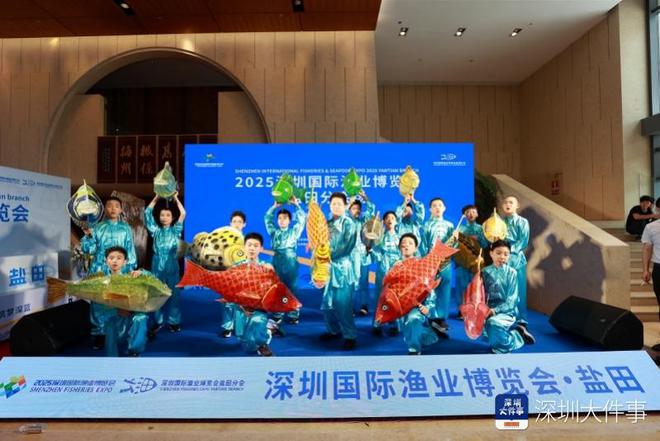
Core Insights - The 2025 Shenzhen International Fisheries Expo focuses on high-quality development of the marine economy, showcasing the achievements of Yantian District in marine cultural preservation, smart fisheries innovation, and new consumption scenarios [1] Group 1: Cultural Heritage - The event features a "Non-Heritage New Life" theme, with performances that blend traditional fishing culture with modern art, highlighting the importance of cultural transmission [3] - Families engage in hands-on experiences with traditional fishing crafts, emphasizing the dialogue between past and present [3] - The initiative aligns with national policies on the protection and high-quality development of intangible cultural heritage [3] Group 2: Technological Empowerment - Yantian District is advancing "blue technology" in deep-sea aquaculture and aquatic seed industry, showcasing integrated results of production, education, and research [3] - A marine fisheries science classroom is established to educate youth on marine ecological protection through interactive technology [3] - The goal is to empower the next generation to become advocates for sustainable marine development [3] Group 3: New Consumption Scenarios - The "Yuyueji" market is created to stimulate consumer activity, featuring 17 stalls that offer local seafood, global aquatic products, and cultural creations [3] - A highlight includes a live demonstration of bluefin tuna preparation, allowing attendees to experience the marine economy firsthand [3] Group 4: Policy Alignment - The expo supports the integration of fisheries with culture, technology, and consumption, aligning with Shenzhen's goal of becoming an international consumption center [4] - Yantian District leverages its port advantages and ecological resources to connect with international resources, aiming to build a "fisheries+" industrial ecosystem [4] - The district is committed to exploring innovative integration of marine economy and cultural IP to contribute to Shenzhen's vision of a global marine center [4]
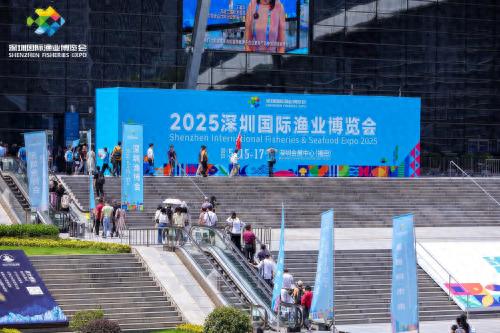
2025深圳国际渔业博览会盛大启幕
Huan Qiu Wang· 2025-05-19 09:13
Core Insights - The 2025 Shenzhen International Fisheries Expo, themed "Fishing Guangdong Towards the Future," aims to accelerate Shenzhen's development into a "creative modern fisheries capital" and a "global marine center city" by integrating technology, commerce, and culture [1] Group 1: Event Overview - The expo is the largest and most international fisheries event in the Guangdong-Hong Kong-Macao Greater Bay Area, attracting global fisheries elites and cutting-edge achievements [1] - Over 20 countries and regions are represented, showcasing more than 12,000 products across the entire industry chain, including deep-sea fishing, smart aquaculture, and deep processing [3] Group 2: Strategic Collaborations - A series of strategic cooperation agreements were signed during the opening ceremony, including a partnership between the Guangdong Ocean Fisheries Association and Shenzhen Dachanwan Port Investment Development Co., Ltd. to promote the Shenzhen International Tuna Trading Center project [3] - Six industry associations signed agreements with the expo organizers to enhance the event's industry influence and public recognition through resource integration and trade matching [3] Group 3: Technological Innovations - The expo highlights cutting-edge technological achievements in the fisheries sector, including the launch of China's first real-time monitoring device for marine ranches, capable of detecting fish distribution and water quality changes [5] - Specialized activities such as high-end seafood bidding and closed-door meetings attracted over 500 institutions, including major buyers and e-commerce platforms, to facilitate the integration of traditional fisheries with new business models [5] Group 4: Cultural Integration - The expo serves as a platform for the collision of global fisheries innovation ideas, showcasing the modernization of fisheries through intelligent upgrades in deep-sea fishing and ecological construction of marine ranches [7] - Activities such as the "Deep Sea Giant" fish opening ceremony and cultural exhibitions highlight the integration of fisheries with tourism and cultural heritage [5][7]