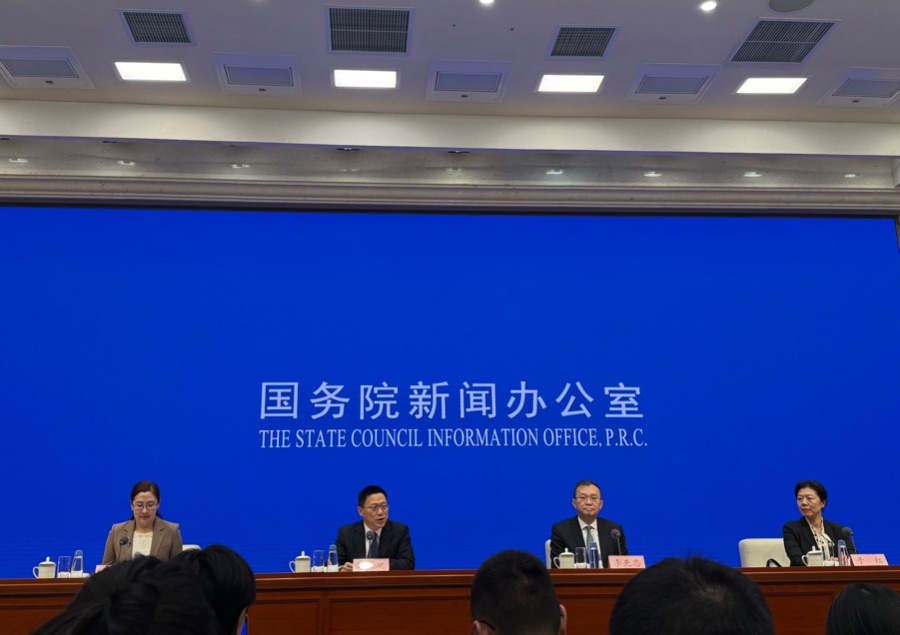
设备更新贷款贴息

Search documents
多部门陆续出台系列增量政策 提振民间投资信心
Zhong Guo Zheng Quan Bao· 2026-02-27 23:35
Core Viewpoint - Recent policies aimed at stimulating private investment and supporting private enterprises are being implemented effectively, with various local governments facilitating private capital participation in major projects and infrastructure REITs [1][2]. Group 1: Policy Implementation - Multiple departments have introduced a series of incremental policies to support private enterprises and stimulate private investment, focusing on reducing costs for production expansion and technological upgrades [2]. - The People's Bank of China has established a private enterprise re-loan program with a quota of 1 trillion yuan, with initial loans already disbursed in regions like Beijing, Anhui, and Zhejiang [2]. - A special guarantee plan for private investment has been launched with a total quota of 500 billion yuan over two years, aimed at reducing financing costs for enterprises [2]. Group 2: Project Participation - Major projects are being opened to private capital, with recent announcements for private investment in high-voltage direct current projects in Sichuan and Gansu, with total investments of approximately 311 billion yuan and 246 billion yuan, respectively [4]. - The government has set clear guidelines to encourage private capital participation in various sectors, including railways and nuclear power, with some projects allowing up to 20% private ownership [4]. Group 3: Financial Support Measures - Additional policies have been introduced to address the investment challenges faced by private enterprises, including interest subsidies for loans to small and micro enterprises and mechanisms for risk sharing on private enterprise bonds [3]. - Local governments are implementing substantial measures to enhance market access, financial support, and resource guarantees for private enterprises, including promoting participation in airport construction and advanced manufacturing sectors [7]. Group 4: Future Development Environment - Experts suggest creating a more open and transparent mechanism for private capital participation in projects, ensuring that private investors have clear opportunities from the planning stages [5]. - There is a call for a stable and predictable institutional environment to encourage private investment, particularly in strategic emerging sectors and innovative industries [8].
一揽子政策加码支持民间投资和居民消费——财政金融协同促内需
Jing Ji Ri Bao· 2026-01-29 22:12
Core Insights - The recent series of policies from the Ministry of Finance aims to promote domestic demand through financial collaboration, focusing on stimulating private investment and enhancing consumer spending [1][2] Group 1: Stimulating Private Investment - The new policies significantly enhance support for private investment, utilizing tools like loan interest subsidies and guarantee compensation to lower financing costs and barriers for private enterprises [2] - A new loan interest subsidy for small and micro enterprises will provide a 1.5% annual subsidy on loan principal for up to two years, with a maximum loan amount of 50 million yuan [2] - The newly established special guarantee plan for private investment aims to support loans for small and micro private enterprises with a total plan amount of 500 billion yuan over two years, covering various production and operational activities [2][3] Group 2: Enhancing Consumer Spending - The updated personal consumption loan interest subsidy policy significantly broadens its scope, allowing for a maximum subsidy of 3,000 yuan per transaction, thus encouraging larger consumer purchases [4][5] - The service industry loan interest subsidy policy has been optimized, increasing the maximum loan amount from 1 million yuan to 10 million yuan, with a 1% subsidy for one year [5] - The implementation period for both personal consumption and service industry loan interest subsidies has been extended to the end of 2026, aiming to create a favorable environment for consumption [5][6] Group 3: Policy Implementation and Effectiveness - The coordinated approach between fiscal and financial policies aims to release policy dividends more effectively, with a focus on simplifying processes and ensuring direct benefits to enterprises and consumers [6] - The government has made sufficient budget arrangements for the necessary fiscal expenditures related to these policies, encouraging local institutions to actively engage in business [6]
去年3000亿元以旧换新撬动2.6万亿元消费
Xin Lang Cai Jing· 2026-01-22 01:23
Core Viewpoint - In 2025, China will implement a more proactive macro policy to support economic growth and social development, balancing immediate needs with long-term structural transformation [2][11]. Group 1: Fiscal Policy and Debt Management - The fiscal deficit is set at around 4%, marking a historical high for China [3][12]. - New government debt will reach 11.86 trillion yuan, an increase of 2.9 trillion yuan from the previous year, significantly exceeding average levels from prior years [3][12]. - Special bonds issued in 2025 will total 4.59 trillion yuan, the highest in five years, with a focus on infrastructure and social projects [3][12]. Group 2: Support for Key Sectors - Key areas such as social security, employment, technology, education, and health will receive substantial funding, with over 10 trillion yuan allocated in the first 11 months, accounting for over 40% of general public budget expenditures [4][13]. - A total of 2 trillion yuan will be allocated to replace existing hidden debts, and 800 billion yuan in new special bonds will be issued to support local government finances [4][13]. Group 3: Consumer Support Initiatives - In 2025, 300 billion yuan will be allocated for consumer subsidies, aimed at boosting sales by over 2.6 trillion yuan [4][12]. - The issuance of long-term special bonds will support consumption and economic transformation [4][12]. Group 4: Future Fiscal Strategies - In 2026, the fiscal deficit and total debt will be maintained at necessary levels, ensuring that spending in key areas continues to grow [5][14]. - The government will adopt a zero-based budgeting approach to reduce ineffective spending and increase investment in consumer support and social welfare [5][14]. Group 5: Financial Sector Reforms - Policies will be optimized to enhance support for technology innovation and manufacturing, with a focus on long-term investments in hard technology [7][15]. - The central bank will lower interest rates on various structural monetary policy tools by 0.25 percentage points to reduce financing costs [6][15].

财政部:今年继续实施更加积极的财政政策
Sou Hu Cai Jing· 2026-01-21 12:59
Core Viewpoint - The Chinese government is implementing a series of fiscal and financial policies aimed at stimulating domestic demand, with a focus on increasing private investment and consumer spending [1][3]. Group 1: Fiscal Policy Overview - The Ministry of Finance plans to maintain a proactive fiscal policy in 2026, ensuring that total expenditure and fiscal deficit remain at necessary levels, with a commitment to increasing overall spending and strengthening support in key areas [1]. - The fiscal measures include a comprehensive package of policies designed to lower financing costs and thresholds for enterprises, thereby enhancing economic activity [2][3]. Group 2: Key Policy Components - The policy framework consists of "one goal" (expanding domestic demand), "two focuses" (stimulating private investment and promoting consumer spending), "three principles" (convenience and efficiency, precision and effectiveness, and regulation and efficiency), and "six policies" [3]. - Four of the six policies are aimed at supporting private investment, while the remaining two focus on promoting consumer spending [3]. Group 3: Consumer Financing Support - A new personal consumption loan interest subsidy policy has been introduced, allowing residents to receive a 1% interest subsidy on loans used for consumption, including credit card installment payments [3][4]. - The policy has been optimized to include over 500 financial institutions, enhancing accessibility for various consumer groups [4]. Group 4: Support for Small and Micro Enterprises - The introduction of a small and micro enterprise loan interest subsidy aims to reduce financing costs by providing a 1.5% interest subsidy on loans, thereby expanding the range of supported sectors and loan purposes [5][6]. - A new special guarantee plan for private investment has been established to help enterprises secure funding, increasing credit guarantee limits and risk-sharing ratios to encourage banks to lend more [6].
1月20日贷款财政贴息四项政策点评:“一揽子”贷款财政贴息政策影响几何?
EBSCN· 2026-01-21 11:17
Investment Rating - The report maintains a "Buy" rating for the banking industry, indicating an expected investment return exceeding the market benchmark index by more than 15% over the next 6-12 months [29] Core Insights - The "package" loan interest subsidy policies aim to stimulate consumption and investment, focusing on enhancing effective domestic demand through financial and fiscal collaboration [2][7] - The new policies are expected to significantly increase the scale of interest subsidies compared to previous measures, with a projected subsidy scale of approximately 1000 to 2000 billion yuan for 2026 [17][19] Summary by Sections Loan Subsidy Policies - The policies include four main areas: subsidies for small and micro enterprises, equipment updates, service industry operators, and personal consumption loans, with a focus on key industries such as new energy vehicles and medical equipment [4][6] - The subsidy rate for small and micro enterprise loans is set at 1.5 percentage points, with a maximum loan amount of 50 million yuan per entity, potentially providing up to 150,000 yuan in subsidies [4][6] - The equipment update loan subsidy has been increased from 1% to 1.5%, expanding the scope to include technology innovation loans and related fields [4][6] - The personal consumption loan subsidy has removed previous restrictions, allowing for broader eligibility and a maintained subsidy rate of 1% [5][6] Economic Impact - The policies are designed to alleviate financial burdens on small and micro enterprises, encouraging investment and job stability, particularly in high-tech and essential service sectors [7][8] - The expected increase in loan demand from these sectors is anticipated to support the overall credit recovery in the economy, particularly for retail and service industries [7][8] Market Outlook - The report suggests that the coordinated fiscal and monetary policies will positively impact the banking sector's loan volume and pricing, particularly benefiting banks focused on small and micro enterprises and retail finance [23] - The banking sector has seen a decline in stock performance, and the new policies are expected to act as a catalyst for recovery, especially in the context of the "opening red" period for banks [23]
财政金融促内需六项新政,谁获益?
Sou Hu Cai Jing· 2026-01-21 07:14
Core Viewpoint - The Chinese government is implementing a series of fiscal and financial policies aimed at boosting domestic demand, with a focus on increasing fiscal spending, supporting consumption, and enhancing residents' income through various channels [2][3][10]. Fiscal Policy Overview - In 2026, the fiscal deficit, total debt, and overall spending will be maintained at necessary levels, ensuring that overall spending increases and key areas are strongly supported [2][3]. - The deficit rate for 2025 is set at around 4%, with new government debt issuance expected to reach 11.86 trillion yuan, significantly higher than previous years [2]. Key Policies - The fiscal and financial package includes six policies, four of which focus on stimulating private investment, while the other two aim to promote consumption [5][10]. - Specific measures include loan interest subsidies for small and micro enterprises, personal consumption loans, equipment upgrade loans, and guarantees for private investment [5][7][8]. Support for Private Investment - A new special guarantee plan for private investment has been introduced, increasing the credit guarantee limit and risk-sharing ratio to encourage banks to lend more [6][10]. - The maximum guarantee amount for individual enterprises has been raised to 20 million yuan, with the government covering up to 40% of the risk [6]. Consumption Support Measures - Personal consumption loans will now benefit from a 1% interest subsidy, with the maximum subsidy amount per transaction increased from 500 yuan to 3,000 yuan [9]. - The scope of eligible consumption areas has expanded to include digital, green, and retail sectors, alongside existing categories [9]. Focus on Technology and Innovation - The government will prioritize support for technological self-reliance and innovation, with a 10% increase in central government spending on technology in 2025 [11]. - Policies will include tax incentives and financial support for technology innovation and integration with industry [11]. Regulatory Adjustments - Starting April 1, 2026, export tax rebates for certain products will be canceled to promote efficient resource use and reduce environmental impact [12]. - The government is committed to standardizing fiscal subsidies and addressing any irregularities in local subsidy practices [12][13]. Tax and Fiscal Reforms - Ongoing reforms will clarify fiscal responsibilities between central and local governments, particularly in public services [13]. - The tax system will be reformed to adapt to new economic realities, including the digital economy [13].
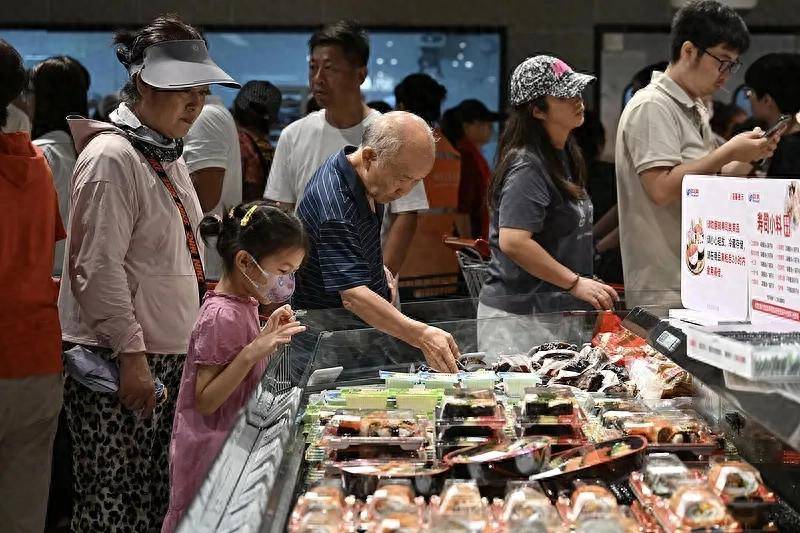
多省市已全面启动新一年国补工作
Xin Lang Cai Jing· 2026-01-20 23:19
Core Viewpoint - The Chinese government is implementing a series of policies aimed at stimulating consumption, stabilizing investment, and fostering emerging industries as part of the 2026 economic strategy, marking the beginning of the "14th Five-Year Plan" [1][13]. Policy Directions - The National Development and Reform Commission (NDRC) is planning to advance significant high-tech projects and develop a strategy for expanding domestic demand from 2026 to 2030 [1][13]. - The focus is on enhancing domestic circulation and adapting to the trends of demand upgrades, alongside the needs of a new round of technological revolution and industrial transformation [1][13]. Financial Measures - The Ministry of Finance has introduced a comprehensive set of policies, including optimizing personal consumption loan subsidies, equipment update loan subsidies, and special guarantees for private investment [1][14]. - A key emphasis is on stimulating private investment and promoting consumer spending, particularly in the first quarter when credit volume is typically higher [2][14]. Consumer Support Initiatives - The government is continuing to promote consumption through policies such as the "trade-in" program for consumer goods, with an initial allocation of 625 billion yuan for 2026 [3][15]. - A unified subsidy standard for various consumer goods, including automobiles and home appliances, will be implemented nationwide [3][15]. Loan Subsidy Enhancements - The personal consumption loan subsidy policy allows residents to receive a 1% subsidy on loans used for consumption, including credit card installment payments [5][17]. - The maximum loan amount for businesses eligible for subsidies has been increased from 1 million yuan to 10 million yuan, with a 1% subsidy for one year [6][18]. Investment in Emerging Industries - The government is focusing on releasing investment demand in high-tech industries and accelerating the cultivation of new growth drivers [11][23]. - The National Venture Capital Guiding Fund has been established with an initial investment of 100 billion yuan, aiming to attract over a trillion yuan in total investment [11][23]. Support for Small and Medium Enterprises - New policies are being introduced to support small and medium-sized enterprises (SMEs), including loan interest subsidies for key industries such as new energy vehicles and medical equipment [9][21]. - The maximum loan amount eligible for subsidies for SMEs is set at 50 million yuan, with a subsidy rate of 1.5% for up to two years [9][21]. Structural Reforms - The government is also working on a plan to increase residents' income and stabilize employment, which is crucial for boosting consumption [7][19]. - Structural reforms will include enhancing fiscal transfers to support low-income groups and optimizing tax policies to improve disposable income [7][19].
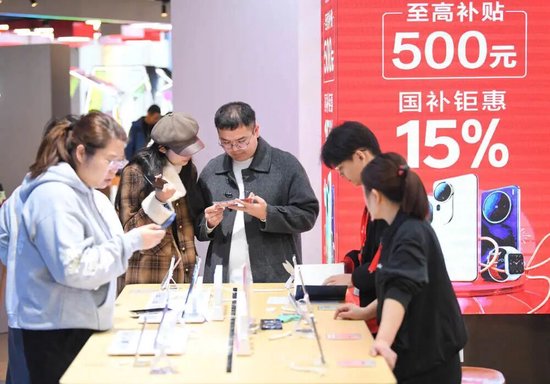
中国推出一揽子财政金融协同促内需政策
Sou Hu Cai Jing· 2026-01-20 13:41
Group 1 - The core viewpoint of the news is the introduction of a comprehensive set of six fiscal and financial policies aimed at stimulating domestic demand in China, with a focus on supporting private investment and consumption [1][2] Group 2 - Four policies are designed to support private investment, including interest subsidies for loans to small and micro enterprises, a special guarantee plan for private investment, a risk-sharing mechanism for private enterprise bonds, and interest subsidies for equipment upgrade loans [1] - The new interest subsidy for small and micro enterprise loans and the optimized interest subsidy for equipment upgrade loans can provide a subsidy of 1.5 percentage points on the total loan amount, significantly expanding the supported areas and loan purposes [1] - The policies aim to lower financing costs and reduce barriers for private enterprises, addressing the issues of high financing costs and difficulties in obtaining financing [1] Group 3 - Two policies are aimed at promoting consumption, which include interest subsidies for loans to service industry entities and personal consumption loans, with enhanced subsidy strength, broader consumption areas, longer implementation periods, and wider institutional coverage [2]
事关贷款贴息、信用卡账单分期贴息等,六项重大利好出炉→
Jin Rong Shi Bao· 2026-01-20 13:16
Core Viewpoint - The Chinese government is implementing a series of fiscal policies aimed at stimulating domestic demand and promoting high-quality economic development, focusing on enhancing private investment and consumer spending [1][5][18]. Group 1: Policy Overview - The policies can be summarized as "one goal," "two focuses," "three principles," and "six policies" [3]. - "One goal" refers to the aim of "expanding domestic demand" [4]. - "Two focuses" emphasize the need to "stimulate private investment" and "promote consumer spending," both of which are crucial components of domestic demand [6]. - "Three principles" guide the execution of these policies: 1. "Convenient and efficient" processes to simplify policy implementation [8]. 2. "Precise and effective" targeting of key sectors and groups to lower financing costs [8]. 3. "Standardized and efficient" practices to balance efficiency with regulatory compliance [8]. Group 2: Six Key Policies - The six policies include four aimed at supporting private investment and two focused on promoting consumption [9]. 1. **Small and Micro Enterprises Loan Interest Subsidy Policy**: Offers a 1.5% interest subsidy on loans for key industries, with a maximum loan amount of 50 million yuan and a subsidy period of up to 2 years [10]. 2. **Private Investment Special Guarantee Plan**: Provides guarantees for loans to small and micro private enterprises, with a maximum loan guarantee of 20 million yuan [11]. 3. **Risk Sharing Mechanism for Private Enterprise Bonds**: Allocates risk-sharing funds to support bond issuance by private enterprises, helping to lower financing thresholds [12]. 4. **Equipment Upgrade Loan Interest Subsidy Policy**: Expands the scope of existing policies to include loans for equipment upgrades and technology innovation, with similar interest subsidy terms [13]. 5. **Service Industry Loan Interest Subsidy Policy**: Increases the maximum loan amount eligible for interest subsidies from 1 million to 10 million yuan, covering 11 categories of consumer services [14]. 6. **Personal Consumption Loan Interest Subsidy Policy**: Offers a 1% interest subsidy on personal loans used for consumption, including credit card installment payments, with over 500 financial institutions involved [14]. Group 3: Expected Outcomes - The policies are expected to significantly lower financing costs for enterprises, addressing the issue of high financing expenses for private enterprises [18]. - For example, a manufacturer seeking a 50 million yuan loan for an automated production line could save 1.5 million yuan in interest over two years due to the subsidy [18]. - The policies also aim to lower financing barriers, making it easier for private enterprises to access funds through enhanced guarantees and risk-sharing mechanisms [19].
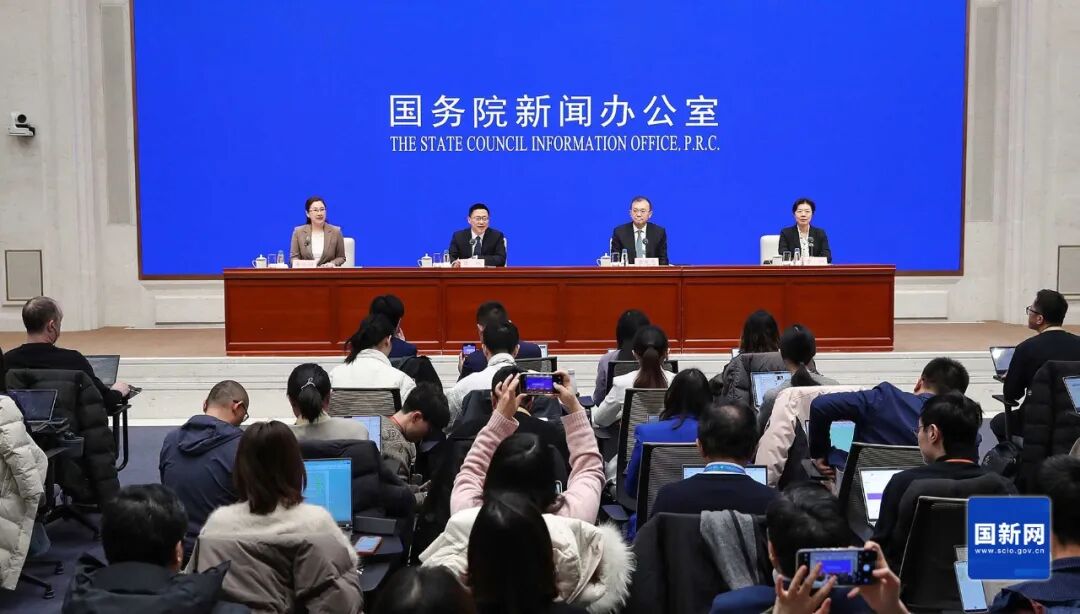
财政部发布一揽子政策:消费贷贴息扩围,大力激发民间投资
2 1 Shi Ji Jing Ji Bao Dao· 2026-01-20 10:51
Core Viewpoint - The Ministry of Finance has announced a comprehensive set of policies aimed at stimulating domestic demand through financial and fiscal collaboration, focusing on enhancing consumer spending and private investment [1][3]. Group 1: Policy Overview - The package includes six key policies designed to support private investment and consumer spending, reflecting the government's commitment to boost domestic demand as outlined in the Central Economic Work Conference [3][8]. - The policies are structured around "one goal," "two focuses," "three principles," and "six policies," emphasizing the importance of facilitating private investment and promoting consumer consumption [3][4]. Group 2: Specific Policies - The first policy is a loan interest subsidy for small and micro enterprises, providing a 1.5% subsidy on loans up to 50 million yuan for key industries such as new energy vehicles and medical equipment, with a maximum subsidy period of two years [4][5]. - The second policy introduces a special guarantee plan for private investment, allowing eligible small and micro enterprises to access guaranteed loans up to 20 million yuan, significantly increasing the previous limit [5][6]. - The third policy establishes a risk-sharing mechanism for private enterprise bonds, where the central government will provide financial support to mitigate investor losses, thereby lowering financing barriers for enterprises [6][7]. - The fourth policy optimizes the equipment update loan interest subsidy, expanding the scope to include fixed asset loans related to equipment updates and technological innovation, with a 1.5% subsidy for up to two years [7]. - The fifth policy enhances the loan interest subsidy for service industry operators, increasing the maximum loan amount from 1 million to 10 million yuan, with a 1% subsidy for one year [7][8]. - The sixth policy optimizes the personal consumption loan interest subsidy, allowing consumers to benefit from a 1% subsidy on loans used for consumption, including credit card installment payments, with over 500 financial institutions eligible to provide these loans [8].