
豆浆油条

Search documents
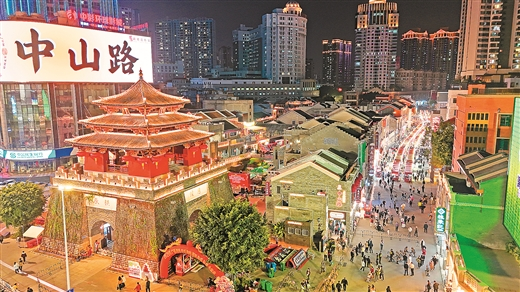
广西烟火 | 南宁中山路:天下“老友”汇邕州
Guang Xi Ri Bao· 2026-02-16 03:46
Core Insights - The reopening of Nanning's Zhongshan Road has revitalized the area, attracting both locals and tourists with its nostalgic food offerings and festive atmosphere [1][2][3] Summary by Sections Revitalization and Atmosphere - The total investment for the upgrade of Zhongshan Road was approximately 1.53 billion yuan, focusing on preserving the historical essence while enhancing the area [3] - The street has transformed from a chaotic night market into a culturally rich historical district, with a significant increase in foot traffic, reaching 85,000 visitors on the opening day and averaging over 50,000 daily in the first week [3] Culinary Offerings - Traditional food stalls have returned, featuring 20 well-known brands and 20 new businesses, showcasing a blend of old and new culinary experiences [3] - Popular local dishes such as "Old Friend Noodles" and various desserts have drawn long lines, indicating strong demand and customer loyalty [2][4] Community and Cultural Significance - The reopening has rekindled memories for many locals, with familiar flavors and community interactions playing a crucial role in the experience [2][4] - The street serves as a cultural hub, where both local residents and visitors can connect over shared culinary experiences, reinforcing the area's historical significance [4][5]

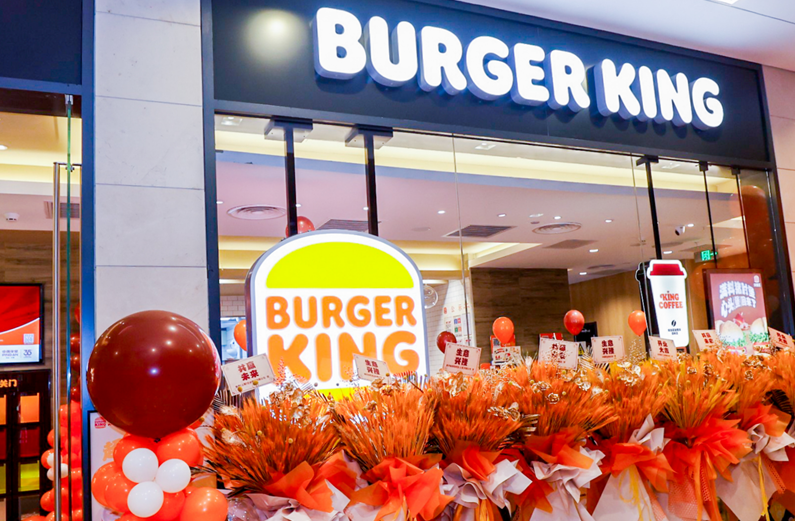
分拆、合资、放权......入华二十多年的洋快餐为何都要“独立”?
Xin Lang Cai Jing· 2025-11-17 08:12
Core Insights - The article highlights a trend of multinational companies, particularly in the food and beverage sector, increasingly opting for joint ventures and local partnerships in China to enhance growth and localization strategies [1][10][15]. Group 1: Joint Ventures and Partnerships - Starbucks announced a joint venture with Boyu Capital, selling up to 60% of its Chinese operations for an estimated valuation of $4 billion (approximately 284.84 billion RMB) [3][10]. - CPE Yuanfeng has formed a joint venture with Restaurant Brands International (RBI) to take over Burger King's operations in China, with CPE holding approximately 83% and RBI retaining about 17% [1][10]. - The trend of forming joint ventures is not new; McDonald's previously sold 80% of its China operations to a consortium led by CITIC and Carlyle in 2017, while Yum China was spun off from Yum Brands in 2016 [3][11][15]. Group 2: Growth and Localization Strategies - Starbucks aims to expand its store count in China from 8,000 to 20,000, leveraging Boyu's local expertise to penetrate smaller cities and emerging regions [3][10]. - Burger King plans to increase its store count from 1,250 to over 4,000 with the support of CPE Yuanfeng, focusing on product upgrades and digital transformation [3][10]. - McDonald's set a goal to grow its store count from 2,500 to 4,500 within five years after partnering with CITIC and Carlyle, emphasizing delivery and digital trends [3][10]. Group 3: Market Dynamics and Competition - The Chinese market is significant, with McDonald's identifying it as its second-largest and fastest-growing market globally, contributing about 8% to Starbucks' revenue [5][6]. - The competitive landscape is shifting, with local players like Luckin Coffee and Wallace rapidly gaining market share, prompting international brands to rethink their strategies [7][19]. - Starbucks' market share in China has declined from 42% in 2017 to an estimated 14% in 2024, indicating increasing competition from local brands [6][19]. Group 4: The Role of Local Partners - The introduction of local partners is seen as a crucial strategy for navigating the complexities of the Chinese market, as evidenced by the success of brands like Luckin Coffee and Heytea [9][29]. - The partnership model allows foreign brands to maintain brand ownership while leveraging local expertise for operational execution, enhancing their adaptability in a competitive environment [29][30]. - The article emphasizes that successful localization does not mean abandoning brand values but rather adapting to local consumer preferences and market dynamics [34][36].


星巴克之后汉堡王中国也卖了,中国市场玩法变了
2 1 Shi Ji Jing Ji Bao Dao· 2025-11-14 23:32
Core Insights - International brands like Starbucks and Burger King are seeking local partnerships in China to adapt to the unique market dynamics and consumer preferences [1][2] - The rapid growth of local dining brands and changing consumer expectations have made traditional strategies less effective for foreign brands [1][3] Group 1: Market Dynamics - Burger King announced a joint venture with CPE Yuanfeng, investing $350 million to expand its Chinese stores from 1,250 to 4,000 by 2035 [1] - Starbucks has partnered with Boyu Capital, relinquishing 60% of its stake in its Chinese operations [1] - The shift towards localization is driven by the need for brands to innovate their product offerings to meet the evolving tastes of Chinese consumers [1][3] Group 2: Strategic Adaptations - Companies must enhance supply chain agility to quickly respond to trending flavors and consumer demands [2] - There is a need for deeper market insights and localized decision-making, moving away from centralized control [2] - Successful examples include McDonald's and Yum China, which have thrived after local partnerships and restructuring, demonstrating the importance of a localized approach [2] Group 3: Broader Industry Trends - The trend of localization is not limited to the food industry; it is also evident in the automotive sector, where traditional car manufacturers are adopting comprehensive localization strategies [3] - The competitive landscape in China is increasingly favoring brands that understand local consumer needs and preferences [3] - Future innovations may include products that blend local and international flavors, enhancing consumer experience [3]
星巴克之后汉堡王中国也卖了,中国市场玩法变了|财经早察
2 1 Shi Ji Jing Ji Bao Dao· 2025-11-14 23:09
Core Insights - International brands like Starbucks and Burger King are seeking local partnerships in China to adapt to the unique market dynamics and consumer preferences [1][2] - The shift towards localization is not merely about menu adjustments but involves a comprehensive restructuring of supply chains, store strategies, and marketing approaches [2][3] - Successful examples from the past decade, such as McDonald's and Yum China, highlight the necessity of localization for international brands to thrive in the Chinese market [2][3] Group 1 - Burger King announced a joint venture with CPE Yuanfeng, investing $350 million to expand its Chinese stores from 1,250 to 4,000 by 2035 [1] - Starbucks has partnered with Boyu Capital, relinquishing 60% of its stake in its Chinese operations [1] - The changing consumer landscape in China demands innovative products that cater to local tastes rather than standardized offerings [1][2] Group 2 - Localization requires a more agile supply chain to quickly respond to trends and consumer preferences [2] - Store opening strategies must adapt to lower-tier cities, considering appropriate store types and pricing [2] - Marketing strategies need to resonate with local culture and trends, such as engaging with social media platforms [2][3] Group 3 - The trend of localization is evident beyond the food industry, with automotive companies also prioritizing comprehensive localization strategies [3] - The rapid evolution of the Chinese electric vehicle market necessitates a fundamental restructuring of international brands' approaches [3] - The competitive landscape in China favors brands that deeply understand local consumer needs and preferences [3]
21社论丨本土化转型是国际品牌赢得中国市场的关键
21世纪经济报道· 2025-11-13 00:51
Core Insights - The article discusses the trend of international restaurant brands, such as Burger King, adopting local partnerships in China to enhance their operations and market presence [1][2][3] - The collaboration between CPE Yuanfeng and Burger King aims to establish a joint venture to expand Burger King's footprint in China, with plans to increase the number of stores from approximately 1,250 to over 4,000 by 2035 [1][2] - The shift towards local capital and management is seen as a necessary strategy for international brands to adapt to the rapidly evolving Chinese market and meet consumer demands for quality and innovation [2][3] Group 1 - CPE Yuanfeng will invest $350 million in Burger King China to support store expansion, marketing, menu innovation, and operational upgrades [1] - The partnership reflects a broader trend where international brands are increasingly localizing their operations in China, as seen with McDonald's and KFC, which have successfully expanded their store counts through local investments [1][2] - The need for deeper localization is driven by changing consumer expectations and the competitive landscape, requiring international brands to adapt their product offerings and operational strategies [2][3] Group 2 - The competitive environment in China necessitates that international brands integrate into the local ecosystem, adopting strategies that align with Chinese consumer habits and preferences [3][4] - The article highlights that many Chinese brands are also emerging as global competitors, leveraging their experience in a highly competitive domestic market to expand internationally [4][5] - The Chinese market is increasingly recognized as a critical platform for global companies to refine their innovation capabilities and validate their business models [5]

21社论丨本土化转型是国际品牌赢得中国市场的关键
2 1 Shi Ji Jing Ji Bao Dao· 2025-11-12 22:12
Group 1 - CPE Yuanfeng and Burger King have formed a strategic partnership to establish a joint venture for operating Burger King's business in China, with CPE Yuanfeng investing $350 million for store expansion, marketing, menu innovation, and operational upgrades [1] - After the investment, CPE Yuanfeng will hold approximately 83% of the joint venture, while Burger King's global parent company, RBI, will retain about 17%, with plans to increase the number of Burger King stores in China from around 1,250 to over 4,000 by 2035 [1] - This trend of international restaurant brands partnering with local investors for deeper localization has been observed in other companies like McDonald's and KFC, which have seen significant growth in store numbers after local capital involvement [1][2] Group 2 - The shift towards localization by international brands is a response to structural changes in the Chinese market, where consumer demands for quality, innovation, and service have increased, leading to slower growth for established foreign brands [2] - To sustain growth in China, international brands need more than just local operational teams; they require local capital to enhance autonomy in product positioning, supply chain management, and store expansion [2] - The transfer of equity does not indicate a withdrawal from the Chinese market but rather a transformation towards localized operations, which is crucial for maximizing value in a competitive landscape [2][3] Group 3 - The rapid evolution and intense competition in the Chinese market necessitate that international brands like Burger King adapt their standardized products and operations to local consumer preferences and innovative pressures from domestic brands [3] - Successful adaptation involves integrating local capital and talent while adopting product strategies, marketing methods, and supply chain systems that resonate with Chinese consumers [3] - The trend of localization is not limited to the food service industry; traditional automotive giants from Germany and Japan are also facing competition from local brands and are adapting their strategies accordingly [3] Group 4 - The future will likely see more Chinese brands leveraging their competitive capabilities developed in the domestic market to expand globally, while international brands must deeply localize in China to remain competitive [4] - The Chinese market is increasingly becoming a critical platform for global companies to refine their innovation capabilities and validate business models across various sectors, including both services and manufacturing [4]
赵崇甫:国际餐饮品牌的本土化,光环褪去后的生存之道
Sou Hu Cai Jing· 2025-11-12 10:33
Core Insights - Burger King's entry into the Chinese market in 2005 was overshadowed by established competitors KFC and McDonald's, and its recent decision to transfer 83% of its Chinese operations to CPE Yuanfeng marks a significant shift towards deep localization [1] - The essence of dining is taste, which is deeply rooted in childhood memories, making it crucial for international brands to adapt their offerings to local preferences [3] - Successful localization involves not only menu adaptation but also leveraging local resources and networks, as demonstrated by KFC and McDonald's [3][4] Localization Strategy - International brands initially attract consumers with novelty and brand appeal, but true customer retention relies on localized products that resonate with local taste memories [3] - KFC's introduction of local dishes like the Old Beijing Chicken Roll and various regional snacks exemplifies breaking away from standardization to integrate into Chinese daily dining [3] - The importance of local relationships and resource networks is highlighted, with McDonald's rapid expansion to over 7,000 stores in China through local partnerships [3] Challenges Faced - Burger King's struggles in China, including management issues and food safety crises, led to poor performance, with annual sales per store at only $400,000, ranking among the lowest globally [3] - The establishment of a local management team in 2023 is a step towards reversing its declining fortunes, illustrating the challenges of standardized management in the complex Chinese market [3] Market Dynamics - The transition of brands like Starbucks and Burger King to local ownership signifies a new era of deep localization in the international restaurant sector in China [4] - The competition is intensifying as brands strive to better understand Chinese consumer preferences and effectively utilize local resources to find growth opportunities [4]
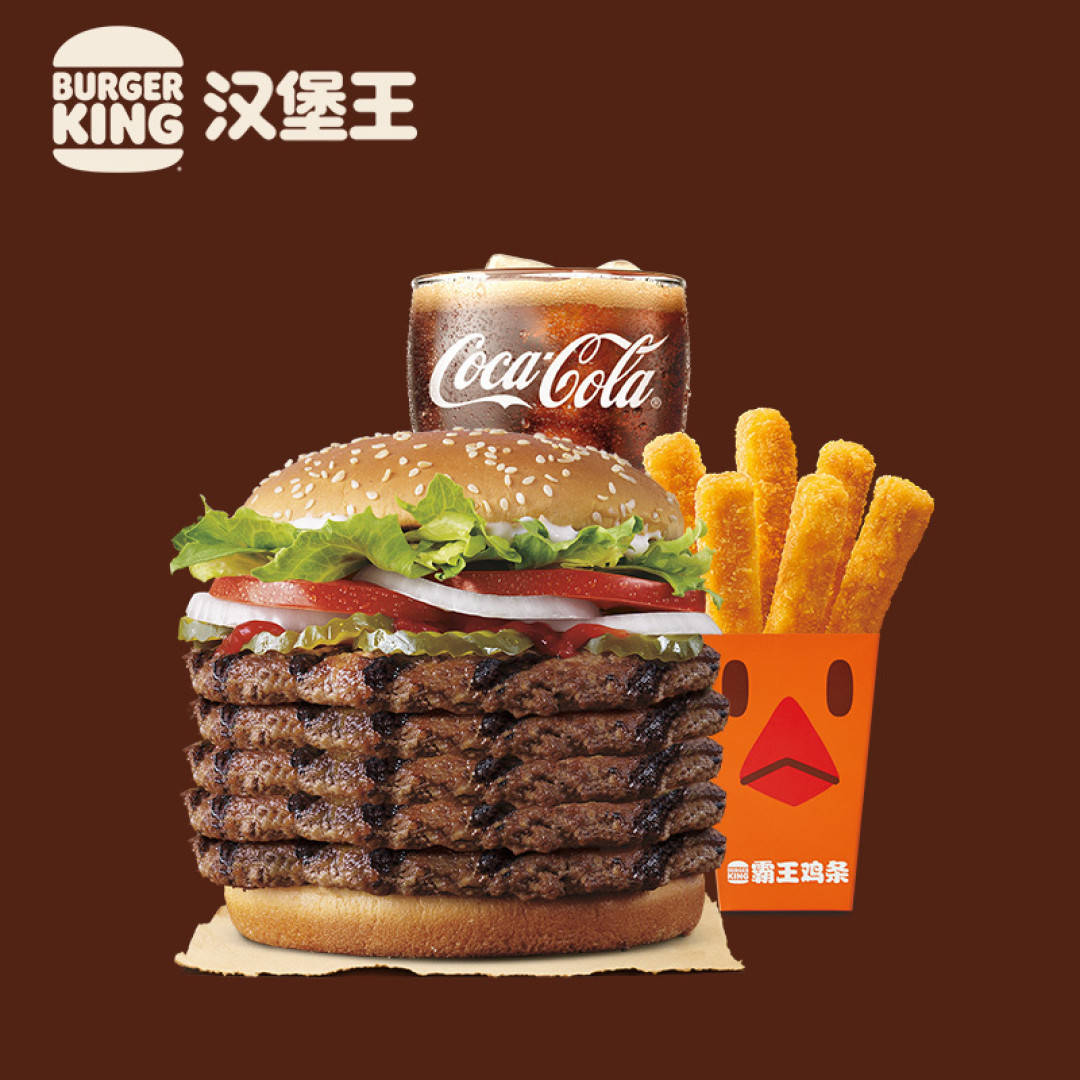
“中国的麦当劳”——永和大王还有人吃吗?
Hu Xiu· 2025-10-14 07:02
Core Viewpoint - The sales of Yonghe King, known as "China's McDonald's," have declined, and its expansion efforts are facing obstacles after 30 years of selling soy milk and fried dough sticks and 15 years of selling 200 million bowls of braised pork rice [1] Group 1 - Yonghe King has experienced a slowdown in its business operations, raising questions about its future growth potential [1] - The company has been a significant player in the Chinese fast-food market, but recent performance indicates challenges in maintaining its market position [1] - The decline in sales and difficulties in store expansion suggest a need for strategic reassessment within the company [1]