飞猪AI

Search documents
热点思考 | “看多消费”的第二弹(申万宏观·赵伟团队)
赵伟宏观探索· 2026-03-04 16:03
Group 1 - The article discusses the unusual trends in consumption during the Spring Festival, highlighting a surge in travel demand, particularly among older adults, and a shift towards personalized consumption experiences [2][4][6] - Travel during the Spring Festival saw a significant increase, with a 6.5 percentage point rise in inter-regional movement compared to the previous week, and domestic travel numbers reaching new highs, up 2.9 percentage points from the previous year's holiday [12][24] - The demand for travel among seniors (60 years and older) increased dramatically, with a 35% rise in flight bookings and a 40% increase in ticket purchases for attractions, indicating a broader age demographic engaging in travel [24][30] Group 2 - The article identifies three major shifts in consumption logic: the restructuring of travel methods, the upgrade of information dissemination, and the increase in quality supply [4][42] - Warmer weather and the rapid penetration of electric vehicles contributed to a 22% share of electric vehicle usage during the holiday, significantly higher than the 12% ownership rate, indicating a strong willingness to travel [48][51] - The rise of new consumption trends, such as personalized experiences, is attributed to the evolution of information dissemination methods, with platforms like Xiaohongshu seeing a 36% increase in travel-related posts during the holiday [59][66] Group 3 - The article notes that the increase in quality service supply during the Spring Festival, coupled with promotional policies, created a "supply creates demand" effect, with over 15,000 cultural performances held, attracting over 73 million visitors and generating 5.88 billion yuan in consumption [71][72] - Various regions implemented extensive promotional activities, such as issuing consumption vouchers and organizing numerous cultural events, to stimulate consumer spending during the holiday [72][106] - The trend of smaller family units is leading to a shift in consumption logic from family reunions to a balance of reunion and personal experiences, with a notable increase in travelers visiting multiple destinations [76][92]


热点思考 | “看多消费”的第二弹(申万宏观·赵伟团队)
申万宏源研究· 2026-03-04 01:08
Core Viewpoint - The article discusses the significant changes in consumer behavior during the 2026 Spring Festival, suggesting a potential shift from "quantitative change" to "qualitative change" in consumption patterns, driven by various factors including demographic shifts and evolving consumer preferences [1]. Group 1: Unusual Aspects of Spring Festival Consumption - Unusual Aspect One: The surge in travel demand, with the 2026 Spring Festival holiday extended to 9 days, leading to a 6.5 percentage point increase in cross-regional mobility compared to the previous week, reaching 9.5%. Domestic travel volume hit a new high, with a 2.9 percentage point increase compared to the 2025 National Day holiday, totaling 19% [2][12]. - Unusual Aspect Two: The rise of the "silver-haired" travel demographic, with over 35% increase in flight bookings for travelers aged 60 and above, and a 1.6 times increase in those traveling to Beijing. Ticket bookings for scenic spots by this age group rose by 40%, with significant growth from second and third-tier cities [2][24]. - Unusual Aspect Three: The trend of "self-appropriation" in consumption, with self-driving trips increasing by 5.6 percentage points to 85.4%. AI order volume on travel platforms surged over 800%, and ticket sales for experiential activities saw a 764% increase [3][30]. Group 2: Three Transformations in Consumer Logic - Transformation One: The increase in travel demand is attributed to a reconstruction of travel methods, influenced by warmer weather and the rapid penetration of electric vehicles, with an average temperature of 2.5°C above the norm during the holiday. The share of electric vehicle trips reached 22%, significantly higher than the ownership rate of 12% [4][48]. - Transformation Two: The acceleration of new consumption trends like "self-appropriation" is driven by upgraded information dissemination methods, with travel-related posts on platforms like Xiaohongshu increasing by 36% during the holiday, indicating a growing reliance on new media for travel planning [4][59]. - Transformation Three: The increase in quality service supply during the Spring Festival, supported by promotional policies, created a "supply creates demand" effect, with over 15,000 cultural performances held, attracting over 73 million visitors and generating 5.88 billion yuan in consumption [5][71]. Group 3: Economic Expectations for 2026 - The article suggests that China may be at the beginning of a "U-shaped" recovery, with consumer tendencies expected to rise as the "crowding-out effect" from real estate diminishes. The current indicators show a return to pre-2015 levels in housing price-to-income ratios, which may lead to improved consumer sentiment and spending [6][80]. - The potential for service consumption is highlighted, with expectations that as GDP per capita exceeds $10,000, the elasticity of service consumption will increase, driven by trends such as smaller household sizes and a growing demand for leisure services [6][92].

热点思考 | “看多消费”的第二弹(申万宏观·赵伟团队)
申万宏源宏观· 2026-03-03 16:04
Group 1 - The article discusses the unusual trends in consumption during the Spring Festival, highlighting a surge in travel demand, particularly among older adults, and a shift towards personalized consumption experiences [2][4][6] - Travel during the Spring Festival saw a significant increase, with a 6.5 percentage point rise in cross-regional movement compared to the previous week, and domestic travel numbers reaching new highs, up 2.9 percentage points from the previous year's National Day holiday [12][24] - The demand for travel among the elderly (60 years and above) increased dramatically, with a 35% rise in flight bookings and a 40% increase in ticket purchases for scenic spots, indicating a broader demographic engagement in travel [24][30] Group 2 - The article identifies three major transformations in consumption patterns: a reconstruction of travel methods, an upgrade in information dissemination, and an increase in quality service supply [4][42] - Warmer weather and the rapid penetration of electric vehicles contributed to a 22% share of electric vehicle usage during the Spring Festival, significantly higher than the 12% ownership rate, indicating a shift in travel preferences [48][51] - The rise of new consumption trends, such as personalized experiences, is attributed to the evolution of information dissemination methods, with platforms like Xiaohongshu seeing a 36% increase in travel-related posts during the holiday [59][66] Group 3 - The article notes that the economic outlook for 2026 may show a divergence, with domestic demand expected to surpass external demand, and consumption growth outpacing production growth [6][80] - Historical data suggests that after real estate adjustments, consumer tendencies often rise, indicating that China may be at the beginning of a "U-shaped" recovery phase [80][92] - The article emphasizes that as household sizes shrink, there is a growing demand for service-oriented consumption, particularly in leisure and travel sectors, which aligns with global trends observed when GDP per capita exceeds $10,000 [92][96]

“史上最长”春节假期将至,你订好出行计划了吗?
Jin Rong Shi Bao· 2026-01-25 23:04
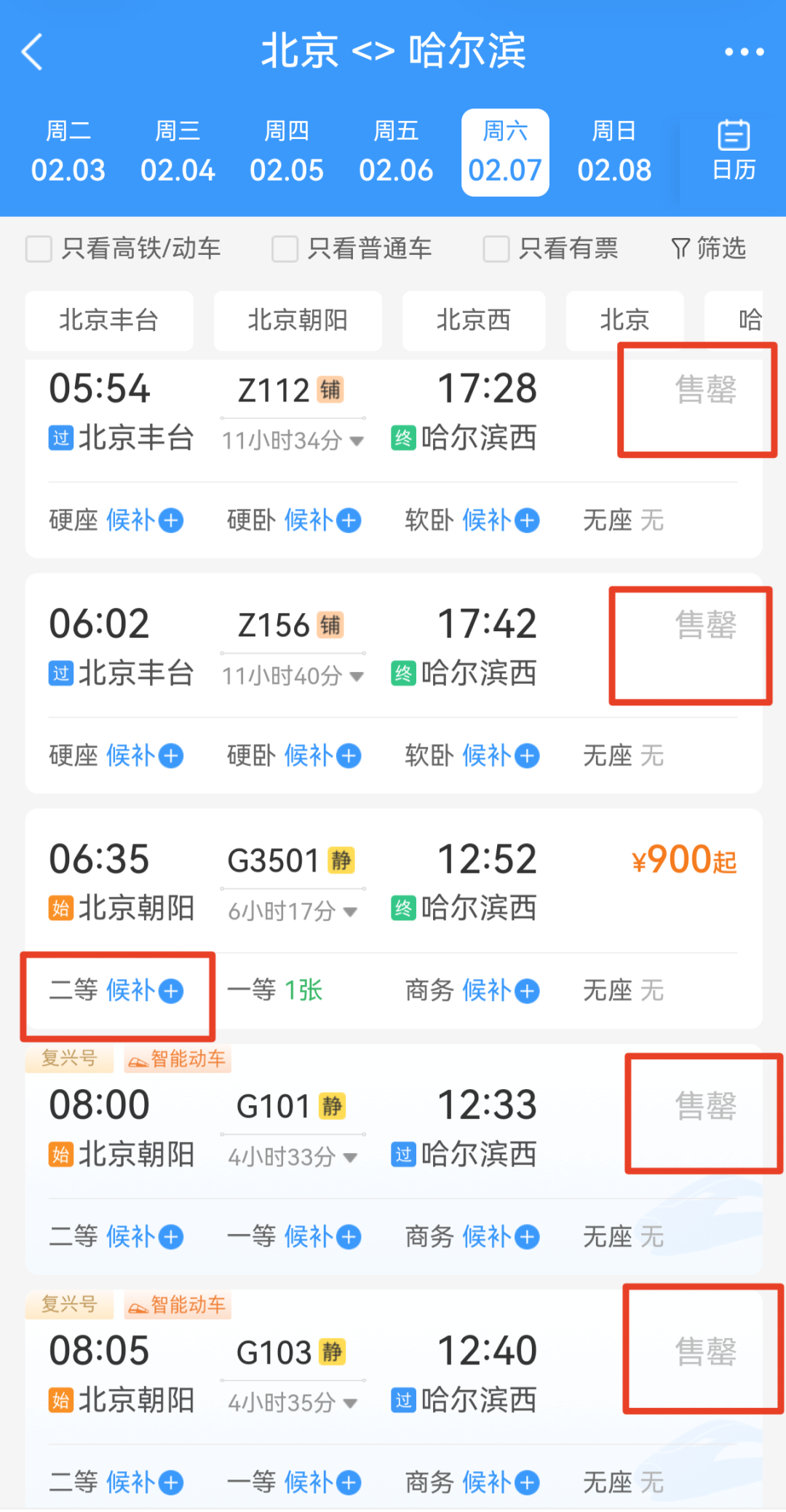
Group 1 - The tourism market is heating up ahead of the longest Spring Festival holiday, with ticket sales for popular routes already sold out [1] - The railway department has introduced a new policy allowing college graduates to purchase two additional discounted tickets for job-seeking travel, increasing the total from four to six [4] - There is a significant increase in flight bookings for outbound travel, with a nearly 40% year-on-year growth in service reservations for international trips [4] Group 2 - The demand for inbound tourism has surged, with ticket bookings increasing over four times, particularly in cities like Shanghai, Guangzhou, and Beijing [5] - Smaller cities are also seeing a rise in foreign tourist interest, with places like Lanzhou and Hohhot experiencing over fourfold increases in non-Chinese passport holders [5] - The use of AI tools for travel planning has skyrocketed, with user interactions related to Spring Festival travel increasing by over ten times in the second week of January [5]
香港航空开创先河,携手飞猪AI与千问App推出"一句话智惠飞"新模式
Huan Qiu Wang Zi Xun· 2026-01-23 06:30
Core Insights - Hong Kong Airlines has announced a deep AI strategic partnership with Alibaba's Fliggy and Qianwen App, marking a significant step in enhancing travel booking experiences through AI technology [1][3] - The collaboration aims to simplify the ticket booking process, allowing users to make requests in natural language and receive tailored travel recommendations, thus improving user experience and reducing decision-making costs [3] Group 1: Partnership Details - Hong Kong Airlines is one of the first airlines to integrate with the "AI ticket booking" feature on Qianwen App, providing exclusive ticket benefits through Fliggy and Qianwen [1] - The partnership not only expands sales channels but also innovates travel service models, enabling users to enjoy a more convenient travel experience with just a simple request [1][3] Group 2: AI Functionality and Future Plans - Users can now request travel options using natural language, allowing AI to understand their needs and automatically filter the best options for booking [3] - Hong Kong Airlines plans to further deepen its collaboration with Fliggy AI and Qianwen App to expand "ticket+" products and lifestyle service scenarios, promoting more interactive experiences [3] - The AI capabilities may eventually integrate with mobile assistants and smart wearable devices, enabling voice-based travel planning anytime and anywhere [3] Group 3: Company Perspectives - The business head of Hong Kong Airlines emphasized the importance of AI technology in reshaping future services, aiming for smarter and more personalized offerings [3] - The product head of Fliggy AI highlighted the transition to an "AI service era," leveraging Alibaba's model and ecosystem advantages to enhance real-world AI travel experiences [3]


科技重估叙事降温,关注回调布局机会
Mei Ri Jing Ji Xin Wen· 2025-06-11 01:33
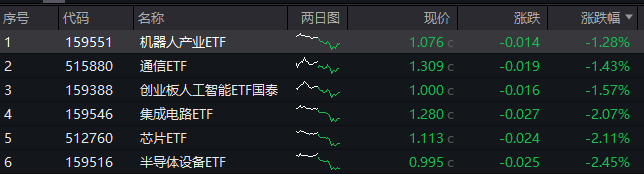
Group 1 - The AI sector experienced a pullback on June 10, with a cooling of the recent tech revaluation narrative, but AI capital expenditures are expected to remain high, supported by policy initiatives [1] - Major cloud providers and tech companies showed a year-on-year capital expenditure growth at historical highs, unaffected by tariffs and macroeconomic factors, indicating a potential independent trend for AI [3] - The commercial prospects for AI agents and embodied intelligence, particularly humanoid robots, are promising, with significant policy support and a thriving ecosystem led by major players like Alibaba and Tencent [8] Group 2 - The "DeepSeek moment" has driven the tech revaluation narrative in China, although it has recently cooled, leading to an expanded valuation gap between Chinese and U.S. tech giants [8] - The semiconductor equipment ETF (159516), chip ETF (512760), and the entrepreneurial AI ETF (159388) are suggested as potential investment vehicles for interested investors [8]