52度第八代五粮液

Search documents
五粮液放大招,以“官方补贴”夺回渠道话语权
Xin Lang Cai Jing· 2025-12-12 09:13
Core Viewpoint - The introduction of the "official subsidy" policy by Wuliangye aims to stabilize the market by reducing the invoice price for distributors while maintaining the factory price, thereby alleviating the financial pressure on distributors and enhancing their profit margins [1][3][10]. Summary by Sections Policy Implementation - The official factory price of the eighth generation Wuliangye remains unchanged at 1019 yuan per bottle, allowing the invoice price to drop to 900 yuan through subsidies, effectively reducing the purchase cost for distributors by 119 yuan per bottle [1][3][17]. - Additional incentives such as terminal scanning rebates and sales completion rewards are provided to distributors to stimulate end-consumer demand and improve sales performance [3][4][17]. Market Context - The policy is seen as a "de facto price reduction" for the first time in ten years, addressing the issue of price inversion in the market where the circulation price had fallen to around 850 yuan, significantly below the factory price [5][18][20]. - The average inventory cycle for distributors has increased to a warning level of 2-3 months, indicating a pressing need for intervention [20]. Strategic Implications - This initiative is not merely a price war but a strategic response to the challenges faced in the industry, providing a model for channel transformation that can be emulated across the white liquor sector [19][28]. - The subsidy policy is designed to activate channel dynamics and restructure the pricing system, reinforcing Wuliangye's market position and channel authority amidst declining revenues and profits [11][28][30]. Industry Insights - Wuliangye's approach offers three key lessons for the industry: replacing direct price cuts with policy subsidies to maintain brand value, utilizing digital tools for transparent channel management, and adopting a direct distribution model to strengthen connections between manufacturers and end-users [31][32]. - The company's comprehensive strategy, including the suspension of traditional supply channels and the cleaning of non-compliant e-commerce stores, aims to rebuild its channel ecosystem and restore distributor confidence [14][32].



五粮液,曲线降价
21世纪经济报道· 2025-12-12 06:46
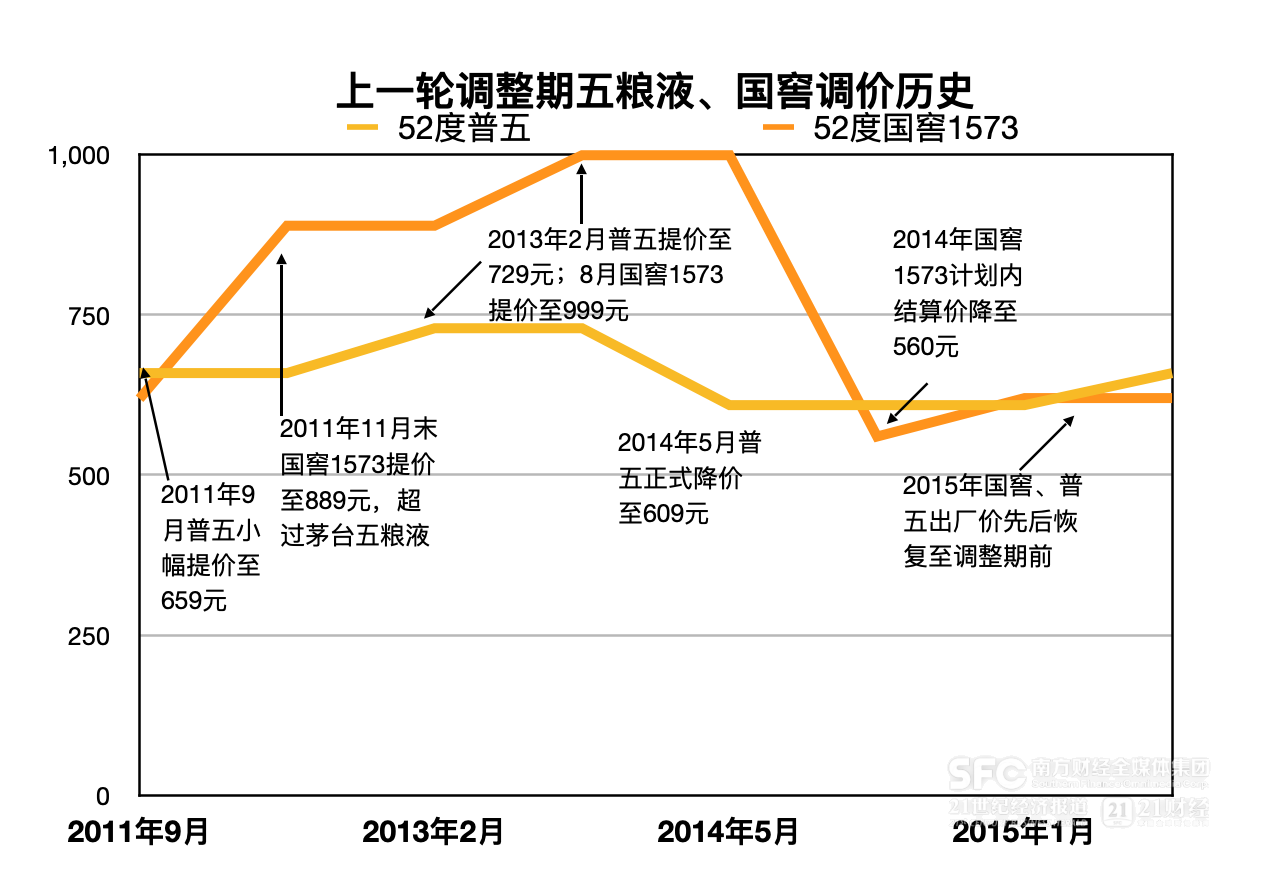
Core Viewpoint - The article discusses the recent price adjustment strategies of high-end liquor brands, particularly focusing on Wuliangye and Guojiao 1573, and the competitive dynamics in the premium liquor market following Wuliangye's price changes [1][3][5]. Group 1: Market Dynamics - Wuliangye has been leading the high-end liquor market, with Guojiao 1573 closely following, and both brands often adjust their prices in tandem [1][3]. - The competition has intensified, with Guojiao 1573 expected to adopt a follow-up strategy similar to Wuliangye, potentially using channel subsidies to effectively lower prices without officially changing the factory price [1][3][9]. - The price gap between Guojiao 1573 and Wuliangye has been narrowing, with Guojiao 1573's price sometimes exceeding Wuliangye's [3][9]. Group 2: Pricing Strategies - Wuliangye's pricing strategy has included initial price increases followed by indirect price reductions through channel incentives, leading to a complex pricing environment [7][9]. - Guojiao 1573 has historically followed Wuliangye's pricing moves, but its management has indicated a more cautious approach this time, reflecting on past experiences where aggressive pricing led to market share losses [8][10]. - The current market environment is characterized by a need for strategic pricing adjustments, as both brands face declining demand and the challenge of maintaining market share [10][12]. Group 3: Product Focus and Revenue Contribution - Wuliangye's revenue is heavily reliant on its flagship product, contributing 50%-60% to its overall income, while Guojiao 1573 has diversified its offerings, with significant contributions from both high and low alcohol content products [13][14]. - Guojiao 1573's revenue contribution from high-end products has increased significantly, indicating a successful strategy in expanding its market presence [13][14]. - The competitive landscape has evolved, with new players entering the market, making pricing strategies more critical for maintaining brand positioning [14][15].


五粮液出招“调价”,国窖们跟不跟?
2 1 Shi Ji Jing Ji Bao Dao· 2025-12-12 03:29
Core Viewpoint - The recent price adjustment news from Wuliangye has sparked industry speculation about whether other high-end liquor brands will follow suit, particularly focusing on the competitive dynamics between Wuliangye, Guojiao 1573, and other brands in the premium liquor market [1][3][4]. Group 1: Market Dynamics - Wuliangye, Guojiao 1573, and Moutai are the top three players in the high-end liquor market, with Wuliangye and Guojiao 1573 often adjusting their strategies in tandem due to their similar pricing and market positioning [2][4]. - The competition has intensified, with Guojiao 1573's pricing strategy closely mirroring that of Wuliangye, often resulting in a price difference of only a few dozen yuan between the two brands [4][11]. - The current market environment shows a trend of price adjustments, with Wuliangye leading the way by increasing channel subsidies to effectively lower the cost for distributors without officially changing the factory price [13][15]. Group 2: Historical Context - The current price adjustment cycle resembles previous cycles, where both Wuliangye and Guojiao 1573 have engaged in back-and-forth pricing strategies, including price increases followed by temporary reductions [9][10][12]. - Historical data indicates that Guojiao 1573 has previously faced challenges when maintaining higher prices than Wuliangye, leading to a significant drop in market share during past adjustment periods [10][11]. Group 3: Strategic Responses - Guojiao 1573 is expected to adopt a follow-up strategy similar to Wuliangye's, potentially using indirect methods such as increased subsidies to maintain competitiveness without directly lowering factory prices [4][15]. - The strategic focus of both companies has diverged, with Wuliangye prioritizing volume sales while Guojiao 1573 has the flexibility to leverage both high and low alcohol content products to enhance market presence [18][20]. - The competitive landscape has evolved, with new entrants like Langjiu and Moutai 1935 gaining market share, complicating the pricing strategies for established brands [22][23].
茅台跌跌不休,白酒行业上演“钱荒”!
Jin Tou Wang· 2025-12-11 08:24
Core Viewpoint - The "Moutai myth" is collapsing as the price of Moutai has significantly dropped, leading to substantial losses for investors who once viewed it as a guaranteed profit opportunity [1][3]. Price Trends - The wholesale price of 53-degree Flying Moutai has fallen to 1500 yuan, nearing its guidance price of 1499 yuan, with a decline of 50 yuan and 55 yuan for different product types within just eight days [1]. - Since the beginning of 2025, the price of Flying Moutai has experienced a "halving" decline, starting from around 2200 yuan per bottle and dropping below 2000 yuan in June, 1800 yuan in August, and reaching a low of 1590 yuan by the end of November, resulting in a cumulative decline of over 25% in six months [3]. Stock Performance - Moutai's stock price has also suffered, dropping below 1400 yuan, which is a 40% decrease from its peak of 2437 yuan in 2021, leading to heated debates about whether the stock has hit bottom [3]. Industry Performance - In the first three quarters of the year, 20 listed liquor companies reported their worst performance in a decade, with 18 companies experiencing significant profit declines, while only Moutai and Shanxi Fenjiu saw revenue and profit increases [4]. - The overall profit decline in the industry has a median drop of 64%, with major players like Wuliangye seeing profits plummet by 65% [4]. Inventory and Sales Issues - The high-end liquor market is facing a price collapse, with Wuliangye reducing prices for the first time in a decade, leading to a situation where prices are now inverted [6]. - The average inventory turnover days for the liquor industry have increased significantly to 1424 days, up 65.21% from the previous year, indicating that distributors are struggling to sell their stock [6][9]. - Over 60% of liquor companies are experiencing price inversions, particularly in the high-end segment priced between 800 to 1000 yuan, reflecting a disconnect between supply and actual consumer demand [9]. Market Dynamics - The traditional reliance on "channel pressure" for revenue growth is becoming unsustainable as consumer demand weakens, leading to significant inventory risks for distributors [6][11]. - The driving forces behind the growth of the Chinese liquor industry, namely real estate and population growth, are showing clear signs of weakness, with recent regulations further exacerbating the situation [11].

啤酒20年前转型成地摊货,白酒会重蹈覆辙?五粮液降价给出答案
Sou Hu Cai Jing· 2025-12-10 15:58
Group 1 - The core point of the article is that Wuliangye announced a significant price reduction for its flagship product, the 52-degree eighth generation Wuliangye, from 1019 yuan to 900 yuan per bottle, indicating potential struggles in the high-end liquor market [2] - The price drop follows a trend initiated by Moutai, which recently saw its terminal price fall below 1499 yuan, suggesting a broader decline in high-end liquor prices [2] - The high-end liquor market is experiencing a "price collapse," with other brands like Luzhou Laojiao and Yanghe also seeing price reductions in response to Wuliangye's move [2] Group 2 - Wuliangye's Q3 2025 performance showed a significant decline, with revenue of 8.174 billion yuan and a net profit of 2.019 billion yuan, marking the worst quarterly performance since 2016 [4] - Revenue dropped by more than 50% compared to the same period last year, and net profit fell by nearly 70% [4] - The gross profit margin decreased from 74.93% in the first three quarters to 62.64% in Q3, indicating a rapid decline in profitability [4] Group 3 - The reliance on distributors has led to challenges in price control, with Wuliangye's attempts to limit supply resulting in lower market prices than the factory price [6] - The online prices have dropped to as low as 640 to 739 yuan, indicating a significant discount from the original pricing strategy [6] - The changing dynamics in consumer preferences, particularly among younger generations, are impacting the demand for high-end liquor [17][24] Group 4 - The traditional perception of high-end liquor as a status symbol is being challenged, with younger consumers showing less interest in alcohol consumption as a social necessity [9][13] - The market is shifting towards lower-alcohol, fruit-flavored beverages that appeal more to younger consumers, indicating a potential decline in the traditional high-end liquor market [17] - Wuliangye's strategy to reintroduce a lower-alcohol product aims to capture the younger market, but its success remains uncertain [18][26] Group 5 - The article suggests that the high-end liquor industry may need to adapt by lowering prices and focusing on the mass market rather than maintaining a luxury image [24] - The potential for consolidation in the industry is highlighted, with larger brands possibly acquiring struggling smaller brands to optimize production [21][22] - The narrative around high-end liquor as a luxury item is becoming increasingly difficult to sustain, and companies must shift their focus to genuine consumer demand rather than social status [24][26]

汾酒董事长说出了白酒行业的出路:从奢侈品,转向消费品
Sou Hu Cai Jing· 2025-12-09 11:06
Core Viewpoint - The white liquor industry is experiencing a significant downturn, with traditional high-end sales strategies failing as consumer preferences shift towards more affordable options. The industry must adapt to these changes to survive and thrive in the current market environment [2][12][24]. Industry Overview - The white liquor industry has seen a continuous decline in sales, with overall production dropping by 9.9% year-on-year in the first nine months of 2025, marking the eighth consecutive year of decline [8]. - Major companies like Moutai and Wuliangye are facing unprecedented challenges, with Moutai's revenue growth slowing to 0.35% and Wuliangye experiencing a 10.26% decline in revenue, the first negative growth in a decade [5][6]. Company Performance - Moutai reported a revenue of 398.1 billion yuan and a net profit of 192.24 billion yuan, both at near-record lows [5]. - Wuliangye's revenue fell to 81.74 billion yuan, a staggering 52.66% decrease, with net profit down 65.62% [7]. - Among 19 listed liquor companies, 13 reported a decline in net profit, with some like Shede Liquor experiencing a 63.18% drop [7]. Consumer Trends - There is a notable shift in consumer demographics, with younger consumers increasingly turning away from traditional high-end liquor brands. This trend is reflected in the rising inventory levels of Moutai, which saw a 27% increase year-on-year [4]. - The perception of white liquor as a luxury item is changing, with consumers now prioritizing affordability and quality over brand prestige [12][23]. Strategic Shifts - Shanxi Fenjiu has managed to grow its revenue by 5% in the first three quarters of 2025, attributed to its focus on understanding consumer needs and offering products at more accessible price points [9][20]. - The company has successfully positioned its 50 yuan Fenjiu as a core product, appealing to a broader market, including younger consumers who are using it in cocktails [20]. Market Adaptation - The industry is beginning to recognize the need for a strategic pivot towards lower-priced products, with some companies launching new lines targeting the under-100 yuan market [22]. - This shift indicates a growing understanding that consumer demand is not necessarily for the most expensive products, but rather for those that meet their expectations of quality and affordability [23].

五粮液渠道补贴背后:白酒行业深度调整下的破局与困局
Xin Lang Cai Jing· 2025-12-09 10:16
Group 1 - The core point of the article is that Wuliangye's recent channel policy adjustment, which effectively reduces the price of its flagship product, reflects the company's proactive response to operational pressures and the collective challenges faced by the liquor industry during a deep adjustment period [1][6] - Wuliangye's price adjustment is not a direct reduction of the factory price but rather an "official subsidy" to alleviate channel burdens, maintaining the factory price at 1019 yuan per bottle while allowing distributors to invoice at 900 yuan per bottle through discounts [2][7] - The adjustment is driven by significant pressures on channels and declining performance, with the market circulation price for Wuliangye's product on platforms like Tmall and JD.com being around 850 yuan per bottle, which is substantially lower than the factory price [2][8] Group 2 - Wuliangye's performance data indicates severe operational pressure, with a revenue of 60.945 billion yuan for the first three quarters of 2025, a year-on-year decline of 10.26%, and a net profit of 21.511 billion yuan, down 13.72%, marking the first revenue decline since 2015 [3][8] - The adjustment is historically significant, as it marks the first effective price reduction since 2014, when the factory price was lowered from 729 yuan to 609 yuan per bottle, highlighting a rapid market reversal within just over a year [3][8] - The high-end liquor market is experiencing collective pressure, with leading companies facing challenges to their traditional pricing strategies, leading to a shift from "volume decline with profit increase" to "decline in both volume and price" since 2025 [4][9] Group 3 - The price inversion phenomenon is widespread, particularly severe in the 800 to 1500 yuan price range, with different price segments showing distinct development trends [4][9] - The high-end market is trapped in a "volume-price decline" cycle due to reliance on business banquets and gift consumption, while the mid-range market faces intense competition with low consumer loyalty, leading to a common practice of "price for volume" [4][9] - The low-price market has seen growth in sales below 100 yuan, but the limited profit margins make it a strategic move for maintaining market share rather than supporting profit growth for leading companies [4][9]
五粮液继续“发”补贴,核心大单品普五降至900元/瓶
Guo Ji Jin Rong Bao· 2025-12-09 05:31
Core Viewpoint - The liquor industry is facing challenges, with Wuliangye taking proactive measures to support distributors by adjusting the price of its core product, the 52-degree eighth-generation Wuliangye, to stimulate sales and alleviate inventory pressure [1][4]. Group 1: Industry Performance - As of December 8, the liquor industry experienced a net capital outflow of 1.88 billion yuan, with the white liquor index declining by 1% [1]. - The overall market sentiment remains weak, impacting the performance of the liquor sector despite a high opening of the A-share indices [1]. Group 2: Company Strategy - Wuliangye is set to reduce the factory price of its eighth-generation product from 1,019 yuan to 900 yuan per bottle, providing a discount of 119 yuan to distributors [1][3]. - This marks the first price reduction by Wuliangye in ten years, with the last adjustment occurring in 2014 [3]. - The company aims to alleviate financial pressure on distributors and shift focus towards genuine consumer demand, moving away from a reliance on inventory pressure tactics [4]. Group 3: Financial Performance - In the first three quarters of the year, Wuliangye reported revenue of 60.945 billion yuan and a net profit of 21.511 billion yuan [6]. - The company has implemented measures to stabilize prices and manage inventory, including reducing traditional channel quotas and providing subsidies to distributors [6]. Group 4: Market Outlook - Analysts suggest that Wuliangye's actions may prompt other liquor companies facing similar pressures to optimize their channel policies and address pricing issues [4]. - The long-term profit potential for Wuliangye is expected to recover as high-end demand gradually improves and inventory management efforts take effect [6].
五粮液继续“发”补贴 核心大单品普五降至900元/瓶
Guo Ji Jin Rong Bao· 2025-12-09 05:22
Core Viewpoint - The liquor industry, particularly the baijiu sector, is facing challenges with insufficient sales and high channel inventory, prompting companies like Wuliangye to adjust pricing strategies to support distributors and stabilize the market [2][4]. Group 1: Market Performance - As of December 8, the liquor industry experienced a net outflow of 1.88 billion yuan, with the baijiu index declining by 1% despite initial gains [2]. - Wuliangye's price adjustment for its core product, the 52-degree eighth generation Wuliangye, involves a discount for distributors, reducing the invoice price from 1,019 yuan to 900 yuan per bottle [2][4]. Group 2: Strategic Adjustments - This marks the first price reduction by Wuliangye in ten years, with the last adjustment occurring in 2014 [4]. - Analysts view Wuliangye's strategy as a proactive measure to alleviate financial pressure on distributors and shift the industry focus from channel-driven sales to consumer value [4][5]. Group 3: Financial Performance - In the first three quarters of the year, Wuliangye reported revenue of 60.945 billion yuan and a net profit of 21.511 billion yuan [6]. - The company has been implementing measures to stabilize prices and manage inventory, including reducing traditional channel quotas and providing subsidies to distributors [5][6]. Group 4: Future Outlook - East Wu Securities suggests that Wuliangye's long-term profit potential may recover as high-end demand gradually improves and the company increases its inventory clearance efforts [7].
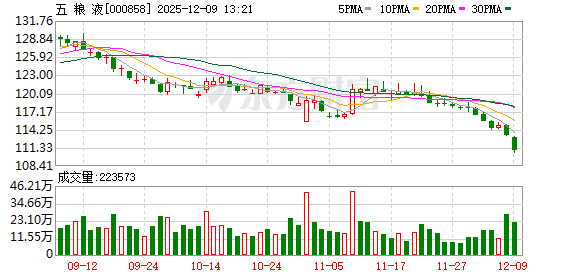
财经早知道|我国外储连续4个月超3.3万亿美元 央行连续13个月增持黄金
Sou Hu Cai Jing· 2025-12-08 00:56
Macro Economy - The Chairman of the China Securities Regulatory Commission, Wu Qing, stated that during the "14th Five-Year Plan" period, the securities industry will undertake four major missions, including serving the real economy and supporting the construction of a financial power [2] - As of the end of November 2025, China's foreign exchange reserves reached $33,464 billion, an increase of $3 billion from the end of October, marking a continuous four-month stay above the $3.3 trillion mark [2] - The People's Bank of China reported that as of the end of November, gold reserves were 74.12 million ounces, an increase of 30,000 ounces from the previous month [3] Industry Trends - The National Healthcare Security Administration and the Ministry of Human Resources and Social Security issued the 2025 drug directory, which includes 114 new drugs, 50 of which are Class 1 innovative drugs [5] - The real estate market is transitioning from a focus on construction to filling properties with people and industries, with current housing prices under pressure due to insufficient usage value [4] - The storage chip market has seen a significant surge in spot prices, with DDR4x chip prices increasing over four times this year, while manufacturers face low inventory levels [6] Company Dynamics - Wuliangye plans to adjust the price of its 52-degree eighth-generation product to 900 yuan per bottle, with potential costs for distributors dropping to around 800 yuan after discounts and rebates [7] - Apple is experiencing significant executive turnover, with key positions related to AI and design seeing resignations, raising concerns about leadership stability [7] - China Life Insurance announced that its vice president is under investigation for serious violations of discipline and law [10]