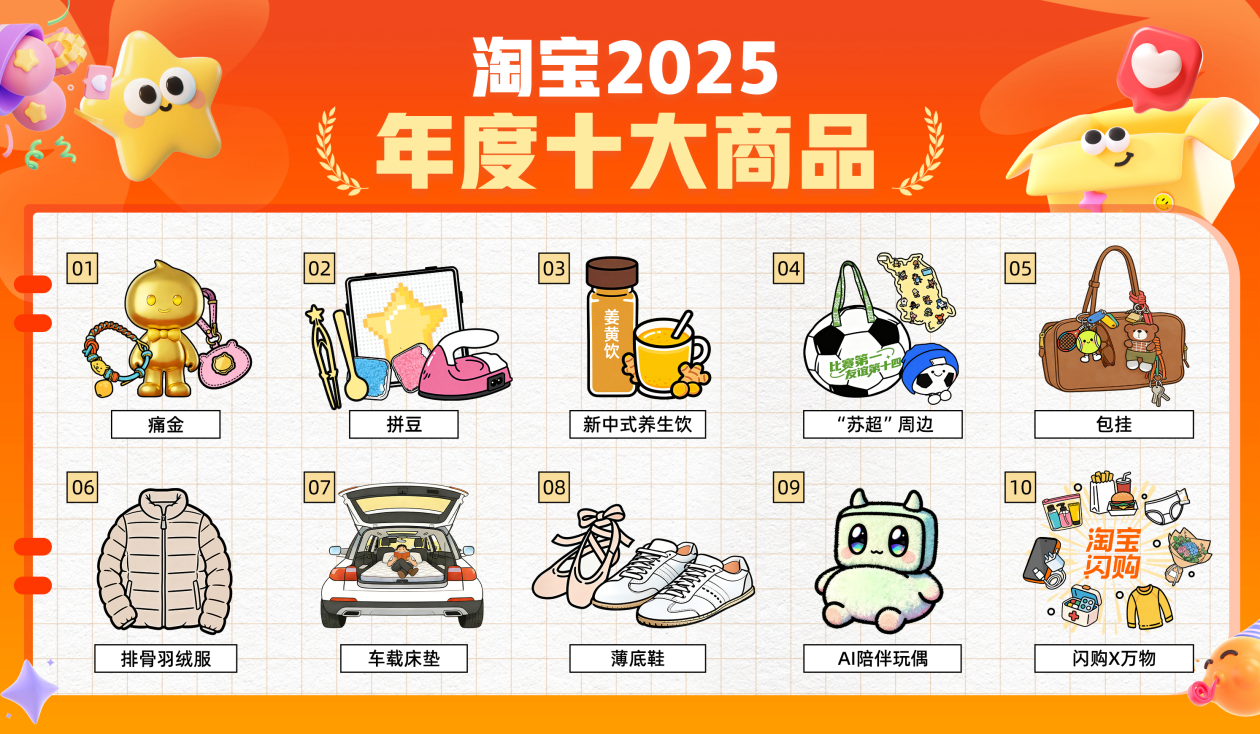
AI陪伴玩偶

Search documents
马年春节迎“AI年味” 智能产品掀消费热潮
Zhong Guo Xin Wen Wang· 2026-02-18 05:34
Group 1 - The core viewpoint of the articles highlights the surge in demand for AI products during the Chinese New Year, particularly AI glasses, which are becoming popular among consumers, especially young males around 30 years old [1][3][4] - Sales data from JD.com indicates a significant increase in interest for AI products during the Spring Festival, with robot search volume up over 300%, customer inquiries up 460%, and order volume up 150% on the night of the Spring Festival Gala [3] - The introduction of government subsidies for certain smart products starting January 1, 2026, is expected to further stimulate the market, with a subsidy of 15% on the final sales price for items priced under 6000 yuan [4] Group 2 - AI products are not only changing gift-giving traditions but are also deeply integrating into traditional Chinese New Year customs, allowing users to create personalized digital greetings and photos [3][4] - The popularity of smart products among young consumers reflects a shift in preferences, where practical value and emotional connection are prioritized over traditional material gifts [4]

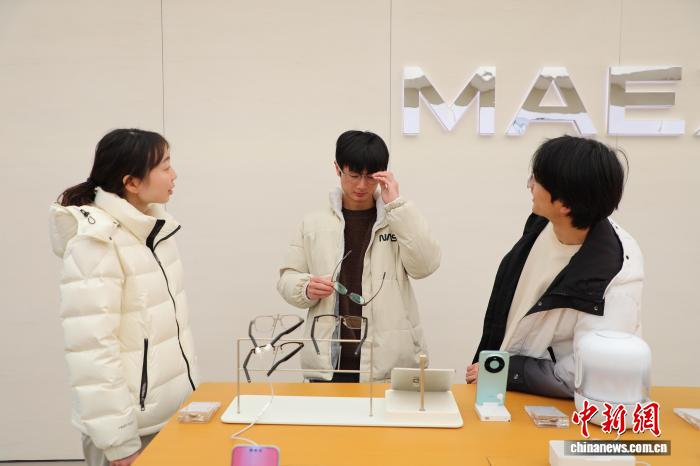
(新春见闻)马年春节迎“AI年味” 智能产品掀消费热潮
Zhong Guo Xin Wen Wang· 2026-02-17 08:24
Core Insights - The integration of AI products into traditional Chinese New Year celebrations has led to a surge in demand for "tech gifts" during the holiday season [1][3][4] Group 1: AI Product Sales - AI glasses, such as the Quark AI glasses, are experiencing high sales, with some models sold out and a waiting period of 40 days for new orders [1] - The price range for AI glasses varies from hundreds to thousands of yuan, indicating a broad market appeal [1] - Sales data from JD.com shows a significant increase in demand for AI products, with search volume up over 300%, customer inquiries up 460%, and order volume up 150% during the Spring Festival [3] Group 2: Consumer Trends - The popularity of AI products among young consumers reflects a shift towards gifts that combine practical value with emotional connection, moving away from traditional material gifts [4] - AI applications are enhancing traditional New Year customs, allowing users to create personalized digital greetings and photos [3][4] - The Chinese government has announced subsidies for certain smart products, which may further stimulate consumer interest and sales in the AI sector [4]
〔读城〕发展“春节经济”激活传统节日的消费潜力
Sou Hu Cai Jing· 2026-02-12 17:32
Group 1 - The core viewpoint of the article highlights the revitalization of the Chinese economy during the Spring Festival, with an expected cross-regional movement of 9.5 billion people in 2026, marking a historical high. The "2026 'Buy New Spring'" initiative aims to stimulate domestic demand through various measures such as consumption vouchers and new consumption scenarios [3][12]. Group 2 - Policy guidance has been instrumental in stimulating consumption potential, with various local governments implementing targeted measures. For instance, Sichuan allocated over 40 million yuan for consumption incentives, including 20 million yuan in cultural tourism vouchers and 16 million yuan in movie vouchers [5][6]. - The innovation in consumption formats has led to a diversification of consumption scenarios, blending online and offline experiences. The 2026 online New Year goods festival will run from January 19 to March 4, featuring activities that promote traditional culture and enhance quality supply [7]. - Technological empowerment is reshaping the Spring Festival consumption experience, with AI and digital technologies enhancing service consumption scenarios. The integration of social media influences consumer behavior, and new tech products are expected to invigorate the market [8]. - Cultural heritage plays a crucial role in the Spring Festival economy, with initiatives like the "Old Brand Carnival" promoting traditional culture through modern means. The fusion of traditional customs with contemporary trends is evident in the rising popularity of pre-prepared meals for New Year's Eve [9]. - The demand for quality in Spring Festival consumption is increasing, with health foods and smart home appliances becoming mainstream. The market is shifting towards quality, personalization, and diverse consumption patterns, reflecting an evolving consumer mindset [10]. - Establishing a long-term mechanism is essential for sustaining the growth of the Spring Festival economy. Recommendations include enhancing regional特色开发 and optimizing the issuance of consumption vouchers to convert short-term festive consumption into regular consumption [11].

多地推出以旧换新等举措激发“春节档”消费潜力
Zheng Quan Ri Bao· 2026-01-27 16:25
Group 1 - The core viewpoint is that various regions in China are intensifying consumer promotion policies ahead of the Spring Festival, utilizing measures such as consumption subsidies and trade-in programs to stimulate market consumption potential [1][2] - Experts predict that the consumption market during the Spring Festival will show a steady improvement, driven by policies that encourage trade-ins and consumer upgrades [1][2] - The implementation of trade-in policies, particularly for large consumer goods like automobiles and home appliances, is expected to directly boost demand and promote green and digital consumption [2] Group 2 - The overall market scale during the 2026 Spring Festival is anticipated to achieve significant growth, with service consumption, cultural tourism, and upgraded product consumption being the main growth drivers [2] - The consumption landscape is expected to shift towards "digital + green," with technology products such as AI companion toys and smart glasses becoming popular during the festive season [2] - Local governments are leveraging regional cultural and tourism resources to create new consumption scenarios, integrating various resources to enhance the consumer experience [3]
浙江推广科技“新年货”,多地新春消费涌动
2 1 Shi Ji Jing Ji Bao Dao· 2026-01-26 12:03
Group 1 - The core theme of the articles revolves around the integration of artificial intelligence (AI) in consumer products and the launch of various initiatives to boost consumption during the Chinese New Year season, particularly in Zhejiang province [1][2][6] - Zhejiang province has introduced 23 measures focusing on six key areas: food, accommodation, transportation, tourism, shopping, and entertainment, with over 5 billion yuan allocated for consumption subsidies and coupons in the first quarter [1][3] - The launch of innovative consumer products, such as the Hafu flying camera X1 and the Meteer desktop robot, showcases the trend of "AI + consumption," making technology more accessible and appealing to a broader audience [1][6][7] Group 2 - Multiple regions across China are initiating new spring consumption seasons, utilizing strategies like issuing consumption vouchers and creating new consumption scenarios to stimulate retail, tourism, and automotive sectors [2][4] - The automotive sector is a significant focus, with various provinces implementing policies to encourage car purchases, including subsidies and trade-in programs, to lower costs for consumers [4][5] - The trend of issuing consumption vouchers is emphasized, with cities like Wuhan and Nanchang planning substantial distributions to cover various consumer scenarios, indicating a shift towards more targeted and effective consumption stimulation methods [5][6]
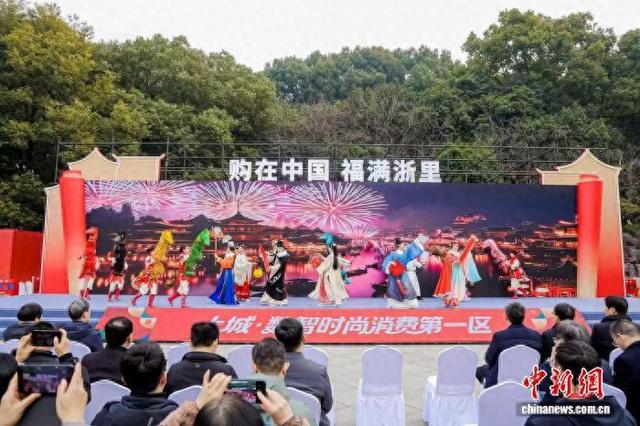
2026浙江新春消费季在杭州启动 点燃消费新热潮
Xin Lang Cai Jing· 2026-01-25 13:04
Core Viewpoint - The 2026 Zhejiang Spring Consumption Season has been launched in Hangzhou, focusing on revitalizing consumer spending through various initiatives and events [1][2]. Group 1: Event Overview - The consumption season will concentrate on six major areas: food, accommodation, transportation, tourism, shopping, and entertainment, with over 1,700 events planned [1][2]. - A total of more than 5 billion yuan will be allocated for consumer subsidies and coupons in the first quarter of this year to stimulate spending [1]. Group 2: Specific Initiatives - Activities include the "Delicious Zhejiang" food market, gourmet banquets, and the release of ten "food + tourism" premium routes [2]. - A new round of consumer goods exchange programs will be implemented, with over 2 billion yuan in subsidies to be distributed by the end of February [2]. Group 3: Product Promotion - The event will feature local specialty products from various regions, including handmade sun-dried noodles and tea-smoked ham, highlighting Zhejiang's efforts in consumption assistance [5]. - The consumption structure is evolving towards technology and intelligence, with new digital products like AI companion dolls and smart glasses being showcased [5]. Group 4: Thematic Exhibitions - The main event at Hangzhou's Wushan Square will include eight thematic exhibition areas, showcasing nearly 300 brands that reflect a blend of cultural heritage and modern consumer experiences [6].
智能玩具升级“智慧伙伴”
Jing Ji Ri Bao· 2026-01-11 21:54
Core Insights - AI toys are becoming popular as companions, with products like Huawei's "Smart Hanhan" selling out quickly and AI plush toys from JD.com entering the market, indicating a growing trend in AI companionship in toys [1][2] - The AI toy market in China is projected to grow from approximately 24.6 billion yuan in 2024 to 29 billion yuan in 2025, highlighting significant market potential [1] - AI toys are evolving from traditional playthings to "smart companions" that integrate education, emotional support, and creativity, reflecting a shift in consumer expectations [2][3] Industry Developments - The integration of AI technologies, such as language and visual models, allows toys to understand and respond to users, enhancing their functionality beyond mere entertainment [2] - AI toys cater to diverse age groups, fulfilling various consumer needs from educational support for children to stress relief for young adults and memory assistance for the elderly [3] - The Ministry of Industry and Information Technology (MIIT) is promoting the development of AI toys through policy support, encouraging innovation and collaboration between toy manufacturers and AI technology firms [4] Market Trends - The demand for AI toys is increasing, with significant interest in their applications for education, health monitoring, social interaction, and therapeutic support [3] - AI toys are designed to provide emotional companionship, with features like real-time feedback and personalized interactions, which are particularly appealing to younger users [2] - The MIIT is focusing on ensuring data security and privacy in AI toys, addressing consumer concerns and promoting safe industry practices [4]
情绪可以囤积,空间可以折叠:2025年年轻人正在淘宝寻求生活新方案
Huan Qiu Wang· 2025-12-25 04:19
Core Insights - The article discusses the evolving consumer behavior in China, highlighting a shift towards emotional and rational consumption patterns by 2025, as reflected in the annual top ten products list released by Taobao [3][12]. Group 1: Consumer Trends - The trend of "pain gold" illustrates how young consumers are innovating financial tools by merging emotional consumption with preventive savings, leading to a 294% increase in online sales of IP gold products over the past year [4]. - The "ribbed down jacket" reflects a rational return to value-driven purchasing, catering to the demand for functional yet affordable clothing in a market where mainstream brands have increased prices [5]. - The popularity of "thin-soled shoes" signifies a shift towards investing in long-term health over short-term aesthetic benefits, as consumers prioritize ergonomic designs [5]. Group 2: Emotional and Spatial Consumption - The "car mattress" represents a creative solution for maximizing personal space in a compact living environment, transforming vehicles into mobile resting areas for urban workers [6]. - The rise of "bag hangers" serves as a form of personal expression and social identification, creating a market for identity-signaling products that enhance social connections [7]. - The emergence of "AI companion dolls" and the resurgence of "bead crafting" highlight contrasting approaches to emotional fulfillment, with technology providing instant companionship and handcrafting offering a meditative escape [9][10]. Group 3: Health and Wellness Products - The surge in sales of "one-shot health drinks" during promotional events indicates a growing trend among young professionals seeking convenient health solutions that fit into their busy lifestyles [10]. - This "fragmented wellness" approach reflects a shift towards quick, low-decision-cost health management strategies, catering to the time-constrained consumer [10]. Group 4: Platform Evolution - The "flash purchase" model signifies a transformation in urban commercial structures, enhancing logistical efficiency and enabling real-time responses to consumer demands [11]. - The annual top ten products collectively indicate a deeper structural change in the Chinese consumer market, moving from scale expansion to a focus on personalized and scenario-based solutions [12]. - Taobao is evolving into a dynamic "national life proposal library," capturing and reflecting the nuanced desires and innovative attempts of millions of consumers [12].
潮评丨从老有所“玩”看银发消费
Sou Hu Cai Jing· 2025-10-30 01:09
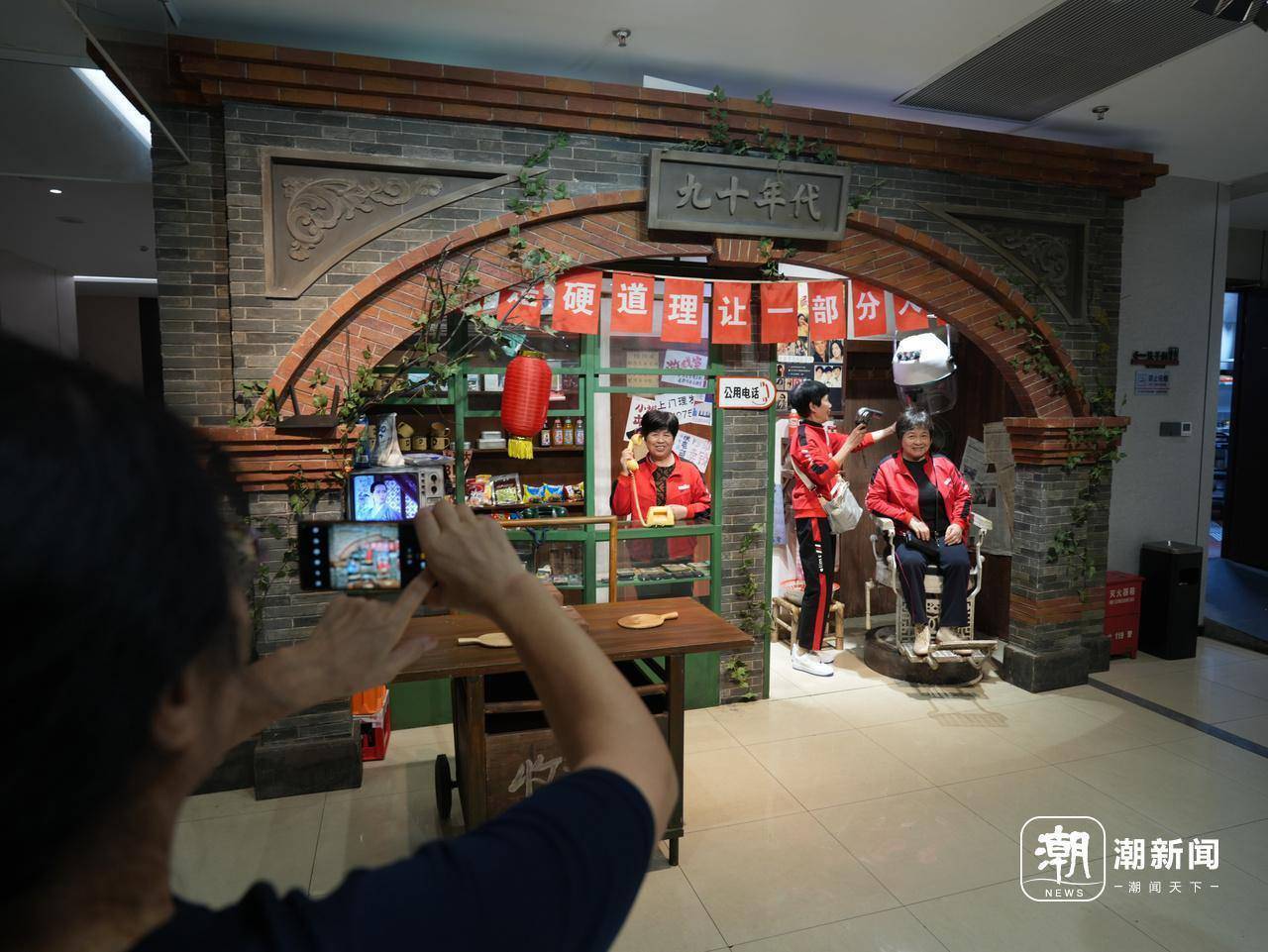
Group 1 - The core viewpoint highlights the transformation of the elderly demographic in China, emphasizing their shift from merely surviving to seeking vibrant and engaging lifestyles [2][3] - The establishment of social spaces like "壹天俱乐部" in Ningbo, which has attracted over 130,000 elderly visitors in just a year and a half, illustrates the growing demand for social interaction among seniors [2] - The elderly toy market has seen a significant increase, with sales of "老年+" series products growing approximately 30% year-on-year in the first three quarters of this year, indicating a shift in consumer preferences [2][3] Group 2 - Data shows that elderly tourism services, sports health services, and cultural entertainment activities have experienced year-on-year revenue growth of 26.2%, 23.9%, and 20.7% respectively, reflecting a broader trend of the elderly moving from "养老" (elderly care) to "享老" (enjoying old age) [3] - The need for innovative products tailored to the elderly is emphasized, as traditional "silver economy" offerings often lack genuine engagement and creativity, leading to a call for continuous product innovation [3][4] - Examples of innovative products include AI companion dolls and magnetic puzzles that cater to the physical and psychological needs of the elderly, highlighting the importance of understanding their unique requirements [4]
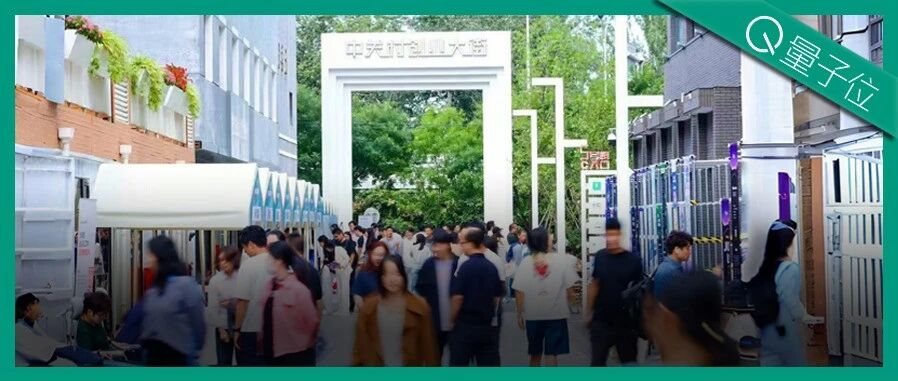
Vibe之下,AI之上:海淀创新生态的“社区”引力法则
量子位· 2025-09-24 03:32
Core Viewpoint - The 2025 AI Creator Carnival in Haidian, Beijing, is a significant event showcasing the district's leadership in AI innovation and community engagement, emphasizing the importance of collaboration and open participation in the AI ecosystem [2][10][30]. Group 1: Event Overview - The carnival features over 40 sub-forums, more than 100 co-creation units, and hundreds of invited guests, impacting tens of thousands of participants [4][10]. - Activities are spread across five main areas: main venue, sub-forums, markets, hackathons, and talent corners, creating a vibrant atmosphere for AI enthusiasts [5][8]. - The event aims to break traditional boundaries, fostering a community-oriented and cross-disciplinary approach to AI innovation [3][15]. Group 2: Haidian's AI Ecosystem - Haidian contributes over 25% of Beijing's GDP and hosts top universities and research institutions, making it a hub for AI development [9][26]. - The district has registered 105 large models, accounting for over 70% of the national total, and houses 80% of the world's leading AI scholars [9][35]. - The AI ecosystem in Haidian is characterized by a full-cycle support system, from concept validation to project incubation and talent cultivation [24][32]. Group 3: Community and Talent Engagement - The carnival emphasizes attracting young talent through an open community format, encouraging participation and collaboration [38][40]. - Various activities, such as late-night talks and career consultations, aim to create a vibrant environment for networking and knowledge sharing [20][39]. - Haidian is implementing systematic policies to retain young talent, including housing support and career development platforms [39][40]. Group 4: Investment and Innovation - The event serves as a platform for startups to connect with investors, facilitating direct communication and funding opportunities [41][42]. - Haidian's approach integrates innovation and investment, creating a robust capital supply system to support AI development [42][44]. - The district's modern industrial system focuses on AI as a leading industry while promoting emerging sectors like biotechnology and smart manufacturing [46][47]. Group 5: Future Prospects - The carnival represents a step towards a sustainable AI ecosystem, where technology, talent, and capital converge [50][52]. - Haidian is positioned as not just a research hub but as an organizer and connector within the innovation ecosystem [51][53]. - The district is prepared to address key questions in the AI era, ensuring that creators, investors, and users find their place in the ecosystem [53][54].