Flyme Auto车机系统

Search documents
吉利投资魅族或已失败,Flyme能否担当重任?
Sou Hu Cai Jing· 2026-02-27 09:10
Core Viewpoint - Meizu's mobile business is set to terminate, with a formal exit from the market in March 2026, highlighting the challenges faced by Geely Holdings in integrating Meizu into its broader automotive and consumer electronics ecosystem [1][2]. Group 1: Business Performance and Strategy - Geely acquired Meizu in 2022 with the intention of creating a "mobile-vehicle-home" ecosystem, but the mobile business has contracted significantly, with market share dropping below 1% and continuous losses reported [2][5]. - In 2025, Meizu's mobile sales plummeted to 980,000 units, a decline of over 40% year-on-year, resulting in a loss of 1.23 billion yuan, marking seven consecutive years of losses [2][6]. - The mobile business's operational challenges have led to a "death spiral" of declining sales, high costs, and increasing losses, with an average loss of 1,255 yuan per device sold [2][9]. Group 2: Financial Metrics - Geely's financial report for the first three quarters of 2025 shows a net profit of 13.11 billion yuan, while Meizu's ongoing losses have become a significant drag on overall performance [3]. - The smartphone market in China saw a slight decline in shipments, with major brands like Huawei, Apple, Vivo, Xiaomi, and OPPO capturing over 80% of the market share, leaving little room for smaller brands like Meizu [5][6]. Group 3: Supply Chain and Cost Issues - Meizu lacks bargaining power in the supply chain, facing component costs that are 15%-30% higher than leading brands, compounded by fixed expenses in R&D, channels, and marketing [9]. - The rising costs of smartphone components, including a 75% increase in memory prices in 2025, have severely impacted Meizu's profitability, leading to the cancellation of new product launches [6][9]. Group 4: Future Prospects - With the cessation of hardware development, Flyme is positioned as Meizu's core asset, with plans to transition it from a mobile OS to a smart cockpit system, aiming to leverage software capabilities to compensate for hardware losses [9][11]. - The future of Meizu is bifurcated into two potential paths: a successful transformation into a software service provider or a decline into a support role within Geely's automotive strategy, risking the loss of brand identity [12][13].



内存涨价压垮「小而美」:与小米缠斗17年的魅族,倒在了2026年
3 6 Ke· 2026-02-27 02:29
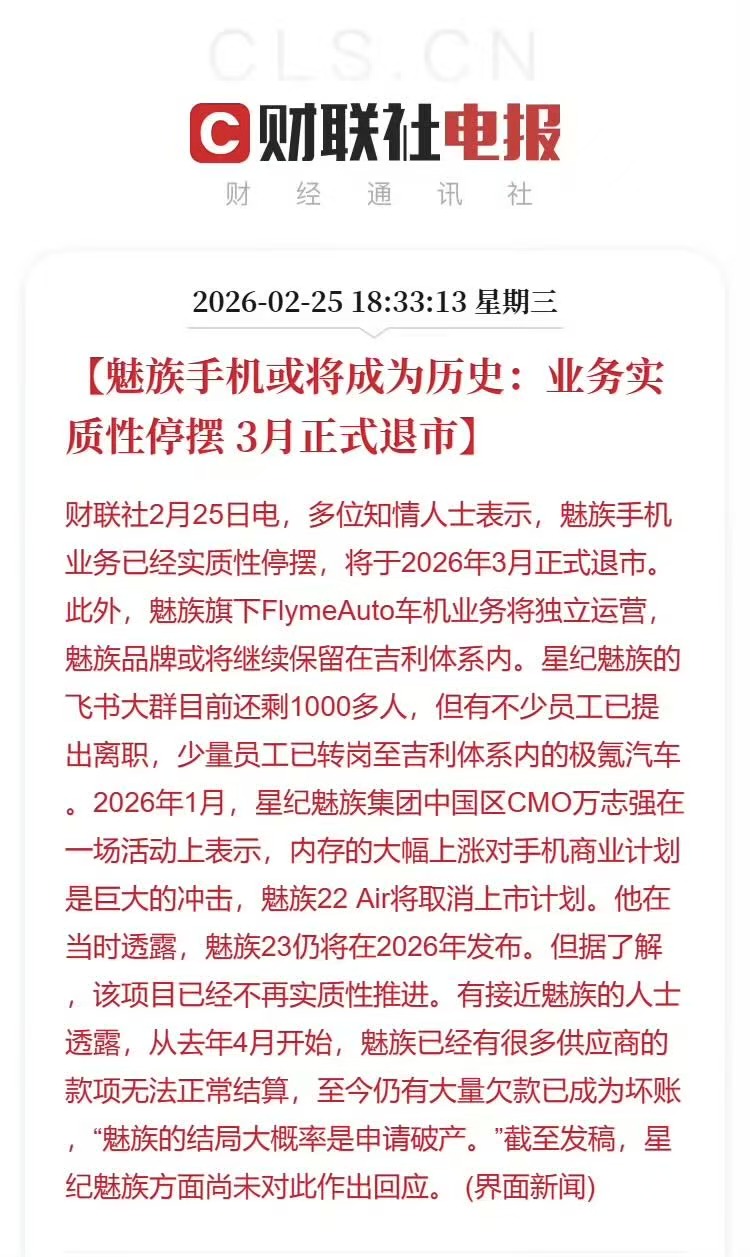
Core Insights - The first smartphone brand to be significantly impacted by rising memory prices is Meizu, which is set to cease its mobile phone operations and officially delist in March 2026 [1] - Meizu's Flyme Auto vehicle system will continue to operate independently, while the brand will remain under Geely's umbrella, albeit with all offline after-sales services discontinued [1] Group 1: Business Operations and Market Position - Meizu's mobile business has effectively come to a halt, with the anticipated flagship series Meizu 23 also facing suspension [3][5] - The brand has struggled to maintain a competitive position, failing to rank in the top five in sales for an extended period, and has lost consumer consideration [5][6] - Meizu's market share plummeted to 0.1% by early 2022, with reports indicating long-term losses in its mobile business [27] Group 2: Historical Context and Evolution - Meizu launched its first smartphone, the M8, in 2009, positioning itself as a unique player in a market dominated by imitation devices [6][10] - The brand's innovative approach, such as the introduction of the Flyme UI, initially set it apart but later faced challenges as consumer preferences shifted towards value for money [10][11] - The introduction of the Meizu MX series marked a significant moment in the brand's history, but it struggled to keep pace with competitors like Xiaomi and Huawei [11][13] Group 3: Strategic Decisions and Challenges - Meizu's decision to cut its popular sub-brand Meilan was seen as detrimental, as it eliminated a significant source of revenue and market share [22][31] - The brand's partnership with Alibaba led to a temporary boost in sales, but subsequent strategic missteps resulted in a decline in profitability and market relevance [34] - The company faced supply chain pressures and competition from larger brands, which ultimately contributed to its decline [17][19] Group 4: Future Outlook - Following its acquisition by Geely, Meizu aimed to pivot towards AI and smart terminal products, indicating a potential shift away from traditional smartphone offerings [29][31] - The brand's legacy may now be more associated with its Flyme Auto system rather than its mobile phones, marking a significant transformation in its business model [34][35]
魅族手机业务终谢幕:坚守“小而美”,难敌行业残酷竞争
3 6 Ke· 2026-02-26 02:33
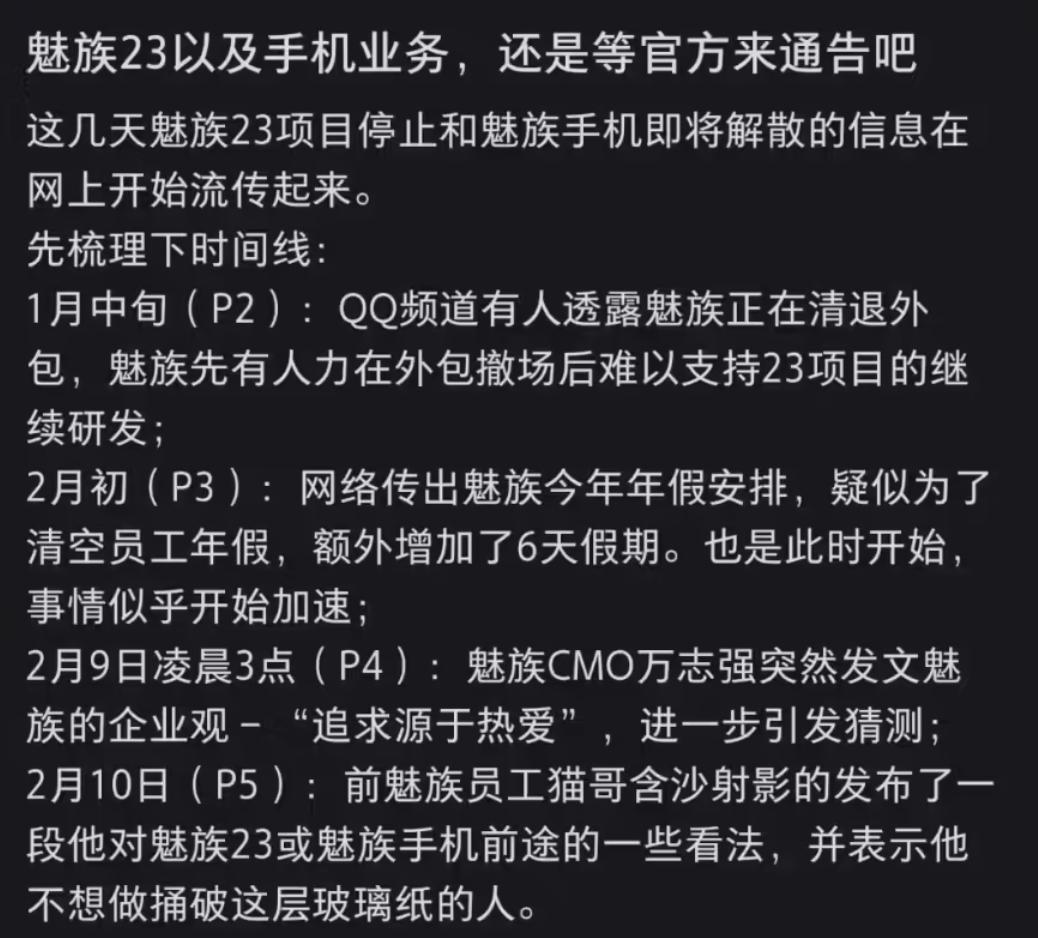
Core Viewpoint - The news highlights the complete termination of Meizu's mobile phone business, marking the end of a once-prominent Chinese smartphone brand that struggled to compete in a fiercely competitive market [3][4]. Group 1: Business Termination - Meizu's mobile phone operations have been fully halted, with plans for the Meizu 23 series, originally set to launch in 2026, now abandoned [3]. - The company will complete a full channel clearance and delisting by March 2026, with core teams in R&D, supply chain, and marketing being entirely laid off [3]. - Only a small number of employees will transition to Geely's Zeekr automotive division [3]. Group 2: Historical Context - Founded in 2003, Meizu initially gained traction in the consumer electronics sector with MP3 players and later transitioned to smartphones, launching the M8 in 2009, which achieved sales of over 500 million yuan within five months [4]. - The introduction of the Meizu brand in 2014 targeted young consumers, and a strategic investment from Alibaba in 2015 led to a significant sales increase, with 20 million units sold that year, a 350% year-on-year growth [4]. Group 3: Strategic Missteps - After 2016, Meizu's management made critical strategic errors, including a misguided attempt to emulate the offline expansion strategies of competitors, which increased operational costs without corresponding sales growth [4]. - The loss of key R&D personnel disrupted product development, particularly during the critical transition from 4G to 5G, leading to missed opportunities in both high-end and mid-range markets [4][5]. - A shift to MediaTek chips due to a patent dispute with Qualcomm resulted in performance issues, causing a decline in brand loyalty and user trust [5]. Group 4: Market Dynamics - By 2025, Meizu's sales plummeted to under one million units, a decline of over 40% year-on-year, with market share dropping from approximately 2% to below 1.27% [5]. - The domestic smartphone market has become saturated, with major brands like Apple, Huawei, Xiaomi, and OV controlling 92.3% of the market, leaving minimal space for smaller brands like Meizu [5]. Group 5: External Challenges - Rising material costs, particularly for storage chips driven by AI demand, further hindered Meizu's product development, leading to the cancellation of the Meizu 22 Air launch [6]. - The acquisition by Geely in 2022, which was initially seen as a potential turnaround, ultimately did not prioritize the mobile business, leading to further marginalization of Meizu [9]. Group 6: Leadership and Future Prospects - Frequent changes in the executive team, including the departure of the original CEO and other key leaders, exacerbated the company's struggles [10]. - Despite attempts to seek partnerships with companies like ByteDance, no substantial collaborations were established, indicating a lack of viable paths forward [10]. - The ongoing layoffs and the impending dissolution of the mobile division signal the end of Meizu's presence in the smartphone market after over two decades [11][12].
银河星耀6:客户选60km低配当油车开,竞品超过60%是比亚迪
车fans· 2025-11-24 00:31
Core Viewpoint - The article discusses the recently launched Galaxy Star 6 from Geely, highlighting its pricing, features, and market reception. Pricing and Availability - The Galaxy Star 6 is priced between 74,800 to 105,800 yuan, with a total of 7 configurations available [3] - The vehicle arrived at dealerships at the end of September, with only 3 units initially available, and subsequent deliveries based on pre-orders to avoid excess inventory pressure [2] Customer Incentives - Notable customer incentives include a 6,000 yuan trade-in subsidy, a 50,000 yuan interest-free loan for 2 years, and complimentary charging station installation for specific models [5] - Additional promotional offers include free upgrades for certain configurations, such as a 14.6-inch display and L2 driving assistance features [6] Market Reception - Customer foot traffic has decreased significantly, with only 8 to 9 groups visiting daily during the National Day period, and fewer specifically inquiring about the Galaxy Star 6 [7] - Feedback from potential customers indicates concerns about the vehicle's pricing and the non-independent suspension system, which some perceive as less premium [9][21] Competitive Landscape - The Galaxy Star 6 is compared against competitors like BYD Qin Plus, with many customers favoring BYD due to its independent suspension and better pricing [12][16] - The vehicle's advantages include its GEA globalized new energy architecture and a high-efficiency hybrid engine, while disadvantages include its non-independent suspension and lack of price flexibility [18][21] Financial Policies - The manufacturer offers a financial policy that includes a 50,000 yuan loan with a 2-year interest-free option, making the vehicle more accessible for buyers [25] Timing for Purchase - With national and provincial subsidies having ceased, potential buyers with trade-in vehicles may consider waiting, while first-time buyers or those in urgent need of a vehicle may find it a good time to purchase [26] Sales Insights - Sales representatives express concerns over the high initial pricing set during pre-sales, which may deter potential customers [28] - The vehicle's overall build quality and driving experience are noted as positive aspects, with a focus on its spaciousness and practical features [29]
第三代吉利豪越L图片发布
Zhong Guo Zhi Liang Xin Wen Wang· 2025-10-31 06:37
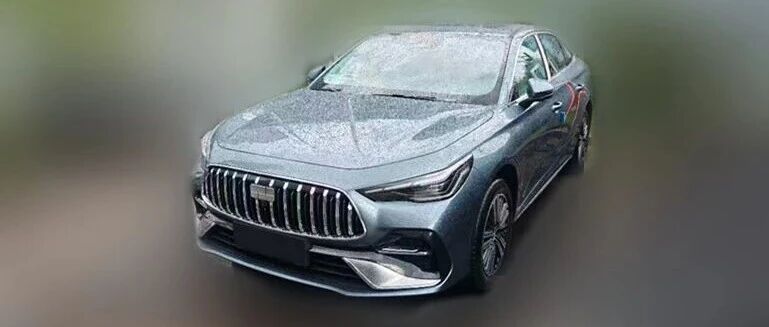
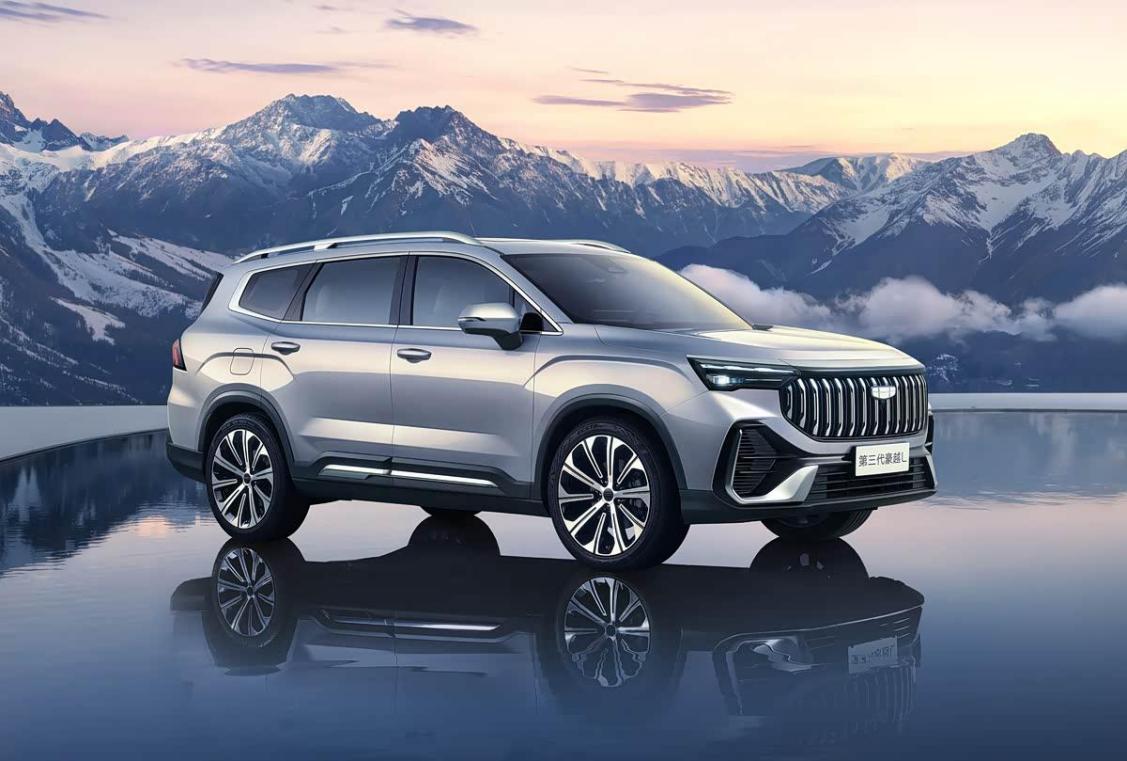
Core Insights - Geely Auto has unveiled the exterior and interior design of the third-generation Haoyue L, positioning it as a mid-size SUV equipped with the Flyme Auto intelligent cockpit system, offering three seating configurations: 5, 6, and 7 seats [1][4]. Design and Dimensions - The exterior design follows the "Tian Di Mei Xue" family aesthetic, featuring a new front grille with vertical chrome strips that integrate with the headlight assembly, creating a visually powerful and fashionable effect [1]. - The vehicle's dimensions are 4865mm in length, 1910mm in width, and 1770mm in height, with a wheelbase of 2825mm [1]. Side and Rear Design - The side profile incorporates a dual waistline design and is equipped with 20-inch multi-spoke wheels, enhancing its muscular appearance [3]. - The rear features a continuous taillight design with segmented light sources and dual exhaust decorations [3]. Interior Features - The interior maintains the current design with two color options: warm sun brown and moon shadow gray. It includes a 14.6-inch floating central control screen and a 10.2-inch floating LCD instrument panel, powered by the Flyme Auto system for a smooth and intelligent user experience [4]. - The seating layout offers flexibility for different family needs across various scenarios [4]. Powertrain - The third-generation Haoyue L is expected to be powered by a 1.5T engine, delivering a maximum power output of 133 kW, and is likely to be paired with a 7-speed wet dual-clutch transmission [4].
2025成都车展:中国星全新东方曜系列首次亮相,为燃油车高价值而战
Xin Lang Cai Jing· 2025-09-04 10:02
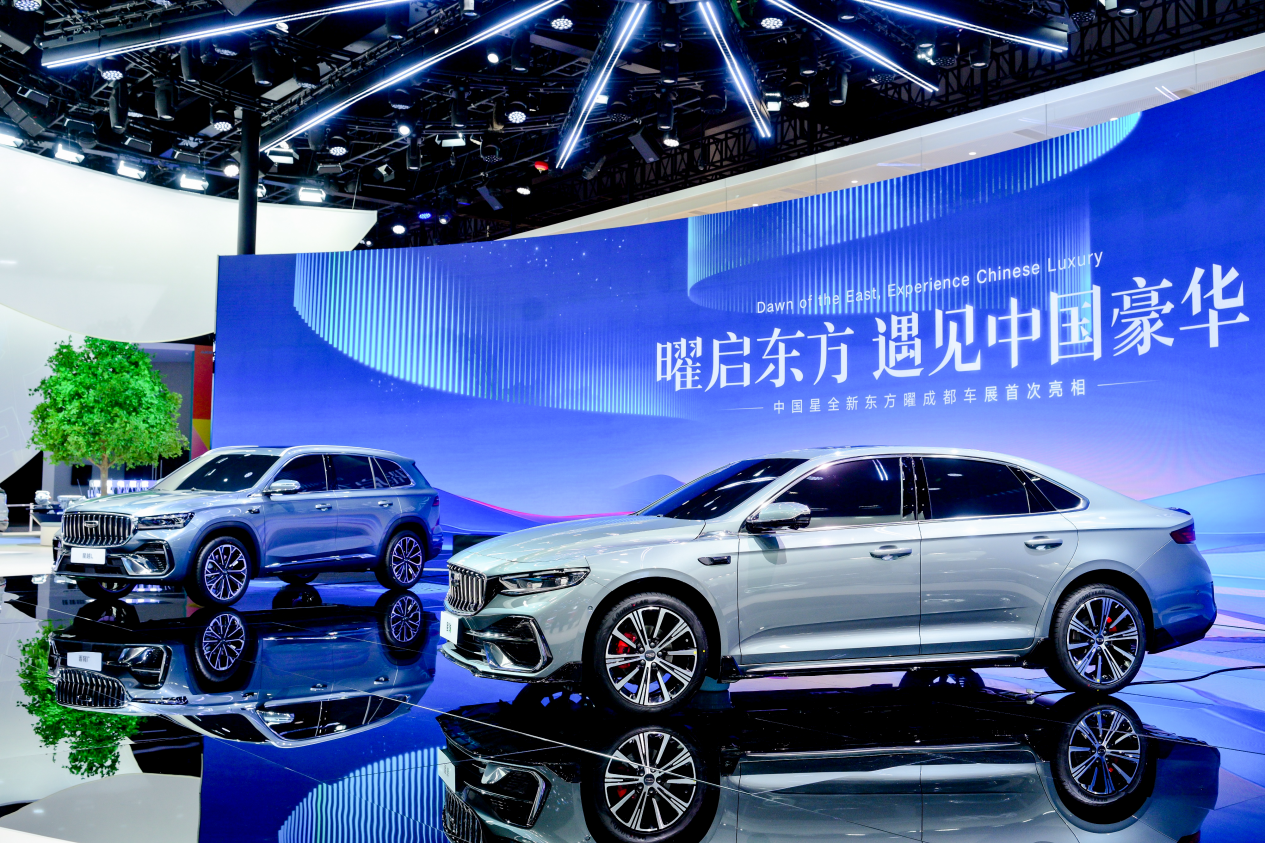
Group 1 - Geely Auto showcased its new fuel vehicle series, the China Star Dongfang Yao, at the 2025 Chengdu International Auto Show, emphasizing a luxury standard for fuel vehicles [1] - The new series is built on five core advantages: Chinese design, intelligent technology, extreme driving control, enhanced comfort, and Chinese-style safety, aimed at improving the driving experience [1] - The vehicles feature the GEEA 3.0 electronic architecture and Flyme Auto system, introducing advanced driving assistance with the Qianli Haohan H3 solution, achieving a 0-100 km/h acceleration in as fast as 6.5 seconds [1] Group 2 - Despite the dominance of new energy vehicles in China's automotive industry, Geely continues to invest in fuel vehicles, recognizing the ongoing demand in the market [3] - Data shows that in the first half of 2025, fuel vehicle sales still accounted for a significant portion of the Chinese passenger car market [3] - As of July this year, Geely's China Star series has sold over 1.6 million units, making it the fastest high-end fuel vehicle series to reach the million-unit club in the 100,000-200,000 unit market segment [3]
今日新闻丨岚图汽车即将登陆港股!吉利银河M9 19.38万起开启预售!东风风行星海V9越享上市,售价17.99-19.99万元!
电动车公社· 2025-08-23 15:39
Group 1 - Lantu Automotive is set to list on the Hong Kong Stock Exchange through an introduction listing, with Dongfeng Group simultaneously completing its privatization and delisting [1][3] - Dongfeng Group will distribute its 79.67% stake in Lantu Automotive to all shareholders, followed by a cash compensation for minority shareholders, with an overall acquisition price of HKD 10.85 per share, including HKD 6.68 in cash and HKD 4.17 in Lantu equity [3] - Lantu achieved quarterly profitability last year, showing significant improvements in brand, product, technology, and channel capabilities, which is reflected in its sales performance [6] Group 2 - Dongfeng Fengxing's Xinghai V9 Yuexiang series has been launched, with prices ranging from RMB 179,900 to RMB 199,900 [4][6] - The new model features a design inspired by Eastern aesthetics, with dimensions of 5230mm in length, 1920mm in width, and 1820mm in height, positioning it as a 7-seat large plug-in hybrid MPV [8] - The vehicle is equipped with a 12.3-inch central control screen, Qualcomm 8155 chip, and a dual-layer soundproof glass, among other features [10] - The powertrain includes a Mahle dual-engine hybrid system with a 1.5T engine achieving a thermal efficiency of 45.18%, a 150kW electric motor, and a 34.9kWh lithium iron phosphate battery, offering a WLTC fuel consumption of 6.2L/100km and a pure electric range of 200km [13] Group 3 - Geely's Galaxy M9 has opened for pre-sale, with prices ranging from RMB 193,800 to RMB 258,800 [3][22] - The new model adopts Geely's latest "Star Ripple" design philosophy, with dimensions of 5205mm in length, 1999mm in width, and 1800mm in height, featuring a 2+2+2 six-seat layout [16] - The interior includes a 30-inch 6K central control screen, a 32-inch AR-HUD, and a 27-speaker sound system, with all seats supporting electric adjustment [18] - The powertrain is based on the GEA architecture, featuring a new generation of Raytheon EM-P super hybrid system, with a maximum power of 520kW for the four-wheel-drive version and a 0-100 km/h acceleration time of 4.5 seconds [20]


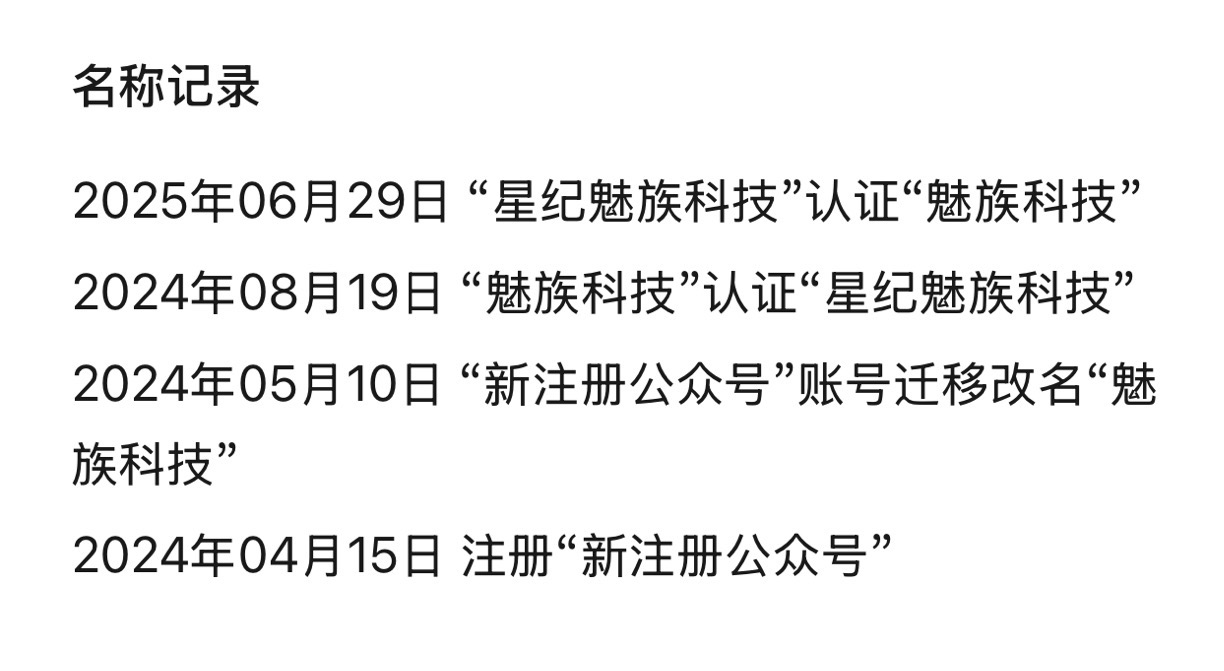
更名不到一年,“星纪魅族科技”改回原名“魅族科技”
Guo Ji Jin Rong Bao· 2025-07-01 14:41
Core Viewpoint - The recent rebranding of "Starry Meizu Technology" back to "Meizu Technology" raises questions about potential strategic adjustments within the company, occurring less than a year after a previous major rebranding effort [1] Group 1: Company Changes - The official accounts related to Meizu Technology have removed the "Starry" prefix, indicating a shift back to the original branding [1] - Personnel changes have been noted, with Huang Zhipan taking over as the legal representative and CEO of Zhuhai Starry Meizu Information Technology Co., Ltd., succeeding Su Jing [2] - The company structure shows that Zhuhai Meizu Technology Co., Ltd. and Hubei Starry Meizu Technology Co., Ltd. each hold a 50% stake in the company, with Huang Zhipan being the brother of the founder, Huang Zhang [2] Group 2: Strategic Developments - The rebranding coincides with the third anniversary of Geely's acquisition of Meizu Technology, which has led to significant structural changes and strategic investments [4] - The establishment of the Starry Meizu Group aimed to integrate various technologies, including automotive systems and XR technology, alongside traditional smartphone offerings [4] - The Flyme Auto system has achieved over 1.16 million sales in collaboration with various automotive brands, indicating a successful entry into the automotive technology market [4] Group 3: Product Focus and Market Position - Meizu has launched several AR smart glasses, but the domestic market for smart glasses remains underdeveloped, with no standout products achieving significant sales [5] - The company aims to regain a top position in the domestic mid-to-high-end smartphone market within three years, with plans to establish 1,000 integrated offline experience stores [6] - The upcoming Meizu 22 series is positioned as a flagship product focusing on AI capabilities and compact design, with a strategic shift towards enhancing camera performance [7]