
IP联名金饰

Search documents
黄金消费火热、春节不打烊,电商人一周三飞
Di Yi Cai Jing Zi Xun· 2026-02-20 16:40
Core Insights - The international gold price experienced significant volatility during the Chinese New Year, fluctuating around the $5000 per ounce mark, with a drop of over 2% on February 17 and a subsequent recovery the following day [2][3]. Group 1: Market Dynamics - The gold market in Shenzhen saw a stark contrast between a quiet physical retail environment and a bustling online business, with significant adjustments made to pricing in response to international gold price fluctuations [3][7]. - On February 18, the international gold price dropped to a low of $4853 per ounce, down $157 from the day's high of $5010 per ounce, prompting urgent price adjustments from online retailers [3][8]. - Despite the physical market being quieter than usual, online orders remained strong, with over 1000 orders for gold bars received on the morning of February 20 [3][8]. Group 2: Consumer Behavior - The demand for small-weight investment gold bars (1-10 grams) surged, indicating a shift in consumer preferences towards asset allocation and personal enjoyment rather than traditional holiday gifting [8][11]. - Young consumers showed a preference for small-weight gold jewelry and collaborative products, reflecting a changing mindset in gold consumption [8][11]. Group 3: Economic Factors - The surge in gold e-commerce during the holiday season was attributed to multiple factors, including lower-than-expected U.S. inflation data, renewed expectations for Federal Reserve interest rate cuts, and geopolitical tensions driving safe-haven investments into gold [11]. - Increased disposable income among consumers and the spending power of returning youth contributed to a revitalization of gold consumption in lower-tier markets [11].


春节黄金热:年轻人“无痛攒金”成理财新潮,有宝妈炒金浮亏6万多元
Di Yi Cai Jing· 2026-02-12 11:57
Core Insights - The upcoming Spring Festival is driving a surge in gold consumption, characterized by investment, gifting, and emotional purchases, with low-weight gold products and IP collaboration items seeing significant sales growth [1][4][12]. Group 1: Market Trends - The popularity of low-weight gold products, such as "mobile gold stickers," is on the rise, with emotional consumption and lower barriers to entry being key selling points [4][5]. - Sales of emotional value gold products have seen a 300% year-on-year increase in GMV as of 2026 [4]. - The trend of "buying gold beans" among young consumers is gaining traction, with low-weight gold items becoming a popular form of light investment [13]. Group 2: Pricing Strategies - Gold retailers are employing discount strategies to attract consumers during the Spring Festival, with some stores reducing gold prices by 100 yuan per gram [6][7]. - Despite discounts, some brands, like Chow Tai Fook, are planning to increase prices on certain products by 15% to 30% starting March 2026, focusing on high-margin items [7][8]. - The pricing strategy reflects a balance between maintaining profitability and responding to market demand, particularly for high-margin products that are less sensitive to price changes [8]. Group 3: Consumer Behavior - Investment in gold bars and coins is increasingly favored over gold jewelry, with a reported 35.14% increase in gold bar and coin consumption, while jewelry consumption has decreased by 31.6% [12]. - The emotional and cultural significance of gold products, especially in wedding and ceremonial contexts, continues to drive stable demand despite price fluctuations [8][12]. - The market is witnessing a split in consumer preferences, with traditional gold products maintaining steady demand while IP collaboration items face more volatility based on brand innovation and emotional value [8]. Group 4: Investment Dynamics - The recent volatility in gold prices has led to a more cautious approach among investors, with many opting for long-term accumulation strategies rather than short-term trading [15][17]. - The "accumulated gold" investment model is becoming popular among small investors, allowing for easier entry into gold trading [15][17]. - The market dynamics suggest that while emotional purchases are significant, the fundamental value of gold as a stable investment remains a priority for many consumers [12][15].

黄金IP联名款销售走热,为什么年轻人愿意买单?
Ren Min Ri Bao· 2026-01-21 05:42
Core Viewpoint - The rising gold prices have pressured traditional gold jewelry sales, yet young consumers are increasingly attracted to IP collaboration gold accessories, which combine emotional value and cultural identity [7][9][12]. Group 1: Market Trends - The collaboration between gold brands and popular IPs like Disney and various animated characters has significantly increased market interest and sales among younger consumers [7][22]. - Lightweight gold products, such as 0.1-gram gold pendants and 1.16-gram gold charms, are being marketed at various price points, making them accessible to a broader audience [8][9]. - The World Gold Council reports that the ownership rate of gold jewelry among consumers aged 18-24 has risen to 62% in 2025, up from 37% in 2019, indicating a shift in consumer demographics [10][25]. Group 2: Consumer Behavior - Young consumers are purchasing IP collaboration gold jewelry primarily for emotional satisfaction and social expression, rather than for investment purposes [9][24]. - The trend of "lightweight" and "shareable" gold products aligns with the younger generation's preference for self-expression and social sharing [12][27]. - The emotional value associated with these products is becoming a significant factor in purchasing decisions, as they are seen as symbols of personal identity and cultural connection [12][27]. Group 3: Pricing and Profitability - Traditional gold jewelry prices have increased significantly, with major brands like Chow Tai Fook and Lao Miao Gold seeing prices rise to around 1400 RMB per gram by 2026 [11][26]. - IP collaboration products often use a fixed pricing model, which provides more stable profit margins for brands and allows consumers to purchase gold items at lower price points, even amidst rising gold prices [11][26]. - The high-margin pricing of IP collaboration jewelry has led to strong sales performance, with some products achieving sales of nearly 100 million RMB within weeks of launch [9][24]. Group 4: Industry Challenges and Opportunities - Traditional gold jewelry companies must adapt to a market that increasingly values design, cultural significance, and emotional connection over mere material weight [14][29]. - The industry is being pushed to innovate in design and product offerings to attract younger consumers, who are looking for more than just traditional gold jewelry [14][29]. - The shift towards lightweight and culturally relevant gold products is expected to continue, creating new opportunities for brands to engage with younger audiences [14][29].

当黄金遇上“二次元”
Ren Min Ri Bao· 2026-01-20 19:09
Core Insights - The rising gold prices have pressured traditional gold jewelry sales, yet young consumers are increasingly attracted to fun and cute gold accessories featuring popular IP collaborations, driving market enthusiasm [3][6][10] - The trend of lightweight and emotionally resonant gold products is reshaping consumer behavior, with younger buyers prioritizing emotional value and social expression over traditional investment considerations [6][9][11] Group 1: Market Trends - Young consumers are showing a preference for gold jewelry that incorporates popular culture elements, such as Disney and anime characters, which enhances the appeal of gold products [3][4] - The introduction of various product forms, including lightweight gold pendants and unique gold pieces, caters to the demand for affordable yet visually appealing items [4][5] - Sales records for IP collaboration gold jewelry indicate a strong market response, with some products selling out within hours and generating significant revenue shortly after launch [6][10] Group 2: Consumer Behavior - The emotional connection and cultural identity associated with IP collaboration gold jewelry resonate with young consumers, who are willing to purchase these items for their aesthetic and sentimental value [6][7] - The World Gold Council reports a significant increase in gold jewelry ownership among consumers aged 18 to 24, rising from 37% in 2019 to 62% [7] - The shift in consumer perception of gold from a traditional asset to an emotional symbol and social accessory reflects changing purchasing motivations among younger demographics [9][11] Group 3: Industry Dynamics - Traditional gold jewelry brands are urged to adapt by focusing on design aesthetics and emotional value rather than solely on material weight [11] - The market is witnessing a trend towards lighter, more creatively designed gold products, which are expected to attract younger consumers and enhance profit margins for retailers [9][11] - The integration of cultural elements and innovative designs in gold products is essential for brands to remain relevant and appealing to the evolving preferences of young consumers [10][11]


实探:“痛金”迅速走红!业内呼吁尽快出台规范措施
证券时报· 2025-08-23 15:08
Core Viewpoint - The article discusses the rising popularity of "pain gold" (痛金) in the gold market, particularly among younger consumers, as a form of emotional consumption that combines investment and personal expression [1][2][6]. Group 1: Market Trends - The upcoming "Qixi" festival marks a traditional peak season for gold consumption, with the market maintaining a certain level of activity despite consumers becoming more cautious [1][9]. - "Pain gold" has gained significant traction, with related jewelry becoming bestsellers, reflecting a shift in consumer preferences towards products that offer both emotional value and investment potential [1][5][6]. - The browsing volume for "pain gold" topics on social media has surpassed one million, indicating strong interest and engagement from consumers [5]. Group 2: Consumer Behavior - Young consumers, particularly those aged 18 to 24, show a high ownership rate of gold jewelry at 62%, a significant increase from 37% in 2019, highlighting a growing trend in gold consumption among this demographic [6]. - Consumers are increasingly cautious, waiting for gold prices to drop before making purchases, and showing a preference for lower-cost products like gold beans and small gold bars due to their lower processing fees [9][11]. - The pricing strategy for "pain gold" varies significantly, with many items priced per piece rather than by weight, often leading to higher prices due to design premiums and copyright costs [5][6]. Group 3: Industry Response - Major gold brands are launching promotional activities and new product lines to attract younger consumers, with collaborations with popular IPs in anime and gaming becoming a key strategy for growth [5][6]. - Despite high international gold prices, which have remained stable for four months, demand for lightweight, high-design jewelry continues to thrive, contributing positively to the profitability of retailers [11]. - Analysts suggest that while "pain gold" can yield significant short-term profits, companies should focus on building stable emotional connections with consumers to ensure long-term success [6].
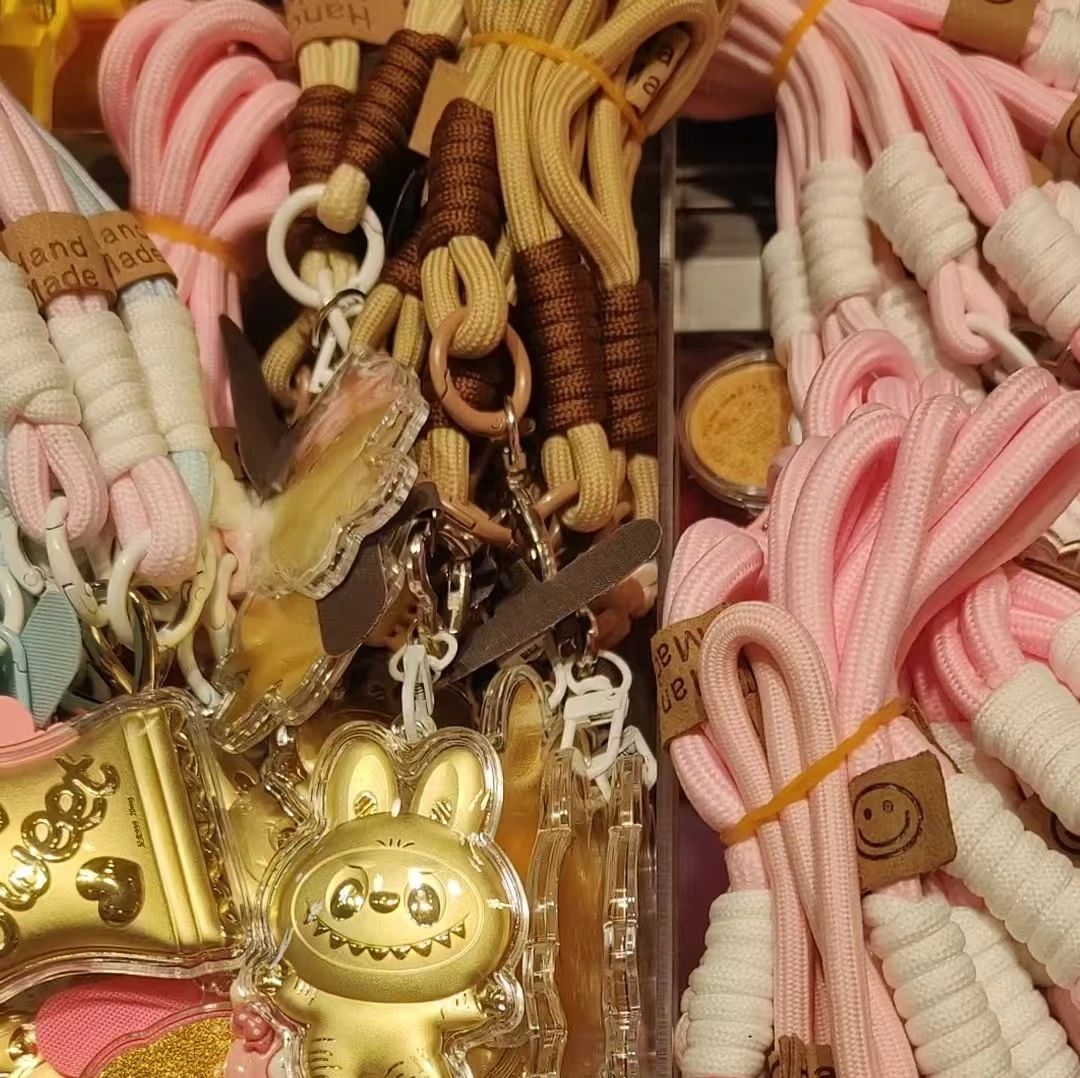
二次元“入侵”金饰,“痛金”带火黄金“谷子”
3 6 Ke· 2025-08-12 01:08
Core Insights - The rising gold prices over the past three years have led to increased interest in gold jewelry, creating a "gold fever" among consumers [1] - The trend has extended into the "二次元" (two-dimensional) culture, with major gold brands targeting young consumers who are fans of anime and gaming [1] - Brands like Chow Tai Fook, Lao Feng Xiang, and others have launched IP collaboration gold jewelry, integrating popular characters and themes from various franchises [1] Retail Market Dynamics - The retail price of gold jewelry has surpassed 1000 yuan per gram, making it unaffordable for many consumers [1] - IP collaboration gold jewelry is sold at a premium, with prices ranging from 1300 yuan to 2800 yuan per gram, significantly higher than the standard gold price of around 1020 yuan per gram [2][4] - For example, the Chow Tai Fook Chiikawa collaboration piece is priced at 2800 yuan per gram, which is 2.76 times the market price [2][4] Consumer Behavior - Social media platforms like Xiaohongshu (Little Red Book) play a crucial role in promoting IP collaboration gold jewelry, with many users expressing interest and sharing their purchases [2][8] - Despite the hype, actual foot traffic in physical stores remains low, indicating that the consumer base for these products is still limited [6] - Some consumers are opting for custom-made gold jewelry from goldsmiths, which can be more affordable and unique compared to branded IP collaboration pieces [6] Market Trends and Challenges - The Chinese Gold Association predicts a decline in gold consumption, particularly in gold jewelry, due to high prices, with a projected drop of 26% year-on-year [10] - The high prices of IP collaboration gold jewelry are attributed to licensing fees and advanced manufacturing techniques, which may not translate to higher resale value [5][9] - The resale market for IP collaboration gold jewelry is uncertain, with many pieces losing value once they become widely available [10]

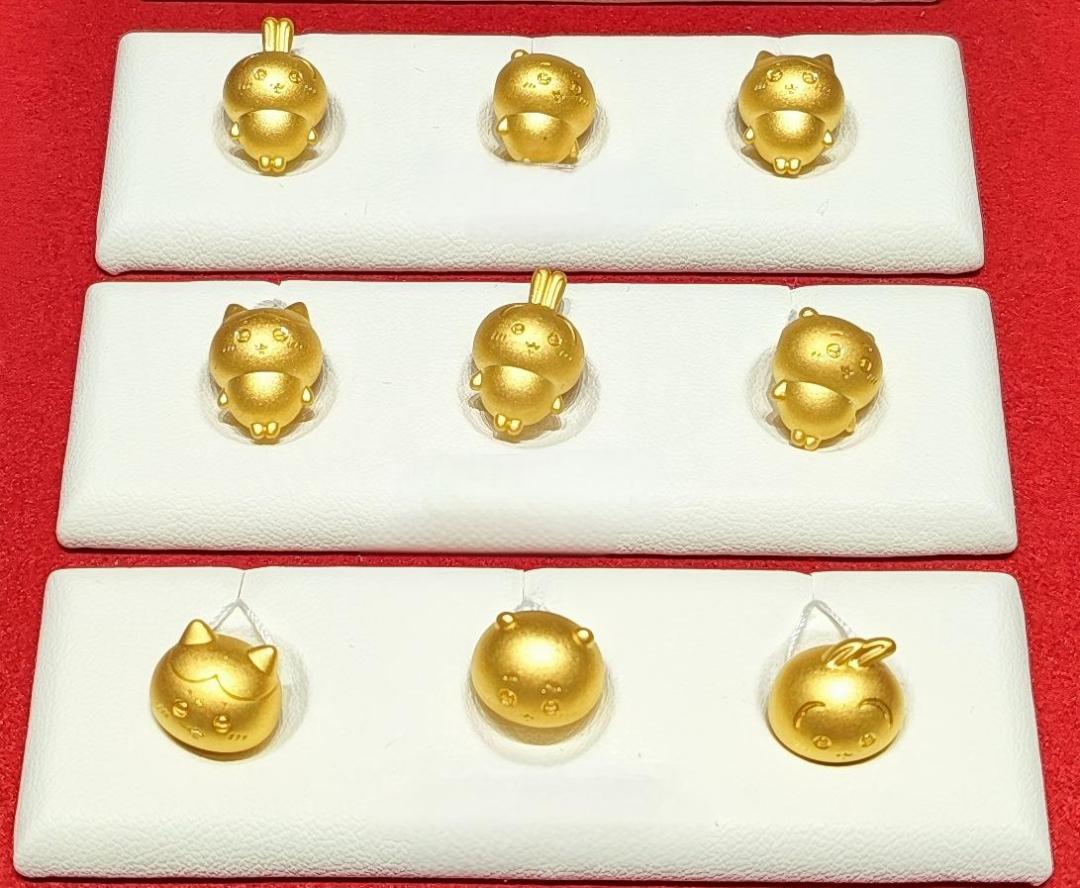
年轻人群引领黄金消费新潮流
Zhong Guo Zheng Quan Bao· 2025-08-07 21:11
Group 1 - The gold jewelry industry is experiencing a transformation with a focus on brand upgrades and consumer preferences shifting towards innovative and differentiated products [1][4] - Young consumers are increasingly driving demand for gold jewelry, moving from a singular focus on value preservation to a multi-faceted approach that includes cultural recognition and emotional value [1][2] - The rise of IP collaborations in gold jewelry, particularly appealing to younger demographics, is becoming a significant growth engine for the industry [2][3] Group 2 - Companies are enhancing their product offerings by integrating cultural and emotional values, aiming to create unique products that resonate with younger consumers [3][4] - The industry is transitioning from a focus on store expansion to prioritizing product quality and brand differentiation, reflecting a shift in consumer expectations [4] - The emergence of brands like Laopu Gold is leading the industry towards a more brand-centric and high-end development model, which is expected to increase customer loyalty and profitability [4]