openEuler

Search documents
Portfólio SuperPoD od Huawei prináša novú možnosť pre globálne výpočty na MWC Barcelona 2026
Prnewswire· 2026-03-02 04:39
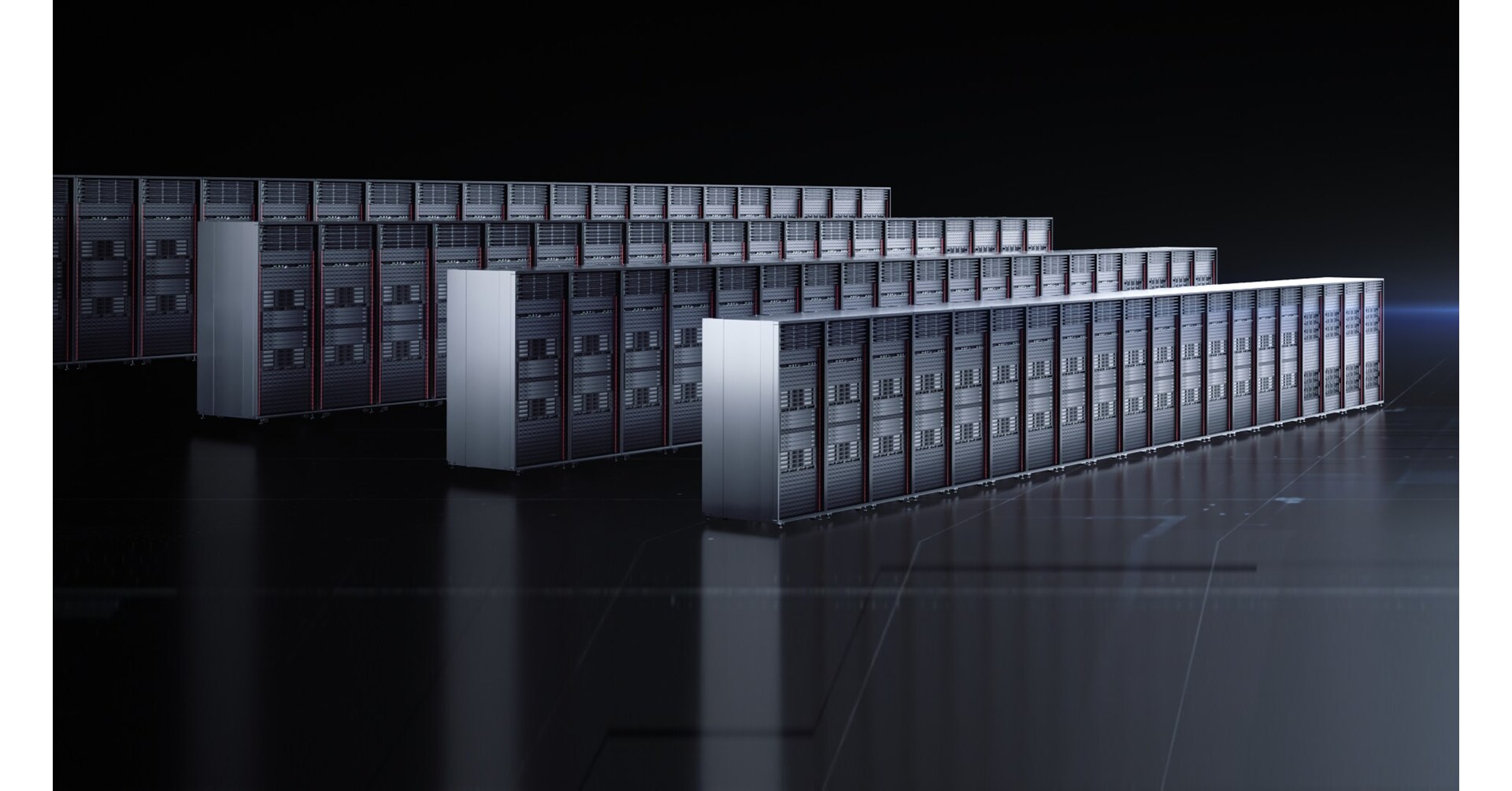
Core Viewpoint - Huawei introduces its latest SuperPoD products at MWC Barcelona 2026, aiming to establish a resilient computing foundation and create new opportunities globally through open-source collaboration and technological innovation [1]. Group 1: Product Launch and Features - Huawei showcases the Atlas 950 SuperPoD, TaiShan 950 SuperPoD, and a series of computing solutions designed to meet the increasing demand for high-performance computing in AI applications [1]. - The Atlas 950 SuperPoD connects up to 8192 NPUs via UnifiedBus, providing ultra-high bandwidth, ultra-low latency, and unified memory addressing, functioning as a single logical unit for learning, reasoning, and information processing [1]. - The TaiShan 950 SuperPoD is highlighted as the first universal computing SuperPoD in the industry, alongside next-generation servers like TaiShan 500 and TaiShan 200, offering flexible computing options for workloads ranging from high to low intensity [1]. Group 2: Open Source and Ecosystem Development - Huawei emphasizes its commitment to open-source software and systems, aiming to accelerate developer innovation and ecosystem prosperity [1]. - The company plays a key role in the development of openEuler, which has rapidly become one of the leading global open-source operating system communities [1]. - Huawei has made its heterogeneous computing architecture CANN fully accessible, allowing all software components to be openly available for developers, thus supporting various open-source communities and projects [1].

从“参与”到“主导”:华为开源之路越走越宽
Sou Hu Cai Jing· 2026-02-27 11:44
Core Insights - Huawei has rapidly evolved from using open-source software to becoming a major contributor to various large open-source projects since 2010, with over 6,000 employees involved in development [1][3]. Group 1: Open Source Contributions - Huawei is a top player in the global open-source field, being a founding member of several prominent international open-source foundations and contributing core code to many communities [3]. - The company has initiated over ten significant open-source projects, particularly in foundational software, which has garnered widespread support from global developers [3]. Group 2: AI and Computing Frameworks - Huawei's CANN architecture, launched in 2019, facilitates AI developers in utilizing underlying computing power and is set to be fully open-sourced by 2025, allowing clients to optimize their usage [4]. - The CANN community is actively collaborating with universities to cultivate professional talent, enhancing the AI ecosystem [4]. Group 3: Hardware and Software Ecosystem - Huawei's Kunpeng processor, launched in 2019, has made significant strides in supporting major open-source software, addressing the challenges posed by the dominance of X86 architecture [5]. - The company has developed the Kunpeng DevKit and BoostKit to improve computing performance through software-hardware synergy, boosting the Kunpeng ecosystem's attractiveness [5]. Group 4: Operating Systems and Databases - The openEuler operating system, based on Linux, has attracted over 2,100 enterprises and institutions, with more than 26,000 contributors, and is projected to exceed 16 million installations by the end of 2025 [6]. - Huawei's openGauss project, a relational database, is gaining traction in critical industries and will continue to enhance its capabilities to support distributed architectures and multi-modal data [7]. Group 5: Strategic Vision - Huawei's strategy in the computing sector focuses on hardware openness, software open-sourcing, enabling partners, and talent development to drive innovation in China's computing industry [7].

华为超节点赶超英伟达:驾驭“光”很关键
Guan Cha Zhe Wang· 2026-02-10 03:20
Core Insights - The emergence of SuperPods as a new AI computing infrastructure has become a focal point in the industry since 2025, with Huawei's Ascend 384 SuperPod leading the way in performance metrics compared to foreign competitors [1][3] - The demand for computing power is far from being met, with token consumption expected to exceed trillions daily in China, highlighting the inadequacy of simply stacking servers to address the computing gap [3][4] Group 1: SuperPod Characteristics - SuperPods are not merely about stacking chips; they represent a fundamental restructuring of traditional computing architectures, enabling equal interconnectivity among CPUs, NPUs, and memory units [4][6] - Key features of a true SuperPod include high bandwidth to eliminate communication delays, low latency, and the ability to form a logically unified system through unified memory addressing [6][7] Group 2: Efficiency and Performance - SuperPods can significantly enhance computing efficiency, with potential model utilization rates increasing from 30% to 45%, effectively a 50% improvement, which can help mitigate the limitations of chip manufacturing processes [7][8] - The architecture of SuperPods differs from traditional systems, as Huawei employs optical communication technology, allowing for greater scalability and interconnectivity compared to NVIDIA's copper-based systems [8][9] Group 3: Innovation and Ecosystem - Huawei's systematic innovation in chip design, optical components, and foundational protocols has positioned it uniquely in the market, leveraging over 20 years of experience in optical technology [9][12] - The company is also developing general computing SuperPods, with the TaiShan 950 SuperPod set to launch in Q1 2026, aimed at replacing various server applications [11][12] Group 4: Software and Community Engagement - The success of SuperPods relies not only on hardware but also on a robust software ecosystem, including open-source initiatives like CANN and openEuler, which are crucial for fostering industry collaboration [14] - Huawei has engaged a large developer community, with 3.8 million registered developers for Kunpeng and nearly 4 million for Ascend, emphasizing the importance of open-source collaboration in the AI era [14]

华为打造“最强超节点”,这项全球领先技术很关键
Guan Cha Zhe Wang· 2026-02-10 03:10
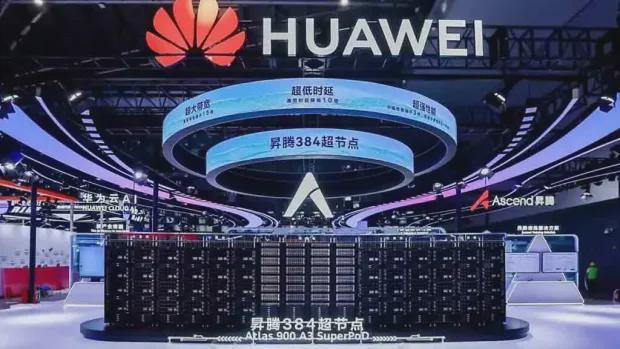
Core Viewpoint - The emergence of SuperPod as a new AI computing infrastructure has become a focal point in the industry since 2025, with Huawei's Ascend 384 SuperPod leading the way in performance metrics compared to foreign competitors [1][3]. Group 1: SuperPod Concept and Advantages - SuperPod is not merely about stacking chips; it represents a fundamental restructuring of traditional computing architecture, enhancing communication efficiency among CPU, NPU, and memory units [4][6]. - The key advantages of SuperPod over traditional clusters include significantly improved computational efficiency, with potential model computing utilization rates increasing from 30% to 45%, equating to a 50% performance boost [7][8]. Group 2: Technical Challenges and Innovations - Building a true SuperPod is complex; Huawei's Ascend 384 SuperPod consists of 12 computing cabinets and 4 bus cabinets, while NVIDIA's NVL72 system is confined to a single cabinet due to architectural differences [8]. - Huawei employs optical communication technology for interconnection, allowing for greater scalability beyond single cabinet limitations, while traditional systems face constraints with electrical signal transmission [8][9]. Group 3: Systematic Innovation and Ecosystem Development - Huawei's systematic innovation includes proprietary chip development, optical device capabilities, and foundational protocols, enabling the creation of SuperPods that leverage full optical interconnectivity [9][12]. - The company is also developing general computing SuperPods, such as the TaiShan 950, which aims to replace various server applications by 2026 [9][11]. - A robust software ecosystem, including open-source initiatives like CANN and openEuler, is essential for the operation of SuperPods, with a focus on collaborative development within the industry [14].

华为发布2025新年致辞:鸿蒙鲲鹏生态飞跃,AI与5G-A共筑数字未来
Xin Lang Cai Jing· 2025-12-30 11:09
Core Insights - Huawei's Vice Chairman and CFO Meng Wanzhou highlighted the company's achievements over the past year, particularly in supporting operators in advancing 5G-A network construction, benefiting 60 million users with high-speed and stable network connectivity [2][3] Ecosystem Development - The HarmonyOS ecosystem has significantly improved, with user experience evolving from "usable" to "good," and the number of devices running HarmonyOS 5.0 and above has surpassed 36 million [2][3] - The Kunpeng ecosystem continues to expand, attracting over 6,800 partner companies and 3.8 million developers [2][3] - The open-source operating system openEuler has seen a cumulative deployment of over 16 million sets [2][3] Artificial Intelligence Initiatives - The Ascend ecosystem has gathered over 3,000 partners and 4 million developers, with the Atlas 900 super node system being applied across various industries such as internet, finance, telecommunications, and electricity, reinforcing the digital infrastructure [2][3] Future Outlook - The acceleration of intelligent transformation presents profound strategic opportunities, although the path to strategic goals is filled with challenges and uncertainties [2][3] - The company emphasizes the importance of steadfast belief and resilience in navigating through transformations to gain initiative [2][3]
孟晚舟新年致辞:这些是华为2026年的主战场
Guan Cha Zhe Wang· 2025-12-30 03:07
Core Insights - Huawei's rotating chairman Meng Wanzhou highlighted the company's achievements in 2025, including advancements in 5G-A, HarmonyOS ecosystem, autonomous driving technologies, and AI applications in various industries [1][3] - The company aims to leverage long-term strategic opportunities presented by the wave of intelligent transformation, focusing on vertical industry operations and enhancing its ecosystem [1][3] Group 1: Achievements in 2025 - Huawei made significant progress in 5G-A construction and the HarmonyOS ecosystem, enhancing user experience and industry applications [1] - The company developed key technologies such as Kunpeng, openEuler, Ascend, and super nodes, contributing to AI implementation and green energy solutions [1] - Notable efforts included overcoming challenges in extreme environments, such as high temperatures and high altitudes, to ensure network reliability and service delivery [3][4] Group 2: Strategic Focus for 2026 - Huawei's 2026 strategy emphasizes strengthening vertical industry operations and leveraging its diverse capabilities to facilitate intelligent transformation across various sectors [1] - The company plans to build an open-source ecosystem around Kunpeng and Ascend, enabling partners to develop products that meet diverse industry needs [1] - Initiatives include integrating AI into communication networks, enhancing consumer experiences through the HarmonyOS ecosystem, and improving AI data center efficiency [1][3]
中科创达:子公司奥思维持续深化openEuler社区参与力度,年度PR合入达431个
Mei Ri Jing Ji Xin Wen· 2025-11-27 13:13
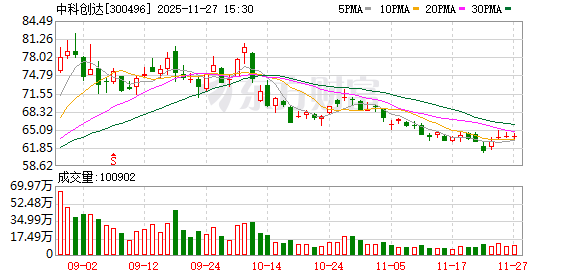
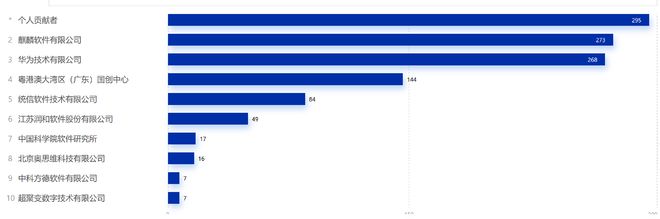
Core Viewpoint - The company, Zhongke Chuangda, has received recognition for its contributions to the openEuler community, indicating a strong commitment to open-source technology and collaboration in key technical areas [2] Group 1: Company Achievements - The subsidiary, Aosiwei, has been awarded the title of "Outstanding Contribution Unit" by the openEuler community [2] - Aosiwei has integrated 431 annual pull requests (PRs) into the openEuler community, ranking 11th in contributions [2] Group 2: Areas of Collaboration - The company is deeply involved in several critical technology fields, including Python, OpenStack, AI, and Networking [2]

当开放成为共识,创新的边界正在被重新定义
Sou Hu Cai Jing· 2025-11-19 13:05
Core Insights - The core theme of the forum is "Open Drives Innovation," emphasizing the shift from competition to collaboration in the realm of intellectual property and innovation [1][10][12] Group 1: Forum Overview - The sixth Huawei Innovation and Intellectual Property Forum gathered representatives from various international organizations and companies to discuss the role of intellectual property in fostering collaborative innovation [1][2] - Huawei's Chief Legal Officer, Song Liuping, highlighted that the essence of intellectual property is not exclusivity but rather the orderly and efficient dissemination of innovative results [2][4] Group 2: Huawei's Contributions - As of the end of 2024, Huawei has obtained over 150,000 valid patents globally, with R&D investment exceeding 20% of annual revenue, totaling over 1.2 trillion yuan in the past decade [4][7] - The forum showcased Huawei's "Top Ten Inventions" for 2024, which include significant technological advancements such as the Scale Up ultra-large-scale computing platform and the HarmonyOS full-stack architecture [4][6] Group 3: Knowledge Sharing and Collaboration - The upgraded "Chasi Patents" platform was introduced, enhancing patent search and analysis capabilities, thereby accelerating knowledge flow and innovation [6][9] - Huawei's commitment to open innovation is reflected in its extensive participation in global ICT standards and its collaboration with international licensing platforms, generating over $630 million in patent licensing revenue in 2024 [8][9] Group 4: Open Innovation Strategy - Huawei's strategy emphasizes that knowledge sharing enhances social value rather than diminishing rights, promoting a cycle where patent protection leads to commercial returns that fund further R&D [9][10] - The forum underscored the importance of establishing standardized interfaces and shared platforms to make innovation more efficient and inclusive [10][12] Group 5: Future Implications - The discussions at the forum suggest that open innovation is becoming a dominant theme in global technological collaboration, with the potential to significantly enhance cross-industry integration [10][12] - The evolving landscape of technology, including AI and quantum computing, presents challenges in establishing sustainable cooperation mechanisms, highlighting the need for intellectual property to serve as a bridge rather than a barrier [10][12]
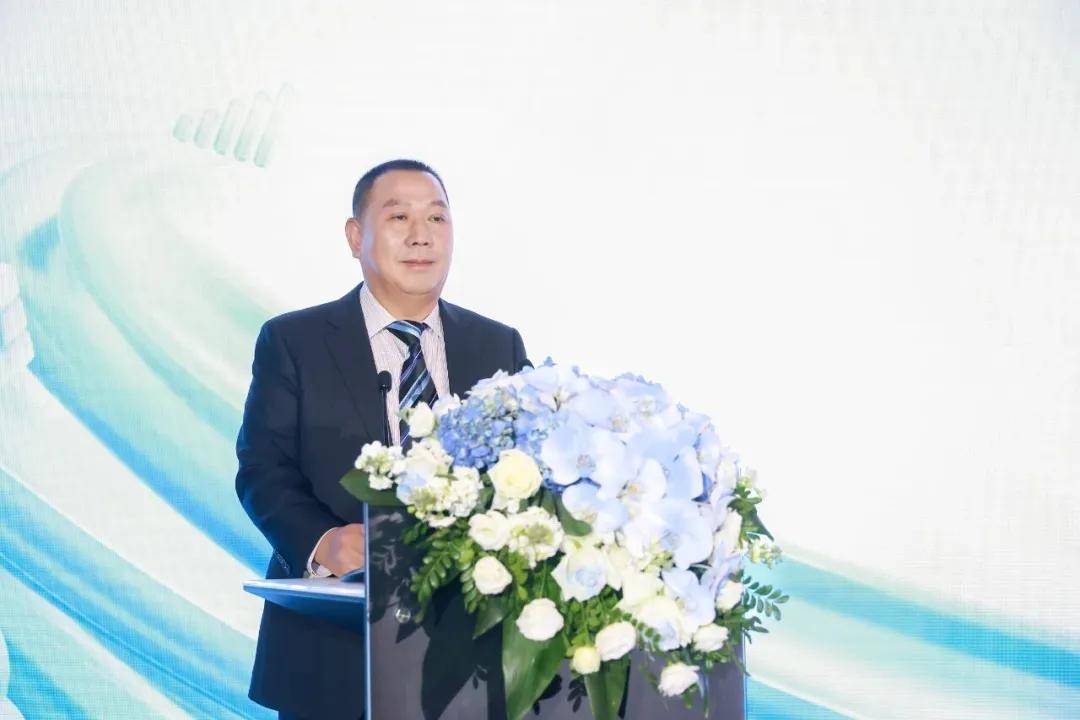
华为再贡献关键能力,openEuler下个五年怎么走?
Guan Cha Zhe Wang· 2025-11-18 04:05
Core Insights - The article discusses the significance of operating systems in both consumer technology and industry digitalization, highlighting the rise of open-source operating systems like openEuler and OpenAnolis in China [1][2] - openEuler has rapidly gained market share, reaching approximately 50% in China last year and is expected to exceed 55% this year, positioning itself as the largest and fastest-growing open-source OS community in the country [1][2] - The development of openEuler is part of a broader trend in China's IT industry, which is forming a complete IT infrastructure stack, although it still lags behind global leaders [2] Industry Developments - openEuler originated from Huawei's self-developed server OS, EulerOS, and was officially open-sourced in late 2019, transitioning to community governance under the OpenAtom Foundation [2] - The openEuler community has become one of the most active open-source OS communities globally, with over 2,100 member organizations and more than 23,000 developers contributing [3] - The community's global download count has surpassed 5.5 million, indicating strong engagement and growth [3] Future Directions - AI is identified as a key focus for openEuler in the next five years, with 22 out of 25 newly incubated open-source projects being AI-related [5] - The concept of "super nodes" is emerging as a new norm in AI infrastructure, necessitating significant changes in operating systems to support advanced computing needs [6] - openEuler has released the world's first operating system designed for super nodes, with a planned community launch on December 30, 2025 [6] Strategic Collaborations - Huawei is collaborating with the openEuler community to enhance the operating system's capabilities, including support for super nodes and key features like unified memory addressing and low-latency communication [7] - Major chip manufacturers, including Intel, Arm, and AMD, have joined the openEuler community as donors, indicating strong industry support [10] - The community aims to deepen cooperation with global open-source organizations in AI and data, enhancing its international presence and solutions [10][11] Globalization Efforts - The openEuler community emphasizes a systematic approach to globalization, aiming to establish a robust framework for international collaboration rather than competing in isolation [11] - The strategy includes focusing on regions like the "Belt and Road" initiative to enhance global outreach and partnerships [11]
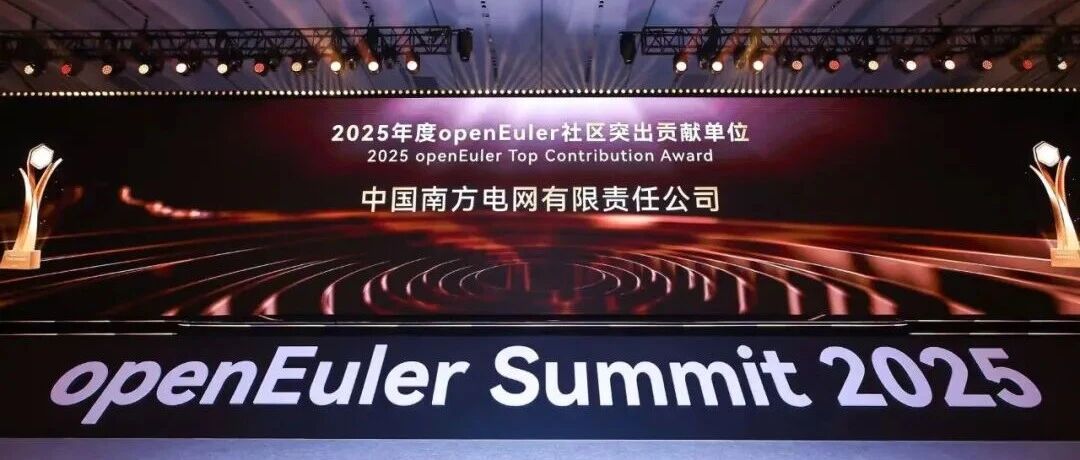
南方电网获评2025年度openEuler领先商业实践单位和openEuler社区突出贡献单位称号
中国能源报· 2025-11-17 06:59
Core Viewpoint - The article highlights the significant achievements of the Southern Power Grid in the open-source domain, particularly in the context of the openEuler community and its contributions to the digital transformation of the power industry [1][2]. Group 1: Event Overview - The openEuler Summit 2025 was successfully held in Beijing, where the Southern Power Grid was recognized for its contributions to open-source practices and awarded titles for leading commercial practices and outstanding contributions [1]. - The summit aimed to release important technical versions of openEuler in the AI field and invited global partners to showcase significant products, marking the beginning of a new chapter for openEuler [1]. Group 2: Technological Innovations - The Southern Power Grid shared its experiences in technology innovation, version planning, practical applications, and ecosystem development during its keynote speech titled "Breakthrough · Innovation · Empowerment" [2]. - The latest version, Electric Hong 3.0, has achieved significant upgrades, supporting hybrid deployment frameworks and enhancing system applicability in core power scenarios [3]. Group 3: Ecosystem Development - The Electric Hong system, developed by the Southern Power Grid, addresses industry challenges by achieving full-stack integration from chips to applications, creating a notable demonstration effect in open-source practices [5]. - Over 500 industry chain manufacturers have joined the Electric Hong ecosystem, with more than 3,000 products included, indicating rapid expansion and collaboration within the ecosystem [5]. Group 4: Future Directions - The Southern Power Grid plans to deepen collaboration with the openEuler and Electric Hong communities, focusing on common industry challenges such as renewable energy consumption and coordinated operations [7]. - By leveraging open-source technology, the company aims to develop comprehensive solutions covering all aspects of the power system, addressing the challenges of achieving a clean, low-carbon, and efficient energy system [7].