Zhong Guo Ji Jin Bao

Search documents
出手了 剑指三大违规操作!禁止任何形式泄露分红信息行为
Zhong Guo Ji Jin Bao· 2026-01-14 15:13
Core Viewpoint - The regulatory authorities have issued new requirements for fund dividends, emphasizing a "zero tolerance" approach towards non-compliant dividend practices in the fund industry [1][4]. Regulatory Requirements - The new regulations focus on three main areas: enhancing the management of the entire dividend process to ensure legality and compliance, strictly controlling the amount of dividends to prevent artificial inflation of net worth, and prohibiting any form of information leakage regarding dividends [1][6][8]. Identified Violations - The report identifies three main types of non-compliant behaviors by fund companies: 1. Creating "high net worth fund shells" to attract institutional investors for tax evasion through high dividend payouts [3]. 2. Deliberately leaking dividend information to entice institutional investors to redeem funds before dividends are paid [3]. 3. Implementing dividends based on specific client requests for tax avoidance purposes [3]. Enforcement Actions - The regulatory body has taken strict enforcement actions against several fund companies, including orders to rectify practices and suspending related business for three months, as well as holding responsible executives accountable [5][4]. Importance of Compliance - The report emphasizes that fund dividends are crucial for stabilizing returns for investors and enhancing their sense of gain, urging fund companies to prioritize the best interests of their holders and comply with legal standards [7][9].
出手了,剑指三大违规操作!禁止任何形式泄露分红信息行为;严控分红金额,遏制人为做高净值后分红;确保基金分红行为合法合规
Zhong Guo Ji Jin Bao· 2026-01-14 14:44
【导读】监管通报规范基金分红行为 基金分红,迎来新的监管要求。 在近期发布的《机构监管情况通报》(以下简称《通报》)中,监管部门通报了一些不合规的分红情 况,释放出对基金行业违规分红行为"零容忍"的信号。 《通报》对基金分红提出三方面监管要求:一是加强全流程管理,确保基金分红行为合法合规;二是严 格控制分红金额,遏制人为做高净值后分红;三是严格控制分红信息,禁止任何形式泄露信息行为。 直指三大违规行为 《通报》显示,经核查,相关基金公司协助机构投资者逃避税行为主要有三种方式: 一是刻意打造"高净值基金壳"。例如,A基金公司利用惩罚性赎回费归基金资产的制度,寻找帮忙资 金,短期频繁申赎其管理的迷你基金,在快速拉高产品净值后,以"高比例分红"为"卖点",主动向机构 投资者营销该基金;机构投资者在该基金分红前后快速大额申赎,达到避税目的。 二是故意泄露分红信息,诱导机构投资者快速申赎。例如,B基金公司管理的债券型基金即将实施分 红,公司销售人员为实现营销目的,主动向机构投资者透露该基金分红比例及时点等敏感信息。机构投 资者在分红前大额申购该基金,在短期内获得现金分红后全额赎回,达到避税目的。 三是根据个别客户要求实 ...
业绩翻倍增长 中式精酿啤酒开创者冲击IPO
Zhong Guo Ji Jin Bao· 2026-01-14 14:32
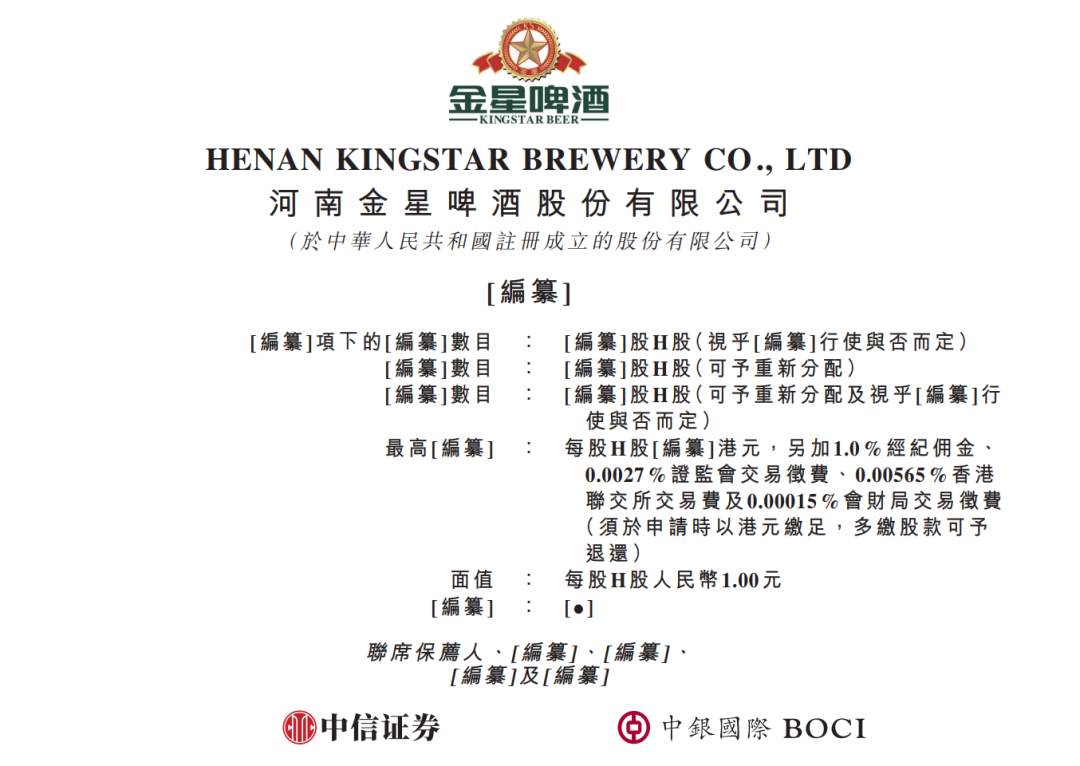
Core Viewpoint - Jin Xing Beer is set to go public on the Hong Kong Stock Exchange, following a significant surge in performance driven by the popularity of its innovative Chinese craft beers, particularly the Jin Xing Xinyang Maojian craft beer [1][2][4]. Company Overview - Jin Xing Beer, established in 1982, has transitioned from producing industrial beers to becoming a leader in the Chinese craft beer market, particularly with its introduction of tea-infused craft beers [5][6]. - The company has experienced explosive growth, with revenue increasing by 191.34% to 1.11 billion RMB and net profit soaring by 1095.84% to 305 million RMB in the first nine months of 2025 [4][7]. Financial Performance - In 2023, the company reported revenue of 356 million RMB, which increased to 730 million RMB in 2024, and further to 1.11 billion RMB in the first nine months of 2025 [9][10]. - The gross profit margin has improved significantly, with gross profit rising from 97 million RMB in 2023 to 521 million RMB in 2025 [9]. - The revenue from Chinese craft beers accounted for 78.1% of total revenue in the first nine months of 2025, highlighting a shift in the company's revenue structure [10]. Market Position - Jin Xing Beer is recognized as the third-largest craft beer company in China and the largest flavor craft beer producer, holding a market share of 14.6% [4]. - The Chinese flavor craft beer market is projected to grow from 15 billion RMB in 2019 to 111 billion RMB in 2024, with a compound annual growth rate (CAGR) of 49.3% [7]. Ownership Structure - The ownership of Jin Xing Beer is highly concentrated, with the Zhang family controlling over 90% of the shares, which allows for governance aligned with family interests [12][14]. - The company has distributed substantial dividends, totaling 229 million RMB in early 2025, which is 182.6% of the net profit for 2024 [16][17]. Industry Dynamics - The craft beer market in China is rapidly evolving, with the overall market size expected to reach nearly 200 billion RMB by 2029, attracting various competitors including traditional beer giants and retail companies [19][20]. - The lack of established industry standards for craft beer poses challenges, as many products labeled as craft still resemble industrial beers [19]. - New entrants, such as Mixue Group, are entering the market with competitive pricing strategies, which may alter the competitive landscape [20][21]. Future Plans - The IPO proceeds will be primarily used to enhance production capacity, strengthen multi-channel networks, and improve marketing and digital capabilities [23].

停牌!600499 重大资产重组
Zhong Guo Ji Jin Bao· 2026-01-14 14:30
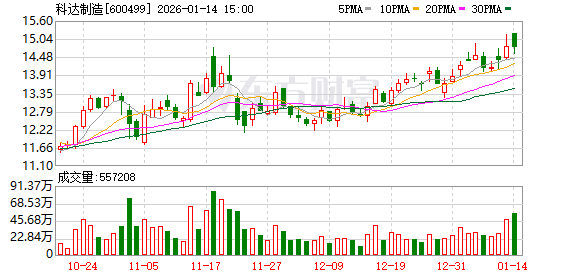
Core Viewpoint - Keda Manufacturing plans to acquire minority equity in its subsidiary, Guangdong Tefu International Holdings Co., Ltd., through a combination of share issuance and cash payment, marking a significant asset restructuring [2] Group 1: Acquisition Details - The acquisition is expected to constitute a related party transaction and a major asset restructuring, with Keda's A-shares suspended from trading starting January 15, 2026, for a period not exceeding 10 trading days [2] - The transaction is currently in the planning stage, with preliminary discussions involving 15 individuals and 9 corporate entities as potential counterparties [3] Group 2: Company Background - Keda Manufacturing, established in 1992 and listed on the Shanghai Stock Exchange in 2002, specializes in building materials machinery, overseas building materials, new materials, and new energy equipment [2] - Tefu International, founded on November 10, 2023, focuses on corporate management, brand management, import and export of goods, and manufacturing and sales of building ceramic products [3] Group 3: Business Performance - For the first three quarters of 2025, Keda Manufacturing reported a revenue of 12.605 billion yuan, a year-on-year increase of 47.19%, and a net profit attributable to shareholders of 1.149 billion yuan, up 63.49% year-on-year [4] - The growth in performance is primarily driven by the overseas building materials business and the lithium battery materials segment [4] Group 4: Strategic Expansion - Keda Manufacturing aims to expand its overseas building materials business, focusing on countries and regions south of the Sahara Desert, with plans to gradually extend into South America [6] - The company has established ceramic manufacturing bases in several African countries, including Cameroon, Côte d'Ivoire, Ghana, and Kenya, creating a comprehensive overseas production and sales network [4] Group 5: Regulatory Issues - Keda Manufacturing received an administrative regulatory decision from the Guangdong Regulatory Bureau of the China Securities Regulatory Commission in October 2025 due to multiple violations, including inaccurate disclosures and improper financial assistance to related parties [6] Group 6: Market Position - As of January 14, Keda Manufacturing's stock closed at 14.78 yuan per share, with a market capitalization of 28.35 billion yuan [6]

业绩翻倍增长,中式精酿啤酒开创者冲击IPO
Zhong Guo Ji Jin Bao· 2026-01-14 14:13
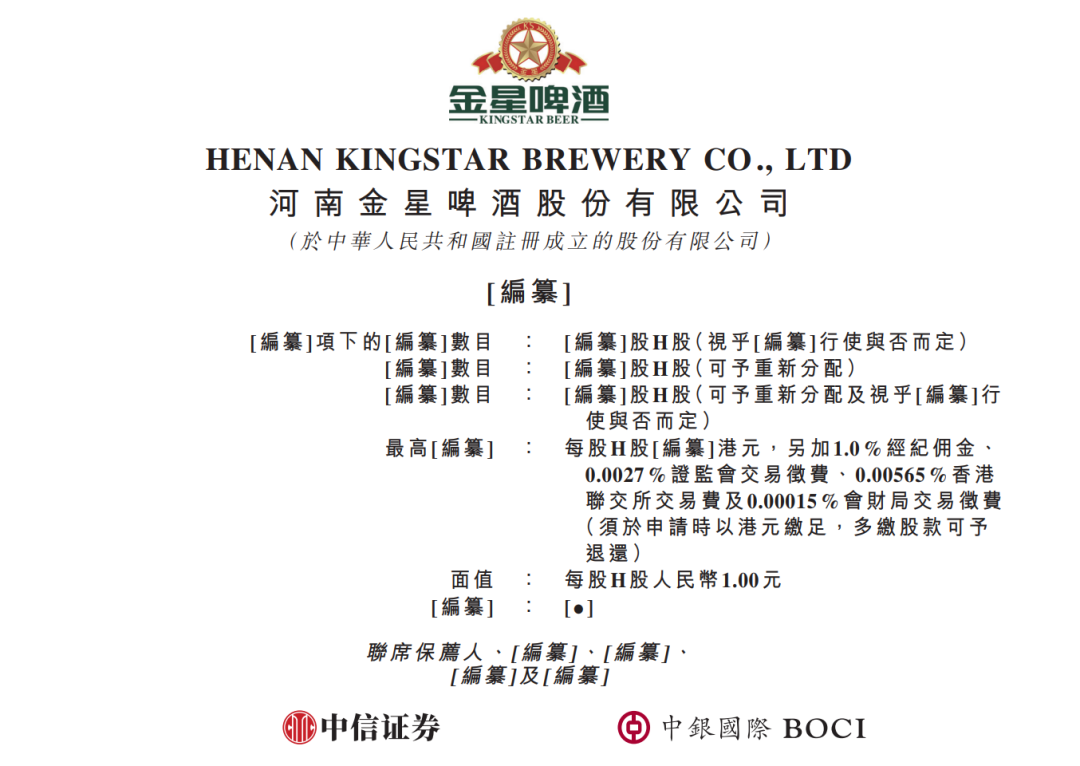
Core Viewpoint - Jin Xing Beer is preparing for an IPO on the Hong Kong Stock Exchange, capitalizing on its recent success in the craft beer market with innovative products like the "Xinyang Maojian Chinese Craft Beer" [1][2]. Company Overview - Founded in 1982, Jin Xing Beer has transitioned from producing industrial beer to becoming a leader in the Chinese craft beer segment, particularly with its introduction of tea-infused beers [4][5]. - The company has seen significant growth, with revenue increasing by 191.34% year-on-year to 1.11 billion RMB in the first nine months of 2025, and net profit soaring by 1095.84% to 305 million RMB [4][8]. Financial Performance - In 2023, the company reported revenue of 356 million RMB, with a gross profit of 97 million RMB and a net profit of 12 million RMB [6][10]. - The introduction of the "Jin Xing Maojian" beer in 2024 marked a turning point, leading to a revenue of 730 million RMB and a net profit of 1.25 million RMB in 2024 [8][10]. - By 2025, the revenue from craft beer reached 867 million RMB, accounting for 78.1% of total revenue [11]. Market Position - Jin Xing Beer is the third-largest craft beer company in China and the largest in the flavored craft beer segment, holding a market share of 14.6% [4][7]. - The Chinese flavored craft beer market is projected to grow from 15 billion RMB in 2019 to 111 billion RMB by 2024, with a compound annual growth rate (CAGR) of 49.3% [7]. Ownership Structure - The ownership of Jin Xing Beer is highly concentrated, with the Zhang family controlling over 90% of the shares, which allows for governance aligned with family interests [13][15]. - The company has distributed significant dividends, totaling 229 million RMB, which is 182.6% of the net profit for 2024 [17][18]. Industry Dynamics - The craft beer market in China is rapidly expanding, with the market size expected to reach nearly 200 billion RMB by 2029, driven by competition from traditional beer giants and new entrants [20][21]. - The lack of established standards for craft beer in China poses challenges, as many products labeled as craft still resemble industrial beer [20]. - Seasonal sales fluctuations are a common issue, but innovative product offerings can help mitigate these challenges [22]. Future Outlook - Jin Xing Beer plans to use the funds raised from the IPO to enhance production capacity, strengthen its distribution network, and invest in marketing and digital capabilities [23].
副部级李勇得知他人被留置后极度恐慌,想在阁楼里烧掉收受的现金
Zhong Guo Ji Jin Bao· 2026-01-14 14:07
Core Viewpoint - The documentary "Step Forward, No Retreat" highlights the case of Li Yong, former Deputy Secretary of the Party Committee and General Manager of China National Offshore Oil Corporation (CNOOC), focusing on his involvement in cross-border corruption and the use of technology in anti-corruption efforts [1][2]. Group 1: Case Overview - Li Yong was under investigation by the Central Commission for Discipline Inspection (CCDI) starting March 2024, with significant issues related to cross-border corruption, where over 83% of the illicit funds originated from abroad [1][2]. - The investigation involved cooperation with ten countries and regions to gather evidence related to Li Yong's activities [1]. Group 2: Corruption Mechanisms - Li Yong utilized his extensive knowledge of the international offshore oil business to disguise corrupt practices within seemingly legitimate project collaborations, believing that evidence would be hard to trace [1][2]. - A businessman named Ren Fengde, who had a close relationship with Li Yong, was identified as a key figure in the corruption scheme, receiving contracts that raised suspicions [2][3]. Group 3: Investigation Techniques - The CCDI employed data-driven approaches to investigate Li Yong, analyzing extensive business records and utilizing data technology to identify irregularities [2][6]. - The investigation successfully leveraged international cooperation to obtain critical evidence from foreign jurisdictions, enhancing the effectiveness of the anti-corruption efforts [6][10]. Group 4: Consequences and Sentencing - Li Yong was ultimately found guilty of accepting bribes and was sentenced to 14 years in prison along with a fine of 3 million RMB [10]. - The case serves as a cautionary tale about the consequences of corruption, highlighting the personal and professional ruin faced by Li Yong as a result of his actions [10].
一次收受数千万元以太币,证监会原司长购买别墅露出马脚,被留置时别墅还没装修完
Zhong Guo Ji Jin Bao· 2026-01-14 14:07
Core Viewpoint - The case of Yao Qian, former director of the Technology Supervision Department of the China Securities Regulatory Commission (CSRC), highlights the emergence of new forms of corruption facilitated by virtual currencies, emphasizing the need for enhanced regulatory measures in the digital age [1][2]. Group 1: Case Overview - Yao Qian was investigated for accepting bribes in the form of virtual currencies, with the total value of the seized assets amounting to several tens of millions of RMB [1][2]. - The investigation revealed that Yao utilized "shell accounts" to conceal his financial activities, including a significant transaction of 10 million RMB linked to a virtual currency trading account [3][4]. - A total of 1.2 million RMB was traced back to Yao's accounts, which were used to pay for a villa registered under a relative's name but effectively owned by Yao [4][5]. Group 2: Investigation Techniques - The investigative team employed big data and blockchain technology to trace the flow of virtual currencies, successfully mapping transactions from various wallets to Yao's accounts [7][8]. - The use of hardware wallets and mnemonic phrases was critical in the investigation, as these tools are commonly used to store virtual currencies securely [3][6]. - The investigation confirmed that Yao's influence in the industry facilitated corrupt transactions, including a case where he helped a company issue tokens in exchange for virtual currency bribes [6][7]. Group 3: Implications for Regulatory Practices - The case underscores the challenges posed by virtual currencies in corruption cases, as they can be easily concealed and are difficult to trace without advanced technological methods [2][8]. - The successful prosecution of Yao Qian serves as a precedent for future investigations into corruption involving virtual currencies, highlighting the importance of adapting regulatory frameworks to address new forms of financial misconduct [8][9]. - The findings suggest that while virtual currencies offer anonymity, they ultimately leave a digital footprint that can be traced back to illicit activities when converted into tangible assets [8].
多只AI应用概念股紧急提示风险 若股价再异常上涨或申请停牌
Zhong Guo Ji Jin Bao· 2026-01-14 13:21
Group 1 - The core viewpoint of the announcements is that several companies are clarifying their business operations in response to stock price fluctuations and market speculation, particularly regarding AI and GEO-related businesses [1][2][3][4]. - 金桥信息 states that its "AI + Judicial" business is not a core operation and does not significantly impact overall performance [1]. - 浙数文化 clarifies that it does not engage in GEO business, focusing instead on digital marketing and advertising services [2]. - 浙文互联 reports that its GEO business has not generated revenue, and its main operations remain unchanged despite a significant stock price increase [3]. - 南方传媒 confirms that its daily operations are normal and there have been no significant changes affecting its business [4]. Group 2 - 光云科技 warns of potential stock price volatility and may apply for a trading suspension if prices continue to rise abnormally [5]. - 卓易信息 indicates that its stock has experienced severe fluctuations, and it may seek a trading suspension if prices rise further, noting that its AI programming products are still in the market introduction phase [6]. - 上纬新材 highlights that its stock price has significantly increased, leading to multiple trading suspensions, and its smart robot business is still in development without revenue generation [7]. - 友邦吊顶 also mentions the possibility of applying for a trading suspension if stock prices continue to rise, urging investors to be aware of market risks [8].

干货满满!瑞银预测中国资本市场将再迎“丰年”,AI模型发展加速、应用场景拓宽、泡沫可控
Zhong Guo Ji Jin Bao· 2026-01-14 13:18
Group 1: Market Outlook - UBS analysts express optimism for the Chinese stock market in 2026, citing macroeconomic improvements, strong policy support, optimized market structure, and continued capital inflows as key factors [2][3] - The Chinese stock market is expected to experience a significant rebound, with a projected 10% growth in earnings per share (EPS) driven by revenue growth, share buybacks, and improved profit margins [3] - The A-share market is anticipated to see an 8% growth in earnings, with a shift in growth drivers from financial sectors to a broader range of non-financial enterprises [3][4] Group 2: Investment Opportunities - Key investment opportunities identified include artificial intelligence (especially hardware and semiconductor equipment), leading internet companies, brokerage firms, and companies with strong international capabilities [3][4] - The growth potential in cyclical sectors, such as certain metals and chemicals, is highlighted, alongside a cautious outlook for consumer sectors that may require more time to show substantial improvement [4] Group 3: IPO and M&A Trends - The IPO market in Hong Kong is expected to remain active in 2026, with over 300 companies having submitted listing applications, and a potential increase in financing scale compared to 2025 [6][7] - The M&A market is projected to continue its active trend, driven by domestic state-owned enterprise restructuring, large private equity transactions, and a resurgence in cross-border M&A activities [8] Group 4: Economic Outlook - China's GDP growth is forecasted at approximately 4.5% for 2026, with inflation expected to rise to around 0.4% and a narrowing decline in the Producer Price Index (PPI) [9] - The structural rebalancing theme is emphasized, with expectations for infrastructure investment to recover, supporting overall investment cycles [9] Group 5: AI Industry Development - The Chinese AI industry is set for significant advancements in 2026, with improvements in model capabilities and a broader range of application scenarios anticipated [10][11] - The focus on practical applications of AI, such as cloud services and advertising, is expected to drive commercialization efforts [11] - Concerns about an "AI bubble" in China are deemed low, as leading model firms rely on existing business cash flows for R&D, and there is a pragmatic approach to capital expenditures [11][12]

浙江证监局对向日葵立案调查
Zhong Guo Ji Jin Bao· 2026-01-14 13:15
Core Viewpoint - The Zhejiang Securities Regulatory Bureau has initiated an investigation into Sunflower (stock code: 300111) due to concerns regarding misleading statements in its restructuring proposal, particularly related to the actual production capacity and business model of the acquisition targets [2]. Group 1: Restructuring Proposal - On September 21, 2025, Sunflower announced a restructuring plan to acquire 100% of Zhangzhou Xipu Material Technology Co., Ltd. and 40% of Zhejiang Beid Pharmaceutical Co., Ltd. through a combination of share issuance and cash payment, with the share price set at 2.93 yuan per share [5]. - The acquisition target, Xipu Material, is a primary supplier of electronic-grade materials in the semiconductor sector and offers one-stop fluorine-related services, attracting significant market attention amid a booming semiconductor market [6]. Group 2: Market Reaction and Concerns - Following the announcement, Sunflower's stock price surged, reaching a high of 10.28 yuan per share, with three consecutive trading days of price increases [6]. - Investigative reports revealed that Xipu Material's factories in Zhangzhou and Lanzhou had not commenced production, contradicting claims of being a core supplier to numerous wafer fabs [6]. Group 3: Regulatory Actions and Company Performance - On December 26, 2025, the Shenzhen Stock Exchange issued a letter of concern to Sunflower, requesting clarification on the production capacity and operational status of Xipu Material's factories, as well as the accuracy of the restructuring proposal [6][8]. - As of the latest announcement on December 26, 2025, Sunflower had not responded to the investigation initiated by the Securities Regulatory Commission [8]. - Sunflower's financial performance has been declining, with a reported revenue of 200 million yuan for the first three quarters of 2025, a year-on-year decrease of 12.09%, and a net profit of 1.31 million yuan, down 53.10% year-on-year [9].