Hua Xia Shi Bao

Search documents
产城融合无界共生——第九届华夏城市产业链发展大会 · 2025城市建设高质量发展论坛即将启幕
Hua Xia Shi Bao· 2025-11-04 16:18
Group 1 - The 9th Huaxia Urban Industrial Chain Development Conference and the 2025 Urban Construction High-Quality Development Forum will be held in Beijing, focusing on urban renewal and barrier-free aging transformation [1][2] - The theme of the conference is "Integration of Industry and City, Boundless Coexistence," supported by various organizations including the China Elevator Association and the Housing and Urban-Rural Development Ministry [1][2] - Key leaders and experts will discuss urban construction, high-quality development, and the rights of disabled individuals, aiming to implement the Barrier-Free Environment Construction Law [2][4] Group 2 - As of the end of 2024, China's urbanization rate is projected to reach 67%, marking a significant increase from 11% in 1949, indicating a shift from expansion to quality enhancement in urban development [3] - The conference aims to align with national strategies for high-quality urban development, focusing on smart, green, and integrated industrial upgrades [4][5] - The agenda includes discussions on urban health assessments, barrier-free environment construction, and low-carbon city solutions, showcasing successful practices and innovations [5][6] Group 3 - The conference has evolved into a significant platform for professional exchange in urban construction, addressing current challenges and showcasing exemplary cases in barrier-free construction and zero-carbon parks [7][8] - A diverse array of experts and officials will share insights and practical experiences, contributing to a comprehensive understanding of urban development trends [6][8] - The event will be widely covered by various media outlets, enhancing its influence and reach within the industry [9]
「AI新世代」巨头入场赛道升温,VAST打响3D大模型破圈之战
Hua Xia Shi Bao· 2025-11-04 12:56
Core Insights - VAST is a key player in the AI 3D model sector, which is gaining traction as a new competitive arena in the AI landscape, particularly as traditional modeling transitions to AI-driven 3D models [2][3] - The AI 3D model technology has vast application potential across various industries, including gaming and industrial sectors, but it faces challenges in reaching mainstream consumers [2][4] - VAST's annual recurring revenue (ARR) has surpassed $12 million, indicating strong commercial potential despite being a relatively new company [5][6] Company Overview - VAST was established in March 2023 and has rapidly developed its Tripo AI 3D model series, which includes over 200 billion parameters [6] - The company has served over 5 million professional users and 40,000 enterprise clients, generating more than 50 million 3D models [3][5] - VAST completed a multi-million dollar Pre-A+ funding round in June 2023, indicating investor confidence in its growth potential [6] Market Dynamics - The 3D vision market in China is projected to grow significantly, with a compound annual growth rate (CAGR) of approximately 25.73% from 2024 to 2028, reaching around 7 billion yuan [3] - Major competitors like Tencent and ByteDance are entering the AI 3D model space, posing challenges for VAST as it seeks to establish itself [8] - The industry is still in its early stages, with a lack of benchmark applications, which may hinder broader adoption of AI 3D models [7] Technological Challenges - Developing AI 3D models is more complex and resource-intensive than 2D models, requiring significant computational power and specialized talent [6][7] - The transition from traditional modeling to AI-driven solutions necessitates overcoming technical barriers and educating potential users about the benefits of AI 3D technology [7][8] Future Outlook - VAST aims to expand its user base by targeting professional modelers, amateur creators, and eventually casual consumers, with market potential scaling from millions to billions [7] - The company is focused on democratizing 3D content creation, allowing more individuals to participate in the 3D ecosystem [4][7]


货拉拉算法再公开:AI保障司机安全及判责公正
Hua Xia Shi Bao· 2025-11-04 12:05
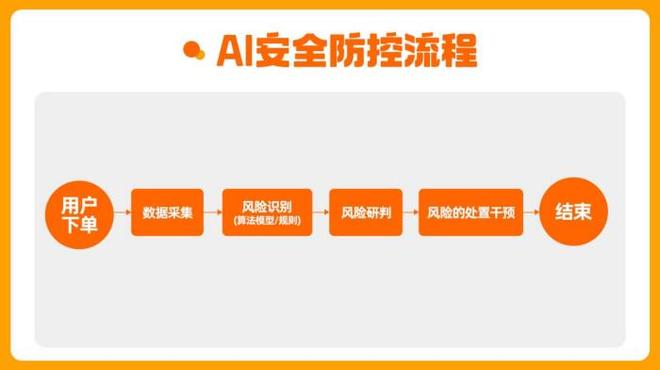
Core Insights - The article discusses the implementation of an AI safety monitoring and liability algorithm by Huolala, aimed at enhancing safety for freight drivers and improving liability experiences [1][9]. Group 1: AI Safety Monitoring - Huolala's AI safety monitoring system has been developed over four years and can detect hazardous goods transport, illegal passenger transport, fatigue driving, and overloading in real-time [1][4]. - The AI system can intervene by canceling orders or sending alerts to drivers when violations are detected [2][4]. - After the full application of AI, the daily risk orders related to hazardous goods transport and illegal passenger transport have decreased by 30% [4][7]. Group 2: Liability Assessment - The AI liability assessment algorithm collects various data post-order cancellation to determine responsibility, automatically ruling drivers as not at fault for canceled orders due to violations [1][9]. - The time taken for liability assessment has been reduced from 72 hours to 48 hours, and the appeal rate from drivers has decreased by nearly 30% [9][11]. - The algorithm ensures a fair and efficient process by combining machine analysis with human oversight for complex cases [11]. Group 3: Driver Safety Education - Huolala has provided 43 safety courses over the past year, with over 17 million participants, achieving a course satisfaction rate of 95% [8]. - The company has invested 1.75 billion yuan in occupational injury insurance for new employment forms, covering 8.9 billion orders and assisting over 1,200 drivers with claims [8]. Group 4: Future Developments - The company aims to continue optimizing its algorithms based on driver feedback, striving for a safer and fairer working environment for freight workers [11].
监管划红线,资产管理信托全面禁止资金池、通道类业务
Hua Xia Shi Bao· 2025-11-04 10:01
Core Viewpoint - The National Financial Regulatory Administration has released a draft regulation aimed at standardizing the development of asset management trust businesses, emphasizing "returning to the essence and strictly controlling risks" [2] Summary by Sections Regulation Overview - The draft regulation consists of five chapters and eighty-five articles, highlighting clear prohibitions on channel and fund pool businesses, marking the end of the "no-risk arbitrage" model in the trust industry [2] - The regulation establishes a comprehensive framework for product establishment, sales, operations, risk management, information disclosure, and supervision, creating a "four-dimensional risk prevention" system [2] Definition and Investor Requirements - The regulation defines asset management trusts as private asset management products based on trust law, aimed at qualified investors who can identify and bear risks [4] - It sets stringent requirements for qualified investors, including a minimum net financial asset threshold of 3 million RMB for individuals and 10 million RMB for institutions [6] Prohibition of Channel and Fund Pool Businesses - The regulation explicitly prohibits channel and fund pool operations, requiring trust companies to fulfill active management responsibilities and not delegate these duties to other entities [7] - It mandates that trust companies must accurately reflect the net value of trust units and adhere to the actual income and risk factors of underlying assets [7] Investment Management and Control - The regulation limits the investment amount in a single asset to no more than 25% of the trust product's actual trust capital, with an overall cap of 30 billion RMB for all trust products managed by a company [8] - It encourages the development of standardized trust products while reducing the proportion of non-standard products, pushing trust companies to transition from "financing intermediaries" to "investment management institutions" [6][8] Transitional Arrangements and Compliance - Trust companies are required to review existing asset management trust businesses and develop rectification plans in accordance with the new regulation, with progress monitored by the regulatory authority [10]

新进270家上市公司十大流通股名单,险资前三季度加大权益投资
Hua Xia Shi Bao· 2025-11-04 09:58
Core Viewpoint - The A-share market has shown a strong upward trend in Q3 2023, driven by favorable policies and capital inflows, with insurance funds playing a crucial role in market dynamics [2] Group 1: Insurance Fund Investment Strategies - Insurance funds have maintained a strong preference for traditional "anchor" bank stocks, demonstrating a commitment to stable returns and high dividend assets [2][4] - There has been a significant increase in the allocation towards technology growth sectors such as electronics and computers, indicating a strategic shift towards economic transformation and industrial upgrading [2][8] - The "cash flow and growth" strategy reflects the asset allocation wisdom of insurance funds in the current market environment, potentially revealing future capital flows and market style preferences [2] Group 2: Performance and Holdings of Insurance Companies - Major insurance companies like China Life, China Ping An, and China Pacific have reported an increase in total investment returns, ranging from 5.2% to 8.6% year-on-year [4] - By the end of Q3, insurance funds were among the top ten shareholders in 633 A-share listed companies, with a total holding value exceeding 650 billion yuan, marking a growth of over 6% from mid-2023 [4][5] - The overall number of shares held by insurance funds in bank stocks increased significantly by 8.36 billion shares, with a market value growth of over 6.4 billion yuan despite a decline in the bank sector index [5][6] Group 3: Specific Stock Movements - Postal Savings Bank emerged as a standout stock for insurance funds in Q3, with a notable increase of 2.189 billion shares held by Ping An Life, making it one of the top ten shareholders [5][6] - Other banks like Industrial and Commercial Bank of China and Nanjing Bank also saw increased holdings from insurance funds, reflecting a trend of deepening investment in the banking sector [5][6] - Insurance funds are not only increasing their stakes but also seeking deeper involvement in governance, as seen with Hongkang Life's nomination of a director candidate at Su Nong Bank [6] Group 4: Focus on Technology Growth Stocks - The electronics sector saw the largest increase in holdings by insurance funds, with a rise of nearly 11.8 billion yuan and an increase of 15.6 million shares [8] - The number of computer industry companies in which insurance funds are among the top ten shareholders rose from 17 to 23, with a market value increase of over 1.2 billion yuan [9] - The investment in technology stocks is seen as a response to the macroeconomic environment and a strategic move to capture future growth potential, particularly in the context of the AI wave [9][10] Group 5: Adjustments in Other Sectors - Insurance funds have significantly reduced their holdings in sectors such as public utilities, construction materials, and transportation, indicating a reassessment of traditional cyclical industries [10] - This reduction reflects insurance funds' judgment on the economic outlook and policy impacts on certain sectors, showcasing their role as long-term investors and value discoverers in the capital market [10]





以坚韧铸就数字堡垒:王鹰翔——代码里的长征路
Hua Xia Shi Bao· 2025-11-04 09:06
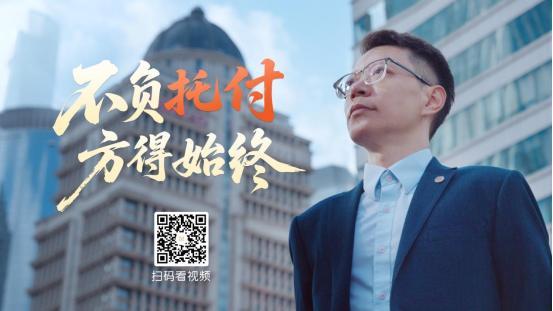
Core Insights - The article highlights the significant contributions of Wang Yingxiang at Ping An Pension Insurance, particularly in the development and implementation of the "Smart Trustee" system, which represents a strategic transformation for the company [3][4][5]. Group 1: Project Overview - The "Smart Trustee" system project took three years to complete, replacing an outdated system that had been in use for nearly two decades, which was increasingly unable to meet the growing and complex business demands [4][5]. - The old system, developed in 2005, had significant limitations, including a tightly coupled code structure and a database that did not meet current regulatory requirements, which hindered the company's growth [4][5]. Group 2: Challenges Faced - The project faced unexpected challenges, with the young team initially underestimating the time required, believing they could complete it in a year and a half, while similar projects in the industry typically take four to five years [4][5]. - Technical challenges included addressing complex legacy business issues within the new system, requiring high levels of architectural design and development skills from the team [4][5]. Group 3: Achievements and Recognition - The "Smart Trustee" system was fully launched in April 2024, receiving high praise from clients who referred to it as the "best in the industry," showcasing the team's resilience and commitment to quality [5][6]. - The successful implementation of the system not only strengthened Ping An Pension Insurance's operational capabilities but also marked a significant milestone in Wang Yingxiang's career [5][9]. Group 4: Customer-Centric Approach - Wang Yingxiang emphasizes that technology should ultimately serve people and clients, advocating for a "worry-free, time-saving, and cost-effective" approach to service [6][7]. - The team focuses on understanding the underlying needs of clients rather than simply fulfilling their requests, which enhances the perceived value of their services [6][7]. Group 5: Personal Insights and Balance - Wang Yingxiang's journey reflects a balance between professional dedication and personal life, as he navigates the demands of a high-intensity job while maintaining family responsibilities [8][9]. - He engages in Muay Thai as a means to relieve stress and build resilience, demonstrating a commitment to personal well-being alongside professional excellence [8][9].
主动上调业绩目标,全力减债回笼现金,新世界发展以韧性求高质量发展
Hua Xia Shi Bao· 2025-11-04 06:44
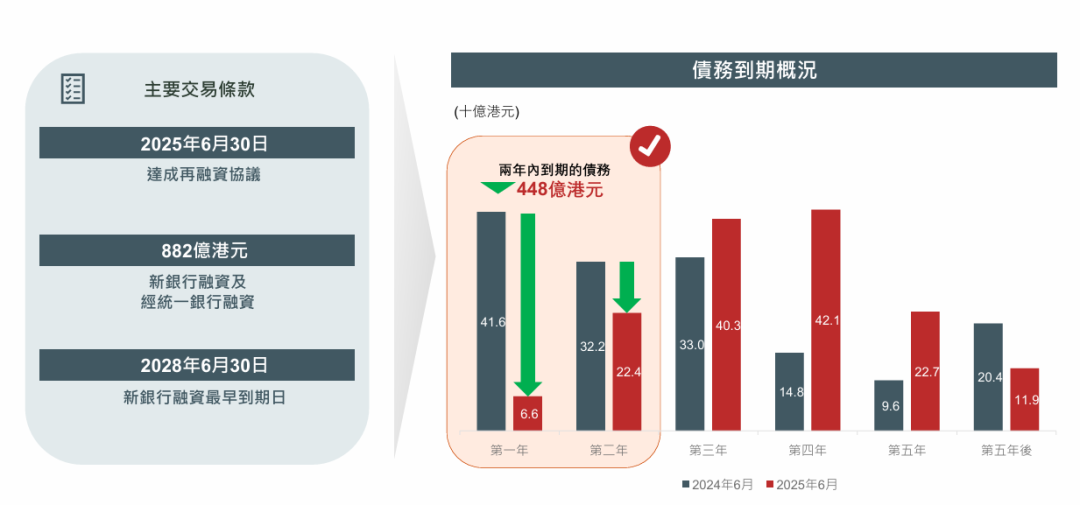
Core Viewpoint - The real estate industry is undergoing a prolonged adjustment phase, entering a "bottoming" stage, with tightening external financing conditions and accelerated deleveraging processes posing significant challenges [1] Group 1: Company Performance - New World Development (0017.HK) reported strong performance in both Hong Kong and mainland markets, with a 12% year-on-year increase in foot traffic at K11 MUSEA during the National Day holiday, setting a record since its opening [1] - The company achieved a revenue of HKD 27.68 billion and a core operating profit of HKD 6.01 billion for the fiscal year 2025, demonstrating resilience amid market fluctuations [2] - New World has raised its sales target for fiscal year 2026 to HKD 27 billion, reflecting a proactive approach to market conditions and a commitment to high-quality development [2][3] Group 2: Sales and Market Dynamics - The company successfully completed its sales target of HKD 26 billion for fiscal year 2025, with contract sales contributions of HKD 11 billion from Hong Kong and RMB 14 billion from mainland China [3] - In the mainland market, projects like "Guangyue Guandi" achieved sales of RMB 2 billion upon opening, indicating strong market demand [4] - The "PAVILIA COLLECTION" series in Hong Kong has outperformed the market, with significant sales figures reported for various projects [3][4] Group 3: Investment Properties - New World Development's investment properties generated stable income, with total investment property revenue of HKD 5.055 billion, supported by high occupancy rates at K11 MUSEA and office buildings [6][7] - The company is expanding its investment property portfolio, with new projects like the second K11 commercial complex in Guangzhou expected to contribute to future revenue [7][8] Group 4: Debt Management and Financial Health - New World is actively implementing a "seven-pronged debt reduction plan," significantly reducing its short-term debt from HKD 73.8 billion to HKD 29 billion over two years [9][11] - The company secured a commitment for a loan of up to HKD 5.9 billion from Deutsche Bank, enhancing its financial flexibility [2][11] - Average financing costs have decreased to 4.8%, resulting in a reduction of total financing costs from HKD 8.7 billion to HKD 7.4 billion [11]

价值投资巨星陨落:泉果基金王国斌病逝,官网黑白致哀,核心高管火线交接
Hua Xia Shi Bao· 2025-11-04 05:40
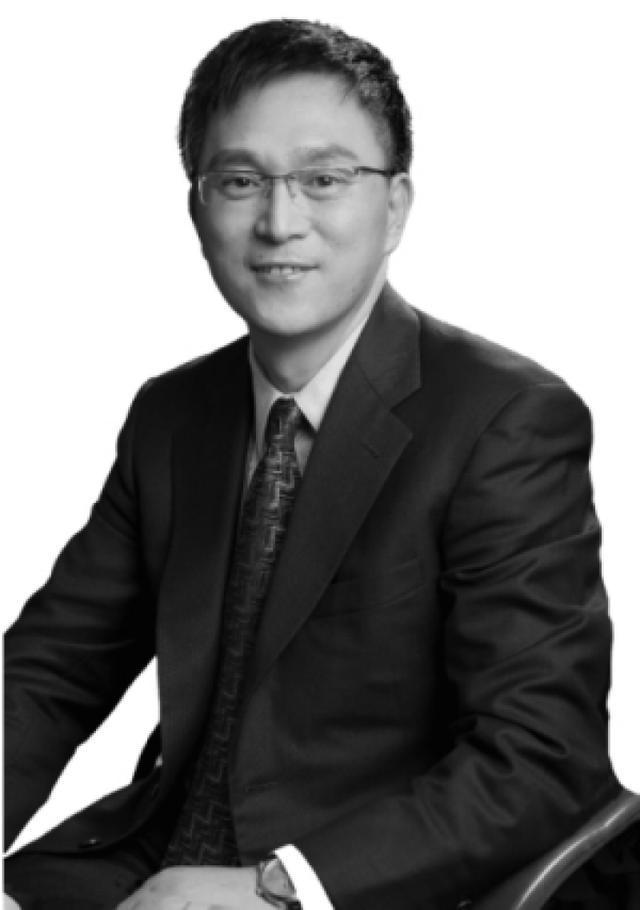
Core Viewpoint - The sudden passing of Wang Guobin, founder of Quanguo Fund, marks a significant loss for the Chinese fund industry, highlighting his influential role in value investing and asset management [3][4][5]. Company Impact - Quanguo Fund announced the appointment of Ren Li as the new general manager following Wang Guobin's death, ensuring stability and continuity in management [7]. - Ren Li, a co-founder of Quanguo Fund, has extensive experience in asset management, having held various senior positions within the industry, which is expected to help maintain operational stability [7]. - The fund's registered capital is 100 million RMB, with founding members averaging over 24 years of industry experience [7]. Industry Context - Wang Guobin was a pioneer in value investing in China, with 31 years of experience in the securities industry, and his investment philosophy was central to Quanguo Fund's strategy [5][8]. - The fund's investment approach emphasizes long-term value maximization and a deep understanding of the business ecosystem, reflecting Wang's insights and principles [8]. - The industry is likely to experience some turbulence following Wang's departure, particularly in investor sentiment and potential redemption pressures on fund products [9].
别总怪游客不花钱!文旅行业的“盈利困局”竟然卡在这儿
Hua Xia Shi Bao· 2025-11-03 13:55
Core Insights - The tourism industry is experiencing a phenomenon of "increased revenue but decreased profit," reflecting structural challenges during recovery, including high costs, homogenized competition, and rational consumer spending [1][3][10] - Many companies are struggling to balance supply and demand, leading to blind investments without understanding market dynamics, which exacerbates the current situation [2][10] Revenue and Profit Trends - Several tourism companies reported revenue growth in Q3 2025, but profits declined significantly. For instance, Huangshan Tourism achieved a total revenue of 1.535 billion yuan, up 8.75% year-on-year, but net profit fell by 11.02% to 253 million yuan [3][4] - Similarly, Zhongxin Tourism's revenue reached 5.241 billion yuan, a 10.96% increase, while net profit plummeted by 45.73% to 67 million yuan [3][4] - The overall trend shows that less than 20% of leading companies reported profit growth, with nearly 60% experiencing revenue declines and over half reporting profit decreases [5][10] Cost and Market Pressures - Rising operational costs, including resource usage fees and labor costs, are major factors eroding profits. For example, Huangshan Tourism's profit decline was attributed to increased resource usage fees [6][10] - Companies like Zhongxin Tourism reported a significant rise in operational expenses, with total expenses reaching 485 million yuan, an increase of 28 million yuan year-on-year [6][10] - The tourism market is facing a "volume increase but price drop" trend, with consumer spending per day decreasing by approximately 13% compared to the previous year [7][10] Competitive Landscape - The industry is witnessing intensified homogenized competition, with many tourist destinations perceived as lacking uniqueness. Over 38.5% of tourists find ancient towns to be very similar [8][10] - Some companies resort to low-price competition, which may attract short-term customers but ultimately harms brand value and increases complaint rates [8][10] Financial Health and Cash Flow - Concerns about cash flow and debt levels are rising, with companies like Qujiang Cultural Tourism showing a current ratio of 0.7, indicating weak short-term solvency [7][10] - Qujiang's operating cash flow per share decreased by 10.72%, highlighting liquidity risks amid ongoing profitability challenges [7][10] Industry Transformation and Future Directions - The industry is undergoing a transformation from traditional resource-dependent models to new value-creation strategies, emphasizing product innovation and operational efficiency [11][18] - Companies are exploring differentiated experiences to attract consumers, with successful examples like the immersive geological museum in Luoyang [13][18] - The government is encouraged to balance consumer stimulation with ensuring company profitability, as seen in Huangshan's implementation of a rapid complaint handling mechanism [16][18]


多家未上市企业背后现险资身影,保险私募股权基金抢占机器人赛道
Hua Xia Shi Bao· 2025-11-03 11:51
Core Insights - The investment in the robotics sector is gaining momentum, with numerous insurance funds actively participating in the funding of various robotics companies aiming for IPOs [2][3] - Insurance capital is primarily acting as secondary to fourth-level shareholders rather than direct investors in the primary market [3][5] - The total scale of private equity funds established by insurance companies has exceeded 100 billion yuan, with a significant focus on artificial intelligence and semiconductor industries [2][9] Investment Landscape - At least 38 insurance companies are involved in funding companies like Yushutech and Yundongchu Technology, with 27 and 25 insurance firms respectively investing indirectly through private equity funds [2][4] - Major insurance groups have established private equity funds with scales reaching hundreds of millions, targeting sectors like AI and semiconductors [2][5] Investment Strategy - Insurance funds are increasingly participating as limited partners (LPs) in government-led funds, which allows them to engage in technology innovation investments [3][5] - The investment approach helps mitigate risks associated with direct investments in early-stage technology projects, while also supporting the development of new productive forces [5][6] Challenges and Advantages - Insurance capital faces challenges in identifying high-quality projects due to competition and the high failure rate of startups, but its characteristics of patient and long-term capital position it well for technology investments [6][7] - The insurance sector is expanding its investment scope from listed to unlisted AI companies, indicating a broadening strategy to capture emerging opportunities [7][8] Recent Developments - In August, significant private equity funds were established, including a 224.3 billion yuan fund involving multiple insurance companies and a 100 billion yuan fund by China Life [8][9] - The cumulative investment scale of insurance capital in private equity funds has surpassed 777 billion yuan, reflecting a robust entry into the market [9][10]