Hua Xia Shi Bao

Search documents
2025年汽车以旧换新总量超1150万辆,新能源汽车占比近六成
Hua Xia Shi Bao· 2026-01-08 07:36
Core Insights - The "old-for-new" policy for automobiles in China is expected to drive significant growth in the automotive consumption market and industry upgrades, with over 11.5 million vehicles being replaced and related sales exceeding 2.6 trillion yuan in 2025 [2][3] - The policy has led to a substantial increase in the market share of new energy vehicles (NEVs), with NEVs accounting for nearly 60% of vehicles sold through the replacement program [3][4] - The policy has effectively stimulated demand for vehicle upgrades, contributing over 1 percentage point to the overall retail sales growth of consumer goods in 2025 [4] Group 1: Market Dynamics - The "old-for-new" policy has transformed the automotive market, with NEVs achieving a retail market share exceeding 50% for nine consecutive months, peaking at 59.4% in November [3][4] - The policy has created a strong demand for high-quality, green, and smart vehicles, leading to a significant increase in consumer acceptance of NEVs [3][5] - The automotive sector's growth is supported by a robust demand-driven mechanism that encourages manufacturers to innovate and optimize product structures [5][6] Group 2: Environmental and Social Impact - The recycling and resource regeneration aspects of the "old-for-new" policy have led to a significant increase in the recovery of scrapped vehicles, reaching approximately 9.8 million units in 2025, a 24.5% year-on-year increase [7] - The policy has resulted in the recycling of around 960 million tons of steel and 130 million tons of non-ferrous metals, significantly reducing reliance on primary mineral resources and cutting carbon emissions by approximately 24.5 million tons [7][8] - The active second-hand car market, with transactions reaching 39.7 million units from 2024 to 2025, indicates a maturing automotive market and supports resource conservation [8][9] Group 3: Policy Effectiveness and Future Outlook - The "old-for-new" policy has established a positive feedback loop between market demand, policy incentives, and industry upgrades, enhancing China's competitive position in the global NEV supply chain [5][6] - The policy has not only stimulated immediate sales but also fostered long-term competitiveness through technological innovation and cost optimization [6][9] - As the policy framework continues to evolve, it is expected to further enhance the sustainability and vitality of China's automotive industry, positioning it as a leader in the global transition to low-carbon transportation [9][10]


2025,那些猜不着的结局:神话是怎么碎成一地的
Hua Xia Shi Bao· 2026-01-08 07:12
Group 1 - The healthcare industry in 2025 has faced significant challenges, including financial fraud leading to delistings and a loss of investor trust [4][10] - Companies like Nohui Health, once celebrated as leaders in cancer screening, have faced downfall due to financial misconduct, with a notable example being its delisting after a short period of success [4] - The market is undergoing a cleansing process where fraudulent companies are being removed, allowing for healthier competition [4][10] Group 2 - The drug Semaglutide, once hailed as a breakthrough for obesity treatment, has seen a drastic price drop due to impending patent expirations and the emergence of generic alternatives, leading to a collapse in stock prices [5][6] - The rapid expansion of chain pharmacies post-pandemic has resulted in a significant number of closures, indicating that mere proliferation does not guarantee profitability [7] - Traditional brands like Tongrentang have also faced scrutiny for exaggerated product claims, demonstrating that even established names are not immune to market pressures and consumer skepticism [9][10] Group 3 - The healthcare sector in 2025 is characterized by a series of dramatic events, including fraud, market corrections, and the collapse of once-trusted products and brands [10] - The industry is learning that credibility and trust cannot be bought; they must be earned through genuine quality and transparency [10]

美方扣押俄潜艇护航油轮!白宫:船员或被带到美国受审,俄罗斯谴责:“21世纪海盗行为”
Hua Xia Shi Bao· 2026-01-08 06:12
据新华社消息,美国军方7日上午在约半小时内宣称扣押两艘油轮。美国东部时间7日8时43分,美国欧 洲司令部在社交媒体上发布消息称,在北大西洋扣押一艘俄罗斯油轮。 俄外交部此前表示,该油轮目前悬挂俄罗斯国旗,在北大西洋国际水域航行,完全遵守国际海事法,但 美国和北约对该油轮表现出异乎寻常的关注。尽管该油轮距离美国海岸约4000公里,但美国海岸警卫队 的一艘舰艇已追踪油轮数日。 美国军方此前曾表示,已采取行动试图扣押一艘从委内瑞拉出发的油轮。该油轮在航行期间据称由一艘 俄罗斯潜艇护航。美军动用了直升机和海岸警卫队舰艇,对涉事油轮实施拦截。 白宫:船员可能被带到美国接受审判 美国白宫新闻秘书莱维特7日在记者会上说,美国政府将继续对所有美方指称的"非法运输石油船只"实 施禁运,被扣油轮上船员可能被带到美国接受审判。 莱维特称,当天早些时候遭美方扣押的一艘悬挂俄罗斯国旗的油轮"违反了美国的制裁措施",船员可能 因违反美国法律而受到起诉,如有必要,他们将被带到美国接受审判。 约半小时后,美国南方司令部在社交媒体上发布消息称,在国际水域扣押一艘无国籍油轮。 押悬挂俄国旗油轮 美国欧洲司令部7日宣布,美方已在北大西洋扣押"贝拉 ...
委内瑞拉代总统:营救马杜罗夫妇!美国:“无限期”控制委石油销售
Hua Xia Shi Bao· 2026-01-08 06:07
Group 1 - The core viewpoint of the news is the escalating political crisis in Venezuela, highlighted by the actions of the U.S. government and the response from Venezuelan authorities and citizens [1][2][4][6]. - Venezuelan interim president Rodriguez emphasized three main objectives: rescuing President Maduro and his wife, ensuring national peace, and maintaining political governance amid challenges [1]. - A public demonstration in Caracas saw thousands of citizens rallying to defend national sovereignty and calling for the release of President Maduro and his wife [1]. Group 2 - The Venezuelan Interior Minister reported that a U.S. military operation to forcibly remove President Maduro and his wife resulted in at least 100 deaths, describing the action as barbaric and inhumane [2]. - U.S. Energy Secretary Chris Wright announced that the U.S. will indefinitely control the sale of Venezuelan oil, with revenues deposited into U.S. accounts, aiming to push Venezuelan crude back into the market [4]. - The U.S. government plans to facilitate the entry of major American oil companies into Venezuela, with the potential for a significant increase in oil production in the coming years, although substantial investment is required to reach historical production levels [4].
棉花期货狂飙!美棉净空头仓位创5个月新低
Hua Xia Shi Bao· 2026-01-08 00:01
Core Viewpoint - Recent cotton futures prices have shown a continuous upward trend, with the Zheng cotton main contract reaching a new high of 15,035 yuan/ton as of January 7, 2026, marking a 10% increase from December 1, 2025 [1][2] Group 1: Price Drivers - The significant rise in cotton futures is driven by two main factors: better-than-expected cotton consumption and slower-than-expected accumulation of commercial cotton inventory [1] - As of December 15, 2025, national cotton commercial inventory decreased by 16,500 tons year-on-year, while apparent consumption increased, supporting higher cotton prices [1] - Macroeconomic factors, including improved Sino-U.S. relations and reduced tariffs, are expected to benefit China's textile and apparel exports [2] Group 2: Market Dynamics - There are expectations of a reduction in cotton planting area in Xinjiang for 2026, which could positively impact cotton prices [2] - The U.S. cotton market is experiencing significant sales pressure, with cumulative contracts at 1.4741 million tons as of December 25, 2025, significantly below the five-year average [4] - The USDA forecasts a global cotton production of 26.08 million tons for the 2025/26 season, with China's production expected to increase by 330,000 tons [4] Group 3: Future Outlook - The global cotton production for the 2026/27 season is likely to remain stable or slightly decrease, with U.S. cotton production expected to maintain current levels or slightly decline due to low cotton-to-grain price ratios [5] - The recent increase in cotton prices has led to a stronger demand from downstream textile manufacturers, with retail sales in the apparel sector showing a year-on-year increase of 4% from January to November 2025 [6] - The Zheng cotton price is expected to maintain a strong trend in the short term, with a potential price range of 15,000 to 16,000 yuan/ton, indicating possible market divergence as prices approach this range [7]
“贷款明白纸”,让贷款隐形成本阳光化
Hua Xia Shi Bao· 2026-01-07 15:20
Core Viewpoint - The central theme of the articles emphasizes the importance of transparency in the comprehensive financing costs of loans for enterprises and individuals, aiming to reduce hidden costs and enhance financial consumer rights [2][3][5]. Group 1: Regulatory Changes - The central bank has announced plans to gradually expand the coverage of explicit disclosure of comprehensive financing costs for corporate loans and promote similar practices for personal loans [2]. - Starting from September 2024, financial institutions will be required to clearly disclose comprehensive financing costs in an annualized format, detailing specific interest and fee items, as part of a pilot program [3][4]. Group 2: Loan Cost Components - Comprehensive financing costs include both interest costs (loan interest rates) and non-interest costs (hidden costs), such as application fees, disbursement fees, and various other charges associated with loans [3]. - The "Loan Clarity Sheet" will be used to itemize all costs associated with loans, allowing enterprises to understand their total financial burden more clearly [4][5]. Group 3: Benefits of Transparency - The introduction of the "Loan Clarity Sheet" enhances transparency by detailing all interest and non-interest costs, thereby protecting the rights of financial consumers and enabling enterprises to negotiate better terms with banks [5][6]. - By clearly understanding their financing costs, enterprises can identify potential savings and ensure they are receiving applicable policy benefits, which can support their operational health [5]. Group 4: Challenges and Considerations - While the focus has been on lowering interest rates, the actual financing costs for enterprises are often dominated by hidden fees, making it essential to address these costs for meaningful reductions in overall financing burdens [6]. - There is a need for clear penalties for banks that impose excessive or illegal fees, which remains an important aspect of ensuring fair lending practices [6].

「港股IPO观察」IP授权依赖症下的资本游戏,Suplay抢跑IPO,卡牌“第一股”谁先撞线
Hua Xia Shi Bao· 2026-01-07 14:54
Core Viewpoint - The card game industry is witnessing a competitive landscape with Suplay making a push for an IPO in Hong Kong, while another company, Kayo, faces setbacks with its own IPO, raising questions about who will emerge as the "first card stock" [1][8]. Group 1: Suplay's Business Model and Growth - Suplay, established in late 2019, has rapidly evolved from an online mini-program to a comprehensive trend IP consumer goods company, focusing on high-margin card products [2]. - The revenue from Suplay's collectibles (mainly trading cards) is projected to grow from 47.946 million yuan in 2023 to 117 million yuan in 2024, and further to 198 million yuan in the first three quarters of 2025, with gross margins increasing from 57.9% to 69.5% during the same period [2][9]. - Suplay's self-owned IP products contributed approximately 40.6%, 14.4%, and 4.1% to total revenue in 2023, 2024, and the first nine months of 2025, respectively, while revenue from licensed IP has surged to 95% in the same period [6]. Group 2: Market Position and Competitive Landscape - Suplay is positioned as a leader in the non-combat collectible card segment in China, according to data from Frost & Sullivan, despite its smaller scale compared to Kayo [2]. - Kayo, established in 2011, primarily focuses on trading card games (TCG) but faces challenges in a market that is still maturing, while Suplay targets the high-end collectible card market [8]. - The competition between Suplay and Kayo for the title of "first card stock" is intensified by Kayo's recent IPO setbacks, highlighting the uncertainty in the market [8]. Group 3: Financial Backing and Investor Relations - Suplay has received significant investment, including an $8 million injection from miHoYo, which also holds an 11.86% stake as the largest external shareholder [5]. - The company has a strong consumer loyalty, with a repurchase rate exceeding 75% for collectibles through its WeChat mini-program channels [10]. - Despite its growth, Suplay's reliance on licensed IP poses risks, as the expiration of key licensing agreements could impact revenue stability [6][11].

“十五五”城市群一体化有望加速,专家建言应建设住房统一大市场
Hua Xia Shi Bao· 2026-01-07 14:34
Core Viewpoint - The article emphasizes the importance of regional coordinated development as an inherent requirement of Chinese modernization, highlighting the accelerated push for urban agglomeration integration and metropolitan area development in the context of the "14th Five-Year Plan" and upcoming policies [2][5]. Group 1: Urban Agglomeration and Metropolitan Area Development - The "14th Five-Year Plan" identifies 19 national urban agglomerations and 19 national metropolitan areas, which are crucial for promoting human-centered urbanization and regional coordinated development [4]. - The Central Urban Work Conference in July 2025 prioritized optimizing the modern urban system, focusing on developing group-style and networked urban agglomerations and metropolitan areas [5]. - The "Opinions on Promoting High-Quality Urban Development" issued in August 2025 stresses the need for orderly urban agglomeration integration and metropolitan area development, aiming to enhance the comprehensive carrying capacity of cities [5]. Group 2: Housing Affordability and Policy Recommendations - Research indicates that housing affordability inequality in China is primarily reflected in the price-to-income ratio rather than the rent-to-income ratio, suggesting a need for unified housing policies in integrated regions [4][9]. - The housing affordability index for 135 cities shows a decrease in the rent-to-income ratio from 30% in 2010 to 21% in 2024, while the price-to-income ratio fluctuated from 7.24 in 2010 to 8.94 in 2020, then back to 7.26 in 2024 [8]. - The study highlights that more developed urban agglomerations exhibit greater housing affordability inequality compared to less developed ones, indicating the necessity for a unified housing market to address urban housing issues [9].

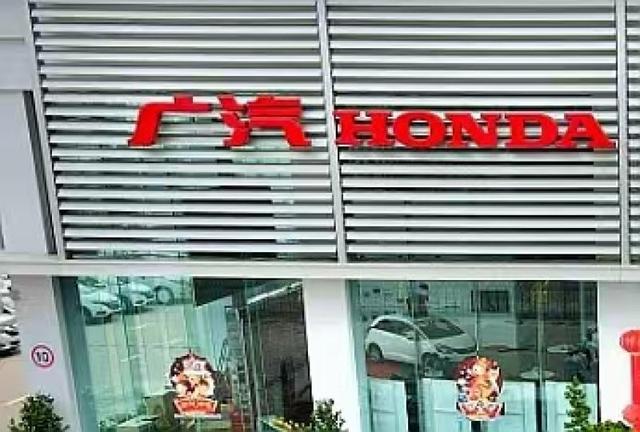
合资车企寻求战略破局,广汽本田全资收购东风本田发动机
Hua Xia Shi Bao· 2026-01-07 14:19
Core Viewpoint - The acquisition of Dongfeng Honda Engine Co., Ltd. by GAC Honda marks a significant strategic shift in the automotive industry, reflecting the restructuring logic of joint ventures and foreign brands amid the wave of new energy transformation [2][4][6]. Group 1: Acquisition Details - GAC Honda invested 1.172 billion yuan to acquire a 50% stake from Dongfeng Group and accepted a capital increase from Honda Motor Co. for the remaining 50% stake, completing the asset integration [2]. - The historical context of the acquisition reveals a "separation of production and sales" model that has now transitioned to a "vertical integration" strategy, enhancing operational efficiency [3][4]. Group 2: Strategic Implications - The acquisition enables GAC Honda to achieve an "integrated production and sales" strategy, enhancing data flow between engine R&D, production, and vehicle manufacturing [4]. - This move is crucial for GAC Honda's "oil-electric dual strength" strategy, ensuring stable supply chains and optimizing cost structures, which has already led to a short-term profit rebound of 371 million yuan in the first half of 2025 [5]. Group 3: Industry Context - The restructuring is seen as a rational choice for all parties involved, allowing GAC Honda to focus on new energy technology while Dongfeng Group optimizes its asset structure amid declining fuel vehicle markets [5][6]. - The acquisition serves as a model for joint ventures in the new energy era, emphasizing quality improvement over mere scale expansion, and highlights the evolving role of Chinese stakeholders from capital providers to strategic leaders [6][7]. Group 4: Future Challenges and Opportunities - The integration process will face challenges, including merging traditional engine development with new energy technologies and ensuring smooth operations of the production capacity of 480,000 units [7]. - The acquisition signals that traditional automakers can achieve transformation through precise asset management and strategic focus, providing valuable insights for the upgrade of the Chinese automotive industry [8].


移动联通重押雷鸟创新背后:智能眼镜发出“独立宣言”,欲告别“手机附属品”标签
Hua Xia Shi Bao· 2026-01-07 14:17
Core Viewpoint - The investment by Chinese telecom operators in Thunderbird Innovation marks a strategic move to position themselves in the next generation of personal communication terminals, particularly in the AR smart glasses market, which is expected to reach a significant milestone akin to the "iPhone moment" in the coming years [2][3][4]. Group 1: Investment and Financing - Thunderbird Innovation has completed a new financing round exceeding 1 billion yuan, led by China Mobile's Chain Long Fund and CITIC Jinshi, with participation from China Unicom's Lianchuang Innovation Fund [3]. - Since its establishment in 2021, Thunderbird Innovation has attracted significant capital, with its previous financing round occurring just two months prior, setting a record for the largest single financing amount in the domestic AI+AR glasses sector for 2025 [3]. - The strategic investment from China Mobile and China Unicom signifies the formal entry of AR terminals into the strategic vision of national communication infrastructure [3]. Group 2: Market Position and Growth - According to Counterpoint Research, Thunderbird Innovation held a 24% global market share in AR glasses by Q3 2025, achieving the highest shipment volume globally for two consecutive quarters [4]. - The company has established a strong presence in international retail channels, with its products available in over 25 countries and regions, and a cumulative user base exceeding 500,000, with overseas sales increasing by 3.8 times year-on-year [4]. Group 3: Strategic Collaboration - The partnership with telecom operators will facilitate comprehensive collaboration in market channel development, business model innovation, and core technology ecosystems, leveraging the operators' extensive offline service networks and user bases [5]. - The introduction of the first AR smart glasses with eSIM technology, "Thunderbird X3 Pro Project eSIM," exemplifies the collaborative efforts between Thunderbird Innovation and telecom operators, enabling independent communication capabilities [5][6]. Group 4: Future Outlook - The integration of eSIM technology is expected to transform AR smart glasses into a complete personal computing center, capable of independent communication, computation, display, and interaction [6]. - The operators' involvement is anticipated to catalyze the growth of AR glasses sales in China, potentially reaching millions in volume by 2026-2027, thus accelerating their adoption as mainstream consumer devices [7].