Hua Xia Shi Bao

Search documents
新天地安达仕酒店0元易主,上海全年已完成75笔大宗交易
Hua Xia Shi Bao· 2026-01-08 13:20
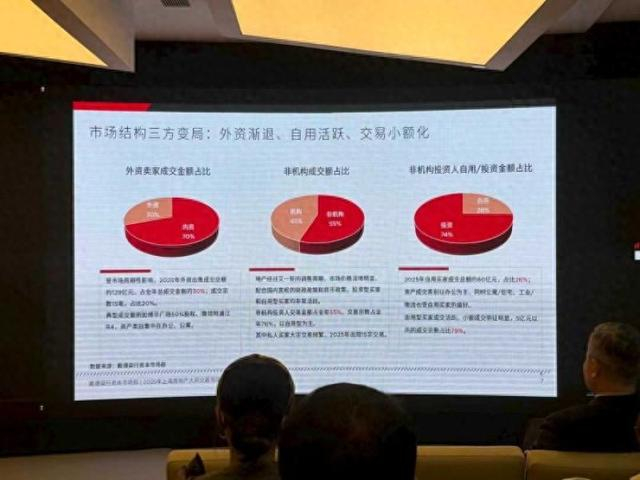
Core Viewpoint - The "0 yuan acquisition" of the Andaz Hotel in Shanghai by Hyatt Group highlights the increasing activity in the Shanghai real estate bulk transaction market, with expectations for further growth in 2026 due to favorable policies and liquidity from REITs expansion [2][5]. Group 1: Transaction Details - The Andaz Hotel's owner, Shanghai Lishi Hotel Co., has a net asset of -1.71 billion yuan and liabilities exceeding 2.52 billion yuan, which are key reasons for the 0 yuan equity transfer [2][3]. - In December 2025, Beijing-based Jingtou Development signed an agreement to acquire 100% of Shanghai Lishi, including a 0 yuan acquisition of 45% equity and a 35 million yuan purchase of debt [3][4]. - Shanghai Lishi was established in 2017 with a registered capital of over 580 million yuan and is located at the site of the Andaz Hotel, which has 307 luxury rooms [3][4]. Group 2: Market Overview - In 2025, the Shanghai real estate bulk transaction market recorded 75 transactions totaling 42.4 billion yuan, showing signs of stabilization after four years of decline [5][6]. - The average transaction price in the bulk market was approximately 560 million yuan, with small transactions (below 300 million yuan) making up over 50% of the total [5][6]. - Domestic buyers accounted for 97% of transaction value, while foreign buyers were active as sellers, completing transactions worth about 12.9 billion yuan [6]. Group 3: Future Outlook - The market is expected to benefit from continued fiscal and monetary policy easing, which will provide financing advantages to domestic investment entities [6][7]. - The expansion of public REITs is anticipated to enhance the exit and revitalization channels for existing assets, particularly in the hotel and premium office sectors [6][7]. - Transactions involving stable, small-scale assets under 300 million yuan are projected to dominate the market in 2026, reflecting a shift in investment logic towards deeper operational and value enhancement strategies [7].


战新产业与未来产业领航,央企开辟增长“第二曲线”
Hua Xia Shi Bao· 2026-01-08 12:16
Core Insights - The article emphasizes the importance of the "14th Five-Year Plan" implementation period starting in 2026, focusing on enhancing core functions and competitiveness of state-owned enterprises (SOEs) to achieve world-class status [2] - The central government aims to accelerate industrial upgrades and foster new growth drivers through strategic investments in emerging industries such as artificial intelligence, biomedicine, and digital economy [2][3] Group 1: Industrial Upgrades and Strategic Focus - The State-owned Assets Supervision and Administration Commission (SASAC) is promoting a dual-track development model for SOEs, focusing on both traditional industry enhancement and the cultivation of new growth drivers [3] - Central enterprises are expected to invest in strategic emerging industries, with an annual investment growth rate exceeding 20% over the past five years, reaching 3.3 trillion yuan in fixed asset investments (excluding real estate) from January to November 2025 [3] Group 2: Technological Advancements and R&D Investment - Central enterprises have significantly increased R&D investment, amounting to 890.16 billion yuan from January to November 2025, with an R&D intensity of 2.62% [5] - Breakthroughs in key technologies have been achieved, such as the development of a world-first megawatt-level CO₂ thermal energy storage system and a 700-megawatt ultra-supercritical circulating fluidized bed boiler [5][6] Group 3: Collaborative Ecosystem and Mechanism Reforms - SOEs are moving away from isolated operations by forming innovation alliances and promoting collaborative development across the industrial chain, with 24 innovation alliances involving over 800 enterprises and institutions [7] - The SASAC plans to advance strategic and specialized mergers and acquisitions in 2026, focusing on sectors like new energy, integrated circuits, and biotechnology to enhance competitive advantages [8]


万科:郁亮因到龄退休
Hua Xia Shi Bao· 2026-01-08 11:48
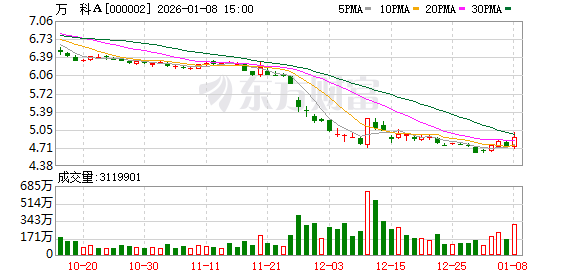
万科今日公告,因到龄退休,郁亮先生于2026年1月8日向万科企业股份有限公司董事会提交了书面辞职 报告,申请辞去公司董事、执行副总裁职务。辞去上述职务后,郁亮先生将不再担任公司任何职务。 资料显示,郁亮于1965年出生。其于1988年获北京大学学士学位;1997年获北京大学经济学硕士学位。 郁亮1990年加入公司,1994年起任公司董事,1996年任公司副总经理,1999年任公司常务副总经理兼财 务负责人,2001年-2018年1月任公司总裁,2017年7月至2025年1月任公司董事会主席,2025年1月起, 任公司执行副总裁。加入公司之前,郁亮曾供职于深圳外贸集团。 来源:万科公告、公开信息 (文章来源:华夏时报) ...

重磅“牵手”!中国石化与中国航油官宣重组
Hua Xia Shi Bao· 2026-01-08 11:47
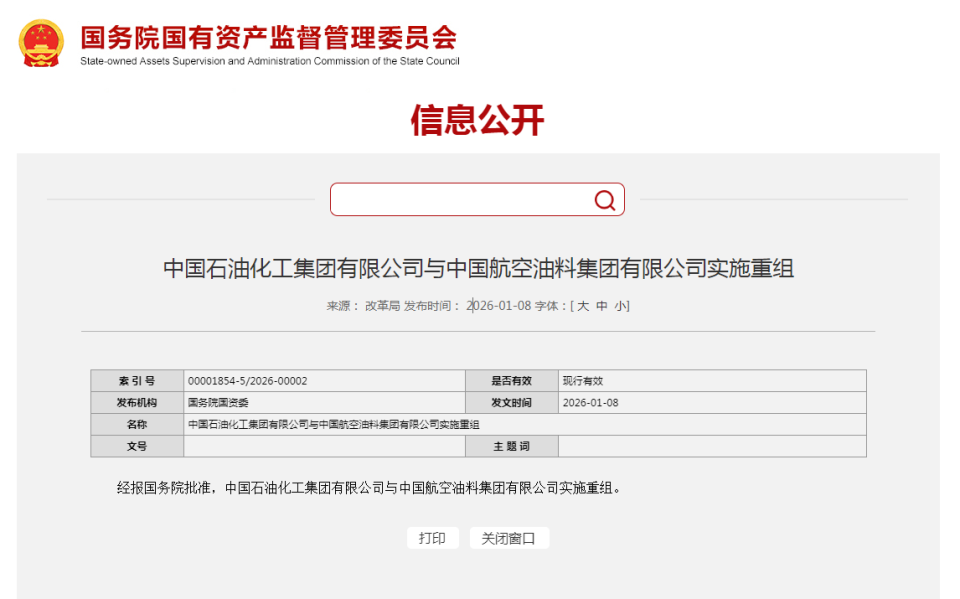
1月8日,经国务院批准,中国石化集团公司与中国航油集团公司实施重组。 来源:国资委网站、央视财经、经济参考报、公开信息 中国石化和中国航油的重组并非个例。回望"十四五",国资央企大力推进布局优化结构调整,聚焦战略安全、产业引领、国计民生、公 共服务等,以市场化方式重组了6组10家企业,新组建、设立了中国星网、中国电气装备集团等9家中央企业。 在此前举行的中央企业负责人会议上,国务院国资委主任张玉卓表示,2026年国资央企将大力推进战略性、专业化重组整合和高质量并 购。 为什么选择重组? 从市场角度看,航空业复苏势头强劲,2025年全球航油需求3.89亿吨,同比增长3.9%;国内航油需求超4000万吨,是少数仍有增长潜力 的油品。对中国石化来说,需要更直接的销售渠道;对中国航油来说,重组能够带来更稳定的上游资源,降低中间成本。 重组有哪些战略意义? 中国石化的可持续航空燃料,也就是SAF产品已在国产大型客机C919和ARJ21上完成试飞,相比传统航油,绿色航油全生命周期可降低 50%以上的碳排放量。而中国航油为全球585家航空客户提供油品保障,在SAF的推广应用和生态构建等环节占据行业主导地位。这次重 组将推动 ...

低碳行为可“换钱”,数字人民币App上线“碳普惠”服务|快讯
Hua Xia Shi Bao· 2026-01-08 10:59
Group 1 - The core idea of the article is the introduction of a "Carbon Inclusive" service within the digital RMB app, which allows users to accumulate carbon credits for their low-carbon activities and exchange them for digital RMB [2] - The People's Bank of China is promoting the use of digital RMB in green finance scenarios by supporting the development of innovative applications in the carbon inclusive sector [2] - The "Carbon Inclusive" mini-program has been launched in Shanghai, allowing users to link their accounts from platforms like Metro, Hello Chuxing, and T3 Chuxing to automatically record their low-carbon behaviors and accumulate carbon credits [2] Group 2 - The service aims to encourage the public to engage in low-carbon behaviors by rewarding them with carbon credits that can be converted into digital currency [2] - Users must log into the "Carbon Inclusive" mini-program within the digital RMB app and associate their accounts with the aforementioned platforms to benefit from the service [2] - The initiative represents a significant step in integrating digital currency with environmental sustainability efforts [2]


紧抓稀缺性
Hua Xia Shi Bao· 2026-01-08 10:32
Core Viewpoint - Scarcity is defined as the limitation in obtaining resources needed by people, with a focus on time as a crucial factor in both enhancing and destroying scarcity [2][4]. Group 1: Definition of Scarcity - Scarcity in investment refers to a situation where demand for a product remains stable or grows while supply cannot keep pace, often due to a lack of adequate substitutes [2][3][4]. - The definition emphasizes limited supply and the absence of sufficient substitutes [2]. Group 2: Types of Scarcity - Geographic scarcity occurs when a product is unique to a specific location, making it irreplaceable, such as Moutai liquor, which can only be produced in Maotai Town, Guizhou [4]. - Technological scarcity is characterized by monopolistic advantages, as seen with companies like NVIDIA, which have maintained a strong market position through innovation [5][6]. - Non-renewable scarcity refers to resources that are inherently limited and diminish with use, such as indium, which has a very low natural reserve [11]. Group 3: Impact of Time on Scarcity - Scarcity is not constant and can be altered by supply factors; for example, cocoa has seen increasing scarcity due to rising demand and limited production areas [13][14]. - The cocoa market is particularly sensitive to environmental conditions, which can drastically affect supply and prices [14][15]. Group 4: Market Dynamics and Investment Implications - The investment value of certain products can fluctuate significantly over time, influenced by market conditions and consumer behavior [4][17]. - Companies must adapt to changing market dynamics, especially during periods of consumer downgrading, to maintain their competitive edge [17].




医疗健康的2025:神话是怎么碎成一地的?
Hua Xia Shi Bao· 2026-01-08 10:28
Group 1 - The healthcare industry in 2025 has faced significant challenges, including financial fraud leading to delistings and a decline in consumer trust [2][10] - Companies like Nohui Health, once celebrated as leaders in cancer screening, have faced severe repercussions for financial misconduct, resulting in their delisting [2][10] - The regulatory environment has tightened, with a clear stance on accountability for fraudulent practices, indicating a shift towards a more transparent market [2][10] Group 2 - The market for semaglutide, once viewed as a revolutionary weight-loss solution, has seen a drastic price drop due to impending patent expirations and the emergence of generic alternatives [4][10] - The rapid expansion of chain pharmacies post-pandemic has led to a significant number of closures, highlighting the unsustainable nature of overexpansion in the industry [5][10] - Traditional brands like Tongrentang have faced scrutiny for misleading marketing practices, demonstrating that even established names are not immune to consumer skepticism [7][8][10] Group 3 - The healthcare sector in 2025 is characterized by a series of dramatic events, including the collapse of once-prominent companies, aggressive market corrections, and a loss of consumer confidence [10][12] - The industry is urged to focus on genuine value and transparency rather than relying on historical reputation or marketing gimmicks [8][10]
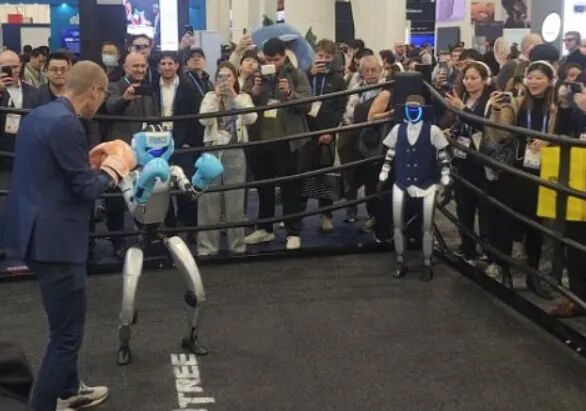
同韩国总统握手、回旋踢爆西瓜、拉斯维加斯“站C位”......中国机器人,开年集体“秀肌肉”
Hua Xia Shi Bao· 2026-01-08 08:59
Core Insights - The Chinese humanoid robot industry is experiencing significant advancements, showcasing strong competitiveness and potential for industrial applications [19]. Group 1: Industry Developments - China is the world's largest robot producer, holding over 190,000 effective patents related to robotics, accounting for approximately two-thirds of the global total [1]. - The humanoid robot sector in China has achieved breakthroughs in motion control, which is considered one of the most challenging issues in robotics [19]. - The Solactive China Humanoid Robotics Index has seen a cumulative increase of 60% from January to October, indicating a surge in stock prices related to the humanoid robot sector [19]. Group 2: Market Trends - The CES 2026 showcased over 10 Chinese companies specializing in embodied intelligence, marking a significant collective presence in the robotics industry [3]. - The launch of the humanoid robot H2 by Yushu Technology has attracted considerable attention, demonstrating advanced capabilities such as flying kicks and flips [9]. - The consumer market for robots is thriving, with robots actively participating in retail and entertainment, enhancing the overall shopping experience [15][17]. Group 3: Consumer Engagement - Yushu Technology opened its first offline store, where customers can purchase robots, indicating a shift towards consumer-oriented robotics [11]. - Robots are increasingly being utilized in various sectors, including retail, where they assist in service and product delivery, significantly reducing customer wait times [15]. - The rental market for robots is booming, with a newly established rental company in Shanghai receiving thousands of registrations within days, expanding its network across over 50 cities [19].

2025年汽车以旧换新总量超1150万辆,新能源汽车占比近六成
Hua Xia Shi Bao· 2026-01-08 07:36
Core Insights - The "old-for-new" policy for automobiles in China is expected to drive significant growth in the automotive consumption market and industry upgrades, with over 11.5 million vehicles being replaced and related sales exceeding 2.6 trillion yuan in 2025 [2][3] - The policy has led to a substantial increase in the market share of new energy vehicles (NEVs), with NEVs accounting for nearly 60% of vehicles sold through the replacement program [3][4] - The policy has effectively stimulated demand for vehicle upgrades, contributing over 1 percentage point to the overall retail sales growth of consumer goods in 2025 [4] Group 1: Market Dynamics - The "old-for-new" policy has transformed the automotive market, with NEVs achieving a retail market share exceeding 50% for nine consecutive months, peaking at 59.4% in November [3][4] - The policy has created a strong demand for high-quality, green, and smart vehicles, leading to a significant increase in consumer acceptance of NEVs [3][5] - The automotive sector's growth is supported by a robust demand-driven mechanism that encourages manufacturers to innovate and optimize product structures [5][6] Group 2: Environmental and Social Impact - The recycling and resource regeneration aspects of the "old-for-new" policy have led to a significant increase in the recovery of scrapped vehicles, reaching approximately 9.8 million units in 2025, a 24.5% year-on-year increase [7] - The policy has resulted in the recycling of around 960 million tons of steel and 130 million tons of non-ferrous metals, significantly reducing reliance on primary mineral resources and cutting carbon emissions by approximately 24.5 million tons [7][8] - The active second-hand car market, with transactions reaching 39.7 million units from 2024 to 2025, indicates a maturing automotive market and supports resource conservation [8][9] Group 3: Policy Effectiveness and Future Outlook - The "old-for-new" policy has established a positive feedback loop between market demand, policy incentives, and industry upgrades, enhancing China's competitive position in the global NEV supply chain [5][6] - The policy has not only stimulated immediate sales but also fostered long-term competitiveness through technological innovation and cost optimization [6][9] - As the policy framework continues to evolve, it is expected to further enhance the sustainability and vitality of China's automotive industry, positioning it as a leader in the global transition to low-carbon transportation [9][10]

2025,那些猜不着的结局:神话是怎么碎成一地的
Hua Xia Shi Bao· 2026-01-08 07:12
Group 1 - The healthcare industry in 2025 has faced significant challenges, including financial fraud leading to delistings and a loss of investor trust [4][10] - Companies like Nohui Health, once celebrated as leaders in cancer screening, have faced downfall due to financial misconduct, with a notable example being its delisting after a short period of success [4] - The market is undergoing a cleansing process where fraudulent companies are being removed, allowing for healthier competition [4][10] Group 2 - The drug Semaglutide, once hailed as a breakthrough for obesity treatment, has seen a drastic price drop due to impending patent expirations and the emergence of generic alternatives, leading to a collapse in stock prices [5][6] - The rapid expansion of chain pharmacies post-pandemic has resulted in a significant number of closures, indicating that mere proliferation does not guarantee profitability [7] - Traditional brands like Tongrentang have also faced scrutiny for exaggerated product claims, demonstrating that even established names are not immune to market pressures and consumer skepticism [9][10] Group 3 - The healthcare sector in 2025 is characterized by a series of dramatic events, including fraud, market corrections, and the collapse of once-trusted products and brands [10] - The industry is learning that credibility and trust cannot be bought; they must be earned through genuine quality and transparency [10]