
Hua Xia Shi Bao

Search documents
“褪色”的《阿凡达3》:票房遇冷拖累博纳影业两日跌停,好莱坞大片难逃“内容为王”定律
Hua Xia Shi Bao· 2025-12-24 01:12
Core Viewpoint - The performance of "Avatar 3" is underwhelming compared to its predecessors, leading to concerns about the diminishing appeal of Hollywood blockbusters in the Chinese market [3][6][9]. Box Office Performance - "Avatar 3" has grossed 4.6 billion yuan as of December 23, with a projected total box office of 11.12 billion yuan, which is lower than the previous two films in the series [3][5]. - The film achieved a box office of 4.05 billion yuan in its opening week, capturing 54% of the market share, and is currently ranked fifth among imported films in China for the year [5][6]. - Despite strong competition, "Avatar 3" has surpassed "The Leisurely Production," which had been in theaters for 16 days [7]. Audience Reception - The film has received a rating of 7.6 on Douban, which is lower than the ratings of the first two films, 8.8 and 7.8 respectively [8]. - Audience feedback highlights impressive visual effects but criticizes the storyline [5]. Market Trends - There is a growing sentiment that the "Hollywood halo" is fading, as evidenced by the underperformance of other major films like "Mission: Impossible 8" and "Jurassic World: Rebirth" [4][9]. - The share of Hollywood films in the Chinese market has significantly decreased from 38.7% in 2017 to an estimated 15.1% in 2024 [9]. Competitive Landscape - "Zootopia 2" is performing well at the box office, with a cumulative total of 38.28 billion yuan and a forecast of over 41 billion yuan, potentially challenging the record of "Avengers: Endgame" [9][10]. - The marketing efforts for "Avatar 3" have been less aggressive compared to "Zootopia 2," which has received more promotional support in theaters [9][10]. Industry Insights - Analysts suggest that the success of animated films like "Zootopia 2" indicates a strong demand for quality content, regardless of the franchise [10]. - The evolving market dynamics suggest that the impact of different IPs will change over time, but high-quality content will continue to attract audiences [10].


「长镜头」“褪色”的《阿凡达3》:票房遇冷拖累博纳两日跌停,好莱坞大片难逃“内容为王”定律
Hua Xia Shi Bao· 2025-12-23 14:42
Core Viewpoint - "Avatar: The Way of Water" (referred to as "Avatar 3") is currently underperforming in terms of box office and ratings compared to its predecessors, raising concerns about the diminishing appeal of Hollywood blockbusters in the Chinese market [2][4][6]. Box Office Performance - As of December 23, "Avatar 3" has grossed 460 million yuan, with a projected total box office of 1.112 billion yuan, which is lower than the previous two films in the series [2][3][4]. - The film achieved a box office of 405 million yuan in its opening week, capturing 54% of the market share, surpassing "Zootopia 2" during that period [3][4]. - Despite its strong opening, "Avatar 3" is currently ranked fifth among imported films in China for the year, just below "Mission: Impossible 8" [3][4]. Audience Reception and Ratings - The film has received a rating of 7.6 on Douban, which is lower than the ratings of the first two films, 8.8 and 7.8 respectively [5][6]. - Audience feedback indicates that while the visual effects are impressive, the storyline has not met expectations [3][5]. Market Trends and Competition - The performance of "Avatar 3" has sparked discussions about the declining influence of Hollywood films in China, with the market share of Hollywood films dropping from 38.7% in 2017 to an estimated 15.1% in 2024 [6][7]. - In contrast, domestic films, particularly animated features like "Nezha 2," are achieving record-breaking box office results, indicating a shift in audience preferences [6][7]. - "Zootopia 2" has already accumulated 3.828 billion yuan in box office revenue, with predictions suggesting it could challenge the record for the highest-grossing imported film in China [6][7]. Industry Insights - Analysts suggest that the success of animated films like "Zootopia 2" highlights the importance of quality content and strong IP in attracting audiences [7]. - The marketing strategies for "Avatar 3" have been less aggressive compared to its competitors, which may have impacted its visibility and audience engagement [6][7].
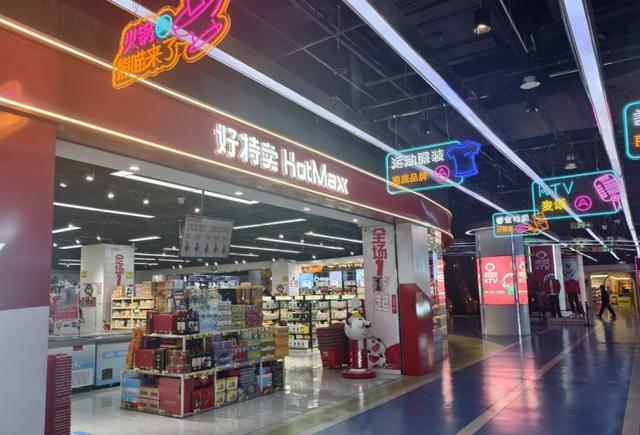
「新消费观察」折扣店洗牌开始?好特卖多地闭店:“高成本选址”与“低价模式”矛盾凸显
Hua Xia Shi Bao· 2025-12-23 14:37
Core Insights - The discount retail brand "Hao Te Mai" is reportedly closing stores in major cities like Guangzhou, Changsha, Hangzhou, and Beijing, while also slowing down its expansion pace and halting new franchise applications in some areas [2][3] - The discount retail sector has seen rapid growth this year, with major players like Meituan, JD.com, and Hema entering the market, intensifying competition for Hao Te Mai [2][6] Company Overview - Hao Te Mai was established in 2020, initially focusing on selling near-expiry products, and has since evolved into a chain retail brand specializing in discount goods [3] - The company has received five rounds of financing, with the last round occurring on August 16, 2021, and its parent company, Shanghai Xinguo Technology Co., Ltd., currently operates over 1,000 stores nationwide [3][4] Franchise Model - Hao Te Mai's franchise model includes self-operated and managed franchises, requiring franchisees to prove they have over 1 million yuan in liquid assets [4] - The initial investment for franchisees is at least 730,000 yuan, covering various costs such as brand usage fees, preparation fees, renovation, and security deposits [4] Market Challenges - The business model of Hao Te Mai faces structural contradictions, as it operates in high-rent shopping centers while offering low-priced products, leading to sustainability issues [5] - The company is under pressure from both internet giants and traditional supermarkets, which are expanding their discount offerings and optimizing supply chains [6][7] Competitive Landscape - Major competitors like Hema, JD.com, and Meituan are rapidly opening new stores, with Hema's discount brand "Chao He Suan NB" exceeding 350 locations by October 2025 [6][7] - Traditional supermarkets are also adapting by launching their own discount formats, further complicating the competitive environment for Hao Te Mai [6][7] Consumer Behavior - Experts suggest that the overuse of the "discount" concept may reshape consumer perceptions, moving away from a sole focus on low prices [7] - True discount stores should focus on sustainable low pricing through supply chain restructuring and bulk purchasing, a model that competitors like Hema and Aldi are successfully implementing [7]
A股回购规模超1400亿元,真金白银护航市场估值修复|2025中国经济年报
Hua Xia Shi Bao· 2025-12-23 14:15
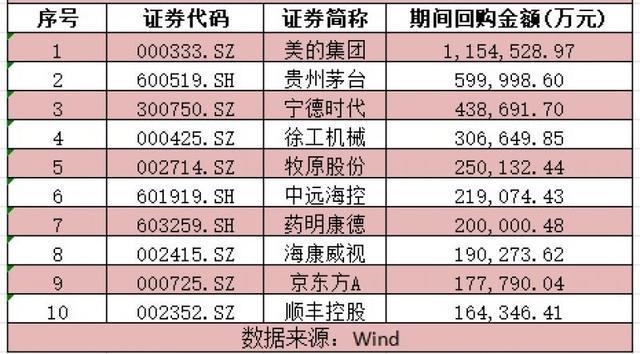
Core Viewpoint - The A-share market has seen a significant wave of stock buybacks in 2025, with nearly 1,500 companies participating, reflecting a robust response to economic recovery and external fluctuations [2][3]. Group 1: Market Overview - As of December 23, the Shanghai Composite Index closed at 3,919.98 points, with a year-to-date increase of 16.95%, peaking above 4,000 points [1]. - The overall market has shown a "shock bottoming and gradual recovery" trend, supported by favorable policies and improved corporate earnings [3]. - The three major indices have all risen this year, with the Shanghai Composite Index, Shenzhen Component Index, and ChiNext Index increasing by 16.95%, 28.37%, and 49.66%, respectively [3]. Group 2: Buyback Activity - Nearly 1,500 companies have initiated stock buybacks this year, with a total repurchase amount exceeding 1,400 billion yuan and over 13 billion shares repurchased [2][3]. - The buyback trend spans various sectors, including consumer, manufacturing, technology, and finance, indicating a comprehensive market support structure [2]. - Companies are increasingly using buybacks to enhance shareholder value and stabilize market expectations [2][3]. Group 3: Leading Companies in Buybacks - The top ten companies by buyback amount include Midea Group (11.55 billion yuan), Kweichow Moutai (5.99 billion yuan), and CATL (4.39 billion yuan) [1][6]. - Notably, Midea Group is the only company with a buyback amount exceeding 10 billion yuan this year [6]. - Companies like JD Display and XCMG Machinery have also made significant contributions to both buyback quantity and amount, showcasing their commitment to shareholder interests [6][7]. Group 4: Industry Participation - The manufacturing, consumer, and information technology sectors have the highest participation rates in buybacks, with leading firms like BOE Technology Group and XCMG Machinery actively repurchasing shares [4][5]. - These companies, backed by stable operating performance and ample cash flow, play a crucial role in stabilizing their stock prices and driving industry valuation recovery [4]. Group 5: Regulatory Support - The ongoing buyback trend is supported by regulatory policies, including the establishment of stock buyback and repurchase loans, which provide low-cost funding for companies [7]. - As of December 23, over 780 companies have disclosed receiving buyback loan support, with total loan amounts reaching over 100 billion yuan [7]. - The combination of these policies encourages companies to shift from passive stabilization to proactive value management [7][8].





行业首创从线下到线上!海尔智家服务再获行业认可
Hua Xia Shi Bao· 2025-12-23 12:01
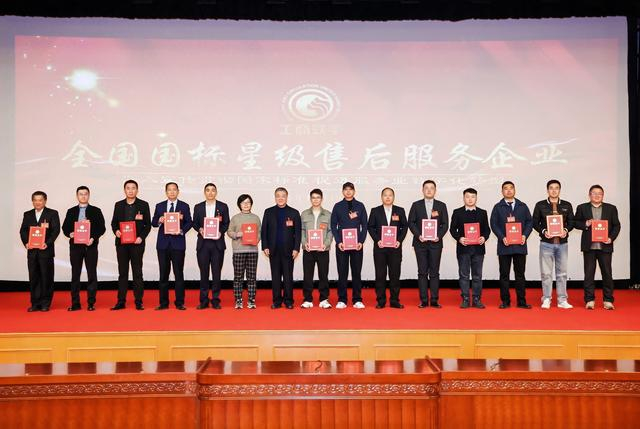
Core Viewpoint - Haier Smart Home has been recognized as a leader in the home appliance industry by winning 15 awards at the 12th National After-Sales Service Conference, making it the company with the most awards in the sector [1] Group 1: Innovations in After-Sales Service - Haier Smart Home is the first company to introduce a "no handling" service to address the delivery challenges of large appliances [3] - The company has continuously innovated to enhance user satisfaction in after-sales service, implementing standards such as "Five Ones" and "Four No's for On-Site Service" [3] - In the era of the Internet of Things, Haier has digitized its mature offline service system, improving service professionalism, efficiency, and transparency [3] Group 2: Digital Service Platform - Haier Smart Home has established the industry's first digital service platform, addressing issues of random charges, low efficiency, and lack of professionalism in appliance services [5] - Users can assess costs and book services through the Haier app, ensuring transparent pricing for labor and parts [5] - The platform allows for quick service requests and remote troubleshooting via video, enhancing service efficiency [5] Group 3: Comprehensive Lifecycle Service - Haier Smart Home is the first appliance company to offer full lifecycle services, extending beyond delivery and installation to provide a seamless experience throughout the product's life [6] - Users receive professional purchasing advice, real-time logistics updates, and integrated services for recycling old appliances and transferring rights to new ones [6] - The platform facilitates real-time interaction with service personnel, ensuring transparency and visibility throughout the service process [6] Group 4: Global Service Standards - Haier Smart Home is the first company to promote systematic service standards globally, covering over 200 countries and regions [8] - The company employs over 120,000 service personnel, serving more than 1 billion users worldwide [8] - In various regions, Haier has implemented digital tools and local service networks to enhance service efficiency and customer satisfaction [8]

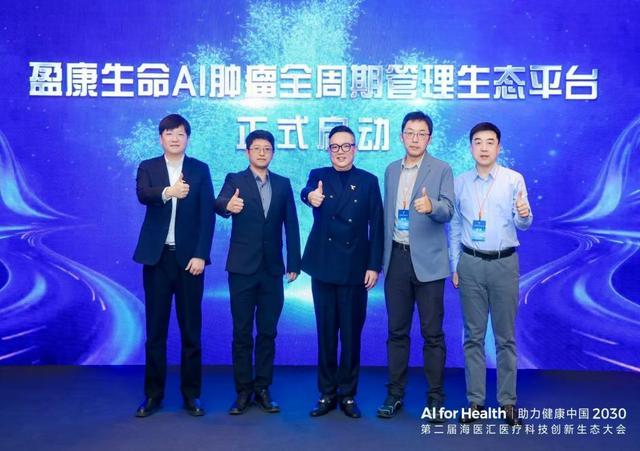
破解肿瘤全周期管理困局!盈康生命发布AI智能体开启医疗服务新生态
Hua Xia Shi Bao· 2025-12-23 09:53
Core Insights - The core focus of the news is the launch of the AI-driven Tumor Full-Cycle Management Intelligent System by Yingkang Life Technology Co., Ltd., aimed at transforming cancer care through technology and collaboration with various partners [1][3]. Company Developments - Yingkang Life has officially released a strategic product, the Tumor Full-Cycle Management Intelligent System, during the AI Tumor Full-Cycle Health Management Development Forum [1]. - The intelligent system aims to provide each cancer patient with a dedicated AI personal doctor, marking a significant shift from a comprehensive medical group to a technology-driven health solution provider [3]. - The system integrates five core functionalities covering early screening, diagnosis, treatment, rehabilitation, and ecological linkage, utilizing an "online + offline" model to address the entire patient journey [3]. Industry Context - In 2022, approximately 4.8 million new cancer cases were reported in China, accounting for 24% of the global total, highlighting the urgent need for continuous cancer care due to an aging population [4]. - Traditional medical services face challenges such as inefficiencies in hospital visits and difficulties in interpreting medical reports, which the new intelligent system aims to resolve [4]. - The industry consensus is shifting towards a full-cycle systemic paradigm in cancer treatment, moving away from fragmented hospital-centric models [5]. Competitive Advantages - Yingkang Life possesses a unique competitive edge through a combination of resources, technology, and service capabilities, which are difficult for competitors to replicate [6]. - The company operates 11 hospitals and care institutions, creating a comprehensive regional medical center and collaborative network [6]. - The integration of AI and digital strategies has positioned Yingkang Life to leverage extensive real-world data from nearly 200,000 cancer patients annually, enhancing the training of medical AI [6][7]. Technological Innovations - Yingkang Life has initiated a digital transformation strategy, achieving interconnectivity among core systems and establishing a "data lake" for enhanced data utilization [7]. - The company is set to enter the "AI Application 3.0 phase" by early 2025, utilizing advanced AI models to improve healthcare delivery [7]. - The intelligent system is designed to provide personalized and empathetic healthcare services, addressing patient needs effectively [8]. Ecosystem Collaboration - The forum featured contributions from partners like United Imaging Healthcare, Ant Health, and Huimei Technology, emphasizing collaborative efforts in advancing AI in healthcare [9]. - Huimei Technology has developed AI solutions that have been implemented in over 1,200 hospitals, focusing on critical clinical processes in oncology [9]. - Ant Health aims to enhance industry collaboration and provide accessible AI health services, aligning with Yingkang Life's vision for a comprehensive health ecosystem [9]. Future Outlook - The Tumor Health Management Intelligent System platform is expected to be fully operational by 2026, with plans to cover one million cancer patients over the next 3-5 years [10]. - The new strategy is anticipated to lead to a valuation restructuring in the capital market, positioning Yingkang Life as a growth-oriented and scarce investment opportunity [10]. - The "online + offline" integration model is expected to enhance patient satisfaction and operational efficiency, driving revenue growth and long-term sustainability for the company [10].

从建筑节能到绿色生活:一场长达20年的绿色建筑竞赛,见证中国低碳转型的“风与潮”
Hua Xia Shi Bao· 2025-12-23 07:44
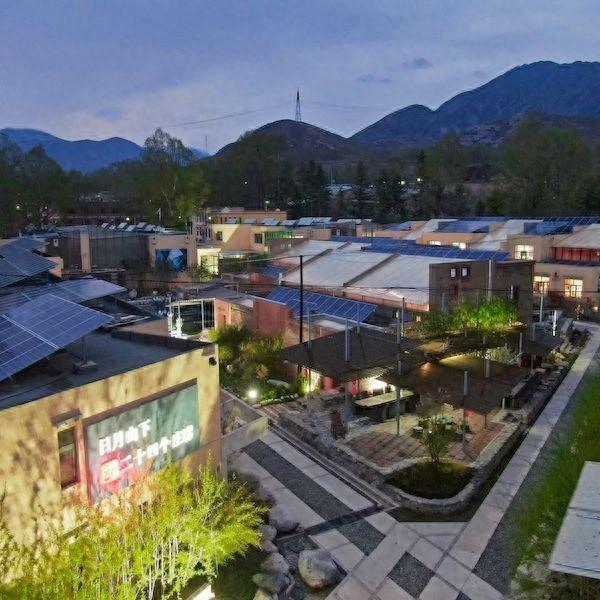
Core Insights - The "Delta Cup International Solar Building Design Competition" has played a significant role in promoting low-carbon transformation in China's architecture industry over the past 20 years, showcasing the evolution of solar energy applications and low-carbon technologies from concept to practical implementation [3][4] Group 1: Project Overview - The "Twenty-Four Villages under the Sun and Moon Mountain" project, which emerged from the Delta Cup competition, has become a popular destination, operating as a guesthouse and achieving a photovoltaic self-use rate increase from 35% to 85% after the installation of a smart microgrid system [2] - The project has also led to a 40% reduction in electricity costs, addressing the high heating expenses faced by local residents during winter [2] Group 2: Historical Context and Impact - Over the course of 20 years, the Delta Cup competition has seen participation from over 90 countries and 12,132 teams, resulting in 2,636 valid submissions and the construction of 7 winning projects [4] - The competition aims to instill energy-saving and environmental protection concepts in students, influencing their future architectural practices [4] Group 3: Technological Advancements - The cost of crystalline silicon, a key material in solar energy, has significantly decreased from approximately $40 per kilogram in 2005 to around $4-5 per kilogram today, marking the entry of solar energy into a "grid parity" era [5] - Delta has implemented a carbon management strategy, achieving carbon peak in 2017 and setting ambitious goals for carbon neutrality by 2050, including the establishment of energy storage systems to support renewable energy consumption [8] Group 4: Future Trends - The trend towards zero-carbon factories and parks is gaining momentum, with national standards for zero-carbon industrial parks being developed, indicating a shift towards industrial green and low-carbon practices [9] - The broader definition of "green" architecture now encompasses not only energy efficiency but also the discovery and application of green technologies in everyday life [9]
高位股午后集体跳水,合富中国再次高位闪崩
Hua Xia Shi Bao· 2025-12-23 06:38
Core Viewpoint - The stock of HeFu China has experienced irrational surges, leading to multiple risk warnings from the company, indicating a significant disconnection from its fundamentals [2][4]. Group 1: Stock Performance and Company Actions - HeFu China's stock price has increased over 250% from October 28 to December 5, despite the company reporting a net loss of approximately 12.39 million yuan for the third quarter [2][4]. - The company has issued nearly ten risk warning announcements since the first trading halt, explicitly stating that its stock price is being irrationally speculated upon [2][4]. - The controlling shareholder of HeFu China holds 55% of the company's shares, with a market value increase of over 3.5 billion yuan since October 28, and plans to reduce holdings worth approximately 200 million yuan [2][4]. Group 2: Market Trends and Investor Behavior - The A-share market is witnessing a trend of "cross-year stocks," with multiple companies experiencing consecutive trading halts, indicating a speculative atmosphere as the year-end approaches [5][6]. - Historical data shows that "cross-year stocks" often start their rallies around mid-November, with a significant portion having low market capitalization and stock prices, making them susceptible to speculative trading [6][7]. - Market participants are advised to be cautious of the high risks associated with these speculative stocks, as they can experience extreme volatility and significant losses after rapid price increases [7].

武汉年底密集土拍“补作业”,伟星、复星、大华“越战越勇”,专家:核心区供地应增加
Hua Xia Shi Bao· 2025-12-23 01:55
Core Insights - The Wuhan land auction market is experiencing increased activity as the government accelerates land supply, achieving record highs in both supply scale and transaction amounts for the year [2][3] - The land auction pattern for 2025 shows a trend of "initial contraction, steady supply mid-year, and concentrated release at year-end," reflecting the government's intent to meet annual land supply targets [4][8] - Private enterprises are increasingly participating in land auctions in core areas, indicating confidence in the market, with notable acquisitions by companies like Fosun and Dahu [5][7] Land Auction Details - On December 18, Wuhan successfully auctioned 10 residential land parcels, covering a total area of 314,100 square meters and a total planned construction area of 656,100 square meters, with a starting price of 3.769 billion yuan [3] - In December alone, multiple batches of land auctions have taken place, with significant revenue generated: 8.88 million yuan from 3 parcels on December 2, 8.655 billion yuan from 26 parcels on December 9, and approximately 7.438 billion yuan from 20 parcels on December 12 [3][4] Market Dynamics - Despite a general market pressure, new homes with strong product appeal are maintaining stability, and there is a notable interest from buyers in the current land supply situation, which is expected to increase market competition and provide more options for buyers [4][6] - The presence of private enterprises in the land market, such as Fosun and Dahu, highlights a strategic focus on core urban areas, while also addressing the ongoing inventory pressure in suburban regions [5][8] Supply and Demand Analysis - The supply of land in Wuhan is still heavily skewed towards suburban areas, which are facing high inventory turnover periods, while the core areas are experiencing a significant demand for improved housing options [8] - Data from 58 Anjuke indicates that the inventory pressure in suburban areas is exacerbated, with some regions having a housing turnover cycle exceeding 30 months, while core areas like Wuchang and Optics Valley show a decreasing inventory of improved housing [8]



直面OpenAI竞争!MiniMax通过港交所聆讯,海外收入占比超七成
Hua Xia Shi Bao· 2025-12-23 00:39
Core Insights - MiniMax, part of the "AI Six Tigers," has reported impressive revenue growth, achieving over $53 million in revenue in the first three quarters of 2023, which is approximately 376 million RMB, despite ongoing losses typical for AI companies [1][2] - The company has a significant global presence, with 73% of its revenue coming from international markets, operating in over 200 countries and regions [1][5] - MiniMax's user base has surpassed 210 million, with approximately 1.77 million paying users, indicating strong commercial traction [2] Revenue and Financial Performance - MiniMax's revenue for 2023, 2024, and the first three quarters of 2025 was $3.46 million, $30.52 million, and $53.44 million respectively, showcasing rapid growth [2] - The company's gross margins have improved from -24.7% in 2023 to 23.3% in 2025, although they remain lower compared to competitors like Zhizhu [2][3] - MiniMax's losses were reported at $269 million, $465 million, and $512 million for the same periods, attributed to significant investments in R&D and AI infrastructure [4] Competitive Landscape - MiniMax faces intense competition from industry giants like OpenAI and Google, with a market share of 0.3% compared to OpenAI's 30.1% [6] - The company has a strategic advantage in cost efficiency, having spent only about 1% of what OpenAI has invested in the field, with a cash balance of over $1 billion as of September 2025 [6] - The company's international strategy is seen as both a challenge and an opportunity, pushing for continuous improvement in technology and operations [1][5] Market Position and Future Outlook - MiniMax is expected to list on the Hong Kong stock market soon, aiming to capitalize on the current market interest in AI companies [7] - Analysts suggest that the company's long-term success will depend on its ability to innovate and address real-world problems effectively [7]