Hua Xia Shi Bao

Search documents
上海沪工前三季度营收、净利双降,两大募投项目进展遇阻
Hua Xia Shi Bao· 2025-12-14 08:16
Core Viewpoint - Shanghai Huguang Welding Group Co., Ltd. has announced the termination of its aerospace equipment manufacturing base phase one project and a third delay for its precision CNC laser cutting equipment expansion project, reflecting challenges in project execution and declining financial performance [2][6][9]. Financial Performance - For the first three quarters of 2025, the company reported total revenue of 641 million yuan, a year-on-year decrease of 12.65%, and a net profit attributable to shareholders of -1.97 million yuan, down 104.2% [4]. - In Q3 2025, the company’s main revenue was 210 million yuan, a decline of 15.26% year-on-year, with a net profit of -6.76 million yuan, down 187.12% [4][5]. - The decline in revenue is primarily attributed to decreased sales in the welding and cutting equipment business [4][5]. Project Updates - The company has invested 1.12 billion yuan in the aerospace equipment manufacturing base project, which has a total planned investment of 2.46 billion yuan, with a progress rate of 59.08% [7][9]. - The precision CNC laser cutting equipment expansion project has only achieved a progress rate of 2.86% and has been delayed for the third time, now expected to be completed by December 31, 2026 [9][10]. - The decision to terminate the aerospace project is influenced by changes in market conditions and industry policies, leading to a shift in customer procurement schedules [7][8]. Strategic Response - The company plans to focus on internal resource integration and maintain stable operations in response to market changes, emphasizing improved internal management [5][6]. - The company aims to adjust its capacity structure and resource allocation in light of the current market demand and industry trends [8][9].



判了!欺诈发行募资10亿元、连续四年财务造假,紫晶存储核心高管集体获刑
Hua Xia Shi Bao· 2025-12-14 07:24
Core Viewpoint - The case of Guangdong Zijing Information Storage Technology Co., Ltd. (Zijing Storage) highlights the importance of accountability in China's capital market, emphasizing that financial fraud and information disclosure violations are serious crimes that can lead to severe penalties for responsible individuals and companies [2][8]. Group 1: Company Overview - Zijing Storage, established in 2010, is a light storage technology company that offers optical storage media for consumer markets and optical storage devices and solutions for enterprise markets [3]. - The company went public on the STAR Market in February 2020, raising 1.023 billion yuan with an initial share price of 21.49 yuan, and saw its stock price surge by 264% on the first trading day, reaching a market capitalization of nearly 15 billion yuan [3]. Group 2: Financial Fraud Details - Zijing Storage engaged in extensive financial fraud, including fabricating sales contracts, falsifying logistics documents, and prematurely recognizing revenue, which began in 2017 [4][5]. - The scale of the fraud was significant, with the company inflating its revenue by approximately 435 million yuan in 2017 (13.9% of that year's revenue) and by 3.28 billion yuan in 2020 (58.26% of that year's revenue) [4][5]. Group 3: Legal Consequences - The company was sentenced to a fine of 37 million yuan for fraudulently issuing securities, while its legal representative and actual controller, Zheng Mu, received a prison sentence of seven years and six months for multiple offenses [5][6]. - A total of 10 individuals associated with Zijing Storage were criminally prosecuted, with sentences ranging from two years to seven years and six months, reflecting the severity of the financial misconduct [6][7]. Group 4: Investor Compensation and Regulatory Impact - Investors affected by the fraud have been compensated efficiently, with approximately 1.086 billion yuan paid to 16,986 investors within two months through a compensation mechanism initiated by the regulatory authority [7]. - The case has prompted a significant shift in regulatory expectations, emphasizing that intermediaries must conduct thorough due diligence to avoid severe financial and reputational consequences [8].

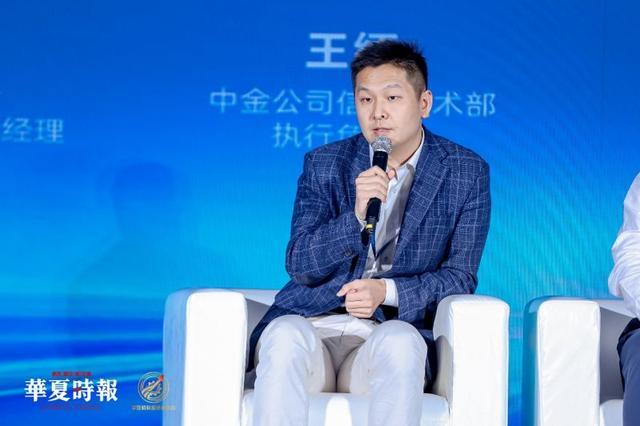
中金公司王缅:以AI与大模型技术赋能投研与风控决策|2025华夏机构投资者年会
Hua Xia Shi Bao· 2025-12-14 01:50
Core Insights - The 19th Huaxia Institutional Investor Annual Conference and Huaxia Financial (Insurance) Technology Forum was held in Beijing, focusing on the theme of "Vitality and Resilience, Innovation and Empowerment" [2] - The conference aimed to address contemporary challenges, build consensus for development, and explore future pathways [2] Group 1: Technology and Innovation in Securities - Wang Mian from CICC highlighted the importance of enhancing two core capabilities in the securities industry: value assessment for price discovery and effective risk management [2][4] - CICC's one-stop investment research service platform, "CICC Insight," aims to systematically convert years of research and frameworks from over 300 analysts into structured information to assist investment decision-making [3] Group 2: Risk Management in Global Capital Markets - CICC reported that over 30% of its revenue comes from international business, emphasizing the need for robust risk management capabilities when Chinese financial firms operate abroad [4] - The company has developed an integrated risk and capital measurement system for derivatives, significantly improving computational efficiency, reducing the time for risk capital measurement from 4-6 hours to under 1 hour [4]

三季度净利暴跌83%后,“东北药茅”长春高新靠第七次融资续命?
Hua Xia Shi Bao· 2025-12-14 01:27
Core Viewpoint - Changchun High-tech (000661.SZ) faces a complex situation with a weak Q3 report and a favorable policy announcement regarding product inclusion in the national medical insurance directory for 2025, which may signal a shift in its performance despite significant profit declines [2][4]. Financial Performance - For the first three quarters of 2025, the company reported a revenue of 9.81 billion yuan, a decrease of 5.6% year-on-year, and a net profit attributable to shareholders of 1.16 billion yuan, down 58.23% [7][8]. - In Q3 alone, revenue was 3.20 billion yuan, reflecting a 14.55% decline, while net profit plummeted 82.98% to 182 million yuan [7][8]. - The company's net profit margin has dropped from 38.57% in 2020 to 10.81% in the first three quarters of 2025, despite maintaining a gross margin above 85% [7]. Market Dynamics - The inclusion of Changchun High-tech's core product, JinSaiZeng (long-acting growth hormone), in the national medical insurance directory is seen as a double-edged sword, potentially increasing market access but also leading to price reductions that could compress profit margins [3][4]. - The domestic growth hormone market is becoming increasingly competitive, with both multinational and local companies intensifying their efforts, which threatens the market barriers that Changchun High-tech has relied on [4][6]. Product Development and Innovation - JinSaiZeng has been included in the insurance directory for treating children with endogenous growth hormone deficiency, with a significant patient population of approximately 7.6 million in China [5]. - The company is also exploring diversification through new product lines, including an IL-1β monoclonal antibody and desensitization therapy products, although these initiatives are still in early stages and may not provide immediate financial relief [14]. IPO and Financing - Changchun High-tech has submitted an application for an IPO on the Hong Kong Stock Exchange, which would mark its seventh direct financing attempt since its listing in 1996, aiming to raise funds for innovation and operational needs [12][14]. - As of September 2023, the company's cash and cash equivalents have decreased by 50.70% year-on-year, totaling approximately 3.16 billion yuan [12].


从SKP到荟聚 顶流商场密集寻找“合伙人”:实体零售新赛道在哪
Hua Xia Shi Bao· 2025-12-13 19:45
Core Insights - In a strategic move, Ingka Centers announced a partnership with Gaohe Capital to establish a real estate fund, focusing on three Huiju experience centers in Wuxi, Beijing, and Wuhan, pending regulatory approval in China [1][2] - The sale of these high-quality assets reflects a broader trend in the industry, where premium commercial properties are increasingly being put up for sale, raising questions about the underlying market dynamics [1][4] Company Overview - Ingka Centers, part of the Ingka Group, operates under the "Huiju" brand in China and has invested over 27 billion RMB in developing ten experience centers and three office projects since entering the market in 2009 [2] - The company plans to open new Huiju centers in Xi'an and Shanghai in 2024, with the Shanghai project being the largest single investment globally at over 8 billion RMB [2] Market Dynamics - The partnership with Gaohe Capital signifies a shift from asset ownership to asset management, indicating a structural evolution in commercial real estate development towards a model focused on operational efficiency and community engagement [4] - Recent sales of premium assets, including those of Intime and SKP, suggest a recalibration of the valuation framework for traditional retail models, as these entities struggle to transition from mere shopping venues to lifestyle centers [4][5] - The future of physical retail is expected to diverge into two paths: one focusing on experiential lifestyle platforms and the other on community-centric spaces, while traditional department stores may face significant market challenges [5]
从SKP到荟聚,顶流商场密集寻找“合伙人”:实体零售新赛道在哪
Hua Xia Shi Bao· 2025-12-13 13:55
Core Viewpoint - The strategic partnership between Ingka Centers and Gaohe Capital to establish a real estate fund for three "Hui Ju" shopping centers reflects a significant shift in the commercial real estate landscape in China, indicating a trend of premium assets being put up for sale amid changing market dynamics [2][5]. Group 1: Company Developments - Ingka Centers has announced a strategic cooperation with Gaohe Capital to jointly hold the "Hui Ju" shopping centers in Wuxi, Beijing, and Wuhan, following plans to sell ten centers in China [2][3]. - The three shopping centers involved in this partnership represent a total investment of 16 billion RMB, marking a shift from full ownership to a shared management model [2]. - Ingka Centers will continue to manage and operate the "Hui Ju" brand, maintaining its presence in the market despite the asset transfer [2][3]. Group 2: Industry Trends - The sale of high-quality commercial assets like "Hui Ju" indicates a structural evolution in the commercial real estate sector, moving from ownership to asset management models [5]. - Experts suggest that the recent trend of premium asset sales is not necessarily indicative of operational difficulties but rather a recalibration of valuation in the traditional retail model [5]. - The future of physical retail is expected to polarize, with some entities evolving into lifestyle platforms while others focus on community-based services, highlighting the need for experiential value over mere product sales [5].

中信保诚人寿总经理助理、首席风险官邱文光:拥抱AI 成就未来,2027年实现AI渗透率超70%|2025华夏机构投资者年会
Hua Xia Shi Bao· 2025-12-13 11:47
Core Viewpoint - The 19th Huaxia Institutional Investor Annual Conference emphasized the importance of AI in enhancing customer service, operational efficiency, and risk management in the insurance industry, aiming for a significant AI penetration in core business scenarios by 2027 [2][3][6]. Group 1: AI in Customer Experience - The insurance market is shifting from price competition to service experience, making customer value-added services crucial for purchase decisions [3]. - China CITIC Insurance has developed a comprehensive value-added service system covering health, retirement, education, and wealth management, referred to as "Health, Retirement, Education, and Wealth" [3][4]. - AI technologies enhance customer interactions through intelligent customer service platforms, significantly reducing service wait times and improving accuracy [4][5]. Group 2: AI-Driven Operational and Sales Enhancements - AI is reshaping internal operations, organizational efficiency, and risk management capabilities within insurance companies [6]. - China CITIC Insurance's three-year AI plan focuses on four areas: operational intelligence, management intelligence, operational efficiency, and risk control [6]. - The deployment of an intelligent sales support system (E-Partner) helps sales agents efficiently identify potential customers and generate personalized sales suggestions, improving conversion rates and customer satisfaction [7]. Group 3: Industry Trends and Future Outlook - The insurance industry is increasingly recognizing the strategic importance of AI, with significant investments in technology and talent [6]. - The ultimate goal of AI integration is to enhance quality and efficiency while creating a more responsive and resilient insurance service ecosystem [7].

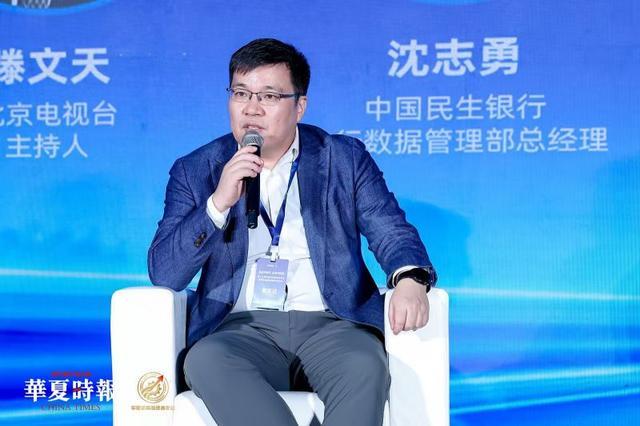
民生银行沈志勇:积极拥抱人工智能浪潮,赋能业务发展|2025华夏机构投资者年会
Hua Xia Shi Bao· 2025-12-13 11:47
Core Viewpoint - The 19th Huaxia Institutional Investor Annual Conference and Huaxia Financial (Insurance) Technology Forum was successfully held in Beijing, focusing on the theme of "Vitality and Resilience, Innovation and Empowerment" to explore future paths in response to contemporary challenges [2]. Group 1: Financial Technology and Innovation - The conference featured a roundtable discussion on "Financial Technology Leap," where Shen Zhiyong, General Manager of the Data Management Department of China Minsheng Bank, shared insights on financial technology innovations and applications in the era of large models [2]. - Shen emphasized that the emergence of DeepSeek has sparked a wave of large model applications in China, with Minsheng Bank actively deploying related technologies to empower business development [3][4]. Group 2: Data Management and Digital Transformation - Data is identified as a key production factor in driving the development of the digital economy and digital finance, serving as the core force behind banks' digital transformation [3]. - The Data Management Department aims to build a complete digital nervous system for enterprises, significantly enhancing their market trend perception and decision-making agility [3]. Group 3: Implementation and Application of Large Models - Minsheng Bank's approach involves introducing advanced large model technologies, followed by deep adjustments based on actual business needs and data accumulation, while strengthening underlying infrastructure [4]. - The application of large models has shown significant results, particularly in improving internal operational efficiency and optimizing customer experience [5]. Group 4: Performance Metrics and Future Directions - As of June 2025, the daily usage of large model applications at Minsheng Bank has tripled compared to the end of the previous year, with key applications in credit due diligence, retail marketing, remote seating, business operations, and knowledge Q&A [5]. - In the credit due diligence area, large models have enhanced risk analysis capabilities, with 80% of new credit scenarios utilizing these functions, while applications in retail customer marketing have been widely promoted across the bank [5].

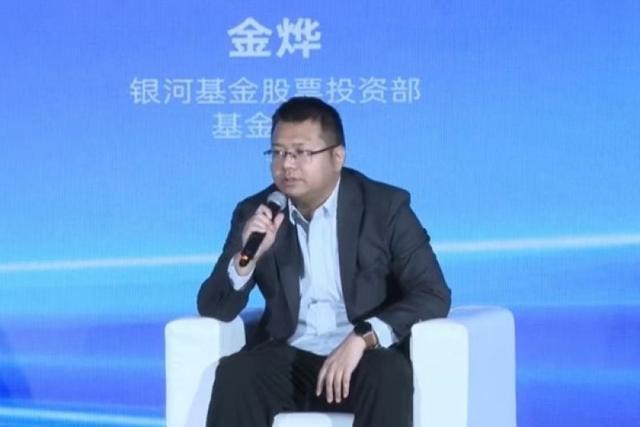
传统分析框架为何解释不了有色行情?基金经理金烨给出答案|2025华夏机构投资者年会
Hua Xia Shi Bao· 2025-12-13 10:17
Core Insights - The unexpected surge in the prices of non-ferrous metals, including gold, silver, copper, and aluminum, is attributed to a paradigm shift in pricing dynamics, moving away from traditional macroeconomic indicators to global demand driven by central banks, particularly China's [2][3][5] Group 1: Precious Metals - International gold prices have increased by over 60% within the year, building on a 50% rise over the previous two years, while silver prices have also risen by more than 50% [3] - The current gold reserves of the People's Bank of China account for approximately 6-7% of its foreign exchange reserves, which is below the global average of 13-14%, indicating potential for further price increases [3][5] - A-shares in gold stocks have lagged behind gold price increases, suggesting a potential for valuation recovery as market expectations shift [4] Group 2: Industrial Metals - Prices for industrial metals such as copper, aluminum, and tin have risen by 27%, 12%, and 35% respectively as of November 30, with tungsten prices increasing over 100% [3] - The demand for industrial metals is increasingly linked to emerging industries like AI and renewable energy, which is counterbalancing the decline in traditional manufacturing demand [5][6] - The supply constraints in the cobalt market, due to export restrictions from the Democratic Republic of Congo, which supplies about 70% of the world's cobalt, have led to significant price increases [5][6] Group 3: Market Dynamics - The weakening of the US dollar and the reassessment of the strategic importance of upstream resources amid global de-globalization trends are contributing to the price increases in non-ferrous metals [3][5] - The traditional sensitivity of copper and aluminum prices to Chinese real estate data has diminished, as demand from new energy and AI sectors has become more significant [6] - The investment paradigm in the non-ferrous metals sector has shifted, necessitating a reevaluation of traditional analytical frameworks [6] Group 4: Investment Management Principles - In managing investment portfolios, controlling maximum drawdown is crucial, as significant volatility can negatively impact investor experience [7] - The importance of maintaining a safety margin in investment decisions is emphasized, which involves assessing the intrinsic value of companies while considering potential downside risks [8] - Establishing a disciplined approach to profit-taking and loss-cutting is essential, with decisions based on fundamental changes rather than fixed percentage thresholds [8]
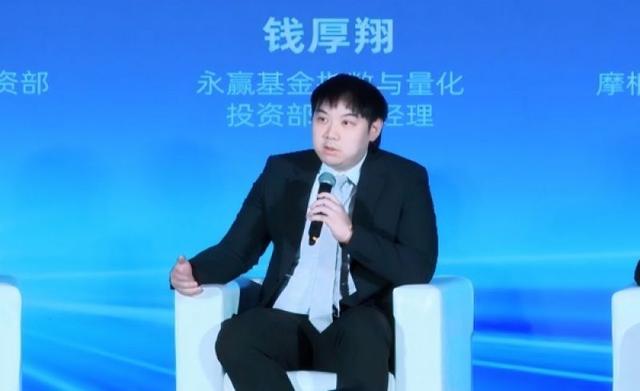
永赢基金钱厚翔:把握2026“盈利接棒”新周期,锚定业绩是关键|2025华夏机构投资者年会
Hua Xia Shi Bao· 2025-12-13 10:17
Core Insights - The forum focused on the theme of "vitality and resilience, innovation and empowerment," aiming to address contemporary challenges and explore future pathways [2] - Fund managers discussed the shift from "valuation recovery" to "profitability takeover" as the market stabilizes and policy shifts towards endogenous growth and high-quality development [3][4] Investment Strategy - The investment logic for high-growth sectors has undergone structural reshaping, emphasizing real revenue growth, margin improvement, and free cash flow generation rather than relying solely on valuation expansion [3][5] - Key investment themes for 2026 include technology growth, overseas expansion, and cyclical recovery, with a focus on market share concentration and confirmation of profitability turning points [4][5] Portfolio Management - Effective portfolio management in a volatile market involves diversifying sources of returns and controlling systematic risks through low-correlation multi-strategy combinations [6][7] - The "multi-strategy methodology" aims to mitigate risks, particularly tail risks, by employing strategies with different return characteristics [7] Investor Recommendations - Investors are advised to return to fundamentals and adopt a patient capital approach, focusing on core assets with global competitiveness, stable dividends, and reasonable valuations [8] - The market environment is expected to shift from "broad and loose" to "steady and precise," making reliance on valuation expansion a potential challenge [8]