Zhong Guo Jing Ying Bao

Search documents
银行业2025年被罚26亿!这项业务罚单数激增185%
Zhong Guo Jing Ying Bao· 2026-01-06 05:00
Core Insights - In 2025, regulatory penalties in China's banking sector surged, with 6,521 fines totaling 2.641 billion yuan, a 44.95% increase from 2024, driven by a significant rise in anti-money laundering violations [1][2] - The increase in penalties reflects a paradigm shift in financial regulation, emphasizing stricter compliance standards and enhanced monitoring capabilities [2][3] Regulatory Changes - The new Anti-Money Laundering Law, effective January 1, 2025, imposes rigid requirements for customer due diligence, transaction record retention, and suspicious transaction reporting, extending the retention period to at least five years [3] - Regulatory strategies have shifted from post-event punishment to proactive prevention and comprehensive monitoring, focusing on identifying issues such as inadequate customer identification and delayed suspicious transaction monitoring [3] Enforcement and Compliance - The enforcement model has evolved to impose penalties not only on institutions but also on responsible individuals, marking a shift from punishing organizations to holding individuals accountable [3][4] - The complexity of money laundering techniques, including cross-border transactions and virtual currency trading, necessitates the adoption of advanced regulatory technologies for better detection of violations [3][5] Future Outlook - The regulatory environment in 2026 is expected to maintain a high-pressure stance, with a focus on optimizing the structure of penalties rather than merely increasing their scale [4][5] - The emphasis will be on quality over quantity in regulatory actions, with a particular focus on high-risk areas and compliance with new regulations such as the Financial Institutions Customer Due Diligence Measures [5][6] Key Areas of Focus - Anti-money laundering will remain a core regulatory focus, with an emphasis on enhancing customer due diligence and upgrading suspicious transaction monitoring technologies [6] - Data compliance and privacy protection are emerging as new focal points, with a significant proportion of penalties already attributed to data reporting violations [6]
极米科技跨界推出AI眼镜亮相CES
Zhong Guo Jing Ying Bao· 2026-01-06 04:48
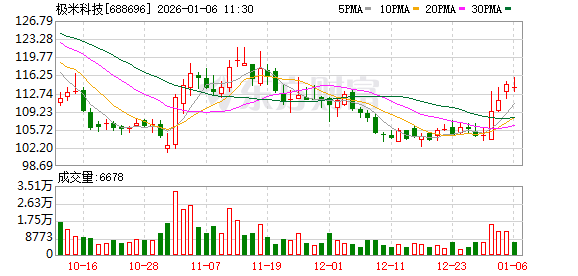
Group 1 - The core viewpoint of the article is that XGIMI Technology (688696. SH) has launched a new AI glasses brand "MemoMind" at CES 2026, marking its entry into the rapidly growing smart wearable market with a differentiated positioning of "non-intrusive intelligence" to break the industry's tendency towards "technology stacking" [2][5] Group 2 - Currently, MemoMind's AI glasses are only showcased, with no specific product parameters or launch timeline announced [5] - Starting from the second half of 2025, numerous domestic and international tech companies are entering the AI glasses market [5] - According to an IDC report, global smart glasses shipments are expected to reach 4.296 million units in Q3 2025, representing a year-on-year growth of 74.1% [5] - IDC forecasts that the global smart glasses market will see shipments of 12.8 million units in 2025, with a year-on-year growth of 26% [5] - The Chinese smart glasses market is projected to reach 2.75 million units in shipments, reflecting a year-on-year growth of 107% [5]


探迹科技完成“太空首秀” 并购A股标的进入实质性推进阶段
Zhong Guo Jing Ying Bao· 2026-01-06 02:56
Core Viewpoint - The company Tanjitech is advancing its acquisition of the A-share listed company Zhenai Meijia, marking a significant move in the AI and home textile sectors, with plans to integrate AI capabilities into traditional manufacturing [3][4]. Group 1: Company Overview - Tanjitech, founded in 2016, specializes in developing enterprise-level AI models and data cloud platforms, serving over 50,000 clients including major firms like Alibaba, Huawei, and ExxonMobil [3]. - The company's core products include the "Taiqing" AI model platform and the "Kuanhu" data cloud, aimed at enhancing operational efficiency for B2B and B2C enterprises [3]. Group 2: Acquisition Details - Tanjitech is in the substantive phase of acquiring Zhenai Meijia, with a total expenditure of approximately 1.8 billion yuan (around 18 million) planned for the transaction [4]. - Upon completion, Tanjitech will hold 44.99% of Zhenai Meijia's shares and voting rights, making it the new controlling shareholder [4]. Group 3: Strategic Significance - The branding initiative of sending Tanjitech's logo and Zhenai Meijia's stock code into space is intended to generate momentum for the acquisition [4]. - Tanjitech's CEO, Li Zhan, emphasized that this venture symbolizes the limitless potential of technology and the evolution of competition towards data-driven decision-making [4].

穆迪评级:地缘政治、网络安全和监管差异正在扩大AI风险
Zhong Guo Jing Ying Bao· 2026-01-06 00:48
Core Insights - The report by Moody's highlights the rapid development of artificial intelligence (AI) and the increasing performance of AI models, with leading companies accelerating enterprise-level deployment solutions [1] - Concerns are rising regarding a potential AI investment bubble as capital expenditures for computing power and infrastructure significantly exceed the revenue generated from AI applications [1] - The integration of AI into workflows is increasing operational risks, while geopolitical factors, cybersecurity issues, and regulatory differences are amplifying AI-related risks [1] Group 1: AI Development and Market Concerns - AI is experiencing rapid advancements, with significant breakthroughs in model performance and accelerated enterprise-level deployment by leading companies [1] - There is growing market concern about an AI investment bubble, as capital expenditures for computing capabilities and infrastructure are far exceeding the revenues generated from AI applications [1] - Cost pressures and regulatory fragmentation are complicating the AI application environment [1] Group 2: Risks and Regulatory Challenges - Geopolitical divisions are reshaping access to chips, computing power, and data infrastructure, sometimes forcing multinational companies to operate independent AI technology stacks in different regions [1] - The deep integration of AI into workflows is increasing exposure to cybersecurity risks and operational failures [1] - Divergent regulatory frameworks across countries, such as the EU's AI Act and China's licensing framework, are expected to raise compliance costs and complicate global deployment [1]
交通运输部力推公共数据资源开发利用 推动跨行业数据融合
Zhong Guo Jing Ying Bao· 2026-01-06 00:48
Core Viewpoint - The transportation sector is set to enhance the development and utilization of public data resources by 2030, aiming for a mature management and technical system that supports high-quality development in the industry [1][2]. Group 1: Policy Support and Objectives - The Ministry of Transport's "Implementation Opinions" emphasizes breaking down institutional and technical barriers to improve the development and utilization of public data resources in transportation [1]. - By 2030, a comprehensive high-quality data resource system is expected to be established, significantly improving data integration and innovative applications [1][2]. Group 2: Challenges in Data Utilization - Traditional transportation enterprises have lagged in establishing data resource systems, leading to a need for improved data development and utilization levels [1]. - There are significant barriers to data sharing and openness among different types of transportation companies, primarily due to institutional mechanisms and mindset issues, rather than technical difficulties [1][2]. Group 3: Strategies for Data Application and Innovation - The "Implementation Opinions" propose a collaborative approach focusing on sharing, openness, and authorized operations to enhance public data supply capabilities [2]. - It emphasizes the importance of deepening industry collaboration and cross-industry data integration to explore typical scenarios for multi-scenario applications and multi-entity reuse of public data resources [2]. Group 4: Impact on Emerging Industries - The integration of public data with enterprise data is expected to support the development of emerging industries such as artificial intelligence, smart driving, low-altitude economy, new information technologies, and new energy vehicles [2]. - Enhancing public data utilization in the transportation sector is anticipated to promote integrated transportation development, improve logistics efficiency, and reduce overall logistics costs for society [2].
《疯狂动物城2》票房破42.5亿登顶中国影史进口片冠军
Zhong Guo Jing Ying Bao· 2026-01-05 23:38
Core Insights - "Zootopia 2" has officially surpassed "Avengers: Endgame" to become the highest-grossing imported film in China's box office history, with a cumulative box office of 4.2502 billion yuan as of January 5, 2026 [1] - The film was released in China on November 26, 2025, and achieved approximately 3.637 billion yuan during the holiday season from November 28 to December 31, 2025, making it the holiday box office champion [1] - The film's global box office stands at $1.665 billion, with China contributing $601 million, making it the largest market for the film [1] Box Office Performance - "Zootopia 2" generated around 220 million yuan during the New Year's holiday from January 1 to January 3, 2026, leading the New Year box office [1] - The final box office forecast for "Zootopia 2" in China is projected to reach 4.3332 billion yuan as of January 5, 2026 [2] Market Context - The Chinese market is identified as the largest box office contributor for "Zootopia 2," significantly outpacing other markets such as North America and France [1] - Industry experts suggest that there is potential for further box office growth for "Zootopia 2" as the Chinese New Year holiday approaches, typically a period with fewer new releases [1]

2025年长江中游城市群和武汉都市圈十件大事出炉 联动、协同成关键词
Zhong Guo Jing Ying Bao· 2026-01-05 18:00
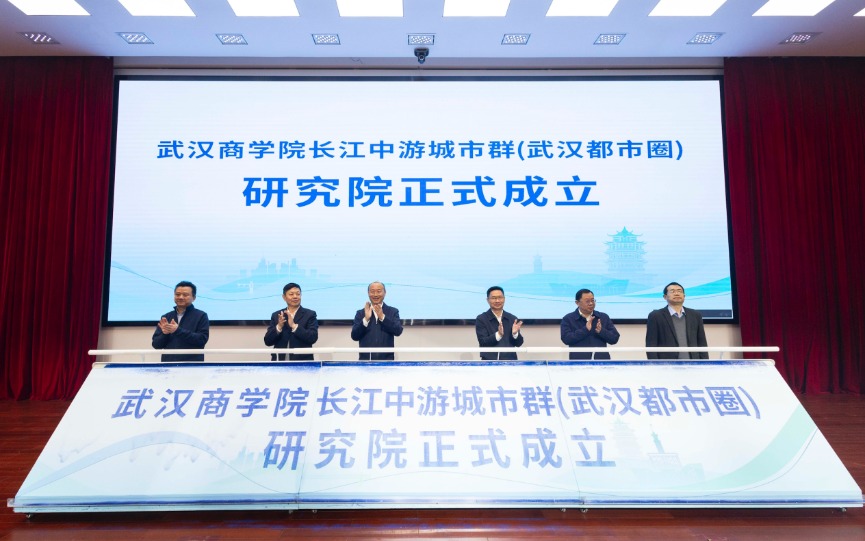
Core Viewpoint - The article highlights the progress and achievements of the Yangtze River Economic Belt over the past decade, emphasizing ecological protection and sustainable development as key priorities, with significant improvements in water quality and economic growth [1]. Group 1: Achievements of the Yangtze River Economic Belt - The proportion of good water quality in the Yangtze River Economic Belt increased from 67% to 96.5% over the past ten years [1]. - The regional GDP more than doubled, rising from 42.2% to 47.3% of the national total [1]. Group 2: Key Developments in the Yangtze River Middle Reaches Urban Agglomeration and Wuhan Metropolitan Area - The establishment of the Yangtze River Middle Reaches Urban Agglomeration Research Institute on November 16, 2025, marks a significant step in regional development [3]. - The ten major events for the Yangtze River Middle Reaches Urban Agglomeration include the recognition of its role as a growth pole for high-quality development and the establishment of various collaborative initiatives among provinces [3][4]. - The Wuhan Metropolitan Area's ten major events include the approval of the "1+8" city positioning in the 14th Five-Year Plan and the establishment of an offshore innovation alliance [16][24]. Group 3: Strategic Initiatives and Collaborations - The Hubei provincial government is advancing the collaborative development of the Yangtze River Middle Reaches Urban Agglomeration, focusing on leveraging the strengths of Hubei, Hunan, and Jiangxi provinces [7]. - The establishment of the "Xiang-Gan Border Cultural Tourism Alliance" aims to enhance cooperation in cultural tourism between Hunan and Jiangxi [10]. - The approval of the Three Gorges Waterway New Channel project is a strategic decision to promote high-quality development in the Yangtze River Economic Belt [11]. Group 4: Infrastructure and Economic Development - The Yangtze River Middle Reaches Urban Agglomeration has made strides in data element collaboration, with a strategic cooperation agreement signed among data industry groups from Hunan, Hubei, and Jiangxi [12]. - The establishment of a multi-modal transport enterprise alliance aims to optimize operations and enhance connectivity among ports in the region [13]. - The World VR Industry Conference held in Nanchang in 2025 focuses on the integration of VR and AI technologies, showcasing the region's commitment to innovation [15].
豆包AI眼镜即将出货?字节跳动回应传闻
Zhong Guo Jing Ying Bao· 2026-01-05 16:09
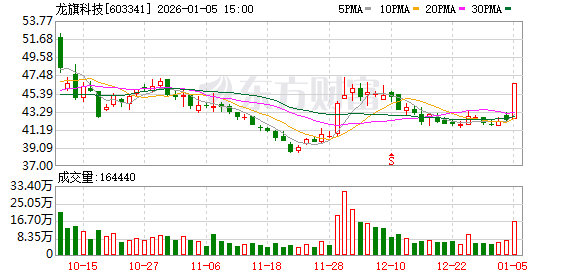
Group 1 - The core point of the article is that ByteDance's "Doubao" AI glasses are reportedly entering the shipping phase, but the company has denied these claims and stated there are no clear sales plans at this time [2][3] - The product is said to require the Doubao App for functionality, indicating a reliance on software integration for user experience [2] - The development of the AI glasses involves collaboration between ByteDance and Longqi Technology, with Longqi responsible for the underlying UI development while ByteDance focuses on the app [2]

江苏南京打响2026年抢人“第一枪”:最高资助1亿元,每年会聚超30万名青年人才
Zhong Guo Jing Ying Bao· 2026-01-05 15:46
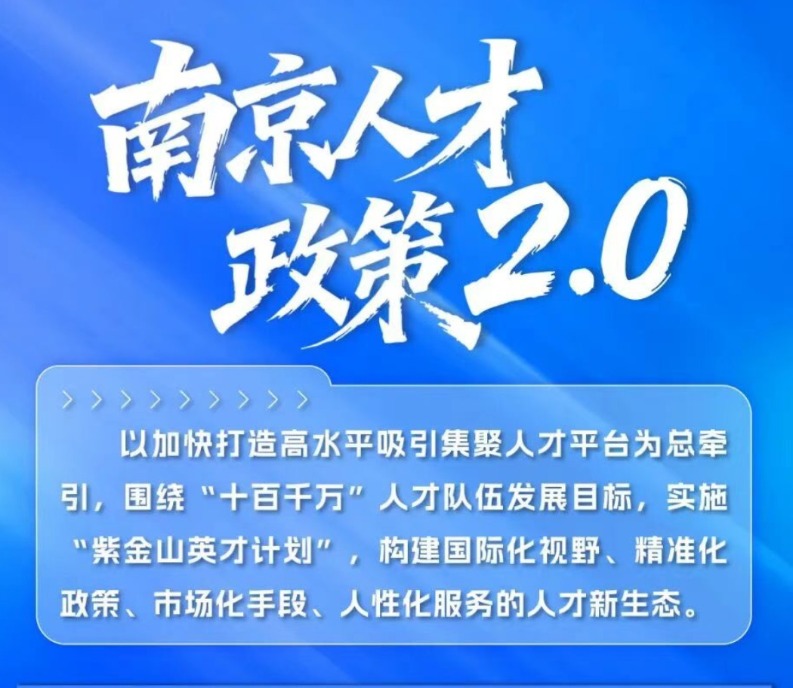
2026年伊始,江苏省南京市即对外"张榜求贤"。 1月4日下午,南京市召开全市科技创新和产业创新深度融合发展大会,并对外发布《南京市深入推进"人工智能 +"行动打造国家人工智能创新应用先导区升级版实施方案》《南京市打造"6G之城"行动计划(2026—2027 年)》等一系列科创产业政策,并发布了"南京人才政策2.0"版本。 具体而言,"南京人才政策2.0"包括壮大高素质创新创业队伍、建设高能级聚才用才平台、打造高质量事业发展 环境、营造高品质宜业宜居氛围及构建高效能协同联动机制五方面内容。 例如,在壮大高素质创新创业队伍方面,对于攀峰项目,"南京人才政策2.0"提出每年集聚10名左右顶尖人才, 综合资助最高1亿元,最高项目资助2000万元,特别优秀的采取"一人一策"。 上述政策同时提出,南京市将每年会聚不少于30万名青年人才。对于新就业高校毕业生,南京市将为学士、硕 士、博士提供生活补贴,标准分别为1万、3万、10万元。 "推动科技创新和产业创新深度融合,是南京市必须久久为功抓好的时代课题,也一定会为各类企业、各路资 本、各方人才提供更加广阔的发展空间。"江苏省委常委、南京市委书记周红波在上述大会上表示。 ( ...
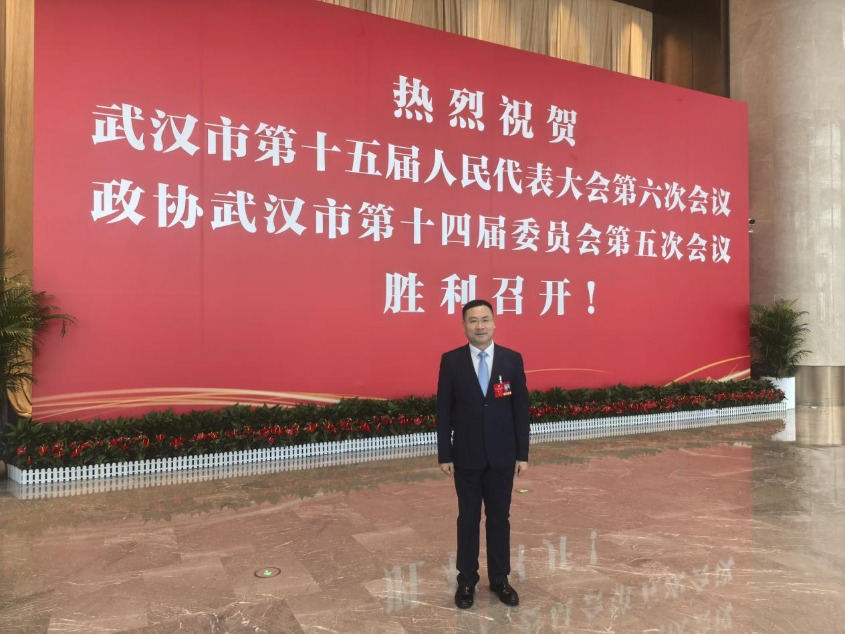
地方两会|武汉市政协委员刘萌:构建混合算力平台,加快推动量子计算“汉产汉研汉用”
Zhong Guo Jing Ying Bao· 2026-01-05 15:46
Core Viewpoint - The article discusses the importance of quantum computing in Wuhan's development strategy, highlighting various proposals aimed at enhancing the city's capabilities in this field [1][3]. Group 1: Quantum Computing Development - Quantum computing is recognized as a core branch of quantum technology, offering significant advantages over classical computing through its unique properties like superposition and entanglement [3]. - The Chinese government's "14th Five-Year Plan" emphasizes the strategic importance of quantum technology, positioning it as a key area for future economic growth [3][4]. Group 2: Current Status and Challenges - Wuhan has established a solid foundation in quantum computing, particularly through institutions like the Chinese Academy of Sciences, achieving notable progress in neutral atom quantum computing [4]. - Despite these advancements, Wuhan faces challenges in research and development, computational power integration, application trials, and building an industrial ecosystem [4][5]. Group 3: Recommendations for Advancement - Increase research efforts focused on neutral atom quantum bits, quantum error correction, and quantum cloud platform applications to address development challenges [5]. - Accelerate the construction of a hybrid computing platform that integrates quantum and classical computing to provide efficient computational services [5]. - Initiate pilot applications of quantum computing in key industries such as biomedicine, new materials, and financial risk management to validate technology feasibility [5]. - Build a quantum computing ecosystem by fostering collaboration between universities and research institutions, and providing access to quantum cloud platforms for educational purposes [5].