
Zhong Guo Jing Ying Bao

Search documents
江苏南京打响2026年抢人“第一枪”:最高资助1亿元,每年会聚超30万名青年人才
Zhong Guo Jing Ying Bao· 2026-01-05 15:46
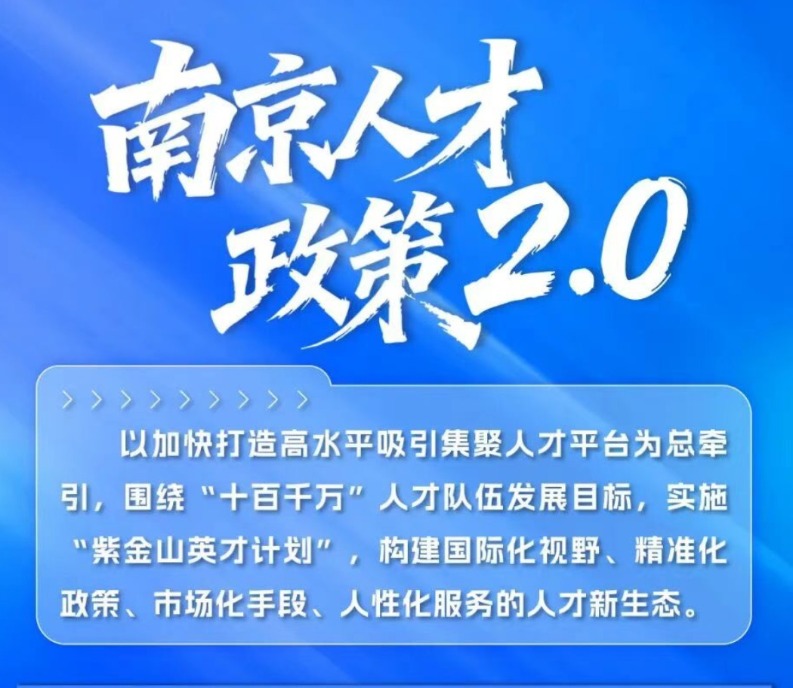
2026年伊始,江苏省南京市即对外"张榜求贤"。 1月4日下午,南京市召开全市科技创新和产业创新深度融合发展大会,并对外发布《南京市深入推进"人工智能 +"行动打造国家人工智能创新应用先导区升级版实施方案》《南京市打造"6G之城"行动计划(2026—2027 年)》等一系列科创产业政策,并发布了"南京人才政策2.0"版本。 具体而言,"南京人才政策2.0"包括壮大高素质创新创业队伍、建设高能级聚才用才平台、打造高质量事业发展 环境、营造高品质宜业宜居氛围及构建高效能协同联动机制五方面内容。 例如,在壮大高素质创新创业队伍方面,对于攀峰项目,"南京人才政策2.0"提出每年集聚10名左右顶尖人才, 综合资助最高1亿元,最高项目资助2000万元,特别优秀的采取"一人一策"。 上述政策同时提出,南京市将每年会聚不少于30万名青年人才。对于新就业高校毕业生,南京市将为学士、硕 士、博士提供生活补贴,标准分别为1万、3万、10万元。 "推动科技创新和产业创新深度融合,是南京市必须久久为功抓好的时代课题,也一定会为各类企业、各路资 本、各方人才提供更加广阔的发展空间。"江苏省委常委、南京市委书记周红波在上述大会上表示。 ( ...

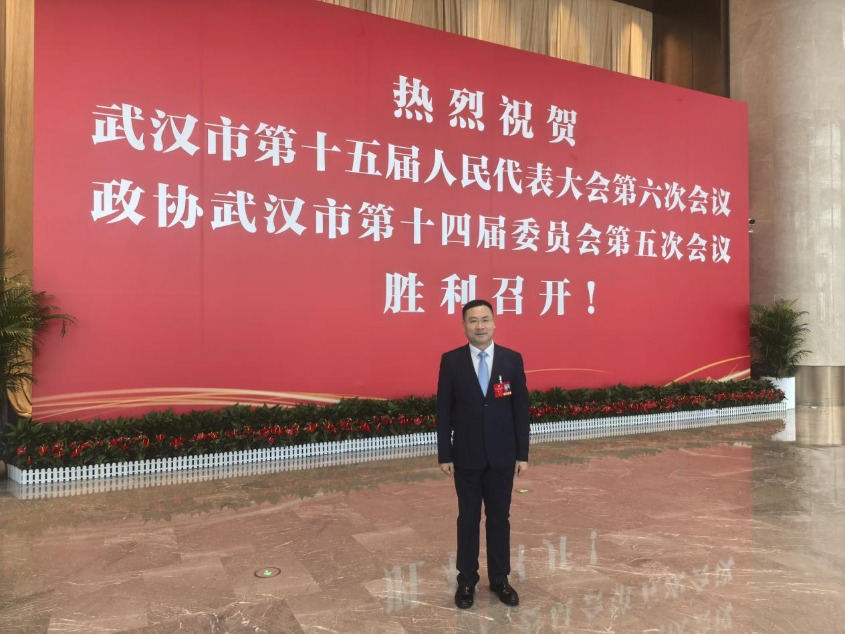
地方两会|武汉市政协委员刘萌:构建混合算力平台,加快推动量子计算“汉产汉研汉用”
Zhong Guo Jing Ying Bao· 2026-01-05 15:46
Core Viewpoint - The article discusses the importance of quantum computing in Wuhan's development strategy, highlighting various proposals aimed at enhancing the city's capabilities in this field [1][3]. Group 1: Quantum Computing Development - Quantum computing is recognized as a core branch of quantum technology, offering significant advantages over classical computing through its unique properties like superposition and entanglement [3]. - The Chinese government's "14th Five-Year Plan" emphasizes the strategic importance of quantum technology, positioning it as a key area for future economic growth [3][4]. Group 2: Current Status and Challenges - Wuhan has established a solid foundation in quantum computing, particularly through institutions like the Chinese Academy of Sciences, achieving notable progress in neutral atom quantum computing [4]. - Despite these advancements, Wuhan faces challenges in research and development, computational power integration, application trials, and building an industrial ecosystem [4][5]. Group 3: Recommendations for Advancement - Increase research efforts focused on neutral atom quantum bits, quantum error correction, and quantum cloud platform applications to address development challenges [5]. - Accelerate the construction of a hybrid computing platform that integrates quantum and classical computing to provide efficient computational services [5]. - Initiate pilot applications of quantum computing in key industries such as biomedicine, new materials, and financial risk management to validate technology feasibility [5]. - Build a quantum computing ecosystem by fostering collaboration between universities and research institutions, and providing access to quantum cloud platforms for educational purposes [5].
多地“新年第一会”出硬招 营商攻坚、产业突围“唱主角”
Zhong Guo Jing Ying Bao· 2026-01-05 15:46
2026年伊始,多地密集举办"新年第一会",成为观察区域经济和产业发展走向的重要窗口。 2026年1月4日,2026年新年第一个工作日,上海市召开2026年全市优化营商环境大会,并对外发布了《上海市加快打造国际一流营 商环境行动方案(2026年)》。据悉,这一大会往年均选择在农历春节后召开,但今年提前至阳历元旦后召开。 《中国经营报》记者注意到,江苏省南京市、苏州市和浙江省嘉兴市等地召开的"新年第一会",则聚焦科技创新与产业发展。例 如,软件产业发达的南京市重点聚焦AI产业,将深入推进"人工智能+"行动。 "在长三角地区,多地聚焦营商环境优化、产业升级、科技创新等主题,这是扛起经济大省挑大梁使命责任、打造新质生产力发展策 源地的战略担当,也是应对当前全球科技革命和产业变革加速迭代、破解自身发展瓶颈的现实选择。"江苏省城市经济学会副会长、 南京信息工程大学江北新区(自贸区)发展研究院院长丁宏向记者表示。 打响营商环境"攻坚战" 锚定建设"五个中心"目标的上海市,在2026年"新年第一会"上发出了打响营商环境"攻坚战"的"最强音"。 (2026年1月4日,上海市召开2026年全市优化营商环境大会。图片来源:上海发 ...

国内现存低空经济相关企业15.94万家
Zhong Guo Jing Ying Bao· 2026-01-05 15:44
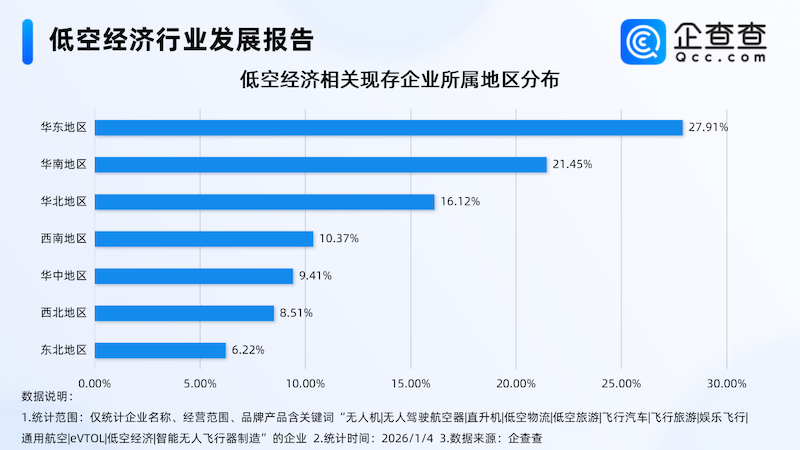
所谓低空经济是以eVTOL、工业级无人机等新型航空器研制为核心竞争力,强化颠覆性技术创新引领,广泛开展 有人驾驶和无人驾驶航空器的低空飞行活动,驱动设计制造、运营、消费多领域融合发展的创新性经济形态。 近日,上海市印发《上海市关于链接长三角加快建设低空经济先进制造业集群的若干措施》,提出到2028年,上 海低空经济核心产业规模达到800亿元左右,形成低空新型航空器完整产业链体系,建设低空经济国家先进制造业 集群,加快迈向比较优势凸显的"世界eVTOL之都"。 企查查数据显示,截至2026年1月4日,国内现存低空经济相关企业15.94万家,主要分布在华东地区、华南地区, 分别占比27.91%、21.45%。注册资本上,近五成相关企业注册资本在200万元以下。注册量方面,2023年以来低 空经济相关企业注册量呈逐年增长趋势,2025年注册量同比增长142.26%至4.9万家,达近十年来注册量及增速双 高峰。 eVTOL方面,截至目前,国内现存eVTOL相关专利达450项,其中70%相关专利申请于2024年及以后。 从分布区域来看,国内现存低空经济相关企业15.94万家,主要分布在华东地区、华南地区,分别占比27. ...
专访成都人形机器人创新中心张睿睿:人形机器人产业化核心在于“大脑”技术
Zhong Guo Jing Ying Bao· 2026-01-05 15:44
Core Insights - The humanoid robot industry is rapidly evolving, attracting attention from major tech companies and entrepreneurs globally. The establishment of the humanoid robot and embodied intelligence standardization committee by the Ministry of Industry and Information Technology highlights the industry's significance [1] - Zhang Ruirui, the founder of Chengdu Humanoid Robot Innovation Center, emphasizes a differentiated approach focusing on intelligence rather than mere imitation of human form, addressing concerns about product homogeneity in the industry [1] Application Status: From Display to Practical Use - Humanoid robots can be categorized into two types: those resembling human shapes and those equipped with intelligent decision-making capabilities. The former faces challenges such as high costs, short battery life, and limited load capacity, leading to applications primarily in entertainment and educational settings [2] - In industrial settings, humanoid robots are still in pilot demonstration phases and have not yet achieved mass production due to the same limitations [2] - The application of intelligent humanoid robots is closely tied to engineering projects, with successful implementations in high-risk environments lacking network connectivity [2][3] Development Challenges and Opportunities - The primary challenge in humanoid robot development lies in the "brain" technology, which is essential for enabling robots to understand, think, reason, and execute tasks autonomously. This distinguishes humanoid robots from industrial robots that follow preset programs [5][6] - The focus on autonomous decision-making is crucial for the future of humanoid robots, as it allows them to generate tasks and solutions independently, similar to human capabilities [6] - Chengdu's unique characteristics in humanoid robot development include a focus on practical engineering applications and a supportive local government that attracts high-level talent, contributing to the establishment of a significant research and development team [6][8]

中老铁路2025年客货运量均创新高 黄金大通道效应凸显
Zhong Guo Jing Ying Bao· 2026-01-05 15:44
Core Insights - The China-Laos Railway achieved significant growth in both passenger and freight transport in 2025, with passenger numbers reaching 19.51 million, a 2.1% increase year-on-year, and freight volume soaring to 24.48 million tons, a 24.6% increase, marking historical highs for both categories [1] Group 1: Freight Transport - The railway's cross-border freight capacity and efficiency improved, with a maximum of 26 cross-border freight trains operating daily and the tonnage per train increasing from 2,500 tons to 2,800 tons [1] - Cumulative cross-border freight exceeded 5.46 million tons, a 17.9% increase, covering 31 provinces in China and 19 countries and regions, with over 3,800 types of goods transported [1] - The import and export of fruits and vegetables saw a significant increase, with a total of 380,000 tons transported, representing a 45.8% year-on-year growth [2] Group 2: Cold Chain Transport - The demand for cross-border cold chain transport remained strong, with 176,000 tons of fruits and vegetables transported from China to Laos, a 61% increase, and 206,000 tons from Laos to China [2] - During the peak season for Southeast Asian fruits, over 20,000 tons of fruits were transported via the railway in just half a month [2] Group 3: Cost Efficiency and Economic Impact - The shift from road to rail transport has led to 50% of freight flow transitioning to the railway, resulting in a 40% to 50% reduction in transportation costs between Vientiane and Kunming, and a 30% to 50% decrease in costs for shipments from Kunming to Thailand [2] - The reduction in logistics costs has stimulated regional economic activity and trade [2] Group 4: Passenger Transport - The number of international passenger trains operating daily between Kunming and Vientiane increased to 4, with a maximum capacity of 420 seats per train, facilitating cross-border travel for 282,000 passengers [3] - The railway has enhanced tourism opportunities, with local initiatives in areas like Pu'er leveraging increased passenger flow to develop unique tourism experiences [3] Group 5: Strategic Importance - The China-Laos Railway is a key project in the high-quality construction of the Belt and Road Initiative, connecting Kunming in China to Vientiane in Laos, and is the first international railway fully built to Chinese standards [3]
证监会召开资本市场财务造假综合惩防体系跨部门推进座谈会 最高法、发改委等13部门参会
Zhong Guo Jing Ying Bao· 2026-01-05 14:36
2026年1月5日,中国证监会召开资本市场财务造假综合惩防体系跨部门工作推进座谈会。证监会党委书 记、主席吴清主持会议并讲话,最高人民法院、最高人民检察院、国家发展改革委、公安部、司法部、 财政部、中国人民银行、国务院国资委、税务总局、市场监管总局、金融监管总局等部门负责同志出席 会议并发言,共同研究推进进一步加强财务造假综合惩防重点工作。 (文章来源:中国经营报) 在各方共同努力下,上市公司财务造假综合惩防体系逐步落地,监管合力不断增强,市场生态明显好 转。 会上,各部门围绕《综合惩防意见》落实情况和下一步重点工作进行了深入探讨。 会议通报了综合惩防工作进展。2024年7月5日国务院办公厅转发中国证监会等部门《关于进一步做好资 本市场财务造假综合惩防工作的意见》(以下简称"《综合惩防意见》")以来,各部门加强法治供给、 加大对财务造假查处力度、合力惩治第三方配合造假、压实中介机构"看门人"责任,行政执法、刑事惩 戒、民事追偿、诚信约束有效衔接的全方位立体追责体系不断深化,常态化长效化惩防机制进一步健 全。 有关数据显示,2024年以来,证监会累计查办财务造假案件159起,做出行政处罚111起,罚没金额81亿 ...
东杰智能终止重组筹划 实控人资产整合搁浅
Zhong Guo Jing Ying Bao· 2026-01-05 14:24
Core Viewpoint - Dongjie Intelligent Technology Group Co., Ltd. announced the termination of a major asset restructuring plan, leading to a significant drop in its stock price on the same day [1][7]. Group 1: Company Overview - Dongjie Intelligent was listed on the Shenzhen Stock Exchange in 2015, focusing on intelligent logistics systems, warehouse systems, painting systems, and automated parking systems, along with related services [2]. - The company has faced prolonged financial difficulties, reporting a revenue of 807 million yuan in 2024, a year-on-year decline of 7.41%, and a net loss of 257 million yuan, marking five consecutive years of losses [2]. Group 2: Changes in Control - In the second half of 2025, Dongjie Intelligent underwent a change in its actual controller, with Han Yongguang taking over from the Zibo Municipal Finance Bureau [2][3]. - Following the change in control, the company reported a revenue of 698 million yuan in the first three quarters of 2025, a year-on-year increase of 26.46%, and a net profit of 8.35 million yuan, ending a streak of losses [2]. Group 3: Strategic Moves and Partnerships - Han Yongguang's background in the robotics industry has generated market expectations for a strategic transformation of Dongjie Intelligent towards "robotics + intelligent manufacturing" [3]. - A strategic cooperation framework agreement was signed with Aobo Intelligent, indicating a deepening collaboration in providing advanced automation solutions [3]. Group 4: Asset Restructuring Attempts - Dongjie Intelligent announced plans to acquire controlling stakes in Aobo Intelligent through a combination of share issuance and cash payments, aiming to enhance its market position in the robotics sector [6]. - However, the restructuring plan was ultimately terminated due to the assessment that conditions were not fully mature for the transaction [7]. Group 5: Market Reaction - The announcement of the termination of the restructuring plan led to a sharp decline in Dongjie Intelligent's stock price, which fell by 9.17% on December 31, 2025, reflecting market disappointment [7].

表面自掏腰包“输血”实则掩饰经营风险 得润电子实控人将被处5年禁入罚1200万元
Zhong Guo Jing Ying Bao· 2026-01-05 14:24
Core Viewpoint - Derun Electronics is facing significant penalties due to violations related to information disclosure, with fines totaling 22.5 million yuan imposed on the company and its executives for financial misconduct [1][2][3]. Group 1: Penalties and Violations - The Shenzhen Securities Regulatory Bureau plans to impose a fine of 7 million yuan on Derun Electronics and a fine of 12 million yuan on its actual controller, Qiu Jianmin, along with a five-year ban from the securities market [1][3]. - Qiu Jianmin's actions included providing financial support to clients and subsidiaries to cover historical debts, leading to the company falsely reporting revenue and underestimating credit impairment losses [2][4]. - The company reported fictitious receipts of 395 million yuan in 2020 and 113 million yuan in 2021, with credit impairment losses underestimated by 371 million yuan and 66 million yuan, respectively [2][3]. Group 2: Financial Misrepresentation - Derun Electronics' financial statements for 2020, 2021, and the first half of 2022 contained false records, misleading investors about the company's actual financial health [3][4]. - The actual source of accounts receivable was Qiu Jianmin himself, rather than clients or suppliers, distorting the core data reflecting the company's operational activities and credit risks [5]. - The actions taken by Qiu Jianmin and other executives concealed significant credit risks and cash flow issues, potentially leading to capital misallocation and harming other investors' rights [5][6]. Group 3: Legal and Regulatory Implications - Legal experts believe that the proposed penalties are justified and reflect a zero-tolerance approach by regulatory authorities towards financial fraud, which is essential for maintaining market order and investor confidence [6].

监管“连击” 山东章鼓收行政监管后再遭证监会立案
Zhong Guo Jing Ying Bao· 2026-01-05 14:24
Core Viewpoint - Shandong Zhanggu's compliance issues have escalated from administrative correction to formal investigation by the China Securities Regulatory Commission (CSRC), raising concerns about the company's governance and financial disclosures [1][4]. Regulatory Actions - On December 19, 2025, Shandong Zhanggu received a corrective order from the Shandong Securities Regulatory Bureau due to violations in related party transactions, fundraising usage, and corporate governance [2]. - The company was found to have inaccurate disclosures and procedural deficiencies in related party transactions, affecting the quality of financial information in its reports from 2020 to 2024 [2][3]. - Following the corrective order, the CSRC initiated a formal investigation on December 31, 2025, indicating a shift from mere compliance issues to potential legal violations [1][4]. Financial Performance - Shandong Zhanggu's net profit has declined for two consecutive years, with a reported net profit of 107 million yuan in 2023, down 3.29% year-on-year, and a further decline of 32.86% to 71.54 million yuan in 2024 [5]. - In the first half of 2025, the company reported a revenue of 969 million yuan, a 3.85% increase from the previous year, but the net profit dropped by 40.86% to 38.02 million yuan [5][6]. - The company's traditional wind turbine business generated 538 million yuan in revenue in the first half of 2025, accounting for 55.53% of total revenue, but showed only a 2.82% growth [6]. Business Segment Performance - The slurry pump business experienced a significant decline, with revenue falling by 7.31% to 198 million yuan, reducing its revenue share from 22.94% to 20.48% [6]. - The environmental water treatment segment saw a substantial increase in revenue, growing by 21.35% to 194 million yuan, and its revenue share increased from 17.14% to 20.03%, becoming a key driver for revenue growth [6].
