
Bei Jing Ri Bao Ke Hu Duan

Search documents
主流媒体系统性变革的实践图景与深化策略
Bei Jing Ri Bao Ke Hu Duan· 2026-02-11 06:35
Core Insights - The article focuses on the strategic transition of mainstream media from media convergence to systemic transformation, emphasizing the need for a deep restructuring based on intelligent backgrounds [1][2] - It outlines the "leading momentum" strategy for deepening transformation, which includes establishing proactive leadership thinking, building a modern governance system, creating a new mainstream discourse, promoting intelligent governance evolution, and exploring diversified revenue models [1][2] Group 1: Transformation Practices - Mainstream media has moved beyond simple integration to deep systemic transformation, breaking traditional operational constraints and constructing a modernized communication landscape [3] - The transformation involves cognitive reconstruction in ideology, organizational synergy, content value narrative upgrades, technological intelligent driving, and ecological platform symbiosis [3][4] Group 2: Ideological Innovation - The shift from media convergence to systemic reconstruction is characterized by placing media development within the broader context of national governance modernization [4] - The People's Daily upgraded its "Central Kitchen" to a "Smart Hub" in 2023, integrating content creation, distribution, user feedback, and data management into a unified operation [4][5] Group 3: Organizational Optimization - Traditional hierarchical structures are being reformed into collaborative frameworks to enhance content innovation and dissemination effectiveness [6][7] - The establishment of collaborative committees and agile teams, as exemplified by the Wenzhou Media Center, demonstrates the shift towards a more integrated operational model [7][8] Group 4: Content Evolution - Mainstream media is transitioning from mere information reporting to meaningful value narratives, emphasizing emotional resonance and cross-cultural empathy [9][10] - AI technologies are increasingly integrated into content production, enhancing creativity and efficiency, as seen in various innovative projects [9][10] Group 5: Technological Advancement - Technology has evolved from a supportive role to a core driver of transformation, with AI and advanced algorithms reshaping the entire media production and distribution process [11][12] - The integration of AI with virtual reality is revolutionizing content production, enabling seamless blending of virtual and real elements [11][12] Group 6: Ecological Co-creation - Mainstream media is moving towards a platform symbiosis model, integrating with government, culture, and commerce to enhance its role in social governance [13][14] - Collaborative projects, such as the "My Changsha" app, illustrate how media can provide public services while enhancing governance efficiency [13][14] Group 7: Strategies for Deepening Transformation - The "Fifteen Five" plan emphasizes a comprehensive upgrade in ideology, mechanisms, content, technology, and operations to support the development of a full media communication system [15][16] - The establishment of a modern governance system is crucial for ensuring effective organizational support for transformation [18][19] Group 8: Content and Discourse Development - The creation of a new mainstream discourse system is essential for adapting to the evolving social landscape and enhancing the media's role in guiding public opinion [21][22] - Emotional connection and practical application of the discourse system are vital for fostering public engagement and trust [22][23] Group 9: Sustainable Business Models - Mainstream media is exploring diversified revenue models to address structural challenges, moving beyond reliance on subsidies and advertising [26][27] - The integration of media with technology and data services is seen as a pathway to enhance operational sustainability and value creation [26][27] Group 10: Overall Outlook - The systemic transformation of mainstream media is not merely an extension of previous efforts but a comprehensive shift towards a sustainable and proactive media ecosystem [28]
“数智时代的主流媒体系统性变革”综述
Bei Jing Ri Bao Ke Hu Duan· 2026-02-11 06:30
Core Insights - The 2025 Media Integration Development Ordos Annual Conference focuses on the systemic transformation of mainstream media in the digital age, emphasizing the need for innovative thinking, technological empowerment, and institutional reform to enhance media influence and communication capabilities [1][2]. Group 1: Systemic Transformation of Mainstream Media - The conference highlights the necessity for mainstream media to break away from traditional thinking and develop an open, collaborative media ecosystem to adapt to the digital communication landscape [3]. - Experts emphasize the importance of shifting from a "transmitter-centered" mindset to a "dialogue-centered" approach, enhancing interaction between media and users [4]. - The integration of AI and digital technologies is seen as a crucial driver for the transformation of media production and dissemination processes, enhancing efficiency and content quality [6][7]. Group 2: Content Production and User Engagement - The focus on content production is critical, with experts advocating for the use of internet thinking and emerging technologies to create content that resonates with users [8]. - A unified technology platform is recommended to streamline the content production process, ensuring that user needs are met through data-driven insights [10]. - The establishment of a dynamic talent ecosystem is essential for adapting to the evolving media landscape, with an emphasis on training and integrating new skills [11][12]. Group 3: Institutional and Structural Reforms - The need for a modernized institutional framework that supports comprehensive media integration across various dimensions, including content, technology, and talent, is highlighted [9]. - Successful case studies from various media centers demonstrate the effectiveness of resource reallocation and structural optimization in enhancing media productivity [10][12]. - The development of multi-layered, interactive communication systems is proposed to amplify the influence of mainstream narratives and improve engagement across different audience segments [13].
“骐骥跃读·书香石化”新春图书文创市集走进中国石化总部
Bei Jing Ri Bao Ke Hu Duan· 2026-02-11 06:06
"骐骥跃读·书香石化"新春图书文创市集日前在中国石化总部举办,活动联动优质文化资源,融合专业 阅读、数字阅读与文创体验,为总部干部职工送上兼具思想性、专业性与趣味性的新春文化盛宴。 此次活动由石化出版公司主办,中国经济书店承办。中国经济书店相关负责人介绍,本次市集突出能源 行业特色与职工阅读需求,精心设置五大板块。精品图书区聚焦主题出版、人文社科、经济管理、文学 艺术、生活健康、青少年成长、进口原版等优质出版物,兼顾思想深度与阅读趣味。专业图书区聚焦石 油化工、能源安全、绿色低碳、工程技术等核心领域,精选权威专著、前沿技术与科普读物,精准匹配 科研生产、管理运营与人才成长需求,助力职工提升专业素养与履职能力。 数字阅读专区依托"易牍知识服务平台"同步上线电子图书、有声读物、知识专栏等数字产品,覆盖移动 终端、智能终端多场景阅读。智能审校系统展示了AI准确审校文档功能,提升服务效能的同时让职工 领略"科技+阅读"的无限魅力。旧书新知区以经典旧籍与全新好书相映成趣,在泛黄纸页与崭新墨香中 重温经典、汲取新知,让阅读在时光流转中焕发持久魅力。 该展区还特设银龄阅读专区,精选经典文史、红色经典等适宜老年群体的读物,通 ...



中国主流媒体系统性变革的演进轨迹、理论建构与实践互动
Bei Jing Ri Bao Ke Hu Duan· 2026-02-11 05:39
Core Viewpoint - The mainstream media in China is undergoing a systematic transformation driven by the challenges posed by the internet and new technologies, leading to user loss, revenue decline, and a decrease in trust. The government is promoting this transformation strategically, moving from partial explorations to a comprehensive ecological integration approach [1][2]. Group 1: Historical Trajectory of Media Integration - The transformation of mainstream media has evolved from a passive response to the internet to a user-centered, technology-driven, and ecologically focused deep restructuring phase [2]. - The initial phase of media integration was characterized by a "small integration" approach, where the internet was seen merely as a tool for extending existing business [6][7]. - The "medium integration" phase involved a deeper understanding of integration, where media began to reconstruct internal operations and management processes [8][9]. Group 2: Driving Forces and Challenges - The crisis of traditional media was triggered by the rise of the internet, which diluted the advantages of administrative resources and led to a significant decline in audience size and advertising revenue [3][4]. - The number of published newspapers in China dropped from 48.23 billion copies in 2012 to 24.99 billion copies in 2024, indicating a drastic decline in traditional media consumption [4]. - The advertising revenue for traditional broadcasting and television fell from 109.92 billion yuan in 2018 to 58.37 billion yuan in 2023, highlighting the financial challenges faced by mainstream media [5]. Group 3: Systematic Transformation and Theoretical Framework - The systematic transformation of mainstream media is not just a technical upgrade but involves a comprehensive reshaping of development concepts, organizational logic, and institutional arrangements [10]. - The "big integration" theory emphasizes the need for media organizations to transcend traditional boundaries and engage in cross-sector integration to create a new hub that serves the digital economy [12][14]. - The "big integration" approach aims to leverage institutional advantages and actively participate in the modernization of governance systems, focusing on building autonomous and controllable internet platforms [14]. Group 4: Progress and Innovations in Media Transformation - A modernized communication system has begun to take shape, characterized by a technology-driven, matrix-linked, and innovative discourse system [26]. - The establishment of a comprehensive media matrix that integrates various forms of media has been achieved, enhancing the effectiveness of communication [27]. - The "news+" model has emerged as a fundamental approach for mainstream media, integrating news dissemination with public services and business resources [38]. Group 5: Existing Challenges in Systematic Transformation - Despite progress, mainstream media still faces challenges in creating autonomous and controllable platform ecosystems, with user engagement and self-sustaining revenue models needing improvement [44]. - Structural issues persist, affecting resource allocation efficiency and overall competitiveness within the media system [46].
地铁1号线古城站、八宝山站临时封站停运!出行攻略图示来了
Bei Jing Ri Bao Ke Hu Duan· 2026-02-11 03:13
为配合地铁1号线支线施工建设,实现支线与1号线贯通运营,自2026年2月15日至5月30日,1号线古城 站、八宝山站将临时封站停运,预计2026年5月底恢复运营。 临时封站停运期间,市、区交通部门会同地铁运营公司、公交集团、共享单车企业,将采取加强1号线 运营组织、增加地面公交运力和共享单车投放、增设非机动车停放区域等措施,全力保障沿线市民出 行。 地铁出行:重点升级2站 1号线玉泉路站、6号线杨庄站将重点加强客运组织。 玉泉路站 早高峰期间,实行西北侧A1口单进、A2口单出,西南侧D1口单进、D2口单出。 D1口外设置安检大棚,增加安检设备,提高进站效率。 在A1口、D1口外部设置固定及移动式围栏,引导客流有序排队进站。 杨庄站 早高峰期间,在站厅及A口、C1口外设置移动式围栏,引导大客流有序排队进站。 在早、晚高峰时段,地铁运营公司将增派工作人员,做好大客流组织引导和服务工作。在闸机、楼扶 梯、站台等区域设置固定岗位,随时关注客流变化,动态调整运营组织方案,确保地铁运营安全。 公交临时专线共设置6站,自西向东分别为:首钢试验厂站、石景山古城站、京燕饭店站、京原路口东 站、地铁八宝山站、玉泉路口西站。 运营 ...
头条:第九届“金画眉”戏剧展展演80余部剧目,第十届将重磅升级
Bei Jing Ri Bao Ke Hu Duan· 2026-02-11 02:37
【资料图】 活动现场 活动现场还举行了颁奖仪式,为优秀剧目、原创剧本及戏剧教育精品课程颁发荣誉。值得一提的是,本 届展演特别注重"剧本先行",并公布《"金画眉"优秀原创剧本集(2026版)》出版计划。 据透露,第十届"金画眉"戏剧展将迎来重磅升级,中国儿童音乐学会正式加入,与中国国家话剧院、中 国文化管理协会联合主办。此次合作标志着"金画眉"从单一的戏剧展演平台,升级为"戏剧+音乐"双核 驱动的国家级美育高地。中国儿童音乐学会的加入,将为展演注入专业的音乐创作与评审标准,推动更 多优秀音乐剧的诞生。 主办方介绍,第十届"金画眉"戏剧展将继续深化"戏剧+教育"的创新模式,着力构建"展演+孵化+出 版"三位一体的青少年戏剧生态链。未来,活动将紧扣《戏剧振兴三年行动计划(2026-2028年)》部 署,进一步扩大戏剧普及覆盖面,推出更多贴合时代、贴合青少年的优秀作品,持续发挥连接艺术殿堂 与校园课堂的桥梁纽带作用。 近日,第九届"金画眉"戏剧展暨戏剧新春大联欢在中国国家话剧院落幕,并正式宣布第十届活动将迎来 阵容的全面升级。 本届戏剧展为期2天,共呈现80余部优秀剧目,覆盖全国18个省区市,400余名参演人员在中国 ...

地铁1号线古城站、八宝山站临时封站停运!最新出行攻略(附图)→
Bei Jing Ri Bao Ke Hu Duan· 2026-02-11 02:28
为配合地铁1号线支线施工建设,实现支线与1号线贯通运营,自2026年2月15日至5月30日,1号线古城 站、八宝山站将临时封站停运,预计2026年5月底恢复运营。 临时封站停运期间,市、区交通部门会同地铁运营公司、公交集团、共享单车企业,将采取加强1号线 运营组织、增加地面公交运力和共享单车投放、增设非机动车停放区域等措施,全力保障沿线市民出 行。 地铁出行:重点升级2站 1号线玉泉路站、6号线杨庄站将重点加强客运组织。 玉泉路站 早高峰期间,实行西北侧A1口单进、A2口单出,西南侧D1口单进、D2口单出。 D1口外设置安检大棚,增加安检设备,提高进站效率。 在A1口、D1口外部设置固定及移动式围栏,引导客流有序排队进站。 杨庄站 早高峰期间,在站厅及A口、C1口外设置移动式围栏,引导大客流有序排队进站。 在早、晚高峰时段,地铁运营公司将增派工作人员,做好大客流组织引导和服务工作。在闸机、楼扶 梯、站台等区域设置固定岗位,随时关注客流变化,动态调整运营组织方案,确保地铁运营安全。 公交临时专线共设置6站,自西向东分别为:首钢试验厂站、石景山古城站、京燕饭店站、京原路口东 站、地铁八宝山站、玉泉路口西站。 运营 ...
六百年隆福寺:老城复兴金名片,文化消费新地标
Bei Jing Ri Bao Ke Hu Duan· 2026-02-11 01:37
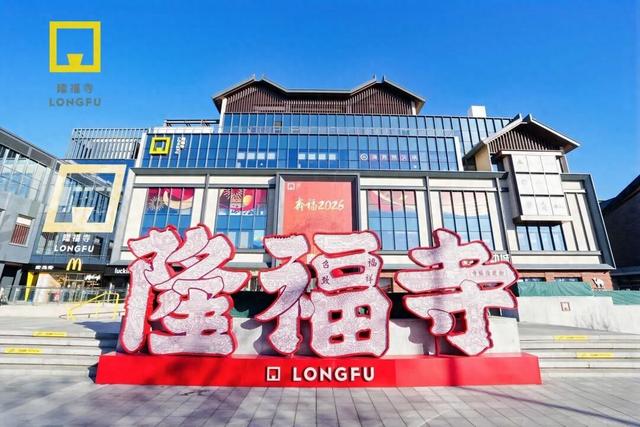
时值小年,京韵满巷。北京隆福寺"马不停蹄 新春潮集"新春市集系列活动精彩开市。市集呈现浓 浓"福"文化,集结一众老字号,汇聚非遗手作体验、京韵舞台演出、特色美食等传统内容,更融入机器 人智能互动等新潮元素,吸引着市民游客驻足体验,一幅传统与现代交融的京味新春图景徐徐展开。 II L r ONGFU o 2 "m orman E H E 可用电 el more umm 【 天空 te P s A L 12 contract of the As a so ------------ CHASSAL AND STATES CALL CONTRACTOR COLLECTION CONTRACT x a 1994 1997 ULT 111 1000 10 nian 11 alle - A 2 100000 1000 III NA e t a 2 1 to SANNA m 4 1974 183 25 9 477 1 1 1 1 1 4 C 18.3 C 0 ta 112 10 12 11 12 12 11 8 6 03 N and in aFo n and the states of the states of the s ...
跟着首都发展节拍跃马扬鞭
Bei Jing Ri Bao Ke Hu Duan· 2026-02-10 22:46
"五子"联动是北京市推进高质量发展的核心战略,也是"十四五"规划的关键抓手。作为北京市管金融机构,华夏银行以"京华行动"深度融入首都发展大局, 通过科技金融与绿色金融双轮驱动,同步激活消费潜能、夯实区域协同根基,并加强自身数字化转型,为"五子"联动战略从蓝图到实景注入强劲金融动能。 自"京华行动"实施以来,华夏银行构建了千亿级资金支持体系,打造专业化服务机制,完善全链条产品生态。数据显示,2025年华夏银行为北京地区提供各 类投融资服务超5000亿元,同比增长15%。"京华行动"一系列举措有力推动了首都经济高质量发展,彰显了金融机构服务国家战略和地区发展的使命担当。 金融活水 "滴灌"科创 在北京经济技术开发区,一家深耕高端半导体设备研发与制造的科技企业,正以创新之笔书写中国"芯"篇章。2025年,这家企业成功获得华夏银行35亿元综 合授信,其中25亿元资金已经像及时雨般投放,为企业攻克关键技术、填补国内空白、降低对外技术依赖、打造国际竞争力注入强劲动力。 这是华夏银行用金融活水润泽科技创新,服务北京国际科技创新中心建设的缩影。 科技金融是华夏银行服务首都发展新质生产力的核心引擎。2025年,华夏银行将科技金 ...

俄罗斯驻华大使:俄中树立21世纪大国睦邻友好合作典范
Bei Jing Ri Bao Ke Hu Duan· 2026-02-10 14:35
莫尔古洛夫表示,元首外交是俄中关系发展的关键驱动力。不久前两国元首在中国春节前夕举行视频会 晤,为今年两国双边协作指明方向。当前俄中关系成熟、稳定,高度政治互信,保持各层级定期对话, 并就重要国际和地区问题协调立场。 图为俄罗斯驻华大使伊戈尔·莫尔古洛夫。(俄罗斯驻华使馆供图) 谈及双方务实合作成果,莫尔古洛夫说,俄中经贸合作高速发展,2025年双边贸易额再次突破2000亿美 元大关,中国稳居俄罗斯第一大贸易伙伴国地位,俄罗斯则是中国第五大贸易伙伴国;两国能源合作稳 步推进,俄中东线天然气管道实现满负荷输气,一批联合能源项目持续实施;两国在投资、高科技、农 食、交通运输等领域合作日益深化。 国之交在于民相亲。近年来,"中俄科技创新年""中俄体育交流年""中俄文化年"等主题年活动先后举 办。 俄罗斯驻华大使伊戈尔·莫尔古洛夫在2月10日俄"外交官日"之际接受新华社记者书面专访时表示,俄中 战略协作伙伴关系建立近30年来,双方形成了几乎涵盖所有可能领域的多层次完整合作格局,树立了21 世纪大国之间睦邻友好合作的典范。 莫尔古洛夫介绍,在2025年落幕的"俄中文化年"框架下,两国举办了文艺团体巡演、博物馆间展览交流 ...