
Bei Jing Ri Bao Ke Hu Duan

Search documents
家门口看国家大剧院精品音乐会!就在京西大悦城“超现场”
Bei Jing Ri Bao Ke Hu Duan· 2026-02-11 12:17
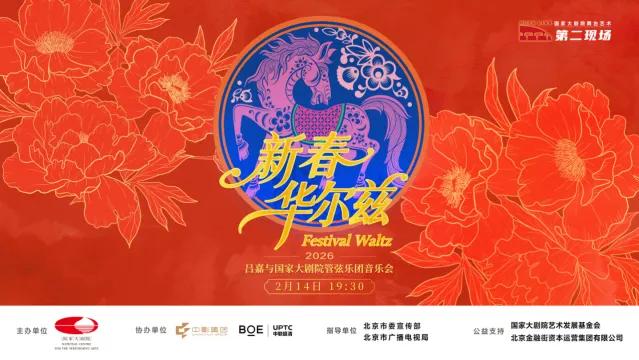
无需跨城奔波,北京市广电局"超现场"让2026年2月14日在国家大剧院上演的《新春华尔兹》精品音乐 会直抵家门口。这是北京市委宣传部统筹指导,北京市广电局联合北京市经济和信息化局、国家大剧 院、中影集团、中联超清等单位倾力打造的春节系列"超现场"活动之一。 国家大剧院《新春华尔兹》将在京西大悦城直播 时间:2026年2月14日19:30 地点:北京市石景山区阜石路173号院京西大悦城4层寰映影城 影厅:8号厅-CINITY厅 寰映影城(京西大悦城)北京市石景山区阜石路173号院1号楼京西大悦城4F 购票二维码 《新春华尔兹》精品音乐会由国家大剧院音乐艺术总监吕嘉亲自执棒国家大剧院管弦乐团,奏响《春节 序曲》《南国玫瑰圆舞曲》《卡门四对舞》《快乐火车波尔卡》等欢快悠扬的旋律。此次演出通过乐舞 相融的多元呈现方式,观众不但能听到动人的舞曲、更能直观地看到舞者的优雅身姿,以民族艺术为纽 带联结世界,紧扣新春佳节这一主题,为北京及全国观众精心打造了一场年节文化盛宴,在春节期间丰 富群众精神文化生活,通过精心策划的曲目安排,营造欢乐祥和、优雅欢愉的年节氛围。 京西大悦城4层寰映影城8号厅-CINITY厅 10年国家大剧 ...


王府井免税首都机场免税店今天正式对外营业!新春有促销
Bei Jing Ri Bao Ke Hu Duan· 2026-02-11 11:01
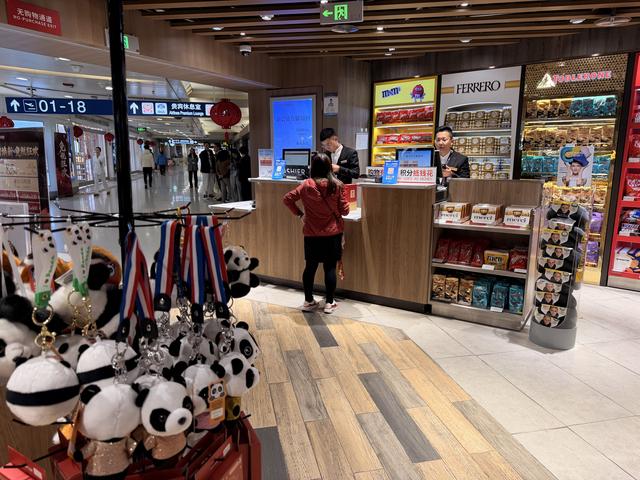
Group 1 - Wangfujing Duty-Free officially opened its store at Beijing Capital International Airport on February 11, marking its entry into the Beijing-Tianjin-Hebei international aviation hub and the core duty-free market [1][3] - The new store features a wide range of popular duty-free categories including perfumes, cosmetics, alcoholic beverages, and travel essentials, showcasing both international luxury brands and domestic products [3] - The opening of the airport store signifies the establishment of a comprehensive consumption loop for Wangfujing, from inbound first purchases to in-city repurchases and outbound supplementary purchases [3] Group 2 - The duty-free industry in Beijing is experiencing a recovery alongside the increase in international inbound and outbound passenger flow, with 5% growth in passenger throughput at the capital airport [4] - In 2025, Beijing received 5.48 million inbound tourists, representing a 39% increase, contributing to the growth of Wangfujing's sales in the region [4] - The company anticipates continued sales growth this year, driven by the rising number of inbound tourists and effective conversion of international customer flow into a comprehensive customer asset [4]

雄安春节期间“乐购新春”消费系列活动启动
Bei Jing Ri Bao Ke Hu Duan· 2026-02-11 08:29
汽车消费领域构建了"购、展、用"的多元服务场景。开展汽车以旧换新,报废更新最高补2万元、置换 更新最高补1.5万元;2月1日至3月31日,新区统筹1500万元财政资金,开展汽车消费嘉年华活动,按车 价分档发放1500元至7000元不等新车购车补贴;工商银行同步推出"满200减50"加油优惠活动,精准对 接群众春节自驾返乡、节日出行的加油需求,助力群众舒心出行。元宵节期间,新区还将在郊野公园搭 建汽车展销场景,集聚消费人气,促进政策红利与市场热度叠加共振。 好游: 2月至3月,新区将举办第三届新春嘉年华,精心打造"5+N"文旅融合活动,涵盖公园年味节、奥特莱斯 商街、商务服务中心、雄安体育中心四大专场及三县嘉年华专场,配套推出小马巡游、寻环有禧市、非 遗打铁花等N场特色活动,打造沉浸式新春体验场景,让市民游客在互动游玩中深度感受浓厚的节日氛 围。 2月11日,雄安新区发布2026年春节期间"乐购新春"消费系列活动,诚邀新区居民和游客春节期间在雄 安赏美景、品年味、享福利。本次活动围绕"好吃、好住、好行、好游、好购、好玩"六大主题,发放消 费券、举办特色活动、推出惠民政策等,让居民和游客感受雄安的发展温度与城市活 ...

当书法遇上中医药 第三届“墨缘杯”北京市老年书法展成功举办
Bei Jing Ri Bao Ke Hu Duan· 2026-02-11 07:28
Core Viewpoint - The third "Moyuan Cup" Beijing Senior Calligraphy Exhibition successfully showcased the integration of calligraphy and traditional Chinese medicine, highlighting cultural heritage and community engagement [1] Group 1: Event Overview - The exhibition was organized by Beijing Daily and Beijing Evening News, with support from Beijing Tongrentang Technology Development Co., Ltd. and other cultural institutions [1] - The event featured a diverse collection of calligraphy works, including various styles such as regular script, seal script, cursive script, running script, and clerical script, totaling over a hundred pieces [1] Group 2: Awards and Recognition - Beijing Tongrentang Technology received the "Special Contribution Award" during the event, recognizing its role in promoting traditional culture [1] - Renowned calligrapher Guo Jinli presented a calligraphy piece to the representatives of Beijing Tongrentang Technology, emphasizing the connection between calligraphy and traditional medicine [1] Group 3: Cultural Activities - The event included a variety of traditional cultural experiences, such as a calligraphy area for writing auspicious characters and couplets, and a herbal tea tasting area [1] - Attendees had the opportunity to receive free medical consultations from a team of doctors from Beijing Tongrentang Hospital and engage with pharmacists to learn about purchasing common household medicines [1]
何飚,新职务明确
Bei Jing Ri Bao Ke Hu Duan· 2026-02-11 07:02
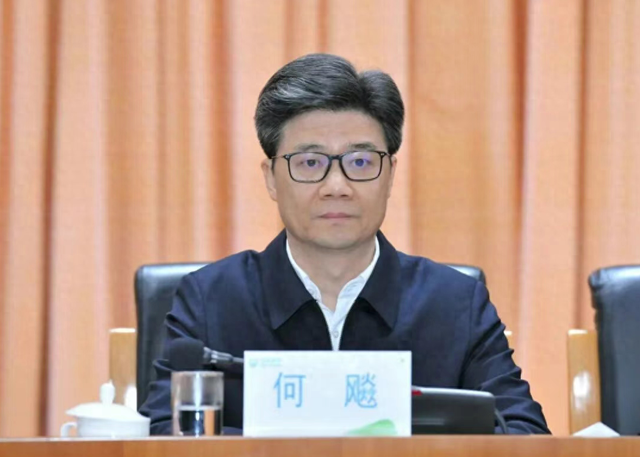
来源:长安街知事微信公众号 何飚 资料 公开资料显示,何飚出生于1972年2月出生,湖南平江人,博士研究生,中共党员。他长期在中国联通 工作,曾任中国联通广东省分公司党委委员、副总经理,广东省分公司党委副书记、总经理,广东省分 公司党委书记、总经理兼任联通(广东)产业互联网有限公司董事长等职,2020年任中国联合网络通信 集团有限公司副总经理、党组成员。 2024年3月,何飚任中国移动通信集团有限公司董事、总经理、党组副书记,至此番履新。 国家广播电视总局是国务院直属机构,为正部级。主要职责包括贯彻党的宣传方针政策,拟订广播电 视、网络视听节目服务管理的政策措施,加强广播电视阵地管理,把握正确的舆论导向和创作导向等。 近日,国家广播电视总局官网信息更新显示,何飚已任国家广播电视总局副局长、党组成员。 图 ...
从清东陵的建筑细节看大国工匠的“小心思”
Bei Jing Ri Bao Ke Hu Duan· 2026-02-11 06:37
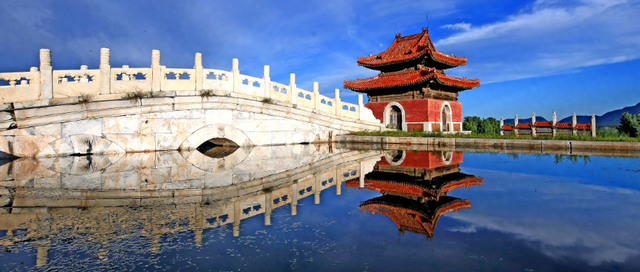
清东陵每座陵寝虽然都依规制而建,但是每座陵寝却又各具特色,它们在建筑细节上分别以各种别出心 裁的形式,体现着墓主人生前别样的志趣,同时也体现出古代工匠的智慧与精巧用心。今天大家就和小 编一起通过请东陵的建筑细节来看看大国工匠的"小心思"吧! 意趣盎然的"仙人异兽" 在清东陵每座陵寝隆恩殿顶的岔脊上,都装饰着一些小兽和一位骑凤仙人。它们如一位位忠诚的卫士, 坚守在殿顶,一守就是百年。关于它们为什么要驻守在这里,还有很多有趣的故事…… 每座殿角最外边的就是骑凤小仙人。传说这个小仙人就是姜子牙的小舅子,他想利用姜子牙的关系,升 官发财往上爬。姜子牙是一位清平公正的官,他看出了他这个小舅子的心思,也深知他的才能实在有 限,就对他说:"你的官已经升到顶了,如果再往上爬就会摔下来。" 在这个小仙人之后,还排列着九个坐姿的小兽,它们按排列的顺序依次是:龙、凤、狮子、天马、海 马、狻猊、押鱼、獬豸、斗牛。 这些小兽都有一定的象征意义。 龙、凤代表至高无上的尊贵;天马、海马象征着皇家的威德通天入海,畅达四方;斗牛、押鱼是海中异 兽,据说可以兴云作雨,镇火防灾;狮子是兽中之王,象征着威猛和尊严;狻猊则是我国传说中能食虎 豹的猛兽 ...
主流媒体系统性变革的实践图景与深化策略
Bei Jing Ri Bao Ke Hu Duan· 2026-02-11 06:35
Core Insights - The article focuses on the strategic transition of mainstream media from media convergence to systemic transformation, emphasizing the need for a deep restructuring based on intelligent backgrounds [1][2] - It outlines the "leading momentum" strategy for deepening transformation, which includes establishing proactive leadership thinking, building a modern governance system, creating a new mainstream discourse, promoting intelligent governance evolution, and exploring diversified revenue models [1][2] Group 1: Transformation Practices - Mainstream media has moved beyond simple integration to deep systemic transformation, breaking traditional operational constraints and constructing a modernized communication landscape [3] - The transformation involves cognitive reconstruction in ideology, organizational synergy, content value narrative upgrades, technological intelligent driving, and ecological platform symbiosis [3][4] Group 2: Ideological Innovation - The shift from media convergence to systemic reconstruction is characterized by placing media development within the broader context of national governance modernization [4] - The People's Daily upgraded its "Central Kitchen" to a "Smart Hub" in 2023, integrating content creation, distribution, user feedback, and data management into a unified operation [4][5] Group 3: Organizational Optimization - Traditional hierarchical structures are being reformed into collaborative frameworks to enhance content innovation and dissemination effectiveness [6][7] - The establishment of collaborative committees and agile teams, as exemplified by the Wenzhou Media Center, demonstrates the shift towards a more integrated operational model [7][8] Group 4: Content Evolution - Mainstream media is transitioning from mere information reporting to meaningful value narratives, emphasizing emotional resonance and cross-cultural empathy [9][10] - AI technologies are increasingly integrated into content production, enhancing creativity and efficiency, as seen in various innovative projects [9][10] Group 5: Technological Advancement - Technology has evolved from a supportive role to a core driver of transformation, with AI and advanced algorithms reshaping the entire media production and distribution process [11][12] - The integration of AI with virtual reality is revolutionizing content production, enabling seamless blending of virtual and real elements [11][12] Group 6: Ecological Co-creation - Mainstream media is moving towards a platform symbiosis model, integrating with government, culture, and commerce to enhance its role in social governance [13][14] - Collaborative projects, such as the "My Changsha" app, illustrate how media can provide public services while enhancing governance efficiency [13][14] Group 7: Strategies for Deepening Transformation - The "Fifteen Five" plan emphasizes a comprehensive upgrade in ideology, mechanisms, content, technology, and operations to support the development of a full media communication system [15][16] - The establishment of a modern governance system is crucial for ensuring effective organizational support for transformation [18][19] Group 8: Content and Discourse Development - The creation of a new mainstream discourse system is essential for adapting to the evolving social landscape and enhancing the media's role in guiding public opinion [21][22] - Emotional connection and practical application of the discourse system are vital for fostering public engagement and trust [22][23] Group 9: Sustainable Business Models - Mainstream media is exploring diversified revenue models to address structural challenges, moving beyond reliance on subsidies and advertising [26][27] - The integration of media with technology and data services is seen as a pathway to enhance operational sustainability and value creation [26][27] Group 10: Overall Outlook - The systemic transformation of mainstream media is not merely an extension of previous efforts but a comprehensive shift towards a sustainable and proactive media ecosystem [28]
“数智时代的主流媒体系统性变革”综述
Bei Jing Ri Bao Ke Hu Duan· 2026-02-11 06:30
Core Insights - The 2025 Media Integration Development Ordos Annual Conference focuses on the systemic transformation of mainstream media in the digital age, emphasizing the need for innovative thinking, technological empowerment, and institutional reform to enhance media influence and communication capabilities [1][2]. Group 1: Systemic Transformation of Mainstream Media - The conference highlights the necessity for mainstream media to break away from traditional thinking and develop an open, collaborative media ecosystem to adapt to the digital communication landscape [3]. - Experts emphasize the importance of shifting from a "transmitter-centered" mindset to a "dialogue-centered" approach, enhancing interaction between media and users [4]. - The integration of AI and digital technologies is seen as a crucial driver for the transformation of media production and dissemination processes, enhancing efficiency and content quality [6][7]. Group 2: Content Production and User Engagement - The focus on content production is critical, with experts advocating for the use of internet thinking and emerging technologies to create content that resonates with users [8]. - A unified technology platform is recommended to streamline the content production process, ensuring that user needs are met through data-driven insights [10]. - The establishment of a dynamic talent ecosystem is essential for adapting to the evolving media landscape, with an emphasis on training and integrating new skills [11][12]. Group 3: Institutional and Structural Reforms - The need for a modernized institutional framework that supports comprehensive media integration across various dimensions, including content, technology, and talent, is highlighted [9]. - Successful case studies from various media centers demonstrate the effectiveness of resource reallocation and structural optimization in enhancing media productivity [10][12]. - The development of multi-layered, interactive communication systems is proposed to amplify the influence of mainstream narratives and improve engagement across different audience segments [13].
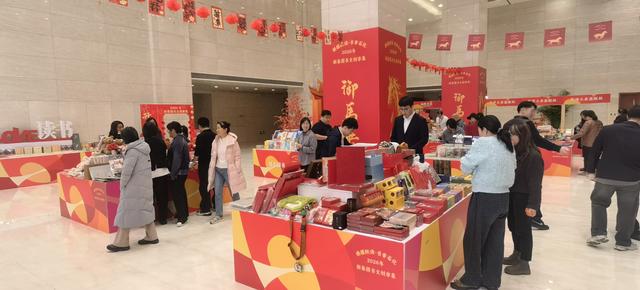
“骐骥跃读·书香石化”新春图书文创市集走进中国石化总部
Bei Jing Ri Bao Ke Hu Duan· 2026-02-11 06:06
"骐骥跃读·书香石化"新春图书文创市集日前在中国石化总部举办,活动联动优质文化资源,融合专业 阅读、数字阅读与文创体验,为总部干部职工送上兼具思想性、专业性与趣味性的新春文化盛宴。 此次活动由石化出版公司主办,中国经济书店承办。中国经济书店相关负责人介绍,本次市集突出能源 行业特色与职工阅读需求,精心设置五大板块。精品图书区聚焦主题出版、人文社科、经济管理、文学 艺术、生活健康、青少年成长、进口原版等优质出版物,兼顾思想深度与阅读趣味。专业图书区聚焦石 油化工、能源安全、绿色低碳、工程技术等核心领域,精选权威专著、前沿技术与科普读物,精准匹配 科研生产、管理运营与人才成长需求,助力职工提升专业素养与履职能力。 数字阅读专区依托"易牍知识服务平台"同步上线电子图书、有声读物、知识专栏等数字产品,覆盖移动 终端、智能终端多场景阅读。智能审校系统展示了AI准确审校文档功能,提升服务效能的同时让职工 领略"科技+阅读"的无限魅力。旧书新知区以经典旧籍与全新好书相映成趣,在泛黄纸页与崭新墨香中 重温经典、汲取新知,让阅读在时光流转中焕发持久魅力。 该展区还特设银龄阅读专区,精选经典文史、红色经典等适宜老年群体的读物,通 ...

中国主流媒体系统性变革的演进轨迹、理论建构与实践互动
Bei Jing Ri Bao Ke Hu Duan· 2026-02-11 05:39
Core Viewpoint - The mainstream media in China is undergoing a systematic transformation driven by the challenges posed by the internet and new technologies, leading to user loss, revenue decline, and a decrease in trust. The government is promoting this transformation strategically, moving from partial explorations to a comprehensive ecological integration approach [1][2]. Group 1: Historical Trajectory of Media Integration - The transformation of mainstream media has evolved from a passive response to the internet to a user-centered, technology-driven, and ecologically focused deep restructuring phase [2]. - The initial phase of media integration was characterized by a "small integration" approach, where the internet was seen merely as a tool for extending existing business [6][7]. - The "medium integration" phase involved a deeper understanding of integration, where media began to reconstruct internal operations and management processes [8][9]. Group 2: Driving Forces and Challenges - The crisis of traditional media was triggered by the rise of the internet, which diluted the advantages of administrative resources and led to a significant decline in audience size and advertising revenue [3][4]. - The number of published newspapers in China dropped from 48.23 billion copies in 2012 to 24.99 billion copies in 2024, indicating a drastic decline in traditional media consumption [4]. - The advertising revenue for traditional broadcasting and television fell from 109.92 billion yuan in 2018 to 58.37 billion yuan in 2023, highlighting the financial challenges faced by mainstream media [5]. Group 3: Systematic Transformation and Theoretical Framework - The systematic transformation of mainstream media is not just a technical upgrade but involves a comprehensive reshaping of development concepts, organizational logic, and institutional arrangements [10]. - The "big integration" theory emphasizes the need for media organizations to transcend traditional boundaries and engage in cross-sector integration to create a new hub that serves the digital economy [12][14]. - The "big integration" approach aims to leverage institutional advantages and actively participate in the modernization of governance systems, focusing on building autonomous and controllable internet platforms [14]. Group 4: Progress and Innovations in Media Transformation - A modernized communication system has begun to take shape, characterized by a technology-driven, matrix-linked, and innovative discourse system [26]. - The establishment of a comprehensive media matrix that integrates various forms of media has been achieved, enhancing the effectiveness of communication [27]. - The "news+" model has emerged as a fundamental approach for mainstream media, integrating news dissemination with public services and business resources [38]. Group 5: Existing Challenges in Systematic Transformation - Despite progress, mainstream media still faces challenges in creating autonomous and controllable platform ecosystems, with user engagement and self-sustaining revenue models needing improvement [44]. - Structural issues persist, affecting resource allocation efficiency and overall competitiveness within the media system [46].