
Jin Rong Shi Bao

Search documents
红票子”托举起“黑珍珠
Jin Rong Shi Bao· 2026-01-08 03:48
Core Viewpoint - The article highlights the unique cash transaction ecosystem in the Hongyuan pastoral area, where cash remains the preferred payment method for over 70% of herders due to the region's specific financial and geographical conditions [2][3]. Group 1: Cash Transaction Preferences - More than 70% of herders in the Hongyuan pastoral area prefer cash transactions for yak trading, as it aligns with their production and lifestyle needs [2]. - The vast area and intermittent network coverage in remote pastures make digital payments unreliable, necessitating immediate cash transactions for large yak trades [2]. - The traditional habit of cash transactions among herders reinforces the importance of cash as a payment medium in yak trading [2]. Group 2: Financial Services Innovations - Local banks have implemented a "fixed point + mobile service" dual financial service system, utilizing 12 mobile banking vehicles that travel over 20,000 kilometers annually to serve over 70% of the pastoral area [3]. - These mobile banking vehicles are equipped with satellite communication devices, enabling core cash services even in areas without network coverage, effectively addressing the "last mile" of cash service delivery [3]. - The banks have developed a cash demand forecasting model to optimize cash distribution based on yak growth cycles and market prices, resulting in a 15% reduction in operational costs compared to traditional methods [3]. Group 3: Cash Security Measures - The introduction of intelligent cash handling equipment has achieved a 100% accuracy rate in counterfeit detection, ensuring the safety of herders' finances [4]. - Banks have conducted over 60 bilingual anti-counterfeiting education sessions to help herders identify counterfeit currency, enhancing the cash security network [4]. Group 4: Regional Cash Supply Enhancements - The establishment of a cash custody warehouse in Hongyuan has improved cash supply efficiency for surrounding areas, significantly reducing travel times for cash withdrawals [5][6]. - Since the establishment of the custody warehouse, a net cash injection of 4.23 billion yuan has been recorded, leading to increased satisfaction among pastoral communities regarding financial services [6]. - The efficient cash services in the Aba highland pastoral area complement digital payments, enhancing the inclusivity and accessibility of payment services [6].
当人工智能遇上健康管理 健康险风险减量能否破局
Jin Rong Shi Bao· 2026-01-08 03:42
Core Insights - The insurance industry is transitioning from traditional financial compensation models to a customer-centric service model, focusing on risk reduction through proactive health management [1][4] - The establishment of the Ping An Health Management Company marks a significant step in integrating health management services with health insurance, aiming to enhance customer engagement and reduce claims [1][2] Group 1: Health Management Integration - Ping An Health has reported a service revenue of 159 million yuan in the first half of 2025, providing health management services to over 4.8 million customers, reflecting a year-on-year growth of 21.4% [2] - Other companies, such as China Pacific Insurance and China Ping An, have also established health management subsidiaries to enhance their competitive edge in the health insurance market [3][4] - Health management services are becoming a standard feature in health insurance products, even in basic insurance offerings, which now include services like health consultations and chronic disease follow-ups [2][3] Group 2: Shift from Passive to Active Management - The health insurance sector is undergoing a transformation from passive risk compensation to active health management, aiming to lower claim rates and improve customer retention [4][5] - The importance of health management is recognized as a core component for product competitiveness and sustainable industry development, especially in the context of rising health demands and clearer basic insurance roles [4][5] Group 3: Challenges and Opportunities - Despite the recognized importance of health management, low user awareness and service utilization rates remain significant challenges for the industry [5] - The Chinese government has issued guidelines to promote the integration of health insurance and health management, emphasizing the need for preventive measures and improved public understanding of health insurance [6][7] - Artificial intelligence (AI) is seen as a potential solution to enhance service delivery and efficiency in health management, with applications in personalized health interventions and dynamic assessments [6][7]


外资独资保险资管公司接连落地
Jin Rong Shi Bao· 2026-01-08 03:42
Core Insights - The approval of AIA Asset Management and Holland Insurance Asset Management marks a significant step in China's financial sector's opening up, reflecting international institutions' confidence in the Chinese market [1][2] Group 1: Company Overview - AIA Asset Management has a registered capital of 100 million yuan, fully subscribed by AIA Life Insurance, with Zhang Xiaoyu as the chairman [1] - Holland Insurance Asset Management has a registered capital of 250 million yuan, fully funded by the Dutch Global Life Insurance Group, with Zhang Mengjiao as the chairman [1] - Prudential Insurance Asset Management, the first foreign-funded insurance asset management company in China, was established in September 2025 with a registered capital of 20 million USD, fully funded by Prudential Financial [1][2] Group 2: Industry Context - The establishment of these foreign-funded asset management companies is driven by confidence in China's long-term economic development and aligns with the country's financial market opening policies [2][4] - The insurance asset management industry in China has shown robust growth, with total managed funds reaching 33.30 trillion yuan by the end of 2024, a year-on-year increase of 10.60% [3] - The entry of foreign institutions is expected to enhance product innovation, risk management, and technological empowerment within the industry, promoting higher quality and sustainable development [4]
银行信用风险管理逻辑:从单点判断到系统防控的范式变革
Jin Rong Shi Bao· 2026-01-08 03:35
传统银行信用风险管理模式以客户经理前端调查与风险总监中台审批为核心,过度依赖个体经验,在复 杂多变的经济环境中凸显滞后性与脆弱性。本文通过剖析传统模式存在的信息不对称、管理滞后、标准 缺失和非财务因素评估不足等困境,提出银行需实现从"个体英雄主义"到"体系化工程学"的理念转变, 新的风险管理逻辑强调"源头治理",构建"研—产—销—管"一体化风险管理链条。同时,从组织架构、 流程再造、科技赋能、考核激励和文化建设五个维度给出实践保障措施,为银行信用风险管理范式变革 提供完整解决方案,助力银行实现风险可测、可控、可承受的管理目标,推动自身高质量发展并维护金 融体系稳定。 我国商业银行传统信用风险管理流程为"客户经理尽职调查→撰写报告→风险总监/信审会审批→用信审 查→贷后检查",依赖客户经理调查能力与审批官经验直觉,前提假设是:前端深入调查和审慎审批可 识别和规避风险,但实践中存在诸多困境。其一,信息不对称与人为干扰显著。企业常隐瞒不利信息、 美化数据甚至虚构交易;客户经理或因业绩压力"选择性忽视"风险信号,且难识别跨行业复杂风险,少 数还存道德风险。其二,风险动态性与管理滞后性矛盾尖锐。信用风险随宏观经济、行业 ...
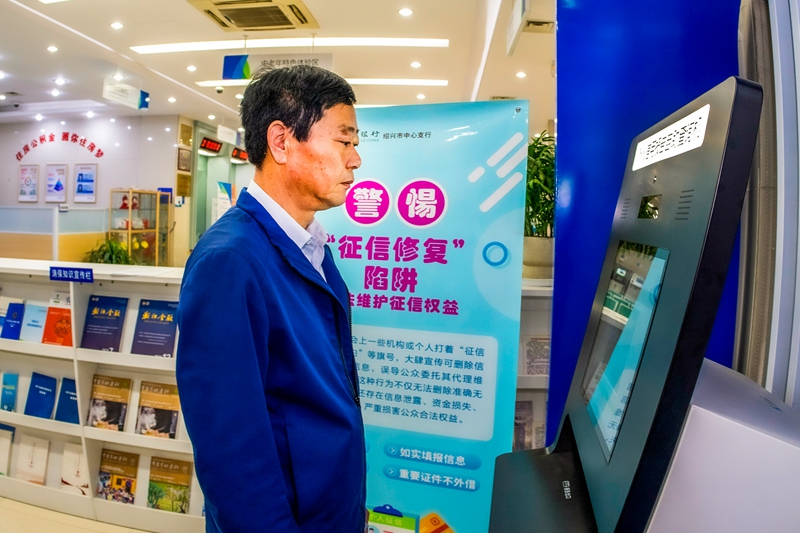
浙江诸暨打造"枫桥式"征信工作服务站
Jin Rong Shi Bao· 2026-01-08 03:35
Core Insights - The article highlights the proactive response of Zhejiang Zhuji Rural Commercial Bank to the community's credit service needs by innovatively establishing a "Fengqiao-style" credit service station [2] Group 1: Service Features - The credit service station includes an education area to promote credit knowledge, a service area equipped with self-service inquiry devices, and a dispute resolution area to efficiently address community requests [2] - As of December 31, 2025, the service station has processed a total of 198 credit disputes and data corrections, and has completed over 20,000 self-service credit report inquiries and printouts [2]

书写金融“五篇大文章”新答卷
Jin Rong Shi Bao· 2026-01-08 03:35
中国人民银行松原市分行聚焦乡村振兴重点领域与关键群体,以金融"五篇大文章"为核心抓手,通过资 源整合、产品创新与政策联动,构建起全方位、多层次、可持续的乡村振兴金融服务长效机制,让金融 活水持续滴灌松原乡村大地。截至2025年11月末,松原全辖涉农贷款余额达679.6亿元,较2025年初新 增2.7亿元,为地方"三农"发展注入强劲金融动能。 在松辽平原的沃土上,乡村振兴战略正稳步推进。中国人民银行松原市分行聚焦乡村振兴重点领域与关 键群体,以金融"五篇大文章"为核心抓手,通过资源整合、产品创新与政策联动,构建起全方位、多层 次、可持续的乡村振兴金融服务长效机制,让金融活水持续滴灌松原乡村大地。截至2025年11月末,松 原全辖涉农贷款余额达679.6亿元,较2025年初新增2.7亿元,为地方"三农"发展注入强劲金融动能。 吉林省鸿翔农业集团鸿翔种业有限公司作为行业领军企业,在技术创新与设备升级过程中面临融资难 题。由于种子企业固定资产占比低,传统抵押担保模式需第三方保证公司介入,导致融资成本高企。农 业发展银行松原市分行精准对接企业需求,创新以"植物新品种权"为质押标的,依托"农业农村部质押 备案说明+人民银 ...
为县域经济社会高质量发展 注入强劲金融动力 中国人民银行徐州市分行新沂营业管理部以高质量党建引领县域金融提质增效
Jin Rong Shi Bao· 2026-01-08 03:35
Core Viewpoint - The Xinyi Management Department of the People's Bank of China in Xuzhou has focused on high-quality development through the integration of party building and business operations, aiming to enhance financial services for local economic growth since 2025 [1] Group 1: Political Direction and Ideological Foundation - The department has implemented a theoretical learning system to ensure the alignment of major decisions from the central government with local practices, conducting 18 study sessions and participating in 3 central learning meetings [2] - It has integrated ideological work into its operational agenda, conducting regular educational activities to strengthen the ideological foundation of its staff [3] - A comprehensive internal control management system has been established to clarify responsibilities and enhance decision-making processes [3] Group 2: Strengthening Organizational Capacity - The department has developed a brand for party building, promoting the integration of party and business objectives, and has held numerous meetings and educational activities to foster a strong party culture [4] - It emphasizes the development of party members from business professionals and young talents, with recognition for outstanding members [4] - A youth talent cultivation program has been initiated, pairing new employees with mentors to enhance their professional growth [5] Group 3: Discipline and Governance - Regular education on discipline and integrity has been conducted, focusing on the central eight regulations and using case studies to reinforce ethical standards [6] - The department has implemented a multi-faceted supervision model to identify and address risks related to misconduct [6] - A systematic approach to problem rectification has been established, ensuring that issues identified through audits and inspections are effectively addressed [7] Group 4: Integration and Empowerment - The department has created a comprehensive financial service center to support local development, facilitating significant financing and policy outreach [8] - Collaborative mechanisms have been established with neighboring counties to enhance financial service delivery and data sharing [8] - Various outreach activities have been conducted to ensure that financial policies reach the grassroots level, significantly increasing community engagement [9]
坚持主责主业 服务实体经济 访中国长城资产总部战略发展部总经理黄蔚
Jin Rong Shi Bao· 2026-01-08 03:35
Group 1 - The core viewpoint emphasizes the importance of financial asset management companies in supporting the "15th Five-Year Plan" and enhancing financial security while promoting high-quality economic development [1][2][3] - Financial asset management companies are expected to transition from a focus on risk prevention during the "14th Five-Year Plan" to improving efficiency and market-oriented operations, thereby better serving the real economy [1][2] - The "15th Five-Year Plan" outlines key principles such as comprehensive party leadership, prioritizing people, high-quality development, and deepening reforms, which guide the construction of a financial powerhouse [3] Group 2 - Financial asset management companies play a crucial role in risk resolution and supporting the real economy by focusing on the acquisition and disposal of non-performing assets and assisting troubled enterprises [4] - The companies are tasked with fostering innovation in financial services, particularly in high-tech sectors, by utilizing specialized investment tools to optimize capital structures and support critical industries [5] - In the real estate sector, financial asset management companies are expected to act as stabilizers and lead risk resolution efforts, engaging in urban renewal and improving living conditions through various financial strategies [6] Group 3 - The companies are encouraged to align with national strategies such as the "Belt and Road Initiative" and regional coordinated development, optimizing resource allocation and mitigating financial risks [7] - They should focus on sectors that align with the "Belt and Road Initiative," such as new energy and digital economy, while also enhancing asset restructuring and investment in key regions [7]

坚守“支付为民”初心 中国人民银行青海省分行持续优化农村支付环境
Jin Rong Shi Bao· 2026-01-08 03:35
2025年以来,中国人民银行青海省分行坚守"支付为民"初心,充分发挥牵头抓总"主开关"作用,以提升 农村支付服务的便捷性、安全性与普惠性为目标,持续推动构建覆盖广泛、扎实高效的农牧区支付服务 体系。 聚焦基础设施,着力提升支付便利。中国人民银行青海省分行按照市场化原则,引导全省银行机构回归 支付业务的普惠性和便利性,合理规划惠农金融服务点布局,确保支付服务供给与农村居民需求相匹 配。截至2025年三季度末,青海省银行机构累计在农牧区布放ATM、POS机等银行卡受理终端4.63万 台,人均持有银行卡4.03张,同比增长12.09%,全省农牧区支付清算网络保持全覆盖;打造的26家叠加 公共事业缴费功能的服务驿站实现了"基础金融服务不出村、生活缴费不出村",极大便利了农村居民生 产生活。 紧盯业务实际,筑牢服务安全底线。中国人民银行青海省分行以落实落细《青海省做好金融"五篇大文 章"实施方案》为出发点,结合辖区实际情况,编制《青海省惠农金融服务点运营情况摸排表》并开展 专项调研,及时总结问题,同步印发《关于做好惠农金融服务点相关工作的通知》,压实惠农金融服务 点开办行主体责任,督导开办行撤销惠农金融服务点后要及时向 ...
让四季果香更“浓” 让冷凉蔬菜更“热” 邮储银行云南省昭通分行精准滴灌高原特色农业产业
Jin Rong Shi Bao· 2026-01-08 03:35
Core Insights - The article highlights the role of Postal Savings Bank in supporting agricultural development in Yunnan Province, particularly in Zhaotong City, through tailored financial services that align with local agricultural characteristics and the rural revitalization strategy [1][2][3][4][5][6] Group 1: Agricultural Development - The diverse climate and geography of the region contribute to a rich agricultural landscape, with low-altitude tropical fruits and high-altitude cool vegetables thriving [1] - In Yongshan County, the area dedicated to specialty fruit cultivation has reached 195,000 mu, with an annual output of approximately 100,000 tons and a production value exceeding 1.1 billion yuan [2] - The bank's "industry loan" products have been instrumental in addressing the financing needs of local farmers, enabling them to expand their operations and improve productivity [2][3] Group 2: Financial Support Mechanisms - Postal Savings Bank has introduced various financial products, such as "loquat loans" and "citrus loans," to support the development of specialty fruit industries [2] - The bank's proactive approach includes on-site visits and personalized financial solutions, which have effectively resolved funding challenges for farmers [2][3] - The bank has streamlined its loan approval process, reducing the time to 24 hours, thus enhancing accessibility for farmers and businesses [5][6] Group 3: Impact on Local Economy - The modernization of agricultural practices, supported by the bank's loans, has led to significant increases in crop yields, with some farmers reporting a 30% increase in production [3] - The transformation of previously idle land into productive agricultural areas has created job opportunities and increased income for local communities [5][6] - As of October 2025, the bank's inclusive finance initiatives have resulted in a balance of 960 million yuan in loans for small and micro enterprises, serving 4,528 clients [6]
