Qian Zhan Wang

Search documents
前瞻全球产业早报:中国一汽回应收购零跑汽车10%股权
Qian Zhan Wang· 2025-08-21 11:07
Group 1: Photovoltaic Industry - A high-profile meeting on "anti-involution" in the photovoltaic sector is taking place, with detailed discussions expected in the coming days regarding the battery, module, silicon wafer, and polysilicon segments [2] Group 2: Japan's Export Data - Japan's exports fell by 2.6% year-on-year in July, marking the largest decline since February 2021, primarily due to decreased exports to the US and China [3] - Exports to the US dropped by 10.1%, while exports to mainland China decreased by 3.5%, contrasting with a 17.7% increase in exports to Hong Kong [3] Group 3: Foxconn Employment - Foxconn in Zhengzhou is experiencing a surge in hiring due to the peak production season for Apple phones, with potential earnings for workers estimated between 19,200 to 23,000 yuan over three months [4] Group 4: Chongqing Financial Initiatives - The Chongqing government has released a plan to enhance financial services for technology enterprises, aiming to support mergers, acquisitions, and investments in the tech sector [4] Group 5: DeepSeek Model Release - DeepSeek has released a new model, V3.1, which expands context length to 128K, available for testing through various platforms [5][6] Group 6: ByteDance's Mobile Plans - ByteDance has denied rumors regarding its subsidiary Doubao launching a mobile phone product, stating there are no current plans for such a venture [7] Group 7: Pop Mart's Growth Projections - Pop Mart's founder expressed confidence in achieving 30 billion yuan in revenue this year, up from an initial target of 20 billion yuan, indicating strong growth potential [8] Group 8: China FAW's Stake in Leap Motor - China FAW has refuted claims of planning to acquire a 10% stake in Leap Motor, labeling the information as false [9] Group 9: Gaming Industry Developments - Game Science has announced a new project titled "Black Myth: Zhong Kui" and has rebranded its official account to reflect the "Black Myth" series [9] Group 10: XPeng's Future Products - XPeng's chairman revealed plans for L4-supported vehicles and humanoid robots to be mass-produced by 2026, with trials for Robotaxi services expected to begin in select areas [9] Group 11: South Korea's GPU Procurement - The South Korean government plans to procure over 35,000 GPUs in the next two years to enhance AI infrastructure, with a long-term goal of securing 50,000 GPUs by 2030 [10] Group 12: Ford and SK On's Battery Supply Issues - Ford and SK On are seeking buyers for surplus batteries produced at their new joint factory in Kentucky, highlighting a decrease in electric vehicle demand in the US [10] Group 13: GE Vernova's Investment - GE Vernova is set to invest $41 million in a power plant in New York to enhance generator operations, creating 50 high-tech jobs [11] Group 14: Meta's AI Department Restructuring - Meta is planning to restructure its AI division into four groups, focusing on research, potential superintelligence, product development, and infrastructure [12] Group 15: Apple's iPhone Production in India - Apple is significantly increasing its iPhone production in India, with five factories now assembling the iPhone 17 series, including high-end models aimed at the US market [13] Group 16: Google's Play Store Proposal - Google has proposed changes to its Play Store terms to avoid EU fines, including adjustments to developer fees and facilitating user redirection to external app stores [14] Group 17: Cellular Repair Mechanism Research - New research indicates that human cells can change shape to close wound gaps, providing insights into self-repair mechanisms and potential applications in tissue regeneration [15] Group 18: Investment and IPO Updates - Shenghong Technology has submitted a listing application to the Hong Kong Stock Exchange, while Saiterwell Electronics has initiated the process for an A-share IPO [16] Group 19: Stock Market Performance - A-shares saw collective gains, with the Shanghai Composite Index rising 1.04%, while Hong Kong's indices experienced slight fluctuations [17][18] Group 20: Economic Insights - The report highlights various economic trends and investment strategies, emphasizing the importance of industry research and market analysis [19]



【投资视角】启示2025:中国光电芯片行业投融资及兼并重组分析(附投融资事件、产业基金和兼并重组等)
Qian Zhan Wang· 2025-08-21 09:30
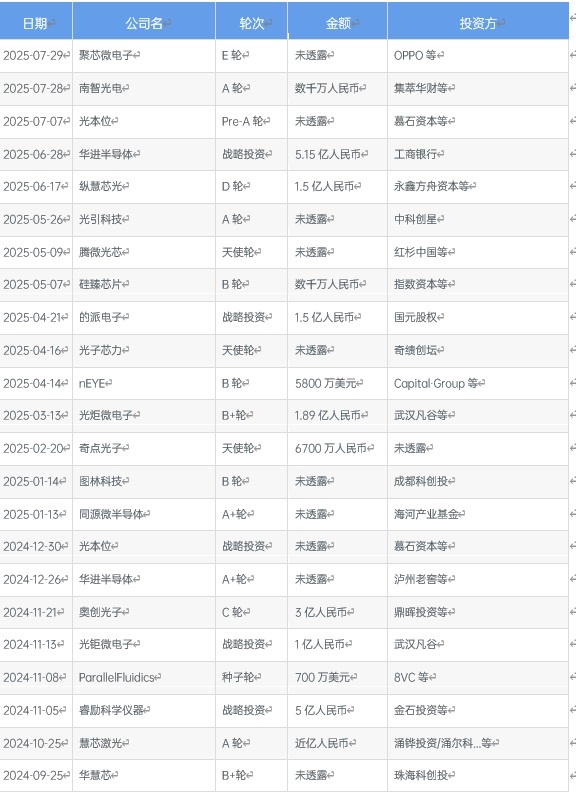
Group 1: Financing Events in the Optoelectronic Chip Industry - The financing events in the Chinese optoelectronic chip industry from 2023 to 2025 show a variety of companies and investment rounds, with significant amounts raised [1][2][4] - Notable financing events include a strategic investment of 5.15 billion RMB in Huahu Weiying and a D round raising 1.5 billion RMB by Zonghui Xinguang [1][2] - The total financing amount in the optoelectronic chip industry from early 2025 to July 2025 is approximately 1.7 billion RMB across 15 events [5] Group 2: Financing Scale Analysis - The number of financing events in the optoelectronic chip industry peaked in 2021 with 50 events, while from January to July 2025, only 15 events occurred [5] - The trend indicates a decline in financing events and amounts after 2021, with a total of about 1.7 billion RMB raised in 2025 [5] Group 3: Investment Rounds Analysis - The majority of financing rounds in the optoelectronic chip industry are concentrated in B rounds and earlier stages, indicating a prevalence of early-stage startups [7] Group 4: External Investment Landscape - Major optoelectronic chip companies in China primarily invest in Guangdong and Jiangsu provinces, with 48 and 29 investments respectively [10] - The manufacturing sector accounts for 61% of the investments, followed by scientific research and technical services at 23% [12] Group 5: Mergers and Acquisitions - The optoelectronic chip industry is characterized by a high number of mergers and acquisitions, predominantly horizontal mergers [14][16] - Recent notable acquisitions include a 40% stake acquisition by Xin Technology in Yingsu Optoelectronic Technology and an 81% acquisition by Robot Technology in Beikong Taike [16]
2025年中国生物医用材料行业科学研究现状 近年来研究热度有所下降【组图】
Qian Zhan Wang· 2025-08-21 09:18
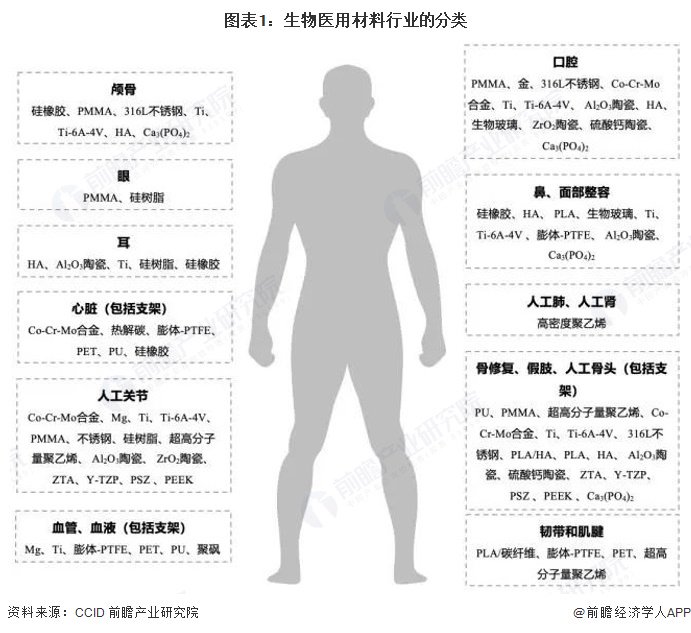
Core Viewpoint - The research activity in the field of biomedical materials in China has been declining from 2014 to 2024, with a decrease in the number of related papers published from 258 to 152 [3]. Group 1: Definition and Overview - Biomedical materials are defined as high-tech materials used for diagnosing, treating, repairing, or replacing human tissues and organs, categorized by their applications such as bone, soft tissue, cardiovascular, and medical membrane materials [1]. Group 2: Research Trends - The number of papers published in the biomedical materials field has shown a downward trend, indicating a decrease in research interest over the years [3]. - As of July 2025, higher education institutions are the primary contributors to the literature in this field, with Tianjin University leading by publishing 102 related papers [5]. Group 3: Research Themes - Medical polymer materials are identified as a popular research theme within the biomedical materials sector, alongside composite materials [9]. - Biomedical engineering is recognized as a prominent research discipline in this field, with significant contributions from organic chemistry, metallurgy, and metal processing [11].


重磅!2025年中国及31省市连接器行业政策汇总及解读(全)
Qian Zhan Wang· 2025-08-21 08:19
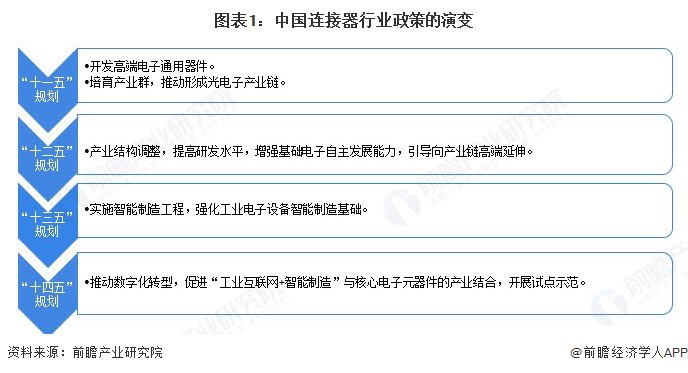
Core Insights - The article discusses the development policies and goals for the connector industry in China, highlighting the government's focus on enhancing technology, innovation, and market competitiveness in this sector [1][3][6]. Policy Overview - The connector industry policies in China have evolved from the "11th Five-Year Plan" to the "14th Five-Year Plan," emphasizing the importance of digital transformation and high-end development in the electronic components sector [1][3]. - Key policies include the "Industrial Technology Innovation Capability Development Plan (2016-2020)" and the "Basic Electronic Components Industry Development Action Plan (2021-2023)," which aim to boost the development of critical electronic components like connectors [3][4]. Development Goals - By 2023, the total sales of electronic components are expected to reach 21,000 million yuan, while the connector industry aims for a sales target of 3,967 billion yuan by 2025, with an average annual growth rate of 6% during the "14th Five-Year Plan" period [7]. - The industry aims to establish a standardized organization and patent alliance led by domestic companies, focusing on high-quality standards and patent layout [7]. Technological Advancements - The "Manufacturing Reliability Improvement Implementation Opinion" emphasizes the need for high reliability and longevity in connectors, pushing for advancements in technology and quality standards [8]. - Policies encourage the development of high-frequency, high-speed, and high-reliability connectors, with a focus on integrating cutting-edge technologies like silicon photonics and optical-electrical hybrid transmission [9]. Market Demand and Applications - The demand for connectors is expected to grow in sectors such as smart connected vehicles, low-altitude economy, and 5G communication, driving the need for high-voltage, high-current connectors [8][9]. - The article highlights the importance of aligning domestic production with international standards to enhance competitiveness in the global market [9]. Provincial Policies - Various provinces, including Henan, Sichuan, and Shaanxi, have outlined specific policies to develop high-speed connectors, indicating a regional commitment to advancing this sector [17]. - Local governments are also focusing on fostering innovation and supporting the growth of specialized enterprises within the connector industry [11][12].



【最全】2025年中国人工智能代理行业上市公司全方位对比(附业务布局汇总、业绩对比、业务规划等)
Qian Zhan Wang· 2025-08-20 10:59
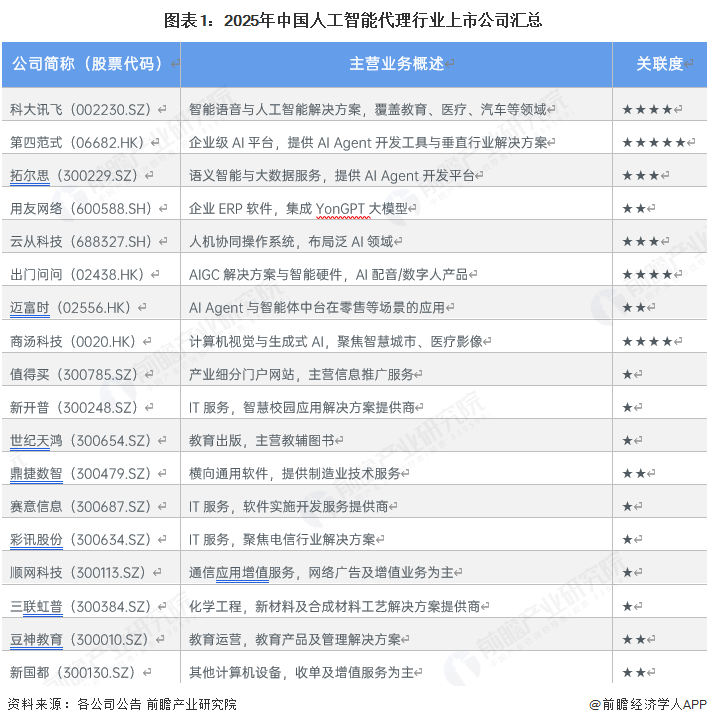
Group 1 - The core viewpoint of the article highlights the rapid development and diverse applications of the artificial intelligence (AI) agency industry in China, emphasizing the importance of R&D investment and the competitive landscape among key players [1][2][3]. Group 2 - The article provides a summary of major listed companies in the AI agency sector, including Keda Xunfei, Fourth Paradigm, and others, showcasing their business layouts and competitive advantages [1][2]. - Key companies are focusing on vertical fields and leveraging large model technology to create differentiated AI agency products, with leading firms like Keda Xunfei and SenseTime utilizing self-developed large models across multiple scenarios [2][3]. - The industry is characterized by three main features: deep vertical scene implementation, ecological cooperation, and standardization of industry solutions [3]. Group 3 - A comparison of basic information among AI agency companies reveals that some firms excel in specific verticals, while others adopt a cross-domain expansion strategy, covering various sectors such as finance, education, and healthcare [2][10]. - Keda Xunfei's AI learning machine has been a top seller in major e-commerce platforms, with its smart education business generating significant revenue [10]. - Fourth Paradigm has established partnerships with major financial institutions to implement AI solutions in risk control and asset management [10]. Group 4 - R&D investment is a critical factor for success, with Keda Xunfei's R&D expenditure reaching 4.58 billion yuan in 2024, representing a 19.37% increase year-on-year [4][5]. - Some companies, like SenseTime, exhibit high R&D spending but struggle with revenue generation, indicating a mismatch between R&D resources and commercialization capabilities [5][6]. - The proportion of R&D personnel is a key indicator of a company's technological drive, with Keda Xunfei having a significantly higher percentage of R&D staff compared to industry averages [6]. Group 5 - The business performance of AI agency companies varies, with Fourth Paradigm achieving a total revenue of 5.261 billion yuan in 2024, marking a 25.1% year-on-year increase [15]. - In contrast, CloudWalk Technology experienced a revenue decline of 36.69% to 398 million yuan in 2024, despite some segments showing high growth [16]. - Companies like Tuolisi maintain high gross margins despite slower revenue growth, indicating a focus on high-margin customized services [16]. Group 6 - The strategic planning of AI agency companies reflects differentiated approaches in technology investment and product roadmaps, impacting their market positioning and operational efficiency [18]. - Keda Xunfei is pursuing a strategy of deepening its industry model while expanding its presence in education and healthcare [19]. - Fourth Paradigm is focusing on integrating agent technology with world models to enhance its service offerings across various industries [19].


前瞻全球产业早报:软银20亿美元“救火”英特尔
Qian Zhan Wang· 2025-08-20 10:52
Group 1: Market Overview - The total scale of China's movable property financing market is approximately 15 trillion yuan [2] - By June 2025, the unified registration and public announcement system for movable property financing has registered 152,000 users, including banks and various financial institutions [2] - The number of guarantors served is nearly 18 million, primarily consisting of small and micro enterprises [2] Group 2: Technological Advancements - China has successfully mastered relevant technologies in the field of artificial cavern gas storage, marking a significant milestone [3] - The world's largest artificial cavern gas storage in-situ test platform achieved a breakthrough pressure of 18 MPa, setting five world records in performance indicators [3] Group 3: Corporate Developments - Kodak clarified that it has not ceased operations or filed for bankruptcy, countering media reports based on a misunderstanding of its SEC filing [4] - Xiaomi Group reported a revenue of 21.3 billion yuan for its smart electric vehicle and AI innovation business segment in Q2 2025, with smart electric vehicle revenue at 20.6 billion yuan [5] - Pop Mart achieved a revenue of 13.876 billion yuan in the first half of 2025, a year-on-year increase of 204.4%, with net profit rising by 396.5% [5] Group 4: Market Competition - Gree Electric's market director responded to rumors that Xiaomi's air conditioning sales surpassed Gree's online sales, stating that Gree still leads in the online market as of July [6] Group 5: Investment and Financing - SoftBank announced a $2 billion investment in Intel, purchasing shares at $23 each, aimed at supporting digital transformation and advanced technology acquisition [10] - Magic Warehouse Robotics completed a new round of financing worth several hundred million yuan, with funds allocated for product iteration and capacity enhancement [13] - FastRead is seeking $5 million in equity financing to deepen core technology development and expand its team [13] Group 6: IPO and Market Activity - Luxshare Precision Industry has submitted an IPO application to the Hong Kong Stock Exchange, with Citic Securities, Goldman Sachs, and CICC as joint sponsors [14] - Zhejiang Yifei Intelligent Technology has also submitted an IPO application to list on the main board of the Hong Kong Stock Exchange [14] Group 7: Economic Indicators - The A-share market saw a collective decline in the three major indices, with the Shanghai Composite Index down by 0.02% [15] - The Hang Seng Index fell by 0.21%, closing at 25,122.90 points [15]




2025年中国医药流通行业商业模式 医药流通模式随着产业需求不断丰富
Qian Zhan Wang· 2025-08-20 10:03
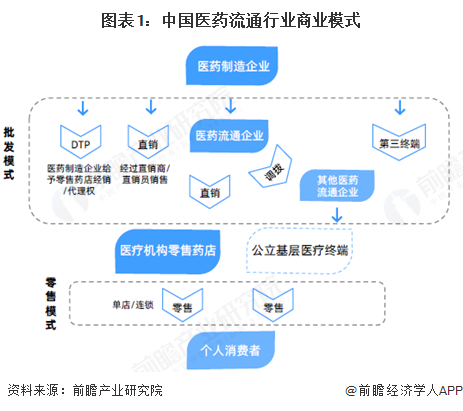
Core Viewpoint - The pharmaceutical distribution industry is characterized by three main business models: wholesale, retail, and various new distribution models, each with distinct operational dynamics and market implications [1]. Group 1: Wholesale Model - The wholesale model, also known as the distribution model, involves selling pharmaceuticals and medical devices in bulk to entities that directly interact with consumers, such as medical institutions and retail pharmacies [4]. - The third terminal in the wholesale model is increasingly favored by internet hospitals, indicating a shift towards digital integration in pharmaceutical distribution [4]. Group 2: Retail Model - The retail model involves retail pharmacies purchasing pharmaceutical products from manufacturers or other distributors and selling them to individual consumers, generating profit from the price difference [7]. - Although the retail model operates on a smaller scale compared to wholesale, it boasts higher profit margins, making it an attractive segment within the pharmaceutical distribution landscape [7]. Group 3: Internet Retail Model - The internet retail model encompasses various online platforms, including internet hospitals and pharmaceutical e-commerce, facilitating diagnosis and drug sales through digital channels [9]. - This model includes B2B, B2C, and O2O formats, reflecting the growing trend of digital transformation in the pharmaceutical sector [9]. Group 4: Third-Party Cold Chain Logistics - The "14th Five-Year Plan" emphasizes the need for a modern, intelligent pharmaceutical supply chain, focusing on enhancing networked, scaled, and specialized logistics services [12]. - Third-party cold chain logistics offer significant advantages, such as reducing initial investment costs for pharmaceutical companies and ensuring temperature-controlled transport, which is crucial for maintaining drug quality [12]. - These logistics providers can effectively manage reverse logistics and product recalls through advanced tracking and data exchange systems, thereby minimizing losses and ensuring compliance with quality standards [12].






2025年中国医药流通行业商业模式 医药流通模式随着产业需求不断丰富【组图】
Qian Zhan Wang· 2025-08-20 09:15
Core Viewpoint - The pharmaceutical distribution industry is categorized into three main business models: wholesale, retail, and various new distribution models, each with distinct characteristics and profit margins [1]. Group 1: Wholesale Model - The wholesale model, also known as the distribution model, involves selling pharmaceuticals and medical devices in bulk to entities that directly interact with consumers, such as medical institutions and retail pharmacies [3]. - The wholesale model can be further divided into categories such as hospital direct sales, commercial allocation, and third terminal distribution, with the third terminal being a key focus for internet healthcare companies [3]. Group 2: Retail Model - The retail model involves retail pharmacies purchasing pharmaceutical products from manufacturers or other distribution companies and selling them to individual consumers for profit [4]. - Although the retail model is smaller in scale compared to wholesale, it offers higher profit margins, and can be subdivided into single-store and chain models, with chain models further categorized into direct-operated and franchise operations [4]. Group 3: Internet Retail Model - The internet pharmaceutical new retail model encompasses various internet hospitals and pharmaceutical e-commerce platforms that conduct diagnosis and drug sales through online channels, including B2B, B2C, and O2O models [6]. Group 4: Third-Party Cold Chain Logistics - The pharmaceutical distribution industry is expected to build a modern smart pharmaceutical supply chain service system during the 14th Five-Year Plan period, focusing on enhancing networked, scaled, and specialized levels for safer and more efficient logistics [10]. - Third-party cold chain logistics provide significant advantages, such as reducing upfront investment for pharmaceutical companies, ensuring temperature control during transport, and optimizing the pharmaceutical supply chain through integrated information management [11].
毛利率26.4%,小米有望成最快实现盈利新势力车企!卢伟冰:有信心达成全年35万辆交付目标【附小米造车业务分析】
Qian Zhan Wang· 2025-08-20 07:35
Core Insights - Xiaomi Group reported a strong Q2 2025 financial performance, with total revenue reaching 116 billion yuan, a year-on-year increase of 30.5%, marking the third consecutive quarter of exceeding 100 billion yuan [2] - Adjusted net profit was 10.8 billion yuan, up 75.4% year-on-year, surpassing the 10 billion yuan threshold [2] - The growth was driven by Xiaomi's smartphone, automotive, and home appliance segments, with the smart electric vehicle and AI innovation segment generating 21.3 billion yuan in revenue [2] Financial Performance - Total revenue for Q2 2025 was 116 billion yuan, a 30.5% increase year-on-year [2] - Adjusted net profit reached 10.8 billion yuan, reflecting a 75.4% year-on-year growth [2] - The smart electric vehicle segment reported revenue of 20.6 billion yuan, with a gross margin of 26.4% and operating loss narrowing to 300 million yuan [2][7] Automotive Strategy - Xiaomi aims to deliver 350,000 vehicles in 2025, with a strong confidence in achieving profitability in the second half of the year [2][7] - The company has invested nearly 68 billion yuan in the automotive supply chain, with total investments approaching 100 billion yuan [7] - Xiaomi's strategic approach includes rapid supply chain integration through investments and acquisitions, focusing on five core areas for technological breakthroughs [5][8] Technological Advancements - Xiaomi is focusing on mastering key technologies in electric motors, batteries, large die-casting, intelligent driving, and smart cockpits [5] - The self-developed super motor V8s has a leading industry speed of 27,200 rpm, and the intelligent driving system supports urban NOA functionality [5] Market Positioning - Xiaomi's automotive journey serves as a model for cross-industry players, leveraging capital operations to acquire resources and building core barriers through technological advancements [8] - The company's gross margin of 26.4% has surpassed that of some traditional automakers, indicating the sustainability of its "hardware + software + ecosystem" business model [8]
2025年全球光电芯片行业专利现状分析 美国为光电芯片行业热门申请区域【组图】
Qian Zhan Wang· 2025-08-20 05:12
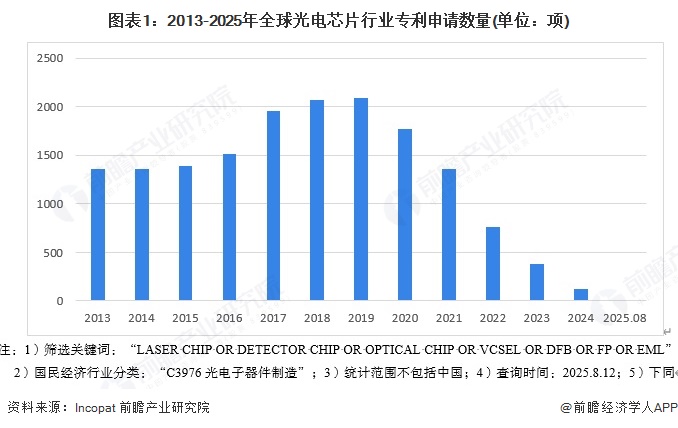
Core Insights - The global optoelectronic chip industry has experienced a fluctuating decline in patent applications and disclosures from 2020 to 2024, with a notable decrease in 2024 compared to 2023 [1][2]. Patent Application Trends - The number of patent applications in the global optoelectronic chip industry showed a gradual increase from 2013 to 2019, followed by a decline from 2020 to 2024, with only 119 applications in 2024, a decrease of 257 from 2023 [1]. - The number of patent disclosures also followed a similar trend, with 1,263 disclosures in 2024, down by 294 from 2023, and only 596 disclosures recorded from January to July 2025 [2]. Leading Applicants - The top three applicants in the global optoelectronic chip industry as of 2025 are OSRAM OPTO SEMICONDUCTORS GMBH, SAMSUNG ELECTRONICS CO., LTD, and DISCO ABRASIVE SYST LTD [4]. Geographic Trends - The United States is identified as the leading region for patent applications in the optoelectronic chip industry, followed by Japan, South Korea, the European Patent Office, and Germany [5][8]. Popular Technologies - The top three technologies in patent applications within the optoelectronic chip industry as of 2025 are: 1. H01S5/183 (Vertical cavity surface emitting lasers - VCSEL) with 18,394 patents 2. H01L23/00 (Parts of semiconductor or other solid-state devices) with 16,534 patents 3. H01L27/146 (Imaging device structures) with 14,174 patents [9][12].