Di Yi Cai Jing Zi Xun

Search documents
田轩:激励科技创新,需要有包容个性和容忍失败的氛围
Di Yi Cai Jing Zi Xun· 2025-11-25 11:01
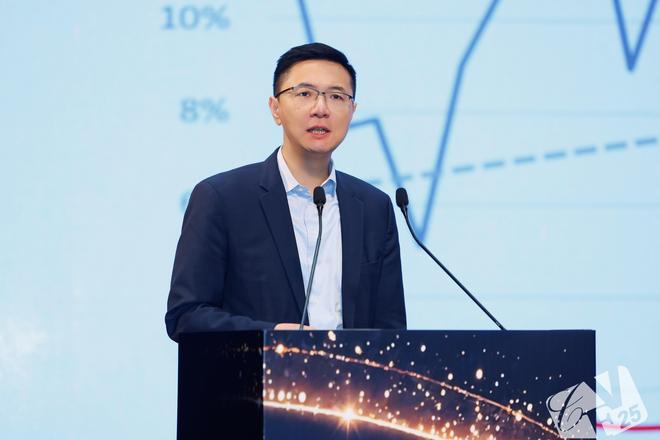
Core Viewpoint - The "14th Five-Year Plan" emphasizes the need for China to accelerate high-level technological self-reliance and lead the development of new quality productivity, driven by both internal and external factors [1] Micro Level - To stimulate technological innovation and develop new quality productivity, a tolerant environment that embraces individuality and accepts failure is essential [3][4] - Characteristics of successful entrepreneurs include being young, driven, imaginative, and persistent, but also having traits that may be seen as negative, such as being unconventional and difficult to work with [4] - Early-stage venture capital is crucial for driving new quality productivity, but the shorter lifespan of Chinese private equity funds (5-7 years) compared to U.S. funds (10-12 years) limits investment in early-stage projects [5] Medium Level - A "not overly active" secondary market is necessary to allow tech companies to focus on long-term innovation without the pressure of short-term performance [7][9] - Mechanisms such as anti-takeover provisions can help protect companies from hostile takeovers, allowing founders to concentrate on long-term goals [8][9] Macro Level - A stable macro policy environment and a sound legal framework are vital for encouraging technological innovation [10][11] - Countries with better investor protection tend to have higher R&D income and investment efficiency, while stable and consistent policies foster a conducive environment for innovation [11]

近4300只个股上涨
Di Yi Cai Jing Zi Xun· 2025-11-25 07:37
Market Performance - The A-share market experienced a rebound on November 25, with the Shanghai Composite Index rising by 0.87%, the Shenzhen Component Index increasing by 1.53%, and the ChiNext Index gaining 1.77% [2] - The total trading volume in the Shanghai and Shenzhen markets reached 1.81 trillion yuan, an increase of 84.4 billion yuan compared to the previous trading day, with nearly 4,300 stocks rising [4] Sector Performance - The communication equipment, gaming, precious metals, and lithium battery sectors showed significant gains, while the shipping and aquaculture sectors performed poorly [2] - The gaming sector was particularly active, with stocks like Giant Network, Century Huatong, and Kunlun Wanwei seeing notable increases [2][3] Individual Stock Highlights - Notable gainers included: - Fuchun Co., Ltd. (+14.34%) - Giant Network (+9.99%) - Century Huatong (+7.19%) - Kunlun Wanwei (+5.86%) [3] - Conversely, the aquaculture sector faced declines, with stocks like Guolian Aquatic (-10.51%) and Jingji Agricultural (-10.03%) hitting their daily limit down [4] Capital Flow - Main capital inflows were observed in the communication, electronics, and semiconductor sectors, while outflows were noted in media, shipbuilding, and securities sectors [6] - Specific stocks with significant net inflows included: - Sunshine Power (+1.058 billion yuan) - Huhua Electric (+973 million yuan) - Yingweike (+946 million yuan) [7] - Stocks facing net outflows included: - BlueFocus (-1.175 billion yuan) - Shenguang Group (-867 million yuan) - Industrial Fulian (-867 million yuan) [8] Analyst Insights - Galaxy Securities noted that the current A-share valuation is relatively reasonable and still at a medium to low level compared to major global equity markets, with earnings expected to become a key focus in 2026 [9] - Huasheng Securities indicated that the growth sector has seen continuous adjustments, leading to more reasonable valuations, while the adjustment momentum is weakening [10]






董事“实名举报”公司及高管,002397:已报案

Di Yi Cai Jing Zi Xun· 2025-11-25 07:30
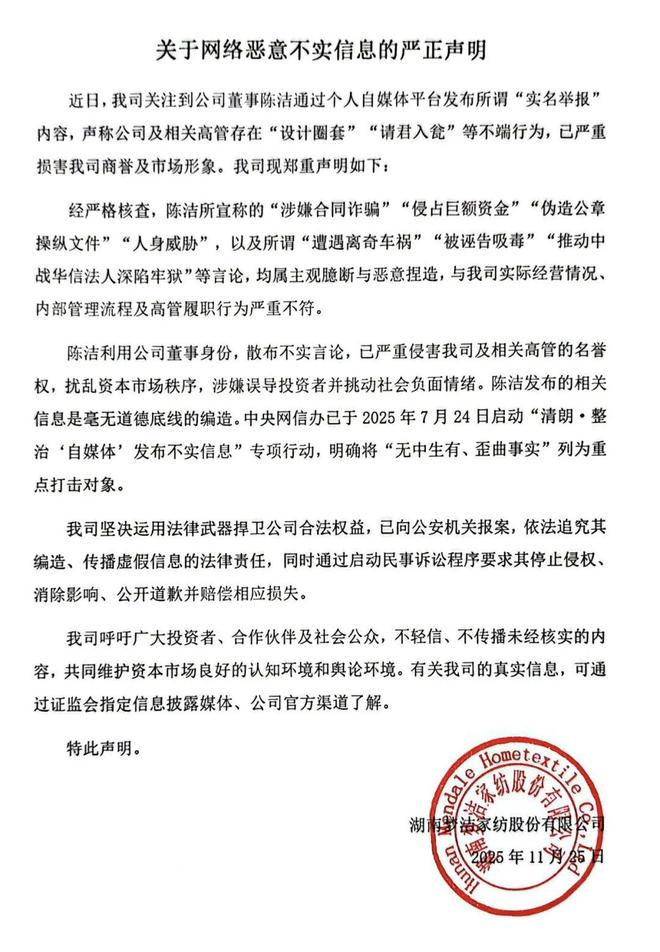
Group 1 - The company issued a statement on November 25 regarding malicious and false information circulating online, specifically addressing claims made by board member Chen Jie through personal social media [1] - Chen Jie accused the company and its executives of unethical behavior, including "designing traps" and "inviting others into the pit," which the company refuted as subjective assumptions and malicious fabrications [1] - The company stated that these claims have severely harmed its reputation and disrupted market order, potentially misleading investors [1] Group 2 - The company has reported that it has filed a complaint with law enforcement and will pursue legal action against those responsible for creating and disseminating false information [1] - In the secondary market, the company's stock remained flat on the day of the statement, following a previous decline over four consecutive days [4]
688109,股价创新高
Di Yi Cai Jing Zi Xun· 2025-11-25 07:05
品茗科技(688109)涨3.06%,报177.27元/股,股价再创新高,总市值突破139.76亿元,成交额达7.17 亿元。 ...

中国核心科技资产走进东南亚
Di Yi Cai Jing Zi Xun· 2025-11-25 04:29
Core Viewpoint - The listing of the ChiNext 50 ETF Depository Receipts on the Thailand Stock Exchange marks a significant milestone in the internationalization of China's capital markets, providing Thai investors with direct access to China's core technology assets [2][3]. Group 1: Internationalization of ChiNext 50 ETF - The ChiNext 50 ETF Depository Receipts were listed on November 25, providing Thai investors with a new investment product focused on the ChiNext 50 Index [2][3]. - This is the first time a Chinese A-share listed ETF has been issued in Thailand in the form of Depository Receipts, indicating a growing interest in Chinese technology assets in Southeast Asia [2][3]. - The Shenzhen Stock Exchange aims to enhance the internationalization of the ChiNext market and facilitate global investors in sharing the benefits of China's technological innovation [2][3]. Group 2: Market Demand and Product Details - The demand for investment in Chinese core assets among Thai investors has surged, driven by China's high-quality economic development and capital market reforms [3]. - The Invesco China ChiNext 50 ETF, established in December 2022, has surpassed 50 billion in total assets and maintains a low fee structure of 0.2% [3][4]. - InnovestX, a leading Thai brokerage, partnered with Invesco to issue the Depository Receipts, enhancing the accessibility of the ChiNext 50 Index for local investors [3][4]. Group 3: Performance of ChiNext 50 Index - As of November 18, the ChiNext 50 Index has shown a cumulative increase of 56.49% this year, outperforming other broad-based indices [5]. - The average revenue growth rate for the ChiNext 50 constituent stocks was 21.07% year-on-year for the mid-year report, with net profit growth at 16.63% [5]. - In the third quarter, the revenue growth rate remained strong at 15.75%, while net profit growth increased to 22.58% [5]. Group 4: Sector Focus and Composition - The ChiNext 50 Index focuses on high-tech sectors such as new energy, advanced manufacturing, and biomedicine, making it an attractive investment for capturing China's technological development [4][6]. - The index excludes traditional cyclical industries, emphasizing a higher concentration of technology stocks, with significant weights in battery, communication equipment, and photovoltaic sectors [6]. - The top three sectors by weight in the ChiNext 50 Index are batteries (29.76%), communication equipment (18.62%), and photovoltaic equipment (8.22%) [6]. Group 5: Global Integration and Revenue - The leading companies in the ChiNext are deeply integrated into the global value chain, with 35.17% of their revenue coming from overseas markets in 2024, which is higher than many major broad-based indices [7]. - The average overseas revenue proportion for the top ten weighted stocks in the ChiNext 50 Index is 47.96%, indicating strong international market engagement [7].






近4900只个股上涨
Di Yi Cai Jing Zi Xun· 2025-11-25 03:51
Core Viewpoint - The A-share market shows significant gains, particularly in the technology sector, with the ChiNext Index rising over 2.6% amid strong performances in AI hardware and related concepts [2][4]. Market Performance - As of midday, the Shanghai Composite Index increased by 1.13%, the Shenzhen Component Index rose by 2.04%, and the ChiNext Index surged by 2.6% [2]. - The total trading volume in the Shanghai and Shenzhen markets reached 1.17 trillion yuan, an increase of 149.3 billion yuan compared to the previous trading day [3]. Sector Highlights - AI hardware and CPO concepts experienced a broad rebound, with significant gains in glass fiber, liquid cooling, and copper-clad laminate concepts [2]. - The F5G concept led the sector gains with a rise of 5.70%, followed by optical communication and communication equipment sectors, which increased by 4.88% and 4.52%, respectively [3]. - The light communication concept saw a notable expansion, with companies like Guoke Technology and Tengjing Technology hitting historical highs [4]. Notable Stocks - Guoke Technology and Tengjing Technology both achieved maximum gains, with Guoke Technology hitting the daily limit and Tengjing Technology rising over 15% [4]. - Local stocks in Fujian, such as Xunxing Co., experienced a sharp rebound, with several stocks reaching their daily limit [5]. Investor Sentiment - The market sentiment remains positive, with over 4,900 stocks in the market showing gains [2][4].




“史上最严”充电宝新规将落地
Di Yi Cai Jing Zi Xun· 2025-11-25 03:45
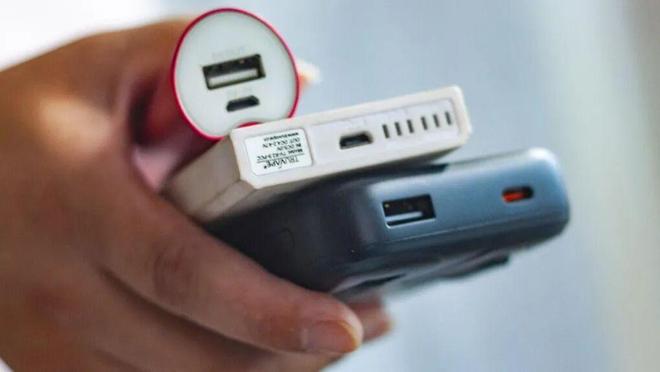
Core Viewpoint - The introduction of the "strictest" power bank safety standards is set to reshape the industry landscape, with significant implications for manufacturers and market dynamics [2] Group 1: New Standards Overview - The Ministry of Industry and Information Technology (MIIT) has organized multiple discussions regarding the "Mobile Power Safety Technical Specifications," with a draft expected to be finalized by December 2023 and officially implemented by June 2026 [2][4] - The new standards introduce numerous stringent requirements across three main technical areas: the complete device, circuit board, and battery cell, which many manufacturers may struggle to meet [2][3] Group 2: Technical Changes - The new regulations require the product casing to display the "recommended lifespan" and the full name of the OEM, enhancing product traceability and market transparency [3] - Circuit boards must now include an LCD screen or a connected app to provide real-time data on battery health and usage, transitioning power banks from opaque devices to transparent smart products [3] - In the battery cell category, the new standards implement rigorous safety tests, including more stringent puncture tests and increased thermal abuse testing conditions, aimed at reducing the risk of thermal runaway [3] Group 3: Market Impact - It is estimated that nearly 70% of existing production capacity may be forced to exit the mobile power market due to the inability to comply with the new technical requirements [2] - A six-month grace period will be provided for products already certified under the old 3C standards to clear inventory, with some products potentially being sold in lower-end markets such as Africa and Latin America [4] - Products already sold to consumers can continue to be used, but unsold items must be sold or withdrawn from the market before the new regulations take effect [4]
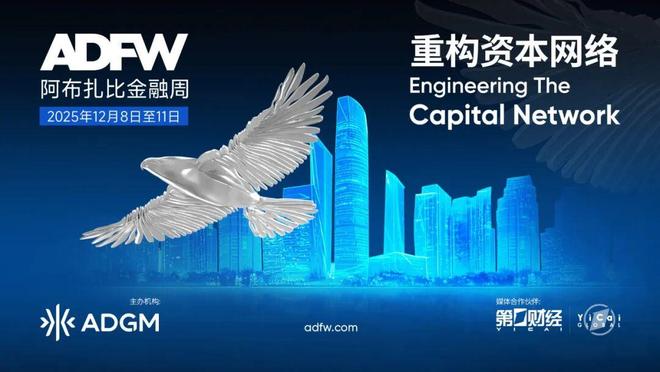
2025年阿布扎比金融周 | 汇聚全球资本领军者 共话“重构资本网络”
Di Yi Cai Jing Zi Xun· 2025-11-25 03:25
Core Insights - The Abu Dhabi Financial Week (ADFW) in 2025 is expected to attract leaders managing over $62 trillion in assets, representing more than half of the global GDP [1][3] - The event will feature prominent speakers from major global institutions, including Allianz, JPMorgan, Morgan Stanley, UBS, Netflix, World Bank, Prudential, BlackRock, Blackstone, HSBC, and Standard Chartered [1] - The 2025 ADFW will be the largest since its inception, focusing on the future of finance with significant support from Abu Dhabi's leadership [1][3] Event Overview - The ADFW will take place from December 8 to 11, 2025, hosted by the Abu Dhabi Global Market (ADGM) and in partnership with Abu Dhabi Development Holding Company (ADQ) [1] - The agenda includes over 60 major events and more than 300 thematic discussions, with around 750 world-class speakers expected [3] Strategic Importance - The ADFW aims to establish Abu Dhabi as a global financial hub, facilitating connections among policymakers, capital giants, and technology pioneers [3] - ADQ emphasizes the role of capital in accelerating infrastructure development, enhancing economic competitiveness, and promoting sustainable growth [3] Key Themes and Discussions - The official theme "Reconstructing Capital Networks" will guide discussions on the future of global finance, including AI-driven financial innovation, global capital flows, inter-institutional strategic cooperation, regulatory evolution, and building sustainable financial systems [4] - The first day will feature the "Global Markets Summit" and the "CNBC New Energy Finance Forum," focusing on macroeconomic forces reshaping global capital networks [4] Highlighted Activities - The third day will include the "Abu Dhabi International Dispute Resolution Forum," "Abu Dhabi FinTech Conference," and discussions on AI integration in financial services, blockchain, and decentralized finance [5] - The closing day will focus on sustainability and ESG themes, featuring the "Abu Dhabi Sustainable Finance Forum" and the "EU-GCC Financial and Investment Green Transition Forum" [5]
创业板指突破3000点,近4900股飘红
Di Yi Cai Jing Zi Xun· 2025-11-25 02:43
11月25日,创业板指盘中突破3000点整数关口,截至发稿,沪指涨0.91%,深成指涨1.85%,创业板指 涨2.49%。 | 代码 | 名称 | 现价 | 涨跌 | 涨跌幅 | 成交额 | 年初至今 | | --- | --- | --- | --- | --- | --- | --- | | 000001 | 上证指数 | 3871.54 | 34.78 | 0.91% | 3053亿 | 15.51% | | 399001 | 深证成指 | 12818.41 | 233.33 | 1.85% | 4744亿 | 23.08% | | 899050 北证50 | | 1409.57 | 23.53 | 1.70% | 60亿 | 35.82% | | 881001 万得全A | | 6159.68 | 91.56 | 1.51% | 7858亿 | 22.66% | | 000688 科创50 | | 1313.80 | 17.20 | 1.33% | 224亿 | 32.85% | | 399006 | 创业板指 | 3001.90 | 72.86 | 2.49% | 2315亿 | 40.17% | ...


A股高开,贵金属板块走强
Di Yi Cai Jing Zi Xun· 2025-11-25 02:15
2025.11.25 本文字数:562,阅读时长大约1分钟 09:28贵金属板块盘初走强,四川黄金、中金黄金涨超3%,晓程科技、山金国际、湖南白银等跟涨。 09:25 A股开盘丨创业板指高开1.42% 上证指数涨0.36%,深证成指涨0.85%,创业板指涨1.42%。 | મ્દ્રક | | 内日图 | 现价 | 消费 | 涨跌幅 | | --- | --- | --- | --- | --- | --- | | 000001 | 上证指数 | | 3850.57 | 5.01 | 0.36% | | 399001 | 深证成指 | W | 12692.09 c | 107.00 | 0.85% | | 399006 | 创业板指 | m/ | 2970.73 c | 41.69 | 1.42% | 睁大你们的双眼,握紧你们的手机! 作者 |一财阿驴 09:29优必选低开2.3%,此前公告称,拟折让逾一成配售新股筹31亿港元。 盘面上,科技股集体反弹,存储芯片、CPO概念涨幅居前,中际旭创涨超4%;量子技术、光伏、贵金 属板块反弹;AI应用端多数回调,军工、地产、农业板块小幅下跌。 09:22 港股开盘丨恒 ...