
Zhong Guo Zi Ran Zi Yuan Bao

Search documents
PEMSEA蓝碳技术工作组第二次会议召开
Zhong Guo Zi Ran Zi Yuan Bao· 2025-06-06 09:10
Group 1 - The PEMSEA Blue Carbon Technical Working Group held its second meeting in Haikou, Hainan, with nearly 60 experts and industry representatives from various countries participating [1][2] - The East China Sea region has significant blue carbon ecosystems, with mangroves and seagrass beds accounting for over 30% and 20% of the global blue carbon ecosystem, respectively [1] - Accurate assessment of the region's blue carbon ecosystems and their carbon sequestration capacity is crucial for achieving the goals of the Paris Agreement and promoting sustainable development in the East China Sea region [1] Group 2 - The meeting discussed key topics such as the distribution and quality of blue carbon ecosystems, carbon storage survey status, regional blue carbon accounting methodologies, certification systems, and market roadmaps [2] - Chinese scientists proposed the establishment of a blue carbon monitoring network for the East China Sea region, which received positive responses and recognition from participants [2] - The meeting enhanced understanding of the blue carbon ecosystem in the East China Sea and contributed to regional climate change management efforts [2]
我爱海洋“双讲”活动大赛收官
Zhong Guo Zi Ran Zi Yuan Bao· 2025-06-06 09:03
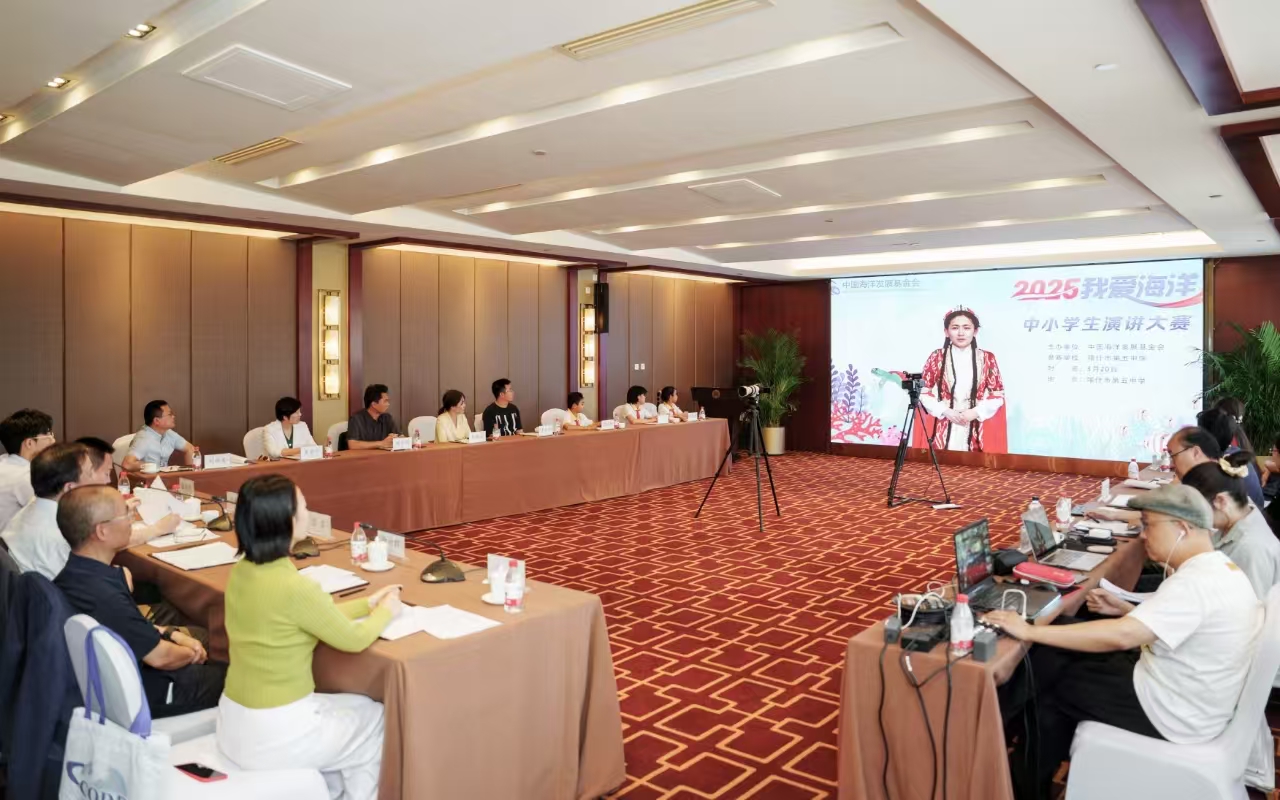
据介绍,"海洋育苗项目"实施8年来成效卓著,已在全国22个省份及斐济南太平洋大学捐建60余座海洋图书馆,举办超200场科普活动,发放640余份"励 志深蓝"奖学金,惠及师生达30万人次。项目学校还自主开展800余场海洋主题活动,助力中西部学生开阔视野,鼓励青年学子报考海洋院校,为我国海洋事 业输送新生力量。 同时,海洋基金会还促成7对学校结对共建,8所学校成立"海洋人才行动成长共同体",27所学校接入"海洋教育智慧教学云平台"。未来海洋基金会将持 续深化海洋教育创新,为建设海洋强国凝聚更多青春力量。 近日,由中国海洋发展基金会(以下简称海洋基金会)主办的2025年我爱海洋"双讲"活动大赛云颁奖仪式在北京举行,2000余名师生代表线上参加了此 次活动。 本届大赛覆盖北京、内蒙古、陕西、甘肃、新疆等17个省(自治区、直辖市)的40所"海洋育苗项目"学校,参赛学校和师生数量均创下历史新高。其 中,参赛学校数量同比增长25%,教师教学作品和学生演讲作品分别增长28.12%和12.81%,覆盖全学科教师及6~18岁青少年群体。同时,参赛方选送的决 赛作品规模再创新高,主办方共收到作品221件,经初赛、决赛、专家评审等环 ...

蓝色经济的“江苏乐章”
Zhong Guo Zi Ran Zi Yuan Bao· 2025-06-06 09:03
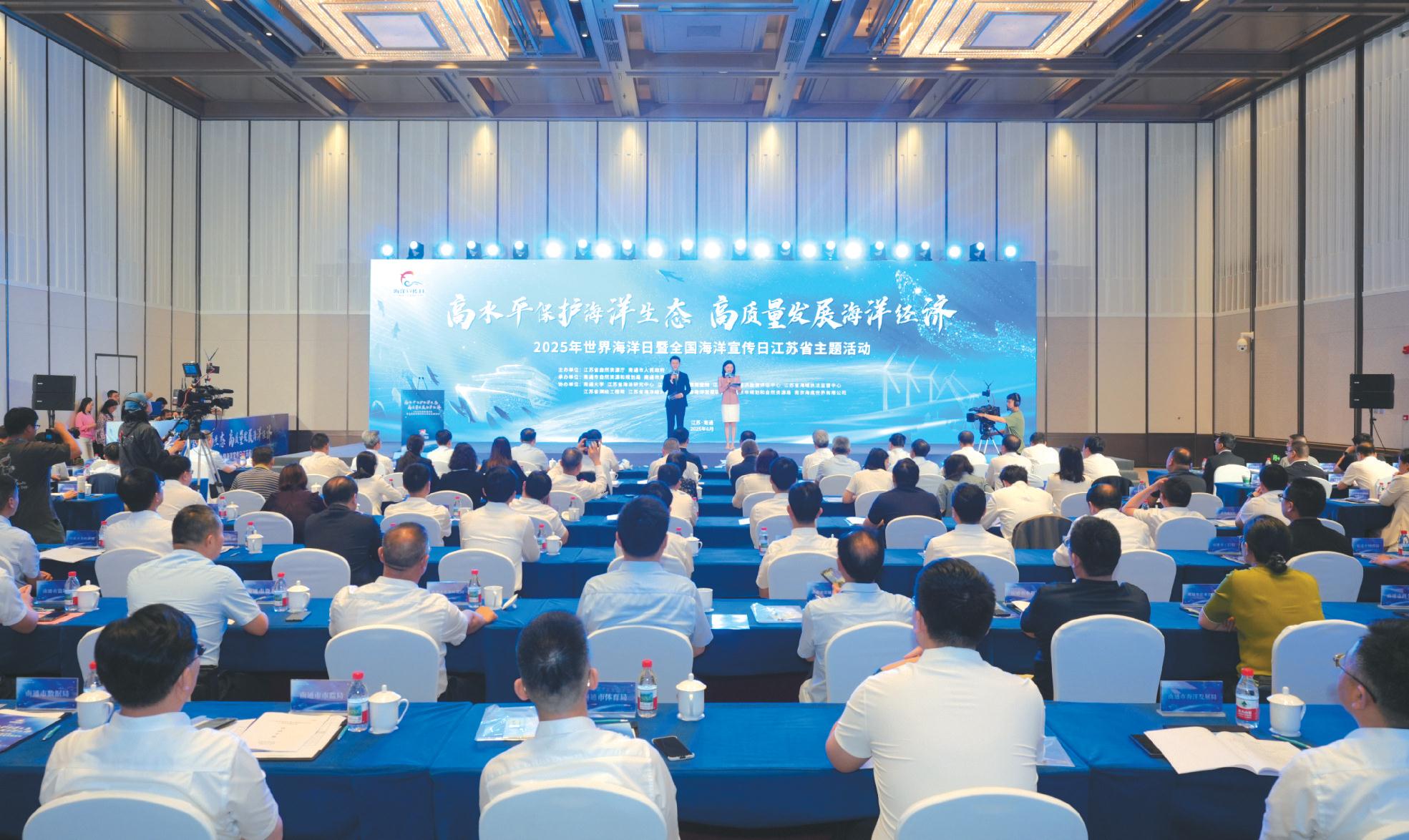
Group 1 - The event on June 4 marked the 2025 World Oceans Day and National Ocean Publicity Day in Jiangsu, focusing on high-level marine ecological protection and high-quality marine economic development [1][4] - Jiangsu Province's natural resources department introduced the "Coastal Zone and Marine Spatial Planning (2035)," which outlines a three-dimensional blueprint for the province's 954 kilometers of coastline and 37,500 square kilometers of marine jurisdiction [3][5] - The planning emphasizes coordinated spatial layout, significant ecological improvement, efficient resource utilization, and enhanced regulatory capacity, with specific quantitative targets set for marine ecological protection and water quality [3][5] Group 2 - The "Jiangsu Marine Blue Financial Service Platform" was launched to provide comprehensive financial services for marine enterprises, addressing long-standing financing challenges in the marine industry [7] - The platform includes four main functions, six functional areas, and 16 unique features, serving approximately 28,000 marine enterprises and facilitating policy access and financial product offerings [7] - A strategic cooperation agreement was signed between Jiangsu's natural resources department and several banks to support high-quality development of the marine economy through a public service platform for investment and financing [7] Group 3 - A high-level forum featured discussions on high-quality development of new marine productivity, with insights from industry leaders in shipbuilding, marine equipment, and marine renewable energy [9] - The forum highlighted the importance of deep-sea technology and innovation, with plans for a deep-sea technology pilot base in Lianyungang to support industrial upgrades [9][10] - Companies emphasized the need for innovation and resource integration to transition from competition to collaborative growth in the marine sector [9][10] Group 4 - The event concluded with the launch of the 2025 Nantong "Marine Season," which aims to raise public awareness and engagement with marine issues through a series of ten activities [10]
海空跨域航行器“哪吒”试验成功
Zhong Guo Zi Ran Zi Yuan Bao· 2025-06-06 09:03
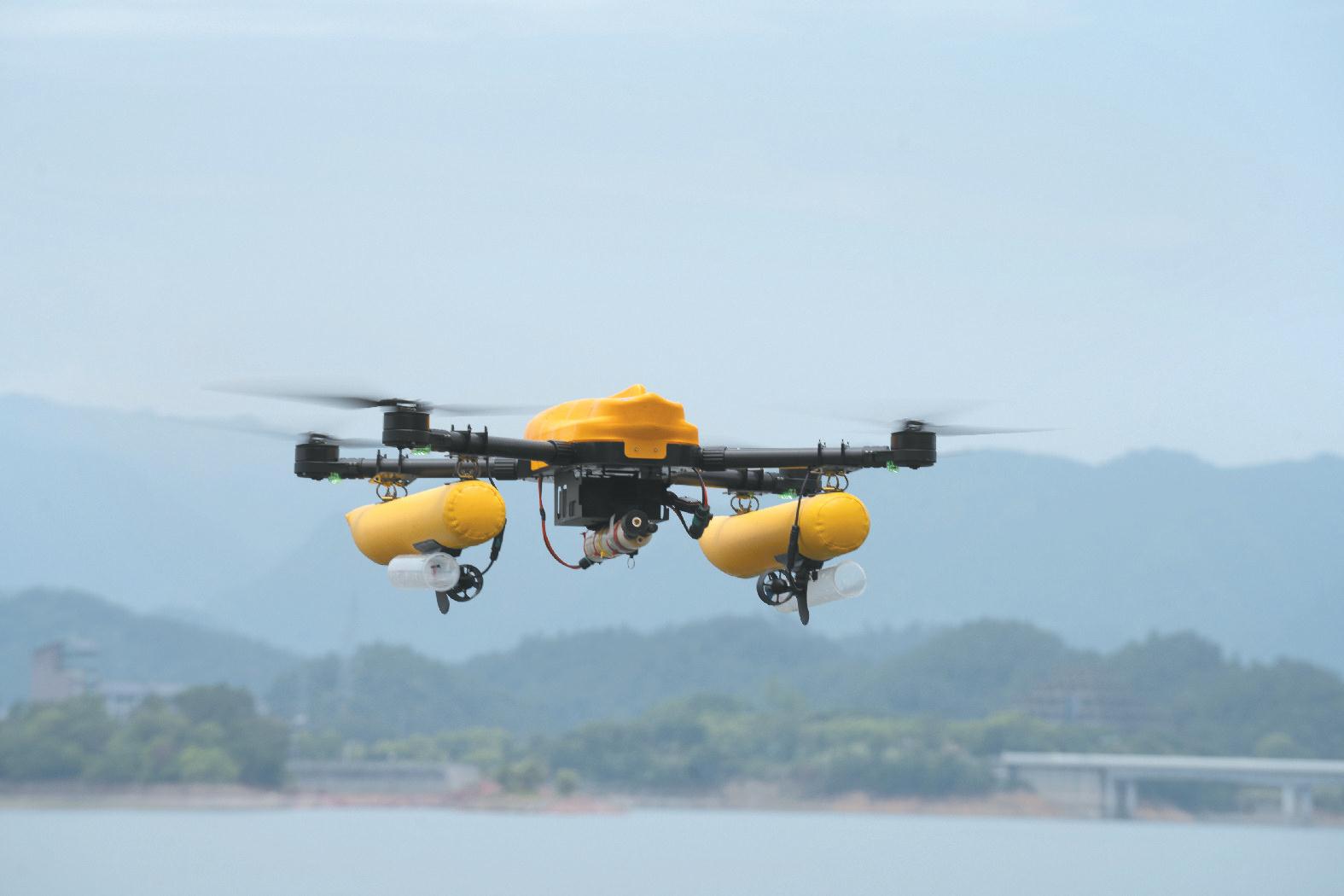
Core Insights - The "Nezha" team from Shanghai Jiao Tong University and the Second Institute of Oceanography have successfully conducted a joint scientific application test of a sea-air cross-domain vehicle in Qiandao Lake, Zhejiang, validating the excellent performance of the "Nezha" series in multi-medium environments [3][4] - The "Nezha" team has developed two specialized devices: "Nezha-Flying Sub" for comprehensive operations including aerial flight and underwater navigation, and "Nezha-Flying Drift" which integrates aerial and surface platform capabilities for extensive monitoring tasks [3] - The test demonstrated the superior system performance of both devices, with "Nezha-Flying Sub" successfully completing key tasks such as water profile observation and automatic water sampling, while "Nezha-Flying Drift" efficiently performed surface water monitoring and multi-point sampling [3] Industry Developments - This test marks a significant advancement in China's sea-air cross-domain observation and sampling technology, with ongoing collaboration aimed at enhancing device adaptability and reliability in complex marine environments [4] - The focus will be on promoting the industrial application of this technology in areas such as marine risk and disaster early warning, as well as ecological protection, contributing to the construction of a maritime power [4]
长三角产业融合升级,海洋经济发展示范区建设稳步推进——东海区海洋经济动能澎湃
Zhong Guo Zi Ran Zi Yuan Bao· 2025-06-06 05:06
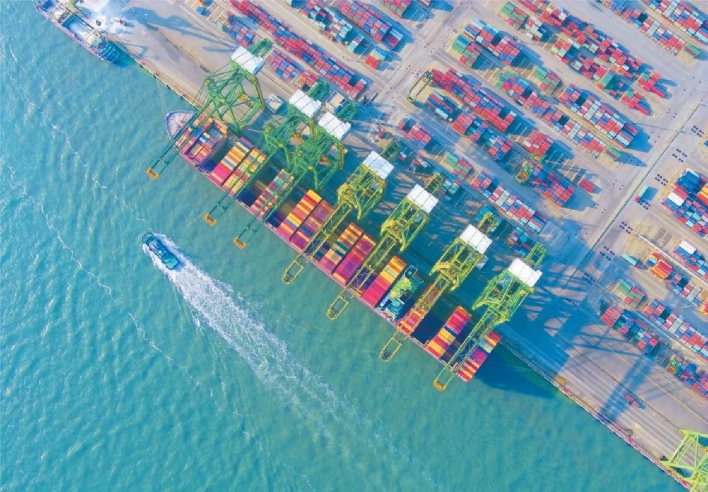
Core Viewpoint - The East China Sea region is experiencing significant growth in its marine economy, with a focus on high-quality development and innovation in marine resources and industries [3][4]. Economic Performance - In 2024, the marine GDP of the East China Sea region reached 45,992.9 billion yuan, marking a 7.1% increase year-on-year, accounting for 43.6% of the national marine GDP and 13.6% of the regional GDP [3]. - The value added from marine industries, marine scientific research and education, marine public management services, upstream and downstream related industries amounted to 18,247.6 billion yuan, 1,786.1 billion yuan, 7,523.4 billion yuan, 7,767 billion yuan, and 10,668.7 billion yuan respectively, with marine industries contributing 39.7% [3]. Sector Growth - The marine first, second, and third industries contributed 4.0%, 36.3%, and 59.7% to the marine GDP respectively, indicating an ongoing optimization of the marine industry structure with an increasing share of the tertiary sector [3]. - In 2024, the value added of 15 marine industries grew by 8.5%, with marine engineering construction, shipbuilding, marine pharmaceuticals, marine equipment manufacturing, and marine transportation leading the growth [4]. Regional Development - Each province and city in the East China Sea region achieved steady growth in marine economies, with Jiangsu, Shanghai, Zhejiang, and Fujian reporting marine GDPs of 10,046.2 billion yuan, 11,387 billion yuan, 12,012.4 billion yuan, and 12,547.3 billion yuan respectively, reflecting growth rates of 6%, 11.2%, 6.5%, and 6.1% [5]. - The marine GDP of the Yangtze River Delta region reached a historical high of 33,445.6 billion yuan, accounting for 11.9% of the regional GDP, driven by enhanced port collaboration and logistics integration [6]. Development Demonstration Zones - The East China Sea region has established 7 marine economic development demonstration zones, which have shown significant effects in innovation, project construction, and replicable models [7][9]. - Various demonstration zones are exploring differentiated development strategies, such as integrated logistics models, ecological protection, and private sector participation in marine projects [8][9].
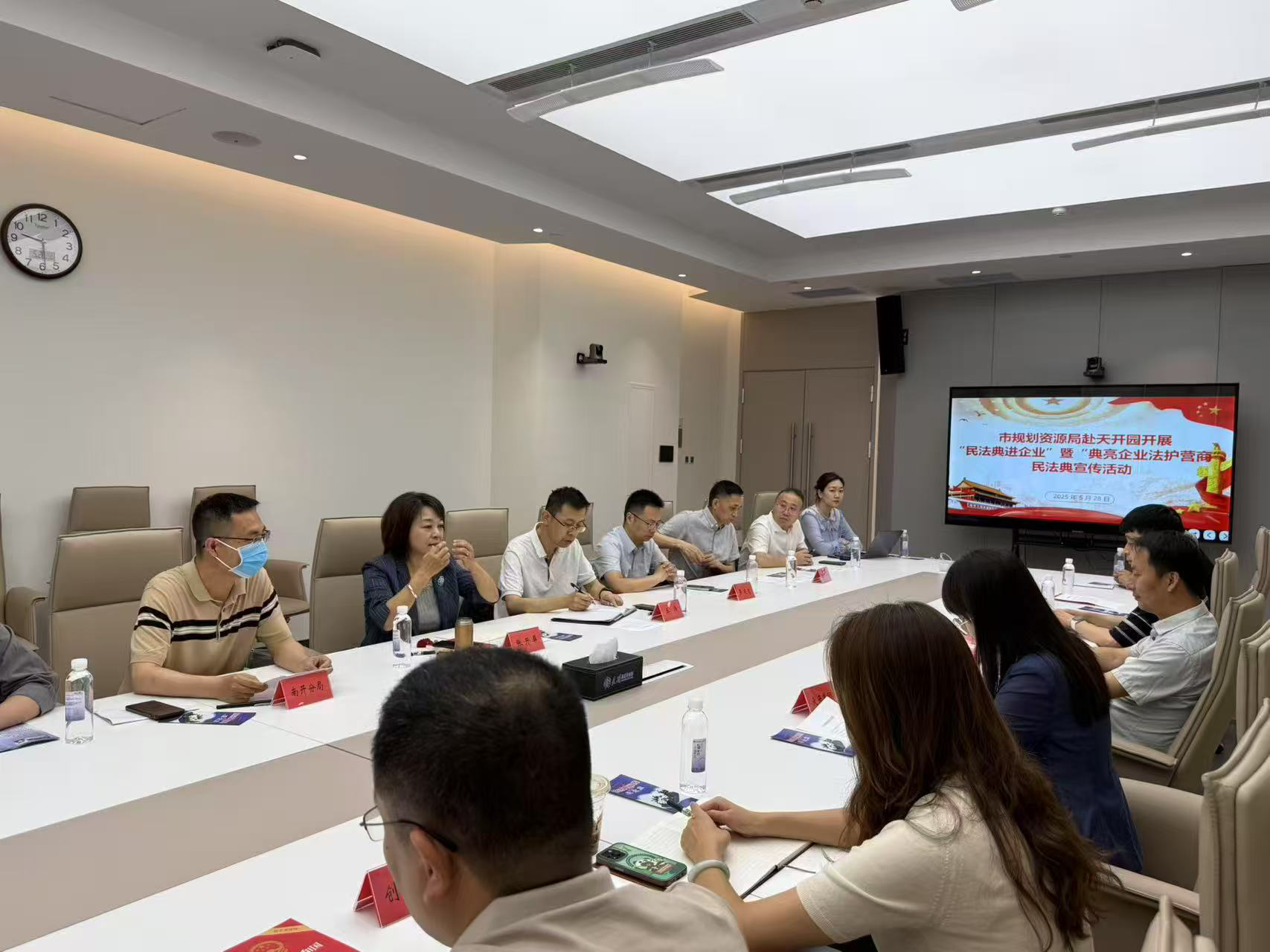
天津局开展“民法典进企业”专题活动
Zhong Guo Zi Ran Zi Yuan Bao· 2025-06-06 01:45
Group 1 - The Tianjin Municipal Planning and Natural Resources Bureau organized an event focusing on the "Civil Code into Enterprises" initiative, aimed at promoting fair competition and optimizing the financing and investment environment for private enterprises [1][2] - Legal advisors provided a comprehensive explanation of the key contents of the Private Economy Promotion Law, emphasizing its importance in protecting the legitimate rights and interests of private enterprises [1][2] - The event included a systematic review of the drafting process, historical significance, and core values of the Civil Code, transforming abstract legal provisions into practical guidelines for business operations [1] Group 2 - Representatives from Tianjin Chuangye Environmental Protection Group, Tianjin Jiutian Qixin Technology Co., and Tianjin Changhe Measurement and Control Technology Co. raised inquiries regarding real estate registration and the implementation of the Private Economy Promotion Law [1] - The Tianjin Bureau's legal department aims to create a favorable legal environment for business development by aligning legal services with enterprise needs, as part of the government's initiative to optimize the business environment [2] - Future plans include ongoing legal services related to land policy, with a focus on understanding enterprise needs and providing targeted, high-quality legal consulting services [2]
人海和谐 不负蔚蓝 ——写在2025年世界海洋日暨全国海洋宣传日到来之际
Zhong Guo Zi Ran Zi Yuan Bao· 2025-06-06 01:21
Core Viewpoint - The article emphasizes the importance of ocean conservation and the harmonious coexistence of humans and marine ecosystems, highlighting the need for sustainable practices and collective efforts to protect the ocean environment [2][4]. Group 1: Ocean Conservation Efforts - China has established approximately 150,000 square kilometers of marine ecological protection red lines and created marine natural protected areas [3]. - The revision of the Marine Environmental Protection Law has shifted marine law enforcement towards "smart supervision" [3]. - Initiatives such as the "Bay Long System" and "Beach Long System" have been implemented to promote integrated management of marine resources [3]. Group 2: Technological Advancements in Marine Monitoring - The development of a "Smart Ocean" initiative has led to a comprehensive monitoring system that integrates various technologies including satellites, drones, and buoys [3]. - Regular ecological warning monitoring is conducted in key areas, utilizing big data for real-time disaster prediction and risk mitigation [3]. Group 3: Cultural and Community Engagement - Educational programs on marine ecology have been introduced in schools to raise awareness among children [3]. - Initiatives like the "Plastic-Free Ocean" campaign aim to foster a culture of marine conservation and promote sustainable fishing practices [3]. - The transition of fishermen towards marine ranching and green aquaculture is encouraged to enhance their livelihoods while protecting marine resources [3]. Group 4: Success Stories and Global Collaboration - Successful examples of marine restoration include the return of crab populations in Guangxi and the increase of seal pups in Dalian, demonstrating the benefits of harmonious coexistence with the ocean [4]. - China's international collaboration in marine scientific research and sharing of best practices through initiatives like the 21st Century Maritime Silk Road reflects its commitment to global marine governance [4]. - The article calls for a sustained commitment to ocean conservation beyond symbolic gestures, advocating for a collective responsibility to protect marine ecosystems for future generations [4].
巡天再启程 问道向苍穹——访中国科学院院士、中国行星探测工程首席科学家侯增谦
Zhong Guo Zi Ran Zi Yuan Bao· 2025-06-05 03:18
Core Viewpoint - China successfully launched the Tianwen-2 probe on May 29, 2023, to explore asteroid 2016HO3 and comet 311P, marking a significant step in planetary exploration and sample collection [2][16]. Group 1: Mission Overview - The Tianwen-2 mission consists of two phases: the first phase (2025-2027) involves flying to and sampling the near-Earth asteroid 2016HO3, which is considered a potential source of primordial solar system information [5][16]. - The second phase (2028-2035) will focus on observing the main-belt comet 311P, which has characteristics of both comets and asteroids, to study its volatile components and formation [5][16]. Group 2: Future Missions - The Tianwen-3 mission is planned for launch around 2028, with a goal to return samples from Mars by 2031, including surface and subsurface samples weighing no less than 500 grams [6][16]. - Tianwen-4 is scheduled for around 2030, focusing on orbiting Jupiter and its moon Europa to investigate their spatial and internal structures [6][17]. Group 3: Scientific Goals - The primary scientific objectives of Tianwen-3 include searching for signs of extraterrestrial life, understanding the evolution of Mars' habitable environment, and studying its geological structure [8][12]. - The mission aims to clarify the distribution and evolution of water on Mars, as well as the mechanisms of atmospheric escape, which are crucial for understanding planetary habitability [10][12]. Group 4: Importance of Landing Site - The selection of landing sites for the Tianwen-3 mission is critical for achieving its scientific goals, requiring precise identification of high-value scientific locations that also meet engineering feasibility [12][18]. - The research team is employing methods similar to "mineral prediction" on Earth to evaluate potential landing sites on Mars, considering geological evolution, ancient climate, and water activity [13][18]. Group 5: Broader Context of Planetary Exploration - The exploration of Mars and other celestial bodies is part of a broader strategy to understand planetary habitability and the potential for extraterrestrial life, which is a significant focus of global scientific efforts [8][19]. - Following the Tianwen series, China plans to continue advancing its planetary exploration initiatives, including missions to Venus and the icy moons of the outer solar system [19][20].

科技赋能国土空间智慧治理——国土空间规划和遥感测绘领域科技创新学术交流会扫描
Zhong Guo Zi Ran Zi Yuan Bao· 2025-06-05 03:18
Core Insights - The conference focused on the integration of technology in land spatial planning and remote sensing, discussing innovative applications and policy recommendations to enhance natural resource management [1][3][10]. Group 1: Technological Innovations - AI plays a crucial role in urban planning and management, enhancing decision-making and public service [3]. - Geographic spatial models are being developed to transition land governance from "data silos" to "intelligent integration," improving scientific and intelligent governance capabilities [3]. - A comprehensive carbon space control technology system has been established, integrating data platforms and carbon assessment models to optimize ecological value and carbon sink functions [5]. Group 2: Collaborative Approaches - Experts discussed the collaborative path of multi-source data integration, spatial intelligence technology, and systematic governance applications [5]. - The development of a digital governance platform in Chongqing integrates multi-source data for precise planning and dynamic updates, addressing unique challenges in mountainous urban areas [10][11]. Group 3: Remote Sensing Applications - The establishment of a comprehensive monitoring technology system for farmland integrates remote sensing, ground surveys, and IoT data, enabling full-process digital management from resource investigation to law enforcement [8]. - Innovations in marine measurement equipment and applications have been developed, filling gaps in marine environmental monitoring technology [11][12]. Group 4: Future Directions - Experts emphasized the need for continuous research in modernizing land governance systems and capabilities, focusing on breakthroughs in key technologies [12]. - Future efforts will strengthen business exchanges, talent cultivation, and result transformation to enhance technological support for national strategies and high-quality development of natural resources [12].
河北印发海岸带及海洋空间规划
Zhong Guo Zi Ran Zi Yuan Bao· 2025-06-05 03:03
Core Viewpoint - The "Hebei Province Coastal Zone and Marine Spatial Planning" has been officially approved and issued, aiming to coordinate resource utilization, ecological protection, and industrial layout in the coastal areas by 2035 [1][2] Group 1: Planning Objectives - By 2035, a green, safe, and efficient coastal and marine spatial pattern is expected to be formed, with a comprehensive natural protection system and effective biodiversity protection [1] - The planning emphasizes principles such as regional coordination, ecological priority, and high-efficiency development to support high-quality coastal industry development [1] Group 2: Planning Scope - The planning covers the marine areas under the jurisdiction of the Hebei Provincial Government, including uninhabited islands and coastal counties, with specific boundaries defined by natural geography and administrative divisions [2] - The marine area is divided into ecological protection zones and marine development zones, with specific management requirements for each functional area [2] Group 3: Functional Layout - The planning includes a comprehensive layout of coastal and marine space functions, differentiating between ecological protection and development areas, and implementing differentiated usage controls [2] - Eight regions have been identified within the coastal and marine space of Hebei Province, focusing on enhancing ecosystem diversity and stability [2]