
Da Zhong Ri Bao

Search documents
商业航天迎来爆发元年!这家山东创投机构下了一步“先手棋”
Da Zhong Ri Bao· 2025-12-02 09:18
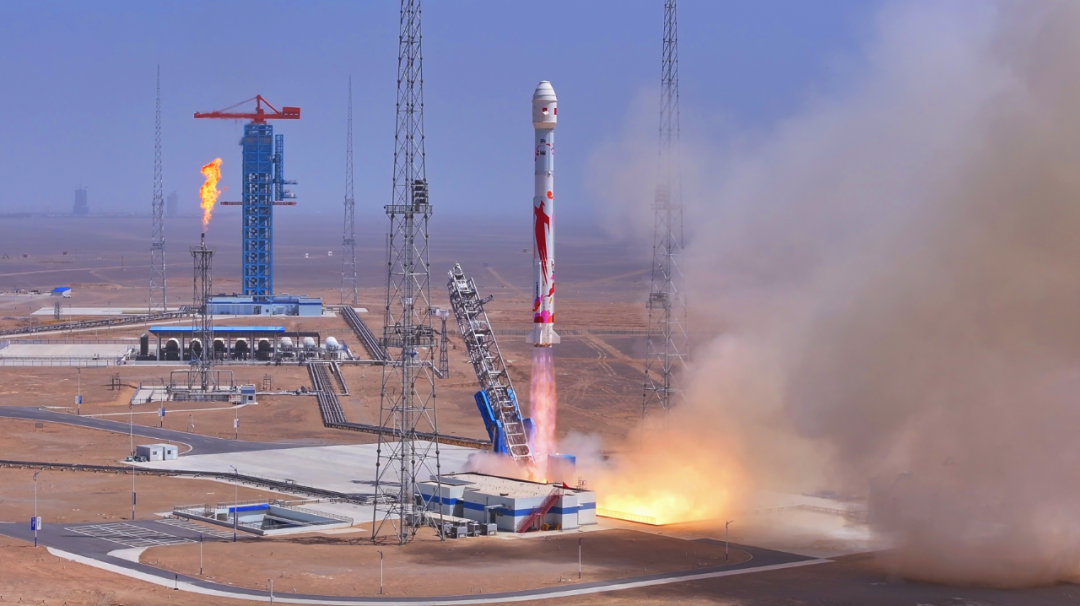
Group 1 - The National Space Administration of China has released the "Action Plan for Promoting High-Quality and Safe Development of Commercial Space (2025-2027)", integrating commercial space into the national space development framework [1] - The establishment of the Commercial Space Department aims to promote high-quality development in the commercial space sector, benefiting the entire industry chain [1] - Lushin Venture Capital has proactively invested in over ten leading companies in the commercial space sector, including Blue Arrow Aerospace and Weihan Technology [2][4] Group 2 - Lushin Venture Capital allocates over 90% of its funds to "hard technology" and has made early investments in commercial space, demonstrating confidence in the sector's potential [3][5] - The company invested 30 million yuan in Weihan Technology in 2021, acquiring nearly 10% equity, with a focus on long-term growth rather than immediate returns [4] - Weihan Technology has established a space manufacturing line and secured significant orders, applying its thermal control solutions to over 300 satellites, maintaining the top market share domestically [4][10] Group 3 - Lushin Venture Capital emphasizes a patient investment strategy, focusing on innovation and growth rather than short-term returns, supporting companies through their development phases [7][9] - The firm has invested in over 300 companies, with more than half being early-stage and growth-stage enterprises, and has helped 44 companies go public [8] - Lushin Venture Capital is actively involved in creating an industrial ecosystem in Shandong, focusing on the "offshore launch services - core manufacturing - aerospace information application" industry [4][10] Group 4 - The company has established a 10 billion yuan fund to support high-quality industrial development in Shandong, targeting strategic emerging industries [12] - Lushin Venture Capital's approach includes not only financial investment but also providing resources for research, management, and market expansion to enhance the vitality of invested companies [9][12] - The successful launch of the Zhuque-2 rocket involved collaboration among Lushin's invested companies, showcasing the effectiveness of their integrated industrial chain strategy [10][12]


今日报纸头条 | 猪市“入冬”,何时“回暖”
Da Zhong Ri Bao· 2025-12-02 08:03
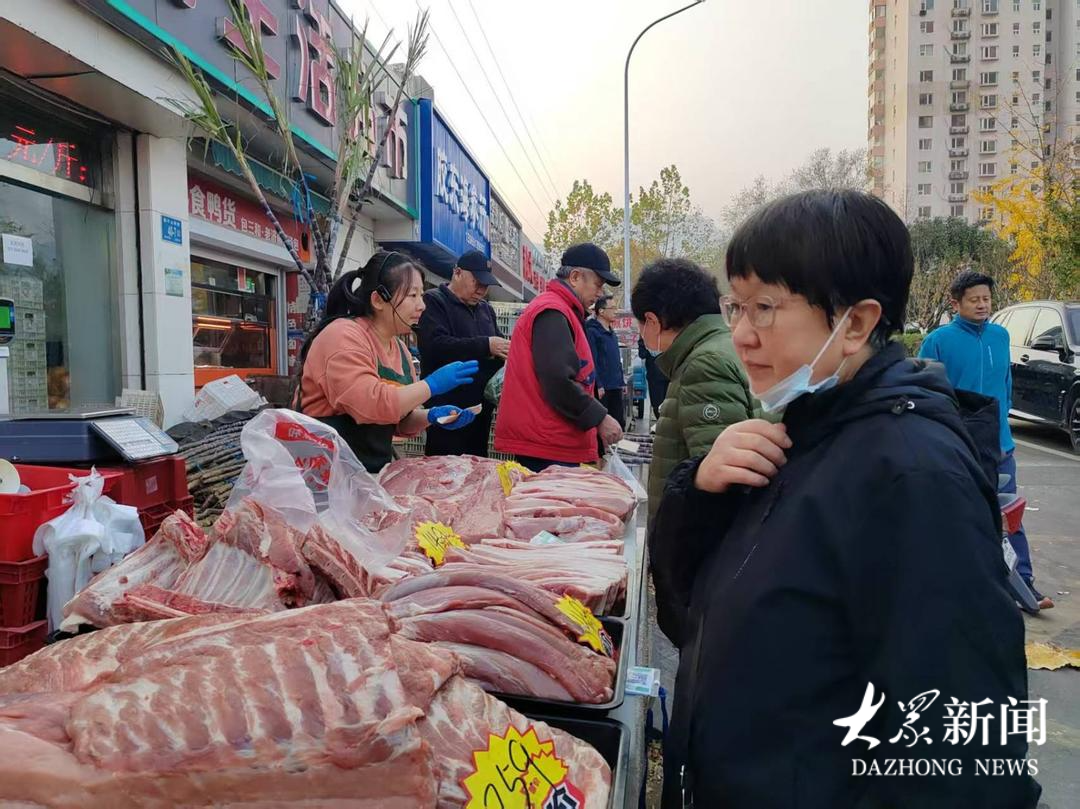
Core Insights - The Chinese pig market is experiencing a significant downturn, with prices continuing to decline despite the traditional peak consumption season in November [1][2][6] - The primary reason for the low prices is an oversupply in the market, driven by increased breeding and improved farming efficiency, leading to a supply-demand imbalance [6][9][15] Price Trends - The average price of pork in Shandong province dropped to 22.36 yuan per kilogram in mid-November, a decrease of 22.28% year-on-year and 0.40% month-on-month [1][3] - The average selling price for fat pigs fell to 12.11 yuan per kilogram, down 26.56% year-on-year and 1.06% month-on-month [1][3] Market Conditions - The supply of pork is currently abundant, with a notable increase in the number of breeding sows and improved production techniques contributing to the surplus [5][6] - The demand for pork has weakened, partly due to changing consumer preferences among younger generations who favor alternative meats and fast food options [6][7][9] Industry Challenges - Small and medium-sized pig farmers are facing severe financial difficulties, with many unable to cover their production costs, leading to a significant number exiting the market [3][6] - Larger farming operations are also struggling, with reports of losses exceeding 200 yuan per pig sold due to high production costs [3][6] Strategic Responses - Some farmers are adapting by shifting to niche markets, such as breeding specialty pigs, which can command higher prices despite longer growth periods [10][12] - Others are focusing on improving quality and efficiency through better feed management and diversifying their operations to mitigate risks [10][12][14] Government and Policy Actions - The Ministry of Agriculture and Rural Affairs is actively working on policies to stabilize pig production and improve market conditions, including comprehensive capacity regulation [15] - Recommendations include supporting small-scale farms, enhancing breeding quality, and promoting sustainable practices within the industry [14][15]
烟台清洁能源发展创出八个第一,近三年能耗强度累计下降20.9%
Da Zhong Ri Bao· 2025-12-02 02:57
Core Viewpoint - Yantai is making significant strides in clean energy development, achieving a 20.9% reduction in energy intensity over the past three years while positioning itself as a model for green, low-carbon, and high-quality development in line with national carbon reduction strategies [1][3]. Group 1: Clean Energy Development - Yantai has established itself as a leader in clean energy, achieving "eight firsts" in the sector, including the first nuclear power and offshore wind power in Shandong Province, and the first commercial nuclear heating demonstration project in the country [2][3]. - The total installed capacity of clean energy in Yantai has surpassed 18 million kilowatts, with ongoing investments of 700 billion yuan in nuclear, wind, solar, and LNG projects, aiming to reach 60 million kilowatts by 2035 [3]. Group 2: Industrial Transformation - Many companies in Yantai are adopting green and low-carbon strategies as part of their transformation, with significant improvements in energy efficiency and production capacity [4][5]. - For instance, Mingdeheng Electronics has increased its monthly production capacity from 5 million to 60 million units while reducing energy consumption by 40% [4]. Group 3: Technological Innovation - Technological innovation is driving industrial decarbonization in Yantai, with companies like Nanshan Aluminum achieving significant reductions in carbon emissions through recycling and clean production methods [5]. - Yantai's chemical industry is also evolving into a high-end low-carbon base, with a focus on sustainable practices and innovation [5]. Group 4: Community and Lifestyle Changes - The transition to a low-carbon lifestyle is evident in Yantai, with initiatives such as nuclear heating providing consistent warmth and reducing coal consumption significantly [7]. - Community projects are promoting zero-carbon living, including solar-powered streetlights and electric vehicle charging stations, enhancing the quality of life for residents [7][8]. Group 5: Waste Management and Green Building - Yantai is implementing advanced waste management systems, including automated recycling that incentivizes residents to participate [8]. - The city is also leading in green building initiatives, with the largest near-zero energy building complex in Shandong Province and a high percentage of public transport being electric [8].
聊城推动“无废城市”建设
Da Zhong Ri Bao· 2025-12-02 02:50
Core Viewpoint - The city of Liaocheng is actively promoting the construction of a "waste-free city," achieving significant progress in solid waste management and resource utilization, with a focus on industrial, agricultural, and municipal waste [1][2][3][4] Industrial Solid Waste Management - Liaocheng has implemented mandatory clean production audits in high-energy-consuming industries, leading to a comprehensive industrial solid waste utilization rate exceeding 75% [2] - The city's industrial solid waste utilization model has been recognized as a typical case by the Basel Convention Asia-Pacific Regional Center [2] Agricultural Waste Reduction - The city promotes various agricultural waste reduction techniques, achieving a stable resource utilization rate of over 90% for livestock manure [3] - Initiatives include the promotion of biodegradable films and efficient pest control methods to reduce pesticide usage [3] Municipal Solid Waste Management - The "source reduction, front-end sorting, and end comprehensive utilization" model has been adopted, with a municipal solid waste resource utilization rate reaching 87% [4] - The "Green Island" initiative covers approximately 150,000 residents and over 3,000 commercial shops, enhancing community engagement in waste sorting [4] Recycling and Resource Recovery - Liaocheng has established a robust recycling network with 260 recycling enterprises, promoting the development of the recycling industry [4] - Since the launch of the "old for new" appliance recycling program, 333,000 old appliances have been collected, contributing to environmental protection [4]
德州公共数据开放利用表现优异,地级城市排名第一
Da Zhong Ri Bao· 2025-12-02 02:50
Core Insights - Dezhou City has excelled in public data openness, ranking first among prefecture-level cities and fourth overall in China, receiving multiple awards for its achievements in data utilization [1][2] Group 1: Public Data Utilization - Dezhou has transformed cold data into warm services, focusing on citizen needs and providing practical solutions such as locating electric vehicle charging points through popular mapping applications [2] - The city has integrated data on AED devices to create a navigation service, allowing users to easily find nearby emergency equipment [2] - Dezhou has opened enterprise registration information to assist small and medium-sized enterprises, making data more accessible and understandable for non-professionals [2] Group 2: Data Governance and Infrastructure - In 2023, Dezhou has established a comprehensive data governance system, accumulating 26 billion data entries across various databases [3] - The city has been a leader in data sharing, releasing 7 billion entries across 21 fields and creating a public data management framework [3] - Dezhou has pioneered a unique data circulation model combining an integrated big data platform, an authorized operation platform, and a data trading platform, demonstrating applications in finance and insurance [3] Group 3: Future Directions - Dezhou plans to deepen market-oriented reforms in data allocation, aiming to enhance the value of data elements and support high-quality development of the digital economy [3]
日照“开放数林指数”居全国地级市第三位
Da Zhong Ri Bao· 2025-12-02 02:50
Core Viewpoint - The "2025 China Open Data Index" was released, highlighting Rizhao's strong performance in public data openness, ranking sixth among all cities and third among prefecture-level cities in China, marking its fourth consecutive year in the top three [1] Group 1: Index and Rankings - The "China Open Data Index" is the first professional index focused on public data openness in China, first published in 2017 [1] - Rizhao City has achieved a comprehensive ranking of sixth nationally and third among prefecture-level cities, demonstrating significant progress in data openness [1] Group 2: Data Management Initiatives - Rizhao has systematically promoted the market-oriented allocation of data elements, continuously optimizing the data openness ecosystem [1] - The city has established a brand called "Rizhao Data Connection" to facilitate data supply and demand, leveraging the Rizhao Public Data Open Network [1] - A public data authorization operation mechanism has been established to manage the entire process of data supply, development, operation, and usage [1] Group 3: Innovative Applications - Rizhao is advancing high-quality data set and trustworthy data space construction, with the port industry selected as a pilot for comprehensive data element testing [1] - The city has developed various digital scenarios to benefit citizens and enterprises, with a parking data innovation model recognized as a typical case by the National Data Bureau [1]
聊城|聊城推动“无废城市”建设
Da Zhong Ri Bao· 2025-12-02 01:20
Core Viewpoint - Liaocheng is actively promoting the construction of a "waste-free city" as a pilot city, focusing on solid waste management and green development through systematic approaches in regulation, market, technology, and supervision [2][3]. Group 1: Solid Waste Management - The city has collected approximately 36,000 tons of livestock manure and 24,000 tons of agricultural waste, producing over 30,000 tons of biological organic fertilizer [2]. - Liaocheng has implemented mandatory clean production audits in high-energy-consuming industries, achieving a comprehensive utilization rate of over 75% for industrial solid waste [3]. - The city’s industrial solid waste utilization model has been recognized as a typical case by the Basel Convention Asia-Pacific Regional Center [3]. Group 2: Agricultural Waste Reduction - The city promotes the use of biodegradable films and advanced agricultural techniques to reduce pesticide usage and enhance fertilizer efficiency, with a stable resource utilization rate of over 90% for livestock manure [4]. - Initiatives include the establishment of a comprehensive network for the collection and utilization of agricultural waste, including dead livestock [4]. Group 3: Municipal Solid Waste Management - A "source reduction, front-end sorting, and end-use recycling" model has been adopted, achieving a resource utilization rate of 87% for municipal solid waste [5]. - The city has established a robust recycling network with 260 recycling enterprises and has successfully recovered 333,000 old appliances since the launch of the "old-for-new" program [5]. - The construction and management of construction waste have been significantly improved, addressing long-standing challenges in this area [5].
日照|日照“开放数林指数”居全国地级市第三位
Da Zhong Ri Bao· 2025-12-02 01:20
Core Insights - The "2025 China Open Data Index" was released at the "2025 Global Digital Business Conference," ranking Rizhao City sixth among all cities and third among prefecture-level cities in China, marking its fourth consecutive year in the top three [1] Group 1: Index and Rankings - The "China Open Data Index" is the first professional index focused on public data openness in China, first published in 2017 [1] - Rizhao City has implemented systematic reforms for market-oriented allocation of data elements, continuously optimizing the data openness ecosystem [1] Group 2: Data Management Initiatives - The city has introduced institutional documents to clarify the pathways for data resourceization, assetization, and capitalization [1] - Rizhao has developed the "Rizhao Data Connection" brand to facilitate data supply and demand, leveraging the Rizhao Public Data Open Network to promote maximum data openness within relevant units [1] Group 3: Operational Mechanisms - A public data authorization operation mechanism has been established, utilizing the Rizhao Public Data Authorization Operation Platform for comprehensive management of data supply, development, operation, and usage [1] - The city is advancing the construction of high-quality data sets and trustworthy data spaces, with the port industry selected as a pilot for comprehensive data element testing [1] Group 4: Practical Applications - Rizhao is creating a series of digital scenarios to benefit citizens and enterprises, with the innovative parking management model based on aggregated parking data recognized as a typical case by the National Data Bureau [1]
山东7个出租车网约车司机驿站入选全国可复制推广项目名单
Da Zhong Ri Bao· 2025-12-02 01:16
Core Viewpoint - The establishment of driver service stations in Shandong province aims to enhance the support for taxi and ride-hailing drivers, addressing their needs for food, rest, and vehicle maintenance, while also being recognized as a national model for replicable projects [2][3]. Group 1: Driver Service Stations - Seven driver service stations in Shandong have been selected for a national replicable promotion project, leading the country in the number of recognized stations [2]. - The service stations provide essential services such as affordable charging, meals, and legal assistance, transforming from basic rest areas to comprehensive support hubs for drivers [2][4]. Group 2: Driver Needs and Solutions - Drivers typically operate over 10 hours daily, facing challenges such as difficulty in dining, resting, and vehicle maintenance, which the service stations aim to address [3]. - A multi-channel communication platform has been established to ensure drivers' concerns are heard and addressed, including direct connections to associations and government departments [3]. Group 3: Legal and Psychological Support - Legal aid stations and psychological counseling services have been set up at the service stations to assist drivers with legal issues and disputes, enhancing their overall support [4]. - The integration of legal services has proven effective, as demonstrated by a case where a driver received compensation for damages through legal assistance [4]. Group 4: Economic Impact and Sustainability - The service stations not only support drivers but also promote local agricultural products, enhancing market reach and providing additional income for farmers [5]. - A diverse service model, including maintenance, charging, and retail, is essential for the sustainable operation of the service stations, allowing them to generate revenue while serving the community [4][5].
我省强化中小学校“校园餐”突出问题整治
Da Zhong Ri Bao· 2025-12-02 01:16
Core Insights - The article discusses the ongoing efforts by the Shandong auditing authority to supervise and improve the management of school meal funding in primary and secondary education, highlighting the identification and rectification of over 40 common issues related to food procurement and management [1][2] Group 1: Audit and Oversight - The Shandong auditing authority has conducted inspections of over 2,100 schools over three years to address issues in meal funding management [1] - A provincial inspection team was formed to directly check schools in four cities, uncovering 62 issues related to improper expense claims and pricing mechanisms [1] - A collaborative approach involving nine departments aims to establish comprehensive measures to tackle prominent issues in school meal management [1] Group 2: Regulatory Measures - Local governments are required to establish specialized mechanisms for food safety and meal funding management, ensuring inter-departmental communication and risk control [2] - A price verification mechanism for food procurement will be implemented to prevent inflated costs and profit extraction [2] - The goal is to achieve full coverage of supervision and inspection of school canteens and catering companies within five years, ensuring transparency and proper use of funds [2]