凤凰网财经

Search documents
高德文旅之死“罗生门”:前员工血泪撕开8亿用户变现之困
凤凰网财经· 2025-08-29 12:48
Core Viewpoint - The resignation letter from a former senior business specialist at Gaode Map has exposed the internal issues of its cultural tourism division, highlighting the blind replication of business models leading to significant merchant losses and project failures [2][4][5]. Group 1: Overview of the Cultural Tourism Division's Downfall - The Gaode cultural tourism division was launched with high ambitions in early 2025, aiming to create a smart tourism infrastructure network by collaborating with various provincial tourism departments and travel agencies [4]. - A successful pilot project in Guizhou showed promising results, with ticket penetration rates reaching 35% and secondary consumption increasing by 120% [4]. - However, the project was abruptly halted just before signing, with management stating "cannot do it," leading to significant risks for the frontline team [4][5]. Group 2: Critique of Business Strategy - The division's strategy of blindly copying Meituan's advertising model ignored the critical element of trust in tourism consumption, resulting in an 82% loss rate for merchants and some travel agencies recording zero transactions over five months [5][7]. - The strategic shift within Alibaba's "big consumption ecosystem" marginalized Gaode's cultural tourism efforts, leading to a significant imbalance in resource allocation [7][8]. - Gaode's decision to sell all effective advertising slots to Ctrip and charge high promotion fees to travel agencies has been criticized for undermining its original mission of facilitating travel [7][8]. Group 3: Dispute Over Employment Status - Gaode Map responded to the allegations by claiming the whistleblower was an outsourced sales personnel with poor performance, contradicting the claim of being a formal employee [8]. - The whistleblower argued that despite being contracted through a third party, their role and compensation were aligned with Gaode's official employees, indicating a lack of clarity in employment status [8]. - The whistleblower's departure was marked by a sudden change in HR's stance, from encouraging retention to enforcing termination regardless of performance [8]. Group 4: User Engagement and Financial Performance - Despite the controversies, Gaode Map maintains a strong user base, with over 800 million monthly active users, ranking fourth among mobile internet applications in China [10][12]. - However, the revenue model heavily relies on advertising, with 2024 revenues exceeding 12 billion yuan, of which 7.8 billion yuan came from online advertising, accounting for 65% of total revenue [12][14]. - The financial struggles are evident, as the local life group, which includes Gaode, reported an adjusted EBITA loss of 596 million yuan for the last quarter of 2024 [12][14]. Group 5: Broader Industry Context - The challenges faced by Gaode Map reflect broader issues in the navigation and local services market, where profitability remains elusive even for major players like Google Maps [13][14]. - The ongoing complaints about Gaode's services, particularly regarding refunds and service quality, highlight operational deficiencies in its local life services [15][16]. - The competitive landscape shows that Gaode is significantly trailing behind Didi in the ride-hailing market, with Didi holding a 75% market share compared to Gaode's 10% [17].


滴滴因股东集体诉讼案,计提一次性准备金53亿元
凤凰网财经· 2025-08-29 12:48
Core Viewpoint - Didi's Q2 2025 earnings report shows a revenue increase but a net loss due to one-time legal expenses, indicating strong core business growth despite challenges [1][2][3]. Financial Performance - In Q2 2025, Didi achieved a revenue of 56.4 billion yuan, a year-on-year increase of 10.9% [1]. - The net loss for the quarter was 2.5 billion yuan, compared to a loss of 900 million yuan in the same period last year [1]. - Adjusted net profit reached 3.1 billion yuan, up approximately 107% from 1.5 billion yuan in the previous year [1]. Legal and Operational Challenges - The decline in net profit was primarily attributed to a one-time provision of 5.3 billion yuan related to a shareholder class action lawsuit [2]. - Didi denied any wrongdoing or liability in the class action lawsuit, stating that the settlement was aimed at avoiding further litigation costs and disruptions to business [4]. Business Expansion and Market Performance - Despite efforts to control costs, the losses in overseas operations increased year-on-year due to ongoing expansion [5]. - The daily transaction volume in the Chinese market reached a record high of 37.1 million transactions [5].

一颗中药的“透明”之旅
凤凰网财经· 2025-08-29 12:48
Core Viewpoint - The article emphasizes the importance of transparency and traceability in the production of traditional Chinese medicine (TCM) products, highlighting the need for a rigorous process from cultivation to final product to ensure safety and efficacy. Group 1: Process of Traditional Chinese Medicine - The journey of TCM from seedling to health product involves several critical steps: selection of planting land, timely harvesting, processing, extraction, formulation, packaging, and quality inspection [10][11][12][14]. - The integration of ancient wisdom and modern technology is essential to guarantee the safety and effectiveness of TCM products [12][14]. Group 2: Industry Challenges - The TCM industry faces numerous issues, including over-exploitation of cultivation areas leading to ecological imbalance, soil degradation, and water resource scarcity [14]. - There are concerns about the quality of medicinal materials, with instances of inferior or counterfeit materials being used, and the misuse of fertilizers and pesticides by some growers [15][16]. - Processing practices can lead to contamination and loss of active ingredients, and there are cases of falsified testing data [16][17]. Group 3: Transparency and Traceability Initiatives - The company implements a unique TCM cultivation management model and utilizes a "Sky Eye Traceability Management System" to monitor all stages from planting to packaging, ensuring traceability of each batch of medicinal materials [32]. - Collaboration with prestigious institutions, including Cambridge University and Nobel laureate Hoffman’s team, aims to validate the efficacy of TCM through modern scientific methods [35]. - The production base has received multiple quality certifications, including ISO 9001 and FSSC 22000, ensuring compliance and stability in product quality [37]. Group 4: Commitment to Trust and Safety - The company promotes a philosophy of "trust production power," aiming to build trust through transparency in all processes [42][43]. - The article highlights the importance of making the invisible efforts of the company visible to consumers, fostering a sense of security and confidence in TCM products [48].

比POLO衫显贵,比棉T恤凉快数倍,这件衣服「封神」了
凤凰网财经· 2025-08-29 12:48
Core Viewpoint - The article emphasizes the importance of choosing the right summer clothing for men, particularly highlighting the benefits of linen shirts over traditional options like polo shirts and cotton t-shirts, which can be uncomfortable in hot weather [1][3][5]. Group 1: Product Features - The recommended product is a linen shirt made from a blend of cotton, Tencel, and linen, which combines softness, smoothness, and coolness for a comfortable wearing experience [9][39]. - Linen is highlighted as a premium fabric that has been valued since the Middle Ages, symbolizing wealth and power, and remains popular in high-end fashion today [12][14]. - The shirt is designed with a relaxed fit and structured tailoring, providing a balance between comfort and style, making it suitable for both casual and business settings [23][102]. Group 2: Fabric Benefits - Linen has superior moisture-wicking and breathability properties, allowing for quick heat dissipation and keeping the wearer cool and dry, especially in humid conditions [21][43][54]. - The shirt's unique blend of materials results in a soft, smooth texture that is gentle on the skin, avoiding the roughness often associated with pure linen [72][78]. - The fabric's natural properties help inhibit bacterial growth and reduce odor, ensuring freshness even after prolonged wear [65]. Group 3: Pricing and Availability - The shirt is offered at a promotional price of 99 yuan, significantly lower than typical market prices for similar linen shirts, which can range from 200 to 300 yuan [31][33]. - Limited stock is available, with only 200 units for sale, indicating a sense of urgency for potential buyers [33][110]. - The product is available in two colors, blue and gray, catering to a variety of personal styles and preferences [35][105].

良品铺子花生“树上长”,“收割机”突突田里忙
凤凰网财经· 2025-08-29 12:48
Group 1 - The article highlights the humorous and ironic situation where a rural perspective on peanuts contrasts with urban misconceptions, showcasing a cultural divide [4][6]. - It discusses the creative marketing strategy employed by a company, which utilizes AI-generated content to engage audiences and generate buzz on social media platforms [12][17]. - The article mentions the impact of advertising and cultural references in shaping consumer perceptions, particularly in relation to food products like peanuts [14][16]. Group 2 - The article reflects on the nostalgia of rural life and the simplicity of understanding agricultural products, contrasting it with the complexities faced by urban dwellers [4][6]. - It emphasizes the role of social media in amplifying marketing messages and creating viral content, as seen with the company's recent campaign [12][17]. - The commentary from netizens illustrates the public's engagement and reaction to the marketing efforts, indicating a successful interaction between the brand and its audience [12][14].


这个国家的中产,买爆中国电动汽车
凤凰网财经· 2025-08-29 12:48
Core Viewpoint - The article highlights the rapid adoption of electric vehicles (EVs) in Nepal, driven by favorable government policies and the entry of Chinese manufacturers, marking a significant shift in the automotive landscape from traditional fuel vehicles to electric options [2][10]. Group 1: Market Dynamics - Electric vehicles now account for 76% of all new car sales in Nepal, a dramatic increase from nearly zero five years ago [2][4]. - The cost of operating electric vehicles is significantly lower than that of traditional fuel vehicles, with monthly fuel costs for fuel vehicles around 10,000 Nepalese Rupees compared to less than 2,000 for electric vehicles [4][6]. - The local middle class, approximately 5 million people, shows a strong inclination to purchase electric vehicles, with only 1% currently owning them, indicating a potential market shift [8]. Group 2: Government Support and Policy - The Nepalese government has implemented tax incentives for electric vehicles, with import duties for EVs ranging from 10% to 30%, while fuel vehicles face duties exceeding 200% to 300% [14][15]. - The government aims for electric vehicles to make up 25% of private car sales by 2025 and 90% by 2030, alongside mandatory scrapping of fuel vehicles over 20 years old [15][16]. Group 3: Chinese Manufacturers' Strategy - Chinese brands like BYD and MG have gained popularity in Nepal, with BYD expected to capture over 25% market share by 2024 [19]. - Chinese manufacturers are adapting their vehicles to local conditions, such as improving ground clearance and suspension for Nepal's rugged terrain [20][21]. - The article notes that Chinese companies treat the Nepalese market with the same seriousness as European markets, focusing on local needs and preferences [20][24]. Group 4: Challenges and Opportunities - Despite the growth, challenges remain, including the need for improved after-sales service and maintenance networks for electric vehicles [30][32]. - The Nepalese government encourages local assembly of electric vehicles, offering tax breaks and incentives to attract Chinese manufacturers to establish production facilities [34].

起底亚洲绑架之都真相:博彩灰产、加密货币洗钱与“警匪一家”
凤凰网财经· 2025-08-29 07:31
Group 1 - The core issue of kidnapping in the Philippines has evolved into a complex network involving gambling-related crime, corrupt law enforcement, gang influence, and cryptocurrency money laundering, with Chinese businessmen being the primary targets [1][10][12] - The methods used by kidnappers have become increasingly sophisticated, often involving impersonation of police officers and the use of cryptocurrencies like USDT to make ransom tracking difficult [1][31][39] - The kidnapping industry in the Philippines has been exacerbated by the outflow of gambling-related activities, with the country becoming a hub for online gambling operations that attract many Chinese workers, making them vulnerable to kidnapping [20][21][23] Group 2 - The kidnapping trend has shifted from targeting traditional wealthy businessmen to also including ordinary tourists and expatriates, indicating a broader risk to the Chinese community in the Philippines [14][22] - Reports indicate that in 2023, there were at least 92 reported kidnapping cases in the Philippines, with approximately 30% involving Chinese nationals [13] - The involvement of corrupt police and military personnel in kidnappings has been confirmed, with over half of the cases reportedly having law enforcement participation [25][27] Group 3 - The Philippine offshore gambling industry has been linked to a rise in kidnapping cases, with many victims being employees of gambling operations [23][24] - The government's financial struggles have led to a reliance on the gambling sector for tax revenue, which in turn has fostered a criminal environment where kidnapping is seen as a low-risk, high-reward business [20][41] - The use of advanced technology and organized crime tactics in kidnappings has made it a highly professionalized and industrialized crime [31][39] Group 4 - The Philippines' lax gun laws and the prevalence of illegal firearms contribute to the violent nature of these crimes, with over 1.2 million registered firearms in civilian hands as of 2024 [28][29] - Corruption within the police force and a slow judicial process have created an environment where kidnapping is perceived as a low-risk crime, further encouraging criminal activities [41][43] - Despite the high-profile nature of these crimes, some experts argue that the overall safety in the Philippines can be managed with proper precautions and awareness of specific high-risk areas [44][46]

搭上英伟达股价翻5倍!高层套现21亿后,胜宏科技赴港IPO
凤凰网财经· 2025-08-29 02:55
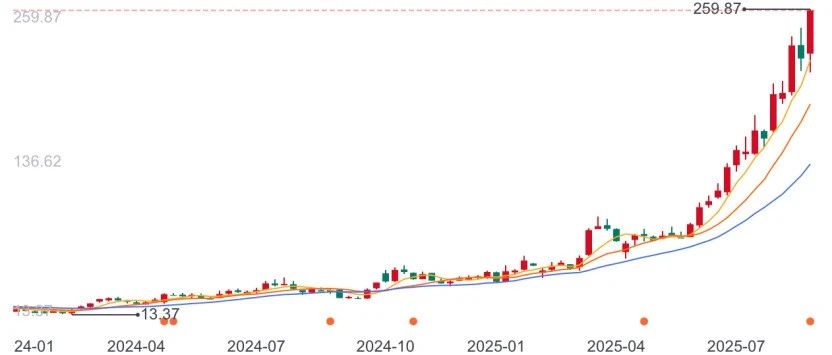
Core Viewpoint - The article discusses the rapid growth and challenges faced by Shenghong Technology, a PCB manufacturer, particularly in relation to its partnership with Nvidia and its upcoming IPO plans [1][3]. Group 1: Company Overview - Shenghong Technology, established in 2006 and listed in 2015, specializes in high-precision multilayer printed circuit boards (PCBs) and HDI PCBs [2]. - The company has seen significant stock price appreciation, rising from 41.79 CNY per share at the beginning of the year to 259 CNY per share by August 28, marking an increase of over 500% and a market capitalization exceeding 220 billion CNY [1]. Group 2: Financial Performance - Revenue for Shenghong Technology is projected to grow from 78.85 billion CNY in 2022 to 107.31 billion CNY in 2024, with a year-on-year growth of 35.3% in 2024 [4]. - Net profit is expected to increase from 7.91 billion CNY in 2022 to 11.54 billion CNY in 2024, reflecting a substantial year-on-year growth of 72% [4]. - In Q1 2025, the company reported a revenue of 43.12 billion CNY, a remarkable increase of 80.3% year-on-year, driven by a surge in HDI product sales [4]. Group 3: IPO and Capital Structure - Shenghong Technology has submitted a prospectus to the Hong Kong Stock Exchange for an IPO, aiming for a dual listing to enhance its capital structure [3]. - Despite strong financial performance, the company faces liquidity challenges, with cash and cash equivalents of 9.27 billion CNY against short-term debts totaling 19 billion CNY [6]. Group 4: Partnership with Nvidia - The partnership with Nvidia is seen as a critical factor in Shenghong Technology's recent growth, as the company has become a key supplier for Nvidia's AI acceleration products [8]. - Although Nvidia is not explicitly named in the company's disclosures, it is implied that Shenghong Technology plays a significant role in the supply chain for AI computing infrastructure [8]. Group 5: Management Actions and Market Sentiment - Concerns have arisen regarding the management's decision to sell shares while claiming the company's stock is undervalued, with significant insider selling amounting to over 2.1 billion CNY in just three months [13][17]. - The company is also planning to raise 1.9 billion CNY through a private placement to fund various projects, including AI-related initiatives in Vietnam and Thailand [17].
刚刚,“寒王”给火热的市场放了一记冷枪
凤凰网财经· 2025-08-28 14:00
Core Viewpoint - The article highlights the remarkable transformation of Cambricon from a struggling startup reliant on bank loans to a leading player in the AI chip market, achieving a market capitalization of 664.3 billion yuan and becoming the "king of stocks" in A-shares [1][2][4]. Group 1: Company Background and Evolution - Cambricon was founded by two brothers, Chen Tian Shi and Chen Yun Ji, who began their journey in a small lab at the Institute of Computing Technology, Chinese Academy of Sciences, with the vision of creating AI-specific chips [6][7][13]. - The company achieved a significant milestone in 2015 with the successful testing of its first AI chip, marking China's original breakthrough in AI chip architecture [11][14][15]. - By 2018, Cambricon's valuation soared to 25 billion USD after a successful B-round financing, positioning it as a star in the domestic AI chip sector [17]. Group 2: Challenges and Strategic Shifts - In 2019, a critical partnership with Huawei ended as Huawei decided to develop its own AI chips, leading to a 41.23% drop in revenue from Huawei for Cambricon [18][33]. - The company faced a strategic pivot from an IP licensing model to developing its own cloud AI chips and intelligent computing systems, aiming to reduce dependency on a single client [36][37]. - In 2022, Cambricon was placed on the U.S. Entity List, severely impacting its supply chain and leading to significant layoffs [44][46]. Group 3: Financial Performance and Market Position - By mid-2025, Cambricon reported a revenue of 28.81 billion yuan, a staggering increase of 4347.82% year-on-year, with a net profit of 10.38 billion yuan [49]. - The company’s revenue structure has shifted, with 99.6% of income now coming from its cloud product line, indicating a successful transition from its previous reliance on IP sales [49]. - Despite recent successes, concerns remain regarding customer concentration, as over 80% of revenue still comes from the top five clients, and the company has accumulated over 5 billion yuan in net losses from 2020 to 2024 [55][58]. Group 4: Competitive Landscape and Future Outlook - Cambricon faces increasing competition from domestic players like Huawei and emerging companies, as well as global giants like NVIDIA, which still dominate the technology and ecosystem [60][61]. - The launch of the SiYuan 590 chip, which boasts superior performance at a competitive price, is seen as a pivotal moment for the company, potentially solidifying its position in the market [52]. - The future of Cambricon as the "king of stocks" remains uncertain, with ongoing challenges in maintaining profitability and market share amidst fierce competition [61].

小杨哥和东北雨姐,别再惦记复出了
凤凰网财经· 2025-08-28 14:00
Core Viewpoint - The likelihood of the return of prominent livestreamers "Xiao Yang Ge" and "Dong Bei Yu Jie" is diminishing due to increasing regulatory scrutiny and past violations, which have led to significant penalties and loss of followers [5][6][31]. Group 1: Regulatory Environment - The Chinese market regulatory authority has publicly named "Xiao Yang Ge" and "Dong Bei Yu Jie" in a recent press conference, emphasizing the need to maintain order in online transactions and to combat irregularities in the livestreaming e-commerce sector [5][6]. - Both livestreamers faced substantial fines last year for violations, with "Xiao Yang Ge" fined nearly 700 million yuan for false advertising and "Dong Bei Yu Jie" penalized for selling counterfeit products [6][31]. - Their accounts on Douyin have been restricted, with "Xiao Yang Ge" losing 20 million followers, now totaling 104 million, and "Dong Bei Yu Jie" dropping from 24.5 million to 17.7 million followers [9][29]. Group 2: Attempts at Return - "Xiao Yang Ge" has made multiple attempts to return to the livestreaming scene, including appearing in a video in May, but has not yet returned to live selling [10][17]. - "Dong Bei Yu Jie" has also tried to re-enter the market through various means, including using a small account for livestreaming, but these efforts have been met with skepticism and have not been successful [18][21]. - Both have engaged in public activities, such as charity events, to maintain visibility, but their primary livestreaming activities remain largely inactive [24][39]. Group 3: Industry Challenges - The livestreaming e-commerce industry is transitioning from rapid growth to a more mature phase, with a projected 2024 online retail sales figure of 15.5 trillion yuan, reflecting a 7.2% year-on-year growth [41]. - The era of tolerance for problematic livestreamers is fading, making it increasingly difficult for those with past controversies to regain public trust and return to prominence [43][48]. - The challenges faced by "Xiao Yang Ge" and "Dong Bei Yu Jie" highlight the precarious nature of their business models, which heavily rely on personal branding; their absence could lead to the collapse of their respective ventures [27][28].