凤凰网财经

Search documents
遭恐慌性抛售,日韩股市崩了!韩国主要股指收跌12%
凤凰网财经· 2026-03-04 13:16
Core Viewpoint - The article discusses the panic sell-off in the Japanese and South Korean stock markets triggered by geopolitical tensions, particularly the blockade of the Strait of Hormuz, which poses a significant risk to energy supply chains for both countries [3][7]. Group 1: Market Reactions - On March 4, both Japanese and South Korean stock markets opened lower, with the Nikkei 225 index falling by 3.61% to 54,245.54 points and the KOSPI dropping by 12.11% to 5,090.79 points [1]. - The KOSPI experienced its largest single-day drop in history, declining by 7.24% (452.22 points) [6]. - The Japanese economy is heavily reliant on oil imports from the Middle East, with over 90% of its crude oil sourced from the region, making it particularly vulnerable to disruptions in the Strait of Hormuz [5]. Group 2: Causes of the Sell-off - The sell-off is attributed to multiple factors, including heightened geopolitical risks leading to a shift in global risk appetite towards safe-haven assets, rising energy prices, and a reassessment of inflation paths and central bank interest rate cuts [7]. - The internal market conditions in both countries were already under pressure due to high valuations and profit-taking, particularly in South Korea's tech sector, which had seen significant gains [7]. - The article notes a clear market divergence, with sectors like aviation, shipping, and consumer goods suffering due to energy cost and supply chain disruptions, while defense sectors showed resilience, indicating a defensive shift in investment strategies [8]. Group 3: Economic Implications - Predictions suggest that the blockade could lead to a $50 increase in oil prices per barrel, potentially reducing Japan's GDP by approximately 3% if oil imports are severely disrupted [5]. - The South Korean central bank is monitoring the situation closely, with the Korean won experiencing significant fluctuations against the dollar, reflecting the market's response to the geopolitical crisis [6].


极为罕见,一艘油轮冒险穿越霍尔木兹海峡前往阿联酋装油
凤凰网财经· 2026-03-04 13:16
Core Insights - The article highlights the significant disruption in shipping routes in the Middle East due to ongoing geopolitical conflicts, particularly the impact on oil tanker movements [2][3] - A specific oil tanker named "Pola" has drawn attention for successfully navigating the Strait of Hormuz to load crude oil in the UAE, which is unusual given the current conflict [2] Group 1: Shipping Disruptions - The number of oil tankers passing through the Strait of Hormuz has drastically decreased, with only 4 tankers recorded on March 1, compared to an average of 24 tankers per day since January [3] - The geopolitical tensions, particularly between the US, Israel, and Iran, have led to military actions that have disrupted normal shipping operations in the Gulf region [2] Group 2: Specific Case of the "Pola" Tanker - The "Pola" tanker turned off its Automatic Identification System (AIS) while approaching the Strait of Hormuz on March 2, only reappearing near Abu Dhabi on March 3 [2] - The tanker is currently heading to Jebel Dhanna port to load Murban crude oil, with its final destination being Thailand [2]
霍尔木兹“熔断”,这场论坛即将解读全球经济命门
凤凰网财经· 2026-03-04 04:35
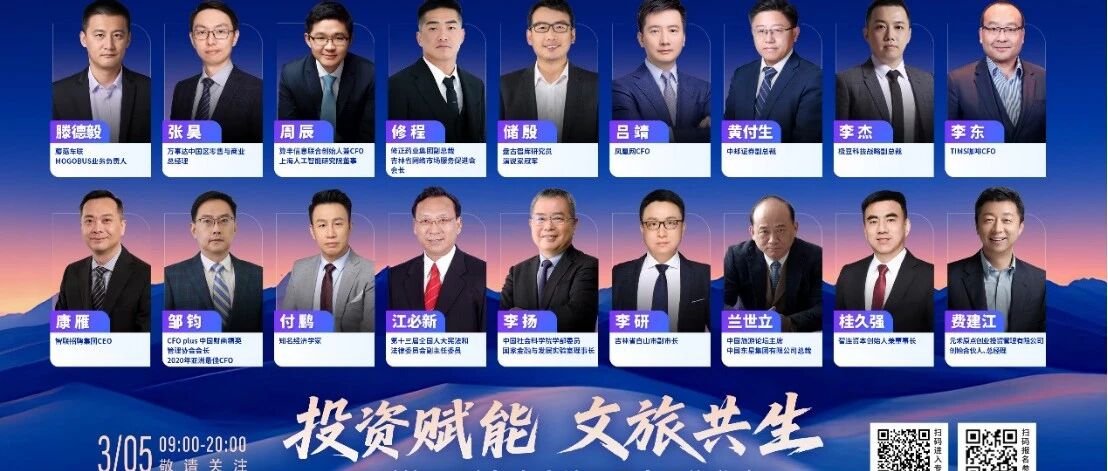
Core Viewpoint - The military conflict between the U.S.-Israel alliance and Iran has escalated significantly, with no signs of a ceasefire, leading to widespread market volatility and potential investment opportunities amidst the chaos [1]. Group 1: Global Market Impact - The conflict has permeated global markets, particularly affecting energy, finance, and commodities, with Brent crude oil prices soaring nearly 13% to $82.37 per barrel, and WTI crude reaching $75.33 per barrel [2]. - Iran's threats of oil prices reaching $200 per barrel and the closure of the Strait of Hormuz have led to significant disruptions in global oil and LNG trade, affecting approximately 27%-30% of maritime oil transport and 20% of LNG trade [2]. - The conflict has resulted in a supply gap due to damage to Iranian energy facilities, which could interrupt daily exports of 1.5 million barrels [2]. Group 2: Market Reactions and Trends - Safe-haven assets like gold have surged, while global stock markets have experienced significant declines, particularly in South Korea, where the index fell over 6%, triggering a trading halt [3][4]. - The volatility in global currencies has intensified, with emerging markets facing increased capital outflow pressures as investors seek safety [4]. - The rising oil prices have escalated production costs for aluminum and other metals, with Iran's aluminum production capacity being over 800,000 tons per year, representing 2% of global capacity [4]. Group 3: Underlying Factors of Market Volatility - The rigid dependency on Middle Eastern energy and the monopolistic control of the Strait of Hormuz have amplified the conflict's impact on global markets, as many countries rely heavily on this route for energy imports [5]. - The rapid escalation of the conflict has led to a significant release of risk-averse sentiment among investors, resulting in a cycle of panic selling and further market declines [6]. - The inherent vulnerabilities in global supply chains and energy systems have allowed the conflict's effects to spread quickly, highlighting the reliance on Middle Eastern resources [7]. Group 4: Opportunities Amidst Challenges - The ongoing turmoil reflects a deep adjustment in global economic, energy, and financial landscapes, presenting both challenges and new opportunities for investors [8]. - The upcoming Changbai Mountain Forum aims to address these market changes, focusing on investment empowerment and the integration of tourism and culture, while providing insights into the long-term impacts of the conflict on the global economy [8][9]. - The forum will gather key industry figures to discuss strategies for navigating the evolving market landscape and leveraging potential growth areas in the context of the current geopolitical climate [9].
文艺青年的“白月光”,被200块钱撕下了遮羞布
凤凰网财经· 2026-03-03 14:07
Core Viewpoint - Douban, once a cultural beacon for the post-80s, 90s, and 00s generations, is facing significant operational challenges as it attempts to commercialize its platform, highlighted by a recent promotional error that led to substantial financial losses and public backlash [2][4][14]. Group 1: Incident Overview - On March 2, Douban's marketplace mistakenly set a promotion of "spend 200 get 200 off," leading to users purchasing high-value items for minimal costs, resulting in a rapid depletion of inventory [2][10]. - The error caused Douban to issue a public apology and refund all affected orders, citing an inability to absorb the financial loss, while offering a 20 yuan compensation to users [4][11]. Group 2: Legal and Ethical Implications - Legal experts suggest that Douban's decision to refund the erroneous orders does not constitute a breach of contract, as the promotion was deemed a significant error and not a legitimate offer [12]. - The incident has sparked discussions about the loss of contractual integrity and accountability, with some users expressing disappointment over Douban's handling of the situation [11]. Group 3: Douban's Commercialization Challenges - Founded in 2005, Douban has struggled to effectively monetize its platform, with its revenue model remaining fragile and overly reliant on niche products that appeal to a limited audience [14]. - The recent incident underscores the vulnerabilities in Douban's e-commerce strategy, particularly in its operational and technical capabilities, which may not be robust enough to handle the demands of a competitive market [21][23]. Group 4: Community and Cultural Impact - Douban's community atmosphere has been increasingly compromised by external pressures, including aggressive online behavior and the rise of algorithm-driven content platforms, which have shifted user engagement away from meaningful discussions [15][21]. - The platform's identity as a cultural and aesthetic haven is at risk as it navigates the complexities of commercial viability while trying to maintain its original values [13][23].

当现代战争的导弹落在平民头上:美好的世界全乱了
凤凰网财经· 2026-03-03 14:07
Core Viewpoint - The article highlights the unexpected escalation of conflict in the Middle East, particularly focusing on the impact of missile attacks in the UAE, which were previously considered a safe haven. The narrative captures the experiences of Chinese students living in Dubai amidst the chaos, illustrating the stark contrast between their daily lives and the sudden onset of war [1][31]. Group 1: Impact of Conflict - Multiple countries in the Middle East, including the UAE, have been affected by missile attacks, with at least nine nations involved in the conflict as of March 2 [35]. - The UAE's defense forces reported the destruction of 161 ballistic missiles, 8 cruise missiles, and 645 drones, with 44 missiles landing within the country, resulting in three fatalities [35]. - The conflict has led to significant economic disruptions, including the temporary shutdown of operations at Saudi Aramco's Ras Tanura refinery and Qatar Energy's facilities due to drone attacks [35]. Group 2: Personal Experiences of Students - Chinese students in Dubai, such as Lisa and Su Yuan, recount their experiences of witnessing missile attacks, initially mistaking them for fireworks, and later grappling with the reality of living in a war zone [2][8]. - The students expressed feelings of fear and confusion, with some resorting to humor to cope with the situation, while others began to prepare for potential evacuation [19][20]. - The article emphasizes the psychological toll of the conflict, as students navigate their daily lives amidst the sounds of war, with some adapting to the situation by focusing on work and maintaining a semblance of normalcy [22][30]. Group 3: Broader Implications - The article reflects on the broader implications of the conflict, noting that even regions previously deemed safe are now vulnerable to violence, challenging the perception of security in the Middle East [31][32]. - The narrative suggests a shift in the understanding of modern warfare, where high-tech military operations can still result in civilian casualties, raising ethical concerns about the use of advanced technology in conflict [13][15]. - The experiences shared by the students serve as a reminder of the fragility of peace and the unpredictable nature of geopolitical tensions, prompting reflections on the impact of war on ordinary lives [38][39].
宏利保险张家俊解码:在不确定时代延续财富的底气
凤凰网财经· 2026-03-03 14:07
Core Viewpoint - The article emphasizes the importance of insurance as a cornerstone for family wealth management in an era of uncertainty, focusing on asset allocation, retirement planning, and wealth transfer [1][4][19]. Group 1: Asset Allocation Logic - The shift in investor mindset from "pursuing high returns" to "ensuring stability" reflects a broader trend in family asset allocation, prioritizing safety and stability over maximum returns [5][8]. - Insurance is highlighted as a "ballast" for family wealth, designed for long-term financial goals and capable of withstanding economic cycles [5][8]. - Key characteristics of effective insurance products include strong risk management culture, forward-looking design, and global investment diversification to smooth out return volatility [8][9]. Group 2: Retirement Fund Protection - The downward trend in interest rates raises concerns about the purchasing power of retirement funds, which insurance products can address through a dual-track model of guaranteed returns and floating dividends [9][11]. - Insurance products are designed to maintain purchasing power by providing a safety net against unexpected health risks and inflation [9][11]. - The regulatory framework in Hong Kong ensures that guaranteed returns are legally protected, safeguarding retirement funds from market fluctuations [11]. Group 3: Longevity and Retirement Anxiety - The increasing life expectancy poses challenges for financial planning, with insurance providing a solution through lifelong cash flow rather than a lump sum [12][14]. - Insurance products can offer lifelong income streams, ensuring that funds last as long as the individual does, addressing the anxiety of outliving savings [12][14]. - The article stresses the importance of early and consistent contributions to build a substantial retirement fund, especially for younger generations [16]. Group 4: Wealth Transfer - Insurance is positioned as an effective tool for wealth transfer, allowing for low-barrier access and efficient processes that simplify the transfer of wealth across generations [17][18]. - The focus has shifted from merely transferring money to conveying values, with insurance products designed to align financial support with family values and goals [17][18]. - Provisions for flexible payment structures and the ability to adjust policies over time enhance the security and adaptability of wealth transfer strategies [18]. Conclusion - Insurance is portrayed as a comprehensive wealth planning tool that addresses various family needs, from asset protection to retirement planning and wealth transfer, emphasizing the importance of certainty in uncertain times [19][21].

霍尔木兹海峡封锁,日本直面“存亡危机”?
凤凰网财经· 2026-03-03 14:07
Core Viewpoint - The article discusses Japan's strategic response to the potential blockade of the Strait of Hormuz by Iran, emphasizing the importance of this waterway for Japan's energy imports and the implications for Japan's collective self-defense policy [1][3]. Group 1: Strategic Importance of the Strait of Hormuz - The Strait of Hormuz is critical for Japan, with over 90% of its crude oil imports coming from the Middle East, and approximately 80% of oil tankers passing through this strait [1]. - The Japanese government has previously considered a blockade of the strait as a scenario that could trigger the exercise of collective self-defense under its security laws [1]. Group 2: Government's Cautious Stance - The current Japanese administration, led by Prime Minister Kishi Nobuo, is taking a cautious approach, stating that it is still gathering information and has not yet classified the situation as a significant security threat [3]. - Historically, Japan has never activated collective self-defense in response to threats to resources from the Strait of Hormuz, indicating a high threshold for such a decision [3][4]. Group 3: Potential Future Developments - If the situation escalates to a blockade involving mines, the U.S. may seek Japan's assistance for mine-clearing operations, presenting a significant test for the current administration's security policy since the enactment of the security laws [4].

传音控股,过上了苦日子
凤凰网财经· 2026-03-03 14:07
Core Viewpoint - The article discusses the declining performance of Transsion Holdings, known as the "King of African Mobile Phones," highlighting significant revenue and profit drops due to increased competition and rising component costs [5][6][16]. Group 1: Financial Performance - In 2025, Transsion Holdings reported a revenue of approximately 65.623 billion yuan and a net profit of about 2.584 billion yuan, representing year-on-year declines of 4.50% and 53.43% respectively [5]. - The company's net profit for 2024 was 5.549 billion yuan, showing a minimal increase of 0.22% compared to the previous year, significantly lower than the 122.93% growth in 2023 [6]. - The gross margins for smartphones and feature phones in the first half of 2025 were 19.19% and 24.72%, reflecting a decrease of 1.03 and 3.16 percentage points year-on-year [8][13]. Group 2: Market Challenges - The rise in prices of key components, particularly storage chips, has severely impacted Transsion's profitability, with storage chips accounting for approximately 22% of costs in 2024 and expected to rise to 34% by 2026 [10][11]. - The competitive landscape has intensified with the entry of other Chinese brands like Honor, Xiaomi, and OPPO into the African market, leading to a decline in Transsion's market share and sales volume [16]. - Despite still holding a 51% market share in Africa in 2025, the company's sales volume decreased from 1.06 billion units in 2024 to 1.04 billion units, with a further drop to 0.42 billion units in the first half of 2025, marking a year-on-year decline of 19.23% [16]. Group 3: Strategic Responses - In response to these challenges, Transsion is seeking to list on the Hong Kong Stock Exchange to support its transition from a single mobile product focus to a broader mobile smart ecosystem [17]. - The company has reported revenues from mobile internet services and IoT products totaling 417 million yuan and 2.568 billion yuan respectively, which together accounted for 10.2% of total revenue in the first half of 2025 [17].


让中国人一见倾心的美玉:龙游凤随,浪漫千年
凤凰网财经· 2026-03-03 14:07
Core Viewpoint - The article emphasizes the significance of jade in Chinese culture as a symbol of love and purity, particularly through the design of the "Same Heart Dragon and Phoenix Jade Pendant" which embodies deep emotional connections and traditional craftsmanship [2][5][11]. Group 1: Product Description - The "Same Heart Dragon and Phoenix Jade Pendant" is designed in collaboration with renowned Beijing jade carving master Su Ran, featuring a unique design that symbolizes love and commitment [6][21]. - Each pair of pendants is carved from the same piece of jade, enhancing the meaning of unity and shared emotions [10][31]. - The jade used includes precious Hetian sheep fat jade and Hetian green jade, known for their high collectible value [13][40]. Group 2: Cultural Significance - In Chinese culture, dragons and phoenixes represent auspiciousness, and wearing these pendants is believed to bring good fortune [17][19]. - The design draws inspiration from historical artifacts, with Su Ran studying ancient jade pieces to create a modern yet classic representation of dragon and phoenix motifs [25][26]. Group 3: Craftsmanship - The pendants are crafted with meticulous attention to detail, requiring over ten steps in the production process, ensuring high quality and aesthetic appeal [82][89]. - The jade is sourced from the Kunlun Mountains, with a rigorous selection process to ensure only the best quality materials are used [62][67]. Group 4: Market Positioning - The pendants are positioned as premium gifts for occasions such as Valentine's Day and anniversaries, symbolizing eternal love and commitment [41][92]. - Each pendant comes with a certification from a reputable Beijing authority, enhancing its collectible value and market appeal [79].

比亚迪元“硬扛导弹”刷屏后,我们问了问军事专家:这是奇迹吗?
凤凰网财经· 2026-03-03 05:51
Core Viewpoint - The incident involving a BYD vehicle being damaged by an Iranian missile explosion has sparked discussions about the vehicle's safety and resilience, highlighting advancements in Chinese automotive engineering [1][8][12]. Group 1: Incident Overview - On March 1, an Iranian missile exploded near Jerusalem, causing significant damage to surrounding vehicles, including a BYD Yuan PLUS [1][2]. - The BYD vehicle sustained external damage but maintained structural integrity, with doors functioning normally and airbags deploying successfully, indicating a lack of fire or thermal runaway [8][9]. Group 2: Expert Analysis - Military expert Bai Mengchen commented on the incident, suggesting that the vehicle's damage was due to the impact of missile debris rather than a direct explosion, emphasizing the randomness of such events [11][12]. - The analysis indicated that the vehicle's position relative to the explosion site and the nature of the damage suggest it was not directly in the blast zone, which would have resulted in more severe destruction [12]. Group 3: Automotive Safety and Industry Implications - The incident reflects the advancements in materials science and vehicle design within the Chinese automotive industry, particularly in safety features that enhance resilience in extreme situations [12]. - Chinese electric vehicle brands, including BYD, have gained significant market share in Israel, with nearly half of the market in the pure electric segment, showcasing the growing influence of these brands in international markets [13][14].