凤凰网财经

Search documents
付鹏谈AI应用落地:预计在未来12-18个月内将引发行业级的范式转移
凤凰网财经· 2026-03-05 13:56
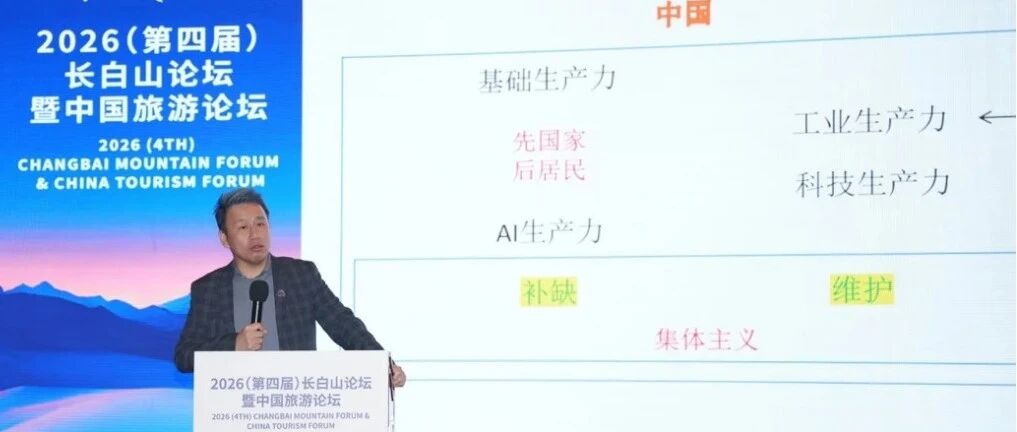
Group 1 - The core theme of the forum is "Investment Empowerment and Cultural Tourism Coexistence," highlighting the importance of investment in the cultural tourism sector [1] - Economist Fu Peng emphasized the deep adjustment of the global landscape, indicating that changes in trade relations, world order, and global division of labor are underway, leading to significant geopolitical shifts [3][6] - Fu noted that the current geopolitical conflicts, such as those involving Iran, are a result of the transformation in production logic, questioning the relevance of traditional geopolitical strategies [6] Group 2 - Fu predicted that the AI-driven productivity revolution will lead to a disruptive restructuring of production relationships across all industries within the next 5-10 years, with significant changes expected in the next 12-18 months [7][11] - He compared the current investment surge in AI to China's infrastructure boom in the early 2000s, suggesting that the market is effectively signaling the necessity of such investments [10] - Fu raised concerns about the implications of AI on traditional business models, urging industries to rethink their strategies in light of new productivity paradigms [11][12] Group 3 - The rise of AI also brings challenges related to deepfake technology, which poses risks of misuse and ethical concerns, necessitating a rapid response from legal and regulatory frameworks [14][15] - Fu highlighted the need for legal adjustments to address issues such as intellectual property rights and the ethical use of AI-generated content, emphasizing that existing laws are lagging behind technological advancements [15]

全国人大代表周云杰:聚焦民生,呼吁关注“一老一小”
凤凰网财经· 2026-03-05 13:56
Core Viewpoint - The article emphasizes the importance of addressing the needs of the elderly and children, referred to as "one old and one young," through innovative solutions and social responsibility initiatives by companies like Haier [2][3][6]. Group 1: Addressing Elderly Care - The aging population in China has surpassed 320 million, with nearly 17 million Alzheimer's patients, highlighting the urgent need for a comprehensive care system [3][4]. - Haier proposes a digital platform for the entire chain of Alzheimer's care, focusing on prevention, screening, diagnosis, and care, to enhance early detection and intervention [4][6]. - The company aims to create "cognitive-friendly communities" and improve the support network for Alzheimer's patients through innovative healthcare solutions [4][7]. Group 2: Enhancing Children's Scientific Education - The article discusses the critical role of quality science education for children, suggesting the creation of engaging science content to stimulate interest and foster scientific thinking [5][8]. - Haier has been active in this space since 1995 with the creation of the "Haier Brothers" science animation IP, which continues to evolve and promote scientific literacy among children [8][9]. - The company plans to launch the "Haier Little Scientist" initiative to empower rural youth through technology and hands-on scientific experiences, enhancing educational quality [8][9]. Group 3: Corporate Social Responsibility - Haier's approach integrates social responsibility with business strategy, aiming to solve societal issues while driving innovation and growth [6][9]. - The company has initiated campaigns to raise awareness about Alzheimer's, emphasizing the need for societal attention and support for affected families [6][7]. - By aligning its business objectives with community needs, Haier seeks to create a sustainable impact on both the elderly and children's welfare, contributing to national development [9].


抠牙为什么那么臭?原来是它在作怪!“消字号”牙膏,精准打击
凤凰网财经· 2026-03-05 13:56
Core Viewpoint - The article introduces a revolutionary oral care product, a professional oral paste developed by a team of Chinese academicians, which claims to effectively address common oral issues that traditional toothpaste fails to resolve [7][24]. Group 1: Product Features - The product is certified with a national invention patent and a special sanitation license, indicating its credibility and effectiveness [20][24]. - It utilizes patented bioactive glass and marine biological materials, providing a multi-faceted approach to oral care [29][31]. - The toothpaste is free from fluoride and colorants, making it safe for use by pregnant women and children [38][41]. Group 2: Oral Health Issues - The article highlights that 90% of oral problems are not due to inadequate cleaning but rather harmful bacteria [5][12]. - It identifies four harmful bacteria as the main culprits behind most oral issues: Staphylococcus aureus, Escherichia coli, and Candida albicans [10][31]. - Traditional toothpaste only cleans the surface and is ineffective against these harmful bacteria, leading to recurring oral problems [12][31]. Group 3: Mechanism of Action - The toothpaste employs a three-step strategy: precise inhibition of harmful bacteria, establishment of a long-lasting antibacterial layer, and improvement of the oral environment [31][34]. - It forms a protective barrier on the oral surface that continuously suppresses harmful bacteria growth [35][41]. - The product's active ingredients are designed to respond intelligently to the oral environment, releasing beneficial ions when needed [65][70]. Group 4: User Experience and Recommendations - Users report a significant improvement in oral comfort and health, with many noting that they can consume cold beverages shortly after use [67][45]. - The recommended usage method involves a "dry brushing" technique to maximize the effectiveness of the active ingredients [89][91]. - The product is competitively priced, with promotional offers available, making it an attractive option compared to traditional dental treatments [49][54].
GPS信号消失,归期不定:中国船员被困霍尔木兹海峡的第N天
凤凰网财经· 2026-03-05 13:56
Core Viewpoint - The article highlights the precarious situation faced by maritime crews trapped in the Persian Gulf due to escalating military tensions, particularly following Iran's declaration to block the Strait of Hormuz, impacting global shipping and oil transport [6][10][14]. Group 1: Situation Overview - On February 28, a missile was intercepted near a cargo ship, causing panic among the crew, who were unaware they were entering a conflict zone [3][6]. - Following military actions by the US and Israel against Iran, Iran announced a blockade of the Strait of Hormuz, threatening any vessels attempting to pass [7][10]. - Over 150 vessels, including oil tankers, became trapped in the Persian Gulf, unable to navigate due to the conflict [7][10]. Group 2: Crew Experiences - Crew members reported feelings of anxiety and uncertainty as they awaited further instructions while being confined to their ships [8][15]. - The article describes the challenges faced by the crew, including GPS failures and the need to rely on traditional navigation methods amidst the chaos [19][21]. - Some crew members expressed a mix of fear and excitement, with the ship's captain reassuring them during the crisis [13][18]. Group 3: Supply and Resource Management - The article discusses the limited supplies available on board, with some vessels having enough provisions for 40-70 days, but facing challenges in water supply due to the inability to convert seawater into fresh water [35][36]. - As the situation prolonged, crews began to ration their supplies, leading to concerns about shortages, particularly of medications for older passengers on cruise ships [31][37]. Group 4: Broader Implications - The blockade and military actions have led to a significant disruption in global shipping routes, with insurance companies withdrawing coverage for vessels operating in the region [14][15]. - The article emphasizes the psychological toll on crew members, who are now more focused on financial stability amidst the uncertainty of their situation [41].

手握顶级旅游资源却深陷亏损,兰世立:景区不能“只靠门票过日子”
凤凰网财经· 2026-03-05 13:56
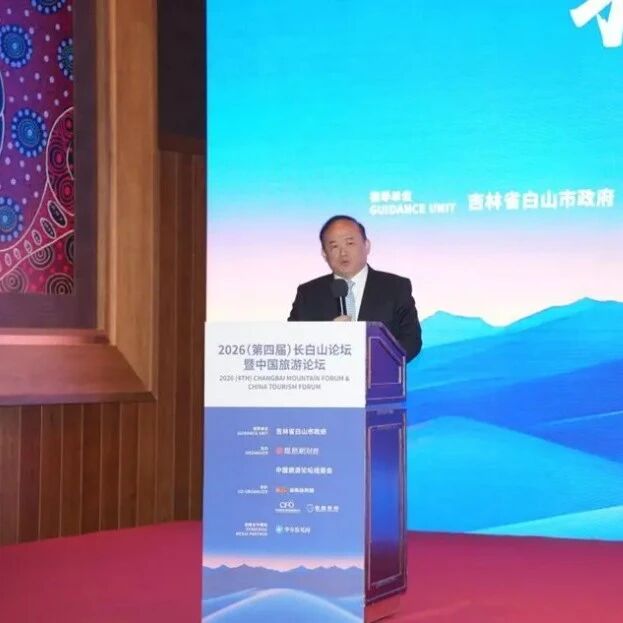
Core Viewpoint - The Chinese tourism industry is at a critical juncture, requiring significant upgrades and changes to move beyond its current state of inefficiency and underperformance [2]. Group 1: Industry Challenges - Despite having top-tier tourism resources, the industry remains in a rough development stage, with many prime locations like Zhangjiajie, Huangshan, and Guilin facing losses instead of capitalizing on market advantages [2]. - The reliance on ticket sales for revenue is unsustainable, indicating a need for a more integrated and innovative approach to tourism [2][3]. - The cruise tourism sector in China is undervalued, and there is substantial room for growth in outbound tourism markets [2]. Group 2: Market Dynamics - Recent entrants into the tourism sector, such as Yu Minhong and Dong Yuhui, are seen as lacking a deep understanding of the industry, focusing more on promotional aspects rather than core tourism operations [3]. - The pricing strategies of some new tourism products, such as those from New Oriental, are criticized for being excessively high and not aligning with the core direction of tourism industrialization [3]. - The majority of travel agencies continue to adhere to traditional models of "air tickets + hotels + tour guides," which lack innovation and market vitality [3].
“最年轻P10”林俊旸挥别阿里,大厂留不住少年天才?
凤凰网财经· 2026-03-05 13:56
Core Insights - The departure of Lin Junyang, a key figure in Alibaba's AI development, has sparked significant discussion within the AI community, highlighting potential internal issues and the ongoing talent war in the industry [1][2][6]. Group 1: Lin Junyang's Background and Departure - Lin Junyang, a graduate of Peking University with a background in computer science and linguistics, joined Alibaba in 2019 and quickly rose to prominence, becoming the youngest P10 technical executive in the company's history by 2025 [3][4]. - His resignation was announced shortly after a high-level meeting at Alibaba focused on AI strategies, indicating a potential shift in the company's direction [4][6]. - Speculations regarding his departure suggest it may be linked to internal restructuring within the Qwen team, which could have limited his management scope [6][7]. Group 2: Implications for the AI Industry - Lin's exit reflects broader concerns within major tech firms about retaining top talent amid organizational changes and the balance between open-source ideals and commercial objectives [8][9]. - The trend of AI talent leaving large companies for startups is becoming more common, with notable figures from Alibaba and other tech giants pursuing independent ventures [11][12]. - The competition for top talent is not confined to China, as major companies like Meta, Google, and Nvidia have invested over $36 billion in acquiring top talent globally, emphasizing the importance of creating an environment conducive to innovation [12].


曾经卖爆的抗衰神器,如今卡在 “无证” 生死线
凤凰网财经· 2026-03-04 13:16
Core Viewpoint - The article highlights the impending regulatory changes for home-use radio frequency beauty devices, emphasizing the need for compliance with new medical device regulations to ensure consumer safety and industry integrity [2][3][4]. Group 1: Regulatory Changes - As of April 1, 2026, the National Medical Products Administration (NMPA) will classify radio frequency beauty devices as Class III medical devices, requiring them to obtain medical device registration certificates to be legally produced, imported, or sold [3][4]. - This regulatory shift aims to enhance consumer safety by mandating rigorous clinical validation and registration processes for these devices, which were previously categorized as personal care products [4][15]. Group 2: Industry Impact - The increase in regulatory requirements serves as a litmus test for companies, determining their operational capabilities and commitment to consumer safety [5][15]. - Brands like Tripollar, once leaders in the market, are now facing challenges due to non-compliance with the new regulations, highlighting the risks associated with the lack of necessary certifications [6][19]. Group 3: Company Case Study - Tripollar - Tripollar's radio frequency beauty device, priced at 2,750 yuan, has gained popularity for its claimed effectiveness in skin rejuvenation, but the company has not yet secured the required medical device registration [10][21]. - Despite previous success, including significant sales figures during promotional events, Tripollar is now under pressure to comply with the new regulations or risk being excluded from the market [29][30]. Group 4: Safety Concerns - The classification of radio frequency beauty devices as high-risk products stems from potential safety hazards, including burns and electrical issues, which can directly affect human physiology [15][33]. - The article notes that global regulatory bodies also categorize these devices as medical equipment, aligning China's regulations with international standards [15][19]. Group 5: Future Outlook - The article concludes that the future of the home-use beauty device market will depend on companies' ability to adapt to regulatory changes, with those prioritizing safety and compliance likely to succeed [41][42]. - The ongoing compliance race will determine which brands can continue to operate legally and which will face significant operational challenges or exit the market [38][39].

激进的4A广告巨头:用AI杀死自己
凤凰网财经· 2026-03-04 13:16
Core Insights - The article discusses the intense competition among traditional advertising giants (4A companies) in the face of the AI revolution, highlighting that AI is no longer just a tool for efficiency but a core strategic element for their future business models [2][3]. - The 4A companies are undergoing a transformation by integrating AI into their operations, which raises questions about their unique value proposition as AI can potentially replace many traditional roles [3]. Group 1: AI Investment and Strategy - Major 4A companies are making significant investments in AI, with WPP planning to invest approximately £250 million in 2024 and increasing it to £300 million in 2025 [4]. - Publicis Groupe has invested around €12 billion in data, technology, and AI over the past decade, while Omnicom aims to double its cost-saving target from AI to $1.5 billion [4]. - Dentsu plans to invest ¥45 billion in AI infrastructure from 2025 to 2027, and Havas is set to invest €400 million in data and AI by 2027 [4]. Group 2: AI Integration and Platform Development - 4A companies are creating centralized AI platforms to streamline operations, such as WPP's WPP Open and Publicis's CoreAI, which aim to consolidate various marketing functions into a cohesive system [5][7]. - The introduction of AI is seen as a necessary evolution to overcome the inefficiencies of traditional human-dependent workflows, allowing for better data utilization and operational efficiency [5][8]. Group 3: Data as a Competitive Advantage - Data is identified as a critical differentiator among 4A companies, with proprietary first-party data and long-term marketing insights being more valuable than publicly available data [20][25]. - WPP's Choreograph platform processes billions of data points to create proprietary AI models, while Publicis's CoreAI leverages trillions of data points for enhanced marketing effectiveness [25][26]. Group 4: Ecosystem and Capital Capabilities - The competition among 4A companies is not just about technology but also about capital and ecosystem capabilities, as they need to maintain access to rapidly evolving technologies [27]. - The ability to integrate new technologies and maintain strategic partnerships with leading AI firms is crucial for sustaining competitive advantages in the advertising landscape [27]. Group 5: Real-World Application and Client Engagement - The successful implementation of AI in real business scenarios is essential for building trust with clients, as demonstrated by WPP's integration of AI into daily workflows for major brands [28][30]. - 4A companies are focusing on delivering measurable results through AI, which helps reduce marketing costs and improve efficiency, making AI a default feature rather than an optional add-on [30][31]. Group 6: The Role of 4A Companies in the AI Era - Despite the rise of internal AI systems among major brands, 4A companies continue to play a vital role in managing complex marketing executions across different markets and channels [32][33]. - The value of 4A companies lies in their ability to leverage AI to simplify processes and enhance the predictability of marketing outcomes without increasing client burdens [33].


如果你每天洗头,还是又痒又油,千万别错过这块古法手工皂
凤凰网财经· 2026-03-04 13:16
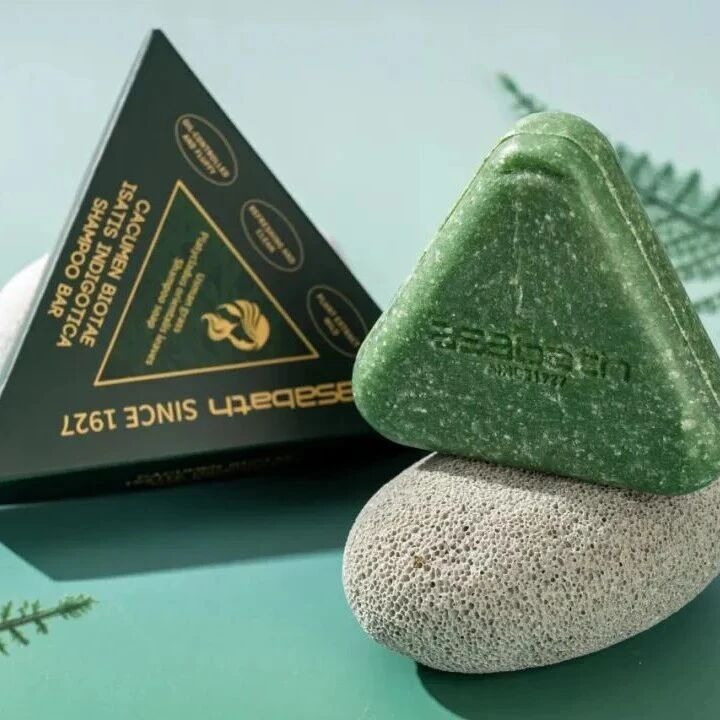
Core Viewpoint - The article emphasizes the importance of maintaining a balanced scalp ecosystem to combat oily hair and dandruff, suggesting a shift to a more natural and effective hair care solution, specifically the asabath handmade shampoo soap from Finland [4][17]. Group 1: Product Introduction - The asabath shampoo soap is presented as a revolutionary product that addresses scalp and hair care effectively, unlike conventional shampoos that may disrupt the scalp environment [4][6]. - It is backed by five authoritative third-party test reports, confirming its efficacy [8]. Group 2: Efficacy and Ingredients - The product targets the root causes of oily scalp and dandruff, which are linked to excessive oil production and the proliferation of Malassezia yeast [17][20]. - The combination of extracts from Platycladus orientalis and tea tree oil is highlighted as a powerful duo that effectively purifies the scalp environment [20][24]. - Scientific data shows that the asabath shampoo soap inhibits 5α-reductase enzyme activity by 37.24% and demonstrates an antibacterial rate against Malassezia of over 86% [24][30]. Group 3: Herbal Benefits - The shampoo soap incorporates traditional herbal wisdom, featuring ingredients like Xinjiang Usman grass, which is known for promoting hair growth [38][40]. - The formulation includes a blend of five herbal essences that work synergistically to nourish the scalp and strengthen hair from the roots [44][53]. Group 4: Unique Selling Points - The product is distinguished by its natural plant-based ingredients, avoiding harmful chemical compounds commonly found in traditional shampoos [57]. - It produces a fine, soft foam that cleanses without damaging hair, ensuring a pleasant washing experience [59][61]. - The soap offers a luxurious fragrance experience, likened to a high-end spa, enhancing the overall user experience [64].
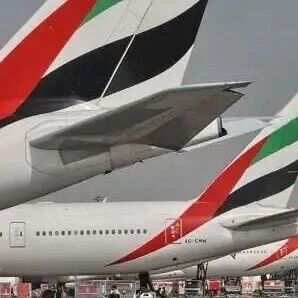
迪拜机场恢复运营,首架飞往中国境内航班今晚落地广州
凤凰网财经· 2026-03-04 13:16
Group 1 - The core viewpoint of the article highlights the resumption of operations at Dubai Airport following the recent conflict in the Middle East, with the first flight to China taking off on March 4 [2] - The article reports that the conflict led to significant disruptions in air travel, with multiple countries, including Israel and Iran, closing their airspace and halting all civilian flights [2] - Domestic airlines in China have introduced special ticket handling policies for flights to the Middle East, indicating a proactive response to the situation [3] Group 2 - The article mentions that the first flight from Dubai to Guangzhou took approximately 6 hours and 14 minutes, covering a distance of 5,845 kilometers [5] - The resumption of flights is seen as a critical step in restoring normalcy in air travel and trade between the Middle East and China [2] - The ongoing situation in the Middle East continues to impact logistics and trade, with both passenger and cargo movements being affected [2]