凤凰网财经

Search documents
我敢打赌,没有中国女人会不喜欢这样一份心意!
凤凰网财经· 2026-03-02 13:18
Core Viewpoint - The article emphasizes the significance of pearls as a timeless gift for women, especially on occasions like International Women's Day, highlighting their elegance and the emotional value they carry [1][8]. Group 1: Importance of Pearls - Pearls are considered a symbol of status and identity among women, especially in royal and elite circles [10][12]. - The allure of pearls lies in their subtle beauty, which contrasts with the more ostentatious nature of diamonds and gold, reflecting the inner strength of contemporary women [6][16]. - The article suggests that wearing pearls can help alleviate age-related anxieties, enhancing the wearer's confidence and elegance [16][18]. Group 2: Product Offering - The article introduces a pearl jewelry set named "Time" from the brand "Zijin Cultural Creation," which symbolizes the beauty that comes with the passage of time [20][24]. - The pearls are sourced from Zhejiang Zhuji, known for producing 70% of the world's freshwater pearls, ensuring high quality and authenticity [27][83]. - The jewelry set includes necklaces, bracelets, and earrings, featuring 925 sterling silver clasps, designed to enhance the overall aesthetic [34][39]. Group 3: Pricing and Value - The retail prices for the pearl jewelry range from 999 yuan to 2999 yuan, with special promotional prices starting at 279 yuan for fans [48][49]. - The article highlights the significant discount offered during the Women's Day event, making high-quality pearls accessible at a fraction of their market value [67][138]. - Each piece comes with a certification of authenticity, ensuring the quality and value of the pearls [54][83]. Group 4: Versatility and Appeal - The pearl jewelry is described as versatile, suitable for various occasions and outfits, enhancing the wearer's elegance regardless of age or style [63][121]. - The design is crafted to complement different clothing styles, from casual to formal, making it a staple accessory for women [130][134]. - The article emphasizes that pearls are not only a fashion statement but also a representation of wealth and sophistication, appealing to a broad demographic [95][136].


不追风口、藏了半辈子,80岁山东老太身家超2300亿,成新女首富
凤凰网财经· 2026-03-02 13:18
Core Viewpoint - The recent Forbes Billionaires List introduced a new name, Zheng Shuliang of Weiqiao Group, who ranks eighth with a net worth of $32.7 billion, highlighting a traditional business approach amidst a tech-driven wealth narrative [2][3]. Group 1: Company Background - Zheng Shuliang and her late husband, Zhang Shiping, built Weiqiao Group from a struggling cotton oil factory in the 1980s, focusing on steady growth and operational efficiency [7][8]. - The company transitioned from textile production to aluminum manufacturing, leveraging self-built power plants to control energy costs, which became a significant advantage in the high-energy aluminum industry [9][10]. Group 2: Business Strategy and Growth - Weiqiao Group's strategy involved gradual expansion and maintaining a stable cash flow, which allowed it to navigate market fluctuations effectively [5][17]. - The company achieved significant milestones, including a successful IPO in 2003, which opened up financing channels and supported rapid growth in its textile business [9][10]. Group 3: Leadership Transition - Following Zhang Shiping's death in 2019, Zheng Shuliang played a crucial role in ensuring a smooth transition by distributing responsibilities among her children, thus maintaining stability within the company [11][12]. - The clear division of roles among family members helped mitigate internal conflicts and allowed the company to continue its operations without major disruptions [12][17]. Group 4: Market Position and Performance - The aluminum industry has seen a resurgence due to rising demand from sectors like electric vehicles and renewable energy, benefiting Weiqiao Group's integrated business model [13]. - Recent financial reports indicate a significant improvement in profitability and cash flow, attributed to the company's stable cost structure and strategic positioning [13][14]. Group 5: Broader Implications - Zheng Shuliang's leadership exemplifies the effectiveness of women in executive roles within family businesses, showcasing a blend of patience and strategic management that can lead to sustained success [26][25]. - The narrative of "wife leaders" in Chinese business highlights the importance of continuity and stability in management, particularly in times of transition [25][26].

中国外贸商在伊朗战火中的48小时:货在仓库,客户失联了
凤凰网财经· 2026-03-02 13:18
Core Viewpoint - The article discusses the significant turmoil in Iran following a military strike by the US and Israel, which has disrupted trade and communication, leading to a shift in market dynamics from profit-seeking to risk-averse behavior among traders and businesses [3][19]. Group 1: Market Dynamics - Despite ongoing turmoil, Iran was previously viewed as a vibrant market, with local consumers actively purchasing goods in response to currency devaluation [1][2]. - The trade volume between China and Iran is nearly $10 billion, with significant exports including machinery, vehicles, and precision instruments [6]. - The recent military actions have led to a complete halt in shipping operations, with major shipping companies suspending services to the region [7][8]. Group 2: Impact on Trade Operations - Traders like Wei Xiaodong are facing significant challenges, with goods stuck in warehouses due to the inability to contact clients, as internet access has been disrupted [6][5]. - Shipping routes have been severely affected, with the closure of the Hormuz Strait and airspace restrictions, leading to a 80% impact on business operations for logistics companies [9][18]. - Increased shipping costs have been reported, with freight rates for containers to the Red Sea region skyrocketing from $2,200 to $7,000, alongside additional war surcharges [17][18]. Group 3: Risk Management and Business Strategy - The current environment has forced businesses to prioritize risk avoidance over profit, with many clients halting orders and shipments due to safety concerns [14][19]. - Companies are now more cautious, with a significant drop in shipping volumes from 120 containers a day to just 20 [15]. - The uncertainty has led to a reevaluation of business strategies, with many traders opting to hold inventory rather than risk shipping [20].
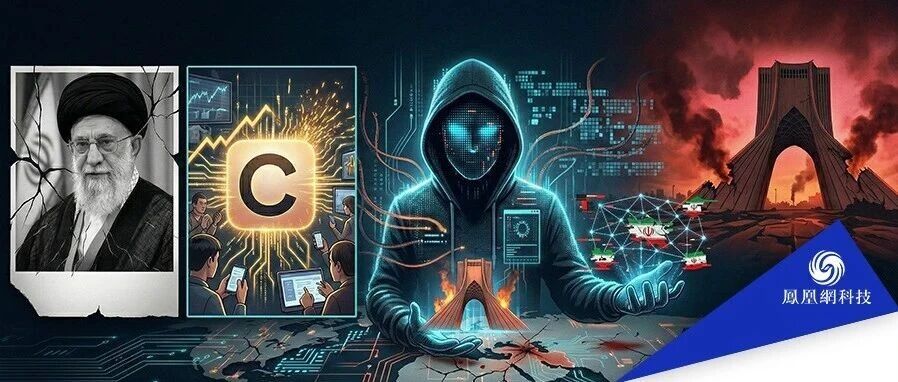
一边被封一边爆火,Claude是哈梅内伊身亡的隐秘杀手?
凤凰网财经· 2026-03-02 13:18
Core Viewpoint - The article discusses the intersection of artificial intelligence (AI) and military operations, particularly focusing on the role of the AI company Anthropic and its model Claude in recent military actions involving the U.S. and Iran, highlighting the complexities and ethical dilemmas surrounding AI in warfare [3][9][10]. Group 1: Military Actions and AI Involvement - On February 28, 2026, the U.S. and Israel launched military strikes against Iran, which led to significant casualties among Iranian leadership, including the death of Supreme Leader Khamenei [4][5]. - Despite a directive from President Trump to halt the use of Anthropic's AI products, the U.S. Central Command utilized the Claude model for intelligence assessment and operational simulations during the military action [6][14]. - The military's reliance on Claude, which was developed by Anthropic, underscores the duality of banning and utilizing AI technologies in military contexts [9][10]. Group 2: Anthropic's Position and Negotiations - Anthropic has established itself as a key player in military AI, being the only company allowed to integrate its model into classified military systems, which raises concerns about the potential for AI to be used in autonomous weapon systems [16][18]. - The company has set clear boundaries regarding the use of its technology, refusing to allow its AI to be used for mass surveillance of U.S. citizens or in fully autonomous lethal weapon systems [10][12]. - Tensions escalated when the U.S. government issued ultimatums to Anthropic, threatening to cancel contracts and label the company as a supply chain risk if it did not comply with military demands [12][13]. Group 3: AI's Role in Modern Warfare - AI's integration into military operations aims to enhance decision-making efficiency and reduce the time required to convert intelligence into actionable military capabilities [21][22]. - The Claude model has been employed for critical tasks such as intelligence evaluation, target identification, and operational scenario simulation, marking a significant advancement in military AI applications [18][20]. - While AI does not directly engage in combat, it plays a crucial role in planning and executing military strategies, effectively determining when and how to engage [23]. Group 4: Industry Reactions and Future Implications - The aftermath of the military actions has led to a divide within the AI industry, with some users expressing support for Anthropic while others are concerned about the implications of AI in warfare [24][25]. - Anthropic's CEO has emphasized the company's commitment to ethical considerations in AI deployment, indicating a cautious approach to military applications [26][27]. - The rapid developments in AI capabilities raise questions about the readiness of technology for combat scenarios, suggesting that the industry may face increasing pressure to adapt to military needs [32].
战争打响,一场改变全球经济的危机正在逼近
凤凰网财经· 2026-03-02 13:18
Group 1 - The global economic growth remains resilient despite trade conflicts and regional tensions, with the oil market being a key indicator for sustaining this positive trend [1] - The focus is on the Strait of Hormuz, where the ability of the US and its allies to prevent long-term disruptions in energy transport is crucial [1] - If oil supply routes remain open and production increases successfully, the economic impact can be controlled [1] Group 2 - Two scenarios for the energy market are proposed: a severe and prolonged disruption of all transport through the Strait of Hormuz, or a situation where only Iranian oil exports are cut off [2][3] - In the first scenario, global oil prices could exceed $100 per barrel, with Brent crude already nearing a seven-month high of approximately $73 per barrel after a nearly 12% increase in the past month [3] - The second scenario could see oil prices rise to at least $80 per barrel, although increased production from other oil-producing countries may mitigate this impact [5] Group 3 - The US has achieved near energy independence, with only 17% of its energy consumption reliant on imports, but disruptions in Gulf oil transport could still affect global oil prices [6] - A $100 per barrel oil price could raise the consumer price inflation rate from 2.4% to over 4%, impacting the Federal Reserve's interest rate decisions [6] - Historical trends suggest that such oil price shocks typically strengthen the US dollar, with a 10% increase in oil prices potentially raising the dollar's value by 0.5% to 1% [6] Group 4 - The majority of oil and LNG transported through the Strait of Hormuz is destined for Asian markets, and a rise in Brent crude prices to $100 could increase global inflation by 0.6% to 0.7% [7] - Europe is expected to be significantly affected by rising oil prices and LNG costs, although its current inflation rate of 1.7% may limit the European Central Bank's policy responses [7] - Central banks may choose to downplay the impact of rising oil prices, as higher energy costs could ultimately reduce consumer purchasing power, leading to a counter-inflationary effect [7]

这个2月有点冷,国内车企销量洗牌
凤凰网财经· 2026-03-02 13:18
Core Viewpoint - The automotive market in February 2026 experienced a significant downturn, with all new energy vehicle manufacturers failing to exceed 30,000 units in monthly deliveries, marking a shift in market dynamics and highlighting the challenges faced by both new entrants and established brands [1][2]. Group 1: Sales Performance Overview - In February, BYD's sales reached 190,190 units, a 41% decline year-on-year, with domestic sales dropping to just over 90,000 units, indicating strong pressure from the seasonal downturn [4][5]. - Geely reported total sales of 206,160 units, showing a slight increase of 1% year-on-year, supported by a remarkable performance from its Zeekr brand, which saw a 70% increase in sales [6]. - Great Wall Motors sold 72,600 vehicles in February, down 7% year-on-year and 20% month-on-month, with 12,744 units being new energy vehicles [9]. Group 2: New Energy Vehicle Manufacturers - New energy vehicle manufacturers collectively faced significant challenges, with AITO and XPeng showing notable declines in sales, with AITO delivering approximately 18,000 units in February, a drop of nearly 50% from January [11]. - XPeng delivered 15,256 vehicles in February, reflecting a nearly 50% year-on-year decline and a 24% month-on-month drop, attributed to the aging of older models and product transition pains [12]. - In contrast, Li Auto delivered 26,421 vehicles, showing a slight year-on-year increase, while NIO achieved a substantial 57.6% year-on-year growth with 20,797 units delivered, driven by strong demand for its ES8 model [18][19]. Group 3: Market Dynamics and Future Outlook - The automotive market is experiencing a dual pressure of declining domestic demand and intense price competition, with over 20 brands, including BYD and Tesla, engaging in long-term low-interest promotions [23]. - Despite the challenges, opportunities exist in the form of decreasing battery costs and advancements in smart driving technology, which could enhance the penetration of new energy vehicles in the market [23]. - The export market is becoming increasingly vital for Chinese automotive brands, with BYD's exports exceeding 100,000 units in February, marking a potential shift in focus from domestic to international markets [5].






伊朗关闭霍尔木兹海峡,现在怎样了?
凤凰网财经· 2026-03-01 12:08
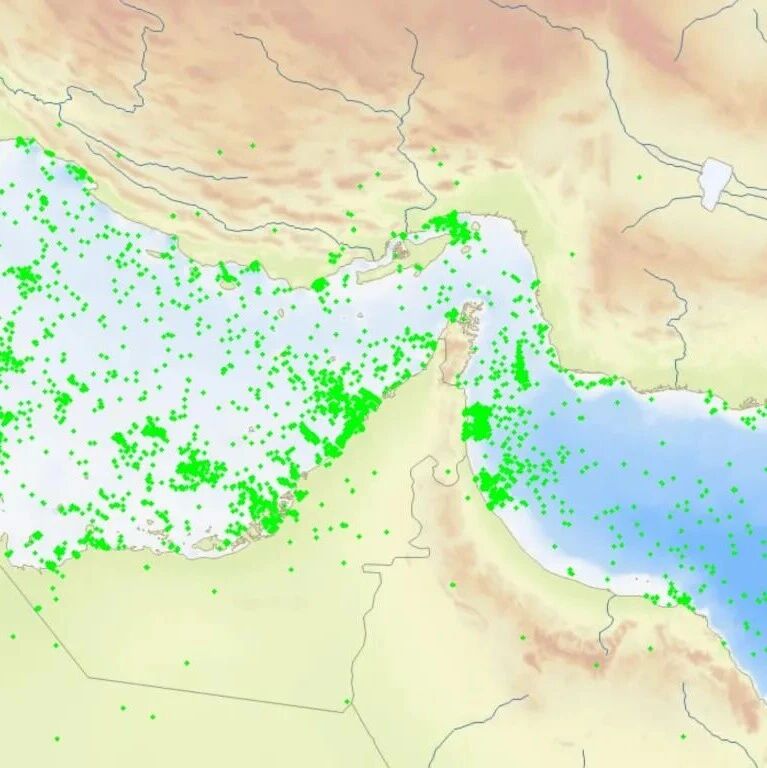
Core Viewpoint - The article discusses the escalating tensions in the Middle East, particularly the closure of the Strait of Hormuz by Iran, which has significant implications for global shipping and oil prices [2][13]. Group 1: Impact on Shipping and Insurance - Iran's Islamic Revolutionary Guard Corps announced the closure of the Strait of Hormuz, leading to a potential 50% increase in insurance premiums for vessels passing through this critical oil passage [2][6][7]. - Following the announcement, the number of vessels transiting the Strait dropped by approximately 70%, with many ships turning back or waiting in nearby waters [3][4]. - Insurance companies are preparing to cancel policies for vessels transporting commodities like oil and grain, anticipating higher re-negotiation costs for coverage [9][10]. Group 2: Oil Price Reactions - Brent crude oil prices surged by 13% to around $80 per barrel following military actions by the U.S. and Israel against Iran, with fears of supply disruptions driving market volatility [14]. - If the Strait remains blocked, it could threaten about 20% of global oil supply, potentially pushing prices above $100 per barrel, with extreme scenarios predicting prices could reach $120-150 per barrel [14][24]. Group 3: Strategic Importance of the Strait - The Strait of Hormuz is a vital shipping route, with approximately 15-20% of the world's oil and a significant portion of liquefied natural gas passing through it [16]. - Historical precedents indicate that while Iran has threatened to close the Strait, it has never fully executed such a closure due to the potential for severe economic repercussions on its own oil exports [22][25]. - The U.S. Department of Energy has acknowledged that even a temporary closure could lead to significant supply delays and increased transportation costs, impacting global energy prices [16]. Group 4: Military and Geopolitical Considerations - Iran possesses various means to disrupt shipping in the Strait, including harassment of vessels and potential missile attacks, but a complete closure would require sustained military presence, which could limit its operational capabilities elsewhere [23][29]. - The article notes that historical patterns suggest Iran is more likely to engage in selective attacks or harassment rather than a total blockade of the Strait [30].
小米汽车大动作!首款Vision Gran Turismo概念车发布
凤凰网财经· 2026-03-01 12:08
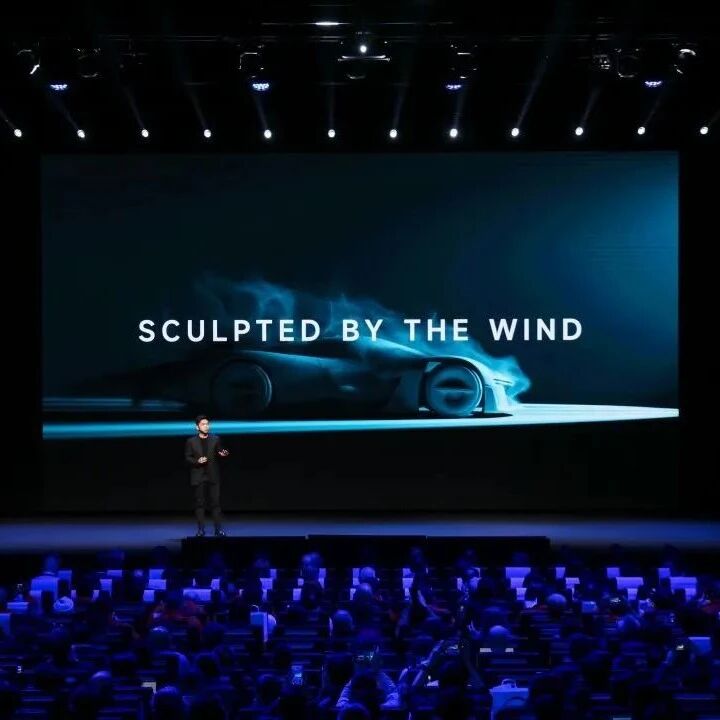
Core Viewpoint - Xiaomi Group officially launched its first concept car, the Xiaomi Vision Gran Turismo, during a global press conference in Barcelona, marking its entry into the automotive industry with a focus on electric and intelligent vehicles [2][4]. Group 1: Concept Car Launch - The Xiaomi Vision GT is a pure electric intelligent supercar designed specifically for the GT simulation driving platform, in collaboration with the creators of the Gran Turismo series [4][5]. - Xiaomi is the first Chinese brand and the 36th brand overall to join the Vision Gran Turismo project, which includes prestigious brands like Bugatti, Ferrari, and Porsche [6]. Group 2: Design and Development - The project allows Xiaomi's global design team to innovate in supercar design from a technology company perspective, aiming to break conventional constraints and envision the ultimate driving experience [5][8]. - Xiaomi has registered multiple copyrights related to the Vision GT concept, indicating proactive intellectual property management ahead of the car's official debut [6]. Group 3: Sales and Production - Currently, Xiaomi has two models on sale: the Xiaomi SU7 and Xiaomi YU7, with a cumulative delivery target of over 410,000 vehicles by 2025 [8]. - As of March 1, 2026, Xiaomi reported over 20,000 vehicle deliveries, and preparations are underway for mass production of the next-generation SU7, which is set to launch in April 2026 [8][11]. - The new generation SU7 will see a price increase of 14,000 yuan for the standard and Pro versions, and 10,000 yuan for the Max version compared to the previous model [11].
中东战火点燃,黄金、原油、股市怎么走?
凤凰网财经· 2026-03-01 12:08
Group 1 - The closure of the Strait of Hormuz, a critical waterway for global oil supply, poses significant risks to the global economy, particularly for Asian economies heavily reliant on Middle Eastern oil, such as Japan and India [2][3] - Approximately 20% of the world's oil consumption, equating to about 18 to 19 million barrels per day, passes through the Strait, while alternative pipelines from Saudi Arabia and the UAE can only handle about 3.5 million barrels per day, or 20% of current capacity [2][3] - Major oil trading companies have suspended shipping routes following Iran's announcement to block the Strait, indicating immediate impacts on global oil supply [3] Group 2 - Predictions from international institutions suggest that prolonged closure of the Strait could lead to oil prices exceeding $120 per barrel, with a potential daily supply shortfall of 14 to 18 million barrels, which could increase inflation by over 1 percentage point [6] - If oil prices rise to the $100 to $120 range, it could trigger stagflation risks, complicating monetary policy for central banks in major economies [9] Group 3 - In response to the geopolitical tensions, gold prices have surged, with futures rising nearly 2% to approach $5,300 per ounce, and spot gold increasing by 3.27% to $5,278.328 per ounce [10][11] - The domestic gold market has reacted swiftly, with prices for gold jewelry increasing by 20% to 30% in some regions, reflecting heightened demand for safe-haven assets [15] Group 4 - The global stock market is experiencing volatility, with significant declines observed in the Saudi stock market and trading suspensions in Kuwait due to the ongoing geopolitical situation [25][26] - Historical patterns suggest that A-shares may initially react negatively to such events but typically recover quickly if the situation stabilizes, although the current closure of the Strait presents a more severe challenge [26][28] - Experts predict that the A-share market will face short-term pressure but may exhibit structural differentiation, with defensive sectors potentially outperforming [29][30]
一晚7家A股公司被查,监管释放重要信号
凤凰网财经· 2026-03-01 12:08
Core Viewpoint - The regulatory signals for listed companies are becoming increasingly evident, with a notable rise in investigations and penalties for violations, particularly concerning misleading statements and financial misconduct [2][3]. Group 1: Investigations and Penalties - On February 27, 2026, seven listed companies or their chairpersons were either investigated or penalized, indicating a trend where an average of one company is investigated every four days since the beginning of the year [3][21]. - The focus of investigations has shifted towards the illegal activities of controlling shareholders, with many being investigated alongside their companies [3][4]. - The recent investigations include Hai Tai Development, Jie Rong Technology, and Shuangliang Energy, all for violations related to information disclosure [4][5]. Group 2: Misleading Statements as a Regulatory Focus - Misleading statements have emerged as a new focal point for the regulatory body, with five companies being investigated for such violations within the first two months of 2026 [6][7]. - A case involving Yihui Long revealed that the company was penalized for inaccurate disclosures regarding a strategic partnership, resulting in a fine of 4 million yuan and additional penalties for its chairman and secretary [7][8]. Group 3: Common Issues in Financial Misconduct - Financial fraud remains a significant issue, with *ST Mubang's fraudulent activities inflating profits by 536.60% in 2023, leading to substantial losses when adjusted for fraud [11]. - Da Hua Intelligent was found to have inflated profits by 8,576 million yuan, accounting for 24.32% of its total reported profits [12]. - *ST Haijin's fraudulent activities date back to 2018, involving inflated revenues of 9.93 billion yuan, which constituted 88.64% of its revenue for that period [13]. Group 4: Emphasis on Fund Misappropriation - Fund misappropriation has become a key area of scrutiny, with *ST Mubang's controlling shareholder implicated in transferring 1.68 billion yuan in non-operational funds, representing 17.96% of the audited net assets [14]. - *ST Haijin's controlling shareholder was involved in misappropriating nearly 50 million yuan through non-commercial trades [14][15]. Group 5: Accountability of Key Personnel - The penalties imposed on key personnel, such as the chairman of Wen Tou Holdings, signal a strict approach to holding top executives accountable for corporate misconduct [16][18]. - The regulatory body has emphasized the importance of accountability for controlling shareholders and executives, with significant fines imposed on individuals exceeding those on their companies in some cases [18][20]. Group 6: Overall Regulatory Trends - The first two months of 2026 have seen an increase in the number of investigations and penalties compared to previous years, with 14 companies newly investigated and 7 receiving prior notice of penalties [21][22]. - The regulatory framework is tightening, with a clear focus on systemic financial fraud and the accountability of all responsible parties within companies [19][20].