凤凰网财经

Search documents
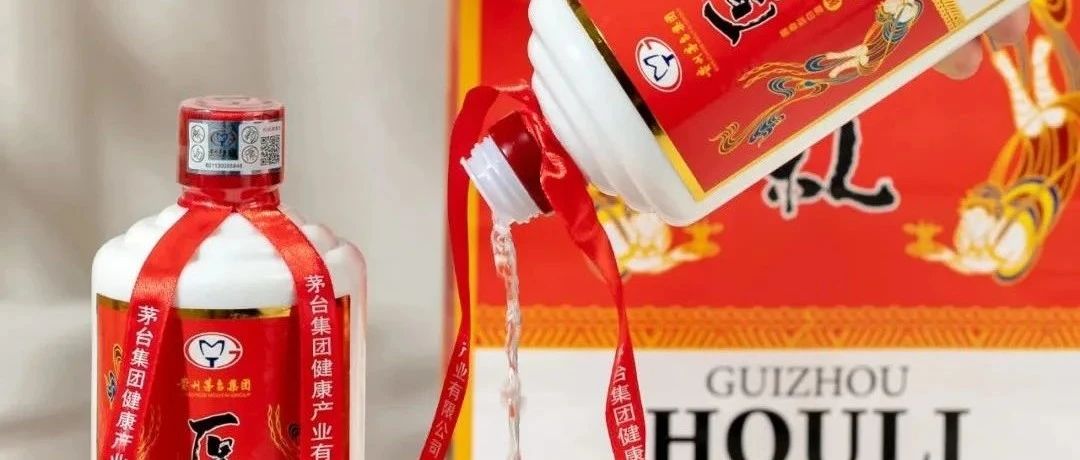
1098元的茅台厚礼酒,现清仓还有赠品,同事一次囤了12箱
凤凰网财经· 2025-05-27 13:18
Core Viewpoint - The article highlights the appeal of the Guizhou Moutai Group's "Thick Gift Ceremony" liquor as a more affordable alternative to the high-priced Moutai Flying Fairy, especially during festive seasons when gifting is customary in Chinese culture [10][8]. Group 1 - The "Thick Gift Ceremony" liquor is a 53° sauce-flavored white liquor produced in 2019, emphasizing its premium quality and traditional brewing methods [36][12]. - The product is marketed as a suitable gift for social occasions, with a festive red packaging that symbolizes good fortune [31][33]. - The current promotional price for a box of six 500ml bottles is 359 yuan, significantly lower than the official price of 1098 yuan for two bottles [88][25]. Group 2 - The liquor is produced using pure grain fermentation without any additives, ensuring a high-quality taste and aroma [16][47]. - It has received positive reviews for its rich flavor and smooth finish, making it appealing for both personal enjoyment and gifting [18][72]. - The production process involves a lengthy fermentation cycle, contributing to its unique flavor profile and quality [60][63]. Group 3 - The product is backed by the Guizhou Moutai Group, a reputable company known for its high-quality liquor, ensuring consumer trust [36][41]. - Each bottle features a QR code for authenticity verification, enhancing consumer confidence in the product's legitimacy [27][83]. - The article emphasizes the cultural significance of gifting liquor during holidays and gatherings, positioning the "Thick Gift Ceremony" as an ideal choice for such occasions [4][85].


冲上热搜!男星张翰,被起诉
凤凰网财经· 2025-05-27 13:18
Core Viewpoint - The article discusses the legal issues surrounding actor Zhang Han and the restaurant brand "Shaobenshao," highlighting the company's financial troubles and Zhang's involvement as a former shareholder [1][2]. Company Overview - "Shaobenshao" was established in January 2021 with a registered capital of 10 million yuan, and Zhang Han held a 10% stake until his exit in April 2023 [2]. - The company has faced multiple bankruptcy auctions and has been listed in the business abnormality record, with five instances of being executed against, totaling 2.2492 million yuan [2]. - As of May 27, 2023, there are still 7 operational "Shaobenshao" outlets across 5 provinces and 6 cities, primarily in lower-tier cities [2][4]. Financial and Legal Issues - Zhang Han's exit from the company occurred shortly before the company was restricted from high consumption, raising speculation about his financial obligations [2]. - The company is currently undergoing bankruptcy review, and if the court finds Zhang Han liable for capital deficiencies, he may face additional financial responsibilities [2]. Industry Context - The article notes a trend of celebrities entering the restaurant industry, with many facing operational difficulties or closures [8]. - Historical data shows that several celebrity-led restaurant brands have significantly reduced their number of operational outlets over the years, indicating challenges in sustaining such ventures [9][12].

云鲸的困局:中产,已不想再供“扫地爹”
凤凰网财经· 2025-05-27 08:44
Core Viewpoint - Yunji Intelligent, founded by Zhang Junbin, has transformed the home cleaning industry with its "automatic mop washing" robot, achieving a valuation of over 10 billion yuan and recently securing $100 million in Pre-IPO financing led by Tencent. However, the company faces significant user complaints regarding product reliability and service issues [1][4][11]. Group 1: Company Growth and Financing - Yunji Intelligent has completed 11 rounds of financing, with major investors including Tencent, Sequoia China, and Hillhouse Capital, and has initiated a Pre-IPO financing plan [6][7]. - The company has experienced rapid growth, with a revenue increase of 130% year-on-year in 2024 and a nearly 700% increase in overseas markets [11]. - The recent financing round marks the beginning of Yunji's journey towards an IPO, with a strategic plan to enter the embodied intelligence sector and develop new household products within two years [5][9]. Group 2: Product Issues and User Complaints - There are 2,671 complaints about Yunji products on a complaint platform, highlighting issues such as charging failures, sensor malfunctions, water leakage, and low cleaning efficiency [7][13]. - Users have reported frequent malfunctions requiring repairs shortly after purchase, with some expressing frustration over poor customer service and product reliability [20][23][29]. - The company has been criticized for its handling of customer complaints, with reports of inadequate support and accountability from the service team [20][21][29]. Group 3: Market Competition and Industry Trends - The global market for vacuum robots is projected to reach 20.6 million units sold in 2024, with a market size exceeding $9.31 billion, reflecting a growth rate of 19.4% [9]. - Competitors like Ecovacs and Roborock have successfully capitalized on this growth, while Yunji faces intense competition and price wars, leading to a decline in average prices for lower-end models [10][12]. - The industry is witnessing a trend where high-end features are being integrated into mid-range products, intensifying competition and affecting market dynamics [11][12].
永辉还没“变胖”,名创却快“挤不出奶”了
凤凰网财经· 2025-05-26 14:16
Core Viewpoint - Miniso's financial performance in Q1 2025 shows revenue growth but declining profits, indicating challenges in maintaining profitability amid expansion efforts [1][5][9]. Financial Performance - Miniso's revenue increased by 18.9% year-on-year to 4.427 billion yuan, while adjusted net profit decreased by 4.8% to 587 million yuan, resulting in a net profit margin drop from 16.6% to 13.3% [1][5]. - The increase in costs is attributed to significant spending on IP licensing, which rose by 39.6%, and overseas direct store expenses, which surged by 71.4% [1][5][10]. - Same-store sales experienced a slight decline, indicating that revenue growth is heavily reliant on new store openings rather than improved operational efficiency [1][7]. Expansion Strategy - Miniso's overseas direct store count reached 608, up from 327 a year earlier, with overseas revenue growing by 30% to 1.59 billion yuan [5][10]. - The company is facing high operational costs in overseas markets due to a focus on direct and agency models, which increases expenses significantly [10][11]. Challenges in Domestic Market - The domestic market is nearing saturation, with a penetration rate of nearly 50% in first-tier cities, making further growth through new store openings increasingly difficult [7][9]. - Miniso's reliance on new store openings to drive growth is unsustainable, as same-store sales have not shown significant improvement [7][9]. IP Strategy and Market Position - Miniso has partnered with over 150 global IPs, boosting its gross margin from 26.7% in 2019 to 44.9% in 2024, but this reliance on IP licensing has led to increased sales expenses and potential market saturation [9][10][19]. - The company is perceived as a channel operator rather than an IP brand developer, which affects its market valuation compared to competitors like Pop Mart [19][20]. Acquisition and Reform Efforts - The acquisition of Yonghui Supermarket is seen as a strategic move to seek new growth avenues, but it has faced challenges, including internal power struggles and ongoing losses [11][12][21]. - Yonghui's reform efforts include upgrading the supply chain and closing underperforming stores, but these actions require significant capital and have not yet yielded positive results [13][16][21]. Future Plans and Market Positioning - There are plans to spin off the TOP TOY brand for a potential IPO to raise approximately $300 million, which could alleviate cash flow pressures on Miniso [17][19]. - The competitive landscape in the toy market is intense, and TOP TOY must establish a unique positioning to attract investor interest [20][21].


美国5月关税收入已达223亿美元,创历史新高
凤凰网财经· 2025-05-26 14:16
【 热门视频推荐 】 由凤凰网主办的"2025中国企业出海高峰论坛"将于6月28-29日在深圳举行。论坛以"更开放的世界 更共赢的机遇"为主题,探讨新兴市场出海攻略,汇聚30 余国经贸代表、超50家行业领军企业及百余位政策制定者,聚焦政策研判、产业实战与区域合作,为中国企业全球化提供系统性解决方案与资源对接平 台。 点击下方" 阅读原文 ", 会议详情及合作与参会咨询。 来源|国际财闻汇 根据美国财政部上周五发布的数据,5月迄今为止的关税收入已创下月度记录新高,至少达到223亿美元。 本财年美国政府的关税收入已经达到近930亿美元,其中43%来自4月和5月。美国总统特朗普曾表示希望关税成为政府的一个重要收入来源。上周 五,特朗普威胁对欧盟征收50%的关税,并对外国制造的智能手机征收25%的关税。 在1913年国会通过所得税法之前,关税曾是美国联邦政府的主要收入来源,但这之后,其在政府收入中的比重相比个人所得税和企业所得税一直低 得多。 ...
白酒界变天了!1499的五粮液硬通货,现188抱走2瓶
凤凰网财经· 2025-05-26 14:16
Core Viewpoint - The article emphasizes the value and quality of Wuliangye liquor, particularly the "Yizun Tiantian" product, highlighting its authenticity and premium nature, making it suitable for gifting and special occasions [1][4][35]. Group 1: Product Quality and Authenticity - Wuliangye is recognized as a leading representative of Chinese liquor, particularly in the strong aroma category [4]. - The "Yizun Tiantian" liquor is produced by Yibin Wuliangye Co., Ltd., ensuring its authenticity [11]. - The liquor is made using a traditional five-grain formula, adhering to national standards, and contains no additives [15][39]. Group 2: Packaging and Presentation - The product features a unique and luxurious packaging design, including a high-end acrylic box and a dragon motif, symbolizing prestige [19][62]. - Each bottle has a unique code for authenticity verification, enhancing consumer confidence [22][64]. Group 3: Pricing and Promotions - The retail price for two bottles is set at 1499 yuan, but promotional offers allow consumers to purchase them for 188 yuan for two 500ml bottles, making it an attractive deal [24][66]. - The promotion includes a gift bag, making it suitable for gifting [28][66]. Group 4: Historical Significance and Craftsmanship - Wuliangye has a rich history dating back to 1909, with a reputation for excellence in brewing techniques and flavor [33][35]. - The liquor is produced using ancient fermentation techniques and unique local conditions in Yibin, Sichuan, which are crucial for its quality [49][53][57].


长城汽车魏建军炮轰汽车圈“恒大”,A股汽车板块单日蒸发1000亿元
凤凰网财经· 2025-05-26 14:16
Core Viewpoint - The automotive sector in A-shares and Hong Kong stocks experienced significant declines due to a combination of price wars and public disputes, leading to a substantial market value loss across the board [1][2]. Group 1: Market Performance - A-shares automotive stocks collectively dropped, with BYD's A-share price falling over 6% at one point, closing down 5.93% at 310 CNY per share, with a total market value of less than 1.16 trillion CNY [1]. - In Hong Kong, the automotive sector fared worse, with BYD shares dropping over 9% at one point, closing at 421.8 HKD per share. Other companies like Geely and Li Auto also saw declines exceeding 9% [2][3]. Group 2: Price Wars and Competitive Dynamics - BYD initiated a new round of price cuts, launching a promotional campaign with discounts up to 53,000 CNY on various models, indicating a strong competitive pressure in the market [8][9]. - The price cuts are part of a broader strategy, with BYD aiming for a total sales target of 5.5 million vehicles by 2025, a nearly 30% increase from the previous year [9][10]. Group 3: Industry Commentary - Wei Jianjun, chairman of Great Wall Motors, criticized the current state of the automotive industry, suggesting that some manufacturers are overly focused on market capitalization rather than profitability, likening the situation to the "Evergrande" crisis [5][6]. - Wei emphasized the need for a healthy development of the automotive industry, advocating for a focus on sustainable practices rather than short-term gains [5].

穆迪评级下调后,美国金融 “纸牌屋” 摇摇欲坠
凤凰网财经· 2025-05-26 14:16
Group 1 - The article discusses the recent cooling of the U.S. 20-year Treasury auction and the poor performance of Japanese bonds, signaling potential financial crisis risks [1][2] - It highlights the resurgence of stagflation and the failure of Keynesianism, drawing parallels to the 1970s economic turmoil [1][2] - The article critiques Modern Monetary Theory (MMT) and its implications for U.S. and Japanese debt levels, with Japan's debt-to-GDP ratio at 260% and U.S. federal debt surpassing $36 trillion [2][3] Group 2 - The concept of "privileged currency" under MMT is examined, suggesting that the ability to print money is being challenged by rising bond yields, with U.S. 30-year Treasury yields exceeding 5% [2][3] - The article argues that the illusion of "debt monetization" is being dismantled as inflation pressures shift to asset bubbles and currency volatility [3][4] - It emphasizes the historical context of Japan's economic policies and the potential consequences of reduced bond purchases by the Bank of Japan [5][6] Group 3 - The article notes the rise in gold prices as a reaction to the perceived failures of the modern monetary system, indicating a loss of confidence in sovereign currencies [4][5] - It discusses the implications of Moody's downgrade of the U.S. credit rating and the potential for a currency devaluation-type default, with estimates of a 30%-40% loss in purchasing power for investors [6][7] - The article warns of a potential financial crisis as foreign investment in U.S. debt declines, reminiscent of the 1971 "Nixon Shock" [6][7] Group 4 - The article concludes with a historical perspective on the cyclical nature of economic theories, emphasizing the importance of learning from past mistakes and the need for genuine economic recovery based on productivity and equity [7][8]

杀疯了!中国车企狂攻日系腹地,最后堡垒要被击穿
凤凰网财经· 2025-05-26 14:16
Core Viewpoint - The article discusses the significant shift in the ASEAN automotive market, where Chinese car manufacturers are rapidly increasing their market share at the expense of Japanese brands, particularly in the electric vehicle segment [1][3][24]. Group 1: Market Dynamics - The ASEAN automotive market, previously dominated by Japanese brands, is experiencing a dramatic change as Chinese car manufacturers gain ground [4][9]. - In Indonesia, the market share of Chinese cars has surged from less than 2% in 2019 to 6% in 2024 [5]. - In Thailand and Malaysia, the market shares for Chinese cars are projected to be 12% and 23% respectively in 2024, compared to nearly zero and 17% in 2019 [6]. Group 2: Electric Vehicle Segment - Chinese car manufacturers dominate the electric vehicle market in ASEAN, holding 45% of total electric vehicle sales [8]. - In Thailand, BYD leads with a 30% market share in electric vehicles, followed by Great Wall Motors at 20% and SAIC at 15% [8]. Group 3: Japanese Manufacturers' Response - Japanese car manufacturers are facing unprecedented challenges, with their market shares in Indonesia dropping to 89% in 2024, down 6 percentage points from 2019 [9]. - Nissan plans to close one of its factories near Bangkok and reduce its workforce by 1,000 employees by September 2025 [10]. - Honda is also consolidating its operations, planning to merge two factories in Thailand by 2025 [11]. Group 4: Strategic Moves - Chinese car manufacturers are investing in local production to leverage government incentives and reduce costs [16]. - The Thai government offers substantial subsidies for local electric vehicle production, including a sales subsidy of up to 150,000 Thai Baht per vehicle [16]. - Japanese manufacturers are also planning to invest $4.3 billion in electric vehicle production in Thailand over the next five years [23]. Group 5: Economic Context - The ASEAN economy has been growing steadily, with a GDP of $3.8 trillion as of 2023, making it the fifth-largest economy globally [24]. - The region is seen as a strategic area for Chinese companies under the Belt and Road Initiative, with significant potential for growth in the electric vehicle sector [25][26].





热搜爆了,王健林又有大麻烦了?
凤凰网财经· 2025-05-26 10:45
Core Insights - After the failed listing and the betting agreement, Wang Jianlin has been continuously optimizing Wanda's assets, including selling 78 Wanda Plazas, Wanda Hotels, and shares in Wanda Film [1][5] - As of the first three quarters of 2024, Wanda Commercial Management has significantly increased its borrowing, with short-term loans reaching 3.89 billion yuan, a year-on-year increase of 190.47%, and long-term loans amounting to 106.46 billion yuan, up nearly 14% [1][23] Group 1: Asset Sales and Financial Struggles - In 2024, Wanda Group faced a total execution amount exceeding 7.5 billion yuan, with an additional 8 billion yuan in equity frozen in 2025 [2][17] - Despite expanding the number of Wanda Plazas, the effectiveness has declined, with a decrease of nearly 10 million visitors and a sales drop of 5.1 billion yuan during the May Day holiday in 2025 compared to 2021 [3][26] - Wang Jianlin's recent sale of 48 Wanda Plazas has drawn significant public attention, indicating a continued trend of asset liquidation [6][8] Group 2: Historical Context and Debt Issues - Since 2017, Wang Jianlin has been selling assets primarily due to the failed attempt to list on the A-share market after the company's delisting from Hong Kong [14][15] - The company's debt reached nearly 300 billion yuan in 2019, prompting asset sales to reduce liabilities, including the sale of 91% of shares in 13 projects for 43.8 billion yuan [15][16] - As of the first half of 2024, Wanda Commercial Management reported a revenue of 39.93 billion yuan, a year-on-year increase of 2.83%, but net profit fell by 11.55% compared to the previous year [21][23] Group 3: Operational Performance - Wanda Commercial Management's cash flow from operating activities was approximately 16.45 billion yuan, while investment activities generated a negative cash flow of 13.90 billion yuan [21][23] - The gross profit margin for the investment property leasing and management business, which accounts for 90.87% of total revenue, improved from 69.4% to 71.37% [21][23] - However, hotel operations saw a decline in revenue from 789 million yuan to 598 million yuan, with a gross profit margin dropping to 36.32% [21][23]