凤凰网财经

Search documents
“增利不增收”、现金流“亮红灯”,宇信科技港股IPO谁来买单?
凤凰网财经· 2025-12-26 12:44
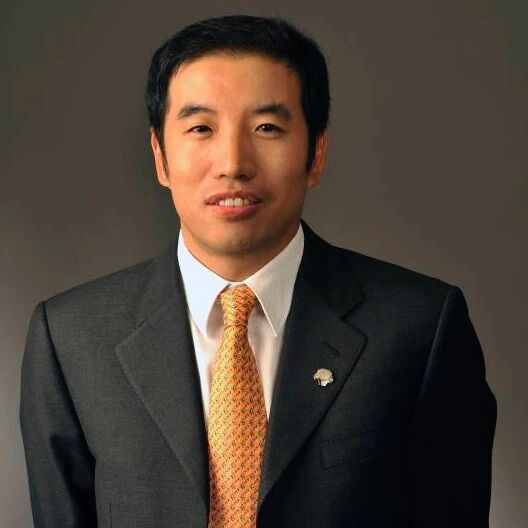
来源丨凤凰网财经《IPO观察哨》 作者丨DW 2024年营收同比下滑超过24%,净利润却增长超16%;海外布局喊了五年,2024年收入占比仍不到1%;在AI军备竞赛的关键时刻,研发人员在2024年减少 了超过500人……这些矛盾的信号,同时出现在一家行业龙头公司的港股IPO招股书里。 12月24日,北京宇信科技集团股份有限公司(以下简称"宇信科技")向港交所二次提交上市申请书,联席保荐人为华泰国际、法国巴黎银行。此刻谋求港 股上市,究竟是其为了突破主业天花板的一场战略豪赌,还是在增长乏力与现金流重压下的无奈自救? 01 背靠百度,从清华夫妻店到金融IT龙头 宇信科技的故事始于1999年那个互联网勃兴的年代。创始人洪卫东从清华大学自动化系毕业后,毅然放弃了西科姆(中国)有限公司的安稳职位,创办了北 京宇信鸿泰科技发展有限公司,这便是宇信科技的前身。 (宇信科技创始人洪卫东) 这并非一场孤独的冒险,洪卫东的妻子吴红随后也加入其中,两人将一家初期的硬件系统供应商,一步步发展成如今拥有841项软件著作权及71项专利的综 合型金融IT服务商。 | | | | | | | 商首相重意或 | | --- | --- | - ...

金融圈炸锅!中信建投连续两人栽了,“投行第一美女”也没逃过……
凤凰网财经· 2025-12-26 12:44
Core Viewpoint - The investment banking sector is currently facing significant scrutiny and legal repercussions, highlighted by the recent sentencing of two senior executives from CITIC Securities for corruption-related offenses, indicating a broader trend of increased regulatory oversight in the financial industry [3][4][5]. Group 1: Cases of Corruption - CITIC Securities has seen two of its senior executives, Du Pengfei and Fang Beibei, sentenced to over 10 years in prison for corruption, with Du receiving a sentence of 10 years and 2 months for accepting bribes totaling 410.64 million yuan, while Fang was sentenced to 10 years and 6 months for receiving 540 million yuan in kickbacks [4][6][23]. - Fang Beibei, known as the "first beauty of investment banking," was involved in a bond issuance case where she facilitated the concealment of issues faced by the issuer, leading to her conviction for bribery [6][18]. - Du Pengfei's case involved a scheme where he received bribes through stock holdings related to an IPO project, which he helped to misrepresent to the public [25][26]. Group 2: Regulatory Environment - The recent cases reflect a significant shift in the regulatory landscape, with the financial sector facing heightened scrutiny and enforcement actions against corruption, particularly in state-owned financial institutions [28][32]. - The classification of certain investment banking roles as "state workers" has led to more severe penalties under the law, with the threshold for sentencing being lower for those deemed to be in public service [19][20]. - The ongoing investigations and legal actions against various financial institutions, including Postal Savings Bank, indicate that no entity in the financial sector is immune from regulatory oversight [33][34].


凤凰服务台:聚焦金融&股市投资者心声,等你来吐槽/点赞
凤凰网财经· 2025-12-26 12:44
作为金融消费者,你是不是也曾遭遇过各种陷阱,却投诉无门?或者也曾持有优秀的理财、保险产品,却没有分享渠道? 作为散户你是不是曾遭遇过上市公司的不公正待遇,想维权却孤立无援?或者,你手握行业第一线的真实投资/消费故事,渴望被听见、被关注? 凤凰网响应国家防范化解金融风险,保护金融消费者合法权益,推动资本市场高质量发展的政策号召,搭建垂直于金融机构与资本市场的网友反馈平台 ——"凤凰服务台",以期让留言网友的声音"被看见、被回应"! 你可以在这里做什么? ·合规发声,流程极简! ·你的留言,被广泛看见! 优质、真实、有价值的留言,将被凤凰网财经编辑团队精选,并连线进行核实沟通,以合规案例在凤凰网全平台披露,让你的合理诉求与真实观点获得广 泛关注。 ·你的权益,得媒体维护! 若你提交的是维权类留言,且事件真实合法、具有典型社会价值,凤凰网将依法依规为你发声,通过媒体监督力量推动问题得到重视与合理解决,助力维 护你的合法权益。 为什么选择我们? 无论是吐槽不良体验,还是点赞优秀服务,或是揭露行业问题,你只需填写机构名称、你的留言内容、昵称和电话(仅用于核实与联系),一键提交,即 可完成发声。 留言不再只是"说说而已" ...

2025青岛财富论坛:探究财富管理助力中国式现代化的“青岛实践”
凤凰网财经· 2025-12-26 12:44
Core Viewpoint - The 2025 Qingdao Wealth Forum serves as a significant platform for discussing the future of wealth management in China, focusing on the theme of "Wealth Management Supporting the Practice of Chinese-style Modernization in Qingdao" [1][5][22]. Group 1: Forum Overview - The forum, hosted by the Qingdao Municipal Government, gathered over 500 leaders, experts, and entrepreneurs from the economic and financial sectors, establishing a high-quality platform for collaboration [1][5]. - This event marks the 11th consecutive year of the Qingdao Wealth Forum, which has evolved into a benchmark platform for high-end, professional, and international dialogue in the wealth management industry [5][7]. Group 2: Key Discussions and Insights - The main forum featured speeches from prominent figures, including former Deputy Governor of the People's Bank of China, Li Dongrong, who discussed the role of digitalization and intelligence in advancing the wealth management sector [10]. - Experts emphasized the unprecedented opportunities for the wealth management industry due to the deepening application of digitalization and intelligence, while also addressing challenges such as changes in financing structures and declining interest rates [16]. Group 3: Financial Development in Qingdao - Qingdao has been recognized as a significant source of wealth management innovation in China, having established a wealth management financial reform pilot zone in 2014, which has contributed to its evolution into a financial stronghold [19][21]. - The Qingdao Financial Center ranked 35th among 120 global financial centers in the 38th Global Financial Center Index, marking its continuous presence in the top 50 for 18 consecutive times [19]. Group 4: Financial "Five Major Articles" - The central financial work conference highlighted the importance of financial services in supporting high-quality economic and social development, focusing on five major areas: technology finance, green finance, inclusive finance, pension finance, and digital finance [22]. - Qingdao aims to achieve an average annual loan growth rate of no less than 10% in these five areas by 2027, fostering a unique "Qingdao model" for financial development [22]. Group 5: Sector-Specific Financial Initiatives - In the technology finance sector, Qingdao's financial institutions have increased support for technological innovation, with a technology loan balance reaching 575.4 billion yuan, a 9.7% increase from the beginning of the year [24]. - The green finance sector has seen a loan balance of 587.9 billion yuan, growing by 15.34%, positioning Qingdao among the leaders in national growth rates [24]. Group 6: Inclusive and Pension Finance - Qingdao has been selected as a demonstration zone for inclusive finance development by the central government for four consecutive years, enhancing financial accessibility for small and micro enterprises [26]. - The city has also expanded its pension finance sector, with over 2.31 million personal pension accounts opened by mid-year [26]. Group 7: Future Outlook - The 2025 Qingdao Wealth Forum is positioned as a pivotal event for transitioning into the "15th Five-Year Plan," continuing to leverage its platform to gather global insights and empower Qingdao in becoming a competitive emerging wealth financial center [26].

对话蔡冠深:IPO重回全球第一,香港金融中心地位正在回归【完整版】 |《封面》
凤凰网财经· 2025-12-25 13:48
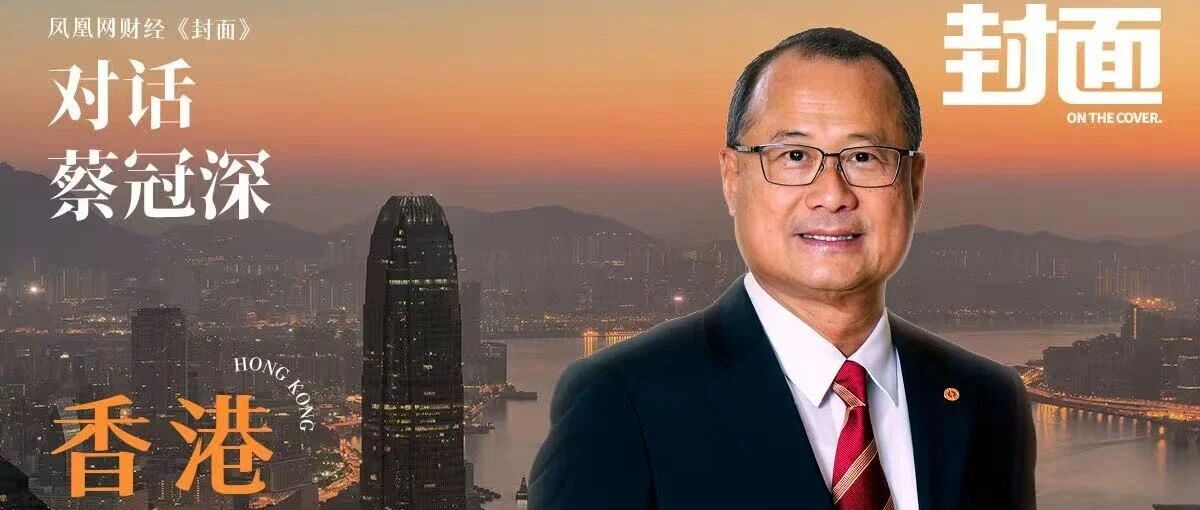
Core Viewpoint - Hong Kong is undergoing a fundamental transformation, evolving from a "contact" role to a "value-added" role in the global economy, particularly in the context of its financial center status and the integration with the Greater Bay Area [1][2]. Group 1: Financial Recovery and IPOs - Hong Kong's IPO financing amount has returned to the top globally in the first half of 2025, indicating a significant recovery of financial confidence and a response to previous capital outflow concerns [4][5]. - The influx of capital is attributed to the government's talent and enterprise attraction policies, which have led to increased IPO activity and a resurgence of funds from regions like the US and Singapore [5][6]. Group 2: Strategic Restructuring - Three major transformations are occurring in Hong Kong: systematic financial confidence restoration, strategic reconstruction of tech capabilities, and paradigm shift in outbound business models [2]. - The unique positioning of Hong Kong under the "One Country, Two Systems" framework is highlighted as a fundamental advantage that cannot be replicated by other financial centers like Singapore [2][7]. Group 3: Digital Currency and Offshore Finance - Hong Kong is positioned as a key hub for offshore RMB transactions, with over one trillion RMB in offshore funds, emphasizing the need to activate these funds for better circulation and utility [11][12]. - The integration of digital RMB with offshore RMB systems is seen as a potential way to enhance trade settlement efficiency and stability [11]. Group 4: Greater Bay Area Integration - The focus is on improving "soft connectivity" in the Greater Bay Area, addressing issues related to the flow of people, goods, capital, and data, which are crucial for fostering innovation and collaboration [15][16]. - The need for regulatory frameworks to facilitate data flow between Hong Kong and mainland China is emphasized, particularly in the context of AI and technology development [16][18]. Group 5: Outbound Business Strategies - The "combined shipping" strategy is proposed for Hong Kong enterprises to leverage their financial and professional service strengths alongside mainland manufacturing and infrastructure capabilities to explore emerging markets like ASEAN and the Middle East [20][27]. - The focus on local market development in regions like Vietnam is encouraged, highlighting the potential for strong consumer demand and the importance of localization in business strategies [26][27]. Group 6: Technological Innovation - The government aims to accelerate the development of the Northern Metropolis to integrate technology and finance, with a focus on reducing project approval times to foster innovation [29][30]. - The relationship between Hong Kong and Shenzhen is framed as complementary, with Hong Kong providing financial services and R&D while Shenzhen focuses on industrialization and production [31].
对赌协议高悬、突击分红6200万,泳池机器人“豪赌”港股
凤凰网财经· 2025-12-25 13:48
Core Viewpoint - The article discusses the transformation journey of Tianjin Wangyuan Intelligent Technology Co., Ltd. (Wangyuan Technology), which is attempting to shift from an Original Design Manufacturer (ODM) to a self-branded Original Brand Manufacturer (OBM) in the face of significant financial challenges and operational risks [1]. Group 1: Company Background and Transformation - Wangyuan Technology, established in 2005, initially thrived as an ODM for pool cleaning robots, with 90.9% of its revenue coming from ODM business in 2022, while self-branded revenue was only 6% [2][3]. - The company began its transition to self-branded products around 2023, aiming to break free from its dependency on a few international clients, but this shift has led to a significant decline in profit margins [3]. Group 2: Financial Performance - From 2022 to 2024, Wangyuan's revenue increased from 318 million RMB to 544 million RMB, but net profit fell from 98 million RMB to 71 million RMB, resulting in a net profit margin drop from 30.82% to 12.97% [3]. - In the first half of 2023, despite a 41.63% year-on-year revenue growth, the net profit margin decreased from 18.27% to 16.11% [4]. Group 3: Sales and Marketing Expenses - Sales expenses surged from 10.07 million RMB in 2022 to 174 million RMB in 2024, a 16-fold increase, with the first half of 2024 seeing a 71.34% rise compared to the same period in 2023 [5]. - The largest portion of sales expenses is attributed to advertising and promotional costs, raising concerns about the company's heavy reliance on marketing over research and development [5][6]. Group 4: Cash Flow and Inventory Issues - Operating cash flow plummeted from 126 million RMB in 2022 to just 650,000 RMB in 2024, with a negative cash flow of -1.54 million RMB in the first half of 2024 [7][8]. - Inventory levels increased from 98.4 million RMB at the end of 2022 to 266 million RMB in the first half of 2025, leading to longer turnover days and heightened risks of obsolescence [9]. Group 5: Governance and Controversies - Prior to its IPO application, Wangyuan declared a dividend of 62 million RMB despite negative cash flow, raising questions about the fairness of this decision to minority shareholders [10]. - The company is also under scrutiny due to a "buyback agreement" that could impose significant cash repayment obligations if the IPO fails, further complicating its financial situation [11].

鸿蒙的“生态时刻”:一场关乎数字未来的静水深流
凤凰网财经· 2025-12-25 13:48
Core Viewpoint - The article emphasizes the significant progress and transformation of the HarmonyOS ecosystem, highlighting its evolution from a basic operating system to a robust platform that fosters collaboration among developers, users, and partners, ultimately contributing to China's digital sovereignty [1][3][19]. Group 1: Ecosystem Development - The HarmonyOS has achieved a milestone with over 32 million devices and 350,000 applications, showcasing a 95% ecosystem maturity, indicating a shift from mere usability to a fully functional and integrated ecosystem [3][8]. - The transition from HarmonyOS 5 to 6 represents a systemic evolution rather than a simple version update, marking a critical point in the ecosystem's development [5][6]. - The ecosystem's growth is driven by a collaborative approach, where developers and users actively contribute to its evolution, creating a self-sustaining growth model [16][17]. Group 2: User Experience Philosophy - The concept of "usability" in HarmonyOS is defined through three dimensions: intelligence, interconnectivity, and security, which enhance user experience by making technology seamlessly integrated into daily life [9][10][12]. - The system's ability to predict user needs and facilitate device integration reflects a significant advancement in user experience, moving beyond basic functionality [9][10]. - The security framework aims to rebuild trust in the digital ecosystem, which is essential for user confidence and the stable operation of the system [10]. Group 3: New Infrastructure Thinking - HarmonyOS is positioned as a crucial component of China's digital economy, representing a new form of infrastructure that supports the Internet of Things (IoT) and aims to establish a leading position in the global ecosystem [13][14]. - The operating system is not merely a technical product but a strategic initiative to regain control over the digital landscape, which was previously dominated by foreign technologies [13][14]. Group 4: Collaborative Ecosystem - The HarmonyOS ecosystem redefines the relationship between platforms and partners, promoting a "co-evolution" model where diverse developer needs and user behaviors contribute to system optimization [16]. - This collaborative approach ensures that all participants in the ecosystem derive value, fostering natural growth without the need for forced integration [16]. Group 5: Future Outlook - The article concludes with an optimistic view of the HarmonyOS's future, suggesting that the ongoing collaboration among developers, users, and technology will lead to a continuously improving ecosystem [21][23]. - The upcoming challenges in the market will be met with confidence, as the established user base and application ecosystem demonstrate the platform's potential for growth and innovation [21].
王思聪名下资产被法拍,“估值-166万元,起拍价10.75万元”
凤凰网财经· 2025-12-25 13:48
Core Viewpoint - The article discusses the auction of an 8% equity stake in Mai Ji Culture Communication Co., Ltd., owned by Beijing Pusi Investment Co., Ltd., highlighting the company's financial struggles and recent operational challenges [1][6]. Group 1: Auction Details - The auction is for an 8% equity stake in Mai Ji Culture, with a starting price of 107,400 yuan and an assessed value of -166,620 yuan [1][2]. - The auction is being conducted by the Dalian Intermediate People's Court, with a required deposit of 10,000 yuan and a bidding increment of 1,000 yuan [1][2]. Group 2: Company Background - Beijing Pusi Investment Co., Ltd. was established in December 2009, with a registered capital of 20 million yuan, and is fully owned by Wang Sicong [4][6]. - The company has previously managed assets exceeding 1 billion USD and invested in nearly 80 projects, including Panda Interactive Entertainment and Hero Interactive [6][7]. Group 3: Mai Ji Culture's Performance - Mai Ji Culture, which entered the market in 2019, initially gained popularity with its immersive interactive game dramas but has faced significant operational issues, including mass layoffs and store closures in 2024 [6][8]. - Following a strategic financing round in 2022, the company's ownership structure diversified, with the largest shareholder holding 52.2% of the equity [6][7]. Group 4: Broader Context - The article notes that this is not the first asset sale by Wang Sicong in 2024, as he previously exited management of another company, indicating ongoing financial pressures [8]. - The article also mentions Wang Sicong's involvement in a new venture, Huanju Commercial, which focuses on immersive entertainment and has plans for significant investments in tourism projects [9][11].
酱香白酒齐齐跌落神坛?这才刚开始
凤凰网财经· 2025-12-25 13:48
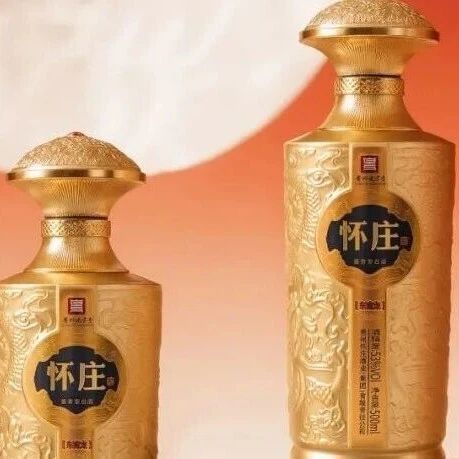
Core Viewpoint - The article promotes the "Huaizhuang·Oriental Dragon" private collection gift box, highlighting its quality, packaging, and significant discount from the original price, making it an attractive option for consumers looking for high-quality sauce-flavored liquor at a reasonable price [6][15][39]. Group 1: Product Details - The "Huaizhuang·Oriental Dragon" gift box includes a 500ml bottle of sauce-flavored liquor, a 100ml special sample liquor, and two small cups, emphasizing both quality and aesthetics [6][30]. - The product is produced by Guizhou Huaizhuang Liquor Industry (Group) Co., Ltd., a well-established brand in the sauce-flavored liquor market [11][40]. - The liquor adheres to the GB/T10781.4 (premium) standard, ensuring its high quality and authenticity [12][52]. Group 2: Pricing and Promotions - The original price of the gift box is 799 yuan, but it is currently offered at a promotional price of 119 yuan per box or 399 yuan for a case of four boxes, representing a significant discount [15][90]. - The case purchase includes four 500ml bottles, four 100ml sample bottles, four gift bags, and eight small cups, making it a cost-effective option for consumers [17][33]. Group 3: Brand and Quality Assurance - Guizhou Huaizhuang Liquor Industry was established in 1983 and is recognized as a time-honored brand, having received multiple awards and certifications for its quality [42][44]. - The liquor is made from pure grain, using only high-quality sorghum, wheat, and water, with no additional additives, ensuring a premium product [52][78]. - The company guarantees authenticity with a one-code-per-bottle system, allowing consumers to verify the product's legitimacy [22][87].
全球疯抢黄金,但一个风险正在逼近……
凤凰网财经· 2025-12-25 13:48
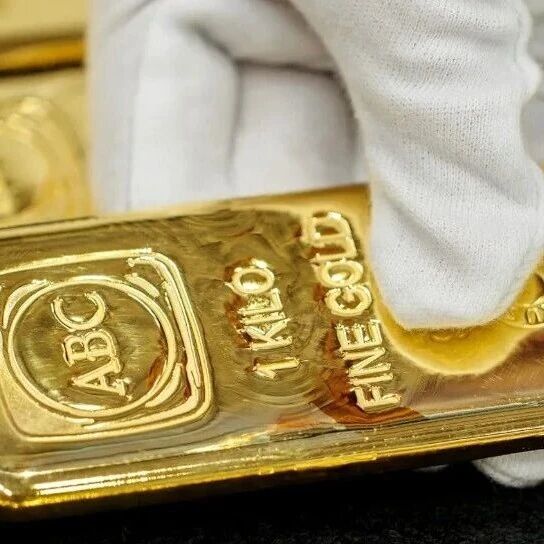
Core Viewpoint - The article discusses the recent surge in gold prices, highlighting the factors driving this increase and the potential risks associated with it. Group 1: Reasons for Gold Price Surge - Geopolitical Tensions: Ongoing conflicts, such as the Thailand-Cambodia situation and the "Southern Spear" operation in Latin America, have heightened demand for gold as a safe haven asset [4][6] - Monetary Easing: The shift from tightening to easing by the Federal Reserve has historically been a strong driver for gold bull markets. Current expectations for interest rate cuts in 2026 are fueling this trend [6][8] - Currency Devaluation Concerns: With global government debt rising significantly, there is growing anxiety about the purchasing power of fiat currencies. Central banks have been net buyers of gold for 14 consecutive quarters, purchasing over 1,000 tons annually [8][10] Group 2: New Paradigm of Gold Investment - Transition to Strategic Asset: Gold has evolved from being viewed merely as a commodity to being recognized as a strategic asset, which implies a more stable pricing structure and diversified pricing factors beyond just interest rates [10][12] - Enhanced Functions: Gold now serves not only as an inflation hedge but also as a safeguard against extreme monetary and geopolitical risks, making it a crucial insurance asset [12] - Price Predictions: Major investment banks like Goldman Sachs and JPMorgan have raised their target prices for gold to between $4,900 and $5,055 per ounce for 2026 [12] Group 3: Upcoming Risks - Potential Sell-off in January: A warning from JPMorgan indicates that a significant sell-off may occur between January 8 and 14 due to passive funds needing to rebalance their portfolios, which could lead to increased volatility in gold and silver prices [14][15] - Pressure on Silver: The sell-off could particularly impact silver, which may account for 9% of total open contracts, while gold could represent 3% [14]