凤凰网财经

Search documents
大涨!金饰价冲上1403元,专家称黄金可能突破5200美元
凤凰网财经· 2025-12-23 13:43
21世纪经济报道 . 权威、专业、深度、有趣!用经济思维看世界。 互联网新闻信息服务许可证编号:44120180007 延续本周一的上涨热潮,黄金期货与现货黄金价格双双暴涨并再创历史新高。 其中,COMEX黄金升破4500美元/盎司,年内涨幅超71%;现货黄金升破4485美元/盎司,年内涨幅超70%,两大品种均刷新历史纪录。国内金价 站上千元大关。 | | 国际贵金属 | | | | | --- | --- | --- | --- | --- | | 名称 | 现价 | 涨跌 | 涨跌幅 | 年初至今 | | NYMEX铂 | 2211.3d | 121.9 | 5.83% | 142.89% | | NYMEX铝 | 1904.50d | 73.60 | 4.02% | 109.40% | | 现货铂金(美元/盎司) | 2178.90 | 49.20 | 2.31% | 141.03% | | 现货把金(美元/盎司) | 1807.00 | 32.90 | 1.85% | 98.90% | | COMEX自银 | 69.730d | 1.165 | 1.70% | 138.07% | | COMEX黄金 ...


法拉利撞上护栏后迅速起火,知名游戏大佬被困车内身亡
凤凰网财经· 2025-12-23 13:43
Core Viewpoint - The article discusses the tragic death of Vince Zampella, co-founder of the Call of Duty series and a significant figure in the gaming industry, due to a car accident, and its potential implications for Electronic Arts (EA) amidst a major acquisition deal [1][2][6][13]. Group 1: Vince Zampella's Impact and Legacy - Vince Zampella was a pivotal figure in the gaming industry, known for his role as the chief designer of Medal of Honor: Allied Assault and co-founding Infinity Ward, which created the Call of Duty series [7]. - The Call of Duty series has become a cultural and commercial benchmark in video game history, redefining the evolution of shooting games and influencing countless players and creators [7]. - After leaving Infinity Ward, Zampella co-founded Respawn Entertainment, which produced successful titles such as Titanfall, Apex Legends, and Star Wars Jedi: Fallen Order, and became a key asset for EA after its acquisition in 2017 [9]. Group 2: EA's Recent Developments - EA announced a significant acquisition deal worth $55 billion in cash with a consortium including Saudi Arabia's Public Investment Fund, Silver Lake, and Affinity Partners, marking it as the largest all-cash privatization acquisition in history [10]. - Prior to the acquisition announcement, EA reported stable financial results for Q1 of FY2026, with net revenue of $1.671 billion, net profit of $201 million, and net bookings of $1.298 billion, exceeding company guidance [10]. - EA's sports game products and Apex Legends have shown strong performance, with FC Mobile setting a quarterly net bookings record and F1 25 experiencing significant revenue growth [11]. Group 3: Future Implications - Analysts believe that upcoming titles such as Battlefield 6 and FC 26 will be crucial for EA's growth in the coming quarters [12]. - The unexpected passing of Vince Zampella, who was responsible for the Battlefield series, raises questions about the potential impact on the acquisition and the future direction of EA [13].

以前洗油烟机2小时,现在10分钟搞定,老妈看完直接愣住!
凤凰网财经· 2025-12-23 13:43
忙忙碌碌一天,和家人坐下来吃一顿热菜热汤,一家人的幸福感莫过于此。 但幸福总是短暂的,看到 厨房一片狼藉 等你收拾,简直比早起上班还痛苦。 还有灶台的插座、电饭煲的插头、冰箱、微波炉,但凡厨房的东西, 表面都有粘腻的油污 。 想要彻底进行清洁,每次擦得满头大汗,腰酸背痛也刷不干净,抹布,铁丝球,废了一个又一个。 什么锅碗瓢盆、剩菜渣子,那点轻油污都不算回事儿~ 灶台面、油烟机、橱柜,甚至是灶台后面的墙壁,糊着 厚厚腻腻的重油污 ,恶心的能把隔夜饭给吐 出来! 就连我妈这个高端选手,也头疼的很,经常说明天吧明天吧......可是明天何其多! 厨房油污长期放任不管,不仅恶心, 更会滋生出各种细菌,甚至蟑螂在上面爬来爬去…… 尤其年关将近,大扫除提上日程,别人家都在窗明几净地准备年货,您家难道还要对着这油污重重 的厨房发愁吗? 这样环境做出来的饭菜,怎么放心给孩子吃?怎么迎接新年? 但是欧洲不少家庭,却把厨房收拾的干净又卫生,还非常轻松,怎么做到的? 在芬兰留学的Lisa说,她们普遍在用 Asabath厨房油污净 ,这个拥有 96年历史的芬兰百年品牌 , 是当地家庭公认的油污界"当家花旦"! -Asabath 厨房 ...

突发!特朗普叫停美国所有在建海上风电项目
凤凰网财经· 2025-12-23 13:43
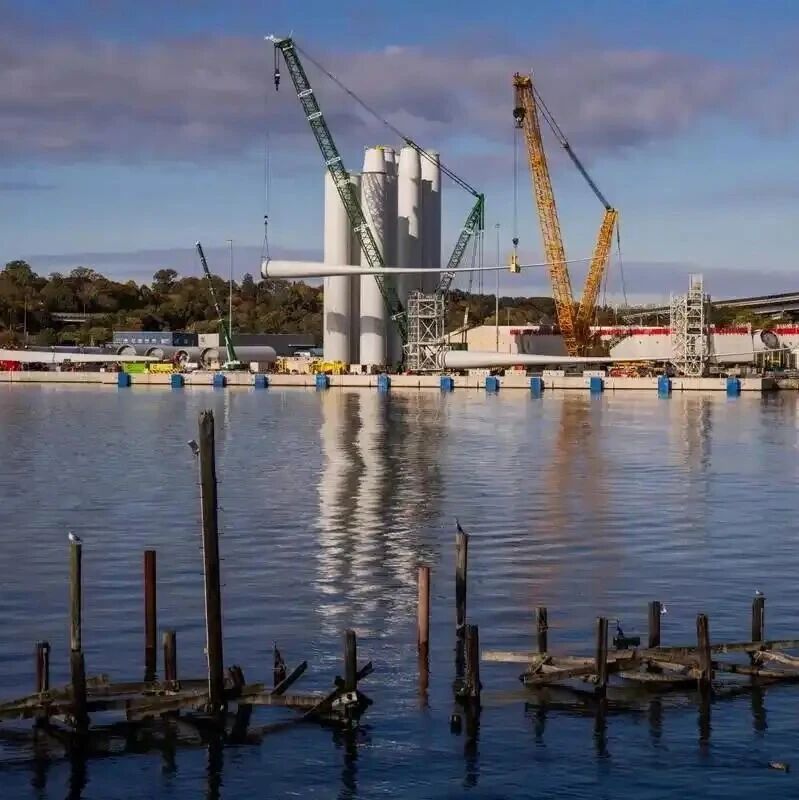
Core Viewpoint - The Trump administration's sudden halt of all ongoing offshore wind projects in the U.S. is seen as the most significant blow to the industry to date, reflecting an increased resistance to the clean energy sector [1]. Group 1: Project Impact - The ban affects five large ongoing projects from Massachusetts to Virginia, with all related federal leases suspended [2]. - The projects impacted include Vineyard Wind 1, Revolution Wind, Coastal Virginia Offshore Wind, Sunrise Wind, and Empire Wind 1 [3]. - Following the announcement, stock prices of related energy companies experienced significant volatility, with Orsted's stock dropping over 11% and Dominion Energy's stock falling more than 5% [3]. Group 2: Political and Employment Risks - Tensions between the Trump administration and the offshore wind industry have escalated since his return to the White House, with Trump previously expressing disdain for wind energy [4]. - The Massachusetts Democratic Governor Maura Healey criticized the action as "illegal," claiming it leads to job losses during the holiday season, with an estimated 12,000 direct jobs in the offshore wind sector threatened by such policies [4]. - Industry leaders argue that the ban is an attempt by the president to impose personal preferences, which could increase energy costs and hinder investment, while noting that the projects could provide nearly 6 gigawatts of power, sufficient for all of Manhattan [4]. - Prior to government intervention, the offshore wind industry was already facing financial difficulties due to rising wages, increased borrowing costs from higher interest rates, and a global shortage of installation vessels, leading to project delays and renegotiations [4].
地方文旅守着“黄金资源”愁变现?雅阁给出专业破局答案
凤凰网财经· 2025-12-22 13:42
Core Viewpoint - The article emphasizes the robust expansion and strategic transformation of the Agod Hotel Group as it celebrates its 20th anniversary, highlighting its adaptation to the evolving tourism market and the integration of cultural and experiential elements into its offerings [1][8]. Group 1: Expansion and Transformation - The Agod Hotel Group has recently rebranded the former Austel Select Hotel to the Shaoguan Yunmen 5 Seasons Agod Resort Hotel, marking a significant addition to its high-end resort portfolio in China [2]. - This transformation reflects a deep understanding of the trend towards immersive travel experiences, moving away from superficial sightseeing to deeper cultural engagement [3]. - The year 2025 is projected to be pivotal for the Agod Hotel Group, with a focus on high-end, diversified, and strategically positioned projects that align with national tourism integration goals [4]. Group 2: Industry Challenges and Opportunities - The Chinese hotel industry is at a critical juncture, transitioning from rapid growth to a focus on quality and value enhancement, with local state-owned assets playing a crucial role in this transformation [9]. - Many local state-owned hotels face challenges in converting their abundant resources into value, often due to a lack of market-oriented operational experience [10][11]. - Agod's collaboration with local state-owned enterprises aims to bridge the gap between resource availability and effective value realization, leveraging prime locations and cultural assets [12]. Group 3: Operational Strategies - Agod's approach involves a three-dimensional restructuring to enhance the value of state-owned tourism assets, focusing on asset recognition, operational logic, and trust in partnerships [19][31]. - The company redefines hotels as regional cultural and tourism hubs, emphasizing the importance of connecting guests with local resources and experiences [21][23]. - Agod employs a light-asset cooperation model, providing brand output and management empowerment to enhance the operational capabilities of state-owned hotels [26]. Group 4: Professional Engine and Value Creation - Agod's "professional engine" encompasses strategic positioning, digital infrastructure, cultural empowerment, and traffic operation, driving continuous value enhancement [33]. - The company differentiates itself by aligning high-end offerings with local cultural elements, avoiding the pitfalls of homogenization in the hotel industry [37]. - Agod's digital transformation focuses on improving operational efficiency and guest experience through a comprehensive digital operating system [39]. Group 5: Global Expansion Strategy - Agod is expanding internationally by focusing on emerging markets along the Belt and Road Initiative, avoiding direct competition with established international brands [46]. - The company targets regions with high potential for tourism and insufficient high-end accommodation, such as Kenya and Fiji, capitalizing on the growing demand from Chinese outbound tourists [47]. - Agod's localized operational framework ensures successful integration into foreign markets, providing a model for other Chinese hotel brands looking to expand internationally [53].

告别征信“污点”?央行出手,这几类逾期记录有望一次性清零
凤凰网财经· 2025-12-22 13:42
Core Viewpoint - The People's Bank of China has implemented a "one-time credit repair" policy aimed at helping millions of individuals with small overdue debts regain their creditworthiness by removing certain overdue information from credit reports if debts are fully repaid by March 31, 2026 [2][3]. Group 1: Policy Details - The policy applies to overdue amounts of up to 10,000 RMB per single instance, covering various types of loans including mortgages, credit cards, and personal loans, without differentiating between financial institutions or loan types [3][4]. - The overdue information eligible for removal must have occurred between January 1, 2020, and December 31, 2025, and must be fully repaid by the specified deadline [4][5]. - The policy is designed to assist individuals who are not malicious defaulters but have faced financial difficulties, particularly due to the impacts of the COVID-19 pandemic [5][6]. Group 2: Repayment Conditions - Borrowers must not only repay the overdue amounts but also ensure that current monthly payments are made on time to qualify for credit repair [6][7]. - The credit repair process will automatically identify and process eligible overdue information without requiring additional actions from the borrowers [8]. Group 3: Verification Process - Borrowers are advised to confirm their repayment amounts and statuses to ensure compliance with the policy, utilizing official channels for inquiries [9][10]. - It is crucial for borrowers to avoid reliance on illegal intermediaries that may mislead them regarding the credit repair process [11].

资不抵债、研发外包,L4玩家主线科技亟需上市输血
凤凰网财经· 2025-12-22 13:42
Core Viewpoint - The article discusses the challenges and opportunities faced by Mainline Technology, a Level 4 autonomous driving truck company, as it prepares for its IPO in Hong Kong. Despite being a market leader in closed-road scenarios with a 31.8% market share, the company faces significant financial pressures, including high debt levels and cash flow issues [2][6][26]. Financial Performance - Mainline Technology's revenue is projected to grow from 112 million RMB in 2022 to 254 million RMB in 2024, reflecting a compound annual growth rate (CAGR) of 50% [9]. - The company's gross margin is expected to increase from 3.7% in 2022 to 22.7% in 2024, and further to 30.3% in the first half of 2025 [12]. - Despite revenue growth, the company has reported net losses of 278 million RMB in 2022, 213 million RMB in 2023, and 187 million RMB in 2024, totaling nearly 800 million RMB in cumulative losses [12][14]. Cash Flow and Debt Situation - Mainline Technology's cash and cash equivalents have significantly decreased from 120 million RMB at the end of 2022 to 30.7 million RMB by mid-2025, a reduction of approximately 75% [14]. - The company has been in a net debt position for several years, with total net debt rising from 598 million RMB at the end of 2022 to 1.078 billion RMB in the first half of 2025 [16]. R&D and Operational Strategy - The company's R&D expenses have fluctuated, with 1.47 billion RMB in 2022, dropping to 1.19 billion RMB in 2023 and 1.15 billion RMB in 2024 [18]. - Mainline Technology has outsourced 35.5% of its R&D costs in 2024, which increased to 44% in the first half of 2025, aiming to reduce fixed costs but potentially risking core technology retention [21][23]. Customer Concentration and Payment Terms - The company has a high customer concentration, with revenue from the top five customers accounting for 79.4% in 2022, decreasing to 73.7% in the first half of 2025 [23][25]. - The average collection period for receivables has increased from 126 days in 2022 to 200 days in the first half of 2025, indicating pressure from high customer concentration [25]. Market Position and Future Outlook - Mainline Technology is positioned as a leader in the autonomous truck market, but it must demonstrate a sustainable business model to attract investor confidence as it approaches its IPO [26][27].

某媒体对2026马年神预判,让人醍醐灌顶!
凤凰网财经· 2025-12-22 13:42
Core Viewpoint - The article emphasizes the enduring value of print media, particularly the "Sanlian Life Weekly," in an era dominated by digital and fragmented information, highlighting its role in fostering deep thinking and providing quality content [3][16][19]. Group 1: Historical Significance - "Sanlian Life Weekly" has a history of accurately predicting economic trends in China, such as its foresight in 2003 about the impending economic boom and its warnings about the 2008 financial crisis [8][9]. - The magazine has been influential in shaping the perspectives of its readers, with many attributing their personal growth and understanding of the world to its content [31]. Group 2: Content and Audience - The magazine covers a wide range of topics, including news, society, economy, culture, and personal development, appealing to a diverse readership that includes prominent figures from various fields [12][21][23]. - It aims to provide readers with a deeper understanding of contemporary issues, encouraging independent thought and meaningful discussions within families [35][37]. Group 3: Subscription and Value Proposition - The subscription for the 2025-2026 edition offers 52 issues at a promotional price of 390 yuan, which is considered a valuable investment for families seeking quality reading material [38][100]. - Subscribers receive additional benefits, such as a complimentary issue valued at 88 yuan, enhancing the overall value of the subscription [39][111]. Group 4: Quality and Presentation - The magazine is noted for its high-quality production, with visually appealing layouts and substantial content that resembles a book in thickness, making it accessible for all ages [102][109]. - It aims to provide a serene reading experience amidst the chaos of modern life, allowing readers to engage with substantial content in a thoughtful manner [102][113].

疯狂星期一,黄金白银狂飙
凤凰网财经· 2025-12-22 13:42
在多重利好因素的共振下,全球贵金属市场正迎来高光时刻。 周一,受地缘政治局势恶化及美联储降息预期推动,现货黄金、白银价格再度联袂走高,双双创下历史新高。其中,现货黄金价格冲上4380美元上 方;白银价格一度涨超2%,将历史高位推升至68美元以上。 值得注意的是,铂金表现尤为亮眼。周一,铂金自2008年以来首次升破2000美元/盎司关口,今年以来累计涨幅已超过120%。 01 避险需求与货币政策共振 地缘政治风险的升级是推升贵金属避险吸引力的主因。近期,美国加强了对委内瑞拉的石油封锁以向马杜罗政府施压;同时,乌克兰首次在地中海袭 击俄罗斯"影子船队"油轮,加之波动的中东局势,市场避险情绪显著抬升。 在货币政策方面,尽管上周美国经济数据指引尚不清晰,但交易员目前预计美联储将在2026年降息两次。对于不支付利息的黄金和白银而言,宽松的 货币环境构成了长期利好。 2025年注定是贵金属市场载入史册的一年。黄金和白银均有望创下1979年以来最大的年度涨幅。截至目前,白银价格已实现翻倍,黄金价格则飙升 约三分之二。 强劲的需求支撑了这一涨势。一方面,各国央行持续增加黄金购买量;另一方面,黄金ETF资金流入明显。世界黄金协 ...

把消费者当小偷防,优衣库惹怒年轻人
凤凰网财经· 2025-12-22 13:42
Core Viewpoint - The article discusses the negative consumer experience at Uniqlo stores in China, highlighting issues of surveillance and privacy violations, which have led to a backlash against the brand [2][6][18]. Group 1: Consumer Experience and Surveillance - Many consumers have reported feeling uncomfortable due to being closely monitored by staff, with some even being followed and photographed under the suspicion of theft [3][6]. - Internal reports indicate that certain Uniqlo stores have a practice of labeling suspicious customers as "11号" (No. 11), leading to invasive monitoring and sharing of their images among staff [7][10]. - The practice of surveillance is reportedly directed by regional managers, indicating that it is a systematic approach rather than isolated incidents [6][12]. Group 2: Impact on Business Performance - Uniqlo's parent company, Fast Retailing, reported a global revenue increase of 9.6% and a profit increase of 16.4% for the fiscal year 2025, but the Greater China region saw a revenue decline of 4% and a profit drop of 12.5%, marking the first time both metrics fell in this market [21][23]. - The decline in performance is attributed to changing consumer preferences, with younger shoppers seeking more unique and fashionable options rather than basic items, which Uniqlo primarily offers [27][28]. - The company has begun to shift its strategy from aggressive store expansion to focusing on fewer, higher-quality flagship stores that enhance customer experience [29][30]. Group 3: Future Strategies - Uniqlo is attempting to improve its market position by enhancing store experiences and integrating digital services, such as online ordering and in-store pickup [31][32]. - However, regaining consumer trust after the surveillance incident may take considerable time, and the competitive landscape in the Chinese apparel market is intensifying [33][34].