投资界

Search documents
人均150的火锅店正在消失
投资界· 2025-10-03 06:59
Core Viewpoint - The Chinese hot pot market is undergoing an unprecedented shakeout, with significant price wars leading to a decline in average spending and a high number of store closures across various brands [5][6][8]. Market Overview - In 2024, the scale of the Chinese catering market is projected to reach 5.57 trillion yuan, with the hot pot segment accounting for 617.5 billion yuan, indicating that 10% of every 10 yuan spent on dining is for hot pot [8]. - The hot pot market has seen rapid growth, with a year-on-year increase of 5.6% last year and nearly 20% growth the year before [8]. - However, from November 2023 to November 2024, over 300,000 hot pot stores are expected to close, representing a significant turnover in a market that has maintained over 500,000 stores in recent years [8][9]. Consumer Behavior - Average spending on hot pot has decreased from over 86 yuan in 2022 to 77 yuan in 2024, affecting all segments of the market [8][9]. - The decline in demand for full-service dining experiences, particularly in the hot pot sector, is attributed to changing consumer preferences and increased competition from takeout options [10][11]. Company Performance - Haidilao reported a revenue of 20.7 billion yuan, a year-on-year decline of 3.7%, with net profit down 13.7% to 1.755 billion yuan [11][12]. - The average table turnover rate for Haidilao has dropped from 4.2 times to 3.8 times per day, reflecting decreased customer footfall [12]. - Other brands like Cuocuo and Xiaobai have also faced significant challenges, with Cuocuo closing 73 stores and Xiaobai 138 stores, leading to substantial stock price declines [6][19]. Competitive Landscape - The hot pot industry is experiencing intense competition, with brands like Haidilao and Banu engaging in price wars to attract customers [15][21]. - The small hot pot market is growing rapidly, with a growth rate of 28.9% in 2024, but the number of new entrants is at a historical low, indicating that existing players are simply shifting focus rather than new opportunities arising [15][16]. - Banu has positioned itself as a high-end alternative to Haidilao, focusing on product quality rather than service, but its financial performance does not significantly outperform its competitors [21][22]. Future Outlook - The ongoing price wars and market shakeout are expected to continue, with high-end brands also feeling the pressure as consumer preferences shift towards more affordable options [24]. - The hot pot industry, while currently facing challenges, may ultimately benefit consumers through lower prices and improved accessibility [26].



一群福建村民意外暴富
投资界· 2025-10-03 06:59
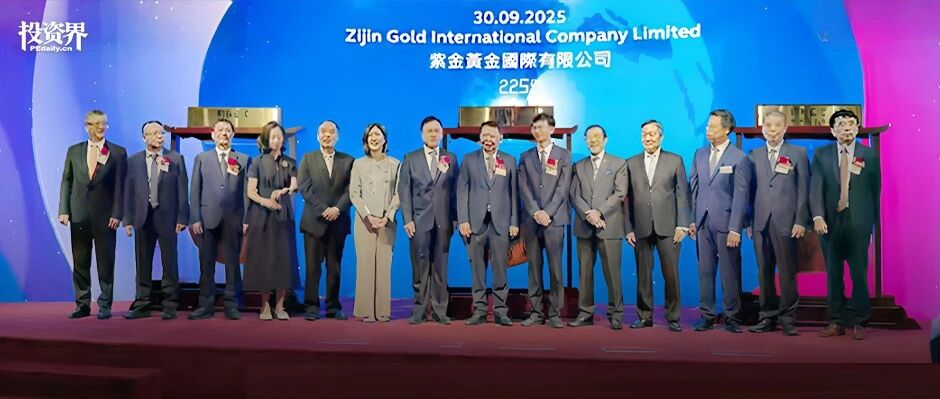
充满戏剧性。 谁是中国金王?答案是68岁的陈景河。 作者 I 冯雨晨 报道 I 投资界PEdaily 他执掌的紫金矿业,港股市值超800 0亿港元。此外,由紫金矿业分拆出来的紫金黄金国际刚刚完成港股上市,市值超30 00亿港元;再 加上龙净环保、藏格矿业两家上市公司,共同缔造了万亿"紫金系"。 这一幕盛景,同康村村民或许最为感慨。那是2 0多年前,紫金矿业征用了位于福建龙岩市上杭县的同康村土地,因为账上没那么多现 金,只能拿原始股抵征地补偿款。村民们由此拿到一纸"轻飘飘"的股权凭证。 我们从当年招股书可瞥见这段往事的细节:1998年年底,才溪镇同康村委会以全村山林补偿款及少部分资金共77.4万元入股紫金矿 业。20 00年紫金矿业改制成股份有限公司,同康村将这77.4万股金加上股息分红和部分资产继续投入。 没人想到,当初分到手中的股票,意外给他们带来了一辈子都挣不到的钱。 手持原始股 村民意外成了富豪 这原本是一个再平凡不过的村落。 紫金山西北边的同康村,住着超1400名游姓客家人,早年生计大都围绕种田、采蘑菇、木材生意。这里收入微薄、教育落后。 直到20世纪80年代,紫金矿业陈景河来到这里开发紫金山。从此, ...

5A景区,正在被抛弃
投资界· 2025-10-02 06:59
Core Insights - The tourism market is shifting from traditional scenic spots to lesser-known destinations, reflecting changing consumer preferences and behaviors [6][12][28] - The popularity of 5A scenic spots is declining, with their brand index halving over the past four years, while interest in small towns has surged [6][12] - The rise of alternative tourism experiences, such as local markets and cultural immersion, is challenging the dominance of established tourist attractions [25][28] Group 1: Changing Tourism Trends - The influx of visitors to previously overlooked destinations, such as industrial cities, indicates a significant shift in tourism dynamics [6][12] - Data shows a 200% increase in searches for less crowded destinations ahead of the upcoming National Day holiday [6] - The brand index of the top 100 5A scenic spots has decreased significantly, highlighting a shift in consumer interest [6][12] Group 2: Visitor Experience and Pricing Issues - Tourists are increasingly frustrated with the high costs and poor experiences at 5A scenic spots, leading to a perception of being exploited [10][12] - The cost of visiting popular attractions has risen sharply, with some visitors reporting expenses exceeding 1,500 yuan to fully experience a site [10][12] - The traditional model of tourism, where visitors follow a fixed itinerary, is being disrupted by a demand for more personalized and authentic experiences [12][28] Group 3: Competition and Market Dynamics - The competition among various tourist destinations is intensifying, with many 5A scenic spots investing heavily in infrastructure to attract visitors [15][24] - The rise of music festivals and local cultural events is drawing younger audiences away from traditional tourist spots, indicating a shift in leisure preferences [28] - The evaluation criteria for 5A scenic spots often favor those with better facilities over unique natural beauty, limiting the potential of many lesser-known attractions [22][24]

90后女生骗走投行10亿
投资界· 2025-10-02 06:59
Core Insights - The article discusses the downfall of Charlie Javice, a founder of the startup Frank, who was sentenced to seven years in prison for defrauding JPMorgan Chase by falsely claiming her company had over 4.2 million users when it actually had fewer than 300,000 [6][10][15]. Group 1: Company Overview - Frank was founded in 2016 as a platform to simplify the student loan application process using AI, targeting the pain points of students applying for financial aid [8][12]. - In 2021, Frank was sold to JPMorgan Chase for $1.75 billion (approximately 12 billion RMB), with Javice receiving around $21 million from the deal [9][10]. Group 2: Fraud Details - Javice created a fake user dataset to mislead JPMorgan during the due diligence process, spending $18,000 to hire an external data expert and $105,000 to purchase a real dataset to fabricate the numbers [8][9]. - After the acquisition, JPMorgan discovered the fraud when a marketing campaign revealed only 28% of emails sent to supposed users were delivered, resulting in just 10 new accounts, none of which were students [10][15]. Group 3: Legal Consequences - Following the exposure of the fraud, JPMorgan terminated Javice and filed a lawsuit, leading to her conviction for bank fraud, wire fraud, and securities fraud [10][15]. - The case has been described as a significant embarrassment for JPMorgan, which has over $4 trillion in assets and a history of complex transactions [15][16]. Group 4: Industry Implications - The incident highlights the importance of thorough due diligence in investment decisions, especially in high-stakes acquisitions [15][16]. - The article suggests that the rush to invest in high-valuation startups can lead to inadequate scrutiny, resulting in significant financial losses for investors [16][17].


张一鸣老乡IPO敲钟,3000亿
投资界· 2025-09-30 03:07
Core Viewpoint - The article highlights the significant IPO of Zijin Gold International, which has become the second-largest IPO in Hong Kong this year, reflecting the ongoing "gold rush" in the market [2][15]. Group 1: Company Overview - Zijin Gold International is a subsidiary of Zijin Mining, focusing on gold mining operations outside of China, and aims to become an international platform for Zijin Mining's overseas gold business [6][10]. - The company was formed through the integration of various gold mines and has a strong foundation backed by the expertise of its founder, Chen Jinghe, who is a prominent figure in the mining industry [3][6]. Group 2: Financial Performance - Zijin Gold International's revenue is projected to grow from $1.818 billion in 2022 to $2.990 billion in 2024, with net profits increasing from $290 million to $620 million during the same period [10][12]. - The company has a compound annual growth rate (CAGR) of 21.4% in gold production among the top 15 global producers, with a net profit CAGR of 61.9% [12]. Group 3: Market Context - The global gold price has surged significantly, from $2,370 per ounce at the beginning of 2024 to over $3,800 per ounce by September 2025, driven by geopolitical risks and increased central bank purchases [15][16]. - The article notes a trend of companies lining up for IPOs in the gold sector, indicating a robust interest in gold investments amid rising prices [16][17]. Group 4: Strategic Moves - Zijin Gold International has engaged in acquisitions, including a $1.2 billion purchase of a new gold mine, with plans to use IPO proceeds for further exploration and acquisitions [13]. - The company faces challenges such as high all-in sustaining costs (AISC) of $1,458 per ounce and geopolitical risks, which could impact its profitability [12].
十位离职华为的「天才少年」
投资界· 2025-09-30 03:07
Core Insights - The article discusses the "Genius Youth" program initiated by Huawei, highlighting the transition of talented individuals from the company to various sectors, particularly in AI and entrepreneurship [2][41]. Group 1: Overview of the "Genius Youth" Program - The "Genius Youth" program was launched by Huawei in 2019 to attract top talent in fields such as intelligent connectivity, basic research, and cloud computing, offering competitive salaries and extensive training [41][45]. - The program has produced significant results, with participants achieving groundbreaking innovations in a short time [45][46]. Group 2: Career Paths of Participants - Participants of the program have predominantly chosen two paths: entrepreneurship and academia, with six opting for startups and four returning to educational institutions [2][41]. - Notable entrepreneurs include 彭志辉, who co-founded 智元机器人, and季宇, who established 行云集成电路, both focusing on AI and chip technology [5][18][19]. Group 3: Profiles of Key Individuals - 彭志辉, a prominent figure in the program, transitioned from Huawei to become the CTO of 智元机器人, which has secured significant funding and contracts [7][19]. - 季宇, after leaving Huawei, founded 行云集成电路, focusing on AI model inference chips, and has successfully raised substantial investment [18][19]. - 丁文超, another participant, has moved between academia and industry, contributing to significant advancements in intelligent driving systems [24][25]. Group 4: Academic Contributions - Several participants, such as 周满 and 任宇翔, have returned to academia, where they continue to contribute to research in cybersecurity and AI, respectively [30][33]. - Their academic work includes publishing numerous papers in top-tier journals and conferences, showcasing their ongoing influence in the field [33][37]. Group 5: Industry Impact - The departure of these talented individuals from Huawei reflects a broader trend in the tech industry, where skilled professionals are increasingly pursuing entrepreneurial ventures or academic careers [46]. - The article emphasizes that despite leaving Huawei, these individuals continue to impact the industry significantly, embodying the spirit of innovation and entrepreneurship [2][41].

消费投资人赚到钱了
投资界· 2025-09-30 03:07
Core Viewpoint - The article emphasizes the importance of staying updated with the latest trends and developments in the investment sector, particularly in the context of venture capital and investment opportunities [1] Summary by Relevant Sections - The article highlights the dynamic nature of the investment landscape, suggesting that investors should continuously adapt their strategies to capitalize on emerging opportunities [1] - It discusses the significance of networking and building relationships within the investment community to gain insights and access to potential deals [1] - The piece also points out the role of technology in transforming investment practices, indicating that firms leveraging innovative tools are likely to outperform their competitors [1]
LP圈来了一位豪门
投资界· 2025-09-30 03:07
Core Viewpoint - Zhongji Xuchuang Co., Ltd. has announced its investment in the Guotai Haitong Zhongji Xuchuang Industry Fund, with a total scale of 1.5 billion yuan, marking a significant move in the context of the booming AI market and the company's recent stock performance [4][9]. Fund Details - The fund, named Guotai Haitong Zhongji Xuchuang Technology Equity Investment Fund, has a total scale of 1.5 billion yuan and a duration of 8 years. Zhongji Xuchuang is the largest limited partner (LP) with a commitment of 354 million yuan, representing 23.6% of the fund [6][9]. - The fund is managed by two general partners (GPs): Guotai Junan Innovation Investment and Qianrong Capital, with Guotai Junan contributing 355 million yuan as the largest shareholder [6][9]. Investment Strategy - The fund aims to invest directly or indirectly in specific industries, including optical communication, data centers, automotive electronics, and robotics, indicating Zhongji Xuchuang's strategy to integrate industry resources and enhance its competitive edge [9][10]. - The investment is seen as a way to achieve capital appreciation and support the company's strategic development goals [10]. Historical Context - Zhongji Xuchuang has a history of engaging in LP activities, having participated in over ten funds since 2020, reflecting its strong financial position and strategy to seek growth opportunities [12][13]. - The company has experienced significant growth, with a revenue increase of 25.29% in 2022, reaching 9.642 billion yuan, and a projected revenue of 23.8 billion yuan in 2024, driven by the demand for high-speed optical modules in the AI sector [13]. Stock Performance - The stock price of Zhongji Xuchuang has surged over 200% this year, reaching a peak of 457 yuan, leading to significant cashing out by major shareholders [13][14]. - Recent announcements indicate plans for major shareholders to reduce their holdings, with one shareholder planning to cash out over 2.2 billion yuan [14].

1900亿,浙江父子火了
投资界· 2025-09-29 08:07
Core Viewpoint - Sanhua Intelligent Control has experienced significant stock price growth since its listing on the Hong Kong Stock Exchange, with its market value exceeding 190 billion yuan in just three months, driven by its strategic entry into the humanoid robot supply chain and its established position as a core supplier for major automotive companies like Tesla [3][9]. Company Background - Sanhua Intelligent Control originated from a small agricultural machinery repair factory in Zhejiang, founded by Zhang Daocai in 1984, and transitioned into the precision refrigeration parts industry, achieving significant technological advancements and profitability [6][7]. - The company was formally established as a joint venture in 1994 and has since evolved into a publicly traded company, with Zhang Daocai and his son Zhang Yabo playing pivotal roles in its growth and management [7][8]. Recent Developments - The company has successfully positioned itself in the burgeoning humanoid robot market, with plans to invest in the development of key components such as electromechanical actuators, aiming to recruit around 200 R&D talents by 2028 [9][10]. - Sanhua's strategic foresight in the electric vehicle sector since 2007 has allowed it to become a key supplier for Tesla and other automotive manufacturers, leveraging its expertise in thermal management systems [9][10]. Market Position and Competitors - Sanhua Intelligent Control is recognized as a Tier 1 supplier for Tesla's humanoid robots, which are expected to significantly impact the company's future growth and market value [10]. - The company is part of a larger trend in the Yangtze River Delta region, where several firms, including Top Group, are also capitalizing on the humanoid robot concept, indicating a robust supply chain and competitive landscape in this emerging industry [14][15]. Investment Landscape - The company's recent IPO attracted significant interest, with over 747 times subscription for its H-shares, and it has established partnerships with various cornerstone investors, indicating strong market confidence despite initial volatility [11]. - The potential for growth in the humanoid robot sector is underscored by Tesla's ambitious plans for mass production, which could further enhance the value of Sanhua's stock and its position in the supply chain [10][11].

深圳半导体新王诞生
投资界· 2025-09-29 08:07
Core Viewpoint - The article highlights the rising interest and investment in China's semiconductor industry, particularly focusing on the company Xinkailai, which has gained attention following the success of Cambrian's stock performance [2][3]. Company Overview - Xinkailai, a Shenzhen-based semiconductor company, was established in 2021 and is fully owned by Shenzhen Deep Investment Group. It aims to address continuity issues in domestic semiconductor manufacturing and support the industry's growth [5][6]. - The company recently gained visibility by showcasing over 30 semiconductor equipment products at the SEMICON China 2025 exhibition, marking its first major public appearance [5]. Investment Trends - Following Cambrian's market capitalization surpassing 600 billion, venture capital and private equity firms have intensified their search for semiconductor projects, with Xinkailai emerging as a highly sought-after investment target [3][4]. - A recent roadshow in Shenzhen featured multiple semiconductor startups, indicating a robust interest in the sector, with companies focusing on chip design, EDA tools, advanced packaging, and third-generation semiconductors [7][9]. Industry Growth - Shenzhen's semiconductor industry has seen significant growth, with over 77,000 registered semiconductor-related companies and a scale exceeding 1,400 billion in the integrated circuit industry by 2025 [14]. - The city has established a comprehensive industrial chain covering upstream support industries, midstream production, and downstream application scenarios, with various districts specializing in different aspects of semiconductor technology [13]. Future Prospects - The article emphasizes the potential for Shenzhen to become a global hub for AI and semiconductor integration, driven by the demand from the consumer electronics sector [13]. - The strategic goal is to create a closed-loop ecosystem from raw materials to final consumer products, leveraging Shenzhen's unique advantages in the semiconductor landscape [13].