投资界

Search documents
老虎解散一个团队
投资界· 2025-09-02 07:33
Core Viewpoint - The dissolution of Tiger Global's European team reflects the broader challenges faced in the venture capital market, highlighting the risks associated with high valuations and aggressive investment strategies during a market boom [3][10][14]. Group 1: Tiger Global's European Operations - Tiger Global's last European team leader, Martin Schimmler, resigned in August, marking the official dissolution of its European private equity team [5]. - The European team had previously seen a rapid expansion, with significant investments in over 30 European companies in 2021, totaling more than $3.3 billion [6]. - Notable investments included Revolut, which raised $800 million at a $33 billion valuation, and Getir, valued at $11.8 billion [6]. Group 2: Investment Strategy and Market Impact - Tiger Global's aggressive investment strategy involved quick funding with high valuations and minimal due diligence, leading to a dominant position in the European market [6][10]. - However, this strategy backfired as the tech market declined, resulting in a 20% loss in its $12.7 billion venture fund by the end of 2022 [7][10]. - The firm began seeking to sell assets, including former unicorns like Revolut and Getir, as its European operations ceased to be active [8]. Group 3: Financial Performance and Lessons Learned - In 2022, Tiger Global wrote down the value of its venture investments by approximately 33%, leading to a $23 billion decrease in portfolio value [10][11]. - The firm continues to face significant losses, with its largest venture fund showing a 12% loss rate as of late 2024, trailing behind the S&P 500's annualized returns [11]. - Despite the challenges, investments in OpenAI have provided some relief, with a valuation of $650 million, significantly higher than the initial investment [12]. Group 4: Broader Industry Implications - The situation of Tiger Global mirrors that of SoftBank, which also faced substantial losses due to high valuations and aggressive investment strategies [13][14]. - The venture capital landscape is shifting from a focus on rapid funding to a more cautious approach, emphasizing deep understanding of technology and long-term value [15]. - The industry is experiencing a change in sentiment, moving from "better to invest than miss out" to "better to miss out than invest incorrectly" [14][15].


今天,董明珠对手IPO了
投资界· 2025-09-02 07:33
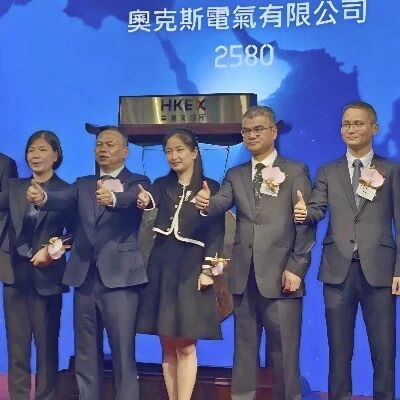
Core Viewpoint - AUX Electric officially listed on the Hong Kong Stock Exchange on September 2, 2023, with an IPO price of HKD 17.42 per share, resulting in a market capitalization of approximately HKD 27 billion [4][5]. Group 1: Company Background - AUX Electric was founded by Zheng Jianjiang, a grassroots entrepreneur from Ningbo, who transitioned from a car repairman to the head of the world's fifth-largest air conditioning provider [4][6]. - Zheng adopted a low-price strategy, which he described as pricing his air conditioners about 60% lower than imported products and 30% lower than domestic competitors, allowing AUX to become the fourth largest in China within five years [6][7]. Group 2: Market Position and Financials - AUX's market share has grown significantly, with projected revenues of CNY 195.28 billion, CNY 248.32 billion, and CNY 297.59 billion from 2022 to 2024, and adjusted net profits of CNY 14.49 billion, CNY 25.11 billion, and CNY 29.35 billion respectively [7]. - According to Frost & Sullivan, AUX is expected to hold a 7.1% market share in the global air conditioning market by 2024 [7]. Group 3: International Expansion - AUX has been expanding its overseas market since 2015, entering countries such as Brazil, Indonesia, Malaysia, Thailand, the United States, and Vietnam, with international sales contributing nearly half of its revenue [10]. - The company aims to use the funds raised from the IPO to enhance global research and development, upgrade smart manufacturing systems, and strengthen sales and distribution channels [10]. Group 4: Competitive Landscape - AUX has faced criticism from industry peers, particularly from Gree's Dong Mingzhu, who accused it of disrupting the market through aggressive pricing and alleged unethical practices [7]. - The competitive landscape is highlighted by the fact that many Chinese companies, including Midea, are also pursuing IPOs in Hong Kong to facilitate global expansion [11].
谁又募到钱了
投资界· 2025-09-02 07:33
Group 1 - The article highlights significant fundraising activities in August, with a total of 17 fundraising events reported [3] - GLP Pte Ltd received a strategic investment of $1.5 billion (over 100 billion RMB) from the Abu Dhabi Investment Authority to support its growth [5] - KKR has successfully launched a RMB fund in Shanghai, marking its entry into the local fundraising market [7] - Xincheng Capital announced the successful completion of a new RMB merger fund with a total scale exceeding 4.5 billion RMB [9][10] - Fengnian Capital completed the first closing of its high-end manufacturing fund with a scale of 1 billion RMB, aiming for a final size of 2.5 billion RMB [12] - The National New Venture Fund was established in Hangzhou with a total scale of 10 billion RMB, focusing on hard technology startups [14] - Alibaba invested in a Tsinghua University-affiliated VC fund, indicating its continued interest in early-stage projects [16] - QFLP project by Qiming Venture Partners was successfully launched with a commitment of $200 million, focusing on early and growth-stage companies in technology and healthcare [19] - The National Adjustment Fund was established in Taiyuan with a total scale of 5 billion RMB, targeting key industries in the region [21] - Tencent has invested in the Chengdu Longzhu Equity Investment Fund, which focuses on private equity investments [23] - A new fund named Suzhou Kuanyu was established with a registered capital of approximately 22.43 billion RMB, involving Tencent and several insurance companies [25] - Shenzhen Zhishu Investment Fund was launched with a registered scale of about 16.08 billion RMB, focusing on investment activities [27] - Changjiang Venture Capital established a new fund with a focus on new materials and high-end equipment, completing its registration [29] - Lishui City established a venture capital fund with a total scale of 2 billion RMB, focusing on technology startups [31] - Wuliangye established a new fund with a commitment of 1.01 billion RMB, focusing on the liquor supply chain and modern manufacturing [33] - Haichuan Capital completed the first closing of its blind pool fund with a scale exceeding 300 million RMB, focusing on smart automotive and energy sectors [35] - Anhui Province launched its first AIC blind pool fund, aimed at supporting technological innovation [37] - Hunan's first comprehensive AIC science and technology fund was established, focusing on digital economy and artificial intelligence [39]

始祖鸟投资人赚翻了
投资界· 2025-09-01 07:42
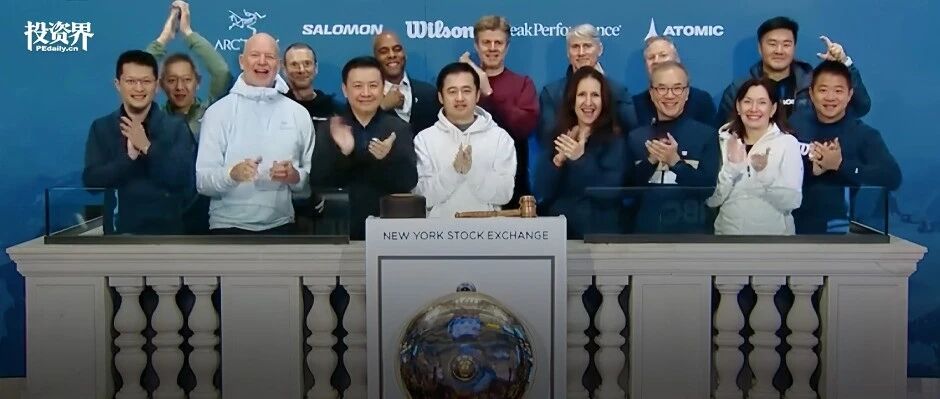
Core Viewpoint - The article discusses the successful investment and exit strategies of Anta Sports and its acquisition of Amer Sports, highlighting the financial gains and strategic growth of the brands under Amer Sports, particularly Arc'teryx and Salomon [2][4][10]. Group 1: Investment and Financial Performance - Chip Wilson, founder of Lululemon, cashed out $1.597 billion (approximately 11 billion RMB) from selling shares of Amer Sports [2]. - Anta Group, along with a consortium including Chip Wilson's Aname Red Investments, acquired Amer Sports for €4.6 billion (approximately 36 billion RMB) in March 2019 [5]. - As of 2024, Amer Sports has an estimated market capitalization of $21.8 billion (over 150 billion RMB) following its IPO on the NYSE [2][5]. Group 2: Shareholder Returns - Wilson's investment of approximately 9.54 billion RMB in Amer Sports has yielded a current holding worth nearly $4 billion (about 28.6 billion RMB) [5][6]. - Fountain Capital, another major shareholder, sold 35 million shares for over 9.3 billion RMB, realizing significant returns [6]. - Tencent, which invested around €260 million, has seen a paper profit of about 5 billion RMB from its stake in Amer Sports [6]. Group 3: Brand Development and Market Strategy - Amer Sports owns 13 brands, including Arc'teryx and Salomon, which have become prominent in the outdoor and sports equipment market [9][10]. - The acquisition of Arc'teryx, previously under Adidas, has transformed it into a key asset for Amer Sports, showcasing the importance of operational management post-acquisition [9][10]. - Anta's strategic management has led to a turnaround for Amer Sports, with the company achieving profitability for the first time in 2022 after years of losses [10]. Group 4: Future Prospects and Industry Trends - Anta continues to pursue aggressive acquisition strategies, including the recent full acquisition of German outdoor brand Jack Wolfskin and potential interest in brands like Puma and Reebok [12]. - The article emphasizes the importance of operational excellence post-acquisition, suggesting that successful integration and management are crucial for realizing the value of acquired assets [13].
民营美术馆正在批量消失
投资界· 2025-09-01 07:42
Core Viewpoint - The article highlights the decline of private art museums in China, emphasizing that many are shutting down due to financial difficulties and a lack of sustainable business models, despite their previous prominence in the contemporary art scene [4][6][9]. Group 1: Current Situation of Private Art Museums - Numerous private art museums in China, including UCCA and Jupiter Museum, have recently closed or suspended operations due to financial strains and unpaid wages [5][6]. - The global art market is experiencing a downturn, with a reported 12% drop in sales in 2024, affecting galleries significantly, where 43% reported profit declines [6][8]. - The closures of prominent institutions are not isolated incidents but part of a broader trend reflecting the challenges faced by the art sector in China [6][9]. Group 2: Historical Context and Growth - The peak of private art museums in China occurred in the mid-2010s, with an average of one new museum opening every two days from 2016 to 2020 [8]. - This growth was supported by real estate development and the rising art consumption among affluent individuals in major cities [8][9]. Group 3: Underlying Issues - Most private art museums lack a stable profit model, relying heavily on real estate developers and philanthropic funding, which are unsustainable during economic downturns [9][10]. - The audience for these museums primarily engages in superficial visits for social media content rather than genuine art appreciation, leading to low customer retention [10][11]. - The operational costs for private museums are high, including expenses for exhibitions, staff salaries, and utilities, which are difficult to sustain without a loyal visitor base [10][11]. Group 4: Comparative Analysis - The article contrasts the situation in China with successful art tourism models in Japan, particularly the Setouchi Triennale, which attracts significant visitor numbers and integrates art into the local economy [12][15]. - It suggests that for art museums in China to thrive, they need to evolve into sustainable cultural tourism nodes rather than standalone attractions [14][15].

东莞承包Labubu
投资界· 2025-09-01 07:42
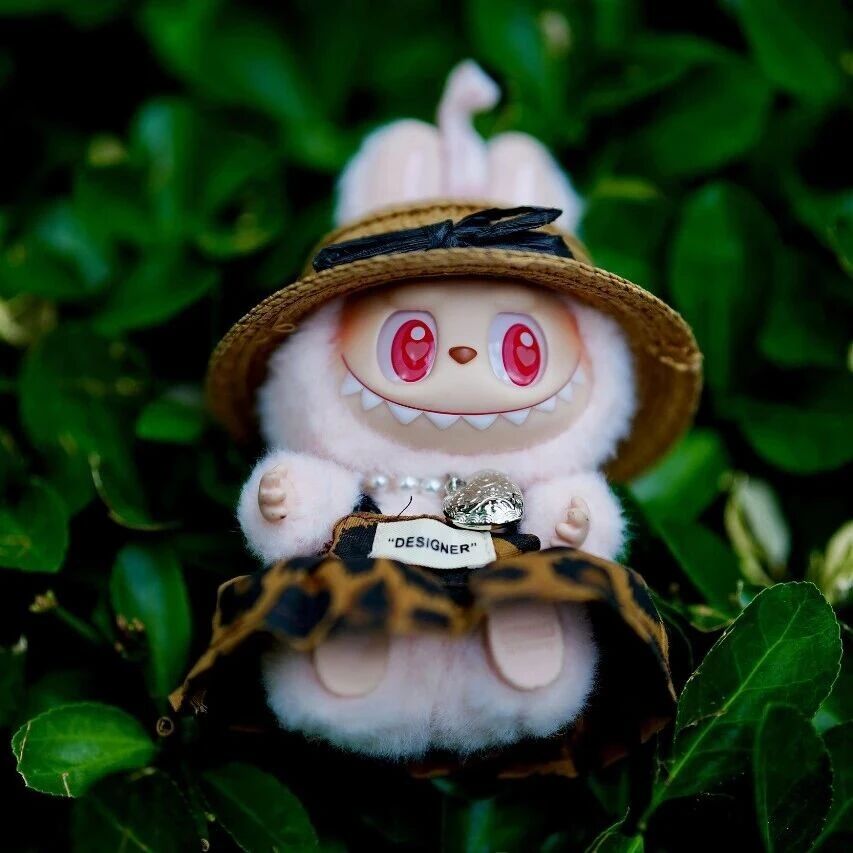
Group 1 - The core viewpoint of the article highlights the rise of the Chinese trendy toy industry, exemplified by the success of Pop Mart and its flagship product, La bubu, which has gained immense popularity among young consumers globally [2][3]. - Pop Mart's revenue for the first half of 2025 has already surpassed its total revenue for 2024, leading to a significant increase in its stock price and a market capitalization exceeding HKD 430 billion [3]. - Dongguan, known as the "capital of trendy toys," plays a crucial role in Pop Mart's supply chain, providing over 70% of its production capacity through more than 30 factories [5][8]. Group 2 - The trendy toy economy has seen a surge, with companies like 52 TOYS, TOP TOY, and Aofei Entertainment closely linked to Dongguan, which has over 4,000 toy manufacturing enterprises and is the largest toy export base in China [7][8]. - Dongguan's government has recognized the importance of the trendy toy industry, incorporating it into its modern industrial system and implementing supportive policies to foster its development [9]. - The establishment of the Greater Bay Area University in Dongguan aims to enhance local education and talent development, aligning with the region's industrial strengths and innovation needs [11][12]. Group 3 - Dongguan is leveraging a 32 billion yuan fund system to drive industrial upgrades, with a focus on supporting early-stage and hard-tech startups through various investment initiatives [15][16]. - The city has initiated measures to facilitate financing for enterprises, promoting the development of a technology finance cluster in the Songshan Lake area [16].
一位被开除的00后爆红
投资界· 2025-09-01 07:42
Core Viewpoint - The article discusses the remarkable rise of Leopold Aschenbrenner, a former OpenAI employee who founded a hedge fund that has significantly outperformed Wall Street, achieving a 700% higher return this year compared to traditional benchmarks [5][7][12]. Group 1: Background of Leopold Aschenbrenner - Aschenbrenner was a member of OpenAI's "super alignment" team and was dismissed for allegedly leaking internal information [10][12]. - After his dismissal, he published a 165-page analysis titled "Situational Awareness: The Decade Ahead," which gained widespread attention in Silicon Valley [10][19]. - He has a strong academic background, having graduated from Columbia University at 19 with degrees in mathematics, statistics, and economics [13][14]. Group 2: Hedge Fund Strategy and Performance - Aschenbrenner's hedge fund, named "Situational Awareness," focuses on investing in industries likely to benefit from AI advancements, such as semiconductors and emerging AI companies, while shorting industries that may be negatively impacted [11][12]. - The fund quickly attracted significant investment, reaching a size of $1.5 billion, supported by notable figures in the tech industry [11][12]. - In the first half of the year, the fund achieved a 47% return, far exceeding the S&P 500's 6% and the tech hedge fund index's 7% [12][28]. Group 3: Insights on AI Development - Aschenbrenner emphasizes the exponential growth of AI capabilities, particularly from GPT-2 to GPT-4, and the importance of "orders of magnitude" (OOM) in assessing AI progress [20][21]. - He identifies three main factors driving this growth: scaling laws, algorithmic innovations, and the use of vast datasets [22][26]. - Aschenbrenner predicts the potential arrival of Artificial General Intelligence (AGI) by 2027, which could revolutionize various industries and enhance productivity [26][28]. Group 4: Implications of AGI - The emergence of AGI could lead to significant advancements in fields such as materials science, energy, and healthcare, but it also raises concerns about unemployment and ethical governance [28][31]. - Aschenbrenner discusses the concept of "intelligence explosion," where AGI could rapidly surpass human intelligence and self-improve at an unprecedented rate [29][31]. - He argues that the development of AGI will require substantial industrial mobilization and improvements in computational infrastructure [31][33].

暑假掏空中产钱包
投资界· 2025-08-31 07:15
以下文章来源于视觉志 ,作者小鱼 视觉志 . 看见新生活 暑假基础,钱包就不基础。 作者 | 小鱼 来源 | 视觉志 (ID: iiidaily ) 开学倒计时一天。 孩子们在决战着作业本里的书山题海,家长们在心里默默盘算着暑假账单。 鸡飞狗跳的暑假,终于要落幕了,不少家长发现,银行卡的余额比放假前缩水了不少。 前 不 久 , 「 视 觉 志 」 发 起 了 一 次 关 于 " 暑 假 账单 "的征 集 , 许 多 读 者 的 投 稿 不 约 而 同 地 道 出 心 声 ——这 个 暑假, 比 上 班 更 累。 有人调侃:家长不是在带娃,就是在花钱的路上; 有人无奈:孩子出门嫌热,在家嫌闷,父母忙前忙后,换来的却是一身疲惫。 但也有人清醒地提出:不必把暑假过成一张"消费清单",真正值得回味的,往往只是一段路途、一片风景。 以下,是他们的暑假消费故事。 现在,暑假余额、钱包余额,都不足了。 还好,十一长假,又要来了。 暑假,被旅游掏空 每到暑假,出行几乎成了家庭的标配。 假期开始,花销便接踵而至:旅行、补课、研学、正畸、聚餐……一笔一笔叠加,才惊觉花掉的何止是钱,更是数月积攒的 心力。 父母总想着"该带孩子去看 ...

被遗忘的社区团购
投资界· 2025-08-31 07:15
Core Viewpoint - Community group buying has been recognized as a significant failure in the internet industry, with major players incurring substantial losses and ultimately leading to a rapid decline in the sector's viability [1][3]. Group 1: Industry Overview - The community group buying sector experienced explosive growth in 2020, followed by a swift decline, with major companies like Meituan and Pinduoduo reporting cumulative losses exceeding 80 billion yuan from 2020 to 2024 [1][3]. - Major players such as Meituan, Pinduoduo, Alibaba, and Didi invested heavily in community group buying, with Alibaba's Taocai Cai reportedly spending at least 20 billion yuan to secure a top market position [4][3]. - The community group buying model was initially seen as a cost-effective alternative to traditional retail, with lower prices and reduced delivery costs compared to other models like front warehouses [6][8]. Group 2: Business Model Analysis - Community group buying utilized a "next-day delivery + self-pickup" model, significantly reducing operational costs compared to traditional delivery methods [6][4]. - The model aimed to streamline supply chains by minimizing intermediaries, reducing markup rates from 45% to below 20% [8]. - Despite its initial promise, the community group buying sector faced challenges such as high operational costs, limited profit margins, and regulatory scrutiny, leading to a decline in market viability [10][14]. Group 3: Market Dynamics - By mid-2022, Pinduoduo and Meituan held a combined market share of 76%, but both companies shifted focus towards reducing losses rather than aggressive competition [12][14]. - The community group buying sector's struggles were exacerbated by the rise of instant retail, which offered a more efficient and profitable alternative, leading to questions about the future viability of community group buying [22][24]. - Instant retail's market size reached 650 billion yuan in 2023, significantly overshadowing community group buying, which faced increasing competition from established players like JD and Alibaba [22][24].


一代鞋王,彪马要卖了
投资界· 2025-08-31 07:15
Core Viewpoint - Puma, a well-known sports brand, is reportedly considering a sale due to significant market value decline and ongoing operational challenges [3][5][14]. Company History - Puma was founded in 1948 by Rudolf Dassler after a split from his brother Adolf, who established Adidas, leading to decades of competition between the two brands [7][8]. - At its peak, Puma generated annual revenue of €846.5 million (approximately ¥720 billion) [3][10]. Recent Performance - Despite past successes, Puma has faced declining sales and leadership instability, with two CEO changes in three years and a recent announcement of 500 global layoffs [17]. - In Q1 2025, Puma reported a 2.0% decline in sales to €194.2 million, with an adjusted EBIT loss of €13.2 million and a net loss of €247 million [17]. Market Context - The luxury sportswear market is experiencing a trend where many brands are considering selling due to economic pressures, with 60% of consumer goods executives anticipating asset sales in the next three years [20]. - Recent acquisitions in the consumer sector, such as 3G Capital's $9.4 billion purchase of Skechers, highlight the ongoing trend of brand consolidation [20]. Potential Buyers - The Pinault family, a major shareholder in Puma, is exploring strategic options, including potential buyers from the U.S. and Middle Eastern sovereign wealth funds, as well as Chinese sports giants like Anta and Li Ning [16][18]. - Puma's stock has dropped over 80% from its peak in 2021, making it an attractive acquisition target for potential buyers looking for "bottom-fishing" opportunities [19][20].