投资界

Search documents
中产疯抢散装奢侈品
投资界· 2025-08-30 07:19
Core Viewpoint - The article discusses the emerging trend of "bulk luxury goods" among young consumers, where they purchase luxury items in smaller, more affordable portions through group buying, significantly reducing the overall cost of luxury brands [4][10][12]. Group 1: Trend of Bulk Luxury Goods - Young consumers are increasingly engaging in group purchases of luxury items, allowing them to buy high-end products at a fraction of the original price [5][7]. - Social media has become a platform for sharing and promoting these group buying opportunities, making it a popular trend among the youth [7][12]. - The practice of splitting luxury items, such as Tiffany's bracelets, allows individuals to acquire components like pendants at much lower prices, effectively reducing the brand's perceived value [8][10]. Group 2: Economic Implications - The cost of luxury items is being democratized; for instance, a Tiffany bracelet priced at over 7,000 yuan can be split into pendants costing around 300 yuan each [8][10]. - This trend reflects a shift in consumer behavior, where young people prioritize cost-effectiveness and value over brand prestige [14][19]. - The article highlights that the perceived value of luxury goods is being challenged, as consumers find ways to enjoy luxury without the associated high costs [19][22]. Group 3: Consumer Mindset - Young consumers express a sense of empowerment through bulk luxury purchases, feeling they can enjoy luxury without the financial burden [12][21]. - The mindset has shifted from viewing luxury items as status symbols to seeing them as everyday accessories that do not require significant financial investment [22][23]. - The article concludes that the allure of luxury goods is largely tied to their price, and as prices become more accessible, the focus shifts to quality and craftsmanship rather than brand prestige [23].


安徽首富,又去IPO敲钟了
投资界· 2025-08-30 07:19
Core Viewpoint - The article highlights the rise of Sunpower Technology as a significant player in the renewable energy sector, emphasizing its upcoming IPO in Hong Kong and its role in China's global expansion in the renewable energy market [3][14]. Company Overview - Sunpower Technology, founded by Cao Renxian in Hefei, has grown into a company with a market capitalization exceeding 200 billion RMB, focusing on solar inverters and expanding into energy storage and hydrogen energy [3][8]. - The company has achieved significant milestones, including being the first in China to develop a solar inverter with complete independent intellectual property rights in 2003 and successfully listing on the Shenzhen Stock Exchange in 2011 [7][8]. Financial Performance - In the first half of the year, Sunpower Technology reported a revenue of 43.53 billion RMB, a year-on-year increase of 40.34%, and a net profit of 7.73 billion RMB, up 55.97% from the previous year [11][12]. - The company's gross profit margin improved to 34.36%, attributed to brand premium, product innovation, and economies of scale [12]. Business Segments - For the first time, revenue from the energy storage business surpassed that of solar inverters, with energy storage systems generating 17.80 billion RMB, accounting for approximately 40.89% of total revenue [13]. - The overseas revenue reached 25.37 billion RMB, marking an 88.32% increase year-on-year, representing 58.3% of total revenue [14]. Industry Context - The article discusses the broader trend of Chinese renewable energy companies, including Sunpower Technology, expanding globally, with significant growth in exports of wind and solar products [17][18]. - The rise of Hefei as a hub for the new energy industry is noted, with multiple major companies and a target to produce over 200 million new energy vehicles by 2027 [15][16]. Future Outlook - Sunpower Technology's IPO in Hong Kong is part of a strategy to enhance its global presence and diversify funding channels, aligning with the trend of Chinese companies seeking international markets [14][18]. - The article concludes with a historical analogy, suggesting that China's renewable energy sector is entering a new era of global leadership, reminiscent of Zheng He's maritime expeditions [19].

LP圈发生了什么
投资界· 2025-08-30 07:19
Group 1 - Zhejiang Province has launched three major funds totaling approximately 150 billion RMB, focusing on technology innovation, industrial structure optimization, and high-quality development of listed companies [2] - Shenzhen village collectives have established two venture capital funds with a total scale of 300 million RMB, managed by Nanling Venture Capital [3][4] - China Guoxin has established a 100 billion RMB venture capital fund in Hangzhou, targeting hard technology enterprises [5][6] Group 2 - Abu Dhabi Investment Authority has invested 1.5 billion USD (over 100 billion RMB) in GLP Group to support its growth [7] - Fengnian Capital has completed the first closing of its high-end manufacturing fund at 1 billion RMB, with a target final size of 2.5 billion RMB [8] - Guangdong Province has established an industrial development investment fund with a capital of 100.1 billion RMB, focusing on private equity investments [9][10] Group 3 - Anhui Province has registered a new industrial development investment company with a capital of 50 billion RMB, focusing on key technologies and strategic emerging industries [11] - Tencent has partnered with insurance companies to establish a new fund with a registered capital of approximately 22.43 billion RMB [12] - Wuliangye has set up a digital economy industry fund with a capital of 10.1 billion RMB, focusing on supply chain and modern manufacturing investments [13] Group 4 - Hangzhou Xinya Qihang has established an investment partnership with a capital of 100 billion RMB, focusing on self-funded investment activities [14][15] - Fuchuang Capital has signed a cooperation agreement with Sichuan's achievement transformation fund to promote technology transfer [16] - The first seed fund in Henan Province has been established with a scale of 20 million RMB, aimed at supporting early-stage technology enterprises [17] Group 5 - A new technology innovation fund has been established in Foshan with an initial capital of 40 million RMB, focusing on advanced manufacturing and biotechnology [18] - A dental industry fund has been launched in Shunyi District with an initial scale of 1 billion RMB, targeting dental medical devices and services [19][20] - A QFLP fund with a scale of 3 million USD has been established in Nantong, focusing on the medical and pharmaceutical sectors [21] Group 6 - Ningbo Industrial Investment has launched a venture capital fund with a capital of 1 billion RMB, focusing on private equity investments [22] - The first AIC technology innovation fund in Hunan has been established with a total scale of 300 million RMB, promoting cooperation among government, enterprises, and financial institutions [23] - A technology angel fund has been set up in Shenyang to support high-tech projects with angel funding [24] Group 7 - The first sub-fund of the Qingshan Industrial Investment Fund has been registered with a total scale of 3 billion RMB, focusing on new materials [25] - Zhaoyan Pharmaceutical has announced its participation in a seed fund with a target size of 127.5 million RMB, focusing on strategic emerging industries [26] - Lianhua Holdings has committed 3.5 billion RMB to a new industrial fund, with a total scale of 5 billion RMB [27] Group 8 - The Suqian New Materials Industry Fund is planning to invest in new materials enterprises with a total scale of 5 billion RMB [28] - The Jinan government guiding fund is set to invest 50 million RMB in a new fund focused on industrial transformation [29] - Wujin District's industrial investment fund is planning to invest in AI and manufacturing sectors [30]

广东女药神,缔造1400亿
投资界· 2025-08-29 07:37
Core Viewpoint - 康方生物 has achieved significant growth, with its stock price reaching a historical high of 179 HKD and a market capitalization exceeding 140 billion HKD, reflecting an 8-fold increase since 2022 [2][10]. Company Background - 康方生物 was founded in 2012 by 夏瑜 and a team of returnee PhDs, focusing on first-in-class innovative drugs. The company started with limited resources and developed an end-to-end platform for drug development, becoming one of the few domestic companies capable of independent antibody research [3][5][6]. Financial Performance - In the first half of the year, 康方生物 reported a commercial sales revenue of 1.401 billion CNY, a year-on-year increase of 49.2%, equating to nearly 8 million CNY in daily sales. The growth was primarily driven by two globally innovative dual-antibody drugs, contributing over 1.4 billion CNY, which accounted for 99.3% of total revenue [10][11]. Market Recognition - 康方生物's drug 依沃西 has been recognized for its potential, having outperformed Merck's K drug in head-to-head clinical trials. This achievement has positioned 康方生物 as a leader in the dual-specific antibody field, with projections estimating peak sales of 53 billion USD by 2041 [12][13]. Industry Trends - The Chinese biopharmaceutical sector is experiencing a resurgence after a downturn, with the Hong Kong healthcare sector rising over 45% in the first half of 2025. This recovery is attributed to the increasing recognition of Chinese innovative drugs by global pharmaceutical companies [15][16]. Investment Landscape - The frequency of significant business development (BD) transactions has increased, with over 40% of such deals involving Chinese companies, up from less than 5% four years ago. This trend indicates a growing international acknowledgment of China's research capabilities [16].

中国城市抢夺95后
投资界· 2025-08-29 07:37
Core Viewpoint - The article discusses the escalating competition among Chinese cities to attract high-level talent, highlighting various policies and incentives being implemented to secure a competitive edge in the talent market [4][6][14]. Group 1: Talent Attraction Policies - Cities like Qingdao have introduced substantial financial incentives, such as a maximum of 3.6 million yuan in talent rewards and 1 million yuan in housing vouchers for attracting high-level talent [4]. - Major cities including Beijing, Shenzhen, and Suzhou have upgraded their talent policies from merely providing household registration to offering comprehensive life-cycle services [5][6]. - The "Million Talents Gathering in South Guangdong" recruitment event in Hangzhou showcased over 20,000 high-end job positions, indicating a fierce competition for talent between the Guangdong-Hong Kong-Macao Greater Bay Area and the Yangtze River Delta [5][6]. Group 2: Talent Market Dynamics - As of early 2024, over 200 cities and 500 counties in China have set goals to develop youth-friendly cities, with 17 provinces and 190 cities incorporating youth development into their regional strategies [6]. - The top ten cities in the talent attraction ranking for 2024 remain unchanged from 2023, with Beijing, Shanghai, and Shenzhen leading the list, collectively housing 60% of the country's unicorn companies [7][11]. - The competition among top-tier cities has intensified, with cities like Hangzhou emerging as a focal point for talent due to its thriving tech industry and innovative environment [7][9]. Group 3: Evolution of Talent Attraction Strategies - The approach to attracting talent has shifted from cash incentives to creating a supportive ecosystem that fosters long-term development and integration into the city [14][16]. - Cities are now focusing on providing comprehensive life-cycle services, such as housing support, job placement assistance, and entrepreneurial resources, to enhance their attractiveness [17][19]. - The concept of "environment nurturing talent" has gained traction, emphasizing the importance of a supportive and innovative atmosphere for retaining talent [14][26]. Group 4: Cultural and Lifestyle Considerations - The younger generation, particularly those born after 1995, prioritize lifestyle comfort and cultural identity when choosing a city, with 72% valuing work-life balance over salary [28][29]. - Cities are increasingly focusing on cultural initiatives and unique local identities to create emotional connections with young talent, thereby enhancing their appeal [30][31]. - The development of city-specific cultural IPs, such as drone light shows in Chongqing and food festivals in Wuxi, aims to attract younger demographics and foster a sense of belonging [31][32]. Group 5: Long-term Economic Implications - The competition for talent is fundamentally linked to the future dominance of industries, with cities recognizing that attracting talent is crucial for economic growth and innovation [32][33]. - The integration of talent strategies with industrial development is seen as essential for cities to maintain a competitive edge in the evolving economic landscape [33].

那些买爆雷车的年轻人
投资界· 2025-08-29 07:37
Core Viewpoint - The article discusses the phenomenon of young consumers purchasing "exploded" electric vehicles at significantly discounted prices, highlighting a shift in consumer perception and behavior towards car ownership and brand loyalty in the electric vehicle market [4][22]. Group 1: Market Dynamics - The electric vehicle market is experiencing a price war, with companies like BYD offering substantial discounts on popular models, prompting competitors like Geely and Xpeng to follow suit [6][8]. - Several electric vehicle manufacturers, including HiPhi, Jidu, and Neta, have faced operational crises, leading to a surge in discounted inventory vehicles that attract price-sensitive consumers [5][6][25]. Group 2: Consumer Behavior - Young consumers are increasingly willing to purchase vehicles from brands that have faced financial difficulties, viewing the risk as manageable and the potential savings as worthwhile [22][24]. - The perception of cars has shifted from being long-term investments to more disposable items, with consumers now considering a 3-5 year usage period acceptable [21][22]. Group 3: Vehicle Features and Pricing - The article emphasizes that the "exploded" vehicles often come with high-end features at significantly lower prices, making them attractive options for consumers looking for value [12][26]. - For instance, the Geely Extreme 07 offers features comparable to higher-priced models, such as a large battery and advanced technology, at a fraction of the original price [12][13]. Group 4: Purchasing Process - The process of buying "exploded" vehicles is more complex, often requiring consumers to navigate unofficial channels and verify vehicle conditions themselves [6][19]. - Many consumers report using social media and online platforms to find and purchase these vehicles, indicating a shift in how car sales are conducted in the wake of brand crises [18][19]. Group 5: Brand Loyalty and Trust - Despite the risks associated with purchasing from brands that have "exploded," many consumers maintain a level of trust in the product quality, believing that operational issues do not necessarily reflect the vehicle's performance [22][23]. - The article notes that younger consumers are less brand-loyal and more focused on the vehicle's specifications and price, leading to a reevaluation of traditional brand perceptions in the automotive market [25][26].

深圳「村民」又做LP了
投资界· 2025-08-29 07:37
Core Viewpoint - The article discusses the emergence of village collective investment funds in Shenzhen, highlighting two newly established venture capital funds backed by local village collectives, which aim to invest in high-tech sectors such as artificial intelligence and biomedicine [4][7]. Fund Overview - The two funds, namely the Longgang Longxing Venture Capital Fund and the Shenzhen Bantian Artificial Intelligence Venture Capital Fund, have a total scale of 300 million yuan (approximately 43 million USD) and a duration of 10 years [5][6]. - The Longgang Longxing Venture Capital Fund has a total scale of 200 million yuan (approximately 29 million USD), with contributions from various local entities [6]. - The Bantian Artificial Intelligence Venture Capital Fund has a total scale of 100 million yuan (approximately 14 million USD), with significant backing from the Bantian Group [6]. Management and Investment Strategy - Both funds are managed by Nanling Venture Capital, a village collective investment institution established in 2017, which focuses on direct investment and fund-of-funds models [7]. - Nanling Venture Capital has diversified its investment portfolio into sectors such as biomedicine, advanced manufacturing, artificial intelligence, and electronic information [7]. Background and Trends - Over the past few decades, Shenzhen has seen significant wealth accumulation among local villagers due to land resource appreciation, leading to the establishment of community cooperative companies for managing collective funds [9]. - Traditionally, these funds generated returns through property leasing and bank deposits, but with changing times, there is a shift towards venture capital investments in emerging industries [9][10]. - Recent collaborations among community cooperative companies have led to the establishment of several investment funds, indicating a growing trend of village collectives entering the venture capital space [10]. Characteristics of Village Collective Funds - Village collective funds are characterized by long-term capital that is less pressured for quick exits, making them suitable for investments in hard technology and biomedicine sectors [10]. - These funds typically have fewer restrictions compared to government-guided funds, allowing for more flexible investment strategies [10]. Future Outlook - The Shenzhen government has initiated plans to further guide village cooperative companies to invest surplus funds into the venture capital sector, indicating a supportive regulatory environment for this trend [11].
理想汽车连续11个季度盈利,手握千亿现金
投资界· 2025-08-28 10:54
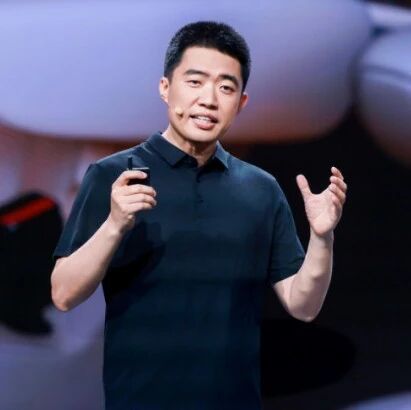
Core Insights - Li Auto reported Q2 2025 earnings with sales exceeding 111,000 units, ranking first among Chinese brands for electric vehicles priced over 200,000 yuan, and revenue reached 30.2 billion yuan, a 16.7% quarter-on-quarter increase [2] - The company achieved a net profit of 1.1 billion yuan, marking 11 consecutive quarters of profitability, with operating profit doubling from the previous quarter, indicating strong core business profitability [2] - Li Auto plans to invest 12 billion yuan in R&D for the year, with over 6 billion yuan allocated to AI, representing more than 50% of the total R&D budget, reflecting an increase from 2024 [2] AI Strategy and Development - Li Auto's CEO highlighted three common traits of successful entrepreneurs: choosing the right path, committing long-term, and iterating quickly, which underpins the company's rapid growth and future development logic [3] - The company has identified AI as a key future competitive area, having established AI as a significant focus since September 2022, leading to substantial breakthroughs in user-interactive products like assisted driving and Li Xiang [3] - The introduction of end-to-end + VLM (Vision Language Model) assisted driving in 2024 marks Li Auto's first use of AI for this purpose, with training data increasing from 1 million to 10 million video clips, resulting in a tenfold increase in the performance metric MPI [4] Product and User Experience Enhancements - The upcoming VLA (Vision Language Action Model) driver model is set to enhance user experience significantly, with Li Auto's self-developed M100 chip providing computational power equivalent to two NVIDIA Thor-U chips, improving assisted driving capabilities [7] - Li Xiang is evolving into an intelligent agent capable of using tools, completing complex tasks, and connecting memories, offering personalized user experiences through features like the "Desktop Master" for creating custom applications [8] Operational Efficiency and AI Integration - Li Auto's self-developed Li-Mos intelligent manufacturing operating system and other smart software enable comprehensive management of the manufacturing process, ensuring high efficiency and quality in production [11] - The integration of AI in commercial operations has led to the development of AI assistants capable of enhancing retail, marketing, customer service, and financial fraud detection, thereby relieving pressure on call centers [13] - The company's long-term strategy emphasizes a commitment to the right path and agile iteration, transforming technological investments into user value and organizational efficiency, establishing a core competitive advantage [13]

100亿,国新落子杭州
投资界· 2025-08-28 09:48
Core Viewpoint - The establishment of the Guoxin Venture Capital Fund in Hangzhou, with a scale of 10 billion yuan, marks a significant collaboration between central and local governments, focusing on investing in hard technology startups and innovative enterprises [4][6]. Group 1: Fund Details - The Guoxin Venture Capital Fund has a duration of 15 years and primarily targets seed, startup, and growth-stage technology innovation companies [4][5]. - The fund's first phase has a scale of 10 billion yuan, with at least 50% of investments directed towards external projects of central enterprises and at least 30% of the investment scale allocated to these projects [6][8]. - Key investment areas include integrated circuits, artificial intelligence, biotechnology, future information, future manufacturing, and future health [6][8]. Group 2: Collaborative Framework - The fund is a collaborative effort involving five central enterprises and two local state-owned enterprises, showcasing a multi-faceted synergy of central enterprise capital, industry leaders, and local resources [6][8]. - China Guoxin, established in 2010, plays a leading role in this initiative and has a total asset value of 980 billion yuan as of the end of 2024 [7][8]. Group 3: Regional Investment Climate - Hangzhou has become a hotspot for national-level funds, with multiple funds established in recent years, including the Service Trade Fund and the National SME Development Fund [10][11]. - The city is actively attracting investments in various sectors, including artificial intelligence and biotechnology, supported by favorable government policies and a robust entrepreneurial ecosystem [11][12].
中东财团,投了普洛斯100亿
投资界· 2025-08-28 09:48
Core Viewpoint - GLP Group has secured a strategic investment of $1.5 billion (over 100 billion RMB) from the Abu Dhabi Investment Authority (ADIA) to support its next phase of growth, highlighting foreign capital's positive outlook on Chinese assets [3][4][5]. Investment and Partnership - ADIA, established in 1976, is a global diversified investment institution with over $1 trillion in assets, and has a long-standing relationship with GLP, having invested in multiple flagship Chinese logistics funds [5][6]. - The recent investment marks a significant upgrade in the partnership, with ADIA committing $500 million in the first round to help GLP capture new growth opportunities [6][8]. Business Model and Strategy - GLP has developed a unique model that combines investment and operations, addressing pain points in traditional development and construction methods, and creating a global, collaborative new economic infrastructure ecosystem [7][9]. - The company has demonstrated its ability to generate substantial returns for investors, exemplified by a $18.7 billion deal with Blackstone in 2019, showcasing over $10 billion in asset appreciation within five years [7][9]. Market Position and Growth - GLP has transformed into a super industry service and investment company focused on supply chain, big data, and new energy, with a global asset management scale of approximately $800 billion [9][10]. - The company operates over 400 parks across 70 regional markets in China, with a logistics and industrial infrastructure network totaling nearly 50 million square meters [9][10]. New Infrastructure Development - GLP is actively expanding into new economic infrastructure areas, including smart cold chain logistics and computing power centers, with significant investments in these sectors [10][13]. - The company has developed over 2 GW of renewable energy capacity, aligning with its strategic goals of creating green infrastructure assets [13][18]. Future Outlook - GLP is positioned as a bridge for overseas capital investing in China, having established a strong presence in the Chinese market since 2003 [16][17]. - The company is considering an IPO in Hong Kong, reflecting its growth and the increasing interest from global investors in Chinese assets [17][18].