投资界

Search documents
万字长文:消费者去哪了?
投资界· 2025-08-28 09:48
Core Viewpoint - The retail industry is undergoing a profound transformation, with traditional hypermarkets facing significant challenges due to changing consumer behaviors and the rise of new retail formats [2][3]. Group 1: Retail Transformation - The decline of hypermarkets is attributed to their inability to adapt to the rapid shift towards digital and diversified shopping channels, leading to a loss of consumer interest [3][4]. - Consumers are increasingly favoring online platforms and quick delivery services, which has resulted in a dramatic shift in shopping habits away from traditional stores [3][5]. Group 2: Channel Dominance Breakdown - The traditional dominance of hypermarkets is being challenged by new retail formats that offer lower operational costs and more efficient supply chains, such as community group buying and vertical niche players [5][6]. - The average rent for hypermarkets has increased by 8%-12% annually, while new retail formats maintain significantly lower rent costs of 3%-5% [5][6]. Group 3: Pricing and Consumer Behavior - The pricing strategy of hypermarkets is becoming less effective as e-commerce platforms like JD.com leverage direct sourcing to offer 15%-20% lower prices [6][7]. - The rise of live-streaming e-commerce has further disrupted traditional pricing models, with significant price reductions becoming commonplace [7][22]. Group 4: Consumer Demand Shifts - Consumers are moving from planned purchases to a model characterized by "infinite shelves," where online platforms provide vast product selections and competitive pricing [10][11]. - The demand for instant gratification is leading to a preference for minute-level response times in retail, with 62% of young consumers favoring quick delivery options [12][13]. Group 5: Experience and Lifestyle Proposals - Modern consumers prioritize shopping experiences and lifestyle alignment over mere product functionality, as seen in the success of membership-based models like Sam's Club [14][15]. - Retailers must focus on creating unique shopping experiences that resonate with consumer lifestyles to remain competitive [15][39]. Group 6: Emerging Retail Formats - Vertical niche players are gaining market share by offering specialized products and efficient operations, leading to a 25% decline in sales for traditional hypermarkets in certain categories [17][18]. - Community group buying platforms are rapidly expanding in lower-tier markets, with a user base of 678 million and a transaction scale of 322.8 billion yuan in 2023 [19][20]. Group 7: Supply Chain and Operational Challenges - Hypermarkets face significant supply chain inefficiencies, with average inventory turnover days around 60, compared to 28 days for newer formats like Hema [33][35]. - The reliance on a heavy asset model is proving detrimental, as many hypermarkets are unable to maintain profitability with declining foot traffic and high operational costs [33][34]. Group 8: Future Directions - The retail landscape is polarizing, with companies needing to choose between becoming "price killers" focused on efficiency or "emotional pharmacies" that prioritize customer experience [39]. - Successful retailers will need to innovate and adapt their business models to align with evolving consumer expectations and market dynamics [39].





宁波国资「宁波通商基金管理有限公司」招聘公告
投资界· 2025-08-27 08:18
Core Viewpoint - Ningbo Tongshang Holding Group Co., Ltd. is a state-owned capital investment and operation company authorized by the Ningbo Municipal Government, with total assets of 336.5 billion yuan by the end of 2024 [1] Group 1: Company Overview - Ningbo Tongshang Fund Management Co., Ltd. is a wholly-owned subsidiary of Ningbo Tongshang Holding Group, focusing on "fund management + fund investment" as its core business [1] - The fund currently manages an agreement scale exceeding 110 billion yuan, making it one of the largest private equity investment institutions in Zhejiang Province and the largest in Ningbo [1] - The company has received multiple awards, including "Outstanding Institution for Financial Support to the Real Economy" from the Ningbo Municipal Government for 2022-2023 and "Top Ten" benchmark institution for patient capital in 2024 [1] Group 2: Investment Strategy - The fund aims to invest in emerging and future industries that align with Ningbo's industrial strategic direction, focusing on strengthening, supplementing, and extending industrial chains [1] - In the past three years, eight directly invested companies have gone public, four have been recognized as "global unicorns," and three have made it to the "Global Cheetah/Gazelle Companies List" [1] Group 3: Recruitment Information - The company is actively recruiting five employees, emphasizing a commitment to creating a leading fund investment management company in Zhejiang with ample career development opportunities for passionate investment professionals [2][3] - The recruitment process adheres to principles of openness, equality, competition, and merit-based selection [4]
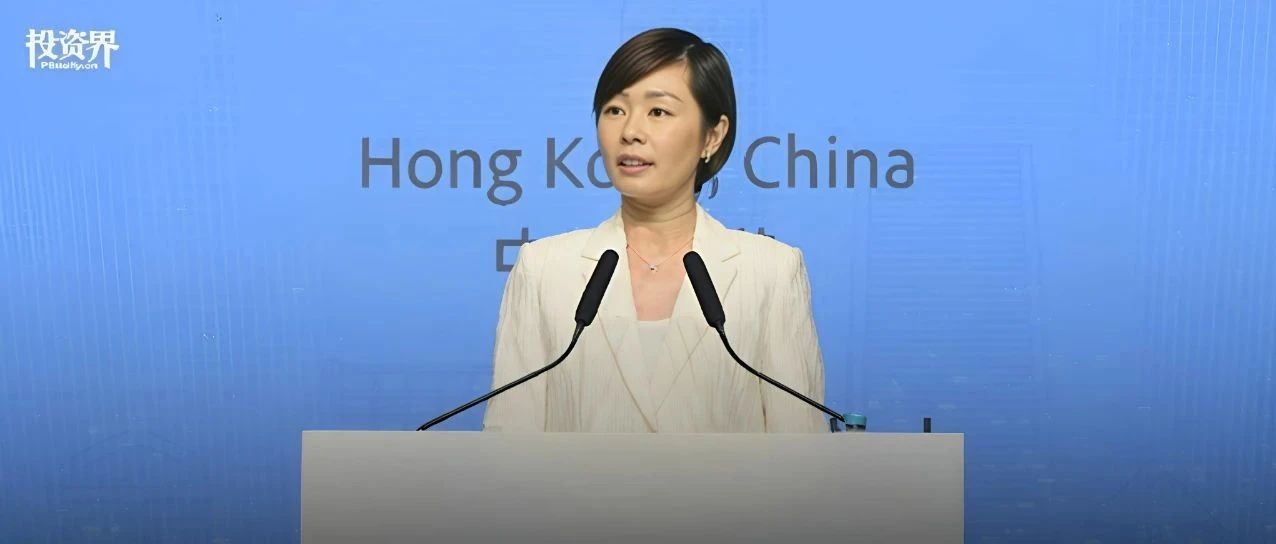
香港最忙投资人
投资界· 2025-08-27 08:18
Core Viewpoint - The Hong Kong Investment Management Company (HKIC) is actively investing in emerging industries, with a focus on technology sectors such as AI, life sciences, and green technology, aiming to enhance Hong Kong's competitiveness and economic vitality [3][5][14]. Investment Activity - HKIC has invested in over 120 projects within its first year, with two companies already listed in Hong Kong and more than ten planning to submit listing applications [3][5]. - The company has a capital of 62 billion HKD and has successfully attracted over 5 HKD in market long-term funds for every 1 HKD invested [5][6]. Focus Areas - The primary sectors of investment include hard technology, life sciences, and new energy/green technology, with a particular emphasis on AI and embodied intelligence [5][6]. - HKIC is exploring additional emerging industries such as fintech and aerospace technology, leveraging Hong Kong's advantages [6][8]. Strategic Goals - HKIC aims to attract at least 100 potential or representative tech companies to establish operations in Hong Kong over the next five years, positioning itself as a "Hong Kong version of Temasek" [8][9]. - The company emphasizes a dual mission of achieving reasonable financial returns while supporting the development of innovative technologies and industries in Hong Kong [10][12]. Ecosystem Development - HKIC is fostering a collaborative ecosystem by partnering with global investment institutions and hosting events like the "AI International Talent Summit" to connect startups and investors [9][10]. - The establishment of a 10 billion HKD industry guidance fund aims to systematically build a tech industry ecosystem in Hong Kong, focusing on strategic emerging industries [13][14]. Market Dynamics - The influx of international capital into Hong Kong is increasing, with new money rapidly emerging as traditional investments recede, indicating a shift in the investment landscape [15].
主理人,塌了
投资界· 2025-08-27 08:18
凤凰生活报告 . 以下文章来源于凤凰生活报告 ,作者凤凰WEEKLY 是衣食住行,也是时尚与商业。 。 主 理 人 贬 低 史 世 界 上 哪 种 人 最 可 恶 ? 答 案 只 有 一 个:赚 你 钱 还 鄙 视 你 的 人 。 比 如,主 理 人 。 你 有 没 有 进 过 这 样 的 店 。 作者 | 山口大炮 编辑 | 杜都督 来源 I 凤凰生活报告 (ID:PhoenixLifestyleRpt ) 店主出现在咖啡厅餐厅花店买手店,自称主理人,穿着"独立设计师"三件套: 东京小众买手店的限定衬衫、巴黎古着市场淘回来的围巾、戴了就像在写诗的贝雷帽。 主理人,脱口秀演员门腔饰 门口是"我们不接待上帝",张嘴是"我们这儿是预约制",闭嘴是"不好意思不让拍照"; 店里面是生客熟客差别对待的,氛围是吵吵闹闹i人不友好的,一付钱时是三倍溢价的。 "什么是主理人?我看是主不理人!" 图源:博主 @ 戏很多的金兑 花钱的卑微得像收钱,卖饭整的像筛选精神股东。 受够了一群英文点名轰炸,受够了变着法的涨价,受够了想买杯喝的就像是进了别人被 窝。 第一批饱受摧残的消费者,开始勇敢反击了: "搞什么,我买杯咖啡还得看你脸色 ...

皮爷咖啡宣布卖了
投资界· 2025-08-27 08:18
Core Viewpoint - The article discusses the acquisition of JDE Peet's by Keurig Dr Pepper (KDP) for €15.7 billion (approximately ¥130 billion), highlighting the strategic importance of this deal in the coffee industry and the historical significance of Peet's Coffee as a premium brand [3][13]. Group 1: Acquisition Details - KDP is acquiring JDE Peet's, which is known for its coffee and tea brands, including the well-known Peet's Coffee, often referred to as the "father of Starbucks" [3][5]. - The acquisition price of €31.85 per share represents a 33% premium over JDE Peet's 90-day volume-weighted average share price, totaling €15.7 billion [13]. - JAB Holdings, which has a significant stake in both KDP and JDE Peet's, is positioned to gain approximately $12.3 billion (around ¥88 billion) from this transaction [11][13]. Group 2: Historical Context of Peet's Coffee - Peet's Coffee was founded in 1966 by Alfred Peet, who initiated a revolution in the specialty coffee market in the U.S. [5]. - The brand has a historical connection to Starbucks, as the founders of Starbucks were trained by Peet and used its coffee beans in their first store [5][6]. - In 2012, JAB Holdings acquired Peet's Coffee for $977 million, leading to its privatization and subsequent global expansion [6][9]. Group 3: Market Performance and Future Outlook - JDE Peet's reported strong organic sales growth in China, with a 23.8% increase in adjusted EBIT, contributing to a global sales figure of €88.37 billion (up 7.9% year-on-year) [9]. - Despite the growth, Peet's Coffee has faced challenges in recent years, including rumors of store closures and a slowdown in expansion [9]. - KDP plans to split into two independent publicly traded companies post-acquisition, with one focusing on beverages and the other on coffee, aiming to create a global coffee giant with a projected combined annual net sales of approximately $16 billion [14][15]. Group 4: Broader Industry Trends - The article notes a surge in consumer mergers and acquisitions, with significant interest in brands like Starbucks and Froneri, indicating a trend of strategic repositioning in the consumer sector [17][18]. - The consumer sector is viewed as resilient during economic downturns, leading to increased merger activity as companies seek to optimize their portfolios [19]. - Investment firms are actively seeking opportunities in the consumer space, with a significant percentage of consumer goods executives anticipating asset sales in the coming years [19].

拼多多,深化千亿战略
投资界· 2025-08-26 07:30
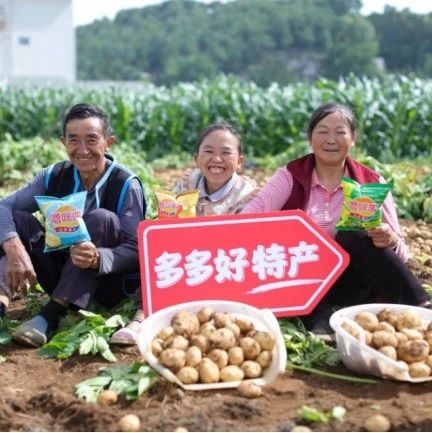
Core Viewpoint - Pinduoduo's second quarter revenue growth slowed to 7%, with a total revenue of 104 billion yuan, due to increased investments in high-quality development and the launch of the "trillion support" strategy to assist merchants [2][3] Group 1: Financial Performance - Pinduoduo reported a revenue of 104 billion yuan for the second quarter of 2025, reflecting a 7% growth rate [2] - The company is focusing on long-term value over short-term profits, indicating that short-term performance may fluctuate due to ongoing investments [3] Group 2: Strategic Initiatives - The "trillion support" strategy was introduced to enhance merchant support, marking a significant increase in investment aimed at fostering high-quality development [2][3] - The "100 billion reduction" policy, launched a year ago, has saved millions for merchants by reducing service fees, with over 100 billion yuan returned in promotional service fees alone [5] Group 3: Regional Development - Pinduoduo's "e-commerce westward" initiative has eliminated logistics transfer fees in western regions, leading to over 40% growth in order volume in these areas [5] - The initiative has significantly improved the availability of goods in western regions, enhancing both material and spiritual living standards for local consumers [5][7] Group 4: Agricultural Support - The "2025 Special Action for Good Local Products" has helped local agricultural products gain market access, with sales of agricultural products increasing by 47% year-on-year [9] - Pinduoduo's support has enabled local farmers to innovate and create value-added products, such as the development of a popular potato chip brand in Yunnan, benefiting over 11,000 farmers [9] Group 5: Merchant Empowerment - The "trillion support" strategy has expanded support for small and medium-sized merchants, focusing on enhancing their operational efficiency and reducing costs [11] - Pinduoduo is leveraging digital technology to assist merchants in product development, significantly increasing the success rate of new product launches [12] Group 6: Long-term Vision - The company emphasizes a commitment to long-term strategies, focusing on enhancing user experience and optimizing merchant services to create a win-win ecosystem [14] - Pinduoduo aims to guide the industry towards a more inclusive and open direction, creating greater positive value for society [14]

2025「VENTURE50」企业报名通道即将关闭!
投资界· 2025-08-26 07:30
2025「VENTURE50」 自启动以来,汇聚 2000余 家高成长科创企业报名参与,竞相涌现人工智 能、集成电路、医疗健康、航空航天、新能源新材料等前沿赛道;企业城市分布以上海、北京、深 圳、苏州、杭州持续领航,参评企业也不乏来自成都、武汉、西安以及全国各地的优质企业。放眼 望去,我国各地区科技创新产业蓬勃发展,硕果盈枝。 VENTURE50投资价值企业 由清科创业(1945.HK)于2006年创立,历经十九载的深耕与 发展,现 已成为中国高成长企业投资风向标。 企业报名通道 评 选 周 期 4-8月,项目征集: 点击文末" 阅读原文 ",于 8月29日 前提交真实准确的企业报名信息,参与2025 「VENTURE50」企业评选。 将于8月29日24时正式关闭! 企业报名结束后,进入为期3个月的项目评审阶段,百余位来自知名投资机构的专家评委将根据企业 的技术优势、商业模式、团队实力、资本前景等维度展开专业评审。期间还将组织多场线下路演活 动暨评审会,为参评企业链接头部资本、匹配产业上下游、对接地方政府,全方位打通行业资源。 评 选 维 度 风云榜: 融资阶段在B轮以后或成立时间在2022年之前的未上市企业 ...
基石轮火了
投资界· 2025-08-26 07:30
Core Viewpoint - The article highlights the significant shift in the Hong Kong IPO market, particularly the surge in cornerstone investments, which have become highly competitive and sought after, contrasting sharply with previous years when finding cornerstone investors was a major challenge [3][7][11]. Group 1: Market Dynamics - The cornerstone investment landscape in Hong Kong has transformed, with major players like Hillhouse Capital, Sequoia China, and local state-owned enterprises actively participating in IPOs [3][7]. - The successful IPO of CATL on May 20 attracted 23 cornerstone investors, raising approximately 20.37 billion HKD, which accounted for 65.7% of the global offering [4]. - The competition for cornerstone investment has intensified, with some firms requiring a minimum investment of 500 million HKD to qualify, reflecting the high demand and limited availability of shares [5][8]. Group 2: Investment Performance - Cornerstone investors in high-profile IPOs like CATL, Moutai, and Heng Rui Pharmaceutical have seen substantial floating profits, with total gains amounting to approximately 110.8 billion HKD, 20.19 billion HKD, and 31.69 billion HKD respectively [8]. - Tencent's investment in Lao Pu Gold has yielded a remarkable return, with a floating profit exceeding 5 billion HKD, marking it as one of Tencent's most profitable consumer investments [8]. Group 3: Future Outlook - The Hong Kong Stock Exchange has completed over 50 IPOs this year, raising nearly 17 billion USD, indicating a robust recovery and attractiveness of the market [11]. - There is a growing recognition among investors that Hong Kong listings can significantly benefit companies' future development, leading to a renewed interest in the market [8][11]. - The current environment is seen as a critical phase for asset value reassessment in China, with many investment firms urging suitable companies to expedite their Hong Kong listings [11][12].



中国外卖袋占领非洲
投资界· 2025-08-26 07:30
Core Viewpoint - The article highlights the unexpected popularity of Chinese takeaway bags in Africa, driven by local demand and the impact of plastic bans in various African countries [4][12][15]. Group 1: Market Overview - The global packaging bag market is projected to grow from $185 billion in 2023 to $240 billion by 2028, with food and retail sectors being the primary demand drivers [7]. - Chinese takeaway bags are priced between 0.1 to 0.3 RMB, with significant profit margins for international transport to Africa [7][9]. Group 2: Cultural and Economic Impact - African consumers have adopted Chinese takeaway bags as fashionable items, with certain designs fetching higher prices due to their perceived quality and aesthetic appeal [5][10]. - The introduction of strict plastic bans in countries like Kenya has created a market gap that Chinese takeaway bags have filled, as local alternatives are often more expensive and less accessible [12][15]. Group 3: Industry Dynamics - The Chinese non-woven fabric industry has rapidly evolved, with production reaching approximately 856,100 tons in 2022, showcasing a compound annual growth rate of 7% since 2014 [21]. - The industry benefits from a complete supply chain and cluster effects, particularly in regions like Hubei and coastal provinces, enhancing responsiveness and innovation [22][23]. Group 4: Environmental Considerations - The article discusses the environmental challenges posed by plastic waste in Africa, leading to stringent regulations that have inadvertently boosted the demand for alternative packaging solutions like Chinese takeaway bags [16][17]. - The effectiveness of these bans is debated, as they can lead to increased costs for consumers and impact local manufacturing jobs [17].

刚刚,星巴克劲敌要卖了
投资界· 2025-08-25 07:27
Core Viewpoint - The global coffee market is undergoing significant changes, with major players like Coca-Cola and Starbucks considering divestitures amid increasing competition and shifting market dynamics [2][10]. Group 1: Coca-Cola and Costa Coffee - Coca-Cola is reportedly evaluating the sale of Costa Coffee, having initially acquired it for £3.9 billion (approximately ¥34.7 billion) in 2018, but is now considering a sale price of only £2 billion (approximately ¥19.4 billion), indicating a significant depreciation in value [3][11]. - Costa Coffee's revenue was £1.22 billion (approximately ¥12.8 billion) in 2023, but the company has faced challenges in maintaining growth due to economic conditions and inflationary pressures [8][12]. - The competitive landscape has intensified, with rivals like Starbucks and fast-food chains such as McDonald's and Tim Hortons eroding market share, particularly in China, which is a crucial market for Costa [12][10]. Group 2: Starbucks and Market Dynamics - Starbucks China is also in talks for a potential sale, with interest from various investment firms, reflecting the competitive pressures it faces from local brands like Luckin Coffee and others [14][15]. - Starbucks' market share in China has dropped from 34% in 2019 to an estimated 14% by 2024, yet its valuation has increased significantly, with potential bids reaching up to $10 billion [15]. - The coffee market is experiencing a broader trend of consolidation and strategic realignment, as companies adapt to fierce competition and changing consumer preferences [16][17]. Group 3: Industry Trends - The coffee industry is witnessing a major reshuffling, with established brands like Costa and Starbucks reassessing their strategies in response to market pressures [13][16]. - The trend of divestitures and acquisitions is indicative of a larger shift in the consumer sector, where companies are moving from heavy asset models to lighter asset strategies to remain competitive [17].