投资界

Search documents
浙江国资放大招
投资界· 2025-08-25 07:27
Core Viewpoint - The article highlights the launch of three major funds in Zhejiang Province aimed at enhancing industrial investment and supporting strategic emerging industries, thereby reinforcing the "Zhejiang model" for economic development [4][10]. Fund Overview - The three funds include the "Technology Innovation New Quality Productivity Fund," the "State-Owned Enterprise Industrial Structure Optimization and Adjustment Fund," and the "High-Quality Development Fund for Listed Companies," each with a focus on different aspects of industrial growth [6][10]. - The total initial capital for these funds is approximately 150 billion yuan, with a goal to attract and leverage social capital for economic development [4][9]. Fund Functions - The Technology Innovation New Quality Productivity Fund focuses on early to mid-stage innovative projects in sectors like integrated circuits, high-end equipment, new materials, and medical technology [6][9]. - The State-Owned Enterprise Industrial Structure Optimization Fund aims to optimize the layout of state-owned capital through mergers, acquisitions, and restructuring to enhance competitiveness [6][9]. - The High-Quality Development Fund for Listed Companies targets value investment in quality listed companies, supporting market management and enhancing resilience during economic cycles [6][9]. Investment Strategy - The funds will operate under a market-oriented mechanism, ensuring efficient management and investment processes [9][10]. - A total of 24 projects have been signed, focusing on cutting-edge fields such as integrated circuits and humanoid robots, with an expected social capital investment of over 20 billion yuan [9][10]. Historical Context and Future Plans - Zhejiang's industrial funds have previously invested in over 1,600 projects, mobilizing approximately 545.9 billion yuan in various capital [12][14]. - The province's investment strategy includes a "4+1" special fund model to support advanced manufacturing clusters, with a target of 150 billion yuan for the year [12][13]. - The provincial government aims to increase the actively managed fund size to 100 billion yuan by the end of the 14th Five-Year Plan, further attracting social capital for high-quality economic development [10][12].


管理费的焦虑
投资界· 2025-08-25 07:27
Core Viewpoint - The article emphasizes the importance of staying updated with the latest trends and developments in the investment sector, particularly in the context of venture capital and startup ecosystems [1] Summary by Relevant Sections - The article highlights the dynamic nature of the investment landscape, noting that new opportunities and challenges continuously arise in the venture capital space [1] - It discusses the significance of networking and building relationships within the investment community to identify potential investment opportunities [1] - The article also points out the role of technology and innovation in shaping investment strategies and decision-making processes [1]
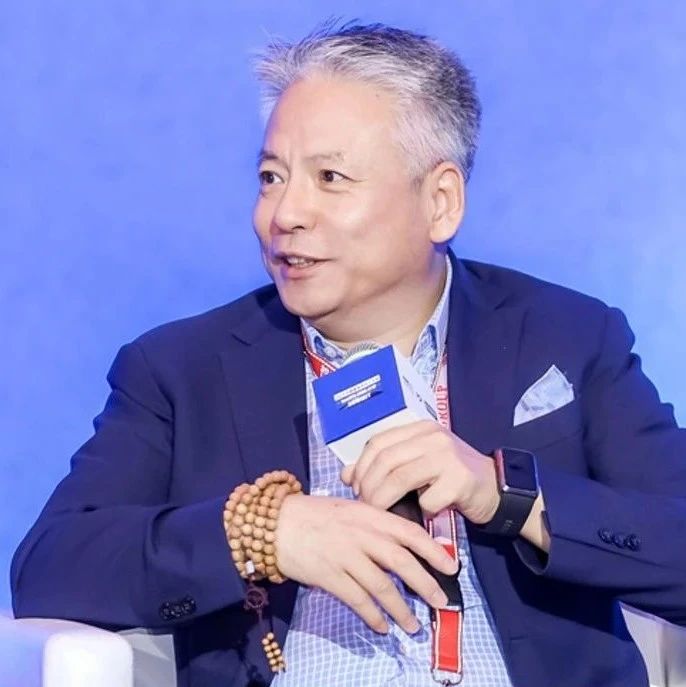
老年人正在挤满上海商场
投资界· 2025-08-25 07:27
Core Viewpoint - The article discusses the emergence of the "silver economy" in Shanghai's shopping malls, highlighting how they are increasingly catering to the elderly population, who are becoming significant consumers due to their social needs and financial stability [5][21]. Group 1: Observations in Shopping Malls - Shopping malls are witnessing a demographic shift with a noticeable presence of elderly individuals, who are actively engaging in social activities and enjoying their time in these spaces [6][7]. - Elderly consumers are not just passive participants; they are seeking social interactions, discussing travel, investments, and enjoying leisure activities like karaoke [9][10]. - Malls are adapting by providing comfortable spaces for the elderly, including rest areas and dining options that cater to their preferences, leading to increased foot traffic during weekdays [10][14]. Group 2: Financial Capability of the Elderly - The median retirement pension in Shanghai has reached over 5,000, with the top 10% receiving more than 8,000, indicating a strong financial position compared to many working individuals [15][16]. - The financial independence of retirees, free from housing and child-rearing burdens, allows them to spend more freely on leisure and social activities [16][19]. - Many elderly individuals are also participating in part-time jobs, contributing to their income and enhancing their social engagement [19][20]. Group 3: Market Adaptation and Strategy - Shopping malls in Shanghai are responding to intense competition by targeting the elderly demographic, recognizing their higher disposable income and willingness to spend [21][22]. - The shift in consumer demographics is prompting malls to redesign their spaces and offerings, moving away from traditional retail to more experience-oriented services that appeal to both the elderly and younger consumers [22][28]. - The silver economy is expected to grow significantly, with projections indicating that by 2038, the retired population may exceed the working population, necessitating further adaptation in retail strategies [24][27].

大学生贴钱卷实习
投资界· 2025-08-24 08:04
Core Viewpoint - The article discusses the phenomenon of unpaid internships among university students in China, highlighting the financial and emotional burdens they face while trying to gain work experience in a competitive job market [6][19]. Group 1: Internship Experience - Many students are engaging in internships that require them to pay for expenses, such as housing and transportation, leading to significant financial strain. For example, one student reported spending over 10,000 yuan during a summer internship, equivalent to a semester's living expenses [6][17]. - A survey indicated that 67.84% of students had their first internship experience in their freshman year, suggesting that the pressure to gain experience is increasing among younger students [16]. - The lack of compensation for internships, especially in prestigious institutions, is a common issue, with students often feeling that the experience does not provide adequate professional knowledge or skills relevant to their fields [18][19]. Group 2: Financial Burden - Students are often required to cover their own living expenses while interning in major cities, with costs such as rent and transportation adding up. For instance, one student calculated her monthly expenses at around 5,000 yuan while living in Beijing [9][10]. - The financial burden is compounded by the need to pay for both school-related fees and internship costs, leading to a situation where students feel pressured to rely on family support [19]. - The article raises questions about whether these unpaid internships are a worthwhile investment for students or merely a forced expenditure due to the competitive job market [19]. Group 3: Balancing Education and Work - Students are increasingly finding themselves in a dual role of being both employees and learners, which creates a challenging balance between academic responsibilities and internship commitments [7][14]. - The trend of "working while studying" is becoming more common, with a significant percentage of students juggling internships alongside their coursework, leading to increased stress and time management challenges [14][15]. - The pressure to perform well in both internships and academic settings is evident, with students often sacrificing their personal time and well-being to meet the demands of both [14][19].

华为二号位
投资界· 2025-08-24 08:04
Core Viewpoint - The article highlights the significant yet understated role of Xu Zhijun, a key executive at Huawei, emphasizing his contributions and leadership style within the company [4][5][27]. Group 1: Xu Zhijun's Background and Career - Xu Zhijun, born in 1967, began his education at a local teacher's college and later pursued advanced degrees at East China University of Science and Technology, showcasing his determination and academic excellence [7][8]. - He joined Huawei in 1993, a time when the company was struggling, and made a pivotal choice to work for a relatively unknown private enterprise rather than traditional sectors [9][10]. - Xu quickly rose through the ranks, becoming a project manager for the critical "C&C08" digital switch, which was crucial for Huawei's survival and growth in the telecommunications market [13][14]. Group 2: Leadership and Management Style - Xu Zhijun is known for his low-profile yet impactful leadership, having been a part of Huawei's board since its establishment in 2010 and serving as a vice chairman [5][21]. - His management style is characterized by directness and a focus on collective responsibility, often challenging the status quo and encouraging open communication within the company [22][24]. - He has been a strong advocate for meritocracy and organizational renewal, emphasizing the importance of adapting to change and maintaining a competitive edge [25][26]. Group 3: Contributions to Huawei's Growth - Under Xu's leadership, Huawei successfully expanded into international markets, particularly in Russia, where he played a crucial role in establishing partnerships and overcoming initial skepticism [16][18]. - His strategic vision led to significant advancements in Huawei's wireless business, contributing to the company's rise as a global leader in telecommunications equipment [19][20]. - Xu was instrumental in the establishment of the "2012 Lab," which has been pivotal in driving Huawei's innovation in areas such as AI and cloud computing, ensuring the company's technological competitiveness [26][27].

知名VC被骗了5亿
投资界· 2025-08-24 08:04
Core Viewpoint - The article highlights the fraudulent practices of the AI startup 11x, which misrepresented its customer base and financial metrics, raising concerns about the integrity of the AI industry and the potential for a bubble in AI investments [2][3][19]. Company Overview - 11x, founded by 24-year-old Hasan Sukkar in 2022, quickly gained attention and secured over 500 million yuan in funding from prominent venture capital firms like a16z and Benchmark [3][4]. - The company developed an AI employee named Alice, which was marketed as a revolutionary tool for sales automation, claiming to outperform human sales representatives in efficiency and cost [8][9]. Funding and Growth - By September 2024, 11x had raised a total of $76 million (approximately 540 million yuan) in funding, with a valuation of around $350 million following its Series B round led by a16z [9][11]. - The company introduced another AI character, Julian, to complement Alice, further expanding its product offerings in the sales automation space [8][9]. Fraud Allegations - Reports surfaced in early 2023 alleging that 11x falsely advertised its customer relationships and inflated its Annual Recurring Revenue (ARR) by including trial customers as long-term clients [11][12]. - Specific examples included claims of partnerships with companies that had only conducted short-term trials and subsequently terminated their contracts due to dissatisfaction with the product [11][12]. Leadership Changes - Following the scandal, Hasan Sukkar resigned as CEO, and the company's CTO, Prabhav Jain, was appointed as the new CEO [15]. Industry Context - The article draws parallels between 11x's situation and broader trends in the AI startup landscape, suggesting that many companies may be inflating their metrics to attract investment, reminiscent of past tech bubbles [16][18]. - The phenomenon of FOMO (Fear of Missing Out) among investors is highlighted as a driving force behind the rapid influx of capital into AI startups, raising concerns about sustainability and the potential for a market correction [18][19].

LP圈发生了什么
投资界· 2025-08-23 08:04
Core Insights - The article highlights the recent developments in Limited Partner (LP) activities, showcasing various funds and investments across different regions and sectors in China [2][5][6][8][12]. Group 1: Major LP Activities - Tencent has made a new investment in Chengdu Longzhu Equity Investment Fund, indicating its continued engagement in the venture capital space [2]. - KKR has successfully registered a private equity fund in Shanghai, marking its entry into the RMB fund market [3]. - A new Tencent-affiliated fund, Shenzhen Zhishu Investment Partnership, has been established with a registered scale of approximately 16.08 billion RMB [4]. Group 2: Fund Establishments and Investments - The QFLP project by Qiming Venture Partners has been launched with a total commitment of 200 million USD, focusing on early-stage investments in technology and healthcare [5]. - Jiangsu Xuzhou has registered a new mother fund with a total scale of 3 billion RMB, targeting emerging industries such as new energy and integrated circuits [7]. - A 3 billion RMB fund has been established in Hunan, focusing on digital economy and artificial intelligence [8]. Group 3: Sector-Specific Funds - The Changjiang Gengzhi Innovation Development Fund has been registered with a focus on new materials and high-end equipment [9]. - A new fund in Chongqing has been set up to invest in the new energy intelligent connected commercial vehicle sector [10]. - The Fujian Province has launched a cultural industry fund with a total scale of 1 billion RMB, focusing on the cultural industry ecosystem [12]. Group 4: Regional Fund Developments - Tianjin has registered its first QFLP fund with a capital of 54.5 million RMB, focusing on domestic substitution and digital economy sectors [14]. - The Ezhou city has established a semiconductor industry fund with a total commitment of 300 million RMB [15]. - Hebei Province has set up a 150 million RMB electronic information venture capital fund, focusing on early-stage technology companies [19]. Group 5: Government Initiatives and Policies - The Anhui Provincial Government is establishing a general artificial intelligence industry fund with a target scale of 20 billion RMB [28]. - The Shaanxi Province has introduced a technology innovation mother fund with a maximum loss tolerance of 100% for certain investment categories [26][27]. - The Guangxi Province is launching a technology achievement transformation mother fund with a total scale of 2 billion RMB, focusing on high-end technology projects [25].


中国最牛兄弟,5000亿
投资界· 2025-08-23 08:04
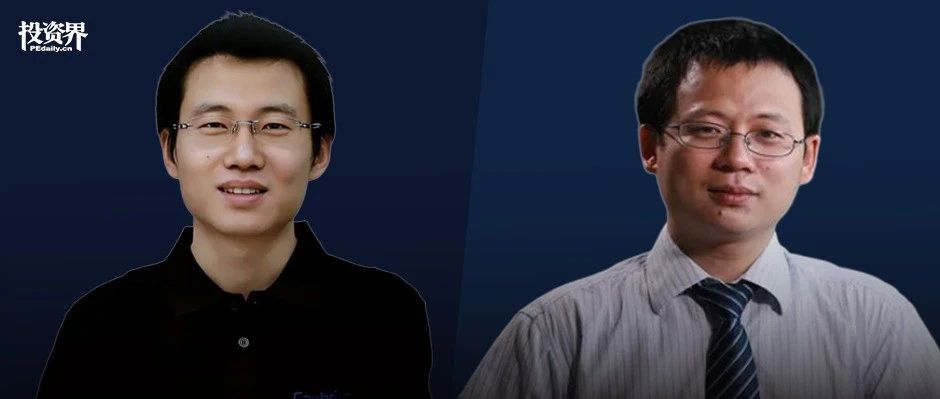
Core Viewpoint - The article highlights the remarkable rise of Cambrian, a Chinese AI chip company, which has achieved a market capitalization exceeding 500 billion yuan, becoming the second stock in A-share history to reach this milestone. The success is attributed to the innovative efforts of its founders and the support from venture capital, marking a significant turnaround after a period of losses and skepticism in the semiconductor investment landscape [3][11]. Company Background - Cambrian was founded by two brothers, Chen Yunji and Chen Tian Shi, who began their journey in AI chip development at the Chinese Academy of Sciences. Their initial concept for AI chip research was met with skepticism, as the field was largely unrecognized at the time [5][7]. - The company launched its first deep learning processor prototype in 2015 and gained significant recognition in 2017 when its chip was used in Huawei's AI smartphone [8][9]. Financial Performance - Cambrian faced substantial losses from 2020 to 2023, with net losses of 659 million yuan, 1.111 billion yuan, 1.579 billion yuan, and 1.043 billion yuan respectively. The company attributed these losses to supply chain issues and the need for continued R&D investment [9]. - A significant turnaround occurred in 2024, with the introduction of the Si Yuan 590 chip, leading to a stock price increase of 387% within the year and a market capitalization increase of over 200 billion yuan [11][12]. Market Dynamics - The article discusses the changing landscape of the AI chip market, particularly the increasing value of domestic chip alternatives as geopolitical factors influence supply chains. The domestic AI chip market is projected to reach approximately 323 billion yuan by 2026, with domestic chips expected to capture nearly half of the market share [13]. - Cambrian's recent financial success is attributed not only to the cooling sales of Nvidia's H2O chip but also to the broader trend towards supply chain autonomy in China [12][13]. Investment Insights - Early investors in Cambrian, such as Guotou Chuangye and Lenovo Ventures, have seen significant returns on their investments, reflecting the long-term potential of hard technology investments. The article emphasizes the importance of patience in the hard tech investment cycle, which often requires years before yielding substantial returns [15][17]. - The narrative illustrates the challenges and rewards of investing in hard technology, highlighting Cambrian's journey as a case study for future investors in the sector [17].
一个大学专业爆红
投资界· 2025-08-23 08:04
Core Viewpoint - The rapid expansion of China's low-altitude economy market has triggered a competition for "high-end" talent, with educational institutions responding by adding relevant programs to meet industry demands [6][8]. Summary by Sections Talent Competition - The Ministry of Education announced the addition of 239 undergraduate programs for 2025, with 120 focused on "Low Altitude Technology and Engineering," indicating a strong emphasis on low-altitude economy-related fields [6][7]. - Six universities, including Beijing University of Aeronautics and Astronautics, have been designated to lead the development of low-altitude economy disciplines, reflecting their existing strengths in aerospace and communication technologies [7][8]. Market and Policy Drivers - The low-altitude economy is becoming a favored area for academic program adjustments, driven by national policies and market demand, particularly in logistics, tourism, and emergency rescue sectors [8][9]. - By the end of 2024, the number of low-altitude economy enterprises in China is projected to reach 14,707, a year-on-year increase of 19.8%, significantly higher than the previous three-year average growth rate of 9.1% [8][9]. Regional Landscape - The competition in the low-altitude economy is not only about industry chains but also about talent, with various provinces actively establishing related programs [11][16]. - Sichuan leads with 14 low-altitude economy-related programs, followed by Jiangsu (11), Beijing (10), and Guangdong (10) [11][17]. - Major cities like Beijing and Chengdu are at the forefront, each with 10 programs, while cities like Nanjing and Guangzhou are also expanding their offerings [13][17]. Industry-Academia Collaboration - Despite a foundational talent pool, there is a significant talent shortage in the low-altitude economy, necessitating a shift towards more specialized and interdisciplinary training [19][20]. - Leading companies in the low-altitude economy are increasingly partnering with universities to enhance talent development through collaborative programs [19][20]. - The collaboration aims to align academic training with market needs, ensuring that educational institutions remain relevant and effective in producing qualified professionals [20].

淡马锡,投了叶国富
投资界· 2025-08-22 07:22
Core Viewpoint - The article highlights the booming trend of trendy toys, particularly focusing on the strategic financing of TOP TOY, a brand under Miniso, which has received significant investment from Temasek, leading to a post-investment valuation of approximately 10 billion HKD [2][5]. Group 1: TOP TOY's Growth and Market Position - TOP TOY reported a revenue of 400 million RMB in Q2 this year, marking an 87% year-on-year increase, and its total revenue for the first half of 2025 reached 740 million RMB, a 73% increase [8]. - The brand has expanded its store count to 293, with 98 new stores opened year-on-year, and plans to continue its aggressive expansion strategy [6][8]. - TOP TOY is exploring the possibility of a separate IPO, with aspirations to achieve this within three years, indicating a strong growth trajectory [9]. Group 2: Market Dynamics and Comparisons - The trendy toy market is experiencing significant growth, with competitors like Pop Mart achieving record performance, reporting a 204.4% year-on-year revenue increase to 13.88 billion RMB in the first half of 2025 [15]. - TOP TOY differentiates itself from Pop Mart by focusing on the secondary creation of major IPs, while Pop Mart primarily develops its own IPs [16]. - The article notes a growing consensus in the investment community that capturing the Z generation market is crucial for future success, as evidenced by various new entrants and IPOs in the trendy toy sector [18].