投资界

Search documents
20个月,一笔Buyout赚走30亿
投资界· 2025-08-20 07:37
Core Viewpoint - KKR plans to acquire Samhwa, a prominent South Korean cosmetics packaging company, for 800 billion KRW (approximately 4.16 billion RMB), marking a significant merger in the Asian market this year [3][4]. Group 1: Company Overview - Samhwa started as a small plastic bottle cap workshop in 1977 and evolved into a leading manufacturer of cosmetic packaging, particularly known for its precision pumps [6]. - The company gained prominence by securing a 10-year exclusive global supply contract with Estée Lauder and currently generates nearly 60% of its sales from major beauty brands like L'Oréal and LVMH [6][7]. - TPG acquired 100% of Samhwa and its affiliates for approximately 300 billion KRW (about 1.557 billion RMB) in November 2023, initiating a series of management reforms that significantly increased the company's valuation [7][9]. Group 2: Investment Dynamics - TPG is set to earn around 900 billion KRW (approximately 4.653 billion RMB) from the sale to KKR, achieving a remarkable return in just 20 months [9][10]. - The valuation of Samhwa nearly tripled under TPG's management, highlighting the effectiveness of their operational strategies, which included streamlining product lines and enhancing production efficiency [10][11]. - TPG's approach involved focusing on high-margin precision pumps and automating production processes, resulting in a 38% reduction in labor costs and improved profit margins [10][11]. Group 3: Market Trends - The buyout market is experiencing a resurgence, with private equity firms actively pursuing undervalued assets, particularly in challenging economic conditions [12][14]. - Recent trends indicate a growing interest in buyouts, as evidenced by significant fundraising efforts from firms like EQT and Silver Lake Capital, which have raised substantial funds for acquisitions [12][13]. - The competitive landscape for buyouts is intensifying, with notable transactions occurring in both international and domestic markets, signaling a shift towards more aggressive investment strategies [12][13].


员工要分12亿
投资界· 2025-08-19 09:19
Core Viewpoint - The article highlights the wealth creation opportunities arising from the recent stock reduction plans by employee shareholding platforms of the innovative pharmaceutical company, Elysium, amidst a booming market for innovative drugs in China [2][4]. Summary by Sections Employee Stock Reduction - Elysium's two employee shareholding platforms plan to reduce their holdings by up to 135 million shares, potentially generating over 1.2 billion yuan based on the stock price at the time of the announcement [4]. - The employee shareholding platforms were established between 2019 and 2020, with employees purchasing shares at prices between 9.82 yuan and 9.92 yuan per share, resulting in a tenfold increase in value compared to current prices [4][5]. Employee Participation - Approximately 102 employees from four shareholding platforms will share the 1.2 billion yuan reduction returns, with an average payout of around 10 million yuan per person [5]. - Some employees have missed out on this wealth creation opportunity due to leaving the company or transferring their shares [5]. Innovative Drug Market Dynamics - The innovative drug sector is characterized by high investment, long development cycles, and significant risks, yet many companies continue to focus on discovering and commercializing innovative drugs to meet unmet clinical needs [7]. - In 2023, China approved 40 new innovative drugs, with projections indicating a surge in commercialization in 2025 and 2026 [7][8]. Market Performance - The A-share innovative drug index has seen significant growth, reaching new highs in August, while the Hong Kong market has also experienced substantial increases, with some companies seeing stock price increases of nearly 20 times [8]. - The IPO market for innovative drugs is becoming increasingly active, with several companies successfully listing and experiencing significant stock price surges on their debut [8].

松禾资本厉伟:窄门,必由之路
投资界· 2025-08-19 09:19
Core Viewpoint - The article emphasizes the transformative impact of artificial intelligence on various industries and the importance of adapting investment strategies to align with emerging trends [10][12]. Group 1: Trends in Investment and Technology - Artificial intelligence is poised to fundamentally change the world, necessitating a shift from traditional technologies to innovative solutions [10][12]. - The current landscape shows that many industries face overcapacity, particularly in sectors like new energy vehicles and solar energy, highlighting the need for innovation and a focus on core competencies [10][12]. - The article stresses the importance of talent cultivation, technological barriers, and ecosystem development as critical factors for future growth [10]. Group 2: Characteristics of Successful Entrepreneurs - Successful entrepreneurs are described as long-term thinkers who prioritize sustainable growth over short-term gains [23]. - They possess strong professional capabilities and are willing to be "utilized" by others, fostering collaborative relationships that benefit all parties involved [23]. - Key traits include the ability to effectively manage and utilize talent, a pragmatic approach to business, and a deep understanding of the difference between effortful failure and lack of effort [23][24]. Group 3: Investment Philosophy - Investors should act as "appreciators," possessing aesthetic judgment to identify potential in early-stage ventures [25]. - The ability to integrate resources and support the development of companies is crucial, especially in the early stages of investment [26]. - Investors must also be decisive in managing their portfolios, adhering to principles of loss-cutting and profit-taking [26]. Group 4: Advice for Future Investors - The article encourages a mindset of respect for the industry and a recognition of the importance of continuous learning and adaptation [26]. - It advocates for an open and optimistic attitude towards investment opportunities, regardless of age, and emphasizes the need to collaborate with younger generations [26].
潮汕,玩具王国
投资界· 2025-08-19 09:19
Core Viewpoint - The global toy market is projected to exceed $100 billion in 2024, surpassing the global film market and accounting for about half of the global gaming market [5][6][12]. Industry Overview - The production of toys is heavily concentrated in Chenghai District, Shantou, Guangdong, which accounts for nearly one-third of global toy production [5][9]. - Despite high production volumes, profit margins for manufacturers in Chenghai are minimal, with major profits being captured by international brands like LEGO, Hasbro, and Mattel [5][11][13]. Historical Context - Historically, Hong Kong was a major hub for toy manufacturing until the 1980s when rising costs prompted a shift to Guangdong, particularly Chenghai [9][10]. - Chenghai adopted a "front shop, back factory" model with Hong Kong handling orders and Chenghai managing production [10]. Current Challenges - The toy manufacturing industry is characterized as a low-profit, labor-intensive sector, making it vulnerable to relocation to lower-cost regions in South Asia and Southeast Asia [6][10]. - Chenghai's toy industry is largely composed of small family-run workshops, which are resilient but may struggle to adapt to changing market conditions [10][11]. Market Dynamics - The most lucrative segments of the toy industry are intellectual property (IP) and brand premiums, with manufacturing being less profitable [13]. - LEGO's revenue for 2024 is projected to grow by 13% to 7.43 billion Danish kroner (approximately 83.1 billion RMB), with a net profit of 1.38 billion Danish kroner (approximately 15.4 billion RMB) [13][15]. Competitive Landscape - In comparison, Hasbro's revenue for 2024 is estimated at $4.136 billion (approximately 29.68 billion RMB) and Mattel's at $5.38 billion (approximately 38.6 billion RMB), indicating that LEGO's financial performance significantly outpaces its competitors [15][16]. - The success of LEGO is attributed to its innovative product offerings and strong brand engagement, particularly with adult consumers [17]. Future Trends - Chenghai's toy industry is moving towards higher-end and smart toys, with companies like Qunyu Interactive introducing programmable toys [11]. - Domestic brands are exploring differentiation strategies through strong IP collaborations and themes that resonate with Chinese cultural elements, such as military and aerospace topics [19][20]. - The quality of domestic building block products is improving, with companies like Gaodesi working to enhance the quality of building block materials [20]. Conclusion - The future of Chenghai's toy production may see a shift in capacity to other regions or countries, but design and R&D are likely to remain in Chenghai, potentially mirroring LEGO's dual focus on design and manufacturing [21].

90后首富诞生了
投资界· 2025-08-19 09:19
Core Viewpoint - The article highlights the remarkable journey of Ying Shi Innovation, which achieved a market capitalization of 120 billion yuan shortly after its IPO, showcasing the potential of young entrepreneurs in China's tech industry [3][6][10]. Company Overview - Ying Shi Innovation's stock price surged significantly, reaching 300 yuan per share, representing an increase of approximately 530% from its IPO price of 47.27 yuan within two months [3][7]. - The company was founded by Liu Jingkang, a 90s-born entrepreneur, who has become a prominent figure in the tech industry, leading a company with a market value exceeding 120 billion yuan [3][6][9]. Historical Context - Liu Jingkang's entrepreneurial journey began in 2015 after graduating from Nanjing University, focusing on VR and panoramic camera technology [8][9]. - The company relocated to Shenzhen to leverage a more robust supply chain, which proved crucial for its growth [8]. Product Development - Ying Shi Innovation launched its first consumer-grade panoramic camera, Nano, in 2016, which quickly gained popularity in the market [8]. - The company has consistently introduced new products, including the professional-grade VR camera Pro series and the ONE X action camera, maintaining a rapid product iteration cycle [8]. Investment Landscape - Early investors, such as IDG Capital, recognized the potential of Liu Jingkang and Ying Shi Innovation, leading to significant returns on their investments as the company grew [10][11]. - IDG Capital invested in the company during its angel round in 2015, acquiring 20% of the shares for approximately 470,000 yuan [11]. Industry Implications - The success of Ying Shi Innovation reflects a broader trend of young entrepreneurs in China driving technological innovation and market growth [13][14]. - The article emphasizes the importance of supporting young talent in the tech sector, as they are often unencumbered by traditional thinking and can rapidly adapt to emerging technologies [14][15].

KKR来上海募集人民币了
投资界· 2025-08-18 07:57
Core Viewpoint - KKR has successfully launched its first onshore RMB fund in Shanghai, marking a significant milestone in its commitment to the Chinese market and reflecting the growing interest of foreign capital in Chinese assets [3][4][7]. Fund Details - The fund, named Kaide Shipu (Shanghai) Private Investment Fund Partnership (Limited Partnership), was established in June 2025 and registered in Shanghai's Pudong district, focusing on equity investments in RMB [5][6]. - The fund management is handled by Kaide Private Fund Management (Shanghai) Co., Ltd., backed by KKR, with notable limited partners including Ping An Capital and the TPC family office from Singapore [6][7]. Market Context - The A-share market has recently surpassed a total market capitalization of 100 trillion yuan for the first time, indicating a robust market environment that is attracting foreign investment [3][14]. - There is a notable influx of foreign private equity firms establishing operations in China, with several new fund management companies registered in 2023, highlighting the increasing appeal of the Chinese market [13]. KKR's Investment Strategy - KKR's investment strategy focuses on mature industries with stable competitive landscapes, aiming for companies with strong pricing power and potential for operational efficiency improvements [10]. - Despite a decrease in the number of investments in recent years due to pricing discrepancies between buyers and sellers, KKR believes that there are more acquisition opportunities now than in the past [10]. Recent Acquisitions - KKR is actively pursuing acquisitions in China, including the recent approval for the acquisition of shares in Yuanjing International, associated with the popular Da Yao soda brand [10][11]. - The firm is also competing in the bidding for Starbucks' business in China, indicating its aggressive stance in the market [10]. Foreign Investment Sentiment - There is a growing recognition among global investors that the best assets are in China, with a significant increase in interest in Chinese technology companies and innovative pharmaceuticals [14][15]. - The sentiment reflects a broader trend of foreign capital seeking to capitalize on China's vast consumer market and supply chain capabilities [15].

“LP被伤过了”
投资界· 2025-08-18 07:57
Core Viewpoint - The article emphasizes the importance of staying updated with the latest trends and developments in the investment sector, particularly in the context of venture capital and startup ecosystems [1] Summary by Relevant Sections - The article highlights the dynamic nature of the investment landscape, noting that new opportunities and challenges continuously arise in the venture capital space [1] - It discusses the significance of networking and building relationships within the investment community to identify potential investment opportunities [1] - The article also points out the role of technology and innovation in shaping investment strategies and decision-making processes [1]
下一个BD大药
投资界· 2025-08-18 07:57
Core Viewpoint - The article discusses the rising trend of business development (BD) in the Chinese innovative pharmaceutical sector, highlighting significant transactions and the evolving landscape of BD strategies among companies and investors [5][11]. BD Trends - Many fund teams are researching the next BD trends and adjusting their investments accordingly, with a notable increase in BD transaction amounts in China, exceeding $48.4 billion in the first half of 2025, including over $2 billion in upfront payments [5][6]. - The impact of BD news on companies' short-term strategies is significant, especially in a resource-constrained environment where pipeline prioritization is critical [5][6]. Major BD Events - Significant transactions this year include a $60.5 billion collaboration between 3SBio and Pfizer, setting a record for domestic dual antibodies, and a $53.3 billion deal between CSPC and AstraZeneca [8][9]. - The trend is shifting towards "packaged" BD deals, which help build trust between companies, as MNCs remain cautious about the long-term delivery capabilities of Chinese biotech firms [9][10]. Changes in Perception of Going Global - The perception of Chinese innovative drugs going global has evolved, with a shift from high barriers to entry to recognizing numerous opportunities as MNCs actively seek partnerships [12][13]. - The focus has shifted to products that can be standardized and have a proven track record in China, indicating that BD opportunities are increasingly competitive [12][13]. High-Value BD Opportunities - The PD-1/VEGF dual antibody market is highlighted as a high-value area, with multiple Chinese biotech firms entering clinical stages and generating significant BD events [13][14]. - The TCE (T-cell engagers) sector is also emerging as a promising area for BD, with substantial transaction amounts already recorded [15]. Future Considerations - The BD landscape is expected to evolve, with uncertainties about the long-term sustainability of current successes and the potential impact of future clinical data on the reputation of Chinese biotech [17][18]. - Concerns exist regarding the sustainability of companies focusing solely on BD, as excessive reliance on selling core pipelines may hinder future growth and exit strategies [18][19].

阿里,投出一个天使轮
投资界· 2025-08-18 07:57
Core Viewpoint - Nova Fusion has completed a 500 million yuan angel round financing, attracting notable investors including social security funds and venture capital firms, indicating strong interest in the nuclear fusion sector [3][4]. Company Overview - Nova Fusion was founded in April this year in Shanghai by Guo Houyang, a prominent scientist in the nuclear fusion field, who has extensive experience and achievements in this area [4][6]. - The company aims to develop small modular nuclear fusion reactors, providing safe, zero-carbon, and cost-effective distributed energy solutions, leveraging the Field-Reversed Configuration (FRC) technology [9]. Technology and Goals - Nova Fusion's short-term goal is to achieve ion temperatures of 100 million degrees Celsius and validate key technologies, while the mid-term goal is to achieve a fusion energy gain (Q) greater than 1 [9]. - The long-term objective is to successfully output 50 megawatts (MW) of fusion power, facilitating the commercialization of small modular fusion power plants by 2035 [9]. Market Context - The global nuclear fusion industry has seen explosive growth, with total investments rising from 1.9 billion USD in 2021 to 9.7 billion USD, and the number of fusion companies increasing from 23 to 53 [12]. - The International Energy Agency (IEA) projects that global data center electricity demand will more than double by 2030, highlighting the strategic importance of nuclear fusion as a potential energy solution [13]. Future Prospects - The 2025 Global Fusion Industry Report predicts that over 35 companies will establish commercial fusion demonstration power plants capable of producing net energy between 2030 and 2035 [14]. - Significant advancements in nuclear fusion technology are being made in both the US and China, with various projects aiming to achieve practical fusion energy solutions in the near future [15].


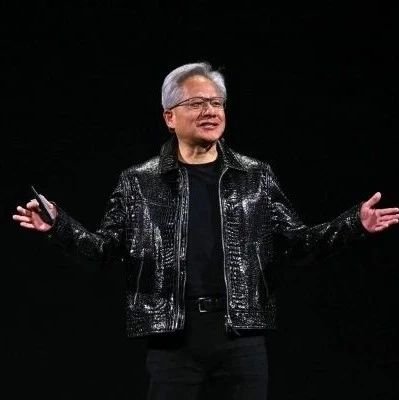
黄仁勋子女成长史
投资界· 2025-08-17 08:36
Core Viewpoint - The article discusses the career paths of Jensen Huang's children, Madison and Spencer, who have both risen to executive positions at NVIDIA, highlighting their unconventional journeys and the importance of their roles in the company's future directions in simulation and robotics [2][27]. Group 1: Madison Huang - Madison Huang, aged 34, is currently the Senior Director of the Omniverse software department at NVIDIA, with an annual income of $1.1 million for the fiscal year 2025 [4][15]. - She joined NVIDIA in 2020 as a marketing intern and has since held various positions, including Campaign Marketing Manager and Senior Product Marketing Manager, before becoming Senior Director in March 2025 [5][6]. - Madison's educational background includes a Bachelor's degree in Culinary Arts Management and an MBA from London Business School, showcasing a diverse skill set before her tenure at NVIDIA [7][12]. Group 2: Spencer Huang - Spencer Huang, aged 35, serves as the Robotics Product Line Manager at NVIDIA, focusing on AI models and simulation software for robotics, with a reported annual salary of $530,000 [15][17]. - He joined NVIDIA in 2022, initially as a product manager for the Isaac Sim Cloud team, and has a technical background that includes additional courses in human-computer interaction and an MBA from New York University [17][22]. - Prior to his role at NVIDIA, Spencer was a bar owner for eight years, where he established a successful cocktail bar that received international recognition [23][27].