投资界

Search documents
静安女,上海最卷
投资界· 2025-08-17 08:36
Core Viewpoint - The article discusses the phenomenon of "Jing'an women" in Shanghai, portraying them as ambitious and stylish professionals who navigate a competitive work environment while grappling with the pressures of consumerism and societal expectations [2][8][25]. Group 1: Definition and Characteristics of Jing'an Women - Jing'an women are described as urban professionals working in glamorous industries such as fast-moving consumer goods (FMCG), fashion, and finance, often seen as the hidden face of Shanghai [4][5]. - They are characterized by their polished appearance and high-energy work ethic, often working long hours and maintaining a façade of perfection despite the challenges they face [12][13][19]. Group 2: Social Dynamics and Hierarchies - Within the Jing'an women community, there exists a strict social hierarchy, with those working at prestigious companies like L'Oréal at the top, while others in less demanding roles are viewed as lower in status [5][7]. - The article highlights the competitive nature of their work environment, where interpersonal relationships and networking are crucial for survival and advancement [21]. Group 3: Economic Realities and Consumer Culture - Despite their glamorous image, many Jing'an women earn modest salaries, often around 10,000 yuan, which are quickly consumed by high living costs in Shanghai, such as expensive rent and luxury goods [8][17][23]. - The article emphasizes the disconnect between their perceived lifestyle and actual financial realities, suggesting that many are trapped in a cycle of consumerism without significant savings [19][23]. Group 4: Changing Perceptions and Critiques - There is a growing trend among younger generations to demystify the Jing'an woman archetype, recognizing the pressures and sacrifices that come with this lifestyle [22][25]. - The article concludes that the allure of the Jing'an woman is fading, as more individuals question the value of pursuing a seemingly glamorous but ultimately unfulfilling career path [25].


广东夫妇IPO:一年从非洲进账30亿
投资界· 2025-08-17 08:36
Core Viewpoint - Leshu Shi Limited, a company specializing in hygiene products, has submitted its IPO application to the Hong Kong Stock Exchange, highlighting its significant revenue from the African market, where it has become a household name despite being relatively unknown in China [4][12]. Company Background - Leshu Shi was founded by a couple, Shen Yanchang and Yang Yanjuan, who have a history of engaging with the African market through their previous company, Sen Da Group, which focused on international trade and manufacturing [4][6][10]. - The company began its operations in 2009 as a division of Sen Da Group, initially selling baby diapers in West Africa and has since expanded its product offerings [8][10]. Financial Performance - Leshu Shi reported revenues exceeding 3 billion yuan (approximately 450 million USD) in 2024, with baby diapers accounting for 75.3% of its total revenue [12][14]. - The company has experienced rapid growth, with a compound annual growth rate of 17.3% for baby diapers and 30.6% for sanitary napkins since 2022 [14]. Market Position - Leshu Shi holds a leading market share in Africa, with 20.3% in the baby diaper segment and 15.6% in the sanitary napkin segment, positioning it as a dominant player in the local market [14]. - The company has established a strong local presence with eight production facilities and 51 production lines across Africa, enabling it to maintain competitive pricing [14]. Strategic Approach - The company employs a low-cost strategy to cater to local consumers, with an average price of 8.29 cents (approximately 0.59 yuan) per baby diaper in 2024, making its products accessible to a broader audience [14]. - Leshu Shi's success is attributed to its localized production model, which helps reduce costs and meet the specific needs of the African market [14][19]. Industry Context - The article highlights a broader trend of Chinese companies successfully entering international markets, particularly in Africa, where demand for affordable consumer goods is growing [16][19]. - The competitive landscape is evolving, with a shift from merely offering lower prices to focusing on product innovation and meeting local consumer needs [19].

LP圈发生了什么
投资界· 2025-08-16 08:09
Group 1 - Shanghai Future Industry Fund plans to invest in 6 sub-funds, focusing on cutting-edge technologies such as brain science and synthetic biology, bringing valuable capital to the primary market [2] - Guangdong Province's Yueke Mother Fund is regularly selecting excellent sub-fund management institutions to collaborate with its 15 mother funds, with a maximum investment ratio of 30% for each sub-fund [3] - Hangzhou Science and Technology Fund is set to invest in 4 general partners, primarily targeting early-stage investments in technology and innovation [4] Group 2 - Zhejiang Province's Science and Technology Mother Fund (Phase II) has a scale of 300.2 million yuan, focusing on early-stage technology enterprises through a "sub-fund + direct investment" model [6] - The Jiangsu Xuyi 1 billion yuan mother fund has completed registration and will invest in sectors such as new materials and high-end equipment [9] - The Yunnan Dianzhong New Area Industry Guidance Fund has been launched with a scale of 5 billion yuan, aiming to support future industrial development [10] Group 3 - The establishment of the Xiangyang Science and Technology Talent Seed Fund aims to support high-level talent innovation and entrepreneurship projects, with a total scale of 50 million yuan [11][12] - Henan Province plans to set up a 3 billion yuan artificial intelligence industry fund to support various stages of financing needs for AI enterprises [13] - The establishment of the East Zheng New Venture Capital Fund focuses on high-end bearings and core components, with a total scale of 60 million yuan [14] Group 4 - The Jiangsu Province Energy Conservation and Environmental Protection New Industry Fund has a scale of 3 billion yuan, aimed at promoting strategic emerging industries [25] - The establishment of the Wancheng Economic Development Zone Industry Fund aims to accelerate industrial transformation and upgrade with a total scale of 5 billion yuan [26] - The Fuzhou New Area Smart Transportation Fund has a total scale of 3 billion yuan, focusing on policy-driven and market-oriented operations [29]

新能源高管,失业大半年了
投资界· 2025-08-16 08:09
Core Viewpoint - The current state of the new energy industry is marked by significant layoffs, salary reductions, and increased competition among job seekers, particularly affecting mid to high-level management positions [1][2][3]. Group 1: Employment Trends - Many mid to high-level executives in the new energy sector are experiencing prolonged unemployment, with some remaining jobless for over six months [3]. - The industry is undergoing severe restructuring, leading to a high concentration of market share among the top companies, which leaves little room for smaller players [3][4]. - The number of companies in the sector has decreased significantly, resulting in fewer available positions for experienced professionals [10]. Group 2: Salary and Job Market Dynamics - Salary reductions are becoming common, with reports of executives accepting offers significantly lower than their previous earnings [9][10]. - The competition for entry-level positions has intensified, with companies increasingly demanding higher educational qualifications from new graduates [12][14]. - The average salary for fresh graduates in the industry ranges from 10,000 to 20,000 per month, with potential year-end bonuses [12]. Group 3: Industry Challenges - The volatility in raw material prices, particularly lithium carbonate, has severely impacted the financial health of many companies, leading to closures and layoffs [4][10]. - The barriers between different segments of the battery industry, such as power and storage, have become more pronounced, complicating transitions for professionals seeking to switch fields [6][9]. - The trend of long working hours and high performance expectations is prevalent, with many companies adopting a culture similar to that of the tech industry, albeit with lower compensation for overtime [14][15].

00后,她融资1.5亿
投资界· 2025-08-16 08:09
Core Viewpoint - The emergence of Gen Z founders in the AI startup scene is highlighted, showcasing their innovative approaches and successful fundraising efforts, particularly through the story of So la Sol uti ons founded by two MIT dropouts [2][3][4]. Group 1: Company Overview - So la Sol uti ons was founded by Jessica Wu and Neil Deshmukh, both from MIT, who identified inefficiencies in traditional RPA (Robotic Process Automation) and aimed to create AI agents that can automate complex tasks with minimal human intervention [7][8]. - The company has successfully raised a total of $21 million (approximately 150 million RMB) through a $3.5 million seed round and a $17.5 million Series A round, attracting notable investors such as Conviction and a16z [9][10]. Group 2: Market Position and Vision - So la Sol uti ons aims to disrupt the RPA market dominated by larger players by offering a simpler tool that automates data processing across various sectors, including logistics, insurance, and healthcare [8]. - The founders envision their AI agents taking over repetitive tasks, allowing human workers to focus on more creative endeavors [8]. Group 3: Investment Landscape - The article emphasizes the increasing presence of female investors in the tech venture capital space, with notable figures like Sarah Guo and Kimberly Tan leading investments in AI startups [11][12]. - The trend of Gen Z entrepreneurs gaining traction in the investment community is noted, with several successful startups emerging from this demographic, indicating a shift in the entrepreneurial landscape [15][16].

上海,出资凶猛
投资界· 2025-08-15 07:05
Core Viewpoint - Shanghai Future Industry Fund is actively investing in multiple sub-funds to support cutting-edge technologies and future industries, aiming to create a significant impact on the market and foster innovation [4][5][7]. Investment Activities - Shanghai Future Industry Fund plans to invest in six sub-funds, including Shanghai Puqing Bencao Venture Capital and Shanghai Bilingxing Phase IV Venture Capital [4]. - In just four months, the fund has invested in eight sub-funds, focusing on areas such as brain science, synthetic biology, and hard technology [5]. - The fund has a total scale of 10 billion yuan, with 80% allocated to sub-funds and 20% to direct investments, potentially leveraging a total of 30-40 billion yuan in funding [8]. Strategic Focus - The fund emphasizes support for young innovators in sectors like future information, future energy, future health, future space, future manufacturing, and future materials [8]. - Specific areas of interest include intelligent science, large models, quantum computing, embodied intelligence, and silicon photonics within the future information industry [8]. Regulatory Environment - The fund has broken registration location restrictions, allowing investments in sub-funds registered outside Shanghai, aligning with national policy encouraging the removal of such limitations [9]. Broader Investment Landscape - Shanghai is recognized as a highly active city in venture capital, with significant initiatives like the launch of a 20 billion yuan AI seed fund and the selection of sub-funds for three major leading industries [11][13]. - The AI industry in Pudong has grown to over 160 billion yuan, accounting for approximately 40% of the city's total, with a strong focus on foundational research and innovation [12].
今年西安最大IPO来了
投资界· 2025-08-15 07:05
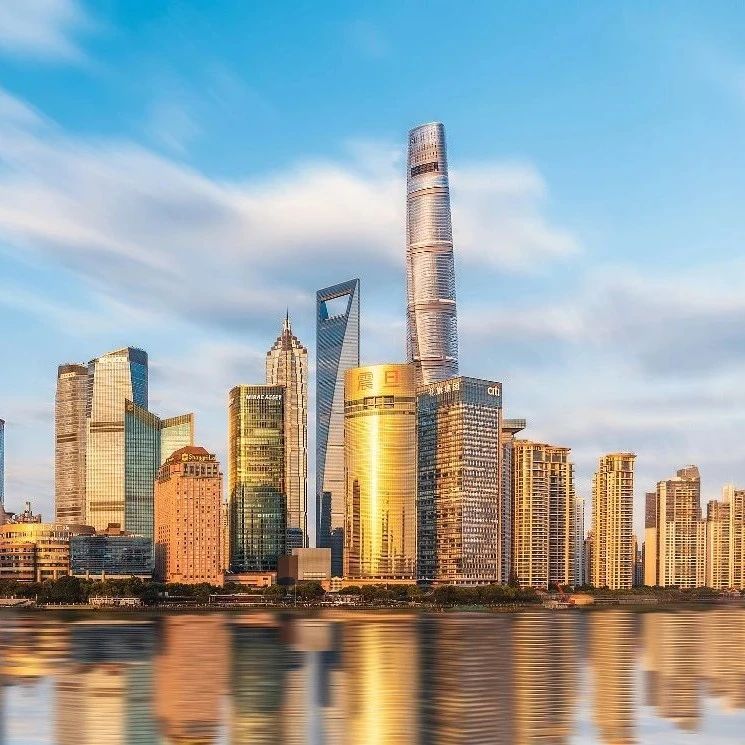
Core Viewpoint - Xi'an Yiswei Materials' IPO has been approved, aiming to raise 4.9 billion yuan, marking it as the largest IPO in 2024 and the biggest in Xi'an this year, highlighting a significant opportunity in the A-share market after a period of tightening [3][4]. Company Overview - Wang Dongsheng, known as the "Father of China's Semiconductor Display Industry," is the key figure behind Yiswei Materials, having transitioned from BOE Technology Group to focus on breaking foreign monopolies in silicon wafer production [3][5]. - Yiswei Materials, established in Xi'an, focuses on integrated circuits, with core businesses in chip solutions, silicon materials, and ecosystem investment [5][6]. Financial Performance - The company reported revenues of 1.055 billion yuan in 2022, projected to grow to 2.121 billion yuan by 2024, but incurred losses totaling over 1.8 billion yuan during this period [6][7]. - In the first half of 2025, Yiswei Materials achieved a revenue of 1.302 billion yuan, a year-on-year increase of 45.99%, marking a record high since its establishment [6][7]. Investment and Valuation - Yiswei Materials has attracted nearly 60 VC/PE institutions, with a total financing amount exceeding 10 billion yuan, and its valuation reached 24 billion yuan following recent funding rounds [9][10]. - The company has undergone significant financing activities, including a 30 billion yuan B-round and a nearly 40 billion yuan C-round, indicating strong investor confidence [9][10]. Industry Context - Xi'an has emerged as a critical hub for the semiconductor industry, housing over 200 related enterprises and ranking fourth nationally in semiconductor industry scale, with expectations to exceed 200 billion yuan by 2025 [11]. - The recent resurgence in the A-share IPO market, with a significant increase in the number of companies seeking to go public, reflects a broader trend of support for technology-driven enterprises [13][14].
广东省“粤创金桥”启动活动
投资界· 2025-08-15 07:05
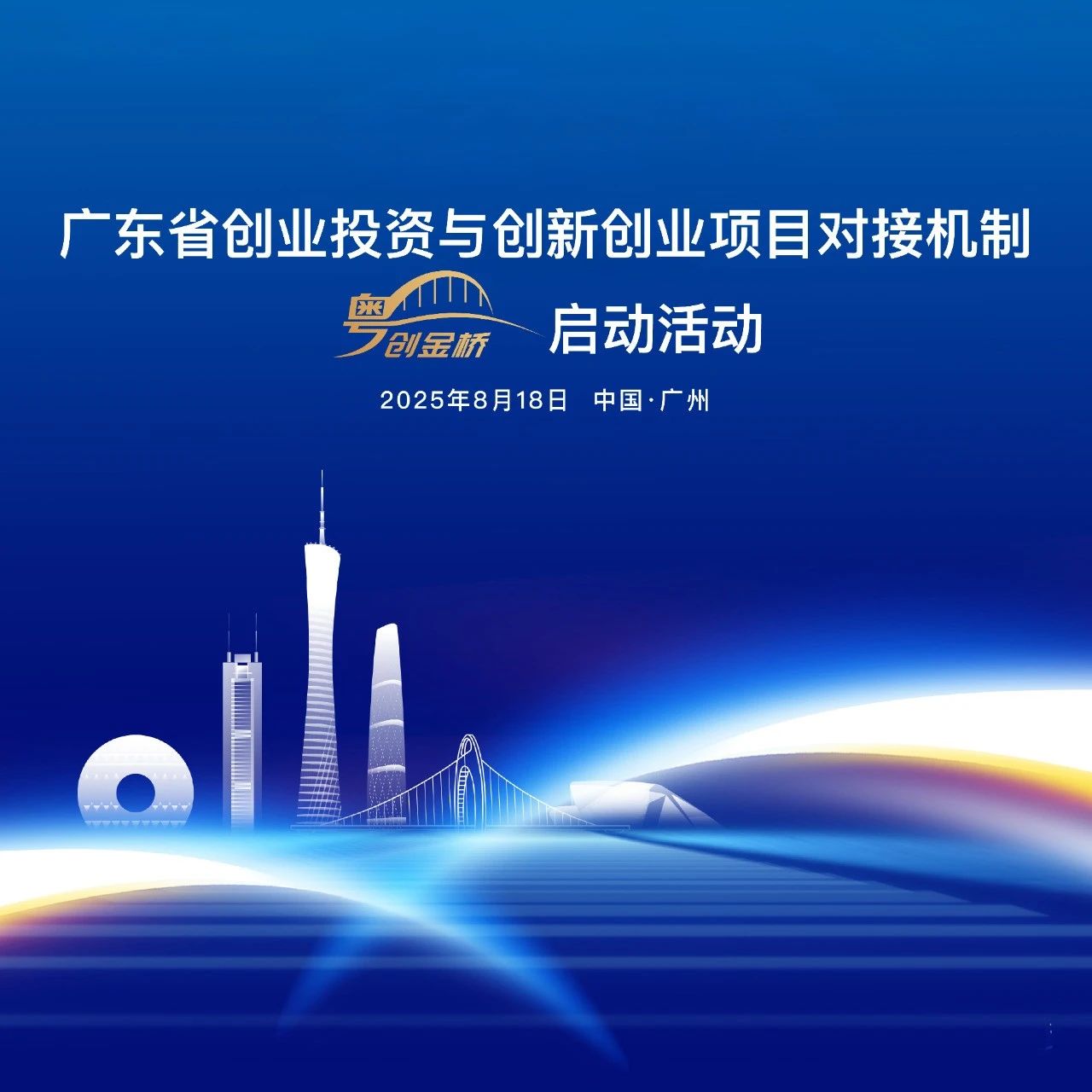
Core Viewpoint - The article emphasizes the launch of the "Yue Chuang Jin Qiao" initiative in Guangdong Province, aimed at creating a high-level, effective platform for venture capital and innovation project matching, thereby enhancing the synergy between industry and investment to foster a robust ecosystem for venture capital and entrepreneurship [2][3]. Group 1: Event Overview - The "Yue Chuang Jin Qiao" initiative was officially launched on August 18, 2025, as part of the provincial government's strategy to promote venture capital and better serve the real economy [2][3]. - The event aims to establish a regular, high-energy, and effective platform for venture capital matching, focusing on Guangdong while also reaching out to the Greater Bay Area and nationwide [3]. Group 2: Participating Companies - Several leading companies in the data security and advanced manufacturing sectors participated in the event, including: - Guangdong Mushroom Internet of Things Technology Co., Ltd., a data-driven control benchmark enterprise [6]. - South China Brain Control (Guangdong) Intelligent Technology Co., Ltd., a provider of original technology and platform solutions [6]. - Shenzhen Nanshe Intelligent Equipment Co., Ltd., focused on advanced materials manufacturing equipment [7]. - Guangzhou Aifeng Optical Technology Co., Ltd., known for its innovative chip manufacturing with proprietary technology [7].
第一批买AI眼镜的人,已退货
投资界· 2025-08-15 07:05
Core Viewpoint - The rapid rise and fall of AI glasses in the market highlights significant consumer dissatisfaction with product performance and functionality, leading to a high return rate and questioning the viability of the product category [2][7][17]. Group 1: Market Dynamics - Xiaomi's AI glasses sold nearly 50,000 units within three days of launch, indicating a strong initial demand [2][7]. - The Chinese smart glasses market is projected to reach 2.907 million units in 2023, driven by multiple new entrants including major tech companies like Huawei and Alibaba [7][12]. - Despite the initial sales success, the market is experiencing a wave of returns due to poor user experiences, with return rates estimated between 40% to 50% [17]. Group 2: Consumer Experience - Users reported significant issues with the AI glasses, including connectivity problems, subpar audio and video quality, and uncomfortable weight, leading to a quick decision to return the products [4][8][19]. - Specific complaints included delayed translation features, poor image quality, and awkward design, which did not meet consumer expectations [5][8][9]. - The experience of users like Li Cheng, who faced multiple functional shortcomings, reflects a broader trend of consumer disappointment with AI glasses [4][19]. Group 3: Historical Context - The history of smart glasses dates back to Google's Glass in 2012, which ultimately failed due to high costs and privacy concerns, setting a precedent for future products in the category [11][12]. - The recent resurgence in interest, particularly with Meta's collaboration with Ray-Ban, has reignited competition among tech companies, but many products still struggle with fundamental issues [12][13]. Group 4: Competitive Landscape - The entry of various companies into the AI glasses market has led to a competitive environment, with brands like Rokid and Flash Technology launching their products at lower price points [13][14]. - Despite aggressive pricing strategies, many new entrants face similar pitfalls as established brands, leading to negative consumer feedback and product returns [13][14][16]. - The market is characterized by a rush of innovation but also a lack of maturity in product development, resulting in a disconnect between consumer expectations and actual product performance [17].


二次元攻占上海
投资界· 2025-08-14 08:16
Core Viewpoint - Shanghai is emerging as a central hub for the gaming industry in China, particularly in the realm of ACG (Anime, Comic, and Games), showcasing significant cultural influence and economic potential [5][15][22]. Group 1: Events and Cultural Influence - Shanghai hosts numerous gaming and ACG events throughout the year, indicating its status as a leading city in the industry [7][15]. - The city has integrated ACG culture into various urban spaces, such as the "元界" (Neo World) street, which features themed installations and events that enhance the cultural landscape [10][12]. - The first "Shanghai Summer International Animation Month" was held, uniting major ACG events and promoting local culture through a "dimension map" connecting various attractions [15][16]. Group 2: Industry Development and Support - The Shanghai government is actively supporting the gaming industry by establishing incubators and service centers to foster growth and innovation [13][17]. - Notable companies like Eagle Horn, Mihayou, and Lilith are recognized for their contributions to the local gaming ecosystem and their social responsibility initiatives [17][18]. - The collaboration between gaming companies and local government is evident in various cultural exchange programs, such as the "Shanghai Day" event in New York, showcasing local ACG culture internationally [18][19]. Group 3: Economic Impact and Future Prospects - ACG events are significant drivers of local economic growth, with Shanghai increasing its investment in this sector to attract more visitors and enhance cultural tourism [15][16]. - The gaming industry in Shanghai is positioned for further growth, with a focus on integrating gaming as a vital part of the city's cultural identity [22].