投资界

Search documents
100亿,国家级母基金诞生
投资界· 2025-06-13 07:22
Core Viewpoint - The article discusses the establishment of the second phase of the Service Trade Innovation Development Guidance Fund, which aims to support the growth of service trade enterprises in China, particularly in the context of foreign trade and digital economy [2][8]. Fund Overview - The total scale of the Service Trade Fund Phase II is set at 10 billion yuan, with a duration of up to 15 years [4][3]. - Key contributors include the Ministry of Finance (2 billion yuan), Shenzhen Investment (1.9 billion yuan), and Hangzhou Industrial Investment (1.5 billion yuan), among others [4][5]. Investment Strategy - The fund will adopt a "mother fund + direct investment" approach, with at least 70% allocated to sub-funds and no more than 30% for direct investments [5][6]. - It will focus on key areas outlined in the "Guidance Catalog for Key Areas of Service Exports" and "Key Development Areas for Service Outsourcing," supporting new business models in health technology, cross-border e-commerce, and digital economy [6][7]. Historical Context - The Service Trade Fund is recognized as the first national-level mother fund in the foreign trade sector, initiated in 2016 to broaden financing channels for service trade enterprises [8][9]. - The first phase of the fund was established with a total scale of 30 billion yuan, primarily targeting digital economy and logistics technology [8]. Market Conditions - The fundraising environment for VC/PE in China remains challenging, with a significant decline in the number and scale of newly raised funds in 2024 compared to previous years [11][13]. - Government funding has become a primary source of capital, while private LPs have become increasingly cautious, impacting the overall fundraising landscape [13].


争夺千万富豪
投资界· 2025-06-13 07:22
Core Viewpoint - The article discusses the increasing popularity of family trusts among wealthy individuals in China, highlighting the shift in private banking services from asset accumulation to providing unique non-financial services and emotional value to retain high-net-worth clients [3][8][10]. Group 1: Private Banking Landscape - Private banking clients in China typically have investable assets exceeding 6 million yuan, with some banks setting higher thresholds, such as 10 million yuan at China Merchants Bank [3][5]. - The number of high-net-worth individuals in China with investable assets over 10 million yuan reached 3.16 million by the end of 2022, with an average investable asset of approximately 31.83 million yuan [5]. - The private banking sector has transitioned from "land grabbing" to "stock competition," focusing on existing clients as the market matures [3][20]. Group 2: Non-Financial Services - Non-financial services have become a core competitive advantage for private banks, with offerings including private jet bookings, Antarctic travel, and exclusive medical consultations [3][6][7]. - High-net-worth clients are increasingly attracted to unique experiences, such as customized concerts and exclusive travel opportunities, which enhance emotional value and client loyalty [4][6][7]. - Banks are investing heavily in providing high-end, scarce services to differentiate themselves in a competitive market [6][7]. Group 3: Family Trusts and Wealth Management - Family trusts and family offices are becoming focal points for private banks, especially for ultra-high-net-worth clients with assets exceeding 20 million yuan [10][11]. - Over 70% of high-net-worth individuals are preparing for wealth transfer, driven by concerns over asset protection and family dynamics [10][11]. - The family trust market in China is growing, with a reported balance of 643.58 billion yuan by the end of 2024 [11]. Group 4: Investment Trends - Wealthy clients are increasingly allocating assets to insurance products and precious metals like gold, especially in response to market volatility [15][19]. - The demand for exclusive investment products from top international asset management firms is rising among private banking clients, with minimum investment thresholds often set at 2 million yuan [14][19]. - Private banks are tailoring investment solutions to meet the specific needs of high-net-worth clients, often collaborating with various financial institutions [14][15]. Group 5: Client Retention and Competition - The private banking sector is experiencing a slowdown in client growth, leading to a focus on retaining existing clients and preventing asset outflows [20]. - The contribution of private banking clients to overall bank assets is significant, with a small percentage of clients holding a large portion of wealth [16][19]. - Banks are recognizing the comprehensive value of private banking clients, who often bring additional business opportunities through their enterprises [19][20].




华工校友,正排队IPO敲钟
投资界· 2025-06-13 07:22
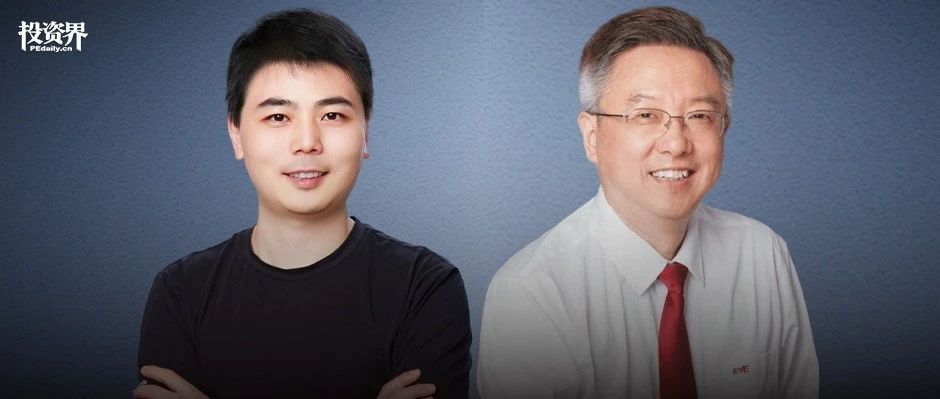
Core Insights - The article highlights the recent IPO activities of companies founded by alumni of South China University of Technology (SCUT), emphasizing their significant contributions to the technology and investment landscape in China [1][10]. Group 1: Recent IPOs - Huizhou EVE Energy Co., Ltd. plans to issue H-shares and list on the Hong Kong Stock Exchange, while Stone Technology, valued at nearly 40 billion yuan, also announces its IPO in Hong Kong [1][8]. - Notable alumni from SCUT, including Liu Jincheng of EVE Energy and Chang Jing of Stone Technology, are leading these IPOs, showcasing the university's influence in the tech sector [1][7]. Group 2: Company Profiles - Stone Technology, founded by Chang Jing, has evolved from a mobile internet product manager to a key player in the smart home market, launching its first product, the "Mijia Robot Vacuum," in 2016 [6][7]. - EVE Energy, under Liu Jincheng's leadership, has seen rapid growth since its establishment, with projected revenues of 48.6 billion yuan and a net profit exceeding 4 billion yuan for 2024, ranking ninth globally in power battery market share [7][8]. Group 3: SCUT's Influence - SCUT is recognized as a "cradle of engineers" and has produced over 200 founders and leaders of listed companies, significantly impacting various industries, particularly in new energy and technology [14][12]. - The university's alumni network is instrumental in fostering entrepreneurship, with many graduates successfully launching companies in the automotive and energy sectors, including notable figures like Zeng Yuqun of CATL [11][14]. Group 4: Future Prospects - Several other SCUT alumni-led companies are preparing for IPOs, including Yujian Xiaomian and Guanghe Technology, indicating a growing trend of SCUT graduates entering the public market [12][13]. - The university's emphasis on interdisciplinary education and research in emerging fields like AI and new materials positions its graduates for continued success in the evolving tech landscape [16][15].
高盛来捡漏了
投资界· 2025-06-12 07:19
Core Viewpoint - Goldman Sachs is raising its largest-ever S fund, targeting over $14.2 billion (approximately 101.9 billion RMB) to capitalize on the current secondary market opportunities created by other firms selling assets at discounted prices [2][6]. Group 1: Market Dynamics - The secondary market is experiencing a surge in activity, with significant transactions occurring as institutions seek liquidity amid a prolonged IPO drought [11]. - Blackstone recently completed a $5 billion S transaction involving over 125 private equity funds, indicating a robust appetite for secondary market deals [7]. - Yale University's endowment fund is reportedly selling private equity assets worth up to $6 billion, reflecting a trend among top-tier endowments to offload assets at discounted prices [8][11]. Group 2: Fundraising Trends - Goldman Sachs' new S fund is part of its Vintage series, primarily targeting institutional investors, with the final size still to be determined based on fundraising outcomes [6]. - Apollo Global Management raised $540 million for its first S fund, while Rothschild completed a fundraising exceeding €2 billion for its S fund, showcasing strong interest in this investment strategy [10]. - The global secondary market fundraising reached $5.21 billion in Q1 2025, nearly half of the total for the previous year, indicating a growing trend in this sector [10]. Group 3: Liquidity Challenges - The decline in IPO activity since 2021 has left many private equity firms with unsold assets, prompting a search for alternative liquidity solutions [11]. - The demand for cash flow recovery among limited partners (LPs) has intensified, leading to increased asset sales at discounts of 10% to 20% [11][12]. - The current market conditions suggest a buyer's market, where institutions capable of acquiring assets have greater negotiating power [12].



一家国资被坑怕了
投资界· 2025-06-12 07:19
Core Viewpoint - Temasek, Singapore's sovereign wealth fund, has seen its investment scale in startups shrink by nearly 90% compared to three years ago, prompting a strategic reassessment due to significant losses from high-profile failures like FTX and eFishery [1][2][11]. Investment Scale and Strategy Adjustment - Temasek's investment scale dropped from $4.4 billion in 2021 to $509 million last year, with only $7 million invested in the first five months of this year [11]. - The number of first-round investment projects decreased from 82 in 2021 to 11 last year, indicating a cautious approach towards early-stage investments [11]. - The average due diligence period for startups has been extended to 10 months, reflecting a more rigorous investment process [10]. High-Profile Failures - Temasek was significantly impacted by the collapse of FTX, where it invested $275 million, resulting in a total loss after the company's bankruptcy [6]. - Another notable failure was eFishery, which faced bankruptcy due to fraud allegations, leading to severe financial losses for Temasek [7]. Internal Reflection and Accountability - Following the investment failures, Temasek initiated internal reviews and held senior management accountable by reducing their compensation [10]. - The organization is shifting its strategy to focus more on indirect investments through venture capital funds and prioritizing investments in companies closer to going public [10]. Broader Implications for State-Owned Investment Institutions - Temasek's situation serves as a cautionary tale for domestic state-owned investment institutions, which have increasingly dominated the investment landscape, particularly in technology sectors [13][14]. - The trend of state-owned entities leading investments raises concerns about risk aversion and the balance between government strategic goals and investment returns [14][15].

五源做了一场AI生存挑战
投资界· 2025-06-12 07:19
Core Insights - The article discusses the "72-hour AI Survival Challenge" organized by Wuyuan Capital, where participants from diverse backgrounds used AI tools to navigate daily life without traditional internet access [3][50] - The challenge aimed to explore the potential and limitations of AI in real-world applications, emphasizing the need for new interaction pathways between humans and AI [5][21] Group 1: Challenge Overview - The challenge took place from May 15-18, 2025, in Shanghai, involving participants like product managers, students, and developers [3] - Participants were equipped with a computer and basic AI tools, but all conventional internet and mobile applications were disabled, forcing them to redefine daily tasks using AI [10][4] Group 2: Participant Experiences - Participants created various projects, including an AI friend, a survival song, and virtual live streaming setups, showcasing the creative potential of AI [4][11] - Challenges included technical difficulties such as human verification processes, which hindered automation efforts [21][14] Group 3: AI Tools Utilized - The AI tools provided included general language models for text generation and interaction, programming aids for development, and multimodal generation tools for content creation [7][9] - Participants had to innovate and adapt these tools to complete tasks like ordering food and creating digital content [23][30] Group 4: Emotional and Social Implications - The challenge raised questions about AI's ability to understand human emotions and foster connections, highlighting the boundaries of AI in addressing loneliness and emotional needs [5][22] - Participants reflected on the nature of human-AI relationships, considering whether AI can fulfill emotional roles or merely serve functional purposes [29][28] Group 5: Future Perspectives - The event served as a microcosm for exploring the future of human interaction with AI, suggesting that AI could redefine relationships and collaboration in various contexts [52][53] - The insights gained from the challenge may inform future educational models and the evolving role of technology in daily life [52][50]

稀土的力量
投资界· 2025-06-11 03:06
Core Viewpoint - The article discusses the strategic importance of rare earth elements in the context of US-China trade relations, highlighting China's dominant position in the rare earth supply chain and the implications for global technology industries [4][13][22]. Group 1: US-China Trade Relations - Following a conversation between the US and Chinese leaders, President Trump announced that China agreed to resume rare earth exports to the US [4]. - The ongoing trade tensions have led to a focus on rare earths and technology, with both countries leveraging their respective strengths: the US in chips and China in rare earths [5][8]. - China's cautious approach to export controls contrasts with the US's aggressive sanctions, indicating a strategic shift in response to US actions [5][24]. Group 2: Importance of Rare Earths - Rare earth elements are crucial for various high-tech applications, including automotive, semiconductors, and military technologies [7][20]. - The supply of rare earths is currently tight, leading to significant price increases; for instance, the price of dysprosium oxide in Europe rose by 167.8% since early April [15]. - Major automotive manufacturers are facing production challenges due to rare earth shortages, with some factories temporarily shutting down [18][16]. Group 3: China's Dominance in Rare Earths - China controls over 60% of global rare earth production and 92% of processing, giving it a near-monopoly in the sector [13][14]. - The US heavily relies on China for rare earth imports, with over 90% of its rare earth compounds and metals coming from China as of 2023 [22]. - Historical context shows that China's dominance in rare earths is a result of decades of strategic investment and policy decisions [24][25]. Group 4: US Efforts to Diversify Supply - The US is exploring alternative sources for rare earths, including partnerships with countries like Australia and Ukraine, and projects like the Round Top project in Texas [39][38]. - Despite these efforts, the US faces significant challenges in establishing a self-sufficient rare earth supply chain, with estimates suggesting it could take at least 10 years and $10-15 billion to develop [44][42]. - The historical challenges faced by US rare earth production, particularly the closure of the Mountain Pass mine, highlight the difficulties in competing with China's established supply chain [35][45].

刘靖康的第一笔钱
投资界· 2025-06-11 03:06
Core Viewpoint - The successful IPO of YingShi Innovation marks a significant moment for young entrepreneurs in China, showcasing the belief in their potential and creativity [2][13]. Group 1: Company Background - YingShi Innovation, founded by Liu Jingkang, a 90s-born entrepreneur, has rapidly evolved from software to hardware, focusing on VR and panoramic cameras [6][8]. - The company launched its first consumer-grade panoramic camera, Nano, in July 2016, which quickly gained popularity in the market [6]. - By 2023, YingShi Innovation has maintained its position as the global leader in the panoramic camera sector for six consecutive years [6]. Group 2: Investment Journey - IDG Capital became the first external investor in YingShi Innovation in 2015, supporting the company through multiple funding rounds [4][8]. - The investment process was notably swift, with IDG Capital deciding to invest after just one meeting with Liu Jingkang, despite the absence of a formal business plan [5]. - YingShi Innovation has completed at least eight rounds of financing before its IPO, with significant contributions from IDG Capital and other investors [9]. Group 3: Global Expansion - Over 70% of YingShi Innovation's revenue now comes from overseas markets, highlighting its successful global strategy [10]. - The company has positioned itself as a representative of "Chinese manufacturing" on the global stage, with products like the Insta360 X5 generating significant international demand [10][11]. Group 4: Focus on Young Entrepreneurs - IDG Capital has strategically focused on investing in young entrepreneurs, particularly those born in the 90s, recognizing their innovative potential [13][14]. - The firm has identified that younger entrepreneurs often drive significant commercial innovation due to their fresh perspectives and willingness to challenge traditional norms [14][15]. - The current wave of young entrepreneurs in China is characterized by their technical expertise and ability to leverage new technologies, positioning them as key players in the global tech landscape [15].

五星级酒店大逃杀
投资界· 2025-06-11 03:06
Core Viewpoint - The high-end hotel industry in China is undergoing significant changes, with traditional business models being challenged and new strategies emerging to attract customers and improve profitability [3][20][21]. Group 1: Industry Background - High-end hotels were once the center of attention, catering to elite clientele and influencing social events, but they are now facing declining relevance and profitability [3][4]. - The entry of foreign hotel chains in the 1980s established a dominant market presence, but local competition and changing consumer preferences have eroded their market share [7][10]. - The annual return on investment for five-star hotels in China is low, ranging from 0.3% to 4%, indicating a challenging financial landscape [11][20]. Group 2: Market Dynamics - The real estate sector has historically supported the hotel industry, but tightening regulations and market pressures have led to a surge in hotel asset sales [18][19]. - Major hotel groups like Marriott have reported strong performance, with a 73% year-on-year increase in signed room contracts, indicating a potential recovery in certain segments [7][21]. - The shift in consumer behavior, with a focus on unique experiences and value, is reshaping the competitive landscape for high-end hotels [42][47]. Group 3: Strategic Responses - High-end hotels are diversifying their offerings, including food and beverage services, to enhance customer experience and drive revenue [50][52]. - Collaborations with local platforms like Meituan are being explored to tap into a broader customer base and reduce customer acquisition costs [31][36]. - The integration of lifestyle elements into hotel offerings is becoming essential, as consumers seek more than just accommodation [48][49]. Group 4: Future Outlook - The hotel industry must adapt to changing consumer demands and preferences, focusing on personalized experiences and enhanced service quality to remain competitive [60][62]. - The potential for growth exists in lower-tier cities, where new hotel openings are planned to capture emerging consumer segments [35][36]. - Failure to adapt to these market changes could result in further financial distress for high-end hotels, as evidenced by recent bankruptcies in the sector [57][63].


科创板首位90后敲钟了,700亿
投资界· 2025-06-11 03:06
Core Viewpoint - The rise of the post-90s generation in China's technology innovation landscape is exemplified by the successful IPO of YingShi Innovation, marking a significant milestone in the industry [1][3][15]. Company Overview - YingShi Innovation, known as the "first stock of smart imaging," went public with an IPO price of 47.27 yuan per share, raising 1.938 billion yuan and achieving a market capitalization exceeding 70 billion yuan at opening, with a surge of 285% [1][2]. - The company has maintained a leading position in the global panoramic camera market, holding a market share of 67.2% in 2023, and has shown impressive revenue growth with a compound annual growth rate of 65.25% from 2022 to 2024 [7][8]. Founder Background - Liu Jingkang, the 34-year-old founder, has a background in software engineering and has been a technology enthusiast since childhood. He co-founded YingShi Innovation after recognizing the potential in the panoramic camera industry [2][3][4]. - The company was established in 2015, and Liu led the team through challenging early stages, emphasizing the importance of product quality and innovation [4][5]. Product Development - YingShi Innovation's product line includes various models of panoramic cameras, professional VR cameras, and action cameras, with a rapid product iteration cycle [7]. - The company successfully launched its first consumer-grade panoramic camera, Nano, in 2016, which quickly gained popularity in the market [5][6]. Financial Performance - The company's financials show significant growth, with projected revenues of 20.41 billion yuan in 2022, 36.36 billion yuan in 2023, and 55.74 billion yuan in 2024 [7][8]. - YingShi's overseas sales have also been substantial, contributing to 79.43% of revenue in 2022, 80.83% in 2023, and 76.35% in 2024, indicating a strong international market presence [9]. Investment Journey - The company has attracted significant investment from notable firms such as IDG Capital and Qiming Venture Partners, with IDG holding over 13% of shares prior to the IPO [10][13]. - The investment journey began in 2015, with early funding rounds that helped transition the company from software to hardware, a pivotal move for its growth [12]. Industry Significance - The IPO of YingShi Innovation is seen as a rare and valuable event in the A-share market, symbolizing the emergence of a new generation of entrepreneurs in China's tech sector [13][14]. - The article highlights a broader trend of young founders in China, who are increasingly focused on technology and innovation, contrasting with previous generations that emphasized sales and business operations [19][20].