母基金研究中心

Search documents
已经有国资放弃直投了
母基金研究中心· 2025-08-22 09:34
Core Viewpoint - The article discusses the shift in strategy among state-owned enterprises (SOEs) in China, moving from direct investments to mergers and acquisitions (M&A) due to poor performance in previous direct investments [2][3][4]. Group 1: Strategy Shift - Many SOEs are adjusting their investment strategies, opting not to pursue direct investments anymore, focusing instead on M&A opportunities [2]. - The poor performance of past direct investments has led to a reluctance to invest further, with some investment departments being downsized or becoming inactive [2][3]. - The trend of moving from direct investments back to mother fund strategies is noted among several SOEs [3]. Group 2: M&A Opportunities - There has been a rise in M&A opportunities that are attracting SOEs, with numerous new M&A funds being established [4][5]. - Over 10 regions have introduced policies to support M&A and the establishment of M&A funds, indicating a growing trend [5]. - The Shanghai municipal government has launched an M&A fund matrix with a total scale exceeding 500 billion yuan, focusing on various sectors including biomedicine and high-end equipment [4]. Group 3: Market Potential - The current market shows significant potential for M&A, with over 60% of listed companies having a market value of less than 10 billion yuan, suggesting ample opportunities for consolidation [5]. - The recent regulatory changes, such as the "924 New Policy," are expected to facilitate more M&A activities by private equity funds [8][10]. Group 4: Recent M&A Activities - Several notable M&A transactions have occurred this year, including the acquisition of a 26.1% stake in Tianmai Technology for 4.52 billion yuan, marking a significant move in the market [8]. - The involvement of state-owned capital in various M&A deals is increasing, with examples including the acquisition of Honghe Technology and other companies by state-backed funds [9][10]. Group 5: Future Outlook - The article anticipates a surge in M&A activities as private equity funds increasingly engage in acquisitions, driven by the need for industry integration and the easing of regulatory constraints [11]. - The emphasis on the ability of general partners (GPs) to provide industrial synergy and resource integration is becoming crucial as the market evolves [11].


这支国家级母基金正在加快组建
母基金研究中心· 2025-08-22 09:34
Summary of Key Points Core Viewpoint - The article highlights the recent developments in China's mother fund industry, with a total management scale of 117.7 billion yuan, focusing on investments in future industries, artificial intelligence, and biomedicine across various provinces [2]. Group 1: National Developments - A national-level mother fund is accelerating its establishment to support private economic development and high-quality growth [5]. - The article emphasizes the importance of private capital in major projects such as railways and public services, alongside the establishment of a national venture capital guiding fund [6][7]. Group 2: Provincial Initiatives - **Fujian**: The establishment of the Fujian Province Haiyue Publishing Industry Equity Investment Fund with a total scale of 1 billion yuan, focusing on cultural industry integration [8]. - **Anhui**: The government is expediting the operation of a provincial artificial intelligence industry fund with a minimum scale of 200 billion yuan [9]. - **Jiangsu**: The Jiangsu Xuzhou Emerging Industry Special Mother Fund has been registered with a total scale of 3 billion yuan, targeting new energy and advanced materials [12]. - **Jiangxi**: The Shangrao City Wannian County Industry Mother Fund has been established with a scale of 500 million yuan, focusing on key manufacturing sectors [18]. - **Sichuan**: The Chengdu Sci-Fi and Future Industry Development Fund has been launched with a target scale exceeding 3 billion yuan, focusing on digital cultural innovation [23]. Group 3: Fund Management and Investment Strategies - The Fujian Province Specialized and New Mother Fund aims for a target scale of 2 billion yuan, focusing on innovative small and medium-sized enterprises [13][14]. - The Jiangsu Province Energy Conservation and Environmental Protection New Industry Fund has a scale of 3 billion yuan, emphasizing direct investments in projects [17]. - The Guangxi Technology Achievement Transformation Mother Fund has a total scale of 2 billion yuan, focusing on high-tech and future industries [27].

这个市发力合成生物制造领域产业基金
母基金研究中心· 2025-08-21 09:01
Core Viewpoint - The article discusses the implementation of the "Regulations on Promoting the Development of Synthetic Biology Manufacturing Industry in Changde City," which is the first local regulation in the synthetic biology manufacturing field in China, aimed at fostering high-quality development and establishing a national-level industrial cluster [1][2]. Summary by Sections Introduction - The regulations were passed on June 26, 2025, and approved on July 31, 2025, coming into effect immediately upon publication [2][4]. Objectives and Scope - The regulations aim to promote high-quality development in the synthetic biology manufacturing industry, replacing fossil-based materials with bio-based materials and traditional chemical technologies with biotechnology [4][5]. Government Responsibilities - The municipal government is tasked with formulating development plans for the synthetic biology manufacturing industry and integrating it into national economic and social development plans [5][6]. Investment and Innovation - The government will attract projects through various means, including industry chain and capital investment, and will support the establishment of innovation platforms and research centers [6][7]. Support for Enterprises - The regulations encourage the growth of leading enterprises in the synthetic biology sector and support their listing and digital transformation [8][9]. Talent Development - There is a focus on attracting high-level talent and establishing educational institutions related to synthetic biology to cultivate skilled professionals [11][12]. Environmental and Safety Regulations - The regulations emphasize the importance of environmental safety and the establishment of monitoring systems to prevent risks associated with synthetic biology manufacturing [13][14]. Administrative Efficiency - The government aims to streamline administrative processes for synthetic biology enterprises, ensuring efficient approval and support mechanisms [9][10]. Financial Support - The establishment of investment funds and financial policies to support the synthetic biology manufacturing industry is highlighted, along with measures to reduce financing costs for enterprises [12][10].

今年,母基金遴选GP有了新变化
母基金研究中心· 2025-08-21 09:01
Group 1 - The core viewpoint of the article highlights the evolution of guiding funds and their requirements for sub-funds, emphasizing a shift towards more specialized and vertical investment strategies in niche industries [2][3] - The guiding funds have transitioned from a "coarse" development model to a more refined approach, now focusing on establishing fund clusters and creating a matrix of funds that work together at provincial and municipal levels [3] - There is a growing trend for guiding funds to support specialized fund groups targeting specific sub-sectors, indicating a shift in government strategy from supporting single investment platforms to fostering collaborative fund ecosystems [3] Group 2 - General Partners (GPs) must adapt their fundraising strategies to align with the new environment, moving away from broad investment approaches to a more focused understanding of specific sectors [4] - To attract Limited Partners (LPs), GPs need to enhance their industry resources and service capabilities, providing added value through differentiated services and establishing a unique ecosystem [5] - The establishment of fund clusters is expected to expand by 2025, with government guiding funds acting as catalysts for industrial transformation and technological innovation [5]

巨头们,今年频频出手做LP
母基金研究中心· 2025-08-20 09:31
Core Viewpoint - Recent activities by major companies like Tencent and Alibaba in becoming Limited Partners (LPs) in various investment funds highlight the increasing importance of Corporate Venture Capital (CVC) in the private equity landscape [7][14]. Group 1: Tencent's Investment Activities - Tencent has made significant investments as an LP, including a recent contribution of 100 million yuan to Chengdu Longzhu Equity Investment Fund, acquiring a 4.34% stake [1][2]. - In July, Tencent also participated in the Shanghai Chenlan Enterprise Management Partnership, further expanding its LP footprint [3]. - Earlier in April, Tencent invested 200 million yuan in the Shanghai Xingze Chuanhe Venture Capital Partnership, becoming the largest LP with a 66.66% stake [4]. Group 2: Alibaba's Investment Activities - Alibaba has also re-entered the LP space, contributing 30 million yuan to the "Infinite Sailing Haihe (Tianjin) Venture Capital Partnership," marking its first LP investment since 2018 [6]. Group 3: Trends in the LP Market - The trend of companies acting as LPs is becoming prominent, with 174 companies in the A-share market announcing the establishment of industry funds this year [14]. - The rise of CVCs is reshaping the investment landscape, with many traditional and new economy companies leveraging CVCs for strategic investments [14][15]. Group 4: Investment Strategies and Motivations - Companies are increasingly forming industry funds to enhance their investment capabilities, optimize asset structures, and mitigate risks associated with direct investments [15]. - The "chain master + fund" model is gaining traction, where leading companies in the supply chain collaborate with funds to drive investment [16]. Group 5: Future Outlook - The diversification of LP sources is a notable trend, with expectations that CVCs will continue to play a significant role in the VC/PE market, contributing to high-quality industrial development [17]. - The upcoming 2025 China Mother Fund Summit will further explore these trends and the evolving role of CVCs in the investment ecosystem [19].


2025VC/PE真实感受:回暖还是出清
母基金研究中心· 2025-08-19 09:07
Core Viewpoint - The VC/PE market in 2025 is experiencing a superficial recovery, primarily benefiting top-tier institutions, while the overall market activity remains stagnant, leading to a survival-of-the-fittest scenario for smaller GPs [1][5][10]. Group 1: Market Conditions - The first half of 2025 shows an increase in LP contributions, new fund establishments, and investment numbers, but this is misleading as it mainly reflects the activities of leading institutions [1]. - The concentration of resources among top-tier institutions has intensified, exacerbating the challenges faced by smaller GPs [1][5]. - Many smaller GPs are adopting cost-saving measures, such as shared office spaces, to survive in a challenging environment [2][3]. Group 2: Employment and Cost Management - Cost-cutting has reached a point where some firms can no longer afford to hire interns, indicating a severe reduction in operational capacity [4][5]. - A significant number of firms have implemented salary reductions and layoffs, with many employees facing pay cuts and job losses [5][6][7]. - The overall salary levels in the industry have continued to decline, with a notable drop in the median annual salary for front-line investment managers to 300,000 yuan [6][7]. Group 3: Organizational Changes - Many firms are undergoing significant personnel changes, with a focus on replacing traditional business backgrounds with industry-specific expertise to enhance operational efficiency [10]. - The trend of "survival of the fittest" is leading to a restructuring of teams, with younger investment professionals facing the highest risk of layoffs [10]. - The implementation of performance-based layoffs and salary reductions has become common, even in state-owned enterprises, challenging the perception of job security in these institutions [8][9].

50亿,这支央企产业基金设立 | 科促会母基金分会参会机构一周资讯(8.12-8.19)
母基金研究中心· 2025-08-19 09:07
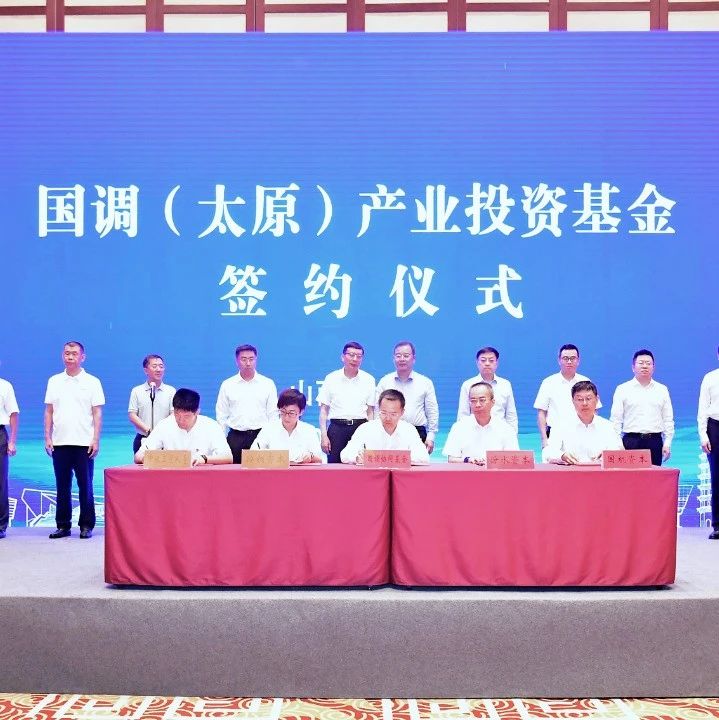
Group 1 - The establishment of the "China International Science and Technology Promotion Association Mother Fund Branch" aims to enhance the role of mother funds in China's capital market and promote the healthy development of the investment industry, particularly the mother fund sector [1][24]. - The mother fund branch consists of 85 participating institutions and provides weekly updates on relevant news [1]. Group 2 - A central enterprise industry fund has been established with a total scale of 5 billion [2][5]. - The "Guangzhou Development Zone Fund Group" has been recognized for its reform achievements in the fifth batch of micro-cases for deepening the reform of state-owned enterprises in Guangzhou [2][18]. Group 3 - The "Guo Diao (Taiyuan) Industrial Investment Fund" was signed, with a total scale of 5 billion, focusing on key industries in Taiyuan [4][5][6]. - The fund aims to support the upgrading of existing projects and the introduction of new projects in six core industries [6]. Group 4 - Longjiang Industrial Investment Company led a 200 million investment in Zhejiang Haichang Biological Technology Co., focusing on the development of nucleic acid drug delivery systems [12][13]. - The investment aims to accelerate the research and clinical development of innovative drugs [12]. Group 5 - Jiangsu Huanghai Jin控 Group has successfully attracted the OLED screen foam and adhesive tape project to Yandu District, with a total investment of 1 billion [14][16]. - The project is expected to generate annual revenue of 1.2 billion and pay 40 million in taxes [16]. Group 6 - The meeting between Xi'an Financial Investment and Shaanxi Pharmaceutical Group focused on the management of a traditional Chinese medicine fund and future investment strategies [20][22]. - Both parties expressed a commitment to explore new cooperation paths in various investment areas [23].
2个50亿,福建省级母基金又在招GP了
母基金研究中心· 2025-08-18 09:05
Group 1 - The article highlights the launch of two new funds in Fujian, aimed at promoting mergers and acquisitions with a target scale of 50 billion yuan each [1] - Fujian's government plans to establish a total of 1.3 trillion yuan in provincial government-guided funds over the next five years, enhancing the investment landscape [1] - In 2023, Fujian's provincial government investment funds have demonstrated efficiency, completing selections for six market-oriented funds, resulting in a fund matrix of 133 billion yuan and facilitating over 1,000 billion yuan in social capital inflow [1] Group 2 - The establishment of 100 billion yuan merger and S funds is expected to provide more patient capital for technology enterprises and improve exit channels for equity investments [1] - Fujian is positioned to become a favored region for venture capital and private equity investments due to these developments [1]

子基金管理费3%,这个省科创母基金来了
母基金研究中心· 2025-08-18 09:05
Core Viewpoint - The article discusses the newly released "Management Measures for the Science and Technology Innovation Mother Fund in Shaanxi Province," highlighting the establishment of a 10 billion yuan mother fund aimed at supporting technology innovation and venture capital in the region [1][10]. Summary by Sections Fund Structure and Duration - The mother fund has a duration of 20 years, while the sub-funds can last up to 15 years, with extensions subject to approval by the provincial government [3][4]. - The total scale of the fund matrix is projected to reach 30 billion yuan, integrating various funds to support the entire lifecycle of technology innovation [1]. Investment Strategy and Conditions - The mother fund can invest up to 50% in venture capital sub-funds, with seed and angel funds allowed to receive up to 60% [3][4]. - The management fee for sub-funds is capped at 2% per year, with seed and angel funds at 3% per year, which is considered a competitive rate in the current market [5][6]. Risk Tolerance and Loss Allowance - The fund exhibits a high tolerance for losses, allowing up to 70% for seed and angel funds, 50% for venture capital funds, and 30% for industrial funds. Individual projects can tolerate a maximum loss of 100% [7][9]. - This approach reflects a growing trend among national and local government funds to accept full losses, promoting a more risk-tolerant investment environment [8][9]. Policy Alignment and Market Impact - The measures align with national policies aimed at promoting high-quality development of government investment funds, encouraging longer fund durations and reducing fundraising difficulties [4][10]. - The article emphasizes the potential for Shaanxi's initiatives to serve as a model for other regions, fostering a more supportive environment for early-stage investments in technology [7][10]. Recent Achievements - As of June 2023, the provincial government investment guide fund has formed a total scale of 105.54 billion yuan, investing in key industries such as semiconductors and aviation, and supporting over 150 companies [12].

2025的一级市场真实现状:“熬鹰”
母基金研究中心· 2025-08-17 09:06
Core Viewpoint - The article discusses the complex sentiment in the primary market as it transitions from a prolonged downturn to a cautiously optimistic environment, highlighting the mixed responses from various stakeholders including regulators, venture capitalists, and companies [2][3][4]. Regulatory Perspective - There are clear signs of policy warming from the regulatory side, with recent reforms aimed at encouraging and supporting the primary market after a period of tightening [3]. - However, the regulatory environment remains stringent, necessitating a balance between encouragement and strong oversight, particularly in light of the challenges faced by the secondary market [3][5]. Venture Capital Insights - The significant reduction in IPO expectations is likely to impact the investment activity of venture capital, especially private capital, as the narrowing of investment opportunities poses challenges [4]. - Despite a recent uptick in activity among venture capitalists, driven by policy changes and a fear of missing out, the overall environment remains cautious and not yet fully vibrant [4][5]. Company-Level Dynamics - Companies are experiencing a dilemma; many have been deterred from applying for IPOs during the downturn, yet face pressure from shareholders to exit [5]. - The current warming of policies is seen as a limited opportunity, with companies needing time to adapt and assess the stability of these changes [5][6]. Intermediary Institutions - Intermediary institutions are significantly affected by the current market conditions, facing reduced business opportunities and resulting in layoffs and salary cuts [6][7]. - The year 2024 is characterized as a critical period for these institutions, with many professionals either leaving the industry or remaining in a state of uncertainty [7][8]. Market Capacity and Demand - The mismatch between reduced capacity and current demand is a key factor in the current market situation, as the workforce was previously configured to handle a higher volume of IPOs than is currently expected [8][9]. - The development of the Beijing Stock Exchange has increased its share of applications, but the financial returns from these projects are significantly lower compared to past IPOs [8][9]. Competitive Landscape - The market is witnessing a pronounced "Matthew Effect," where larger firms are consolidating and gaining competitive advantages over smaller firms, particularly in the context of a sluggish IPO market [9][10]. - The disparity in capabilities among firms is becoming more pronounced, affecting their ability to compete effectively in the evolving landscape [9][10]. Overall Market Sentiment - The primary market appears to be in a phase of "waiting," with no immediate return to the previous IPO boom, and participants are focused on adapting to new regulatory conditions [10]. - The article suggests that the key to breaking the current deadlock lies in shifting business strategies from competing on price and quantity to enhancing internal capabilities and quality [10].