理想TOP2

Search documents
理想超充站3094座|截至25年8月20日
理想TOP2· 2025-08-20 15:38
Core Insights - The company has achieved a total of 3,094 supercharging stations, with a target of over 4,000 stations by the end of 2025, leaving 906 stations to be built [1] - The progress of new stations built this year has increased from 59.88% to 60.14%, with 133 days remaining in the year [1] - To meet the year-end target, an average of 6.81 new stations need to be constructed daily [1] Summary by Sections - **Current Supercharging Stations**: The total number of supercharging stations has increased from 3,088 to 3,094 [1] - **Yearly Progress**: The current progress of new stations built this year is at 60.14%, with a time progress value of 63.56% [1] - **Daily Construction Requirement**: To achieve the target of over 4,000 stations by the end of 2025, the company needs to build 6.81 stations per day for the remaining 133 days of the year [1] - **Newly Built Stations**: Six new supercharging stations have been added in various locations, including Beijing, Jiangmen, Nanjing, Hohhot, and Chengdu, with specifications varying from 2C to 5C [1]


李想对卓越创业者共性的非共识观点
理想TOP2· 2025-08-19 14:57
Core Insights - The article emphasizes three key principles for success in business: selecting the right trends, having a long-term perspective, and maintaining a high frequency of iteration, with the latter being a counterintuitive insight [1][4]. Group 1: Key Principles - The first principle is the importance of accurately selecting major trends, such as in e-commerce and food delivery, which is a common understanding among successful entrepreneurs [2]. - The second principle highlights the necessity of a long-term approach, suggesting that significant results often take 15 to 20 years to materialize, contrasting with short-term gains that may attract more competition [2][4]. - The third principle, which is less commonly accepted, stresses the need for rapid iteration within a chosen long-term path, as seen in successful companies like Nvidia and Meituan, which adapt quickly based on market feedback [4][9]. Group 2: Examples and Comparisons - Companies like Nvidia exemplify the principle of high-frequency iteration, releasing new products annually compared to competitors who may take several years, thus maintaining a competitive edge [8][12]. - The article draws parallels between business iteration and reinforcement learning, where real market feedback is crucial for growth and improvement, emphasizing that practice and adaptation are essential [9][11]. - The discussion also notes that striving for perfection can hinder progress, and that successful companies often prioritize rapid iteration over perfection [11].

理想超充站3088座|截至25年8月19日
理想TOP2· 2025-08-19 14:57
Core Insights - The company aims to achieve a target of over 4000 charging stations by the end of 2025, with a current count of 3088 stations, indicating a need to complete 912 more stations within the remaining 134 days of the year [1][2]. Group 1: Charging Station Development - The current progress for new charging stations this year is at 59.88%, with a requirement of 6.81 stations to be built daily to meet the year-end target [1]. - A total of 9 new charging stations have been established, with locations including Guangzhou, Hangzhou, Wenzhou, and others, all categorized as urban 4C stations [1]. - One station has been removed from the count, specifically a testing station in Beijing that is not open to the public [2].
全面超越DiffusionDrive, GMF-Drive:全球首个Mamba端到端SOTA方案
理想TOP2· 2025-08-18 12:43
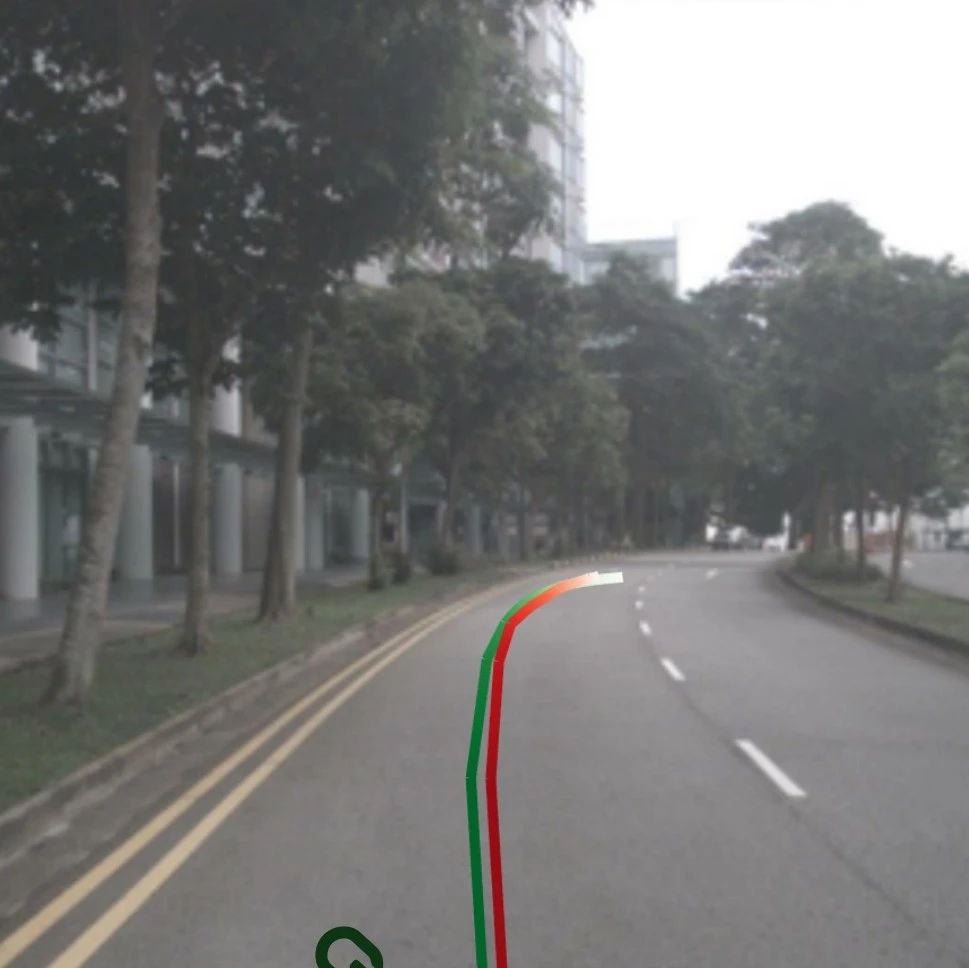
Core Insights - The article discusses the advancements in end-to-end autonomous driving, emphasizing the importance of multi-modal fusion architectures and the introduction of GMF-Drive as a new framework that improves upon existing methods [3][4][44]. Group 1: End-to-End Autonomous Driving - End-to-end autonomous driving has gained widespread acceptance as it directly maps raw sensor inputs to driving actions, reducing reliance on intermediate representations and information loss [3]. - Recent models like DiffusionDrive and GoalFlow demonstrate strong capabilities in generating diverse and high-quality driving trajectories [3]. Group 2: Multi-Modal Fusion Challenges - A key bottleneck in current systems is the integration of heterogeneous inputs from different sensors, with existing methods often relying on simple feature concatenation rather than structured information integration [4][6]. - The article highlights that current multi-modal fusion architectures, such as TransFuser, show limited performance improvements compared to single-modal architectures, indicating a need for more sophisticated integration methods [6]. Group 3: GMF-Drive Overview - GMF-Drive, developed by teams from University of Science and Technology of China and China University of Mining and Technology, includes three modules aimed at enhancing multi-modal fusion for autonomous driving [7]. - The framework combines a gated Mamba fusion approach with spatial-aware BEV representation, addressing the limitations of traditional transformer-based methods [7][44]. Group 4: Innovations in Data Representation - The article introduces a 14-dimensional pillar representation that retains critical 3D geometric features, enhancing the model's perception capabilities [16][19]. - This representation captures local surface geometry and height variations, allowing the model to differentiate between objects with similar point densities but different structures [19]. Group 5: GM-Fusion Module - The GM-Fusion module integrates multi-modal features through gated channel attention, BEV-SSM, and hierarchical deformable cross-attention, achieving linear complexity while maintaining long-range dependency modeling [19][20]. - The module's design allows for effective spatial dependency modeling and improved feature alignment between camera and LiDAR data [19][40]. Group 6: Experimental Results - GMF-Drive achieved a PDMS score of 88.9 on the NAVSIM benchmark, outperforming the previous best model, DiffusionDrive, by 0.8 points, demonstrating the effectiveness of the GM-Fusion architecture [29][30]. - The framework also showed significant improvements in key sub-metrics, such as driving area compliance and vehicle progression rate, indicating enhanced safety and efficiency [30][31]. Group 7: Conclusion - The article concludes that GMF-Drive represents a significant advancement in autonomous driving frameworks by effectively combining geometric representations with spatially aware fusion techniques, achieving new performance benchmarks [44].
理想销售改革难点分析
理想TOP2· 2025-08-18 12:43
Core Viewpoint - The article discusses the new sales reform initiated by the company in August 2025, focusing on a store-centric approach to effectively convey product value and create a positive order cycle [1] Group 1: Sales Philosophy - The core consensus for store managers includes three key points: genuine recognition of value transmission leads to positive order cycles, constant order chasing deteriorates order quality, and store managers should have intrinsic motivation to act independently while seeking support when needed [2] Group 2: Current Challenges - There are three main challenges hindering the realization of the above points: 1. Despite recognition at the Beijing level of the need to reduce order chasing, provincial and departmental leaders continue to do so, driven by a lack of understanding of its negative impact and a need for personal security [3] 2. Some store managers recognize the importance of value transmission but lack the conditions to operate efficiently, needing a sense of security, appropriate incentives, smoother team management, and better relationships with department heads [3] 3. The company is actively researching frontline sales issues, but the quality of this research needs improvement due to concerns among respondents about potential repercussions for candid feedback [7] Group 3: Management and Incentives - Effective management of sales teams is crucial, with store managers being the smallest management unit. A confident and proactive sales team can significantly enhance consumer perception compared to a disengaged one [4] - Current management structures limit store managers' authority, which is counterproductive to fostering a culture of value transmission [4] - The focus on short-term ROI and profit can paradoxically harm long-term profitability and ROI, as excessive concern for immediate results may stifle effective sales strategies [6]
理想超充站3080座|截至25年8月18日
理想TOP2· 2025-08-18 12:43
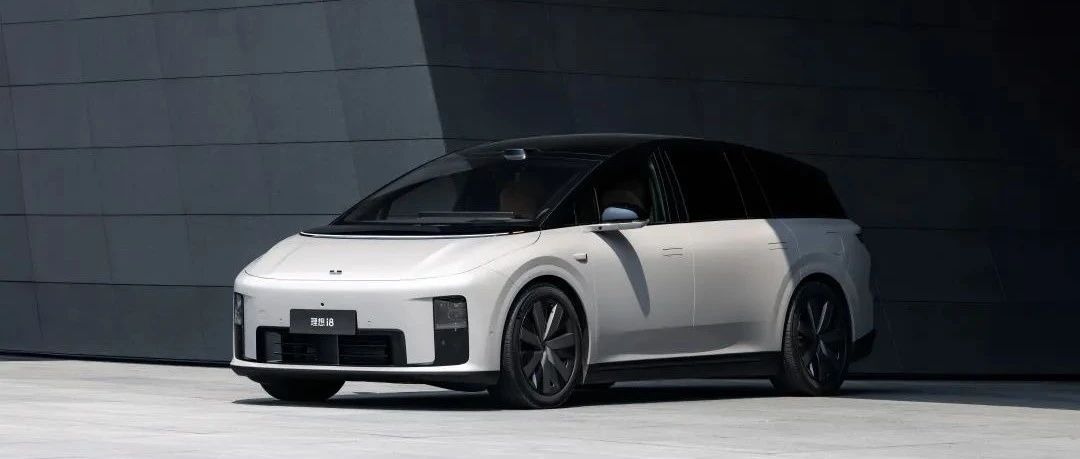
Core Viewpoint - The company is making progress towards its goal of establishing over 4000 charging stations by the end of 2025, with a current total of 3080 stations built as of mid-August 2025, indicating a completion rate of 59.52% for the year [1]. Group 1: Charging Station Development - The total number of charging stations has increased from 3077 to 3080, with a target of 4000+ stations by the end of 2025, leaving 920 stations to be built [1]. - The progress for new stations this year is at 59.52%, with 135 days remaining in the year [1]. - To meet the year-end target, an average of 6.81 new stations need to be built daily [1]. Group 2: New and Restored Stations - Two new charging stations have been established in Jiangsu Province and Tianjin, both with specifications of 4C × 4 [1]. - One station has been restored in Beijing, which is a testing station and not open to the public, with specifications of 2C × 3 and 5C × 1 [1].
肉呆对MEGA Home市场的一些描述
理想TOP2· 2025-08-17 11:12
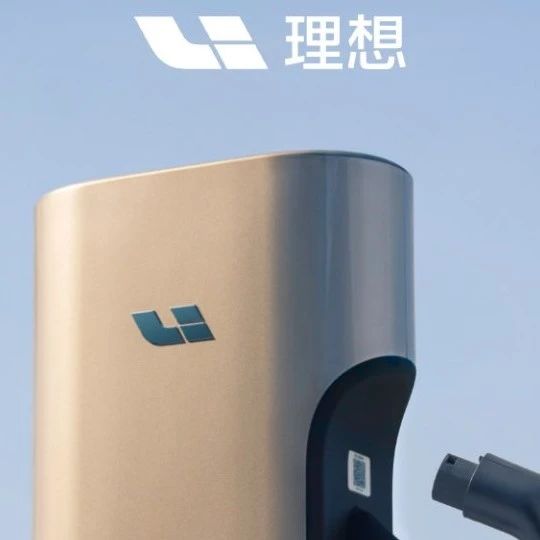
Core Insights - The article emphasizes the importance of customer stories in understanding the emotional connection between users and products, particularly in the context of high-end products like the MEGA Home [1] - It highlights the significant market acceptance of the MEGA Home in southern regions, particularly in Zhejiang and Nanjing, indicating a strong customer loyalty and understanding of the product [4][5] - The article raises concerns about the alignment between sales, product, and marketing teams, suggesting that a lack of cohesion could hinder the sales of more challenging but rewarding products [3] Group 1 - Customer stories are crucial for understanding user trust and emotional connection with the product, despite the challenges faced by the company [1] - The MEGA Home's rotating seat feature has surprisingly positive reception in the market, showcasing the importance of user experience in driving sales [2] - There is a need for bolder space design in the MEGA Home, as feedback from numerous offline surveys indicates a desire for more innovative design elements [7] Group 2 - The MEGA Home is viewed as a benchmark for other companies looking to enter the MPV market, indicating its potential influence on future product development [8] - Nanjing has been identified as a region with the highest customer loyalty and understanding of the MEGA product, suggesting targeted marketing opportunities [5] - The article notes that the oldest MEGA Home owner is 72 years old, highlighting the product's appeal across different age demographics [6]

理想超充站3077座|截至25年8月17日
理想TOP2· 2025-08-17 11:12
Group 1 - The core viewpoint of the article highlights the progress of the company's supercharging station construction, with a current total of 3,077 stations built, moving towards a target of over 4,000 by the end of 2025 [1] - The completion rate for new supercharging stations this year has increased slightly from 59.35% to 59.39%, indicating ongoing development efforts [1] - With 136 days remaining in the year, the company needs to build an average of 6.79 new stations per day to meet its year-end target [1] Group 2 - A new supercharging station has been established in the city of Zhumadian, Henan Province, specifically at the Zhumadian Kaiyuan Avenue Retail Center, which is categorized as a 4C station [1]
理想认为VLA语言比视觉对动作准确率影响更大
理想TOP2· 2025-08-16 12:11
Core Viewpoint - The article discusses the release of DriveAction, a benchmark for evaluating Visual-Language-Action (VLA) models, emphasizing the need for both visual and language inputs to enhance action prediction accuracy [1][3]. Summary by Sections DriveAction Overview - DriveAction is the first action-driven benchmark specifically designed for VLA models, containing 16,185 question-answer pairs generated from 2,610 driving scenarios [3]. - The dataset is derived from real-world driving data collected from mass-produced assisted driving vehicles [3]. Model Performance Evaluation - The experiments indicate that the most advanced Visual-Language Models (VLMs) require guidance from both visual and language inputs for accurate action predictions. The average accuracy drops by 3.3% without visual input, 4.1% without language input, and 8.0% when both are absent [3][6]. - In comprehensive evaluation modes, all models achieved the highest accuracy in the full V-L-A mode, while the lowest accuracy was observed in the no-information mode (A) [6]. Specific Task Performance - Performance metrics for specific tasks such as navigation, efficiency, and dynamic/static tasks are provided, showing varying strengths among different models [8]. - For instance, GPT-4o scored 66.8 in navigation-related visual questions, 75.2 in language questions, and 78.2 in execution questions, highlighting the diverse capabilities of models [8]. Stability Analysis - Stability analysis was conducted by repeating each setting three times to calculate average values and standard deviations. GPT-4.1 mini and Gemini 2.5 Pro exhibited strong stability with standard deviations below 0.3 [9].
理想超充站3076座|截至25年8月16日
理想TOP2· 2025-08-16 12:11
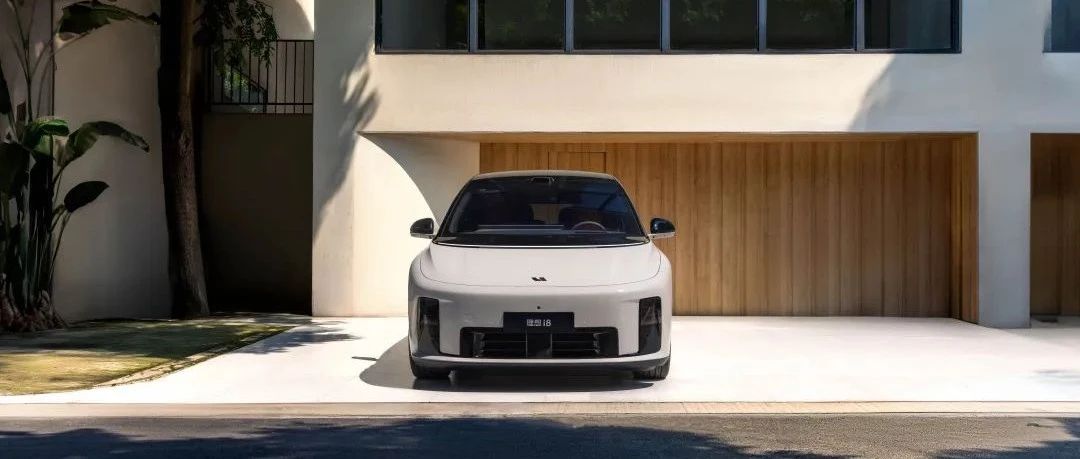
Group 1 - The article discusses the progress of the company's supercharging station construction, highlighting that the total number of completed supercharging stations has increased from 3,058 to 3,076 in a short period [1] - The company aims to achieve a target of over 4,000 supercharging stations by the end of 2025, with 924 stations remaining to be built [1] - The current progress for new stations this year is reported at 59.35%, with 137 days left in the year, indicating a need for an average of 6.74 new stations to be completed daily to meet the year-end goal [1] Group 2 - A total of 18 new supercharging stations have been constructed, with specific locations and specifications detailed, including cities in Guangdong, Shandong, and other provinces [1][3] - The specifications of the new stations vary, with some being categorized as 4C and 5C stations, indicating different charging capabilities [1][3] - The article provides a breakdown of the new stations by province, showcasing the company's expansion efforts across various regions [3]