
Canalys

Search documents
2025年第一季度,全球可穿戴腕带设备市场增长13%,小米跃居榜首
Canalys· 2025-05-23 05:04
Core Viewpoint - The global wearable wristband device market is experiencing significant growth, with a 13% year-on-year increase in Q1 2025, reaching a shipment volume of 46.6 million units, driven by demand recovery and a low base from the previous year [1][6]. Group 1: Market Dynamics - The three main product categories—basic bands, basic watches, and smartwatches—are all showing growth, contributing to market expansion [1]. - Xiaomi has regained the top position in the wearable wristband market for the first time since Q2 2021, with a 44% increase in shipments to 8.7 million units, largely due to the popularity of the Redmi Band 5 [3][6]. - Apple ranks second with a 5% increase in Apple Watch shipments, reaching 7.6 million units, while Huawei remains third with a 36% increase to 7.1 million units [3][6]. - Samsung's shipments surged by 74% to 4.9 million units, supported by a dual-track strategy targeting both emerging and developed markets [3][6]. - Garmin holds the fifth position with a 10% increase in shipments to 1.8 million units, leveraging a differentiated product mix and the new Connect+ platform [3][6]. Group 2: Ecosystem and Service Focus - The wearable wristband market is shifting from a hardware-driven model to an ecosystem-driven approach, with companies focusing on platform and service development to enhance user retention and drive sustainable revenue [2][5]. - Xiaomi is deepening device integration and user engagement through its extensive product lineup and HyperOS, while Huawei is building a closed-loop health ecosystem via the Huawei Health App [2]. - Global brands like Oura and Whoop prioritize services over hardware, utilizing subscription models to enhance user value [2]. Group 3: Consumer Preferences and Innovation - Companies must balance innovation and core functionalities to stimulate consumer demand, with price, battery life, and health monitoring being the top three factors influencing purchasing decisions [3]. - As market education progresses and device penetration increases, software capabilities and ecosystem integration are expected to unlock higher added value, making differentiation more pronounced [3].



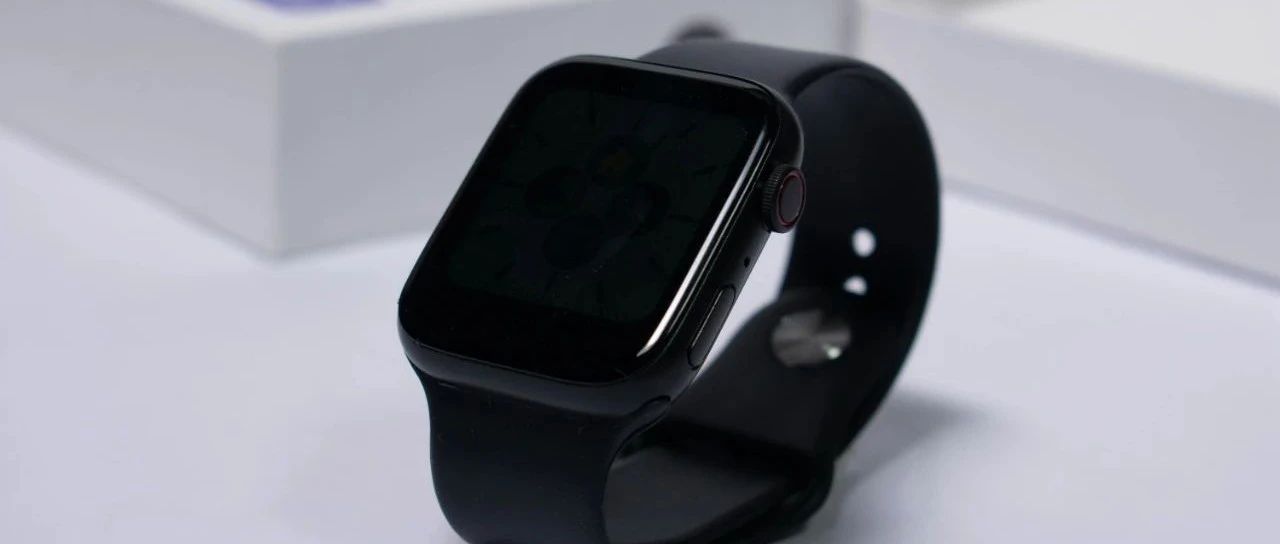
2025年第一季度,全球TWS耳机市场强劲反弹,同比增长18%
Canalys· 2025-05-22 02:37
Core Insights - The global true wireless stereo (TWS) market experienced a strong rebound in Q1 2025, with shipments increasing by 18% year-on-year to reach 78 million units, marking the highest growth rate since 2021 [1][4] - Apple maintained its leadership in the TWS market with a 23% market share, while Xiaomi surged to second place with a 63% year-on-year increase in shipments, reaching over 9 million units and capturing an 11.5% market share [1][4] - The market is characterized by a dual expansion strategy by manufacturers, focusing on both geographic and price tier growth, particularly in emerging markets [2][3] Market Dynamics - Leading ecosystem manufacturers are driving market growth through global expansion strategies, especially in emerging markets like Southeast Asia, Eastern Europe, Latin America, and Africa [2] - Xiaomi and Huawei are gradually replacing white-label brands by leveraging stronger brand influence, improved after-sales service, and channel strategies [2] - The U.S. market saw a recovery with double-digit growth, primarily driven by companies stocking up in response to tariff uncertainties, with Apple holding over 50% market share in North America [2] Product Trends - Open wireless headphones (OWS) are growing rapidly, outpacing overall market growth and shifting from functional audio devices to value-driven, lifestyle-oriented products [2][3] - Mainstream manufacturers are investing in ear-hook and ear-clip designs, utilizing bold materials and colors to enhance product appeal [2] - The TWS market is entering a new phase characterized by product diversification, brand upgrades, and personalized experiences, with innovation and scenario-based product development being crucial for long-term success [3] Shipment Data - Q1 2025 global TWS shipments and year-on-year growth rates: - Apple: 18.2 million units, 23.3% market share, 12% growth - Xiaomi: 9.0 million units, 11.5% market share, 63% growth - Samsung: 5.6 million units, 7.1% market share, 8% growth - Huawei: 4.7 million units, 6.0% market share, 40% growth - boAt: 3.9 million units, 4.9% market share, 31% growth - Total: 78.3 million units, 18% growth [4]

小米发布XRING O1自研芯片,冲击高端芯片自主化
Canalys· 2025-05-21 03:38
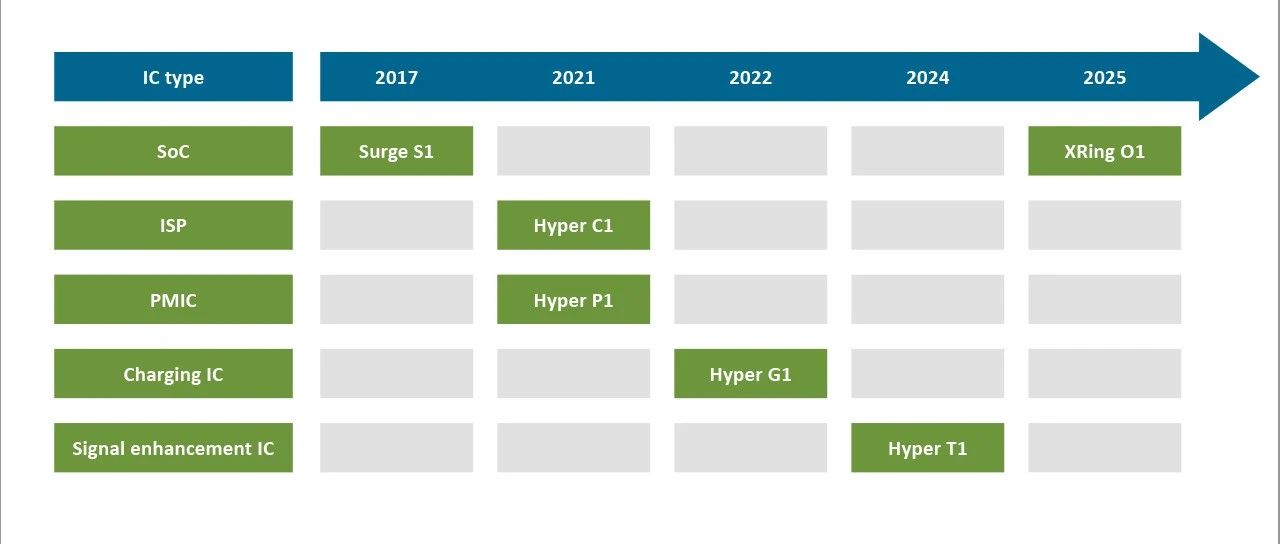
Core Viewpoint - Xiaomi has made significant strides in chip development, recently launching its flagship SoC chip, the Xuanjie O1, which utilizes advanced 3nm process technology and is comparable to current flagship chips in the market [1][12]. Group 1: Chip Development Journey - Xiaomi introduced its first self-developed 4G SoC chip, the Surge S1, in 2017, but faced market challenges that hindered further iterations [1]. - Since 2021, Xiaomi has commercialized several self-developed small chips for various functions, gaining valuable practical experience for future chip development [1]. - The recent launch of the Xuanjie O1 marks Xiaomi as the second Chinese manufacturer, after Huawei, to achieve mass production and commercialization of a flagship SoC chip [1]. Group 2: Strategic Value of Chip R&D - Xiaomi's continuous investment in chip R&D aims to create a complete ecosystem that integrates hardware and software across various devices, including smartphones, tablets, and IoT products [5]. - The company faces significant challenges in developing its baseband chips, including high patent concentration among leading firms and the need for extensive global compatibility [5][6]. - By focusing on self-developed application processors (AP) paired with third-party baseband chips, Xiaomi is pursuing a practical and effective development path for its SoC [2]. Group 3: Supply Chain and Market Position - Xiaomi's smartphone SoC supply chain is diversified, with MediaTek being the dominant supplier, accounting for 63% of the SoC chips used in Xiaomi smartphones [8]. - Qualcomm follows as the second-largest supplier, providing 35% of the SoC chips, primarily for mid-to-high-end models [8]. - The Xuanjie O1 chip will initially be used in the Xiaomi S15 Pro and Xiaomi Pad 7 Ultra, with a conservative planned shipment volume in the tens of thousands due to initial high costs [12]. Group 4: Competitive Landscape - The Xuanjie O1 chip features a high-frequency super-large core architecture and has surpassed some current flagship chips in benchmark tests [12]. - Xiaomi's strategy to maintain close cooperation with third-party chip suppliers remains crucial, as the new self-developed chips are unlikely to disrupt existing supply relationships in the short term [13].
2025年第一季度,中东智能手机市场出货量下降4%,消费需求低迷
Canalys· 2025-05-19 11:34
Core Insights - The Middle East smartphone market (excluding Turkey) showed signs of weakness in early 2025, with a 4% year-on-year decline in shipments to 11.7 million units in Q1 2025, influenced by slowing retail demand and cautious consumer spending [1][6] - Despite a strong recovery in 2024, economic uncertainties and declining oil prices have pressured oil-dependent economies, further impacting market confidence [1] - High-end smartphone demand is driving an increase in average selling prices (ASP), with shipments of devices priced over $600 growing by 17% year-on-year in Q1 2025 [3] Market Performance - Saudi Arabia maintained the largest market share at 26%, but experienced a 12% decline in shipments, primarily due to weak consumer demand during Ramadan [1] - Iraq's market saw an 11% decline, with consumers prioritizing essential goods over device upgrades due to economic pressures from falling oil prices [1] - The UAE market only slightly decreased by 1%, supported by active retail activities and increased tourist numbers during the Eid celebrations [1] Growth Opportunities - Kuwait and Qatar exhibited positive growth, with Kuwait achieving a 13% increase in shipments during the Hala Festival and Qatar leading the region with a 16% growth, driven by tourism and a thriving luxury retail market [2] - The demand for high-end smartphones is evident, with Samsung leading the market with a 19% year-on-year growth, attributed to the popularity of the Galaxy A series and the Galaxy S25 Ultra [3] Competitive Landscape - Transsion remains the leader in the sub-$100 segment with a 43% market share, although this is down from 51% year-on-year [4] - Xiaomi's market share dropped to 14% with a 31% decline in shipments, while Apple saw a 10% increase, benefiting from the popularity of the iPhone 16 and improved affordability through "buy now, pay later" options [4] - Emerging brands like Honor and Motorola expanded their retail presence and product offerings, achieving growth rates of 36% and 12% respectively [4] Market Trends - AI smartphones accounted for 53% of shipments in Q1 2025, indicating a shift towards more intelligent and experience-driven devices [5] - The Middle East is evolving into a key player in the global smartphone value chain, with brands needing to invest in ecosystem innovation and high-end retail experiences to adapt to changing market dynamics [5]
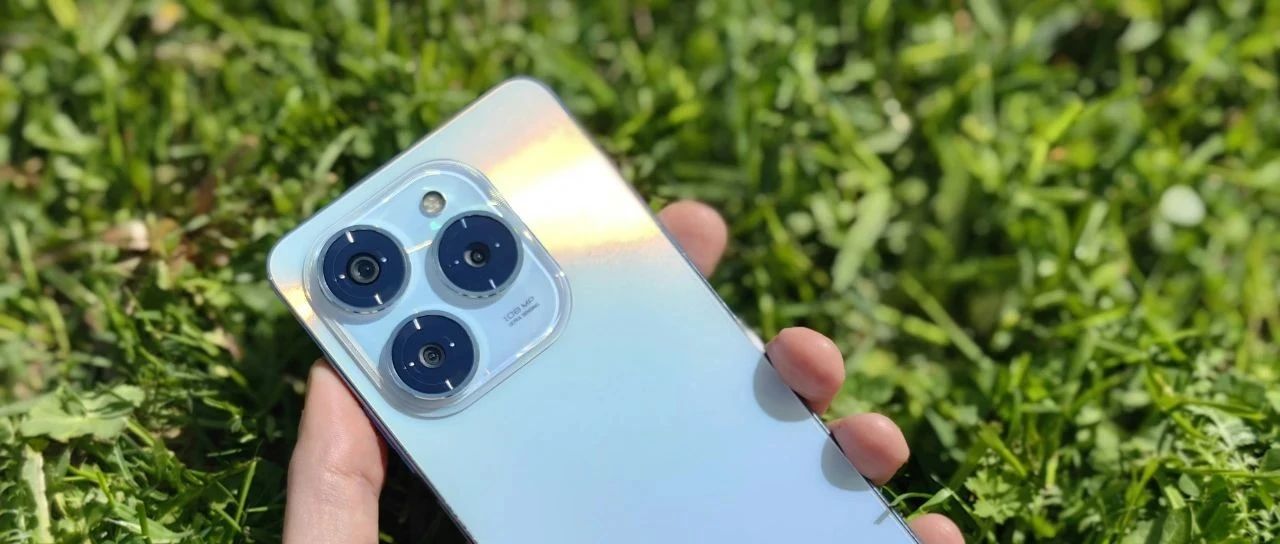
东南亚智能手机市场面临自2024年以来的首次下滑,三星重回榜首,小米逆势增长
Canalys· 2025-05-19 05:05
Core Insights - The Southeast Asian smartphone market experienced a 3% year-on-year decline in Q1 2025, marking the first drop after five consecutive quarters of growth [1][2] - Samsung regained the top position with a shipment of 4.3 million units, holding a 19% market share, while Xiaomi was the only top five vendor to achieve year-on-year growth, increasing shipments by 4% to 4 million units, capturing 17% market share [1][7] - The average selling price (ASP) rose by 5% to its highest level since 2023, driven by a wave of high-end product launches in Q4 2024, which reduced disposable income for retailers [2][4] Market Dynamics - The decline in the smartphone market is attributed to high inventory levels due to preemptive stocking by manufacturers in Q4 2024, coupled with inflationary pressures that weakened consumer demand, particularly in the entry-level and mid-range segments [2][4] - Manufacturers are advised to maintain flexible product portfolio strategies to adapt to changing market dynamics, as demonstrated by Xiaomi's strategic acceleration of Note series launches [2][5] Competitive Landscape - Honor achieved an impressive 88% year-on-year growth, with shipments reaching 893,000 units, attributed to a diverse product line that mitigated reliance on a single market segment [2][5] - Samsung's focus on enhancing product value and deepening partnerships with telecom operators has led to a 47% year-on-year increase in shipments of its 5G A series, aiding its transition towards a higher-end product line [2][5] Regional Insights - Vietnam is emerging as a key beneficiary of regional supply chain shifts, supported by stable governance and improved infrastructure, making it an attractive location for long-term smartphone production investments [5] - Other Southeast Asian countries like Malaysia, Indonesia, and Thailand are also enhancing their roles in the smartphone value chain, leveraging local advantages in semiconductor and battery production [5]


Garmin推出Connect+战略转型或将撼动市场格局
Canalys· 2025-05-12 06:51
Core Insights - Garmin has launched Connect+, a subscription-based service aimed at enhancing its wearable device ecosystem, priced at $6.99 per month, with a free trial for existing users, marking a strategic shift from hardware-centric sales to exploring new revenue streams [1] - The introduction of Connect+ aligns Garmin with industry trends where companies seek closer connections with users and high-profit growth opportunities, similar to strategies adopted by tech giants like Apple and Xiaomi [1] - The success of Connect+ hinges on effective communication with Garmin's loyal user base regarding the differentiation between optional services and core experiences tied to hardware [2] Subscription Service Opportunities and Challenges - As the device market saturates and hardware profits decline, manufacturers are increasingly looking to software layers for sustainable growth, with subscription services becoming a core business model for some [2] - Garmin faces challenges in clearly communicating its future vision to users, particularly in defining the boundaries between free and paid features, which could lead to user dissatisfaction if expectations are not managed [2][3] - The balance between thoughtful product strategy and transparent communication is crucial for Garmin's transition to a "hardware + service" model [2] Key Communication Points for Service Launch - The differentiation of paid features must be clear and provide tangible value beyond free services; ambiguity could hinder user adoption of the subscription model [3] - Users prioritize functionality clarity over novelty, and if the new features do not enhance the user experience, it may lead to concerns about the potential locking of core functionalities behind a paywall [3] - Past experiences with other platforms have shown that locking essential features can damage brand trust and user loyalty, which Garmin must avoid [3] Community Engagement and User Sentiment - Garmin's competitive edge lies in its established user community, and introducing paywalls could disrupt engagement and diminish the brand's unique advantages [4] - Historical examples, such as Fitbit's community feature removal leading to user backlash, highlight the risks of alienating users during monetization efforts [4] - Finding a balance between revenue growth and community vitality is essential for the success of Garmin's service products [4] Market Positioning and Competitive Landscape - With the launch of Connect+, Garmin enters a competitive subscription service market dominated by platforms like Strava, necessitating a clear value proposition as a comprehensive sports service provider [5] - The competitive landscape includes brands like Apple, Samsung, and Xiaomi, which are vying for attention in the fitness and outdoor segments, making brand loyalty less of a given [5] - Garmin must enhance its brand differentiation and clearly communicate the unique value of its subscription services within its overall product offering to maintain market position [5] Future Considerations - Trust and confidence from users are built over time, and maintaining transparency about future features and community functionalities is vital for Garmin [7] - The adoption rate of Connect+ and its cross-selling performance will be closely monitored by investors and analysts as indicators of early success [7] - The subscription model presents significant potential for the industry, but companies must balance core strengths with consistent brand messaging and user value creation to achieve long-term growth [7]

2025年第一季度,全球平板电脑市场在消费需求推动下增长8%
Canalys· 2025-05-12 05:50
Core Insights - Global tablet shipments are projected to grow by 8.5% year-on-year in Q1 2025, reaching 36.8 million units, driven by consumer demand and educational device upgrades [1][5] - The Greater China region experienced significant growth due to government subsidies and promotional discounts during the Lunar New Year [1] - Apple maintained its market share, but local brands like Huawei and Xiaomi are increasingly threatening its leading position [1][4] Market Performance - In Q1 2025, Apple led the global tablet market with 13.7 million units shipped, a 14% increase year-on-year [3] - Samsung followed with 6.6 million units, a decline of 5.2% [4] - Xiaomi saw a remarkable growth of 56% with 3.1 million units shipped, surpassing Lenovo for the first time [4] - Lenovo shipped 2.5 million units, up 19% year-on-year, while Huawei shipped 2.4 million units, down 12.5% [4] Regional Insights - The U.S. tablet market showed seasonal performance, with a surge in imports in January due to tariff uncertainties, followed by a double-digit decline in February after tariff exemptions were announced [1] - The commercial tablet market remains weak, but opportunities in the education sector are expected to grow due to government initiatives and large-scale public tender projects [1][3] Future Outlook - Over 50% of B2B channel partners expect business growth in 2025 compared to 2024, indicating a growing acceptance of tablets as practical computing alternatives in the workplace [3] - Despite the anticipated slowdown in overall growth, demand in the high-end market is expected to remain robust [1]


摩托罗拉2025春季发布会加速推进高端化战略
Canalys· 2025-05-07 03:00
Core Insights - Motorola is focusing on expanding its Moto AI capabilities and launching new flagship devices, including the Razr and Edge smartphones, as part of its strategy for global scale expansion and high-end device growth [1][10] - The introduction of new smart audio products and wearables reflects Motorola's commitment to building a connected device ecosystem, branded as Moto Things, which aims to explore new value spaces and revenue sources through cross-category integration [4][5] Moto AI Development - Moto AI, showcased at the spring launch event, emphasizes a collaborative approach with partners like Perplexity, Google Gemini, and Meta Llama, aiming to provide reliable AI functionalities that build user confidence [2][3] - The AI features are designed to be intuitive for users who may not be tech-savvy, with applications like "Remember this" and "Catch-me-up" [2] Product Expansion - The launch of Moto Buds LOOP and Moto Watch FIT signifies Motorola's strategy to diversify its product offerings and enhance its connected device ecosystem [4] - The integration of various devices under the Moto Things brand is a key strategic focus for Lenovo and Motorola, aiming for seamless connectivity and AI empowerment [4] Brand Transformation - Motorola is transitioning from a traditional consumer electronics brand to a "lifestyle technology" brand, actively collaborating with the fashion industry to enhance its product design aesthetics [5] - The introduction of special editions, such as the Swarovski crystal version of Moto Buds LOOP, highlights Motorola's ambition to merge fashion with technology [5] Differentiation Strategy - The new Razr models emphasize CMF (Color, Material, and Finish) as a core differentiator, utilizing unconventional materials like wood and Alcantara to stand out in the market [7] - This approach not only enhances the aesthetic appeal but also creates new interaction scenarios for vertical foldable phones, positioning Motorola competitively in the high-end segment [7] Market Outlook - Canalys predicts that Motorola will achieve a shipment volume exceeding 60 million units in 2025, continuing a strong growth trajectory with a 23% increase in 2024 [10] - The high-end strategy aims to elevate the average selling price (ASP) and overall revenue, while balancing the need to maintain a stable presence in the sub-$300 market segment [10]

2025年第一季度,全球智能手机市场微涨0.2%,多个区域市场陷入下跌
Canalys· 2025-04-30 02:44
Canalys(现并入Omdia)最新研究显示,2025年第一季度,全球智能手机市场仅实现0.2%的增长,出货量达 2.969亿台。由于阶段性换机高峰进入尾声以及厂商寻求更健康的库存水位,全球智能手机市场增速已经连续 三个季度回落。三星凭借最新旗舰产品的发布以及性价比A系列新品巩固了第一的位置,出货量达6050万台。 苹果凭借其在亚太新兴市场以及美国市场的增长位列第二,出货量达5500万台,份额达19%。小米稳居第三, 出货量达4180万台,市场份额为14%,丰富的生态产品组合助力其在中国本土市场和海外新兴市场强化品牌优 势。vivo和OPPO位列第四及第五位,出货量分别为2290万台和2270万台。 Canalys(现并入Omdia)首席分析师朱嘉弢指出:"各区域智能手机状况正变得复杂。在过去一年增长势头强 劲的印度、拉美和中东等区域出现了明显下滑,显现出大众产品区间换机需求的饱和。多数安卓品牌正在一季 度积极调整自身的库存水平以避免影响新机发布和渠道价格体系。欧洲市场在经历了短暂的复苏后再次出现下 跌,厂商受困于去年末的旗舰机高库存以及生态设计法案对未来中低端区间产品线的扰乱。然而仍然有区 域 市场呈现出 ...
高通在驾驶辅助行业演进中的角色
Canalys· 2025-04-29 04:04
随着先进驾驶辅助系统(ADAS)技术不断成熟,消费者对高速和城市通勤场景下驾驶辅助体验的期待提升, L2级高速NOA与城市NOA加速渗透,带动域控⽅案对前视一体机⽅案的替代,并推高中高算力SoC需求。 Canalys(现并入Omdia)预计,2025年中国市场L2级及以上功能渗透率将达62%,较2024年显著提升,高速 NOA 与城市NOA 分别达到10.8%和9.9%。预计2027–2028年,城市NOA增速将反超高速NOA ,市场结构快 速演变,将重塑SoC竞争格局。基于当前表现与节奏判断,高通凭借Snapdragon Ride平台(包括骁龙8650、 8620和8775等SoC)在产品性能与市场落地的表现,已连续两年位列Canalys中国ADAS SoC领导力矩阵的 "冠 军阵营"。 当前, 驾驶 辅助 普及加速 : 市场倾向于平台化、性能和成本最优平衡 SoC厂商 越来越多主机厂 在推进 驾驶辅助普及 进程中,选择 。 将中高阶ADAS功能下放⾄10-20万元主力⻋型 为抢占先机 ,以 ⽐亚迪、 吉利 奇瑞 和 红旗 为代表的主流主机厂 、 采取 跨平台 的 驾驶 辅助 ⽅案 排布策略 ,系统性地推出 ...
